
The Role of Farmers: Agriculture as the Backbone of Ancient Indian Civilizations

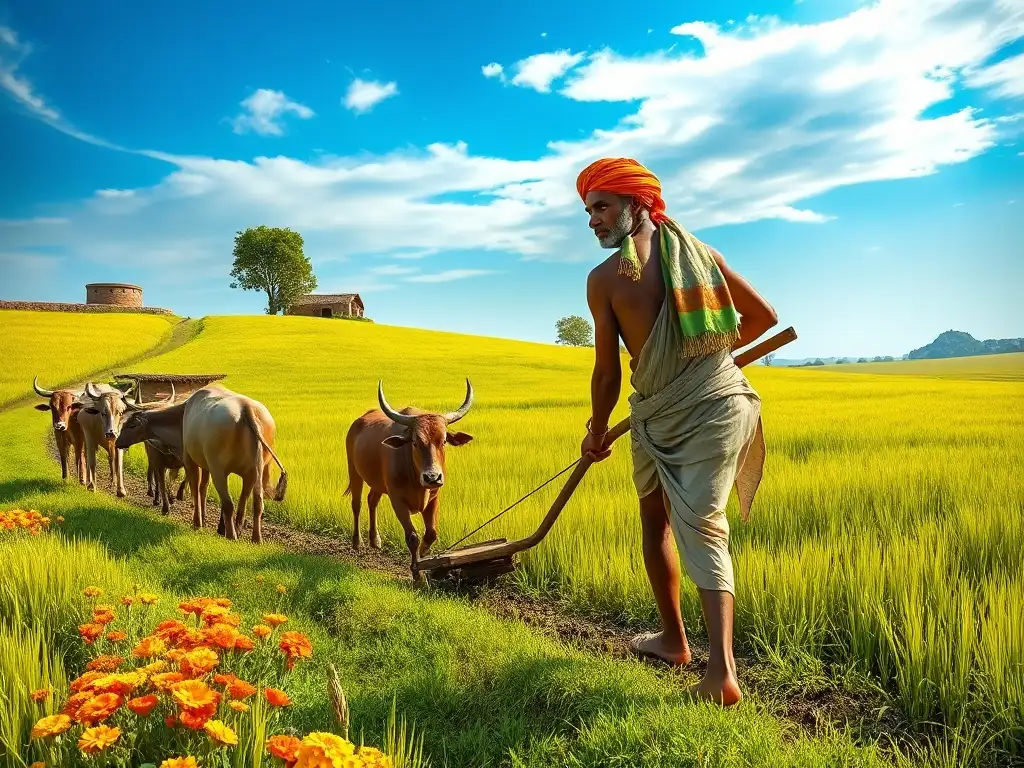
Welcome to Ancient India History, where we embark on a fascinating journey through the rich tapestries of ancient Indian civilizations. Here, we delve into the profound impact of agriculture on society, highlighting its pivotal role as the backbone of ancient Indian life. In our featured article, "The Role of Farmers: Agriculture as the Backbone of Ancient Indian Civilizations," we invite you to explore how innovative farming practices and the dedication of farmers shaped the very foundations of culture and community.
Get ready to uncover the secrets of Ancient Indian agriculture history—a story that weaves together tradition, resilience, and ingenuity. Join us as we dig deeper into this captivating aspect of our shared heritage!
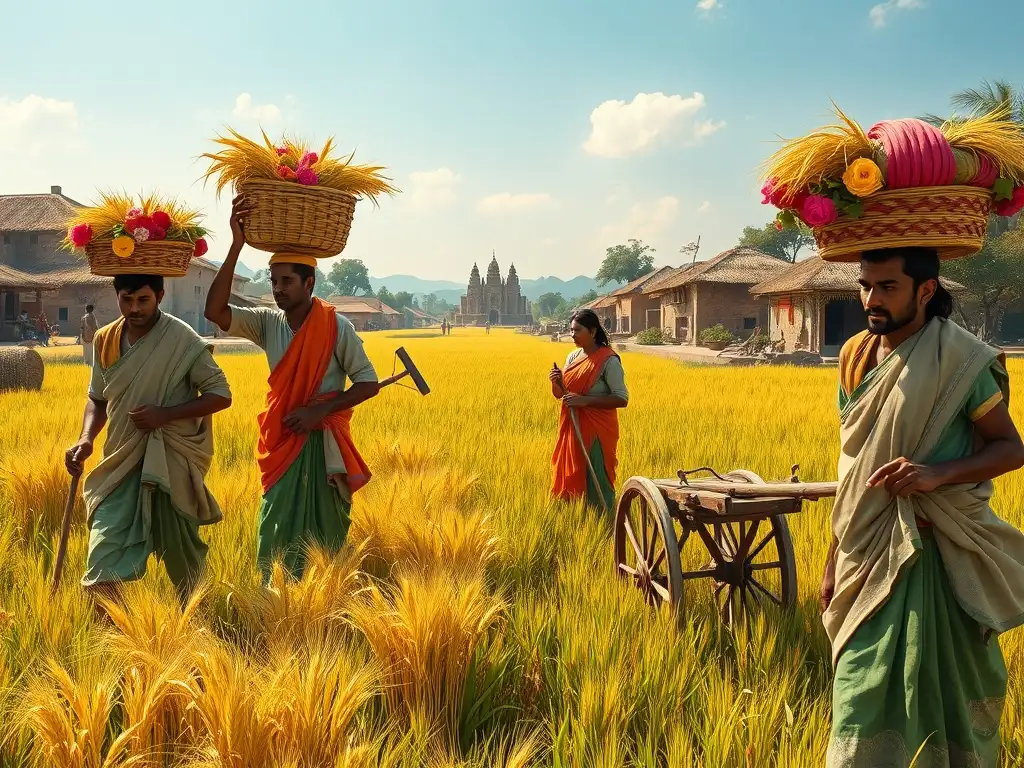
Introduction to Ancient Indian Agriculture History
Agriculture has long been acknowledged as the cornerstone of human civilization, providing sustenance and stability to communities. In the context of ancient India, the history of agriculture is not merely an account of farming techniques but a narrative woven into the very fabric of society, culture, and economy.
From the fertile plains of the Indus Valley to the expansive territories ruled by the Gupta Empire, farmers played a pivotal role in shaping the agrarian landscape of ancient Indian civilizations. This article delves into the ancient Indian agriculture history, exploring the critical contributions of farmers and the evolution of agricultural practices that sustained these thriving societies.
Overview of Agriculture in Ancient India
The agricultural landscape of ancient India was marked by a rich diversity of practices, crops, and tools. Various regions adapted their farming techniques to local conditions, leading to a wide array of agricultural systems. Key elements include:
- Crops: Major staples included rice, wheat, barley, and pulses, with regional variations influenced by climate and geography.
- Techniques: Ancient farmers employed methods such as crop rotation, intercropping, and irrigation systems that were innovative for their time.
- Tools: Implements like the plow and sickle were essential in enhancing productivity and efficiency in farming practices.
Farmers were not only producers of food but also played integral roles in the economy, trade, and social structures of their communities.
Importance of Farmers in Ancient Civilizations
Farmers were the backbone of ancient Indian societies, serving several vital functions:
- Economic Stability: A successful agricultural base allowed for trade and commerce, fostering economic growth and prosperity.
- Social Structure: The role of farming influenced social hierarchies, with land ownership often determining status within the community.
- Cultural Practices: Agricultural cycles dictated festivals and rituals, intertwining farming with cultural identity and spiritual beliefs.
The contributions of farmers extended beyond mere sustenance; they shaped the very essence of daily life and societal organization in ancient India.
The Evolution of Agriculture in Ancient India
The history of agriculture in ancient India is marked by significant developments over time, reflecting advancements in techniques, tools, and societal organization.
Early Agricultural Practices in the Indus Valley Civilization
The Indus Valley Civilization (circa 3300–1300 BCE) is one of the earliest examples of advanced agricultural practices in ancient India. The civilization showcased:
- Urban Planning: Cities like Mohenjo-Daro and Harappa featured sophisticated drainage and irrigation systems, optimizing agricultural output.
- Crop Diversity: Evidence suggests that the inhabitants cultivated a variety of crops, including wheat, barley, and cotton, which were integral to their economy.
- Storage Facilities: Granaries discovered in archaeological sites indicate the importance of surplus production for trade and sustenance.
The Role of Farming in the Vedic Period
The Vedic Period (circa 1500–500 BCE) witnessed a transformation in agricultural practices, influenced by cultural and technological advancements:
- Vedic Texts: References in texts such as the Rigveda highlight the significance of agriculture, with hymns dedicated to deities associated with fertility and harvest.
- Shift in Techniques: Farmers began to adopt more systematic crop rotation and the use of plows, enhancing productivity.
- Community Farming: The emergence of agrarian communities fostered collaboration and shared resources, ultimately strengthening social bonds.
Innovations in Agriculture During the Maurya and Gupta Empires
The Maurya (322–185 BCE) and Gupta (circa 240–550 CE) Empires marked a golden age for agriculture, characterized by groundbreaking innovations:
- Irrigation Systems: Advanced irrigation techniques, including canals and reservoirs, significantly increased arable land and crop yield.
- Agricultural Manuals: Scholars like Kautilya and Varahamihira documented agricultural practices and innovations, influencing future generations.
- Trade Expansion: The surplus production during this period bolstered trade networks, connecting various regions and enriching the economy.
Through these developments, agriculture not only sustained ancient Indian civilizations but also facilitated cultural exchanges and societal progress, leaving a lasting legacy on the region's history.
Agricultural Techniques and Tools Used by Ancient Farmers
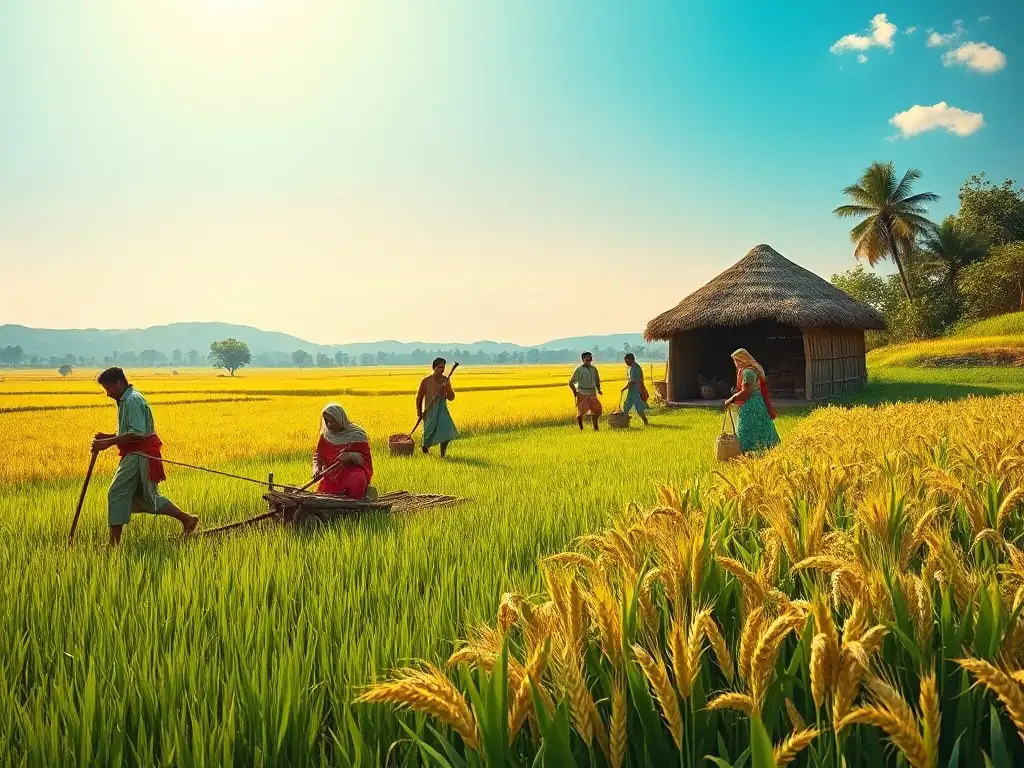
Agriculture in ancient India was characterized by innovative techniques and tools that laid the foundation for effective farming practices. Farmers developed a range of agricultural methods tailored to the diverse ecological and climatic conditions across the subcontinent. These techniques not only maximized yield but also ensured sustainability over generations.
Traditional Farming Methods in Ancient India
Traditional farming methods in ancient India were deeply rooted in the local culture and environment. The most common approach was the practice of subsistence farming, where families cultivated crops primarily for their own consumption. This method often included mixed cropping, where multiple crops were grown simultaneously in the same field. This not only diversified the harvest but also reduced the risk of crop failure due to pests or adverse weather.
Additionally, ancient farmers employed techniques such as:
- Terracing: In hilly regions, farmers built terraces to prevent soil erosion and maximize arable land.
- Floodplain Agriculture: Rivers like the Indus and Ganges provided fertile silt, allowing farmers to utilize floodplains for intensive agriculture.
- Slash-and-Burn: In forested areas, this method involved clearing land by cutting and burning vegetation, enriching the soil with nutrients.
These methods reflect the intimate knowledge ancient farmers had of their environment and their ability to adapt to it.
Tools and Implements: From Ploughs to Irrigation Systems
The tools and implements used by ancient Indian farmers were crucial in enhancing productivity. The plough, typically made of wood, was one of the most significant inventions. Its design evolved over time, with some regions developing iron ploughshares which increased efficiency in breaking the soil.
Irrigation systems also played a pivotal role in agriculture, particularly in regions with erratic rainfall. Ancient Indians constructed intricate systems of canals, wells, and tanks, some of which were remarkably advanced. For example, the Harappan civilization is noted for its sophisticated drainage and irrigation systems, which facilitated agriculture in the arid regions of the Indus Valley.
Other notable tools included:
- Sickles: Used for harvesting crops, these were often made of metal or sharp stones.
- Mortars and Pestles: Essential for processing grains and seeds.
- Sieves: Employed to separate grains from chaff, ensuring a cleaner harvest.
Crop Rotation and Sustainable Practices in Ancient Agriculture
Crop rotation was an essential practice in ancient Indian agriculture, allowing farmers to maintain soil fertility and manage pests. By alternating different crops in a planned sequence, farmers could prevent soil depletion and promote biodiversity. For instance, legumes were often rotated with cereals, as they added nitrogen back into the soil.
Sustainable practices also included the use of organic fertilizers such as compost and animal manure, which enriched the soil without the adverse effects of chemical fertilizers. This holistic approach to agriculture allowed ancient Indian civilizations to thrive for centuries, showcasing their understanding of ecological balance.
Major Crops Grown in Ancient India
Agriculture in ancient India was diverse, with farmers cultivating a wide range of crops suited to various climatic and geographical conditions. The choice of crops was influenced by regional availability, cultural preferences, and market demands, shaping the economic landscape of ancient Indian societies.
Staple Crops: Wheat, Rice, and Barley
Wheat, rice, and barley were the staple crops that formed the backbone of ancient Indian agriculture.
- Wheat: Predominantly grown in the northern plains, wheat was a vital source of nutrition and formed the basis for many traditional dishes.
- Rice: In the eastern and southern regions, rice cultivation thrived due to the wet, monsoonal climate. It became a cultural staple, deeply intertwined with rituals and daily life.
- Barley: Often grown in the cooler climates of the northwest, barley was not only consumed as food but also used in brewing.
These staple crops provided the necessary sustenance for the growing populations and supported the development of complex societies.
Cash Crops and Their Economic Impact
In addition to staples, ancient Indian agriculture included the cultivation of cash crops, which were primarily grown for trade rather than local consumption. Some notable cash crops included:
- Cotton: This was extensively cultivated for clothing and trade, contributing significantly to the economy.
- Spices: Crops like black pepper, cardamom, and turmeric were highly sought after, both domestically and internationally, and played a crucial role in trade routes.
- Sugarcane: Apart from local consumption, sugarcane was processed into jaggery and sugar, adding economic value.
The cultivation of these cash crops not only diversified agricultural production but also enhanced trade relations with neighboring regions and distant lands.
Regional Variations in Crop Cultivation across Ancient India
Ancient India exhibited significant regional variations in crop cultivation, influenced by factors such as climate, soil type, and cultural practices.
- North India: Dominated by wheat and barley, the fertile plains of the Ganges supported intensive agriculture.
- South India: Known for rice cultivation, the monsoon rains provided ideal conditions for paddy fields.
- Western India: Regions like Gujarat and Rajasthan were known for cotton and pulses, adapting to arid conditions through innovative irrigation.
These regional differences not only contributed to the diversity of the Indian diet but also to the richness of its agricultural practices, allowing ancient civilizations to flourish in various environmental contexts.
The Societal Impact of Agriculture on Ancient Indian Civilizations
Agriculture played a pivotal role in shaping the societal framework of ancient Indian civilizations, serving as the backbone of daily life and economic stability. The agrarian lifestyle cultivated not only the sustenance of communities but also fostered complex social structures and cultural practices. As the primary source of food production, agriculture enabled population growth and the establishment of permanent settlements, leading to the development of cities and trade networks.
The surplus generated from farming allowed for specialization of labor, encouraging the rise of various occupations beyond agriculture itself. This specialization contributed to social stratification, where farmers held a crucial position in the hierarchy. They were often regarded with respect, recognized for their essential contributions to society’s well-being. Additionally, the agricultural practices of ancient civilizations influenced religious beliefs, with many deities associated with fertility and crop production, underscoring the deep connection between agriculture and spiritual life.
Agriculture and Social Structure: The Role of Farmers in Society
Farmers were central figures in the social structure of ancient India. Their role extended beyond mere food production; they were custodians of agrarian knowledge and techniques passed down through generations. The cultivation of various crops, from rice in the fertile plains to millet in arid regions, illustrated the adaptability and ingenuity of farmers in response to local conditions.
In many communities, farmers formed cooperative groups, which facilitated collective efforts in planting, harvesting, and irrigation. This cooperation not only strengthened community ties but also enhanced productivity. The role of farmers often conferred a sense of identity and pride, as their labor directly supported the sustenance of families and the broader society. Furthermore, farmers participated in local governance, influencing decisions that affected agricultural practices and resource management.
The Connection Between Agriculture and Trade
Agricultural surplus was a driving force behind trade in ancient Indian civilizations. As farmers produced more than what was necessary for their sustenance, they engaged in the exchange of goods with neighboring communities. This trade led to the establishment of market centers, where not only agricultural products like grains, spices, and textiles were exchanged, but also crafts, metals, and luxury items.
The trade routes, both overland and maritime, allowed for cultural exchanges and the dissemination of agricultural techniques. For instance, the introduction of new crops from other regions through trade contributed to the agricultural diversity of ancient India. The wealth generated from trade supported the growth of urban centers, facilitating the rise of a merchant class that further contributed to the economy and society.
Agricultural Festivals and Cultural Significance
Agricultural practices were deeply intertwined with the cultural fabric of ancient Indian societies, reflected in various festivals and rituals that celebrated the agricultural calendar. Festivals such as Pongal, Makar Sankranti, and Baisakhi commemorated key agricultural events like sowing and harvest. These celebrations not only expressed gratitude to deities for bountiful harvests but also reinforced community bonds through shared activities and feasting.
The cultural significance of agriculture is also evident in the art, literature, and folklore of ancient India, where farming life and nature's cycles were frequently depicted. Rituals associated with planting and harvesting often involved music, dance, and communal gatherings, highlighting the integral role of agriculture in shaping social identity and cultural practices.
Challenges Faced by Ancient Indian Farmers

Despite their critical role, ancient Indian farmers faced numerous challenges that impacted their agricultural productivity and livelihoods. These challenges ranged from environmental factors to socio-political issues, all of which shaped the landscape of agriculture in ancient India.
Environmental Challenges: Climate and Geography
Geographical diversity across ancient India presented both opportunities and challenges for farmers. The monsoon season was crucial for agriculture, yet its unpredictability could lead to either floods or droughts. Farmers in regions like the Deccan Plateau faced arid conditions, necessitating innovations in irrigation and crop selection to sustain their livelihoods.
In addition to climate variability, soil fertility was also a concern. Over time, continuous cultivation without adequate fallow periods led to soil depletion. Farmers had to adapt their practices, employing crop rotation and mixed farming techniques to maintain soil health and agricultural productivity.
Socio-Political Factors Affecting Agriculture
The socio-political landscape significantly influenced ancient Indian agriculture. Land ownership systems varied, with some farmers working as tenants or laborers on land owned by wealthy landowners or temples. This arrangement often left them vulnerable to exploitation and economic instability.
Political stability was also essential for agricultural prosperity. During periods of conflict, invasions, or changes in governance, farming communities could suffer from loss of land, resources, and security. Taxation policies imposed by ruling authorities could further strain farmers, affecting their ability to invest in their farms and sustain their families.
Technological Limitations and Their Impact on Farming
Technological advancements in ancient India were limited compared to later periods. Farmers primarily relied on traditional tools such as wooden plows and sickles, which constrained their efficiency and productivity. The absence of advanced irrigation systems in many regions meant that farmers were heavily dependent on seasonal rains, making agriculture a precarious occupation.
Additionally, the lack of scientific knowledge regarding crop diseases and pest management further hindered agricultural success. Farmers often turned to traditional remedies and practices, but these were not always effective. As a result, crop failures due to disease or pest infestations could lead to food shortages and economic distress within communities.
Conclusion
The significance of farmers in ancient Indian agriculture cannot be overstated. They were the backbone of society, providing not only sustenance but also the foundation for economic stability and cultural development. Through their skills in cultivating diverse crops, ancient farmers contributed to the flourishing of civilizations throughout the Indian subcontinent. Their practices laid the groundwork for agricultural innovations that would resonate through history and continue to influence modern farming techniques.
Recap of the Role of Farmers in Ancient Indian Agriculture
Farmers in ancient India played a multifaceted role that extended beyond mere crop production. They were integral to the social fabric, forming communities that worked collaboratively to enhance agricultural output. The emergence of irrigation systems, crop rotation, and selective breeding showcased their ingenuity and adaptability in response to the diverse climates and terrains across the region. The introduction of staple crops such as rice, wheat, and pulses not only sustained the population but also fostered trade and interaction between different cultures.
Additionally, farmers were custodians of knowledge, passing down agricultural practices and wisdom through generations. This oral tradition ensured that techniques evolved while remaining rooted in the local environment. Their contributions were essential in transforming ancient Indian agriculture into a sophisticated system that supported the growth of cities and the establishment of trade networks.
Lasting Legacy of Ancient Indian Agriculture on Modern Practices
The agricultural practices of ancient India have left an indelible mark on contemporary farming methods. Many techniques developed by ancient farmers, such as organic farming, crop diversification, and water conservation methods, are witnessing a resurgence in modern agriculture as society grapples with sustainable practices. The emphasis on community farming and cooperative efforts can also be traced back to ancient systems, highlighting the enduring value of collective action in agriculture.
Furthermore, traditional crops cultivated in ancient times continue to be grown today, reflecting a deep-rooted agricultural heritage. The knowledge of local varieties and indigenous farming techniques contributes to biodiversity and resilience in the face of climate change. As farmers today seek to balance productivity with sustainability, the foundations laid by ancient Indian agriculture remain relevant and inspirational.
References
Suggested Reading on Ancient Indian Agriculture History
- "The Agricultural History of India" by D. N. Jha - This book offers a comprehensive overview of agricultural practices throughout Indian history, emphasizing the innovations and contributions of ancient farmers.
- "Farming in Ancient India" by R. S. Sharma - A detailed examination of the agricultural techniques utilized in ancient India, focusing on the socio-economic impacts of farming on early civilizations.
- "The Indus Valley Civilization: An Overview": by M. S. Vats - This work explores the agricultural advancements of the Indus Valley Civilization, shedding light on its role in shaping early Indian agriculture.
Important Archaeological Findings Related to Farming
- The Plowed Fields of Kalibangan: Archaeological evidence from Kalibangan reveals the earliest known plowed fields in the Indus Valley, showcasing the sophistication of agricultural practices at that time.
- Granaries of Harappa: The discovery of large granaries in Harappa indicates advanced storage techniques that were essential for managing surplus crops, which played a vital role in trade and economy.
- Irrigation Systems in Mohenjo-Daro: Excavations have uncovered extensive irrigation systems, highlighting the importance of water management in ancient agricultural practices that supported large urban populations.
These findings illuminate the ingenuity of ancient Indian farmers and their profound impact on the evolution of agriculture.
- Introduction to Ancient Indian Agriculture History
- Overview of Agriculture in Ancient India
- The Evolution of Agriculture in Ancient India
- Agricultural Techniques and Tools Used by Ancient Farmers
- Major Crops Grown in Ancient India
- The Societal Impact of Agriculture on Ancient Indian Civilizations
- Challenges Faced by Ancient Indian Farmers
- Conclusion
- References
- What was the significance of agriculture in ancient Indian civilizations?
- How did ancient Indian farmers contribute to society?
- What crops were commonly cultivated in ancient India?
- How did ancient Indian agricultural practices evolve over time?
- What impact did agriculture have on ancient Indian social structure?
Frequently Asked Questions
What was the significance of agriculture in ancient Indian civilizations?
Agriculture was the backbone of ancient Indian civilizations, providing a stable food supply that supported population growth and urbanization.
How did ancient Indian farmers contribute to society?
Farmers played a crucial role by not only producing food but also engaging in trade, which facilitated economic development and cultural exchange.
What crops were commonly cultivated in ancient India?
Ancient Indian agriculture saw the cultivation of various crops such as rice, wheat, barley, and lentils, which were essential for sustaining the population.
How did ancient Indian agricultural practices evolve over time?
Agricultural practices in ancient India evolved with the introduction of irrigation systems, crop rotation, and the use of tools, enhancing productivity and sustainability.
The emphasis on agriculture led to the development of a hierarchical social structure, with farmers at the base and a ruling class that managed land and resources.
Final Reflection: The Enduring Legacy of Ancient Indian Agriculture
The significance of agriculture in ancient Indian civilizations cannot be overstated; it was the very foundation upon which societies flourished and evolved. Today, as we grapple with modern agricultural challenges and the quest for sustainable practices, the lessons from ancient Indian agriculture history resonate more than ever. The ingenuity and resilience of farmers from centuries past remind us that the roots of our food systems are deeply intertwined with cultural heritage and ecological balance.
Cultivating a deeper understanding of our agricultural past is essential for shaping our future. The agricultural practices of ancient India not only sustained populations but also fostered rich cultural traditions and social structures. As we navigate the complexities of contemporary agriculture, we must remember the wisdom of those who came before us. Agriculture is the foundation of civilization and any stable economy.
This quote encapsulates the timeless importance of farming, urging us to honor and learn from the agricultural legacies that have shaped our world.
As you reflect on the insights shared in this article, consider how you can contribute to the ongoing dialogue about agriculture's role in society. Embrace the lessons of ancient Indian agriculture history by advocating for sustainable practices, supporting local farmers, and recognizing the vital connection between our food systems and cultural identity. Let us carry forward the spirit of innovation and respect for the land that defined ancient civilizations, ensuring a thriving future for generations to come.
Unveil the Legacy: Champion Modern Agriculture!
Thank you for exploring the rich history of agriculture and its pivotal role in ancient civilizations. You’ve gained valuable insights into how farmers have shaped societies and ecosystems over the centuries. Now, it’s time to carry this legacy forward by taking meaningful action in today’s world!
Here are some steps you can take to honor the spirit of ancient agriculture:
- Get involved: Support local farmers by purchasing fresh produce from local markets or participating in community-supported agriculture programs.
- Educate yourself and others: Share your newfound knowledge about the importance of sustainable farming practices and traditional agricultural methods with your friends and family.
- Join the conversation: Participate in community gardening projects or agricultural outreach initiatives to foster a deeper connection with food production and land stewardship.
What ancient practice can you integrate into your daily life to support sustainable agriculture today? Let’s discuss in the comments!