
How Festivals in Ancient India Reflected Social Hierarchies and Beliefs

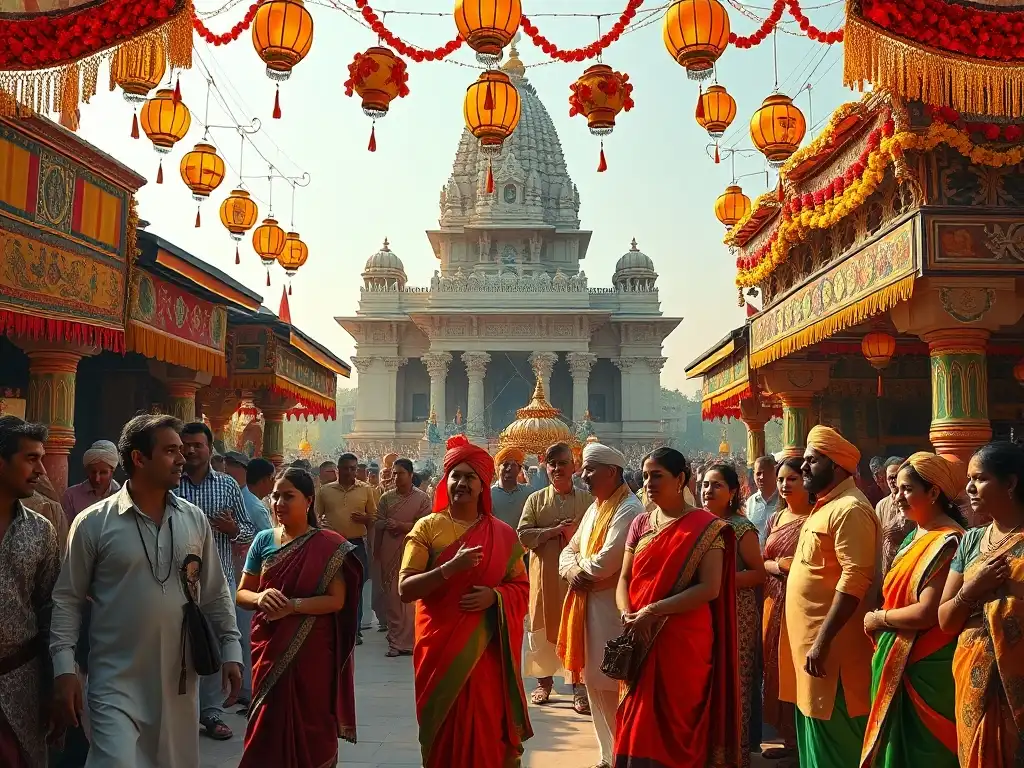
Welcome to Ancient India History, where we embark on a fascinating journey through the vibrant tapestry of India's past. Here, we delve deep into the intricate connections between ancient Indian festivals and the social hierarchies that shaped these celebrations. Our featured article, "How Festivals in Ancient India Reflected Social Hierarchies and Beliefs," invites you to explore the profound cultural significance of these festive occasions and how they mirrored the complexities of ancient society.
Are you ready to uncover the hidden stories behind the rituals and traditions that have stood the test of time? Join us as we unravel the layers of history and tradition that define the essence of ancient India!
- Introduction to Ancient Indian Festivals and Social Hierarchies
- The Role of Festivals in Ancient Indian Society
- Types of Ancient Indian Festivals and Their Social Implications
- Examining Specific Ancient Indian Festivals
- The Impact of Ancient Indian Festivals on Modern Society
- Conclusion: The Legacy of Ancient Indian Festivals in Understanding Social Hierarchies
-
Frequently Asked Questions
- What role did festivals play in ancient Indian society?
- How did social hierarchies influence the celebration of festivals?
- Can you name some significant ancient Indian festivals?
- How did belief systems integrate with festivals in ancient India?
- What can modern society learn from the social hierarchies reflected in these festivals?
- Final Reflection: The Enduring Legacy of Ancient Indian Festivals and Social Hierarchies
- Unveil the Cultural Richness of Ancient Festivals!
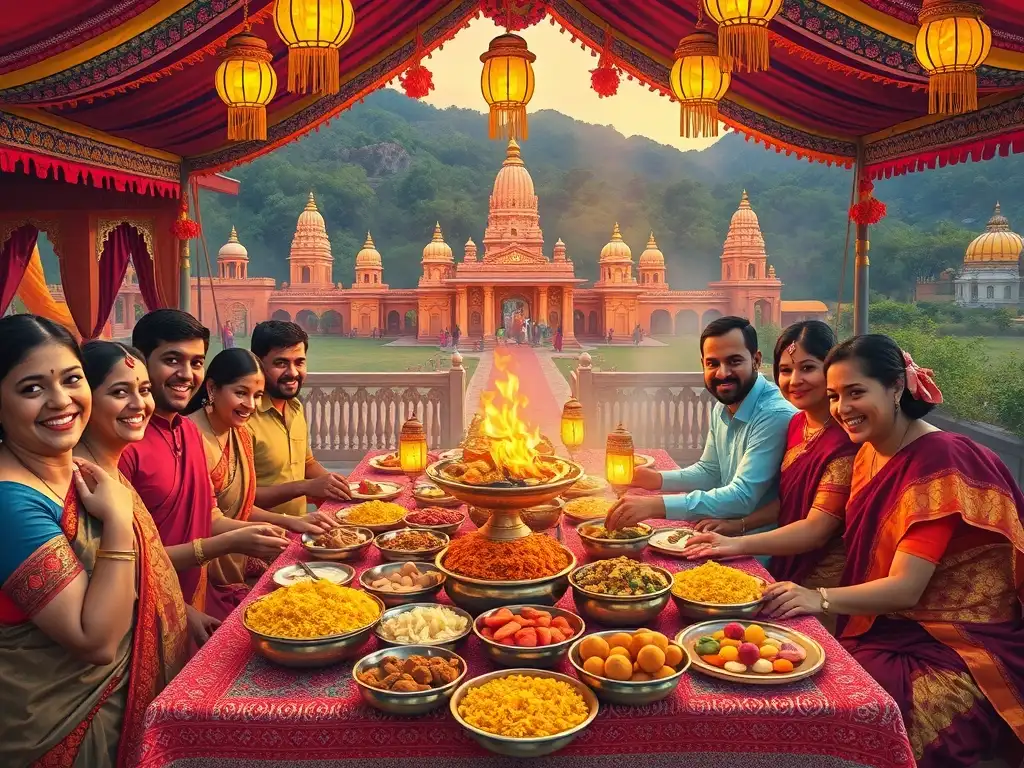
Festivals in ancient India served as vibrant expressions of cultural identity, religious devotion, and communal harmony. They were not merely occasions for celebration; rather, they were deeply embedded in the social fabric, reflecting and reinforcing the intricate social hierarchies that characterized ancient Indian society.
From the elaborate rituals of the Indus Valley Civilization to the grand festivities during the Gupta Empire, these festivals illustrate how cultural practices mirrored the complexities of social stratification, beliefs, and the collective consciousness of various communities. Understanding the dynamics between ancient Indian festivals and social hierarchies provides invaluable insights into the values, priorities, and lived experiences of people in historical contexts.
Definition of Ancient Indian Festivals
Ancient Indian festivals can be defined as culturally significant events marked by rituals, ceremonies, and communal activities that celebrated various aspects of life, spirituality, and nature. These festivals were often tied to religious observances, agricultural cycles, and seasonal changes. Key characteristics of these festivals included:
- Ritualistic Practices: Engaging in specific rituals to honor deities, ancestors, or natural elements.
- Community Involvement: Festivals often brought together individuals from various social strata to participate in shared celebrations.
- Symbolic Significance: Many festivals were rich in symbolism, representing themes such as fertility, harvest, and renewal.
Significant festivals such as Diwali, Holi, and Makar Sankranti have their roots in ancient traditions, reflecting the continuity of cultural practices through time.
Social hierarchies in ancient India were complex and multifaceted, predominantly organized around the caste system, which stratified society into distinct groups based on occupation and social roles. The primary categories included:
- Brahmins: The priestly class responsible for religious rituals and scholarship.
- Kshatriyas: The warrior and ruling class tasked with governance and protection.
- Vaishyas: The merchant and agricultural class engaged in trade and farming.
- Shudras: The laboring class performing various essential services and tasks.
Each caste had its own set of festivals, rituals, and taboos, creating a framework that not only dictated social interactions but also influenced the types of celebrations and their significance. Festivals often reinforced these hierarchies, as certain rituals were exclusive to higher castes, while others were accessible to all.
Importance of Studying Festivals in Context
Studying ancient Indian festivals within the context of social hierarchies is essential for several reasons:
- Cultural Insights: Festivals reveal the values, norms, and beliefs of a society at a given time, offering a window into the worldview of ancient civilizations.
- Social Dynamics: Analyzing how different social classes participated in or were excluded from festivals highlights the power dynamics and inequalities inherent in ancient societies.
- Continuity and Change: Festivals have evolved over time, and examining their origins and transformations can shed light on the broader historical narratives of ancient India.
By uncovering the links between festivals and social hierarchies, we gain a deeper understanding of how ancient Indians navigated their world, celebrated their lives, and maintained their identities amidst a diverse and stratified society.
The Role of Festivals in Ancient Indian Society
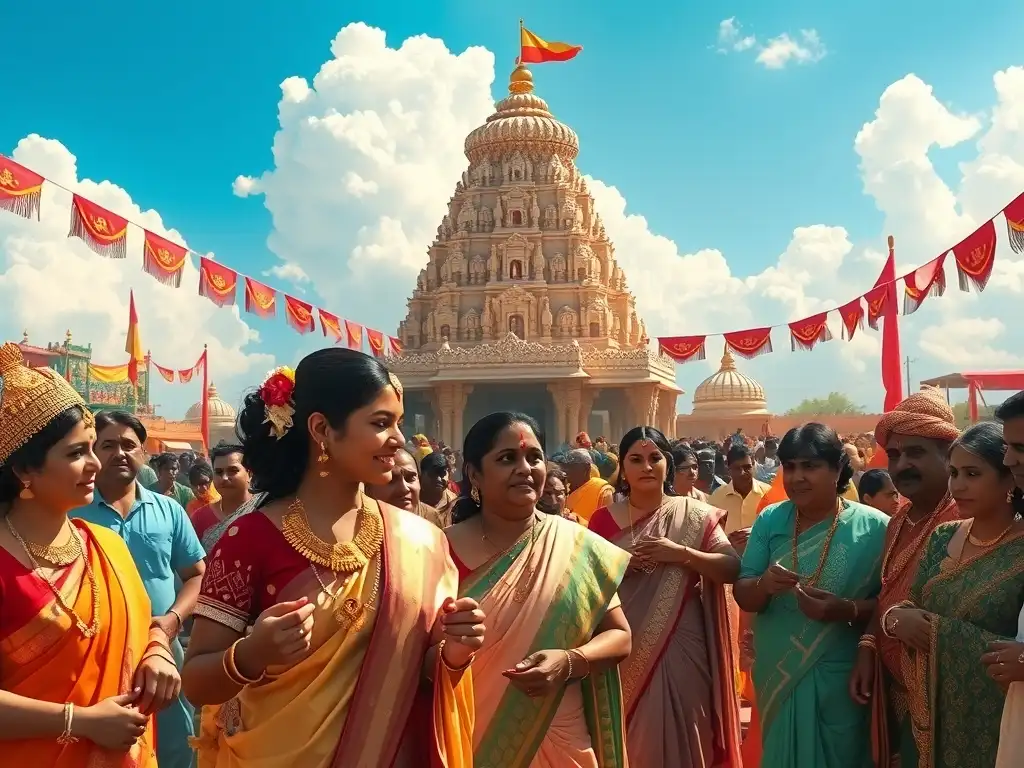
Festivals in ancient India served as a crucial framework through which the complexities of social hierarchies and cultural beliefs were expressed. These vibrant celebrations were not just gatherings for joy and merriment; they were deeply rooted in the social fabric of the time, reflecting the values, traditions, and hierarchies that governed ancient Indian society.
Festivals functioned as a means of reinforcing social structures while simultaneously allowing for a temporary subversion of those hierarchies. During festivals, different classes and communities came together, but the underlying social order remained evident in the rituals, roles, and responsibilities assigned to various groups.
Ancient Indian festivals often mirrored the prevailing social hierarchies, delineating the roles of different castes and communities within rituals and ceremonies.
- Caste Participation: Certain festivals were primarily celebrated by specific castes, reflecting their cultural identity and social standing. For example, the festival of Makar Sankranti was celebrated widely, but its observance varied significantly among different communities, each adding its unique customs and traditions based on local beliefs and societal status.
- Ritual Roles: The roles assigned during festivals often reinforced the existing social order. Higher castes typically took on more prominent roles in rituals, such as performing priestly duties or leading the celebrations, while lower castes might have been relegated to support roles, emphasizing the stratified nature of society.
- Economic Implications: Festivals also had economic dimensions. Wealthier families could afford grand celebrations, thus showcasing their status through elaborate feasts and public displays, while poorer communities might have simpler observances, underscoring economic disparities.
In essence, ancient Indian festivals acted as a stage where social hierarchies were both displayed and momentarily suspended, creating a paradoxical space of unity amidst diversity.
The Intersection of Religion and Hierarchy in Festivals
Religion played a pivotal role in shaping the festivals of ancient India, intertwining with social hierarchies to create a complex tapestry of beliefs and practices.
- Divine Patronage: Many festivals were dedicated to specific deities, and the choice of deity often reflected the socio-religious context. For instance, festivals like Durga Puja were celebrated to honor the goddess Durga, symbolizing power and strength, and were often associated with specific communities that claimed divine favor or lineage.
- Ceremonial Offerings: Rituals such as puja (worship) included offerings that were often dictated by social status. Higher castes could afford more elaborate offerings, which were believed to attract greater divine blessings, further reinforcing their elevated status within the community.
- Pilgrimages and Sacred Sites: Major festivals often involved pilgrimages to sacred sites, which were hierarchically significant. The Kumbh Mela, for instance, draws millions but has specific areas designated for different castes, indicating the enduring nature of social stratification even in communal worship settings.
In this way, the intersection of religion and social hierarchy in ancient Indian festivals reveals the layered meanings behind these practices, where divine reverence coalesced with social order.
Cultural Significance of Festivals in Ancient India
The cultural significance of festivals in ancient India transcended mere celebration; they were vital in shaping communal identity, fostering social cohesion, and preserving traditions.
- Cultural Identity: Festivals played a crucial role in reinforcing cultural identities among various communities. They provided a platform for showcasing unique traditions, music, dance, and art forms that celebrated local heritage, contributing to a collective sense of belonging.
- Seasonal Cycles: Many festivals were aligned with agricultural cycles, marking important seasons such as harvests or monsoons. This connection to nature not only underscored the agrarian roots of society but also emphasized the interdependence between social classes in agricultural communities.
- Moral and Ethical Lessons: Festivals often conveyed moral and ethical lessons through stories and rituals. For instance, the celebration of Diwali, with its themes of light triumphing over darkness, served to impart values of righteousness and community solidarity, reinforcing social bonds while encouraging a collective adherence to cultural ethics.
The cultural significance of ancient Indian festivals lies in their multifaceted roles as reflections of social hierarchies, vehicles for religious expression, and instruments of cultural preservation, showcasing the richness and diversity of ancient Indian civilization.
Religious Festivals and Their Hierarchical Significance
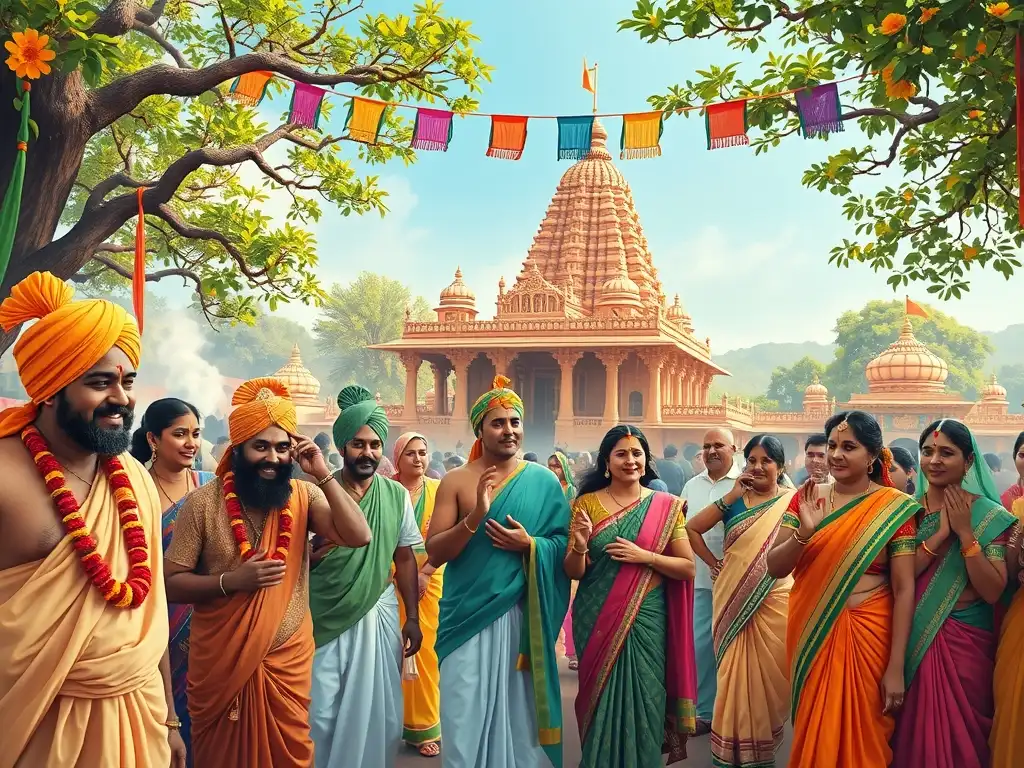
Religious festivals in ancient India played a crucial role in reinforcing social hierarchies and cultural values. These festivals were intricately linked to the prevailing religious beliefs, and they often reflected the stratified nature of society. The participation of various social groups in these festivals was not merely a display of devotion but also an indication of their social status and role within the community.
Major Religious Festivals in Ancient India
Some of the most significant religious festivals included Diwali, Holi, Navaratri, and Makar Sankranti. Each of these festivals carried profound meanings and were celebrated in ways that highlighted social distinctions:
- Diwali: Celebrated as the festival of lights, it often saw affluent families engaging in elaborate festivities, while the lower classes participated in simpler rituals.
- Holi: This festival of colors promoted communal harmony but also revealed underlying social tensions, as the more privileged classes celebrated with greater grandeur, often overshadowing the participation of lower classes.
- Navaratri: This nine-night festival honoring the goddess Durga illustrated the roles of women in religious practices, yet the participation and reverence associated with it varied significantly across social strata.
- Makar Sankranti: Primarily an agricultural festival, it also reflected the socio-economic differences, as richer landowners hosted larger gatherings compared to their lower-class counterparts.
The Role of Priests and Brahmins in Festivals
Priests, primarily Brahmins, held a pivotal position in the celebration of religious festivals. Their roles extended beyond mere officiation of rituals; they were the custodians of sacred knowledge, possessing the authority to interpret religious texts and perform rituals that were believed to appease deities. This elevated status not only reinforced their social hierarchy but also marginalized other groups who lacked access to such religious education.
The intricate rituals performed during festivals often required extensive knowledge and resources, which were predominantly in the hands of the Brahmins. Consequently, this created a cycle where religious authority and social status were intertwined, leading to a system where only certain groups could fully participate in the spiritual and communal aspects of these celebrations.
Agricultural festivals in ancient India were integral to the agrarian lifestyle, marking the cycles of sowing and harvesting. These festivals not only celebrated the bounty of the land but also underscored the social stratifications inherent in rural communities.
Influence of Seasons on Festival Practices
The timing of agricultural festivals was closely aligned with seasonal changes, with each season bringing forth its set of celebrations:
- Spring: Marked by festivals like Baisakhi, this season celebrated the harvest and was a time of joy and gratitude.
- Monsoon: Festivals such as Teej were dedicated to the fertility of the land and involved rituals that invoked rain and abundance.
- Autumn: Pongal in South India served as a thanksgiving to nature for the harvest, showing the deep connection between agricultural cycles and cultural practices.
These seasonal festivals were often more inclusive, allowing various social classes to participate, yet disparities remained in the scale and manner of celebration, reflecting the economic capabilities of different groups.
Celebrations by Different Social Classes
The manner in which agricultural festivals were celebrated varied significantly among different social classes. Wealthier landowners might host large feasts and public celebrations, showcasing their prosperity, while laborers and poorer farmers would celebrate in more modest ways, often focused on community gatherings rather than grand displays.
- Wealthy Landowners: Hosted elaborate feasts, invited local elites, and engaged in ritualistic practices that solidified their status.
- Lower Classes: Celebrated with communal potlucks and shared resources, reflecting a more collective approach to gratitude and festivity.
This division not only highlighted economic disparities but also reinforced social hierarchies, as the festivals served as a reminder of the existing class structures within the community.
The exploration of ancient Indian festivals reveals the complex interplay between social hierarchies and cultural practices, reflecting the values and beliefs of the society at the time. Through religious and agricultural celebrations, ancient Indians expressed their adherence to social norms while navigating their communal identities.
Royal and State-sponsored Festivals
Royal and state-sponsored festivals in ancient India played a significant role in embodying the social hierarchies and beliefs of the time. These festivals were often grand in scale, reflecting the wealth and power of the ruling elite, while simultaneously reinforcing the social order. They served not only as a means of entertainment but also as a platform for the elite to showcase their authority and connect with the populace.
The celebration of such festivals was typically organized by royal households and involved elaborate rituals, cultural performances, and communal feasting. These events were marked by significant religious observances, which were integral to legitimizing the rulers' positions and their divine right to govern. Through these festivals, the ruling class was able to assert their status and reinforce their connection to the cultural and spiritual life of the community.
The Role of Kings and Rulers in Festival Celebrations
Kings and rulers were often the central figures in the celebration of ancient Indian festivals. Their involvement was crucial, as it symbolized the connection between the state and the divine. Rulers would often participate in rituals, perform sacrifices, and offer prayers to deities, highlighting their role as protectors of dharma (moral order) and the community.
Moreover, the presence of royalty at these festivals was a means to maintain social order. By attending, kings demonstrated their commitment to the well-being of their subjects and the prosperity of the kingdom. Their actions were seen as a reflection of their character and ability to govern justly.
Festivals also provided an opportunity for rulers to display their wealth and power through elaborate processions, decorated temples, and grand feasts. These displays not only entertained but also reinforced the social hierarchies by reminding the populace of the rulers' elevated status. The active participation of kings in festivals thus served to solidify their image as both temporal and spiritual leaders, essential for maintaining the social fabric of ancient Indian society.
Festivals as Tools for Political Legitimacy
Ancient Indian festivals served as powerful tools for political legitimacy, allowing rulers to validate their authority and reinforce their social standing. By aligning themselves with significant religious observances, they could claim divine favor, which was crucial for their acceptance by the masses. Festivals often included rituals that commemorated the gods' blessings on the king and the kingdom, thus intertwining governance with divine will.
Moreover, state-sponsored festivals provided a platform for rulers to communicate their policies and achievements to the public. During these celebrations, announcements regarding new laws, military victories, or infrastructure projects could be made, effectively using the festive atmosphere to garner support and approval from the populace.
Additionally, the participation of various social classes in these festivals—fostered by the rulers—helped to create a sense of unity among the people. While the elite enjoyed privileges and preferential treatment during celebrations, the involvement of commoners in certain rituals and processions ensured that the social hierarchy was acknowledged and respected. This careful orchestration of participation reinforced the rulers' authority while also highlighting the stability of the social structure, ultimately securing their political legitimacy in the eyes of their subjects.
Examining Specific Ancient Indian Festivals
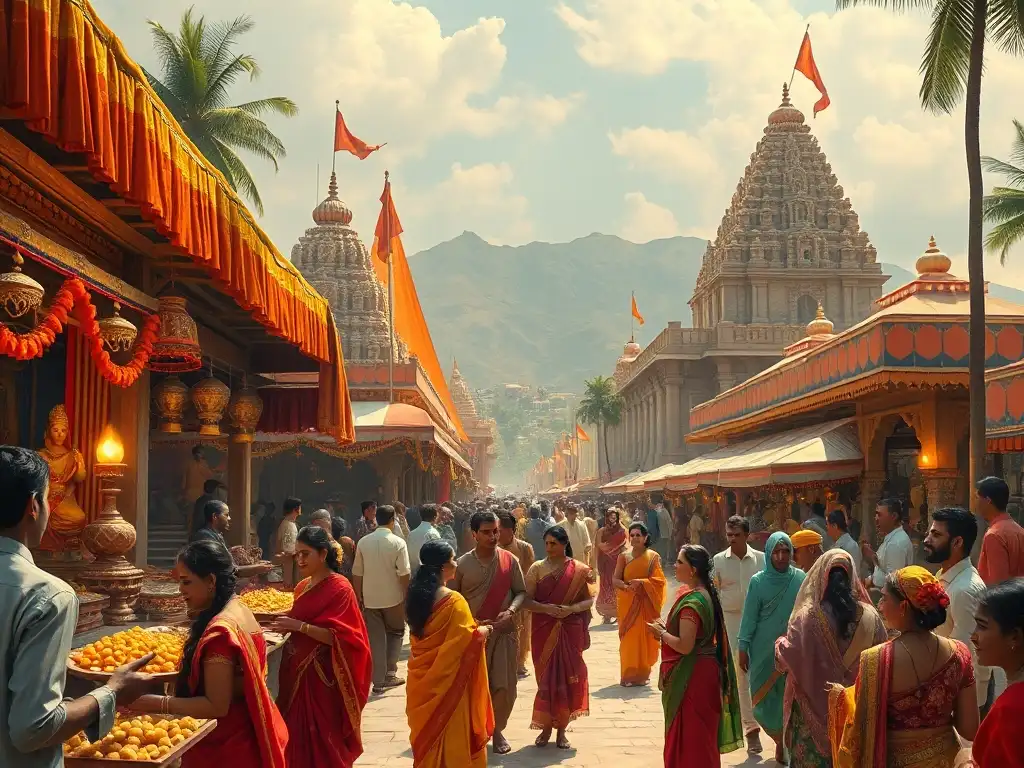
Diwali, known as the Festival of Lights, is one of the most significant festivals in ancient India, symbolizing the victory of light over darkness and knowledge over ignorance. Its celebration spans multiple regions and communities, but its social implications are particularly noteworthy.
- Cultural Significance: Diwali is rooted in various ancient Indian texts and legends, including the Ramayana, which narrates the return of Lord Rama to Ayodhya after defeating Ravana. This narrative emphasizes themes of dharma (righteousness) and collective celebration, fostering a sense of community.
- Social Hierarchies: The festival's practices reflect distinct social stratifications. For instance, the wealthy often showcased their affluence through elaborate decorations and lavish feasts, while lower strata participated in simpler, communal celebrations. The distribution of sweets and gifts often served as a way for the upper classes to reinforce their status while simultaneously fostering goodwill among lower classes.
- Rituals and Offerings: The rituals associated with Diwali, such as the worship of Goddess Lakshmi, reflect a belief system intertwined with economic prosperity. The emphasis on wealth accumulation during this festival reinforces the idea that social hierarchies are rooted in material success and divine favor.
Holi, the Festival of Colors, celebrates the arrival of spring and is known for its exuberant celebrations involving the throwing of colored powders. While Holi is often seen as a festival promoting social unity, it also showcases underlying social hierarchies.
- Historical Background: The origins of Holi can be traced back to various mythological stories, including the legend of Prahlad and Holika, symbolizing the triumph of devotion over evil. This narrative is often communal, bringing people together for a common cause.
- Social Dynamics: Despite its unifying spirit, Holi reveals the complexities of social interactions. In many regions, the festival reinforces boundaries; higher castes may engage in playful teasing of lower castes, while simultaneously partaking in the spirit of celebration. This duality highlights the tension between unity and the persistence of social divisions.
- Ritual Practices: The way Holi is celebrated can differ significantly based on social standing. Wealthier individuals may host grand celebrations, while those of lower status might have to rely on community gatherings. The distribution of colors and sweets can also vary, with affluent families often having an abundance, contrasting with the limited resources of others.
Navaratri, a nine-night festival dedicated to the worship of the goddess Durga, encapsulates themes of power, femininity, and gender hierarchies within its celebrations. This festival is not only a religious observance but also a reflection of societal structures.
- Cultural Importance: Navaratri has deep-rooted significance in ancient Indian traditions, celebrating the victory of the goddess over the buffalo demon Mahishasura. This victory symbolizes the triumph of good over evil, but it also poses questions about gender roles and societal expectations.
- Gender Dynamics: During Navaratri, women play a central role in worship and rituals, particularly in the form of the 'Garba' and 'Dandiya' dances. However, the participation of women from different social strata is often dictated by social norms, where upper-caste women may have more freedom to express themselves compared to their lower-caste counterparts.
- Ritual Variations: The way Navaratri is celebrated can vary significantly based on regional and social contexts. In urban areas, grand public celebrations are common, while rural communities may observe more traditional and localized practices. This disparity highlights the intersection of social hierarchies within the festival, as access to resources and spaces for celebration can differ widely.
Ancient Indian festivals such as Diwali, Holi, and Navaratri serve as lenses through which we can examine the complex interplay between social hierarchies and cultural beliefs. Each festival, while a celebration of life and spirituality, also mirrors the societal structures and values that have shaped ancient Indian civilization.
The Impact of Ancient Indian Festivals on Modern Society
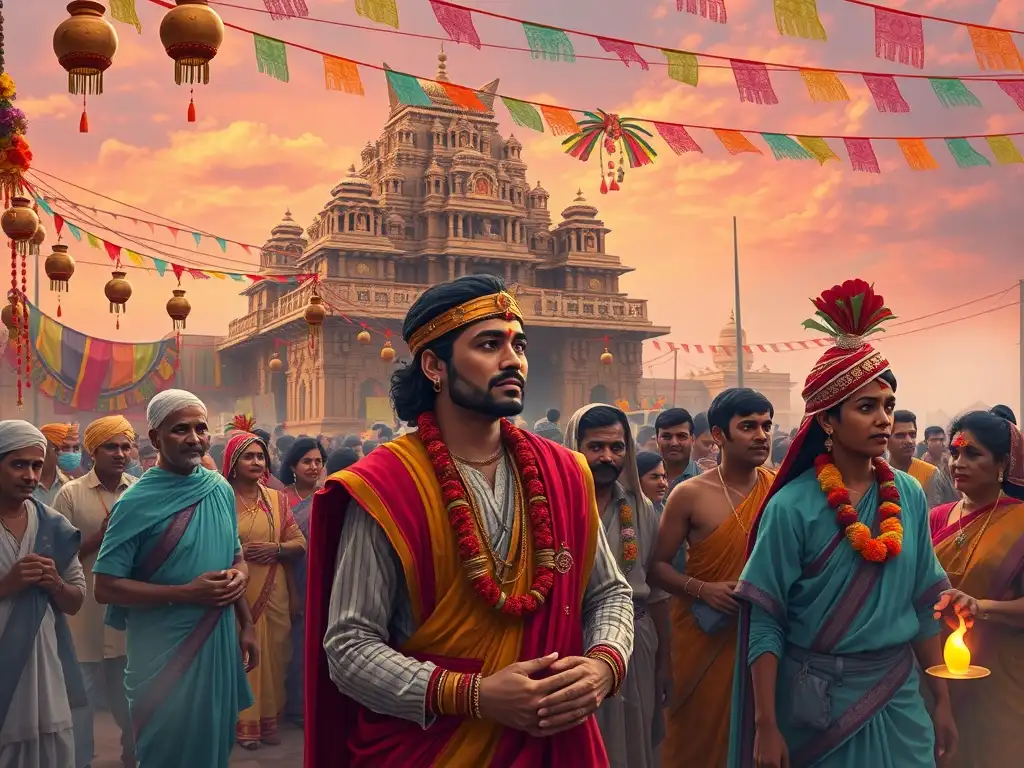
The influence of ancient Indian festivals extends far beyond their historical context, resonating deeply in the cultural fabric of contemporary society. These festivals were not merely occasions of celebration; they encapsulated the social hierarchies, beliefs, and rituals of their time. Understanding their impact on modern celebrations can provide valuable insights into how ancient traditions continue to shape current social dynamics.
Continuity of Rituals and Beliefs in Contemporary Celebrations
The rituals and beliefs associated with ancient Indian festivals have shown remarkable continuity in modern practices. Many contemporary festivals, such as Diwali and Holi, retain elements from their ancient origins, demonstrating a blend of historical significance and modern relevance.
- Ritual Preservation:
- Sacred Practices: Many rituals, such as the lighting of lamps during Diwali, have remained unchanged. This act symbolizes the victory of light over darkness, a theme prevalent in ancient texts like the Ramayana.
- Offerings and Prayers: The practice of making offerings to deities, rooted in Vedic traditions, continues to be a central part of many festivals, reflecting a continuous thread of devotion through the ages.
- Social Gatherings:
- Community Involvement: Festivals serve as a catalyst for community bonding, echoing the ancient practice of collective celebrations. The social hierarchies that influenced participation in these events can still be seen, albeit in transformed ways.
- Cultural Exchange: Modern festivals often incorporate regional variations and adaptations, mirroring how ancient festivals were localized while maintaining core elements.
The rich tapestry of ancient Indian festivals continues to be woven into the fabric of contemporary society, acting as a bridge connecting past beliefs and rituals with present-day practices.
Ancient Indian festivals were not only religious observances but also reflections of social hierarchies and dynamics. Analyzing these celebrations can yield valuable lessons about current social structures and interactions.
- Hierarchy and Participation:
- Access to Celebrations: In ancient times, certain festivals were exclusive to specific social classes, mirroring the power dynamics of the society. For instance, the participation of the Brahmins in rituals often highlighted their elevated status.
- Modern Parallels: Today, certain festivals may still reflect social stratification, where participation or access can be influenced by socio-economic factors.
- Symbolism of Festivals:
- Cultural Identity: Festivals served as a means of reinforcing cultural identity, offering insights into the values and beliefs of ancient communities. For example, harvest festivals like Pongal emphasize agrarian roots and community gratitude.
- Social Commentary: Many ancient festivals contained elements of critique against social injustices, such as the celebration of Holi, which symbolizes the victory of good over evil, encouraging social equality.
In essence, ancient Indian festivals provide a lens through which we can examine modern social dynamics. By understanding how these events reflected and shaped social hierarchies, we can better appreciate the complexities of contemporary societal interactions.
The exploration of ancient Indian festivals and their impact on social hierarchies not only enriches our understanding of the past but also offers valuable perspectives on the ongoing evolution of cultural practices in modern society.
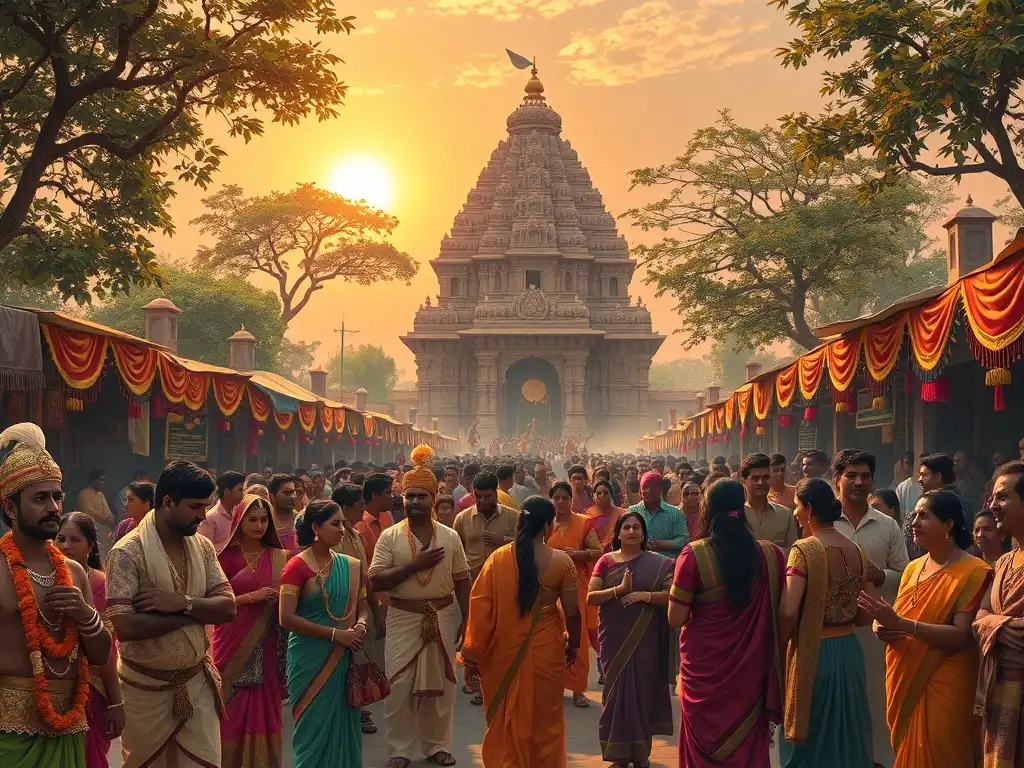
Ancient Indian festivals served as a lens through which the intricate social hierarchies and cultural beliefs of the time can be understood. These celebrations were not merely occasions for revelry; they were deeply entwined with the societal framework, reflecting the values, norms, and traditions upheld by various communities.
- Caste and Class Distinctions:
- Festivals often showcased the stratification within society. For instance, during major celebrations like Diwali or Holi, participation varied significantly across different castes. Certain rituals were exclusive to higher castes, while others were deemed appropriate for lower castes, thus reinforcing social divisions.
- Religious Practices:
- The festivals were steeped in religious significance, with different deities being worshipped by different social groups. For example, the Durga Puja held by various communities highlighted the cultural hierarchy, where affluent families could afford elaborate celebrations, while poorer sections participated in more modest observances.
- Economic Factors:
- Economic status played a crucial role in how festivals were celebrated. Wealthier classes often sponsored grand processions and feasts, showcasing their affluence. In contrast, lower classes celebrated in simpler ways, which further emphasized the economic disparities prevalent in society.
- Gender Roles:
- Festivals also illustrated the gender dynamics of ancient Indian societies. Women often held essential roles in rituals, but their participation was dictated by social norms, with certain festivals allowing more freedom for women than others.
- Regional Variations:
- The diversity in festivals across different regions of ancient India highlighted local customs and traditions, which were intertwined with social hierarchies. For instance, the celebration of Makar Sankranti varied significantly between regions, reflecting the localized social structures and cultural practices.
Final Thoughts on the Importance of Festivals in Ancient Indian History
Festivals in ancient India were pivotal in shaping and reflecting the social hierarchies of the time. They acted as a mirror to the societal values, illustrating how religion, caste, and economic status influenced communal life. Understanding these festivals provides invaluable insights into the social fabric of ancient civilizations, revealing a complex interplay between celebration and societal structure.
The legacy of these festivals extends beyond mere historical curiosity; they remain a critical aspect of cultural identity today. By studying ancient Indian festivals and their social implications, we gain a deeper appreciation of how traditions evolve and how they continue to shape contemporary society.
The exploration of ancient Indian festivals and social hierarchies enriches our understanding of the past and underscores the significance of cultural practices in the ongoing discourse about identity, community, and social structure. Through this lens, we can better grasp the depth and complexity of ancient Indian civilizations and their enduring influence on modern India.
Frequently Asked Questions
What role did festivals play in ancient Indian society?
Festivals in ancient India served as a means to reinforce social hierarchies and promote community bonding, showcasing the diverse beliefs and traditions of different social classes.
Social hierarchies dictated the nature and scale of festival celebrations, with higher castes often enjoying more elaborate festivities, while lower castes faced restrictions or simpler observances.
Can you name some significant ancient Indian festivals?
Prominent ancient Indian festivals include Diwali, Holi, and Maha Shivaratri, each reflecting the spiritual beliefs and social structures of the time.
How did belief systems integrate with festivals in ancient India?
Belief systems were deeply intertwined with festival celebrations, with many festivals dedicated to deities or natural elements, reflecting the cultural values and social norms prevalent in society.
Modern society can learn about the importance of inclusivity and understanding historical social structures, which can help promote greater equity and cultural appreciation in contemporary celebrations.
The exploration of ancient Indian festivals reveals their profound connection to social hierarchies and beliefs, which remains strikingly relevant today. As we navigate a world where cultural practices continue to shape societal structures, understanding the historical context of these festivals allows us to appreciate their role in reinforcing or challenging social norms. The intricate tapestry of rituals and celebrations from ancient India serves as a reminder of how traditions can both reflect and influence the dynamics of power and community.
The impact of ancient Indian festivals on our cultural landscape is undeniable, as they continue to resonate within contemporary society. These celebrations not only preserve historical narratives but also provide a lens through which we can examine our own social hierarchies. Festivals today often mirror the same themes of inclusion and exclusion that characterized their ancient counterparts. As the scholar R. S. Sharma aptly noted, Festivals are a reflection of the society that creates them, revealing the values and beliefs that underpin social structures.
This observation invites us to consider how our modern festivities may still perpetuate or challenge existing hierarchies.
As we reflect on the lessons from ancient Indian festivals, let us embrace the opportunity to engage with our cultural practices thoughtfully. Consider how you can contribute to a more inclusive celebration of diversity in your own community. By acknowledging the historical significance of these festivals and their implications for social hierarchies, we can foster a deeper understanding of our shared heritage and work towards a future where all voices are celebrated. Let this reflection inspire you to not only honor the past but also to actively shape a more equitable present and future.
Unveil the Cultural Richness of Ancient Festivals!
Thank you for diving into the fascinating world of ancient Indian festivals and their intricate ties to social hierarchies and beliefs! Your time spent here has shed light on the vibrant customs that shaped society in profound ways. Now, let’s explore how you can further engage with this captivating topic!
- Dive Deeper: Explore various books or documentaries about ancient Indian festivals to broaden your understanding of their significance and historical context.
- Share the Knowledge: Engage in discussions with friends or join online forums to exchange thoughts, enriching your learning experience through diverse perspectives.
- Participate Locally: Visit a cultural festival in your area, even if it's modern; witness how traditions evolve and connect them with their historical roots.
What is one festival that resonates with you the most, and how do you think its modern counterpart reflects the beliefs of its time?