
The Golden Triangle: The Interconnection Between Dance, Music, and Visual Arts in Ancient India

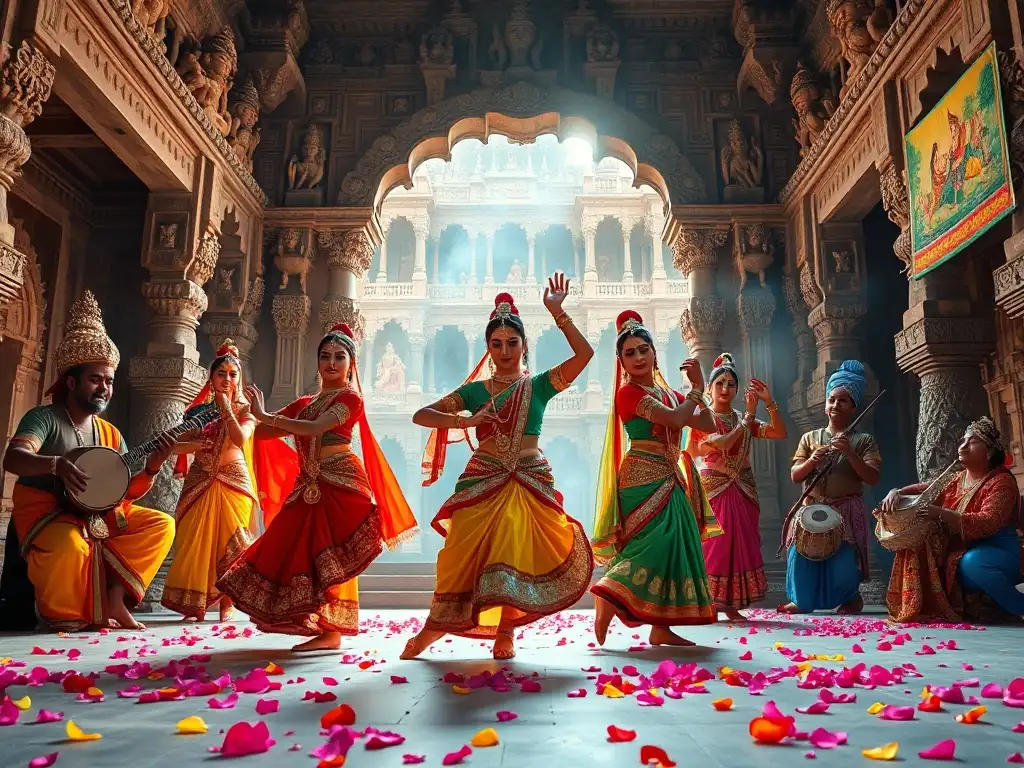
Welcome to Ancient India History, where we invite you to delve into the vibrant tapestry of India's rich and diverse past. In our featured article, "The Golden Triangle: The Interconnection Between Dance, Music, and Visual Arts in Ancient India," we explore the intricate relationships between these art forms that have shaped the cultural landscape of ancient Indian civilizations.
Discover how ancient Indian art and culture not only expressed spiritual and social narratives but also fostered a unique dialogue between various creative expressions. Join us on this fascinating journey through time, and let your curiosity spark as you uncover the legacies that continue to influence modern art and culture today!
Introduction to Ancient Indian Art and Culture
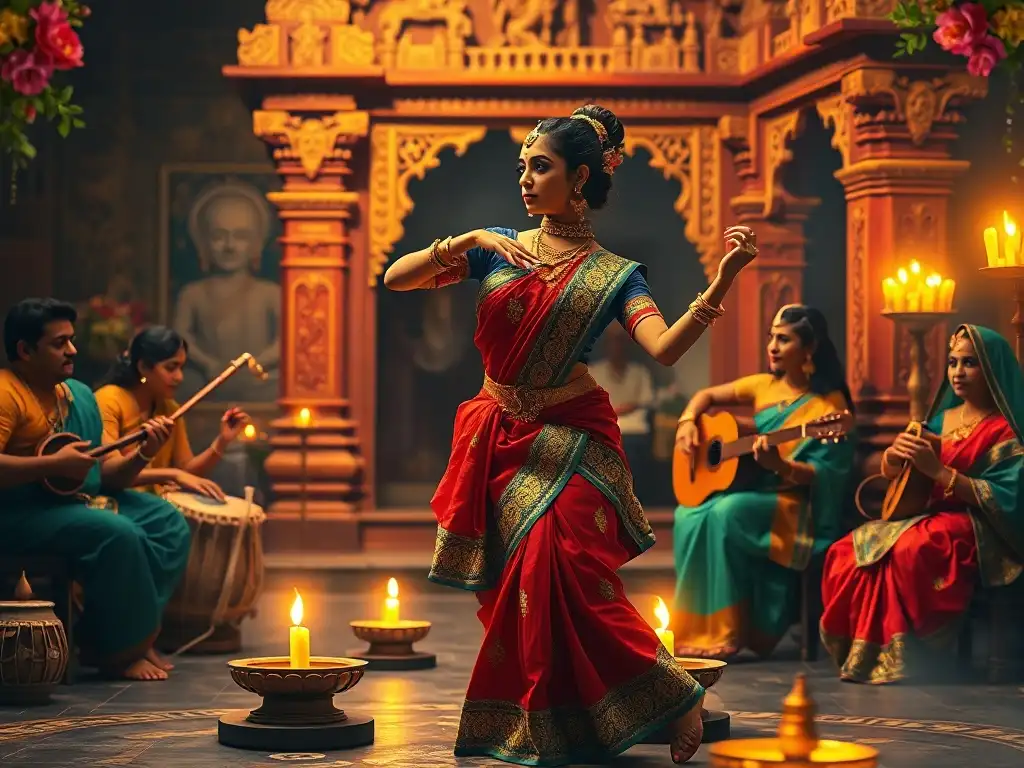
Ancient Indian art and culture represent a complex tapestry woven from various threads of tradition, spirituality, and creativity. This cultural legacy, spanning thousands of years, not only reflects the aesthetic sensibilities of the time but also serves as a testament to the philosophical and spiritual inquiries that shaped the civilization. The interconnection between dance, music, and visual arts forms a Golden Triangle that exemplifies the richness of ancient Indian heritage. Each of these art forms, while distinct in their expressions, interacted dynamically, influencing and enriching one another, creating a holistic cultural experience.
Overview of Ancient Indian Civilization
Ancient India, with its roots tracing back to the Indus Valley Civilization (circa 3300–1300 BCE), witnessed the rise and fall of several powerful kingdoms and empires, including the Maurya and Gupta Empires. This era was characterized by remarkable advancements in various fields, including philosophy, science, and art. The cultural landscape was diverse, with various regions contributing unique styles and practices. Key features of ancient Indian civilization include:
- Spirituality and Religion: Deeply ingrained in daily life, influencing art and literature.
- Trade and Commerce: Facilitating cultural exchanges with other civilizations.
- Philosophical Schools: Such as Buddhism and Jainism, which shaped moral and ethical frameworks.
Significance of Art Forms in Ancient India
Art forms in ancient India were not merely for aesthetic pleasure; they served profound purposes in society. They were instrumental in:
- Religious Expression: Artworks often depicted deities and mythological tales, serving as a medium for worship and devotion.
- Social Commentary: Reflecting societal norms, values, and the human experience.
- Cultural Identity: Art was a means of preserving and transmitting cultural narratives across generations.
The intricate interplay among dance, music, and visual arts not only enriched individual art forms but also fostered a sense of community and identity within ancient Indian society.
The Role of Dance in Ancient Indian Culture
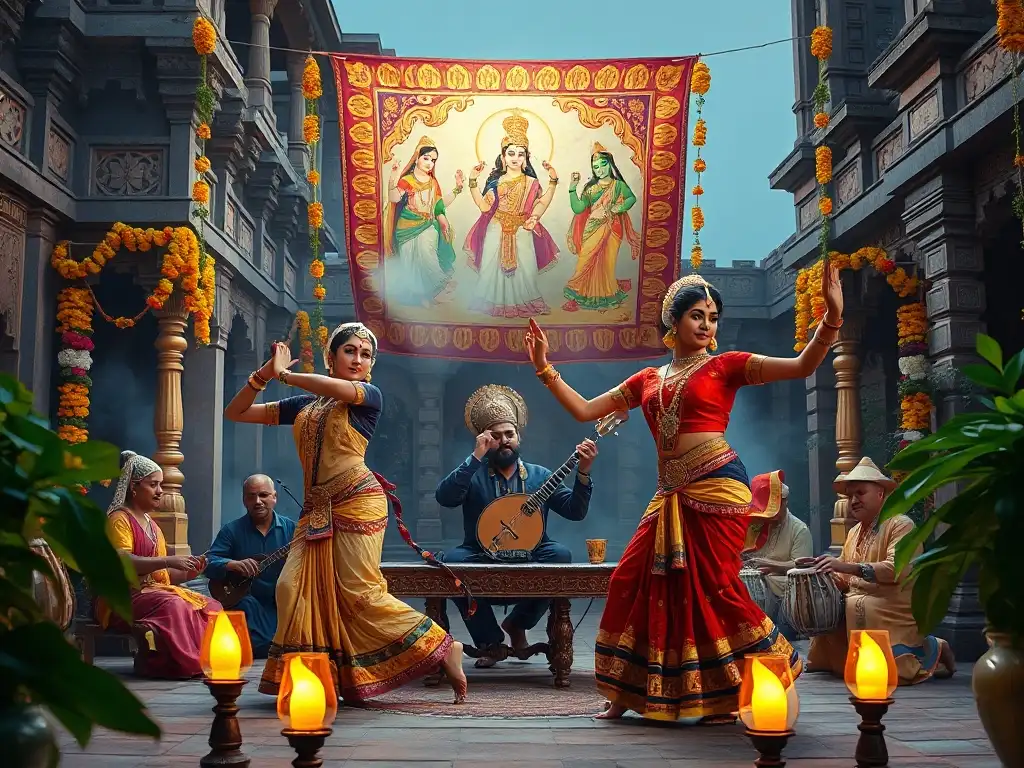
Dance, as one of the most expressive art forms, plays a pivotal role in the cultural fabric of ancient India. It transcends mere performance, embodying spiritual and philosophical ideas that resonate deeply with the audience.
Historical Context of Dance in Ancient India
The origins of dance in ancient India can be traced back to ritualistic practices and religious ceremonies. The Natya Shastra, an ancient treatise attributed to Bharata Muni, serves as a foundational text on the theory and practice of dance, illustrating its significance in both spiritual and social dimensions. The text outlines various aspects of dance, including:
- Mudras (hand gestures): Essential for storytelling.
- Bhava (emotion): Conveying feelings through movement.
- Raga (melody): The musical framework that accompanies dance.
Key Classical Dance Forms of Ancient India
Several classical dance forms have their origins in ancient traditions, each with unique styles and narratives. Some of the prominent forms include:
- Bharatanatyam: Originating from Tamil Nadu, known for its grace and storytelling.
- Kathak: A dance form characterized by intricate footwork and expressive gestures, originating from North India.
- Odissi: Known for its fluid movements and sculpturesque poses, originating from Odisha.
- Kathakali: A dramatic dance form from Kerala, combining dance, music, and acting.
Each of these dance forms not only showcases the artistic skills of the performers but also serves as a narrative medium reflecting religious themes and social issues.
Influence of Dance on Other Art Forms
The interconnectedness of dance with music and visual arts is profound. Dance performances often incorporate live music, enhancing the overall aesthetic experience. Moreover, visual arts such as sculpture and painting frequently depict dancers, illustrating the cultural significance of dance. The mutual influence among these art forms can be observed in:
- Thematic Representations: Common themes across dance, music, and visual arts, including mythology and spirituality.
- Collaborative Performances: Dance and music often come together in festivals and rituals, creating a multisensory experience.
- Iconography: Statues and paintings of deities frequently portray them in dance poses, highlighting the divine connection to this art form.
Through this exploration of the Golden Triangle of dance, music, and visual arts, we uncover the profound impact these art forms have had on ancient Indian culture, enriching its heritage and leaving an indelible mark on future generations.
The Importance of Music in Ancient Indian Society
Music played a pivotal role in ancient Indian society, serving not only as a form of entertainment but also as a means of spiritual expression and cultural identity. It was deeply intertwined with various aspects of daily life, rituals, and festivals. Music was believed to have the power to connect the physical and spiritual realms, making it a vital component in religious ceremonies and celebrations.
In ancient texts like the Vedas, music is revered as a divine art form, with references to the celestial origins of melody and rhythm. The ancient Indian belief in the transformative power of music meant that it was often used to invoke deities, heal the sick, and soothe the mind. Thus, music was not merely an art but a crucial element of life that facilitated communication with the divine.
Moreover, music fostered social cohesion, bringing communities together during festivities and communal gatherings. The various regional styles of music reflected the diversity of ancient Indian culture, with each region contributing its own unique sound and flavor, thus enriching the broader tapestry of Indian civilization.
Evolution of Music in Ancient India
The evolution of music in ancient India can be traced back to the Vedic period (1500–500 BCE), where the earliest forms of musical notation and theory began to emerge. The Samaveda, one of the four Vedas, contains hymns set to melodies that were recited during rituals. As time progressed, different styles and genres evolved, influenced by various socio-political changes and cultural interactions.
The arrival of Buddhism and Jainism in the 6th century BCE introduced new musical elements, reflecting philosophical ideals and expanding the repertoire of musical expression. The Gupta period (c. 240–550 CE) is often referred to as a golden age for music, where significant advancements in theory and practice occurred. Texts like the "Natya Shastra" by Bharata Muni codified musical principles and established the foundational framework for Indian classical music.
During this period, the distinctions between various genres began to solidify, leading to the development of distinct styles of music, such as Hindustani and Carnatic. Each of these traditions continued to evolve, drawing from local customs and integrating influences from neighboring cultures, thus creating a rich and diverse musical landscape.
Major Musical Traditions and Instruments
Ancient Indian music is characterized by two major traditions: Hindustani (North Indian) and Carnatic (South Indian). Each tradition has its own unique characteristics, scales (ragas), and rhythmic patterns (talas), reflecting the regional nuances and cultural diversity of India.
Instruments played a vital role in these musical traditions, with a wide variety of both string and percussion instruments. Some notable instruments include:
- Veena: A plucked string instrument, significant in both Hindustani and Carnatic music.
- Sitar: A popular string instrument known for its rich resonance, often used in Hindustani classical music.
- Tabla: A pair of hand-played drums that are essential to both traditions, providing rhythmic accompaniment.
- Mridangam: A percussion instrument integral to Carnatic music, known for its rich tones and versatility.
These instruments not only provided accompaniment but also served as solo instruments, showcasing the virtuosity of musicians. The craftsmanship involved in creating these instruments reflects the intricate connection between musicality and artistry in ancient Indian culture.
Interplay Between Music and Dance
The interplay between music and dance in ancient India is a testament to the holistic approach to the arts in this civilization. Dance was often inextricably linked to music, with both forms of expression enhancing one another. The rhythmic patterns of music provided the foundation for dance movements, while the emotive power of dance added a visual dimension to musical performances.
Classical dance forms such as Bharatanatyam, Kathak, and Odissi were developed with music as an integral component. Each dance form has its own unique musical styles and compositions, which are tailored to convey specific emotions and stories. For instance, Bharatanatyam dancers often perform to Carnatic music, while Kathak incorporates both Hindustani music and the intricate rhythms of the tabla.
Moreover, performances were often staged in temples and during festivals, where music and dance were used to narrate mythological tales and celebrate deities. This synergy not only enriched the cultural landscape but also served as a medium for social storytelling, allowing audiences to connect with their heritage and spiritual beliefs.
Visual Arts in Ancient India: A Cultural Reflection
Visual arts in ancient India served as a profound reflection of the society's cultural values, beliefs, and historical narratives. From intricate sculptures to vibrant murals, these art forms embodied the aesthetics and philosophies of their time. The visual arts were not merely decorative but were imbued with religious significance and societal messages, often depicting stories from mythology, daily life, and nature.
The evolution of visual arts was deeply tied to the patronage of kings and temples, which flourished during various dynasties. Artisans and craftsmen were revered for their skills, and many works were created to honor deities or commemorate historical events. Thus, visual arts became a vital means of preserving and conveying cultural heritage.
Overview of Ancient Indian Visual Arts
Ancient Indian visual arts encompass a wide range of expressions, including sculpture, painting, pottery, and architecture. Each of these forms reflects the diversity of regional styles and the influences of various dynasties. The Indus Valley Civilization, for example, is known for its terracotta figurines and seals, while later periods saw the emergence of grand temple architecture adorned with intricate carvings.
The Buddhist period (3rd century BCE onward) produced remarkable sculptures depicting the life of Buddha, characterized by serene expressions and intricate details. In contrast, Hindu temples from the Gupta period showcase elaborate carvings of deities, celestial beings, and mythological scenes, reflecting the spiritual beliefs and artistic skills of the time.
The art of painting flourished in ancient India as well, with frescoes and miniatures depicting various themes. The Ajanta Caves, known for their stunning wall paintings, exemplify the artistic excellence of the period, illustrating stories from the Jataka tales.
Major Forms of Visual Arts
The major forms of visual arts in ancient India can be categorized as follows:
- Sculpture: Often created from stone, metal, or terracotta, sculptures depicted deities, mythological figures, and everyday life.
- Painting: Ranging from mural paintings in caves and temples to intricate miniatures, this form captured both religious themes and secular life.
- Architecture: Temples, palaces, and stupas represent the pinnacle of architectural achievement, showcasing detailed craftsmanship and complex designs.
- Pottery: From the painted pottery of the Indus Valley to the exquisite ceramics of later periods, pottery served both functional and artistic purposes.
These forms of visual arts not only highlight the technical skills of the artisans but also reveal the cultural values and societal norms of ancient Indian civilization.
The Influence of Visual Arts on Dance and Music
Visual arts have significantly influenced dance and music in ancient India, creating a rich tapestry of interconnected artistic expressions. The themes and narratives depicted in sculptures and paintings often served as inspiration for dance performances and musical compositions.
For instance, many classical dance forms draw upon stories from Hindu epics like the Ramayana and Mahabharata, with dancers embodying characters and emotions portrayed in the visual arts. The intricate hand gestures (mudras) used in dance frequently mirror the poses found in sculptures, creating a seamless dialogue between the two art forms.
Moreover, music played during dance performances often reflects the emotional tone conveyed in visual representations. The melodies and rhythms are carefully chosen to enhance the storytelling aspect of the dance, creating a cohesive artistic experience for the audience. This interplay not only enriches the performances but also underscores the holistic nature of ancient Indian art and culture, where dance, music, and visual arts coalesce into a unified expression of spirituality and creativity.
The Interconnection of Dance, Music, and Visual Arts: The Golden Triangle
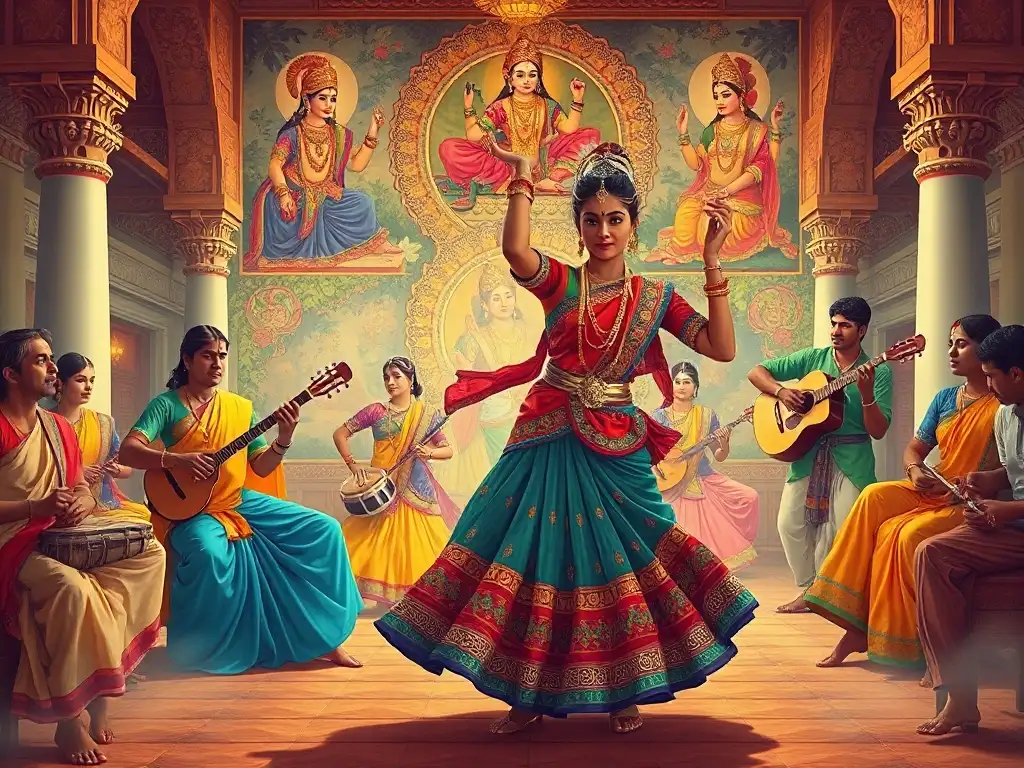
The concept of the Golden Triangle in ancient Indian art and culture encapsulates the profound interconnection between dance, music, and visual arts. This triad not only reflects the aesthetic values of the time but also embodies the spiritual and philosophical underpinnings of ancient Indian civilization. Each art form complements and enhances the others, creating immersive experiences that engage both the senses and the intellect. The seamless integration of these art forms can be observed in temples, performances, and festivals, where elaborate narratives unfold, often depicting mythological tales and cultural themes.
In ancient India, these three art forms were not merely distinct disciplines; they were intertwined in such a way that one could not exist without the other. Dance was often accompanied by music, while visual arts provided the contextual backdrop for both. This synergy fostered a rich cultural tapestry that has profoundly influenced the evolution of Indian art and culture over the centuries.
The Synergy Between Dance and Music
Dance and music share a symbiotic relationship that has been prominent in ancient Indian traditions. Music serves as the backbone of dance, dictating rhythm, emotion, and narrative flow. Classical dance forms such as Bharatanatyam, Kathak, and Odissi are deeply rooted in musical frameworks that enhance their expressive capabilities. The interplay between the vocalist, instrumentalists, and dancers creates a dynamic performance that captivates audiences.
Moreover, the use of ragas (melodic frameworks) and talas (rhythmic cycles) in Indian classical music adds layers of complexity to dance performances. For instance, a dancer interpreting a specific raga can evoke a range of emotions, from joy to sorrow, aligning with the music's mood. This intricate relationship not only showcases the technical prowess of performers but also highlights the cultural narratives inherent in both art forms.
The Role of Visual Arts in Enhancing Dance and Music Experiences
Visual arts, including sculpture, painting, and architectural design, play a crucial role in enhancing the experiences of dance and music in ancient India. Temples, often adorned with intricate carvings and frescoes, served as venues for performances, creating a multisensory environment that enriched cultural experiences. The visual representation of deities and mythological stories in these artworks provided a narrative context that deepened the audience's engagement with dance and music.
Additionally, the costumes and makeup used in dance performances were often influenced by visual art traditions. The elaborate attire not only showcased the craftsmanship of artisans but also visually narrated the themes and characters being portrayed. This combination of visual aesthetics and performing arts created a holistic experience that celebrated the richness of ancient Indian culture.
Case Studies of Integrated Performances in Ancient India
Several historical examples illustrate the integrated nature of dance, music, and visual arts in ancient India. One prominent case is the temple dance tradition associated with the devadasi system, where dancers performed in temples as a form of worship. These performances often featured live music and were accompanied by rich visual elements, such as the temple's sculptures and paintings that depicted the stories being told through dance.
Another notable example is the Natya Shastra, an ancient treatise on performing arts attributed to Bharata Muni. It outlines the principles of drama, dance, and music, emphasizing their interdependence. The text serves as a foundational document in understanding how these art forms coalesced to create a comprehensive artistic expression that resonated with audiences.
Conclusion: The Legacy of the Golden Triangle in Ancient Indian Art and Culture
The legacy of the Golden Triangle continues to resonate in contemporary Indian arts, demonstrating the enduring influence of ancient practices. The intricate interplay between dance, music, and visual arts established a cultural framework that has shaped various art forms throughout history. This legacy is reflected in modern performances that still pay homage to ancient traditions, maintaining the principles of synergy and integration.
Lasting Impact on Contemporary Indian Arts
Contemporary Indian artists draw inspiration from this rich tapestry of integrated art forms. Modern interpretations of classical dance and music often incorporate visual elements such as multimedia projections and elaborate stage designs, echoing the ancient practices where visual arts enhanced performances. This fusion not only revitalizes traditional forms but also allows for new expressions that resonate with today's audiences, ensuring that the essence of ancient Indian culture remains vibrant and relevant.
The Continued Relevance of Ancient Indian Art and Culture Today
Ancient Indian art and culture continue to hold significance in today's society, serving as a source of identity and pride for many. Festivals, performances, and exhibitions that celebrate these art forms foster a sense of community and cultural continuity among diverse populations. The principles of the Golden Triangle remind us of the value of interconnectedness in the arts, encouraging a holistic appreciation of cultural heritage that transcends time and geographical boundaries. As we explore and celebrate these ancient traditions, we honor the creative spirit that has shaped the rich and diverse tapestry of Indian civilization.
References and Further Reading on Ancient Indian Art and Culture
To deepen your understanding of the intricate connections between dance, music, and visual arts in ancient India, a plethora of resources are available. These texts and online platforms offer valuable insights into the historical context, cultural significance, and artistic evolution of ancient Indian art forms. Below, we highlight some recommended books, articles, and online resources that serve as excellent starting points for your exploration.
Recommended Books and Articles
-
"The Arts of India" by Susan Huntington
This comprehensive volume explores the development of Indian art from ancient times through the colonial period. It covers various artistic mediums, including sculpture, painting, and architecture, while also discussing the interconnectedness of these forms with dance and music.
-
"Indian Classical Dance: Tradition in Transition" by Leela Venkataraman
This book examines the historical roots and evolution of classical dance forms in India, shedding light on their relationship with music and visual representation in temple art and performance.
-
"The Book of Indian Classical Dance" by Sunil Kothari
This detailed resource delves into various classical dance forms, their origins, and the intricate linkages between dance, music, and the visual arts, showcasing how these art forms have influenced one another throughout history.
-
"Understanding Indian Music" by Dr. Ashok Ranade
This work provides an in-depth analysis of Indian music, its genres, and how it has shaped and been shaped by the visual arts and dance traditions in Indian culture.
-
"The Dance of Shiva" by Ananda K. Coomaraswamy
Coomaraswamy's exploration of the symbolism in Indian art and dance is essential for understanding the spiritual and cultural dimensions of these art forms, emphasizing their interconnectedness.
Online Resources for Exploring Ancient Indian Art Forms
-
Digital South Asia Library
An extensive archive of historical texts, images, and documents related to South Asian studies, which includes a dedicated section for ancient Indian art and culture.
-
India Heritage Portal
This online resource offers a wealth of information on traditional Indian art forms, including dance and music, featuring articles, videos, and visual galleries that illustrate the connections between these art forms.
-
National Museum, New Delhi
The official website of the National Museum provides access to collections, exhibitions, and research articles about ancient Indian art, including visual arts, dance, and music.
-
YouTube Channels
Various educational channels focus on ancient Indian art and culture, such as "Indian Classical Dance" and "The Art of India," which feature documentaries, performances, and discussions that highlight the interconnections between dance, music, and visual arts.
-
ResearchGate
A platform for academic publications where you can find scholarly articles on ancient Indian art and culture, including in-depth studies on the relationships between dance, music, and visual arts.
These resources will provide you with a solid foundation for understanding the rich tapestry of ancient Indian art and culture, illustrating the profound interconnections between its various forms.
- Introduction to Ancient Indian Art and Culture
- Overview of Ancient Indian Civilization
- Significance of Art Forms in Ancient India
- The Role of Dance in Ancient Indian Culture
- The Importance of Music in Ancient Indian Society
- Visual Arts in Ancient India: A Cultural Reflection
- The Interconnection of Dance, Music, and Visual Arts: The Golden Triangle
- Conclusion: The Legacy of the Golden Triangle in Ancient Indian Art and Culture
- References and Further Reading on Ancient Indian Art and Culture
- What is the "Golden Triangle" in the context of ancient Indian art and culture?
- How did ancient Indian civilizations influence the development of dance?
- What role did music play in ancient Indian culture?
- How are visual arts represented in ancient Indian history?
- What contributions did the Gupta Empire make to art and culture?
Frequently Asked Questions
What is the "Golden Triangle" in the context of ancient Indian art and culture?
The Golden Triangle refers to the interconnectedness of dance, music, and visual arts in ancient India, highlighting how these forms influenced and enriched each other throughout history.
How did ancient Indian civilizations influence the development of dance?
Ancient Indian civilizations contributed significantly to dance through the establishment of classical styles like Bharatanatyam and Kathak, which were often performed during religious ceremonies and festivals.
What role did music play in ancient Indian culture?
Music served as a vital element of spiritual practice, entertainment, and storytelling in ancient India, with various musical instruments and styles evolving to reflect the diverse cultural landscape.
How are visual arts represented in ancient Indian history?
Visual arts in ancient India, including sculpture, painting, and architecture, showcased the region's religious themes and social values, often found in temples and public spaces, displaying intricate designs and craftsmanship.
What contributions did the Gupta Empire make to art and culture?
The Gupta Empire is known for its golden age of art and culture, marked by advancements in literature, sculpture, and architecture, which laid the foundation for future artistic expressions in India.
Final Reflection: The Enduring Legacy of Ancient Indian Art and Culture
The intricate relationship between dance, music, and visual arts in ancient India is not merely a historical curiosity; it is a vibrant testament to the interconnectedness of human expression that continues to resonate in our modern world. Today, as we navigate a globalized society, the rich tapestry of ancient Indian art and culture serves as a reminder of the profound ways in which creativity can transcend boundaries and foster unity among diverse communities.
The echoes of these art forms remind us that the essence of cultural heritage is alive and relevant, urging us to explore and celebrate our shared humanity.
The influence of ancient Indian art and culture can be seen in contemporary practices, where artists draw inspiration from the past to create innovative expressions that honor tradition while embracing modernity. The rhythms of classical dance, the melodies of traditional music, and the intricate designs of visual arts continue to inspire countless artists and audiences alike. Art is the most beautiful of all lies.
This quote encapsulates the idea that while art may reflect the world around us, it also has the power to shape perceptions and evoke emotions, bridging gaps between generations and cultures.
As we reflect on the lessons embedded in the golden triangle of dance, music, and visual arts, let us take a moment to consider how we can incorporate these principles into our own lives. I invite you to explore the rich heritage of ancient Indian art and culture, not just as an observer but as an active participant.
Engage with these art forms, whether through learning a dance, listening to traditional music, or appreciating visual arts, and allow them to inspire your own creative journey. By doing so, we honor the legacy of our ancestors while enriching our own lives and the lives of those around us.
Unleash Your Creativity Through the Golden Triangle!
Thank you for exploring the captivating world of the Golden Triangle—the exquisite connection between dance, music, and visual arts in ancient India. By understanding this interplay, you have opened the door to a richer appreciation of artistic expression. Now, let's turn that inspiration into action!
Here’s how you can dive deeper into this vibrant cultural legacy:
- Participate in a local dance workshop that incorporates music and visual arts to experience the essence of the Golden Triangle firsthand.
- Explore traditional Indian artworks at a museum or online gallery; reflect on how dance and music influence their themes.
- Share your insights with friends by hosting a cultural evening where you discuss the connections you’ve discovered.
What role do you think the collaboration between different art forms plays in enhancing creative expression today? We invite you to share your thoughts below!