
The Influence of Ancient Indian Surgery on Ayurveda and Holistic Health

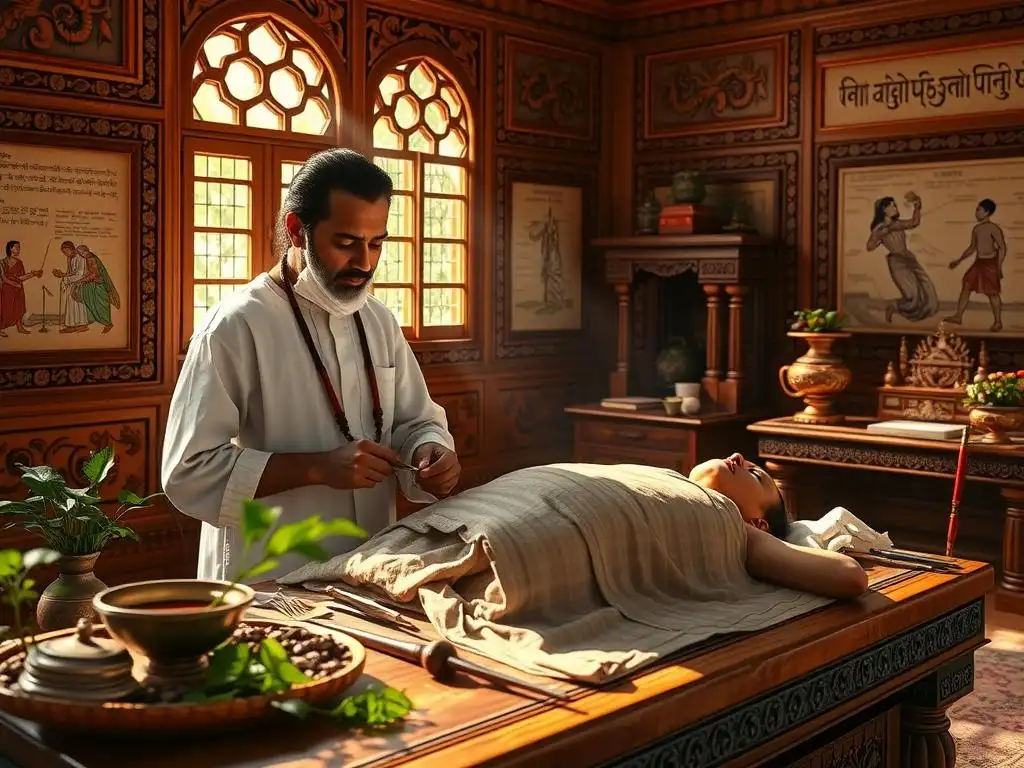
Welcome to Ancient India History, where we embark on a journey through the rich tapestry of one of the world's oldest civilizations. Here, you'll uncover the fascinating surgery techniques that not only shaped ancient Indian medicine but also laid the groundwork for modern practices in Ayurveda and holistic health. As you delve into our featured article, The Influence of Ancient Indian Surgery on Ayurveda and Holistic Health, prepare to be amazed by the ingenuity and sophistication of these early medical pioneers.
What secrets will you discover about their remarkable contributions? Read on to unveil the mysteries that continue to inspire and inform contemporary health practices!
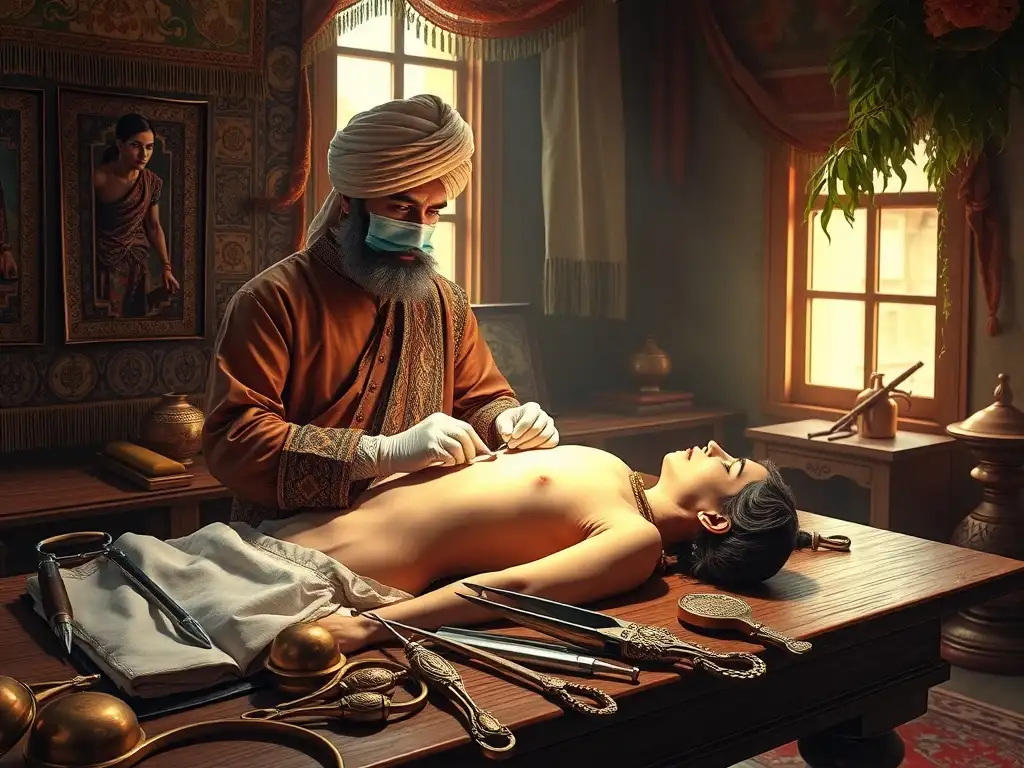
Exploring the rich tapestry of ancient Indian surgery reveals a profound interplay between medical practices and holistic health philosophies, particularly Ayurveda. This article delves into the intricacies of ancient Indian surgery techniques, which not only laid the groundwork for modern surgical practices but also integrated seamlessly with Ayurvedic principles. Ancient Indian surgeons, revered as pioneers, developed innovative techniques that addressed various health issues while emphasizing the balance of body, mind, and spirit. Understanding these surgical practices provides invaluable insights into how they influenced holistic health approaches and the evolution of medicine in India.
Introduction to Ancient Indian Surgery Techniques
Ancient Indian surgery techniques, often referred to within the broader context of Ayurveda, were characterized by their meticulous approach and a deep understanding of human anatomy. Texts such as the Sushruta Samhita, attributed to the ancient surgeon Sushruta, documented various surgical procedures, tools, and methods that were remarkably advanced for their time. These techniques predominantly focused on surgical interventions, including excisions, suturing, and even plastic surgery, showcasing a sophisticated grasp of both anatomy and surgical principles.
The legacy of these practices is not merely historical; it continues to resonate in contemporary holistic health systems that prioritize natural healing and comprehensive care. Through this exploration, we aim to illuminate the connections between ancient surgical practices and modern Ayurvedic treatments, shedding light on how these techniques have shaped health and wellness paradigms in India.
Historical Context of Ancient Indian Surgery
The historical context of ancient Indian surgery is rich and multifaceted, emerging from a civilization that valued health, wellness, and the pursuit of knowledge. The advancements in surgical techniques were not isolated but were part of a larger framework of medical practices that integrated philosophy, spirituality, and empirical observation.
Origins of Surgical Practices in Ancient India
The origins of surgical practices in ancient India can be traced back to the Indus Valley Civilization, where archaeological evidence suggests advanced medical knowledge. The emergence of surgical techniques is chronicled in ancient texts, particularly from the 6th century BCE onwards, with the Sushruta Samhita being a pivotal work. This text details over 300 surgical procedures, various instruments, and a thorough understanding of anatomy, including methods for performing surgeries with minimal complications. The emphasis on hygiene, patient care, and the use of herbal anesthetics highlights the sophisticated nature of these practices.
Key Figures in Ancient Indian Surgery
Several key figures emerged in the realm of ancient Indian surgery, with Sushruta being the most notable. Often referred to as the "father of surgery," Sushruta's contributions were foundational. His work encompassed a wide range of surgical techniques, from cataract surgery to rhinoplasty, and he is credited with creating surgical instruments still recognized today.
Other prominent figures, such as Charaka, further advanced medical knowledge, focusing on holistic health and the integration of surgical practices within the Ayurvedic system. Their collective contributions established a legacy that not only influenced Indian medicine but also left an indelible mark on global surgical practices.
Core Concepts of Ancient Indian Surgery Techniques
Ancient Indian surgery techniques, documented primarily in texts such as the Sushruta Samhita, reflect a profound understanding of human anatomy and surgical procedures. The core concepts encompass a blend of practical surgical skills, philosophical insights, and a holistic view of health. This approach emphasizes the interconnectedness of body, mind, and spirit.
The foundational principles include:
- Preoperative Assessment: Detailed patient evaluations were conducted to determine the appropriate surgical interventions. This involved understanding the patient’s overall health, lifestyle, and the specific ailment.
- Surgical Instruments: A variety of surgical tools, often crafted from metals like iron and bronze, were employed. These instruments included scalpels, forceps, and probes, showcasing advanced metallurgical skills of the time.
- Techniques and Methods: Techniques such as suturing, cauterization, and even early forms of plastic surgery (like rhinoplasty) were practiced with notable expertise. These methods were not only effective but also demonstrated a sophisticated understanding of healing and recovery.
These core concepts laid the groundwork for the integration of surgery within the broader framework of Ayurveda, promoting a balance between surgical intervention and natural healing processes.
Surgical Procedures in Ancient India
Surgical procedures in ancient India were diverse and advanced for their time. The Sushruta Samhita describes various operations, including:
- Shalya Tantra: This branch of Ayurveda is dedicated to surgical practices. It includes procedures for the extraction of foreign objects, treatment of wounds, and management of fractures.
- Rhinoplasty: One of the most famous surgical techniques, rhinoplasty involved reconstructing the nose, which was performed for both aesthetic and functional reasons. Sushruta's descriptions detail the steps and techniques used in this intricate procedure.
- Treatment of Fistulas: Fistula surgeries were conducted with a high degree of success, employing techniques that minimized complications and ensured better recovery.
These procedures were grounded in an understanding of anatomy, pathology, and patient care, making ancient Indian surgical practices remarkably advanced compared to contemporary methods in various other cultures.
Principles of Ayurveda in Surgical Techniques
Ayurveda, the ancient Indian system of medicine, plays a crucial role in shaping surgical techniques. The principles of Ayurveda emphasize the balance of the three doshas (Vata, Pitta, and Kapha), which are essential for maintaining health. In the context of surgery, these principles influence:
- Preparation and Detoxification: Ayurvedic practices often involved preoperative detoxification and purification rituals, such as Panchakarma, to prepare the patient’s body for surgery, enhancing resilience and recovery.
- Postoperative Care: Ayurveda places significant importance on postoperative care through herbal remedies, dietary recommendations, and lifestyle modifications aimed at promoting healing and restoring balance.
- Holistic Assessment: Surgeons were trained to consider not just the physical ailment but also the emotional and spiritual health of the patient. This holistic view guided decisions on surgical interventions and the overall treatment plan.
Integrating these Ayurvedic principles with surgical techniques resulted in a comprehensive approach to healthcare that prioritized both immediate surgical needs and long-term wellness.
The Relationship Between Ancient Indian Surgery and Holistic Health
The relationship between ancient Indian surgery and holistic health is deeply intertwined, reflecting a comprehensive approach to medicine. Ancient Indian practitioners recognized that physical ailments often stemmed from imbalances in the body, mind, and environment. As a result, surgical interventions were viewed as one aspect of a broader health strategy.
Holistic health in ancient India involved:
- Mind-Body Connection: Ancient texts emphasized the importance of mental and emotional well-being in the healing process. Stress and psychological factors were acknowledged as potential contributors to physical ailments, which influenced surgical decisions and patient management.
- Natural Remedies and Diet: Alongside surgical procedures, there was a strong reliance on diet, herbs, and lifestyle changes to support recovery. This dual approach ensured that patients received comprehensive care that addressed all aspects of their health.
Thus, ancient Indian surgery was not merely about performing operations; it was about restoring balance and promoting overall health.
Holistic Health Approaches in Ancient India
Holistic health approaches in ancient India were characterized by a multifaceted understanding of wellness, integrating physical, mental, and spiritual dimensions. Key elements included:
- Ayurvedic Practices: The use of natural herbs, dietary practices, and detoxification methods formed the cornerstone of holistic health. These practices aimed to balance the doshas and enhance the body’s innate healing capabilities.
- Yoga and Meditation: Physical postures and meditation were employed to promote mental clarity, emotional stability, and physical health. These practices were often recommended as part of the recovery process post-surgery, highlighting their importance in overall health.
- Community and Social Support: Ancient Indian philosophy also recognized the role of community and social structures in health. Family and community support systems were considered vital in the healing process, reinforcing the interconnectedness of individuals within their social environment.
These holistic approaches not only complemented surgical techniques but also provided a comprehensive framework that guided patients toward overall well-being.
Case Studies of Successful Surgical Outcomes
Ancient texts provide insights into numerous case studies that illustrate the successful outcomes of surgical techniques. Notable examples include:
- Sushruta’s Own Cases: Sushruta, often regarded as the father of surgery, documented various successful procedures in his writings. One famous case involved a complex rhinoplasty performed on a nobleman, restoring both function and appearance.
- Treatment of Trauma: Historical accounts indicate that surgical interventions for trauma, such as battlefield injuries, were effective, with many patients recovering successfully due to the combination of surgical skill and holistic care.
- Management of Chronic Conditions: Cases of successful fistula surgeries demonstrate the effectiveness of combining surgical and Ayurvedic treatments, leading to long-term health improvements.
These examples underscore the sophistication of ancient Indian surgical practices and their integration with holistic health principles, showcasing a legacy that continues to influence modern medicine.
Comparisons with Other Ancient Surgical Practices
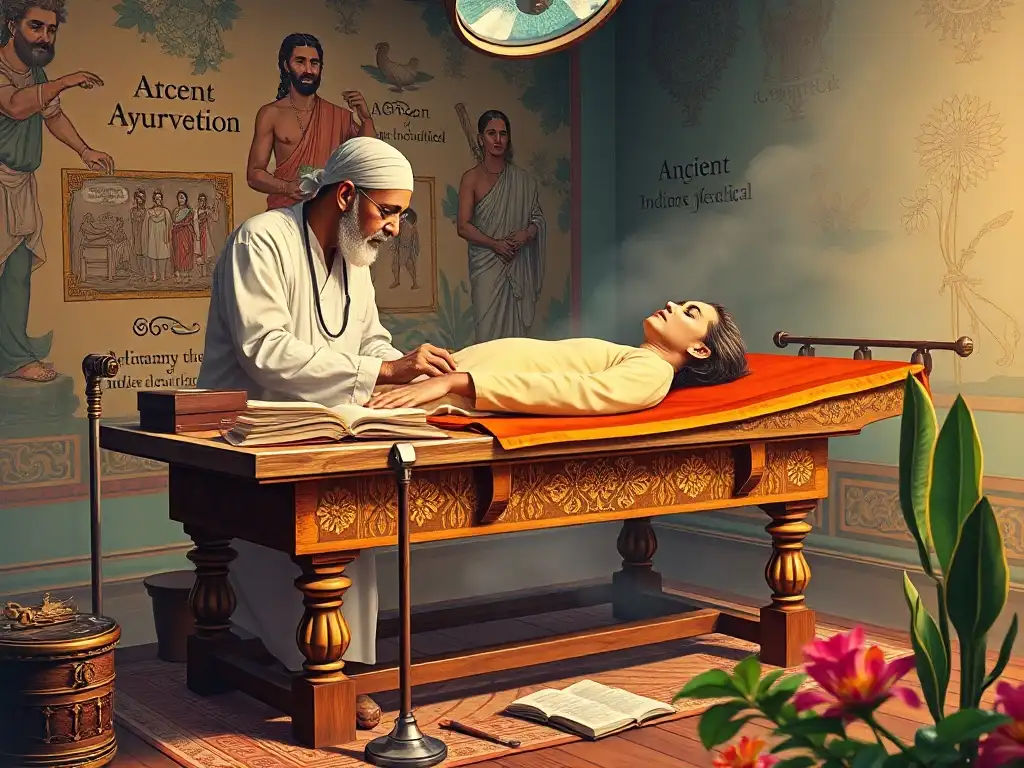
The examination of ancient surgical techniques across various civilizations reveals both unique approaches and shared practices in the field of medicine. Ancient Indian surgery, particularly as it relates to Ayurveda, stands out due to its holistic approach and integration with spiritual practices. By comparing it with other ancient surgical practices, such as those from Greece and Egypt, we can appreciate the rich tapestry of medical knowledge that has influenced both historical and modern medicine.
Ancient Indian Surgery vs. Ancient Greek Surgery
Ancient Indian surgery, especially as documented in texts like the Sushruta Samhita, emphasized the importance of patient care, hygiene, and the use of herbal remedies alongside surgical techniques. Sushruta, often called the "father of surgery," detailed various surgical procedures, including rhinoplasty, cataract surgery, and the treatment of wounds. His methods involved meticulous techniques, such as the use of scalpels made from sharpened stones, and a deep understanding of human anatomy based on dissections.
In contrast, ancient Greek surgery, prominently represented by figures like Hippocrates and Galen, also laid foundational principles for Western medicine. Greek surgical practices focused on the theoretical aspects of medicine, emphasizing observation and diagnosis. While they made significant advances in surgical techniques, such as the use of forceps and methods for treating fractures, their approach was often more empirical and less holistic compared to that of ancient India.
Ultimately, while both cultures contributed significantly to the development of surgical techniques, ancient Indian surgery's holistic view—integrating physical, mental, and spiritual health—offers a distinct contrast to the more segmented approach of ancient Greek practices. This difference highlights the diverse ways in which surgery and healing were conceptualized and practiced across different civilizations.
Influence of Ancient Indian Surgery on Modern Practices
The legacy of ancient Indian surgery continues to resonate in modern medical practices, particularly within the realms of holistic health and integrative medicine. Techniques that originated in ancient India, such as the principles of suturing and wound care, have found their way into contemporary surgical practices. Modern-day plastic and reconstructive surgery can trace its roots back to the detailed descriptions of procedures found in the Sushruta Samhita, particularly in techniques for reconstructing body parts.
Moreover, the holistic principles embedded in Ayurvedic practices—such as the emphasis on diet, lifestyle, and mental well-being—are increasingly recognized in modern health paradigms. As a result, many contemporary practitioners are adopting an integrative approach, combining traditional surgical techniques with holistic therapies to promote overall patient wellness.
The resurgence of interest in ancient practices has also led to greater appreciation for the use of herbal medicine in postoperative care, as described in ancient texts. This has prompted modern researchers to investigate the efficacy of various herbs and natural remedies that were integral to ancient Indian surgical practices, potentially leading to innovative treatments in wound healing and recovery.
Conclusion
The influence of ancient Indian surgery on Ayurveda and holistic health is both profound and enduring. By examining the techniques and philosophies that emerged from this rich tradition, we gain valuable insights into the interplay between surgery and holistic health practices. The comparisons with ancient Greek surgery underscore the distinctive nature of Indian methods, while also revealing commonalities in the pursuit of medical knowledge.
As modern medicine continues to evolve, the principles of ancient Indian surgery serve as a reminder of the importance of viewing health from a holistic perspective—one that encompasses physical, mental, and spiritual well-being. The ongoing integration of these ancient techniques into contemporary practices not only honors the contributions of ancient Indian civilization but also enriches the field of medicine as a whole.
References
The foundation of ancient Indian surgery and its influence on Ayurveda and holistic health is well-documented through various historical texts and scholarly research. Below is a selection of key references that provide insight into ancient Indian surgical techniques and their integration into holistic health practices:
- Sushruta Samhita: Often regarded as one of the earliest texts on surgery, the Sushruta Samhita details a variety of surgical procedures and techniques practiced in ancient India. This foundational text not only describes surgical methods but also emphasizes the importance of holistic health, including diet, lifestyle, and mental well-being.
- Charaka Samhita: Another significant text in Ayurvedic medicine, the Charaka Samhita complements the surgical insights provided by Sushruta. It highlights the interconnectedness of physical health, surgical interventions, and holistic approaches to healing.
- Historical Analysis of Ancient Indian Medicine: Numerous studies and articles have been published analyzing the contributions of ancient Indian medicine to modern practices. Researchers such as Dr. B. D. Chaurasia and Dr. G. K. Sharma have provided critical insights into ancient surgical techniques and their relevance today.
- Ayurveda and Surgery: Scholarly articles in journals dedicated to alternative medicine often explore the relationship between Ayurveda and surgical practices. These articles discuss how ancient Indian surgery techniques have influenced contemporary holistic health approaches.
- Comparative Studies: Comparative analyses between ancient Indian surgery and other traditional medical systems, such as Traditional Chinese Medicine (TCM) and Greco-Roman medicine, offer a broader perspective on the evolution of surgical techniques and their holistic implications.
- Cultural Texts and Manuscripts: Various manuscripts and cultural artifacts provide additional context regarding the practices of ancient Indian surgeons and their holistic health philosophies. These documents are crucial for understanding the societal values and medical ethics of the time.
These references collectively illustrate the depth of knowledge and the sophisticated understanding of health and surgery that existed in ancient India, and they underscore the lasting influence of these practices on contemporary Ayurvedic medicine and holistic health systems.
- Introduction to Ancient Indian Surgery Techniques
- Historical Context of Ancient Indian Surgery
- Core Concepts of Ancient Indian Surgery Techniques
- The Relationship Between Ancient Indian Surgery and Holistic Health
- Comparisons with Other Ancient Surgical Practices
- Conclusion
- References
Frequently Asked Questions
What are ancient Indian surgery techniques?
Ancient Indian surgery techniques were highly advanced, incorporating practices such as surgical procedures, herbal medicine, and holistic healing methods. They laid the groundwork for modern surgical practices.
How did ancient Indian surgery influence Ayurveda?
Ancient Indian surgery contributed significantly to Ayurveda by integrating surgical knowledge with holistic approaches to health. This fusion promoted a more comprehensive understanding of well-being and healing.
What civilizations contributed to the development of surgery in ancient India?
The Indus Valley Civilization and later empires like the Gupta Empire played vital roles in advancing surgical practices. They documented techniques in texts such as Sushruta Samhita.
Who was Sushruta and what was his contribution?
Sushruta is often regarded as the "father of surgery" in ancient India. He authored the Sushruta Samhita, a foundational text that detailed various surgical techniques and instruments.
How are ancient Indian surgery techniques relevant today?
Many ancient Indian surgery techniques have influenced modern medical practices and holistic approaches to health, highlighting the importance of integrating traditional wisdom with contemporary medicine.
Final Reflection: The Enduring Legacy of Ancient Indian Surgery Techniques
The profound connection between ancient Indian surgery techniques and modern holistic health practices is more relevant today than ever. As we navigate a world increasingly focused on integrative health approaches, the wisdom of our ancestors offers invaluable insights into healing and well-being. The techniques developed centuries ago not only laid the groundwork for surgical practices but also emphasized the importance of treating the whole person, a principle that resonates deeply in contemporary health discussions.
The influence of ancient Indian surgery extends beyond the operating table; it has permeated our cultural and social landscapes. The principles of Ayurveda, rooted in these surgical practices, continue to shape how we perceive health and wellness today.
This enduring legacy encourages us to consider the interconnectedness of body, mind, and spirit in our healing journeys. As Mahatma Gandhi once said, “It is health that is real wealth and not pieces of gold and silver.” > This quote encapsulates the essence of holistic health, reminding us that true wealth lies in our well-being, a concept that ancient Indian surgery techniques have long championed.
As we reflect on the teachings of ancient Indian surgery and their impact on our lives, let us embrace the call to integrate these timeless principles into our daily routines. I invite you to explore how these ancient techniques can inspire your own health journey. Whether through mindfulness practices, dietary choices, or holistic therapies, consider how you can honor this rich heritage and apply its lessons to cultivate a healthier, more balanced life. The wisdom of the past is not just a relic; it is a guiding light for our future.
Unveil the Wisdom of Ancient Healing!
Thank you for diving into the intriguing world of ancient Indian surgery and its profound impact on Ayurveda and holistic health! Your curiosity today fuels a brighter understanding of time-honored practices that continue to inspire well-being.
Now, let’s take the next step on this enlightening journey:
- Explore Ayurvedic Techniques: Delve deeper into Ayurvedic practices by incorporating herbs and remedies into your daily life. This week, try using a new herb to enhance your meals and wellness routine!
- Share Your Discoveries: Connect with friends or family by discussing insights from this article. Initiate a conversation about holistic health—your knowledge could inspire someone else to embark on their own exploration!
- Engage with the Community: Join online forums or local workshops dedicated to Ayurveda and holistic health to exchange experiences and learn collaboratively.
As you reflect on this ancient wisdom, consider this: How can you integrate the principles of holistic health into your daily routine for a balanced lifestyle? Your reflections may spark a dialogue that inspires others!