
The Legacy of Ancient Indian Theater: Lessons for Contemporary Artists

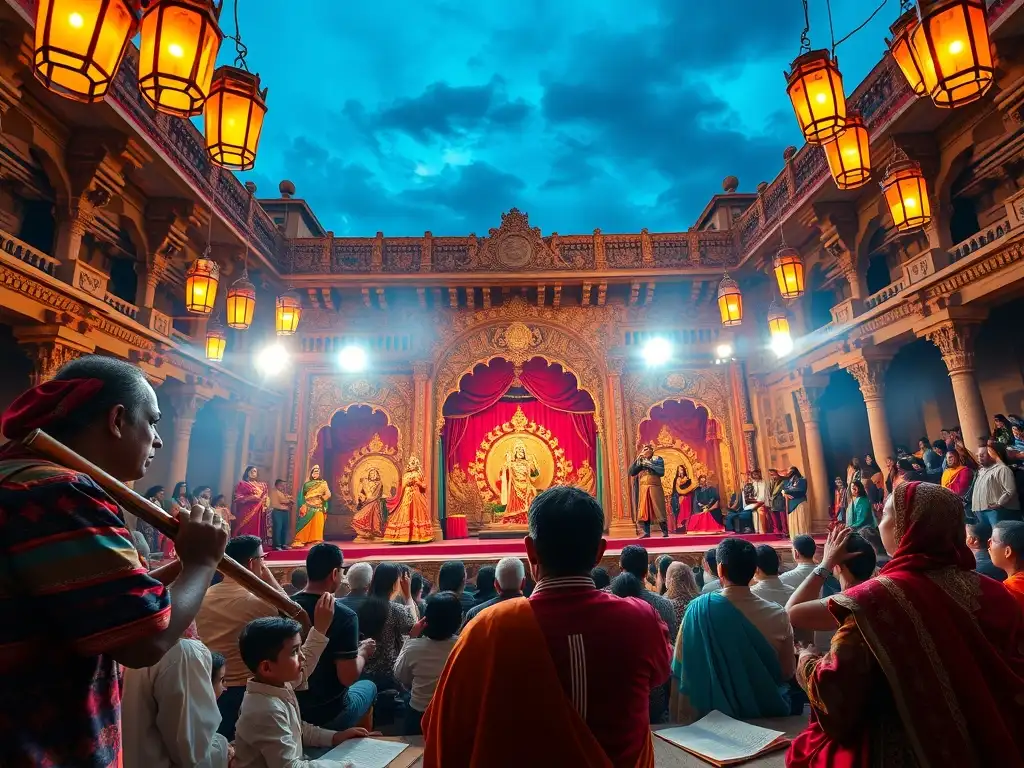
Welcome to Ancient India History, where we invite you to embark on a journey through the rich tapestry of India's past. Our exploration of ancient Indian theater influence reveals the profound impact that these early art forms have had on contemporary creativity. Discover how the vibrant performances and storytelling traditions of ancient civilizations continue to inspire artists today.
Get ready to delve into the legacy of ancient Indian theater and uncover lessons that resonate across time. As we unravel this fascinating narrative, you may find yourself questioning: how do these age-old practices shape our modern artistic landscape? Let’s dive in!
Introduction to Ancient Indian Theater Influence
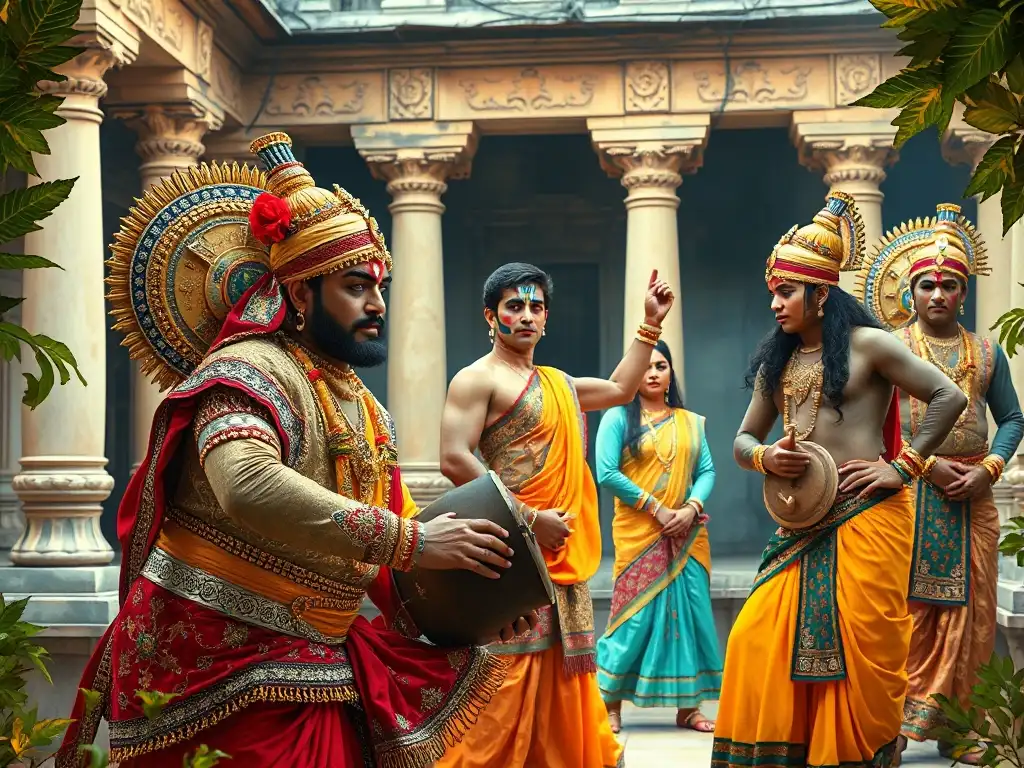
The influence of ancient Indian theater extends far beyond the confines of its historical period, shaping the artistic landscape of contemporary performance arts. With its roots in the rich tapestry of Indian culture, ancient theater encompassed a wide array of styles, genres, and practices that reflect the values, beliefs, and social dynamics of the time.
By exploring the intricacies of ancient Indian theater, we not only gain insight into the creativity and innovation of past civilizations but also uncover lessons that resonate with today’s artists. This article aims to delve into the profound legacy of ancient Indian theater and examine its enduring impact on modern performance arts, highlighting how these age-old traditions continue to inspire contemporary artists around the globe.
Historical Context of Ancient Indian Theater
Origins of Theater in India: From Rituals to Performance
The origins of theater in India can be traced back to ancient rituals and ceremonies that were integral to religious practices. These early forms of performance were designed to honor deities, convey moral tales, and express communal values. Over time, these rituals evolved into more structured theatrical forms, leading to the emergence of drama as a distinct art form.
- Ritualistic Roots: The earliest performances were deeply intertwined with spirituality, often incorporating dance, music, and storytelling.
- Transition to Theater: As society progressed, the need for entertainment and artistic expression led to the formalization of theatrical practices, giving birth to various genres.
Key Periods in Ancient Indian Theater Development
Ancient Indian theater witnessed significant evolution through distinct historical periods, each contributing unique elements to the art form.
- Vedic Period (1500 - 500 BCE):
- Focus on religious ceremonies and rituals.
- Introduction of performance elements, including chants and prayers.
- Classical Period (500 BCE - 500 CE):
- Flourishing of Sanskrit drama, highlighted by playwrights such as Kalidasa and Bhasa.
- The establishment of the Natya Shastra, a comprehensive treatise on performing arts by Bharata Muni.
- Medieval Period (500 - 1200 CE):
- Theater began to incorporate regional languages and local themes.
- Emergence of folk theater, bringing diverse narratives and styles into the mainstream.
- Post-Medieval Period (1200 CE onwards):
- Integration of influences from Persian and Mughal traditions.
- Rise of various regional forms of theater, such as Kathakali and Yakshagana.
Through these periods, ancient Indian theater not only served as a form of entertainment but also played a crucial role in the cultural and social fabric of the society, offering reflections on human experiences and societal values. By understanding this historical context, contemporary artists can draw inspiration from the depth and richness of ancient practices, allowing them to craft performances that echo the timeless themes explored by their predecessors.
Key Elements of Ancient Indian Theater
Ancient Indian theater is a rich tapestry woven from various cultural threads, encompassing a range of key elements that defined its unique style and impact. Central to this form of theater is Natyashastra, attributed to Bharata Muni, which serves as a foundational text outlining the principles of performance, dramaturgy, and aesthetics. This ancient treatise emphasizes the importance of Rasa (emotional experience) and Bhava (mood), guiding performers in eliciting deep emotional responses from the audience.
Another crucial element is the use of mudras (hand gestures) and abhinaya (expression), which together create a non-verbal language that conveys complex narratives and emotions. The integration of music and dance further enhances the theatrical experience, with ragas (melodic frameworks) and tala (rhythmic cycles) playing a significant role in setting the tone and mood of performances.
Moreover, costuming and set design were meticulously crafted to reflect the characters and their contexts, allowing for a visually captivating experience. The incorporation of mythological themes and historical narratives not only entertained but also educated audiences about moral values and cultural heritage, thus solidifying the theater's role as a vital component of ancient Indian society.
Genres of Ancient Indian Theater
Ancient Indian theater boasted a diverse array of genres, each with its own distinct characteristics and appeal. Some of the most notable genres include:
- Natya: A comprehensive form that combines dance, music, and drama, often depicting mythological stories and heroic tales.
- Katha: A storytelling genre that focuses on narrative-driven performances, where the emphasis is on the tale rather than elaborate staging or choreography.
- Tamasha: A folk theater form characterized by its vibrant performances, often involving humor, social commentary, and community participation.
- Ramlila: A traditional performance centered around the life and adventures of Lord Rama, celebrated especially during the festival of Dussehra.
- Bhagat: A devotional form that combines music and storytelling, often focusing on the themes of spirituality and religious devotion.
These genres not only reflect the cultural diversity of ancient India but also illustrate the adaptability of theater to various social and regional contexts, serving both entertainment and educational purposes.
Performance Techniques and Styles
The performance techniques and styles of ancient Indian theater were as varied as its genres, incorporating a blend of artistic expressions that have influenced subsequent generations. Key techniques included:
- Sanskrit Drama: Characterized by its elaborate dialogues, poetic language, and complex characterizations, often performed in royal courts.
- Physicality in Acting: Emphasizing the use of body language, facial expressions, and movements to convey emotions and narratives, allowing for a nuanced form of storytelling.
- Improvisation: Actors were often trained to adapt their performances based on audience reactions, creating a dynamic and interactive experience.
- Chorus and Ensemble Work: Groups of actors would perform together, enhancing the thematic elements through synchronized movements and vocal harmonies.
- Use of Masks and Puppetry: These techniques were sometimes employed to depict divine or supernatural characters, adding a layer of mystique to the performances.
The amalgamation of these techniques not only defined ancient Indian theater but also set the stage for innovative practices in contemporary performance arts.
Ancient Indian Theater Influences on Contemporary Arts
The influences of ancient Indian theater are evident in various contemporary art forms, both within India and beyond. Modern playwrights and performers draw inspiration from the rich traditions and narratives of ancient theater, integrating its principles into their works. The exploration of complex characters, emotional depth, and thematic relevance from ancient narratives remains a central tenet in contemporary storytelling.
Additionally, the revival of classical dance forms, such as Bharatanatyam and Kathak, often pays homage to the theatrical elements found in ancient performances. These art forms continue to thrive, ensuring that the legacies of ancient Indian theater remain relevant in modern contexts.
Lessons from Ancient Indian Theater for Modern Playwrights
Modern playwrights can glean several valuable lessons from ancient Indian theater that can enhance their storytelling and performance techniques:
- Emotional Resonance: The emphasis on Rasa can guide playwrights in crafting narratives that evoke genuine emotional reactions from their audiences.
- Cultural Relevance: Drawing from the rich tapestry of Indian mythology and history can provide depth and context to contemporary stories, making them more relatable and impactful.
- Integration of Arts: Combining elements of dance, music, and visual arts can lead to a more immersive theatrical experience, appealing to diverse audiences.
- Non-Verbal Communication: Utilizing body language and gestures effectively can enhance character development and storytelling without relying solely on dialogue.
By embracing these lessons, contemporary artists can create works that not only honor the legacy of their predecessors but also resonate with modern audiences in meaningful ways.
Influence on Contemporary Indian Theater
Contemporary Indian theater has been significantly shaped by the legacies of its ancient counterparts. Many modern theater companies and practitioners actively incorporate traditional forms, narratives, and styles into their productions. This blend of the old and new has led to the emergence of innovative performances that reflect the complexities of contemporary society while honoring historical roots.
For instance, the incorporation of traditional storytelling techniques and themes from ancient texts has become a hallmark of many contemporary productions. Additionally, the revival of folk theater traditions has fostered a renewed interest in regional stories and performances, ensuring that diverse voices are heard in the theatrical landscape.
Furthermore, contemporary Indian theater continues to explore the dynamic interplay between tradition and modernity, often addressing social issues and contemporary themes through the lens of ancient narratives. This ongoing dialogue between the past and present serves not only to preserve the rich heritage of ancient Indian theater but also to inspire and challenge future generations of artists.
Comparative Analysis of Ancient and Contemporary Theater
The exploration of ancient Indian theater provides a profound understanding of its lasting influence on contemporary performance arts. By analyzing the similarities and differences between ancient and modern theater, contemporary artists can draw valuable lessons that enrich their craft and connect them to a rich cultural heritage.
Differences in Themes and Societal Reflections
One of the most striking differences between ancient Indian theater and contemporary performances lies in their thematic content and societal reflections. Ancient Indian theater, particularly forms like Natya Shastra, was deeply intertwined with religious and spiritual narratives. Plays often depicted epics such as the Mahabharata and Ramayana, exploring moral dilemmas, divine intervention, and cosmic order. These themes were not merely for entertainment; they served as a vehicle for societal reflection and moral instruction.
In contrast, contemporary theater often addresses modern issues, including social justice, identity, and political struggles. While ancient theater aimed to elevate the audience's spiritual awareness, contemporary plays frequently focus on personal experiences and societal critiques. This shift in thematic focus reflects the evolving values and concerns of society, yet both forms aim to provoke thought and inspire change.
Similarities in Performance Aesthetics
Despite the differences in themes, there are notable similarities in the performance aesthetics of ancient and contemporary theater. Both forms emphasize the importance of physical expression, voice modulation, and the use of space. Ancient Indian theater incorporated elaborate gestures ( mudras), intricate costumes, and music to convey emotions and narratives. Similarly, contemporary artists often employ a combination of movement, sound, and visual elements to create immersive experiences.
Moreover, the communal aspect of theater remains a shared value between the two eras. Both ancient and contemporary performances encourage audience engagement, fostering a collective experience. This connection highlights the timeless nature of theater as a medium for storytelling and community bonding, demonstrating that while styles may evolve, the core essence of performance remains constant.
Challenges and Opportunities for Contemporary Artists
Contemporary artists face unique challenges in integrating ancient Indian theater influences into their work. However, these challenges also present opportunities for innovation and creativity, allowing them to pay homage to their heritage while pushing the boundaries of artistic expression.
Preserving Ancient Techniques in Modern Productions
One of the primary challenges for contemporary artists is the preservation of ancient techniques within modern productions. Many traditional methods, such as specific acting styles and musical forms, risk being lost in the fast-paced evolution of theater. To address this, artists can engage in research and collaboration with scholars and practitioners of traditional forms. Workshops and training sessions can help bridge the gap between ancient techniques and contemporary practices, ensuring that these valuable skills are passed down and adapted for modern audiences.
Additionally, incorporating ancient techniques can enhance the authenticity and richness of contemporary performances. By using traditional storytelling methods or integrating classical music and dance forms, artists can create a unique blend that resonates with both ancient and modern sensibilities.
Innovating While Respecting Tradition
Another challenge lies in the need for innovation while respecting the traditions of ancient Indian theater. Contemporary artists often strive to create original works that reflect current societal issues, yet they must navigate the delicate balance of honoring traditional forms without falling into mere imitation. This calls for a creative approach where artists can reinterpret classical narratives and techniques, infusing them with contemporary relevance.
For instance, adapting a classic play to address modern themes, or utilizing contemporary technology in staging ancient stories, can breathe new life into these narratives. By embracing this innovative spirit, contemporary artists can ensure that the legacy of ancient Indian theater continues to thrive, inspiring future generations while remaining rooted in its rich history.
Conclusion: The Enduring Legacy of Ancient Indian Theater
The legacy of ancient Indian theater is a profound testament to the rich cultural tapestry of India, woven through centuries of artistic expression. Its influence is evident not only in the narratives and styles that have persisted over time but also in the very essence of performance art as it is understood today. From the intricate storytelling techniques of the Natya Shastra, attributed to Bharata Muni, to the vibrant forms of Kathakali and Kuchipudi, ancient Indian theater has laid the groundwork for a diverse array of performances that continue to enchant audiences globally.
As contemporary artists delve into the depths of this legacy, they unearth a treasure trove of techniques, themes, and philosophies that resonate with the modern ethos. The emphasis on spirituality, community storytelling, and the integration of music and dance fosters a holistic approach to performance that is increasingly relevant in today’s fragmented artistic landscape. The lessons learned from ancient Indian theater emphasize the importance of cultural heritage, collaboration, and innovation, ensuring that the artistic expressions remain dynamic and evolving.
The Relevance of Ancient Indian Theater in Today’s Artistic Landscape
The relevance of ancient Indian theater in today’s artistic landscape cannot be overstated. As the world grapples with issues of identity, belonging, and cultural exchange, the principles of ancient Indian theater offer valuable insights. The themes explored in these ancient performances often revolve around universal truths—love, duty, morality, and the human experience—making them timeless in their appeal.
Moreover, contemporary theater practitioners are increasingly recognizing the potential of incorporating traditional techniques into modern narratives. For instance, the use of mudras (hand gestures) and abhinaya (expressive movement) can add layers of meaning to performances that resonate with audiences on a deeper level. Additionally, the emphasis on ensemble performance fosters a sense of community and collaboration that is essential in today’s solo-centric artistic practices.
Ultimately, ancient Indian theater serves as a bridge, connecting the past with the present, and providing a framework for exploring new artistic possibilities while honoring cultural roots.
Call to Action for Contemporary Artists to Explore Ancient Influences
Contemporary artists are encouraged to explore the myriad influences of ancient Indian theater in their work. By engaging with this rich heritage, artists can infuse their creations with depth, authenticity, and a sense of continuity that transcends time.
- Research and Study: Artists should take the time to study ancient texts, such as the Natya Shastra, and explore various traditional performance forms. Understanding the historical context and techniques will provide a solid foundation for innovative expressions.
- Workshops and Collaborations: Participating in workshops led by masters of ancient performance arts can facilitate a hands-on experience of these traditions. Collaborative projects with traditional artists can also lead to exciting fusions of styles and narratives.
- Reflective Practice: Artists should reflect on how the themes and philosophies of ancient Indian theater can inform their current work. This reflective practice can inspire new approaches and provoke thought-provoking questions that resonate with contemporary audiences.
By embracing the influences of ancient Indian theater, artists not only honor their cultural heritage but also enrich their artistic journey, creating works that are both innovative and deeply rooted in history. The call to action is clear: venture into the past to inform the future, and let the legacies of ancient Indian theater guide the way.
- Introduction to Ancient Indian Theater Influence
- Historical Context of Ancient Indian Theater
- Key Elements of Ancient Indian Theater
- Ancient Indian Theater Influences on Contemporary Arts
- Comparative Analysis of Ancient and Contemporary Theater
- Challenges and Opportunities for Contemporary Artists
- Conclusion: The Enduring Legacy of Ancient Indian Theater
- What is the significance of ancient Indian theater in history?
- How did ancient Indian theater influence modern performance arts?
- What are some key features of ancient Indian theater?
- Which ancient texts are fundamental to understanding Indian theater?
- How can modern artists learn from ancient Indian theater?
Frequently Asked Questions
What is the significance of ancient Indian theater in history?
Ancient Indian theater played a crucial role in the cultural and artistic development of the region, influencing drama, dance, and storytelling across generations.
How did ancient Indian theater influence modern performance arts?
The techniques and themes from ancient Indian theater continue to impact contemporary performance through the incorporation of traditional narratives and stylized movements.
What are some key features of ancient Indian theater?
Key features include the use of elaborate costumes, musical accompaniment, and symbolic gestures, which contribute to a rich and immersive storytelling experience.
Which ancient texts are fundamental to understanding Indian theater?
Important texts like the Natya Shastra, authored by Bharata Muni, provide foundational knowledge on performance techniques, dramatic structure, and aesthetic principles.
How can modern artists learn from ancient Indian theater?
Contemporary artists can draw inspiration from ancient Indian theater by exploring its themes, character archetypes, and the integration of music and dance, enriching their own artistic expressions.
Final Reflection: Embracing the Influence of Ancient Indian Theater
The legacy of ancient Indian theater continues to resonate profoundly in today's artistic landscape, reminding us of the timeless power of storytelling and performance. As we navigate a world increasingly dominated by digital media, the lessons drawn from these ancient traditions offer a vital connection to our cultural roots and a pathway to enriching contemporary artistic expressions. The ability of ancient Indian theater to blend spirituality, philosophy, and entertainment is a striking testament to its enduring relevance.
Cultural narratives and artistic expressions are shaped by the legacies we inherit, and ancient Indian theater has undeniably influenced modern performance arts across the globe. The intricate dance forms, dramatic storytelling, and rich symbolism found in these ancient practices not only provide a foundation for contemporary artists but also inspire them to explore deeper themes of identity, community, and existence. As the playwright and director Peter Brook once said, The theater is a place where we can explore the human experience in all its complexity.
This sentiment echoes the essence of ancient Indian theater, which invites us to reflect on our shared humanity.
As we contemplate the teachings of ancient Indian theater, I invite you to embrace its lessons in your own creative journey. Consider how the themes of connection, transformation, and cultural heritage can enrich your work and inspire others. Whether you are an artist, a performer, or simply an admirer of the arts, let the influence of these ancient traditions guide you to create meaningful narratives that resonate with audiences today. In doing so, we not only honor the past but also pave the way for a vibrant and interconnected future in the world of theater and beyond.
Unleash Your Creative Spirit: Embrace Ancient Inspiration!
Thank you for diving into the fascinating world of ancient Indian theater with us! By exploring its rich legacy, you’ve uncovered valuable lessons that can transform modern artistic expressions. Now, let’s take these insights further and bring them to life!
Here are some exciting actions you can take right now:
- Experiment with Traditional Techniques: Incorporate ancient storytelling methods or performance styles into your own art or projects to add depth and authenticity.
- Join a Local Theater Group: Connect with like-minded creatives to discuss how ancient influences can rejuvenate contemporary performances and spark innovative ideas.
- Share Your Experience: Use social media or start a blog to reflect on what you have learned, inspiring others to delve into the richness of ancient artistry.
What aspects of ancient Indian theater resonate most with your creative journey? We can’t wait to hear your thoughts!