
The Evolution of Leadership: How Ancient Indian Kings Managed Diverse Populations

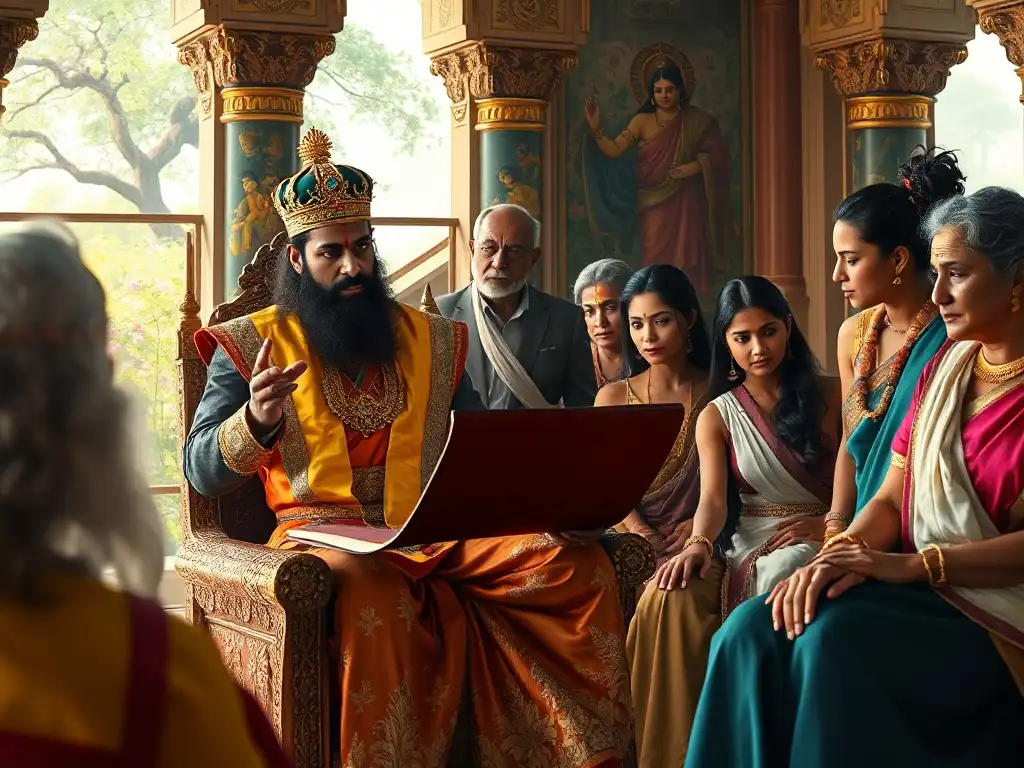
Welcome to Ancient India History, where we delve into the rich tapestry of our past and uncover the remarkable stories that have shaped one of the world's oldest civilizations. In today’s exploration, we invite you to journey through the intriguing realm of Ancient Indian leadership styles. Discover how visionary kings of the Indus Valley to the illustrious Gupta Empire navigated the complexities of managing diverse populations. What strategies did they employ to maintain harmony and prosperity? Unravel these questions and more as you uncover the fascinating evolution of leadership in ancient India. Your adventure into history awaits!
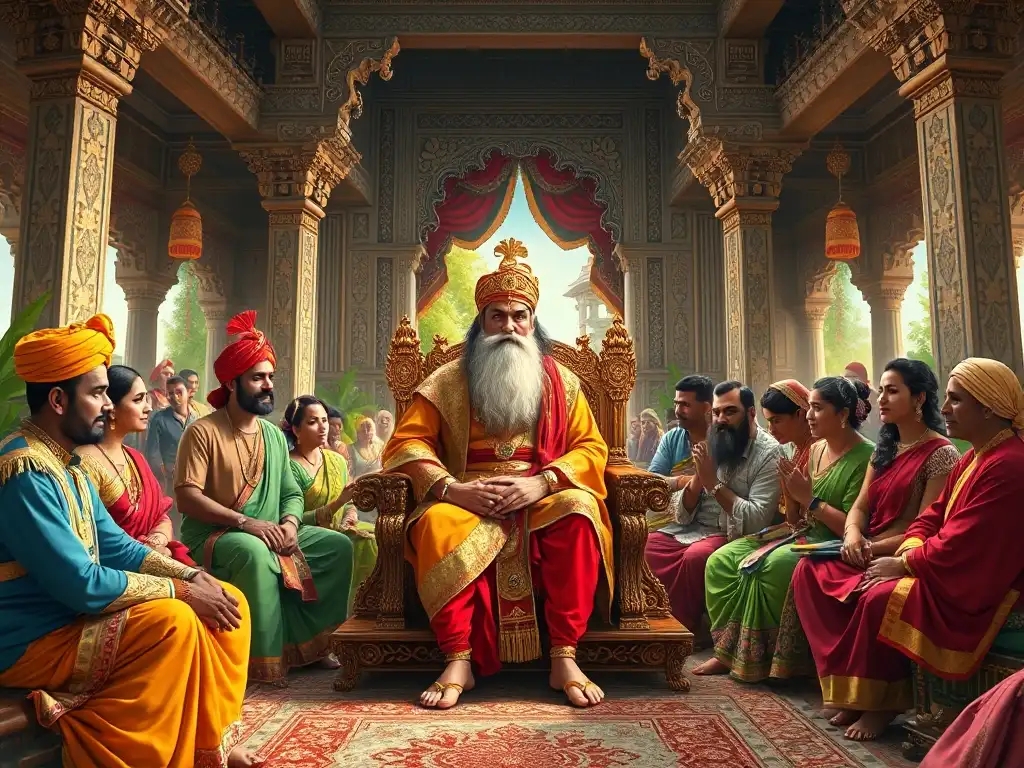
Introduction to Ancient Indian Leadership Styles
The study of ancient Indian leadership styles reveals a complex tapestry of governance and authority that evolved over millennia. From the sophisticated urban planning of the Indus Valley Civilization to the philosophical insights of the Gupta Empire, ancient Indian kings developed various methods to manage their diverse populations. These leadership styles were not merely about wielding power; they encompassed cultural, social, and economic dimensions that shaped the very fabric of societies. Understanding these approaches provides invaluable insights into how ancient rulers navigated the challenges of governance in a land marked by vast geographical and cultural diversity.
Overview of Leadership in Ancient India
Ancient Indian leadership was characterized by a blend of political acumen and cultural sensitivity. Leaders had to consider the unique needs and aspirations of various ethnic and cultural groups within their realms. Here are some notable aspects of leadership during this period:
- Decentralized Governance: Many ancient states operated under a decentralized system, allowing local leaders to maintain a degree of autonomy while still recognizing the authority of the king.
- Religious Influence: Religion played a crucial role in legitimizing leadership. Kings often positioned themselves as protectors of dharma (moral law) and relied on religious institutions to reinforce their authority.
- Cultural Integration: Effective leaders encouraged cultural exchange and integration, fostering a sense of unity among diverse populations.
Importance of Understanding Diverse Leadership Approaches
Grasping the nuances of ancient Indian leadership styles not only enriches our understanding of history but also offers lessons for contemporary governance. By analyzing how leaders managed diversity, modern policymakers can glean insights into fostering social cohesion and addressing the challenges of multiculturalism. Key takeaways include:
- Conflict Resolution: Ancient leaders often employed negotiation and dialogue to resolve disputes among communities, a practice still relevant today.
- Inclusivity: Emphasizing the importance of inclusive governance, where multiple voices are heard, can enhance societal stability.
- Adaptive Strategies: The ability to adapt leadership styles to changing circumstances is a timeless lesson that resonates across cultures and eras.
Historical Context of Leadership in Ancient India
To fully appreciate the evolution of leadership styles in ancient India, it is essential to consider the historical context in which these leaders operated. The trajectory of governance can be divided into distinct periods, each contributing uniquely to the development of leadership philosophies.
The Indus Valley Civilization and Early Governance
The Indus Valley Civilization (c. 3300–1300 BCE) is one of the earliest examples of urban planning and governance in ancient India. Key features of leadership during this period included:
- Centralized Authority: Evidence suggests a centrally organized system of governance, with a focus on urban planning and public works, such as drainage systems and granaries.
- Meritocratic Structures: Leadership roles likely emphasized skill and merit, allowing for effective management of diverse populations through expertise in administration and trade.
Leadership During the Vedic Period
The Vedic Period (c. 1500–500 BCE) marked a significant shift in leadership dynamics, characterized by the emergence of new social structures and governance models:
- Kshatriya Class: The warrior class, known as Kshatriyas, rose to prominence, emphasizing martial prowess and protective leadership.
- Council Governance: Tribal assemblies (Sabhas) and councils played a crucial role in decision-making, allowing for collective leadership and representation.
The Rise of Empires: Maurya and Gupta Leadership
The Maurya (c. 322–185 BCE) and Gupta (c. 320–550 CE) empires epitomized the culmination of ancient Indian leadership styles, showcasing both centralized authority and cultural flourishing:
- Ashoka the Great: The Mauryan emperor Ashoka is renowned for his transformative leadership, advocating for non-violence and dharma, which fostered a unified yet diverse empire.
- Gupta Golden Age: The Gupta Empire is often referred to as a golden age of Indian history, marked by advancements in science, literature, and arts, reflecting an inclusive approach to governance and cultural patronage.
Understanding these historical contexts is vital for appreciating how ancient Indian kings managed their diverse populations through innovative leadership styles, setting a foundation for future governance.
Key Characteristics of Ancient Indian Leadership Styles
Ancient Indian leadership styles were deeply influenced by the cultural, social, and philosophical contexts of the time. Several key characteristics defined these styles, setting them apart from contemporary leadership models.
- Holistic Approach: Leaders were seen as caretakers of their people, emphasizing the welfare of the community over individual ambition. This approach fostered a sense of unity and collective responsibility among the populace.
- Spiritual and Moral Authority: Many ancient Indian rulers derived their legitimacy from spiritual or divine sources. They were often seen as representatives of the gods on Earth, which imbued their decisions with a moral weight that resonated with their subjects.
- Inclusivity: Ancient Indian kings often sought to include diverse populations within their realms, recognizing the importance of representation in governance. This inclusivity was essential for maintaining stability in multicultural societies.
- Adaptability: Leaders displayed a remarkable ability to adapt to changing circumstances, whether through diplomacy, warfare, or alliances. This flexibility allowed them to manage conflicts and maintain peace within their diverse kingdoms.
- Emphasis on Dharma: The concept of Dharma, or righteous duty, played a pivotal role in leadership. Kings were expected to uphold justice, protect their subjects, and promote ethical behavior, reflecting the moral expectations placed upon them.
Inclusivity and Representation in Leadership
Inclusivity was a hallmark of ancient Indian leadership, as rulers often recognized the importance of representing various communities and groups within their empires. This inclusivity served multiple purposes:
- Cohesion: By acknowledging diverse populations, leaders fostered a sense of belonging among different ethnic and religious groups. This cohesion was vital for maintaining peace and stability in large, multicultural empires.
- Consultative Governance: Many kings employed councils comprising representatives from various communities to discuss governance issues. This practice ensured that different perspectives were considered in decision-making processes, thereby enhancing legitimacy.
- Promotion of Regional Autonomy: Some rulers granted a degree of autonomy to regional leaders, allowing them to maintain local customs and governance structures. This respect for local traditions helped to minimize resentment and foster loyalty to the central authority.
The Role of Dharma in Leadership Practices
Dharma, a central tenet of Indian philosophy, profoundly influenced leadership practices in ancient India. Rulers were expected to embody and uphold Dharma in their governance, which included several key aspects:
- Moral Leadership: Kings were seen as moral exemplars, responsible for guiding their subjects in ethical living. Their adherence to Dharma ensured that they acted justly and compassionately, earning the respect and loyalty of their people.
- Justice and Fairness: Upholding Dharma involved ensuring justice for all, particularly for the marginalized. Ancient Indian kings established legal systems that aimed to protect the rights of their subjects, reinforcing the belief that rulers should be accountable to their people.
- Promotion of Welfare: Leaders who embraced Dharma often initiated welfare programs aimed at improving the lives of their subjects—be it through infrastructure, education, or public health initiatives. This commitment to the common good further solidified their authority.
Balancing Power and Responsibility Among Rulers
The balance of power and responsibility was a critical aspect of ancient Indian leadership. Rulers faced the challenge of wielding authority while also being accountable to their subjects. Key elements of this balance included:
- Checks and Balances: Many ancient Indian states incorporated systems of checks and balances to prevent the abuse of power. This included councils of ministers and advisory bodies that provided oversight and counsel to the king.
- Public Accountability: Rulers were expected to engage with their subjects, making regular visits to villages and towns. This practice allowed them to address grievances directly and demonstrate their commitment to the welfare of their people.
- Cultural Expectations: The societal norms of ancient India placed significant expectations on rulers to be just and benevolent. Failure to meet these expectations could lead to loss of legitimacy and support among the populace.
Case Studies of Influential Ancient Indian Kings
Ashoka the Great: Promoting Welfare and Tolerance
Ashoka the Great, who ruled from 268 to 232 BCE, is often regarded as one of the most exemplary leaders in ancient Indian history. After a particularly brutal war, he embraced Buddhism and committed himself to the principles of non-violence, tolerance, and welfare. Key aspects of his leadership include:
- Edicts of Ashoka: He inscribed his policies on rocks and pillars throughout his empire, promoting ethical behavior, compassion, and religious tolerance. These edicts served as a public reminder of the values he prioritized.
- Promotion of Buddhism: Ashoka supported the spread of Buddhism, sending missionaries across India and beyond. His efforts contributed to a significant cultural and spiritual transformation in ancient Indian society.
- Welfare Initiatives: He established hospitals, rest houses, and irrigation systems, demonstrating his commitment to the well-being of his subjects.
Chandragupta Maurya: Founding a Unified Empire
Chandragupta Maurya (circa 340–297 BCE) is credited with founding the Maurya Empire, which marked a significant turning point in ancient Indian history. His leadership was characterized by:
- Strategic Alliances: Chandragupta formed alliances with local rulers and influential figures, which helped him consolidate power and establish a vast empire.
- Administration and Governance: He implemented an effective administrative system that included a hierarchical bureaucracy. His governance model emphasized efficiency, ensuring that local leaders maintained authority while adhering to imperial policies.
- Military Prowess: Chandragupta was a capable military strategist, successfully expanding his territory by defeating rival kingdoms and securing trade routes.
Harsha Vardhana: Bridging Diverse Cultures and Religions
Harsha Vardhana (circa 606–647 CE) was a prominent ruler known for his efforts to unify northern India after the decline of the Gupta Empire. His reign is marked by:
- Religious Tolerance: Harsha practiced religious tolerance, promoting both Buddhism and Hinduism. He supported scholars and philosophers from various backgrounds, fostering an environment of cultural exchange.
- Cultural Patronage: He was a patron of the arts and literature, and his court was frequented by poets and scholars, contributing to a flourishing of culture during his reign.
- Public Welfare: Harsha organized large-scale religious gatherings and provided for the needy, demonstrating his commitment to social welfare and the well-being of his subjects.
These case studies reflect the rich tapestry of leadership styles that characterized ancient India, showcasing how rulers navigated the complexities of governance in a diverse and dynamic society.
Leadership Strategies for Managing Diverse Populations
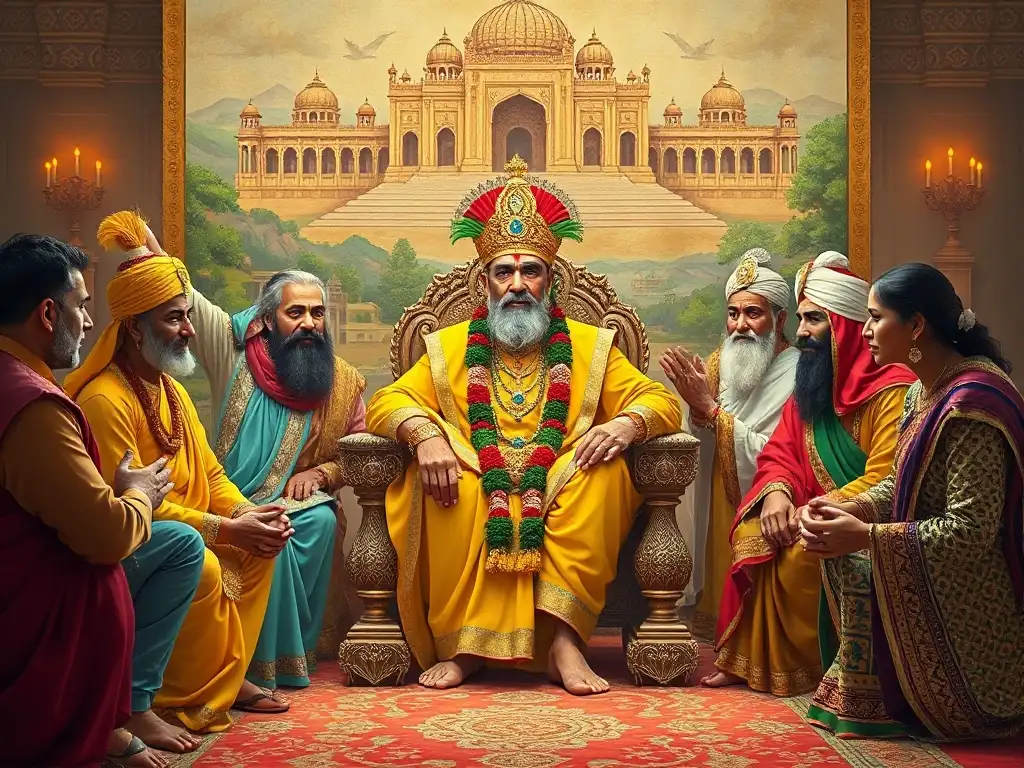
Ancient Indian kings employed a variety of leadership strategies to effectively manage the diverse populations within their realms. These strategies were rooted in an understanding of cultural, religious, and social dynamics, allowing rulers to maintain stability and foster harmony among various communities. One key approach was the concept of Dharma, which emphasized righteousness and duty among leaders and subjects alike. This principle guided kings in making decisions that respected the customs and traditions of different groups.
Another effective strategy was the establishment of regional governance. By appointing local leaders or governors from among the communities they administered, kings were able to ensure that governance was more relatable and responsive to the needs of the local populace. This delegation not only empowered local leaders but also created a sense of inclusion and representation, helping to mitigate tensions between different ethnic and social groups.
Furthermore, ancient Indian kings often engaged in cultural patronage, promoting arts, festivals, and religious practices that celebrated the diversity of their subjects. By supporting multiple faiths, such as Hinduism, Buddhism, and Jainism, rulers fostered an environment of mutual respect and cooperation among different communities, thereby enhancing social cohesion.
Administrative Techniques in Ancient Indian Governance
The administrative techniques used in ancient Indian governance were sophisticated and varied, reflecting the complexities of managing diverse populations. One significant technique was the use of a decentralized administrative structure that allowed for regional autonomy. Kings would often divide their kingdoms into smaller provinces, each governed by a local official who was familiar with the cultural nuances of the area. This practice enabled more effective governance as local leaders could address issues specific to their communities.
Additionally, ancient Indian rulers implemented a system of revenue collection that was fair and just, often based on the agricultural output of the land. This system not only ensured that the state had the resources needed for administration and defense but also built trust between the rulers and their subjects. Fair taxation policies helped maintain a stable economic environment, essential for the prosperity of diverse populations.
Another administrative technique involved the establishment of legal codes that incorporated local customs and practices. By recognizing and codifying the laws of various communities, ancient kings created a legal framework that was perceived as just and equitable, thereby reducing conflict and fostering compliance among different groups.
Conflict Resolution and Diplomacy Among Different Communities
Conflict resolution in ancient India was characterized by a blend of diplomacy, negotiation, and cultural understanding. Kings often employed mediators from respected local communities to facilitate dialogue when disputes arose. This approach not only helped in resolving conflicts amicably but also reinforced the role of local leaders in maintaining social harmony.
Furthermore, ancient Indian leaders were adept at using diplomatic marriages as a means of securing alliances and fostering peaceful relations between rival communities. Marriages between members of different royal families served to solidify alliances and create bonds of kinship, thereby lessening hostilities and promoting collaboration.
Kings also organized councils and assemblies where representatives from various communities could voice their concerns and participate in decision-making processes. This inclusivity allowed for a more democratic form of governance, where different groups felt heard and valued, contributing to a more peaceful coexistence.
The Impact of Ancient Indian Leadership on Modern Governance
The leadership styles and strategies employed by ancient Indian kings have left a profound impact on modern governance. The principles of Dharma and ethical leadership continue to resonate in contemporary political discourse, emphasizing the importance of moral integrity and responsibility in leadership roles.
Moreover, the idea of decentralized governance is reflected in various modern administrative frameworks that advocate for local autonomy and community participation in governance. This approach recognizes the unique needs of diverse populations and allows for tailored solutions that address local issues effectively.
The emphasis on conflict resolution and diplomacy in ancient Indian leadership is also relevant today, as leaders face increasingly complex social dynamics. Modern leaders can learn from ancient practices of negotiation and inclusivity, fostering dialogue among diverse groups to promote peace and cooperation.
Lessons from Ancient Indian Leadership Styles for Today’s Leaders
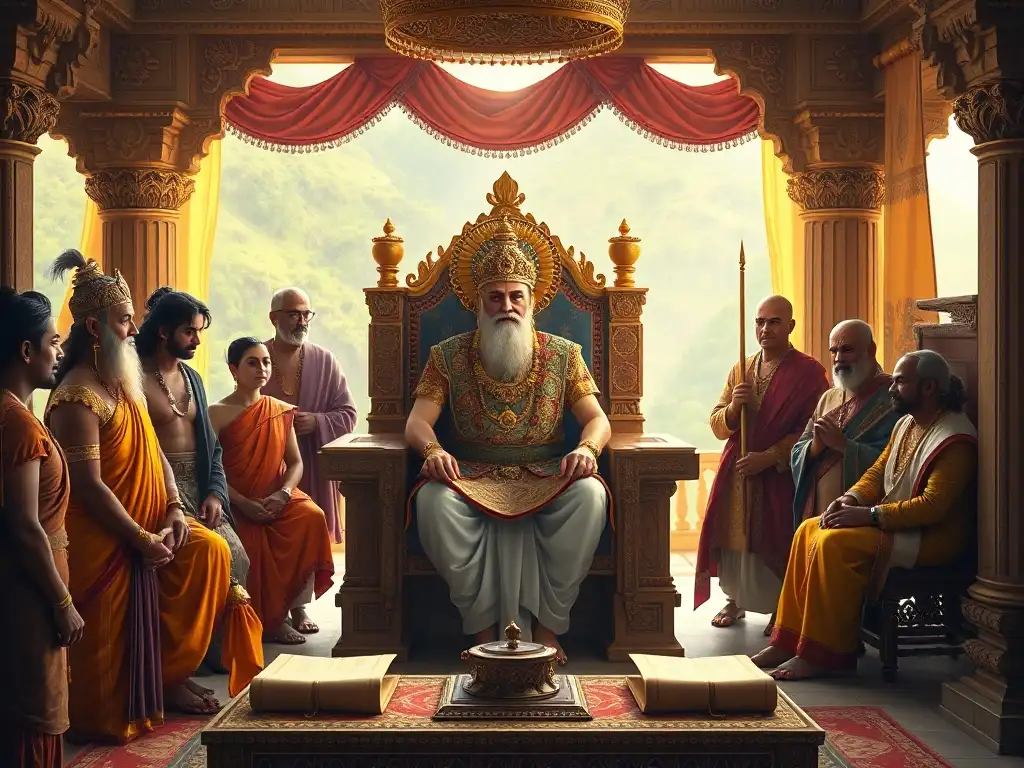
Ancient Indian leadership styles offer valuable lessons for today's leaders, particularly in managing diversity and promoting social cohesion. One primary lesson is the significance of cultural sensitivity. Leaders must recognize and respect the traditions and beliefs of different communities to foster trust and collaboration.
Additionally, the practice of engaging with local leaders and empowering them to make decisions can lead to more effective governance. By delegating authority to those who understand the community better, leaders can ensure that policies are more relevant and effective.
Moreover, the emphasis on ethical governance and the concept of responsibility towards the populace serves as a reminder for contemporary leaders to prioritize the welfare of their citizens. Upholding integrity in decision-making and fostering a sense of community can strengthen the bond between leaders and their constituents.
The Legacy of Ancient Kings in Contemporary Leadership Models
The legacy of ancient Indian kings continues to influence contemporary leadership models across the globe. Their ability to govern diverse populations with empathy and wisdom serves as a guiding framework for current leaders facing the challenges of globalization and multiculturalism.
Many modern governance models advocate for inclusive leadership, drawing inspiration from ancient practices where representation and participation were key. This approach recognizes the value of diverse perspectives in decision-making processes and encourages collaboration among different groups.
Furthermore, the ancient emphasis on social justice and equitable resource distribution is echoed in contemporary discussions on sustainability and equity. Leaders today are urged to learn from these historical precedents to create policies that are just and beneficial for all members of society.
The study of ancient Indian leadership styles not only enriches our understanding of history but also provides essential insights and strategies for effective governance in our increasingly diverse world.
Conclusion: The Enduring Influence of Ancient Indian Leadership Styles
The legacy of ancient Indian leadership styles continues to resonate in contemporary governance and societal structures. The varied approaches adopted by kings from the Indus Valley Civilization through the Gupta Empire reflect a nuanced understanding of leadership that was sensitive to the diverse needs of the populations they governed.
The principles of inclusivity, strategic alliance, and moral authority are evident in the policies of rulers such as Ashoka, who emphasized dharma, or righteous duty, promoting social welfare and ethical governance. This enduring influence serves as a reminder of the importance of adaptable leadership that respects cultural diversity and seeks to unify rather than divide.
Understanding these ancient leadership styles not only enriches our comprehension of Indian history but also offers valuable lessons for modern leaders. The emphasis on dialogue, empathy, and community engagement embedded in ancient practices can guide contemporary leaders in fostering unity and resilience in increasingly pluralistic societies. Thus, the study of ancient Indian leadership styles remains relevant, encouraging a holistic view of governance that prioritizes the well-being of all citizens.
Reflection on the Evolution of Leadership in Ancient India
The evolution of leadership in ancient India reveals a dynamic interplay between tradition and innovation. As societies grew more complex, leaders adapted their strategies to meet the challenges of governance. Early societies relied on consensus and community involvement, while later rulers, such as the Mauryan and Gupta emperors, implemented more centralized forms of governance that still recognized local customs and traditions.
This evolution illustrates how leadership styles were shaped by social, economic, and cultural changes. For instance, the rise of trade and urban centers necessitated a shift toward more organized administrative systems. Meanwhile, philosophical and religious influences, particularly from Buddhism and Hinduism, instilled a sense of ethical responsibility among rulers. The ability to blend these diverse influences into effective governance is a hallmark of ancient Indian leadership.
Future Implications for Studying Ancient Leadership Practices
Studying ancient Indian leadership practices holds significant implications for future research and contemporary governance. As the world grapples with challenges such as globalization, political strife, and social inequality, revisiting the principles that guided ancient leaders can offer fresh insights into effective governance.
Key lessons include the importance of adaptability, cultural sensitivity, and ethical responsibility. Future studies can explore how these ancient models of leadership can inform current practices, particularly in multicultural settings where diverse populations must coexist. By analyzing historical case studies, scholars can identify strategies that promote social cohesion and equitable governance, thus contributing to a more harmonious society.
References and Further Reading
Suggested Books and Articles on Ancient Indian Leadership
- "The Arthashastra" by Kautilya (Chanakya): An ancient treatise on statecraft, economics, and military strategy that provides insight into governance and leadership.
- "Ashoka: The Search for India's Lost Emperor" by Charles Allen: A comprehensive biography of Emperor Ashoka, exploring his leadership style and contributions to Indian history.
- "The Cultural Heritage of India" by Surendranath Dasgupta: This multi-volume work offers a deep dive into the philosophical and cultural contexts of ancient Indian leadership.
Online Resources for Exploring Ancient Indian History
- Digital South Asia Library: A treasure trove of resources including maps, texts, and datasets related to ancient Indian history.
- Ancient India: A Historical Overview: A series of articles and resources that provide insights into various periods of ancient Indian history and the leadership styles that emerged.
- The Indian Council of Historical Research: Offers access to research papers, publications, and resources on ancient Indian history and leadership studies.
By engaging with these resources, readers can deepen their understanding of ancient Indian leadership styles and their relevance in today's world.
- Introduction to Ancient Indian Leadership Styles
- Historical Context of Leadership in Ancient India
- Key Characteristics of Ancient Indian Leadership Styles
- Case Studies of Influential Ancient Indian Kings
- Leadership Strategies for Managing Diverse Populations
- Administrative Techniques in Ancient Indian Governance
- Conflict Resolution and Diplomacy Among Different Communities
- The Impact of Ancient Indian Leadership on Modern Governance
- Lessons from Ancient Indian Leadership Styles for Today’s Leaders
- The Legacy of Ancient Kings in Contemporary Leadership Models
- Conclusion: The Enduring Influence of Ancient Indian Leadership Styles
- References and Further Reading
- What were some common leadership styles in ancient India?
- How did ancient Indian kings manage diverse populations?
- What role did religion play in ancient Indian leadership?
- Can you name notable examples of ancient Indian leaders and their styles?
- How did the Gupta Empire influence leadership practices?
Frequently Asked Questions
What were some common leadership styles in ancient India?
Ancient Indian kings often exhibited diverse leadership styles, including autocratic rule and consultative governance, adapting their approaches based on the needs of their populations.
How did ancient Indian kings manage diverse populations?
Kings employed strategies such as cultural assimilation, religious tolerance, and administrative decentralization to ensure harmony among various ethnic and cultural groups.
What role did religion play in ancient Indian leadership?
Religion significantly influenced leadership styles, with many kings presenting themselves as divine rulers to legitimize their authority and maintain social order.
Can you name notable examples of ancient Indian leaders and their styles?
Prominent figures like Ashoka the Great practiced benevolent leadership, promoting peace and welfare, while Chandragupta Maurya demonstrated military prowess and strategic alliances.
How did the Gupta Empire influence leadership practices?
The Gupta Empire is known for its emphasis on administrative efficiency and cultural patronage, promoting scholarship and the arts, which enhanced the legitimacy of their leadership.
Final Reflection: Embracing the Wisdom of Ancient Indian Leadership Styles
The exploration of ancient Indian leadership styles reveals a timeless relevance in today's diverse and interconnected world. As we navigate the complexities of modern society, the principles of inclusivity, adaptability, and empathy demonstrated by ancient Indian kings serve as a guiding light. These leaders understood the importance of managing diverse populations, and their strategies resonate profoundly in our contemporary discourse on effective leadership.
The impact of these ancient leadership styles is not merely historical; it continues to shape our cultural and social landscapes. From community leaders to corporate executives, the lessons learned from the past inform our approaches to governance and collaboration today. As Mahatma Gandhi once said, "> The best way to find yourself is to lose yourself in the service of others." This sentiment encapsulates the essence of ancient Indian leadership, emphasizing the importance of serving diverse communities with respect and understanding.
As we reflect on the teachings of ancient Indian kings, let us challenge ourselves to embody these principles in our daily lives. Consider how you can lead with compassion and inclusivity, fostering environments where every voice is heard and valued. The legacy of ancient Indian leadership styles is not just a relic of the past; it is a call to action for each of us to cultivate a more harmonious and equitable future. Embrace this opportunity to reflect on your own leadership journey and strive to make a positive impact in the diverse world around you.
Embrace the Legacy of Leadership!
Thank you for exploring the fascinating journey of how ancient Indian kings effectively managed diverse populations. You've uncovered valuable insights into leadership that can inspire your own personal and professional growth. Now, let's put that knowledge into action!
- Reflect on the leadership qualities that resonated with you and consider how you can apply them in your daily life—whether in your career, community, or relationships.
- Engage with others by sharing this article and initiating conversations about various leadership styles; the more we discuss, the more we learn!
- Explore further by researching the leadership strategies of different cultures— you might uncover surprising similarities and innovative ideas!
What unique leadership qualities do you believe are essential for today's world, and how might they be informed by historical examples?