
The Cultural Exchange Between India and Other Civilizations: Influential Leaders

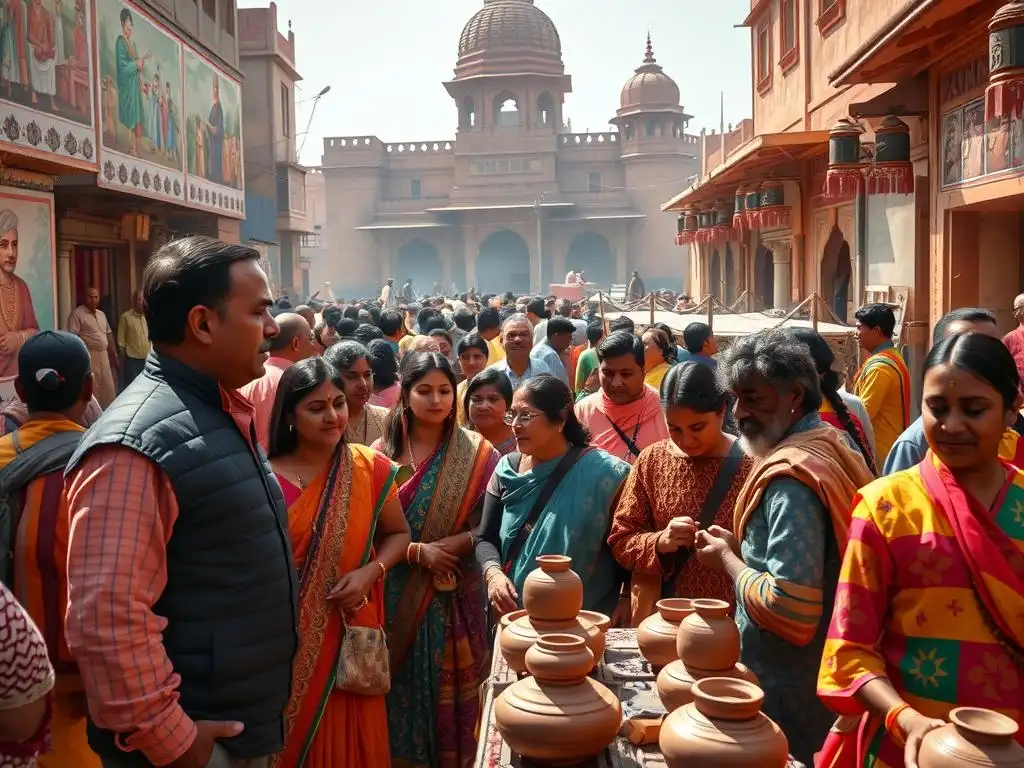
Welcome to Ancient India History, where we invite you to embark on an enlightening journey through the vibrant tapestry of India's past. Delve into the intriguing stories of cultural exchange, as we explore the profound connections between India and other civilizations. In our featured article, "The Cultural Exchange Between India and Other Civilizations: Influential Leaders," you'll uncover how key historical figures shaped the landscape of India's cultural exchange history. Prepare to be captivated by the remarkable contributions and legacies that continue to influence our world today. Join us as we unveil the threads of history that bind us all!
Introduction to India’s Cultural Exchange History
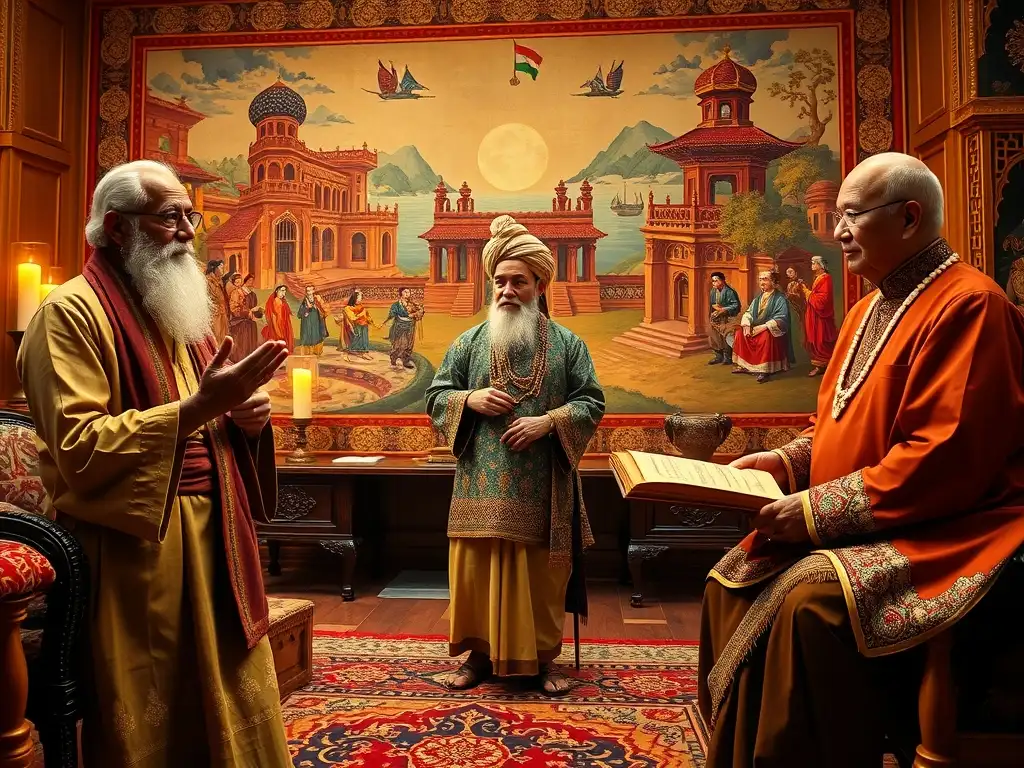
The history of cultural exchange in India is a rich tapestry woven through centuries of interaction with other civilizations. From the ancient trade routes that connected the Indian subcontinent to the Mediterranean and Middle Eastern cultures, to the flourishing of ideas and philosophies exchanged during the Gupta Empire, India's cultural landscape has been profoundly shaped by its interactions with a myriad of societies.
These exchanges not only facilitated the transfer of goods but also ideas, religions, and innovations, contributing to a vibrant cultural mosaic that continues to influence the world today. The role of influential leaders in this dynamic process cannot be understated, as they often served as catalysts for these intercultural dialogues, fostering an environment where diverse traditions could thrive and evolve.
Overview of Cultural Exchanges in Ancient India
Cultural exchanges in ancient India were marked by significant interactions with neighboring civilizations such as the Persians, Greeks, and later, the Chinese and Arabs. These exchanges occurred through various channels:
- Trade: The Silk Road and maritime trade routes facilitated the movement of not just goods but also ideas and cultural practices.
- Migration: The influx of people, including traders, scholars, and monks, introduced new perspectives and beliefs to the Indian cultural milieu.
- Diplomacy: Political alliances often led to the exchange of artistic styles, languages, and religious practices.
The amalgamation of these influences resulted in a unique blend of cultural elements that characterized ancient India, making it a hub of intellectual and artistic activity.
Significance of Cultural Exchange in Shaping Civilizations
Cultural exchange has played a pivotal role in shaping societies throughout history. In India, it fostered:
- Innovation: The blending of ideas led to advancements in science, mathematics, and philosophy, exemplified by the contributions of Indian scholars to the fields of astronomy and medicine.
- Artistic Flourishing: The fusion of different artistic traditions gave rise to distinctive art forms, literature, and architectural styles that are still celebrated today.
- Religious Syncretism: The interaction between various religions, including Hinduism, Buddhism, and Jainism, facilitated a spirit of tolerance and mutual respect that enriched spiritual life in ancient India.
These cultural exchanges not only enriched Indian civilization but also had lasting impacts on neighboring regions, making India a crucial player in the historical narrative of cultural diffusion.
Key Influential Leaders in India’s Cultural Exchange History
Understanding the Role of Leaders in Promoting Cultural Exchange
Leaders throughout Indian history have played a crucial role in promoting cultural exchange. Their vision and policies often set the stage for intercultural interactions. Key functions of these leaders included:
- Patronage of Arts and Sciences: Many rulers supported scholars, artists, and craftsmen, enabling the flourishing of cultural expressions.
- Diplomatic Relations: Leaders often established alliances through marriage and treaties, facilitating the exchange of ideas and cultural practices.
- Religious Tolerance: Promoting an environment of religious diversity allowed for the coexistence and exchange of various beliefs and practices.
By fostering these conditions, influential leaders in India helped cultivate a rich cultural exchange that benefited not only their own societies but also those of their neighbors.
Profiles of Notable Figures in Indian History
Several influential leaders have significantly impacted India’s cultural exchange history:
- Ashoka the Great (c. 268–232 BCE): A Mauryan emperor who embraced Buddhism and promoted its spread across Asia, Ashoka’s edicts encouraged the exchange of ideas and practices between cultures.
- Chandragupta II (c. 380–415 CE): The Gupta Empire flourished under his reign, becoming a center for arts and sciences, facilitating cultural exchanges with various regions including the Mediterranean.
- Harsha Vardhana (c. 606–647 CE): A ruler who was known for his religious tolerance and support for the arts, he played a key role in promoting dialogue between different faiths and cultures.
These leaders, among others, exemplify how individual agency can drive cultural exchange, leaving a lasting legacy that resonates throughout history.
Influential Leaders and Their Contributions to Cultural Exchange
The cultural exchange between India and other civilizations was significantly influenced by several key leaders throughout history. These leaders not only promoted the unity and integrity of the Indian subcontinent but also facilitated the flow of ideas, art, and philosophy across borders. Their efforts in diplomacy, trade, and the arts enriched not only their own societies but also those with which they interacted, establishing India as a pivotal player in the cultural landscape of the ancient world.
1. Ashoka the Great: The Emperor of Compassion
Ashoka the Great, who ruled from 268 to 232 BCE, is perhaps one of the most notable figures in Indian history for his role in promoting peace and cultural exchange. Following his conversion to Buddhism after the Kalinga War, Ashoka embraced the principles of non-violence and compassion. He sent missionaries across Asia, including to Sri Lanka and Central Asia, to spread Buddhist teachings.
- Edicts of Ashoka: His edicts, inscribed on pillars and rocks, conveyed messages of morality and ethical governance, influencing not just his empire but also neighboring regions.
- Cultural Syncretism: Ashoka’s reign marked a period of cultural syncretism, where Buddhist art and philosophy blended with local traditions, fostering a rich exchange of ideas and practices.
2. Chandragupta Maurya: The Unifier of India
Chandragupta Maurya, who founded the Maurya Empire in the 4th century BCE, played a crucial role in unifying various Indian states, which provided a stable foundation for cultural exchange. His strategic alliances with regional powers and the establishment of a centralized administration facilitated trade and communication across the subcontinent.
- Trade Routes: Under his rule, the expansion of trade routes, including the famous Silk Road, enabled the flow of goods, culture, and ideas between India and the Mediterranean world.
- Cultural Interactions: Chandragupta’s interactions with figures such as Alexander the Great opened avenues for cultural dialogue, enriching Indian civilization with Hellenistic influences and vice versa.
3. Gupta Empire Leaders: The Golden Age of Cultural Exchange
The Gupta Empire, which flourished from approximately 320 to 550 CE, is often referred to as the Golden Age of India. The rulers during this period, such as Chandragupta I and Samudragupta, were instrumental in fostering an environment of cultural exchange that significantly impacted art, science, and philosophy.
- Intellectual Flourishing: The Guptas patronized scholars like Aryabhata, who made groundbreaking contributions to mathematics and astronomy. This era saw the development of important texts that were later translated and studied in other cultures.
- Art and Architecture: Gupta art, characterized by intricate sculptures and temple architecture, influenced artistic traditions in Southeast Asia, demonstrating the profound impact of Indian culture beyond its borders.
4. Kalidasa: The Poet of Cultural Synthesis
Kalidasa, one of ancient India’s most celebrated poets and playwrights, lived during the Gupta period and is renowned for his masterful works that reflect the synthesis of various cultural influences. His literary contributions not only enriched Indian literature but also served as a bridge to other cultures.
- Literary Exchange: Kalidasa's plays and poems, such as "Shakuntala" and "Meghadutta," have been translated into numerous languages, influencing writers and poets across Asia and beyond.
- Cultural Themes: His works often explore themes of love, nature, and the human experience, resonating with audiences from different backgrounds and fostering a greater understanding of Indian ideals and aesthetics.
The Impact of Indian Leaders on Global Civilizations
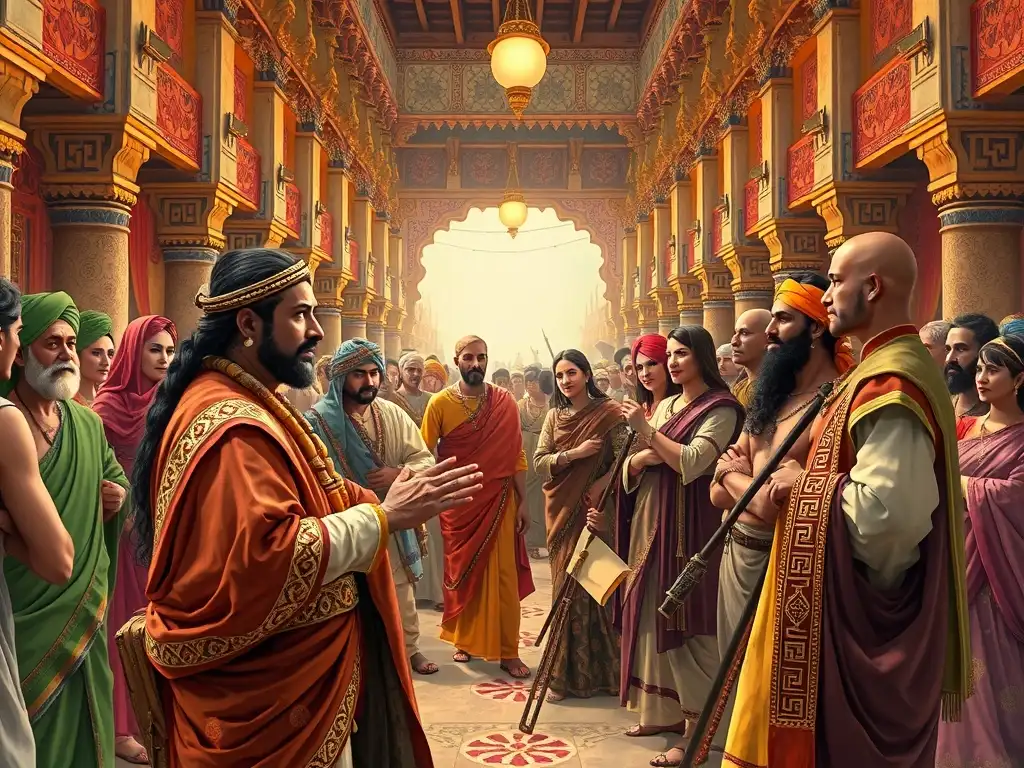
The influence of Indian leaders extends far beyond their geographical boundaries, shaping the cultural narratives of various civilizations through their policies and philosophies.
How Indian Leaders Shaped Cultural Narratives
Indian leaders, through their commitment to cultural exchange, established frameworks for dialogue and understanding among diverse populations. They encouraged the exchange of philosophical ideas and artistic expressions, leading to significant developments in various fields:
- Philosophy and Religion: Leaders like Ashoka promoted Buddhism, which traveled along trade routes to Central Asia, East Asia, and beyond, influencing philosophies and religious practices.
- Artistic Influence: The artistic styles that developed during the Maurya and Gupta empires left a lasting legacy on the art and architecture of neighboring regions, including Southeast Asia.
Legacy of Cultural Exchange in Modern Context
The legacy of cultural exchange initiated by these influential leaders continues to resonate in the modern world. The interconnectedness fostered by ancient Indian civilizations serves as a foundation for contemporary global interactions.
- Cultural Heritage: The rich tapestry of Indian history is reflected in modern literature, art, and philosophy, showcasing the enduring impact of past leaders on current cultural expressions.
- Global Dialogue: Today's cultural exchanges echo the past, as nations engage in dialogue and collaboration, drawing inspiration from the principles of unity and understanding established by these ancient leaders.
The contributions of influential leaders in ancient India laid the groundwork for a dynamic cultural exchange that has shaped not only Indian civilization but also the broader global context throughout history.
Conclusion: The Lasting Legacy of India’s Cultural Exchange History
The cultural exchange between India and other civilizations has left an indelible mark on the world, shaping not only the subcontinent itself but also other regions that engaged with Indian culture. From the trade routes of the ancient Silk Road to maritime pathways linking India with Southeast Asia and beyond, these interactions have fostered a rich tapestry of shared ideas, practices, and beliefs. This legacy is visible in various aspects of life, such as art, philosophy, religion, and science, highlighting the importance of collaboration and dialogue in human history.
Ultimately, the contributions of influential leaders throughout history have been crucial in nurturing these exchanges. Their vision and ability to connect with diverse cultures have facilitated a mutual understanding that transcends geographical boundaries. This legacy continues to inspire modern societies, reminding us of the importance of cultural diversity and the potential of collaboration in addressing contemporary global challenges.
Reflection on the Influence of Leaders on Cultural Interactions
Throughout history, leaders have played pivotal roles in the facilitation of cultural exchange. Figures such as Ashoka the Great, who promoted Buddhism beyond India’s borders, and the Mauryan emperors, who engaged diplomatically with various kingdoms, exemplify how leadership can catalyze interactions between civilizations. Their commitment to trade, diplomacy, and cultural dissemination laid the groundwork for deep-rooted connections that enriched both Indian culture and those of neighboring regions.
Moreover, the influence of leaders extended beyond mere political alliances; they also fostered intellectual exchanges. The Gupta Empire, known as a golden age of Indian culture, saw many scholars such as Aryabhata and Kalidasa whose works transcended regional boundaries and influenced scientific and literary traditions in other parts of the world. By recognizing the contributions of these leaders, we can appreciate how their vision and actions shaped the cultural landscape of their time and left lasting impacts that resonate even today.
Future Perspectives on India’s Cultural Exchange with the World
Looking forward, the dynamic nature of cultural exchange between India and the rest of the world is poised to evolve further. With the advent of globalization and the rapid development of technology, the avenues for cultural interaction have multiplied exponentially. Digital platforms and social media have made it easier than ever for different cultures to connect, share, and innovate collaboratively.
Future perspectives on India’s cultural exchange history may see a resurgence of interest in traditional Indian arts, philosophies, and practices, particularly in an increasingly interconnected world. As global challenges necessitate collaborative solutions, the rich heritage of Indian culture can play a significant role in fostering dialogue and understanding among diverse populations. This potential for cultural synergy offers a promising outlook for the future, where the lessons of the past can guide contemporary and future interactions.
References and Further Reading on India’s Cultural Exchange History
To gain a deeper understanding of India’s cultural exchange history, the following resources are recommended for further study. Each source provides valuable insights into the multifaceted interactions between India and other civilizations throughout history.
Recommended Books and Articles
-
"The Discovery of India" by Jawaharlal Nehru
A profound exploration of Indian heritage and cultural exchanges, penned by one of India's prominent leaders.
-
"India and the World: A History of Cultural Exchange" by R. S. Sharma
This book delves into the historical interactions between India and other civilizations, focusing on trade, culture, and diplomacy.
-
"Cultural History of Ancient India" by D. N. Jha
This work examines the cultural dynamics of ancient Indian society and its interactions with neighboring civilizations.
-
"The Art of Ancient India: Buddhist, Hindu, Jain" by Susan L. Huntington
An in-depth analysis of the artistic expressions influenced by cultural exchanges, particularly in the context of Indian religions.
Online Resources for Exploring Indian Cultural History
-
Digital South Asia Library
An online repository that offers a wealth of primary sources and research materials on South Asian history and culture.
-
The British Library’s Indian Collections
This digital archive provides access to manuscripts, maps, and historical documents related to India’s past.
-
India History Congress
A platform promoting scholarly research on Indian history, featuring articles and papers on various aspects of India's cultural exchange.
-
Cultural India
A comprehensive website dedicated to Indian culture, providing insights into various traditions, arts, and historical exchanges.
These resources provide a solid foundation for anyone interested in exploring the rich tapestry of India’s cultural exchange history and its enduring impact on the world.
- Introduction to India’s Cultural Exchange History
- Key Influential Leaders in India’s Cultural Exchange History
- Influential Leaders and Their Contributions to Cultural Exchange
- The Impact of Indian Leaders on Global Civilizations
- Conclusion: The Lasting Legacy of India’s Cultural Exchange History
- References and Further Reading on India’s Cultural Exchange History
- What is the significance of cultural exchange in ancient India?
- Who were the influential leaders mentioned in the context of India’s cultural exchange?
- How did trade routes contribute to India's cultural exchange?
- What role did religion play in India's cultural exchanges?
- Can you give examples of contributions from ancient Indian civilizations?
Frequently Asked Questions
What is the significance of cultural exchange in ancient India?
Cultural exchange in ancient India facilitated the spread of ideas, art, and technology between civilizations, enriching its own culture and influencing others.
Who were the influential leaders mentioned in the context of India’s cultural exchange?
The article highlights various leaders such as Ashoka, who promoted Buddhism, and Chandragupta II, who supported trade and scholarship, enhancing cultural ties with other regions.
How did trade routes contribute to India's cultural exchange?
Trade routes, like the Silk Road, were vital for cultural exchange, allowing for the movement of goods, ideas, and religions between India and other civilizations.
What role did religion play in India's cultural exchanges?
Religion, particularly Buddhism and Hinduism, served as major conduits for cultural exchange, spreading Indian philosophies and practices to East Asia and beyond.
Can you give examples of contributions from ancient Indian civilizations?
Ancient Indian civilizations contributed significantly to mathematics, astronomy, and literature, influencing not just Indian culture but also having a lasting impact on global history.
Final Reflection: The Enduring Legacy of India's Cultural Exchange
The rich tapestry of India's cultural exchange history is not just a relic of the past; it remains a vibrant force shaping our global society today. As we navigate an increasingly interconnected world, the influences of Indian philosophy, art, and spirituality resonate more than ever, reminding us of the profound impact that cross-cultural interactions can have on our collective identity. The leaders who championed these exchanges have left an indelible mark, illustrating that cultural dialogue is essential for fostering understanding and unity among diverse civilizations.
The ongoing influence of India's cultural exchange is evident in the way we celebrate diversity and seek inspiration from one another. From yoga and Ayurveda to Bollywood and cuisine, these elements have transcended borders, enriching lives across the globe. Culture is the widening of the mind and of the spirit.
– Jawaharlal Nehru. This quote encapsulates the essence of cultural exchange, highlighting its role in broadening our perspectives and nurturing a sense of belonging in an ever-evolving world.
As we reflect on the lessons from India's cultural exchange history, let us embrace the opportunity to engage with different cultures in our own lives. I invite you to explore, learn, and celebrate the diverse influences that shape our identities. By doing so, we not only honor the legacy of influential leaders but also contribute to a more harmonious and understanding world. Remember, every interaction is a chance to enrich our lives and the lives of those around us.
Unveil the Impact of Cultural Exchange!
Thank you for exploring the fascinating interplay of cultures between India and various civilizations through the lens of influential leaders. Your interest enriches our understanding of how these exchanges shape our world today! Now, it’s your turn to dive deeper and make a difference.
Here are some actions you can take:
- Explore a related culture: Research and learn about civilizations that have influenced India, such as the Greeks or Persians, to discover their unique contributions.
- Share your insights: Discuss what you've learned with friends or on social media—use the hashtag #CulturalExchanges to inspire others!
- Join a community: Engage with local or online forums focused on cultural history to connect with individuals who are passionate about the subject.
How can you harness the wisdom of these historical leaders to create meaningful change in your community today?