
The Role of Leadership in the Growth of Ancient Indian Cities

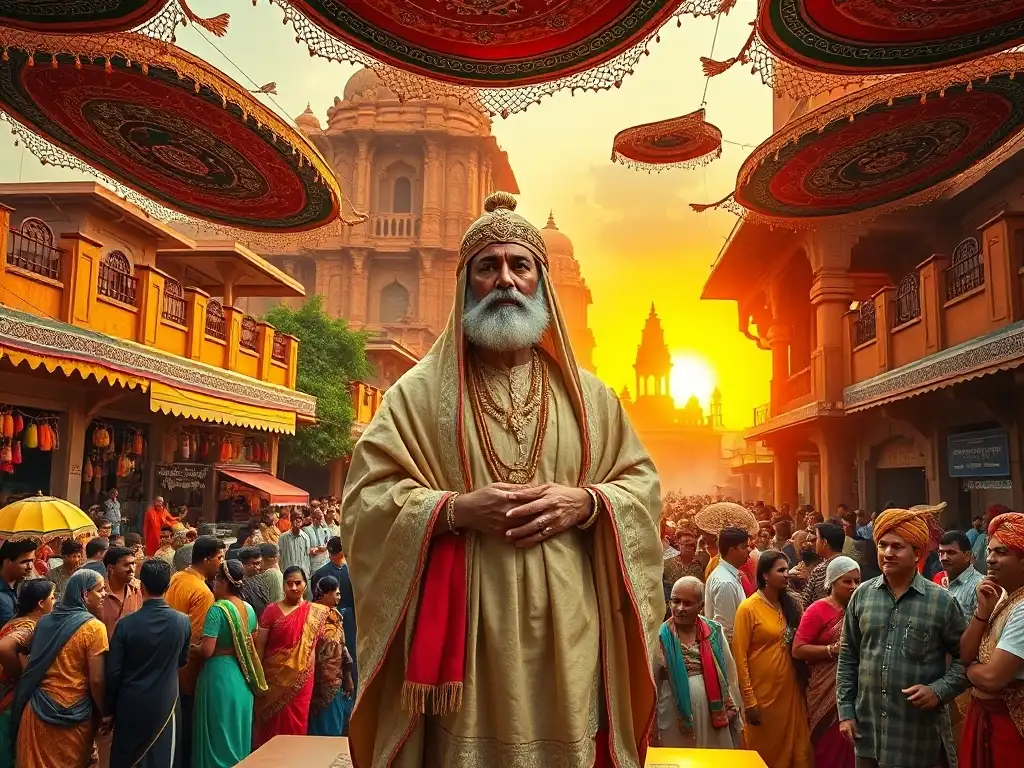
Welcome to Ancient India History, where we embark on a captivating journey through the rich tapestry of one of the world’s oldest civilizations. Here, we delve into the intriguing dynamics of leadership in ancient Indian cities, uncovering how visionary rulers and key historical figures shaped the landscapes of their time.
As you explore our latest article, "The Role of Leadership in the Growth of Ancient Indian Cities," prepare to be fascinated by the profound impact of governance on culture, architecture, and society. Join us in unraveling the legacies that continue to influence modern India, and let your curiosity guide you through the wonders of our shared past.
Introduction to Leadership in Ancient Indian Cities
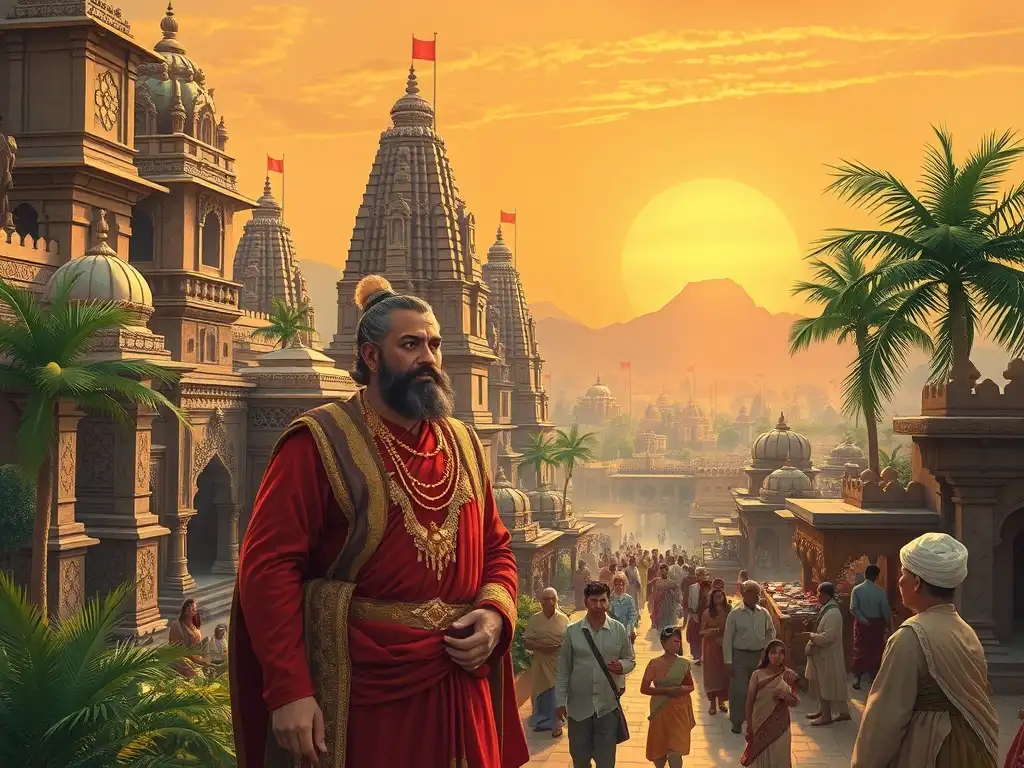
The evolution of ancient Indian cities is not only a testament to the architectural and cultural prowess of their inhabitants but also a reflection of the effective leadership that guided their growth and development. Throughout history, leadership in ancient Indian cities played a pivotal role in shaping urban landscapes, influencing social structures, and fostering economic prosperity.
From the meticulous planning of the Indus Valley Civilization to the flourishing centers of trade and culture during the Gupta Empire, leaders were instrumental in the establishment and maintenance of urban centers that served as hubs of activity and innovation. This article delves into the intricacies of leadership and its profound impact on the growth of ancient Indian cities, highlighting key civilizations, cities, and the patterns of development that emerged under their guidance.
Definition of Leadership in Historical Context
Leadership in the context of ancient Indian cities encompasses a variety of roles and responsibilities that individuals assumed within their communities. Historically, leaders could be:
- Political Figures: Kings, emperors, and local rulers who made decisions impacting governance and law.
- Religious Leaders: Priests and spiritual figures who influenced moral and ethical frameworks.
- Military Leaders: Commanders who ensured the safety and expansion of urban territories.
- Economic Leaders: Merchants and traders who facilitated commerce and trade routes.
These leaders were often seen as embodiments of power and authority, guiding their societies through challenges and opportunities alike. Their decisions were critical in shaping not only the physical layout of cities but also the social fabric that held them together.
Importance of Leadership in Urban Development
The significance of effective leadership in urban development cannot be overstated. Strong leaders catalyzed:
- Strategic Planning: Visionary leaders laid out plans for city layouts, including public spaces, marketplaces, and residential areas, ensuring sustainable growth.
- Resource Management: Effective leaders managed resources wisely, whether it was water supply, agricultural produce, or trade goods, fostering a thriving economy.
- Cultural Patronage: Leaders who supported the arts, education, and religion contributed to a rich cultural heritage, making cities vibrant centers of learning and creativity.
- Social Cohesion: Charismatic leadership helped unify diverse populations, promoting a sense of identity and belonging among residents.
Through these factors, leadership proved to be a cornerstone in the architectural and cultural development of ancient Indian cities, ensuring their longevity and prosperity.
Historical Overview of Ancient Indian Cities
Ancient Indian cities emerged as complex urban centers, each with its unique characteristics shaped by the prevailing leadership styles and societal needs. Understanding the historical context of these cities provides insight into how leadership influenced their evolution.
Key Ancient Indian Civilizations
Several key civilizations played a crucial role in the development of ancient Indian cities:
- Indus Valley Civilization (c. 3300–1300 BCE): Renowned for its advanced urban planning and architecture, cities like Harappa and Mohenjo-Daro were characterized by grid patterns, drainage systems, and standardized brick sizes.
- Maurya Empire (c. 322–185 BCE): Under leaders like Chandragupta Maurya and Ashoka, cities expanded as centers of administration and trade, exemplifying strong governance and infrastructure.
- Gupta Empire (c. 240–550 CE): This era marked a golden age in arts and sciences with cities such as Pataliputra flourishing as cultural and educational hubs.
Major Cities and Their Growth Patterns
The growth patterns of major ancient Indian cities reflect the diverse influences of their leaders:
- Pataliputra (modern Patna): As the capital of the Maurya and Gupta empires, it evolved into a bustling metropolis, benefiting from strategic location along trade routes.
- Taxila: A pivotal center for learning and trade, its growth was bolstered by its leadership in education and commerce, attracting scholars from across the region.
- Ujjain: Known for its astronomical significance and trade connections, Ujjain thrived under rulers who promoted scholarly pursuits and economic activities.
The interplay between leadership and urban development in ancient India reveals a rich tapestry of historical significance, showcasing how visionary leaders shaped cities that became the cradle of culture, commerce, and civilization.
Types of Leadership in Ancient Indian Cities
Ancient Indian cities were shaped significantly by various forms of leadership, which can be broadly categorized into political, religious, and economic leadership. Each type played a pivotal role in the development of urban centers, influencing governance, societal norms, and trade practices. Understanding these leadership dynamics provides insight into the growth and sustainability of ancient Indian civilizations.
Political Leadership and Governance
Political leadership in ancient Indian cities was primarily characterized by the establishment of kingdoms and empires that provided structure and order. Rulers, often seen as divine or semi-divine figures, exercised authority through a centralized government, which was vital for maintaining peace and stability.
- Kingship and Administration: Monarchs were responsible for the administration of justice, collection of taxes, and implementation of laws. The effectiveness of their governance directly influenced urban growth. For instance, the Mauryan Empire, founded by Chandragupta Maurya, showcased an organized bureaucratic system that facilitated trade and agriculture.
- City Planning and Fortifications: Leaders also played a crucial role in city planning, with many cities featuring well-defined layouts, fortifications, and public facilities. The strategic placement of cities like Pataliputra and Taxila demonstrated foresight in governance that supported both defense and commerce.
- Diplomatic Relations: Political leaders engaged in diplomacy with neighboring regions, which often resulted in alliances that promoted peace and trade. This interaction fostered cultural exchanges and the spread of ideas, further enhancing the urban landscape.
Religious Leadership and Its Influence
Religious leadership in ancient Indian cities was intertwined with political authority, often guiding societal values and practices. Leaders such as priests and spiritual gurus held significant influence over the populace, shaping both personal and communal identities.
- Role of Religion in Governance: Many rulers, like Ashoka, integrated religious principles into their governance, promoting moral values alongside political stability. This duality often led to more cohesive societies where citizens were encouraged to follow ethical practices.
- Cultural Integration: Religious leaders facilitated the integration of diverse cultures within cities, as seen in places like Varanasi, which became pilgrimage sites attracting visitors from various regions. This cultural amalgamation contributed to the cities’ vibrancy and economic vitality.
- Promotion of Arts and Literature: Religious leadership also encouraged the flourishing of arts and literature, which were often patronized by rulers. Temples served as centers for artistic expression and learning, reflecting the intricate relationship between religion and urban development.
Economic Leadership and Trade Development
Economic leadership was crucial for the prosperity of ancient Indian cities, as trade routes and markets became central to urban life. Leaders actively fostered economic growth through policies and initiatives that supported commerce.
- Trade Networks: Strategic location of cities along trade routes, such as the Silk Road and maritime pathways, facilitated commerce. Rulers promoted trade by providing protection for merchants and establishing marketplaces, which led to increased wealth and urban expansion.
- Agricultural Innovations: Economic leaders also focused on agricultural productivity by implementing irrigation systems and land reforms. This not only ensured food security but also allowed surplus production, which could be traded, further driving economic growth.
- Currency and Taxation: The introduction of standardized currency and effective taxation systems under various rulers simplified trade transactions and boosted the economy. The Mauryas, for instance, standardized coinage, which enhanced trade efficiency across their empire.
Influential Leaders and Their Contributions
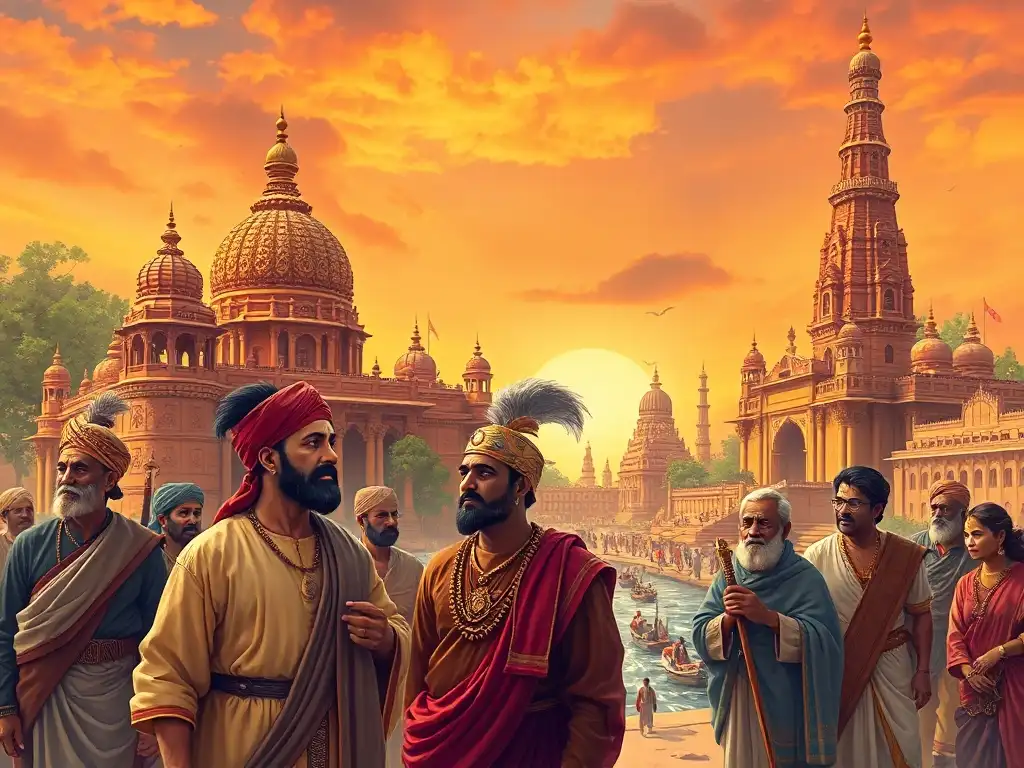
Several influential leaders played pivotal roles in shaping the trajectory of ancient Indian cities, their contributions leaving a lasting legacy that resonates in modern times.
Chandragupta Maurya: The Architect of the Mauryan Empire
Chandragupta Maurya is often celebrated as the founder of the Mauryan Empire, which marked a significant turning point in Indian history. His leadership was characterized by:
- Unification of Northern India: Through strategic conquests and alliances, Chandragupta unified a large portion of Northern India, establishing a centralized administration that facilitated urban growth.
- Bureaucratic Organization: He implemented a structured bureaucratic system that allowed for efficient governance, trade regulation, and tax collection, laying the foundations for future empires.
- Military Innovations: His military strategies and innovations provided the necessary security for the burgeoning cities, fostering an environment conducive to trade and cultural exchange.
Ashoka the Great: A Beacon of Peace and Prosperity
Ashoka, the grandson of Chandragupta Maurya, is renowned for his transformative leadership following the Kalinga War.
- Promotion of Buddhism: His embrace of Buddhism led to the spread of its teachings across the empire, promoting values of non-violence and compassion, which deeply influenced societal norms.
- Infrastructure Development: Ashoka invested in public works, including roads, hospitals, and irrigation systems, significantly enhancing urban life and connectivity.
- Cultural Patronage: His support for the arts and architecture led to the construction of stupas and monuments, enriching the cultural heritage of ancient Indian cities.
Gupta Rulers: Patronage of Arts and Sciences
The Gupta Empire is often referred to as the Golden Age of India, largely due to the leadership of its rulers who championed arts and sciences.
- Advancements in Knowledge: Gupta rulers encouraged scholars like Aryabhata and Kalidasa, contributing to significant advancements in mathematics, astronomy, and literature.
- Urban Planning and Architecture: The Guptas were also responsible for notable architectural achievements, including intricate temple designs that became centers of cultural and religious life.
- Trade Expansion: They facilitated trade through improved infrastructure and diplomatic relations with foreign markets, solidifying the economic strength of their cities.
The interplay of various types of leadership in ancient Indian cities—political, religious, and economic—was crucial for their growth and sustainability. The contributions of influential leaders like Chandragupta Maurya, Ashoka, and the Gupta rulers not only shaped their respective empires but also left an indelible mark on the history of ancient India.
The Impact of Leadership on Urban Growth
Leadership played a pivotal role in the growth of ancient Indian cities, serving as a driving force behind urban development and societal progress. Effective leaders were able to unify communities, implement strategic plans, and foster economic prosperity, which in turn stimulated the expansion of urban centers. The influence of leadership can be seen through various dimensions, including urban planning, economic initiatives, and cultural advancements.
A strong leadership presence often translated into well-organized cities with efficient infrastructure. Leaders who prioritized urban development opened avenues for trade and commerce, attracting merchants and artisans, thus enhancing the economic fabric of the city. Furthermore, visionary leaders were instrumental in crafting policies that encouraged population growth and the migration of skilled individuals, ultimately leading to vibrant and dynamic urban landscapes.
Moreover, the legacy of leadership in ancient Indian cities can be traced through historical texts and archaeological evidence that illustrate how the decisions of a few influential figures could alter the destiny of entire urban environments. The interplay between leadership and urban growth is a testament to the critical role that governance played in shaping the historical trajectory of these cities.
Leadership in Urban Planning and Architecture
Urban planning and architecture in ancient Indian cities were significantly influenced by their leaders, who often envisioned and implemented grand designs that reflected both functionality and aesthetics. Leaders such as Chandragupta Maurya and Ashoka the Great were known for their ambitious projects that included the construction of palaces, public buildings, and extensive road networks.
For instance, Pataliputra, the capital of the Mauryan Empire, was meticulously planned. Its layout incorporated wide streets, fortified walls, and a well-defined grid pattern, showcasing the leaders' understanding of urban needs. This strategic planning was vital for trade, defense, and administrative efficiency. Additionally, architectural advancements, such as the use of brick and stone in construction, were championed by these leaders, leading to more durable and impressive structures.
The architectural legacy of ancient Indian cities, including temples, stupas, and public spaces, not only served practical purposes but also reflected the cultural and religious values of the time. Leaders often commissioned these structures to symbolize their power and devotion, creating lasting landmarks that continue to attract scholars and tourists alike.
Economic Growth Driven by Effective Leadership
The economic prosperity of ancient Indian cities was closely tied to the effectiveness of their leadership. Leaders who understood the importance of trade and agriculture implemented policies that enhanced productivity and facilitated commerce. They established trade routes, both land and maritime, connecting their cities to distant markets, which brought wealth and resources into the urban centers.
For example, the Gupta Empire, known for its economic stability, saw its leaders promote agricultural advancements through irrigation projects and improved farming techniques. This not only increased food production but also allowed for surplus goods, which could be traded. Furthermore, the establishment of guilds and merchant associations under the guidance of astute leaders played a crucial role in fostering a thriving economy.
Effective leadership also meant ensuring the safety and security of trade routes, which encouraged merchants to conduct business without fear of disruption. The economic policies enacted by these leaders contributed to the overall growth of cities, enabling them to flourish as commercial hubs during ancient times.
Social and Cultural Development Under Influential Leaders
Influential leaders in ancient India were not only responsible for political and economic growth but also played a vital role in the social and cultural development of their cities. They often patronized the arts, literature, and scholarship, which led to a rich cultural milieu. This cultural flourishing was essential in establishing a sense of identity and community among the inhabitants.
Leaders like Ashoka promoted Buddhism, which had a profound impact on the social fabric of cities like Varanasi. His efforts in spreading Buddhist teachings and values contributed to the development of monasteries and educational institutions. This not only enhanced the spiritual landscape but also attracted scholars and students, further enriching the cultural life of the city.
Moreover, the promotion of festivals, rituals, and public celebrations by leaders fostered social cohesion and unity among diverse populations. By encouraging community engagement and participation, these leaders created an environment where culture and tradition could thrive, leaving a lasting legacy on the social structures of ancient Indian cities.
Case Studies of Leadership in Specific Ancient Cities
The Role of Leadership in the Growth of Pataliputra
Pataliputra, the capital of the Mauryan Empire, serves as a prime example of how leadership directly influenced urban growth. Under the rule of Chandragupta Maurya and later Ashoka, the city transformed into a major political and cultural center. Its strategic location at the confluence of rivers made it an ideal hub for trade, which was further enhanced by the leaders' investment in infrastructure, including roads and irrigation systems.
Chandragupta's vision for Pataliputra included not only military fortifications but also public amenities such as gardens and parks, reflecting the leaders' commitment to improving the quality of life for its citizens. Ashoka’s promotion of Buddhist values led to the construction of stupas and monasteries, which attracted pilgrims and scholars, solidifying Pataliputra's status as a center of learning and spirituality.
Leadership Dynamics in Taxila: A Center of Learning
Taxila, known for its ancient university, was another city where leadership played a crucial role in its development. Under various rulers, including the Indo-Greek kings, Taxila became a melting pot of cultures and ideas. The leaders of Taxila understood the value of education and scholarship, which led to the establishment of one of the earliest centers of higher learning in the world.
The leadership dynamics in Taxila fostered an environment where diverse disciplines such as philosophy, medicine, and mathematics thrived. This intellectual climate attracted students from across the Indian subcontinent and beyond, significantly contributing to the city’s reputation as a center of knowledge. The visionary leaders who prioritized education laid the groundwork for Taxila’s enduring legacy in the annals of history.
Varanasi: Spiritual Leadership and Urban Flourishing
Varanasi, often regarded as the spiritual capital of India, exemplifies the profound impact of spiritual leadership on urban flourishing. The city's growth can be attributed to its leaders who emphasized religious practices and the promotion of pilgrimage. As a hub for Hinduism, Buddhism, and Jainism, Varanasi attracted countless devotees, scholars, and traders.
The leadership in Varanasi was characterized by the patronage of temples and ghats, which not only served religious purposes but also became focal points for social and economic activities. Leaders who supported the construction of these sacred sites helped transform Varanasi into a vibrant urban center, interwoven with spirituality and commerce.
Additionally, the cultural and artistic expressions fostered by spiritual leaders contributed to Varanasi's rich heritage, making it a beacon of tradition and learning. The interplay between spiritual leadership and urban growth in Varanasi highlights the unique role that such leaders played in shaping the city's identity and legacy, influencing generations to come.
Challenges Faced by Leaders in Ancient Indian Cities
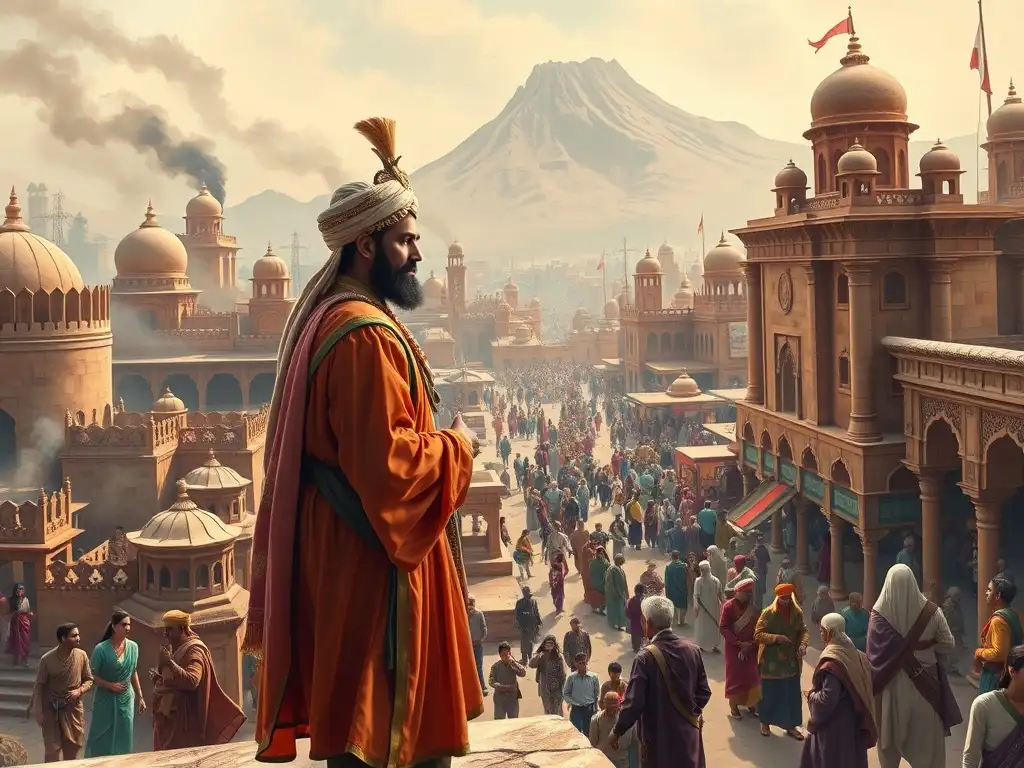
Leadership in ancient Indian cities was a multifaceted role that required navigating a complex web of challenges. These challenges encompassed political, environmental, social, and economic spheres, each demanding astute decision-making and strategic planning. The effectiveness of leaders in addressing these difficulties often determined the prosperity and longevity of their cities. Understanding these challenges provides insight into the significant role leadership played in the growth and sustainability of ancient Indian civilizations.
Political Challenges and Leadership Decisions
Political instability was a common hurdle for leaders in ancient Indian cities. Rivalries between different city-states, factions within a polity, and external threats from invading forces created an atmosphere of uncertainty. Leaders had to make critical decisions regarding alliances, warfare, and governance structures to maintain control and ensure the stability of their cities.
Additionally, succession disputes often arose, particularly in dynastic rule, leading to power struggles that could destabilize the political landscape. Effective leaders utilized diplomacy, strategic marriages, and sometimes military action to consolidate power and mitigate these challenges. The ability to make informed and timely decisions was paramount; for instance, the Mauryan Emperor Ashoka is noted for his adept handling of conflicts that arose after his initial military campaigns, ultimately leading to a focus on non-violence and governance based on Dharma.
Environmental and Resource Management
Environmental factors also posed significant challenges for ancient leaders. Geography influenced trade routes, agricultural viability, and resource availability. Leaders needed to implement effective resource management strategies to ensure food security and economic stability.
For example, leaders in the Indus Valley Civilization demonstrated remarkable foresight in urban planning, with advanced drainage systems and granaries that supported large populations. Similarly, in the Deccan plateau, leaders had to adapt to varying climatic conditions and water scarcity, often investing in irrigation systems that enhanced agricultural productivity.
The ability to respond to environmental challenges not only showcased a leader’s vision but also their commitment to the welfare of their citizens, ultimately fostering loyalty and social cohesion.
Social Cohesion and Leadership Strategies
Social cohesion was essential for the stability of ancient Indian cities, and leaders employed various strategies to foster unity among diverse populations. They often recognized the importance of cultural and religious identities, using them as tools to rally citizens around a common purpose.
Leaders promoted festivals, public works, and religious tolerance, which helped enhance communal bonds. For instance, rulers like Chandragupta Maurya and his grandson Ashoka fostered a sense of belonging among their subjects by supporting diverse religious practices and promoting a shared cultural identity. By addressing the needs and values of different social groups, leaders could maintain harmony and support for their governance.
Conclusion: The Lasting Influence of Leadership in Ancient Indian Cities
The leadership in ancient Indian cities was instrumental in shaping their growth and sustainability. The challenges faced by leaders were significant, yet the strategies they employed often determined the resilience and prosperity of their communities.
Summary of Key Leadership Traits and Their Impact
Key traits of successful leaders included adaptability, vision, strategic thinking, and the ability to foster social cohesion. These qualities enabled them to navigate political strife, manage environmental resources, and unite diverse populations. The impact of their leadership extended beyond immediate governance, influencing the cultural and social fabric of ancient Indian civilization.
The Legacy of Leadership in Shaping Ancient Indian Civilization
The legacy of leadership in ancient Indian cities continues to resonate in today's society. The principles of effective governance, resource management, and social integration established by these leaders set foundational precedents that have influenced subsequent generations. Their ability to adapt to challenges and unite diverse groups remains a valuable lesson in leadership that is applicable even in contemporary contexts, illustrating the enduring significance of leadership in ancient Indian history.
References for Further Reading on Leadership in Ancient Indian Cities
Exploring the role of leadership in the growth of ancient Indian cities is a fascinating journey into the past. For those interested in delving deeper into this subject, a range of resources is available. Below are several suggested readings and online resources that provide valuable insights into the leadership dynamics, governance, and urban development in ancient Indian civilizations.
Suggested Books and Articles
-
"The Indus Valley Civilization: A Historical Perspective" by Jane McIntosh
This book offers an in-depth look at the governance and social structures of the Indus Valley civilization, highlighting the leadership roles that facilitated urban planning and development.
-
"Ancient Indian History and Culture" by R. S. Sharma
A comprehensive exploration of ancient Indian history, this work discusses various leaders and their impact on city growth, particularly during the Mauryan and Gupta periods.
-
"Cities and Urbanization in Ancient India" by M. L. Sharma
This article explores how leadership styles influenced the urbanization processes in ancient India, focusing on case studies from major cities.
-
"Leadership in Ancient India: The Case of Ashoka" by S. P. Gupta
This scholarly article examines the leadership qualities of Emperor Ashoka and their effects on the expansion and administration of ancient cities.
-
"The Gupta Empire: A Historical Overview" by D. N. Jha
This book outlines the political, economic, and cultural aspects of the Gupta Empire, emphasizing the leadership strategies that bolstered city development and trade.
Online Resources and Documentaries
-
The Archaeological Survey of India (ASI)
The ASI website provides a wealth of information on archaeological findings related to ancient Indian cities, including leadership roles in urban planning. It includes reports, research papers, and historical documents.
-
India: The Modi Question (BBC Documentary)
While focusing on contemporary leadership, this documentary provides context on the evolution of leadership styles in India, drawing connections to historical governance and city planning.
-
"The Great Indian Heritage: Urbanism in Ancient India" (YouTube Documentary)
This documentary discusses the urbanization of ancient Indian cities and the leaders who played pivotal roles in their development. It includes interviews with historians and archaeologists.
-
Digital Library of India
This online resource houses a vast collection of texts and manuscripts related to ancient India, including works on leadership and governance. It is a valuable repository for researchers and enthusiasts alike.
-
"The Mauryan Empire: Leadership and Governance" (Online Course)
Offered by various educational platforms, this course provides a detailed examination of leadership in the Mauryan Empire, including case studies on urban centers like Pataliputra.
These resources collectively offer a broad perspective on the significant role of leadership in shaping the cities of ancient India, providing a foundation for further exploration and understanding of this rich historical theme.
- Introduction to Leadership in Ancient Indian Cities
- Historical Overview of Ancient Indian Cities
- Types of Leadership in Ancient Indian Cities
- Influential Leaders and Their Contributions
- The Impact of Leadership on Urban Growth
- Case Studies of Leadership in Specific Ancient Cities
- Challenges Faced by Leaders in Ancient Indian Cities
- Conclusion: The Lasting Influence of Leadership in Ancient Indian Cities
- References for Further Reading on Leadership in Ancient Indian Cities
- What were the primary characteristics of leadership in ancient Indian cities?
- How did leadership influence the growth of ancient Indian cities?
- Were there different types of leaders in ancient Indian civilizations?
- What role did religion play in leadership within ancient Indian cities?
- How did the Gupta Empire exemplify effective leadership in ancient India?
Frequently Asked Questions
What were the primary characteristics of leadership in ancient Indian cities?
Leadership in ancient Indian cities was often defined by strong governance, administrative skills, and the ability to maintain social harmony among diverse populations.
How did leadership influence the growth of ancient Indian cities?
Effective leadership played a crucial role in urban planning, trade regulation, and the establishment of public works, thus fostering the overall development and prosperity of ancient Indian cities.
Were there different types of leaders in ancient Indian civilizations?
Yes, ancient Indian civilizations had various leaders, including kings, local chieftains, and merchants, each contributing to the social structure and economic growth of their cities.
What role did religion play in leadership within ancient Indian cities?
Religion was integral to leadership, as rulers often positioned themselves as divine figures or were influenced by religious leaders, which helped maintain legitimacy and foster unity among the populace.
How did the Gupta Empire exemplify effective leadership in ancient India?
The Gupta Empire is known for its administrative efficiency, cultural patronage, and economic prosperity, showcasing how visionary leadership can lead to flourishing urban centers and advancements in arts and sciences.
Final Reflection: The Enduring Legacy of Leadership in Ancient Indian Cities
The exploration of leadership in ancient Indian cities reveals not only the foundations of urban growth but also the timeless principles that resonate in our contemporary society. As we navigate the complexities of modern governance and community building, the lessons drawn from the leadership styles and strategies of ancient Indian rulers remain strikingly relevant. The ability of these leaders to foster collaboration, inspire innovation, and adapt to challenges serves as a powerful reminder that effective leadership transcends time and culture.
The influence of leadership in shaping the cultural and social landscapes of ancient Indian cities is profound and continues to echo in our current urban environments. The visionary approaches of leaders like Chandragupta Maurya and Ashoka the Great not only laid the groundwork for thriving metropolises but also cultivated a sense of identity and purpose among their citizens. Leadership is not about being in charge. It is about taking care of those in your charge.
This quote encapsulates the essence of leadership that we can still learn from today, as we strive to create inclusive and resilient communities.
As you reflect on the insights gained from the leadership in ancient Indian cities, consider how these lessons can be applied in your own life and community. Embrace the call to lead with empathy, vision, and integrity, fostering environments where collaboration and innovation can flourish. The past offers us a treasure trove of wisdom; let us honor it by embodying the principles of effective leadership in our actions today, shaping a brighter future for generations to come.
Unveil the Secrets of Ancient Leadership!
Thank you for diving into the fascinating world of ancient Indian cities and their leadership dynamics! You've explored how visionary leaders influenced growth and prosperity throughout history. Now, it’s time to take inspiration from these lessons and apply them to your own journey.
Here’s how you can connect with this empowering theme:
- Reflect on Leadership: Identify a leader—whether from history or contemporary times—who inspires you. Consider how their strategies or qualities can guide your own leadership style.
- Explore Further: Delve into ancient leadership techniques. Research another renowned leader from the ancient world and share your insights on social media or with friends to spark an engaging discussion!
- Join the Conversation: Engage with our community! Share your thoughts in the comments or on our forum about how leadership practices can shape the cities of the future.
What qualities do you think are essential for effective leadership today, inspired by the leaders of ancient India?