
Pedagogical Approaches in Ancient Indian Education: A Comparative Study

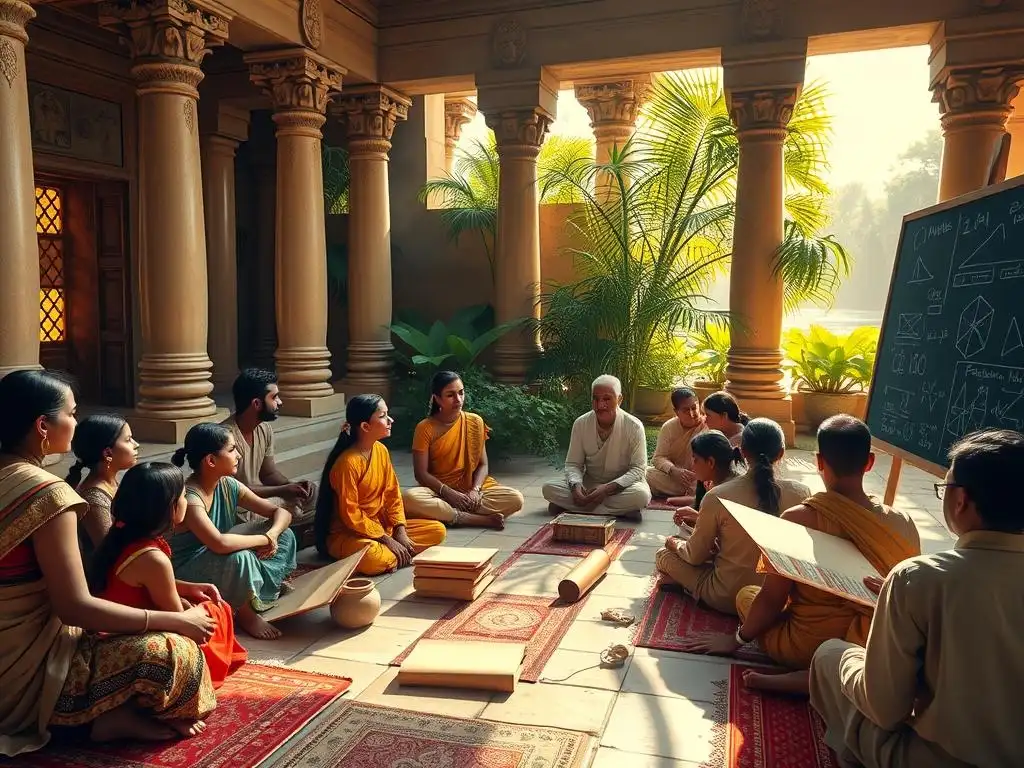
Welcome to Ancient India History, where we embark on a fascinating journey through time to uncover the rich and diverse tapestry of ancient Indian civilizations. In our featured article, “Pedagogical Approaches in Ancient Indian Education: A Comparative Study,” we delve into the intriguing world of ancient Indian education methods.
From the innovative teaching techniques of the Indus Valley to the astute practices of the Gupta Empire, discover how these early systems not only shaped minds but also laid the foundation for future knowledge. Prepare to be captivated by the wisdom of the past and its enduring impact on education today—your exploration begins now!
- Introduction to Ancient Indian Education Methods
- Historical Context of Ancient Indian Education
- Core Pedagogical Approaches in Ancient Indian Education
- Comparative Analysis of Educational Methods
- Impact of Ancient Indian Education Methods on Modern Education
- Conclusion
-
Frequently Asked Questions
- What were the primary education methods used in ancient India?
- How did the Gurukula system function in ancient India?
- What role did religion play in ancient Indian education?
- Were there differences between urban and rural education in ancient India?
- How did ancient Indian education methods influence modern education systems?
- Final Reflection: The Enduring Legacy of Ancient Indian Education Methods
- Unearth the Wisdom of Ancient Indian Education!
Introduction to Ancient Indian Education Methods
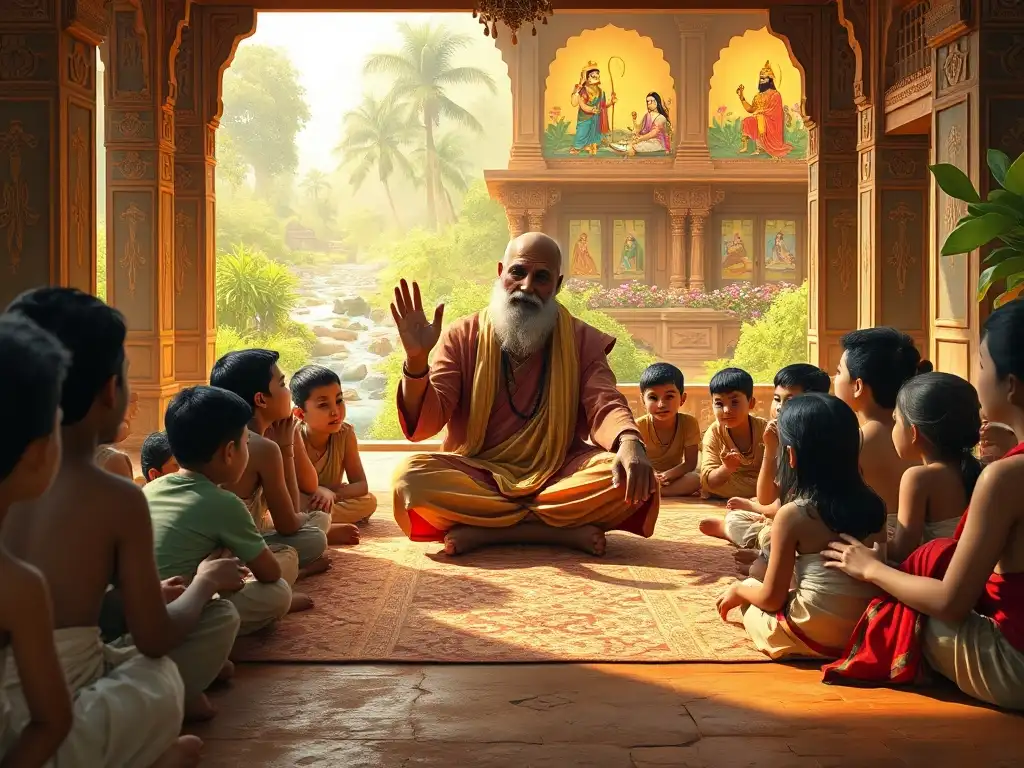
The study of ancient Indian education methods reveals a rich tapestry of pedagogical approaches that shaped the learning experiences of students throughout India's illustrious history. From the sophisticated urban centers of the Indus Valley Civilization to the flourishing educational institutions of the Gupta Empire, ancient India offered a diverse range of educational practices that were deeply intertwined with its cultural, spiritual, and social fabric.
This article aims to explore various educational methods employed in ancient India, highlighting their unique characteristics and the philosophies underpinning them. By examining these approaches, we can better appreciate the profound contributions of ancient Indian scholars and educators to the global educational landscape.
Overview of Ancient Indian Education
Ancient Indian education was characterized by its emphasis on holistic development, integrating intellectual, physical, and moral aspects. The primary institutions of learning included:
- Gurukuls: Traditional residential schools where students lived with their gurus (teachers) and received personalized instruction in subjects such as philosophy, mathematics, astronomy, and the arts.
- Viharas: Monastic universities, particularly prominent during the Mauryan and Gupta periods, where both Buddhist and non-Buddhist students engaged in rigorous academic pursuits.
- Pathashalas: Formal schools that focused on specific subjects, including Vedic studies, grammar, and logic.
Key Features of Ancient Indian Education Methods
- Guru-Shishya Parampara: The teacher-student relationship was central to the learning process, emphasizing respect, dedication, and mutual growth.
- Oral Tradition: Knowledge was primarily transmitted orally, with a strong focus on memorization and recitation of texts.
- Diverse Curriculum: Subjects ranged from spiritual teachings to sciences, arts, and practical skills, reflecting the multidimensional nature of learning.
Through these varied educational settings and methods, ancient India cultivated a profound intellectual tradition that contributed significantly to various fields of knowledge.
Importance of Pedagogical Approaches in Ancient India
Understanding the pedagogical approaches of ancient Indian education is crucial for several reasons:
- Cultural Heritage: These methods provide insights into the values, beliefs, and social structures of ancient Indian society, influencing contemporary educational practices.
- Holistic Development: The emphasis on moral and ethical education alongside academic learning highlights the importance of character building in education.
- Global Contributions: Ancient Indian education laid the groundwork for many modern educational concepts, including critical thinking and interdisciplinary learning.
Ancient Indian education methods were not just a means of acquiring knowledge; they represented a comprehensive approach to personal and societal development. By studying these historical practices, we can glean valuable lessons that remain relevant in today's educational discourse.
Historical Context of Ancient Indian Education
The Evolution of Education in Ancient India
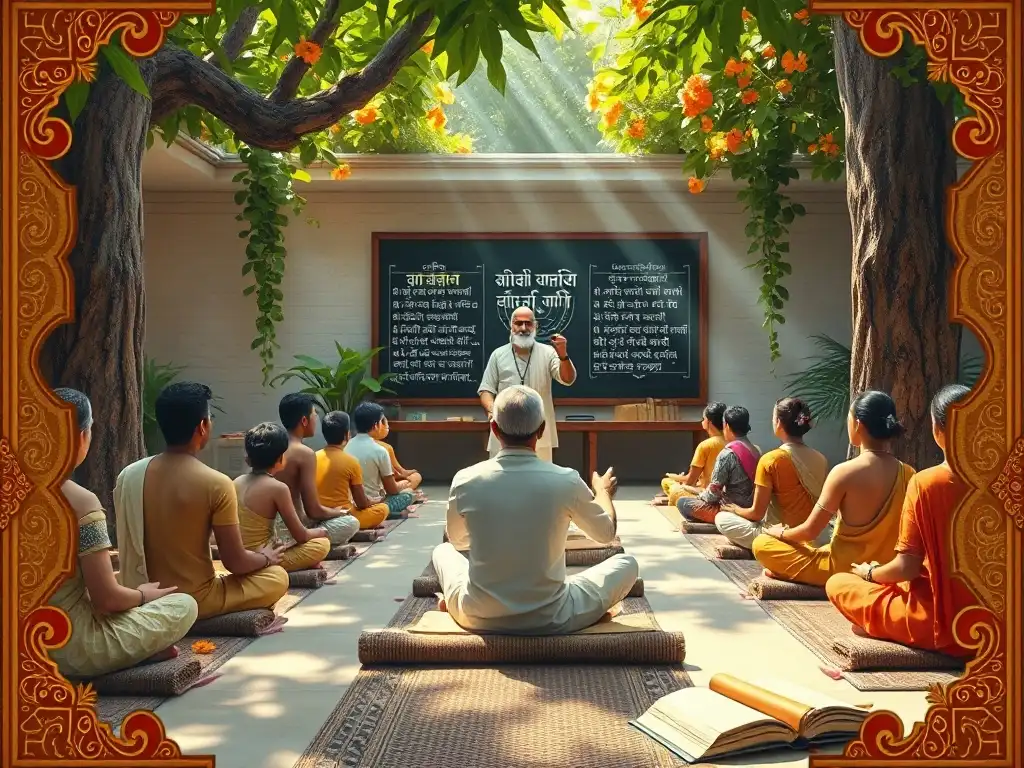
Ancient Indian education underwent significant transformations, reflecting the societal, cultural, and philosophical shifts throughout its history. The roots of ancient Indian education methods can be traced back to the early civilizations, where informal learning took place through oral traditions, rituals, and community practices. Over time, these methods evolved into more structured systems.
Education during this period was primarily centered around the concept of dharma, which encompassed moral and ethical duties. The curriculum was diverse, focusing on various subjects that included philosophy, mathematics, astronomy, arts, and sciences. The education system was not solely confined to formal institutions; instead, it also included informal learning through family and community engagement.
As we explore the different epochs of ancient Indian history, we can observe how education adapted to the prevailing ideologies and governance structures, leading to the establishment of distinct educational practices that would influence future generations.
Key Civilizations Contributing to Educational Practices
Indus Valley Civilization
The Indus Valley Civilization (circa 3300–1300 BCE) is recognized for its advanced urban planning and societal organization. Although specific educational structures are not well-documented, evidence suggests that this civilization placed high value on knowledge and skill development. Archaeological findings, such as the seals and weights, indicate specialized trades and potential apprenticeships, hinting at a rudimentary form of vocational education.
- Key Features:
- Emphasis on practical skills (e.g., pottery, metallurgy).
- Possible informal education through family and trade networks.
- Limited but significant use of symbols, indicating early literacy.
Vedic Period
The Vedic Period (circa 1500–500 BCE) marked a pivotal transformation in ancient Indian education. The introduction of the Vedas, sacred texts that encompassed philosophy, rituals, and hymns, laid the foundation for formal education. This era saw the establishment of Gurukuls, where students, or shishyas, lived with their teachers, or gurus, to learn through direct instruction and experiential learning.
- Key Features:
- Education focused on Vedas, philosophy, and ethics.
- Oral tradition was paramount; memorization was crucial.
- Subjects included grammar, logic, astronomy, and medicine.
Mauryan Empire
The Mauryan Empire (circa 322–185 BCE) further advanced the educational landscape of ancient India. Under the reign of Emperor Ashoka, the emphasis on education as a means of promoting welfare and moral values became evident. The establishment of universities, such as the famous Takshashila (Taxila), fostered a more systematic approach to higher education.
- Key Features:
- Introduction of formal universities with diverse curricula.
- Promotion of subjects like law, administration, and military science.
- Greater access to education for various classes, though still limited.
Gupta Empire
The Gupta Empire (circa 320–550 CE) is often regarded as the golden age of ancient Indian education. The educational practices during this period reflected a blend of traditional Vedic teachings and new philosophical ideas. The emergence of institutions such as Nalanda University signified the formalization of higher education, attracting students from across Asia.
- Key Features:
- Flourishing of universities with comprehensive curricula.
- Integration of arts, sciences, and mathematics into education.
- Development of educational texts and methods, including the Aryabhatiya, which influenced mathematics and astronomy.
The evolution of ancient Indian education methods reveals a rich tapestry of learning practices shaped by various civilizations. Each period contributed uniquely to the educational landscape, creating a legacy that has influenced modern educational systems. Understanding these historical contexts not only enriches our knowledge of ancient India but also highlights the significance of education in shaping society.
Core Pedagogical Approaches in Ancient Indian Education
Guru-Shishya Tradition
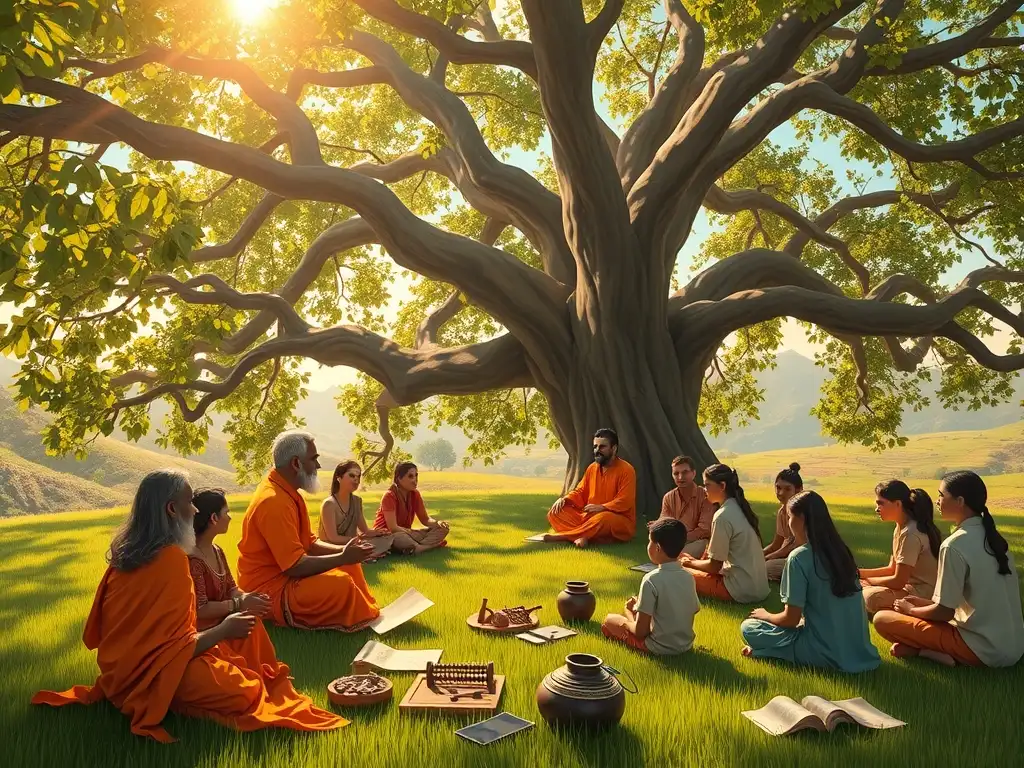
The Guru-Shishya tradition stands as one of the most significant pedagogical frameworks in ancient Indian education. This system emphasizes a close relationship between the teacher (Guru) and the student (Shishya), where learning is personalized and deeply rooted in mutual respect and trust. The process typically occurs in a secluded environment, often in the Guru's ashram, where students engage in holistic learning that encompasses not just academic education but also moral and spiritual guidance.
Role of the Guru in Ancient Indian Education
The Guru plays a multifaceted role in ancient Indian education. Beyond imparting knowledge, the Guru serves as a mentor and moral compass for the Shishya. This relationship is characterized by several key features:
- Spiritual Guide: The Guru is often viewed as a spiritual leader, providing insights into life’s philosophical and ethical questions.
- Knowledge Provider: They are responsible for teaching various subjects, including scriptures, mathematics, astronomy, and arts.
- Moral Instructor: The Guru instills values and ethics, preparing students to become responsible members of society.
The profound respect for the Guru is encapsulated in the phrase "Guru Brahma, Guru Vishnu, Guru Devo Maheshwara," signifying the Guru's divine status in the educational process.
Student-Centric Learning Approaches
In the Guru-Shishya paradigm, student-centric learning approaches flourish. This method encourages active participation and critical thinking among students. Some prominent aspects include:
- Personalized Learning: The education is tailored to the individual needs and learning pace of each student, allowing for deeper understanding.
- Experiential Learning: Students engage in practical experiences, such as fieldwork or artistic creation, which reinforces theoretical knowledge.
- Dialogical Learning: The dynamic exchange between Guru and Shishya fosters a rich dialogue that encourages questioning and exploration of concepts.
This student-centric approach equips learners with skills that extend beyond rote memorization, promoting lifelong learning and adaptability.
Use of Oral Tradition
Oral tradition has been a cornerstone of ancient Indian education, facilitating the transmission of knowledge across generations. This method not only encompasses storytelling but also involves the recitation of texts and the use of mnemonic devices.
Importance of Oral Transmission of Knowledge
The significance of oral transmission in ancient Indian education can be understood through several dimensions:
- Cultural Preservation: Oral traditions helped preserve cultural narratives, values, and historical events, ensuring continuity across generations.
- Accessibility: This method made education accessible to a broader audience, including those who were illiterate, as knowledge was shared through spoken word.
- Interactive Learning: Oral transmission often involved interactive sessions, where students could engage directly with the material, ask questions, and clarify doubts.
Such practices are exemplified in the Vedic traditions, where scriptures were memorized and recited, emphasizing the importance of oral skills in learning.
Comparison with Written Methods
When contrasting oral and written methods in ancient Indian education, distinct differences emerge:
| Aspect | Oral Tradition | Written Methods |
|---|---|---|
| Accessibility | More inclusive, reaching illiterate populations | Limited to literate individuals |
| Flexibility | Adaptive, allowing for real-time modification | Static, once written, content remains unchanged |
| Retention of Knowledge | Relies on memory and recitation | Dependent on written records |
| Cultural Context | Ingrained in cultural practices and storytelling | More formal and institutionalized |
While written methods eventually gained prominence, especially with the advent of texts such as the Mahabharata and Upanishads, the oral tradition remained vital in ensuring that knowledge was not only recorded but also lived and experienced.
The pedagogical approaches in ancient Indian education reveal a rich tapestry of methods that fostered deep learning through personal relationships, oral traditions, and student engagement, laying foundational principles that continue to resonate in contemporary educational practices.
Integrative Learning Practices
Integrative learning practices in ancient Indian education were characterized by a holistic approach that emphasized the interconnectedness of various disciplines. This methodology encouraged students to see the relationships between different subjects, such as literature, philosophy, science, and arts, promoting a comprehensive understanding of knowledge.
In ancient India, education was often delivered through a Gurukul system, where students lived with their teachers (gurus) and engaged in a vibrant exchange of ideas. This environment fostered collaborative learning, allowing students to explore multiple perspectives and apply their learning to real-world situations. The curriculum was not rigid; rather, it was flexible and adaptive, encouraging learners to delve into various fields of knowledge according to their interests and aptitudes.
Additionally, integrative learning involved experiential methods, such as storytelling, discussions, and practical demonstrations, which enhanced the retention of knowledge. Students were encouraged to connect theoretical concepts with practical applications, thus promoting deeper understanding and critical thinking skills. This method laid the foundation for a well-rounded education that prepared individuals for diverse roles in society.
Arts and Sciences in Ancient Curriculum
The ancient Indian curriculum was notable for its inclusion of both the arts and sciences, reflecting a balance that was unique to its educational philosophy. Subjects such as Vedic literature, grammar, and rhetoric were taught alongside mathematics, astronomy, and medicine, showcasing an early understanding of interdisciplinary education.
The arts, including music, dance, and visual arts, were not merely extracurricular but integral components of education. They were seen as essential for developing creativity, emotional intelligence, and cultural awareness. For instance, students were trained in classical forms of music, which were believed to enhance cognitive abilities and foster a deep appreciation for beauty and aesthetics.
On the scientific front, ancient Indian scholars made significant contributions in fields such as mathematics (with concepts like zero and the decimal system), astronomy (notably the works of Aryabhata), and medicine (as seen in Ayurveda). These subjects were taught through a combination of theoretical knowledge and practical application, wherein students were encouraged to conduct experiments and engage in observations.
This dual emphasis on arts and sciences not only enriched the educational experience but also contributed to the development of a well-rounded individual capable of critical thinking and creative expression.
Holistic Education in Ancient Indian Context
Holistic education in the ancient Indian context was rooted in the philosophy of nurturing the whole person—mind, body, and spirit. This approach emphasized the development of ethical values, emotional intelligence, and physical well-being alongside intellectual growth. Education was seen as a means to attain not just knowledge but wisdom, which was crucial for personal and societal progress.
Central to this holistic approach was the concept of Dharma, which guided students in understanding their responsibilities towards themselves, their families, and society. The education system aimed to cultivate virtues such as compassion, integrity, and humility, encouraging learners to become morally conscious individuals.
Furthermore, ancient Indian education emphasized experiential learning, where students engaged in activities that fostered personal growth and self-discovery. This might include meditation, yoga, and physical training, which were integral for maintaining a sound mind and body. By promoting balance and harmony, holistic education prepared students to face life’s challenges with resilience and adaptability.
The holistic education model of ancient India not only aimed at intellectual advancement but also focused on shaping the character and values of individuals, ensuring a well-rounded development essential for contributing positively to society.
Comparative Analysis of Educational Methods
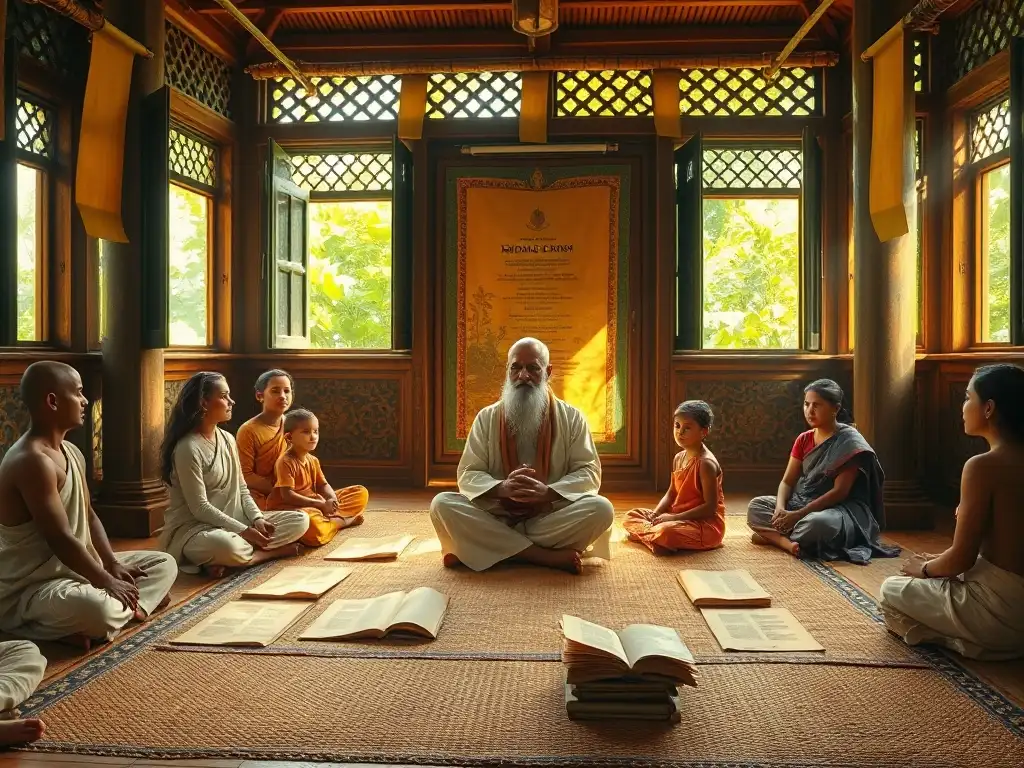
Differences in Educational Approaches Across Civilizations
The educational landscape of ancient India was marked by a diverse range of methods and practices, influenced by the unique cultural and societal contexts of various civilizations. This section delves into the contrasting educational approaches that emerged in the Indus Valley, Vedic period, Mauryan Empire, and Gupta Empire.
Indus Valley vs. Vedic Education Systems
The Indus Valley Civilization (circa 3300–1300 BCE) is one of the earliest known urban cultures, with evidence of advanced urban planning and social organization. However, specific details about their educational methods remain largely speculative due to the lack of deciphered written records. Education during this period likely revolved around practical skills necessary for trade, agriculture, and craftsmanship, with a significant emphasis on community-based learning.
In contrast, the Vedic Education System (circa 1500–500 BCE) marked a shift towards more formalized education, heavily influenced by religious texts known as the Vedas. Key features included:
- Guru-Shishya Parampara: A traditional system where a guru (teacher) imparted knowledge to shishyas (students) through oral transmission.
- Focus on Brahmanical Learning: Emphasis on spiritual and philosophical teachings, including rituals, grammar, and poetry.
- Residential Education: Students lived with their gurus in ashrams, fostering a close mentor-student relationship.
The transition from practical skills in the Indus Valley to a more structured, text-oriented approach in the Vedic period highlights a significant evolution in ancient Indian education methods.
Mauryan vs. Gupta Educational Practices
The Mauryan Empire (circa 322–185 BCE) introduced more state-sponsored educational initiatives, with significant figures like Chanakya advocating for the education of the ruling class. Key aspects of Mauryan education included:
- Royal Patronage: The establishment of institutions like Takshashila, which became a hub for higher learning across various disciplines such as politics, medicine, and philosophy.
- Diverse Curriculum: Education was not limited to Brahmins; it extended to various castes and included subjects like economics and military strategy.
In the Gupta Empire (circa 240–550 CE), education flourished even further, marked by a golden age of learning and cultural development. Notable features included:
- Formal Institutions: The establishment of universities such as Nalanda and Vikramashila, which attracted scholars from around the globe.
- Focus on Diverse Subjects: A broad curriculum that included mathematics, astronomy, literature, and the arts, illustrating an inclusive approach to education.
The comparison of Mauryan and Gupta educational practices reveals a trajectory of increasing sophistication and accessibility, reflecting societal changes and the value placed on learning.
Similarities in Pedagogical Strategies
Despite the differences in educational approaches across various civilizations, a number of similarities can be identified, highlighting the common threads that ran through ancient Indian education.
Common Threads in Teaching and Learning
- Oral Tradition: A predominant method across all periods, emphasizing memorization and recitation, particularly in Vedic education.
- Mentorship: The foundational role of the guru in guiding students, fostering a strong personal connection between teacher and learner.
- Holistic Education: An emphasis on the development of both intellectual capabilities and moral character, preparing students for active roles in society.
These commonalities underscore a shared educational philosophy that prioritized not just knowledge acquisition but also personal and ethical development.
Influence of Religion and Philosophy on Education
Religion and philosophy were integral to ancient Indian education methods, shaping curricula and teaching methodologies across civilizations.
- Religious Texts as Educational Material: The Vedas, Upanishads, and later texts like the Puranas provided a rich source of knowledge, blending spirituality with practical subjects.
- Philosophical Underpinnings: Schools of thought such as Buddhism and Jainism introduced alternative perspectives on learning, emphasizing ethics, compassion, and introspection.
This intertwining of education with religious and philosophical ideals demonstrates how ancient Indian education was not merely about rote learning, but about fostering a deeper understanding of life and existence.
The diverse educational practices observed in ancient India reflect a rich tapestry of cultural influences, philosophical ideals, and pedagogical strategies that laid the foundation for future educational systems. The evolution from practical skills in the Indus Valley to the sophisticated, inclusive approaches of the Gupta Empire illustrates a dynamic process of learning that was both reflective of and responsive to the changing needs of society.
Impact of Ancient Indian Education Methods on Modern Education
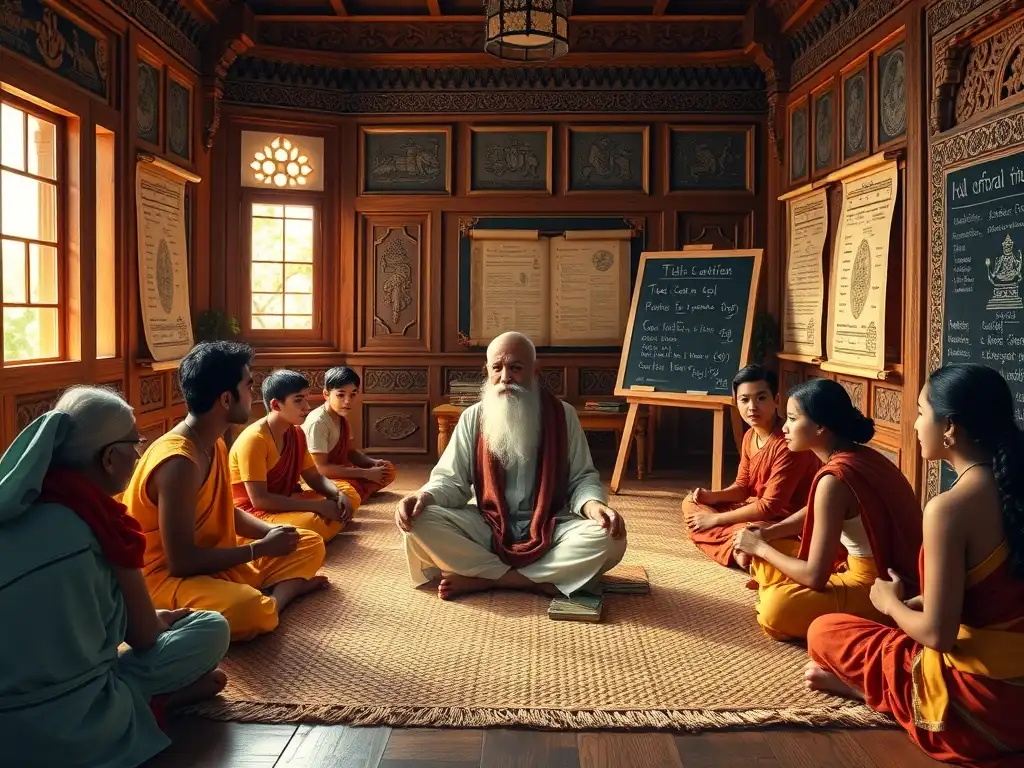
Lasting Legacy of Ancient Educational Practices
The impact of ancient Indian education methods can be traced throughout history, influencing educational systems worldwide. Ancient Indian education was characterized by unique pedagogical approaches that emphasized holistic development, critical thinking, and practical skills.
- Gurukul System: Central to ancient Indian education was the Gurukul system, where students (shishyas) lived with their teachers (gurus) in an ashram. This immersive learning environment fostered close teacher-student relationships and personalized instruction, laying the groundwork for modern mentorship models.
- Curriculum Diversity: Education encompassed a broad spectrum of subjects, including mathematics, astronomy, philosophy, and arts. The emphasis on interdisciplinary learning is mirrored in contemporary educational practices that advocate for a well-rounded curriculum.
- Oral Tradition: The reliance on oral transmission of knowledge through storytelling and discourse cultivated critical listening and analytical skills. This method is pivotal in today's education, particularly in language arts and humanities, emphasizing the importance of communication.
- Value-Based Education: Ancient Indian education prioritized moral and ethical values alongside academic learning. The integration of values into curricula today reflects a legacy that promotes not just knowledge acquisition, but character development.
| Ancient Practice | Modern Relevance |
|---|---|
| Gurukul mentoring | Personalized education and mentorship |
| Interdisciplinary curriculum | Holistic education models |
| Oral tradition | Emphasis on communication skills |
| Value-based education | Character education in modern curricula |
Relevance of Ancient Pedagogical Approaches Today
The pedagogical approaches from ancient India remain relevant in contemporary educational discourse, offering insights into effective teaching and learning strategies.
- Experiential Learning: Ancient practices encouraged experiential learning through real-world applications and field experiences. This aligns with modern educational theories that advocate for hands-on learning and project-based education, reinforcing the need for practical engagement in the learning process.
- Community Involvement: Education was often community-oriented, with local traditions and knowledge being integral to the learning experience. This emphasis on community ties resonates with current educational movements that promote community service and social responsibility as essential components of education.
- Teacher's Role: The role of the teacher as a guide and facilitator rather than a mere transmitter of knowledge is a significant pedagogical shift that finds its roots in ancient Indian education. This approach is present in modern progressive education models that focus on student-centered learning.
- Adaptation and Innovation: Ancient Indian education demonstrated adaptability to changing societal needs, which is crucial in today's rapidly evolving educational landscape. The ability to innovate within educational practices ensures that learning remains relevant and effective.
The richness of ancient Indian education methods provides a wealth of knowledge that can inform and enhance modern educational practices. The blend of traditional values with contemporary approaches fosters an educational environment conducive to the development of well-rounded, thoughtful, and capable individuals.
Conclusion
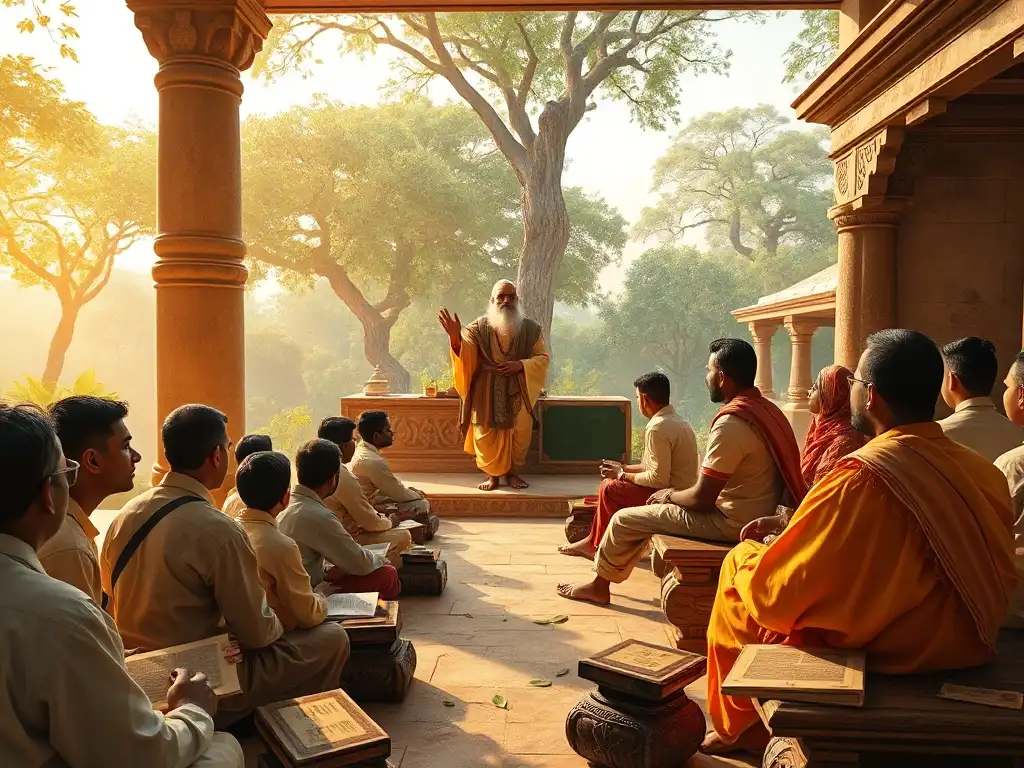
Summary of Key Findings on Ancient Indian Education Methods
The exploration of ancient Indian education methods reveals a complex and multifaceted system that was deeply rooted in the cultural, philosophical, and social fabric of the time. Key findings highlight the following aspects:
- Diverse Institutions: Educational institutions varied widely, from the Gurukuls, where students learned under the guidance of a guru, to the more formalized Nalanda and Takshashila universities, which attracted scholars from across Asia.
- Curriculum and Subjects:
- The curriculum was not limited to religious texts; it included subjects such as:
- Mathematics: The Aryabhatiya by Aryabhata emphasized mathematical concepts and astronomy.
- Philosophy: Students engaged in discussions about Vedanta, Nyaya, and Buddhist philosophy.
- Arts and Crafts: Training in various crafts was integral, emphasizing practical skills alongside theoretical knowledge.
- The curriculum was not limited to religious texts; it included subjects such as:
- Teaching Methods:
- The pedagogy employed in these institutions was diverse:
- Oral Tradition: The oral transmission of knowledge was paramount, fostering memorization and recitation.
- Debate and Discussion: Encouraging critical thinking through dialogue among students was a common practice.
- Experiential Learning: Practical applications of knowledge through fieldwork and real-life tasks were emphasized, especially in subjects like medicine and agriculture.
- The pedagogy employed in these institutions was diverse:
- Social and Gender Dynamics:
- Education in ancient India was not uniformly accessible. While some texts suggest that women and lower castes had limited access to education, evidence of female scholars and practitioners in various fields exists, indicating a more nuanced societal structure regarding education.
Future Directions for Research in Ancient Educational Practices
As we look to the future of research in ancient Indian education methods, several avenues warrant exploration:
- Comparative Studies: Further comparative analyses between ancient Indian education methods and those of contemporary civilizations can yield insights into the evolution of educational philosophies and practices.
- Archaeological Evidence: Continued archaeological excavations at sites like Nalanda and Takshashila can provide more concrete evidence of educational practices, including student life and curricula.
- Gender Studies: Investigating the roles and contributions of women in ancient education can enhance our understanding of gender dynamics and the accessibility of education across various strata of society.
- Integration of Technology: Studying how ancient educational methods can inform modern educational technologies and pedagogies might bridge traditional wisdom with contemporary practices.
- Cultural Exchange: Examining the influence of ancient Indian education on neighboring cultures and vice versa will enrich our understanding of cultural exchanges in the ancient world.
By focusing on these areas, researchers can contribute to a more comprehensive understanding of ancient Indian education methods, their impact on society, and their relevance to current educational practices.
Frequently Asked Questions
What were the primary education methods used in ancient India?
Ancient Indian education methods included Gurukula system, where students lived with their gurus, and practical learning through oral traditions and hands-on experiences.
How did the Gurukula system function in ancient India?
In the Gurukula system, students would reside with their teacher, receiving personalized instruction in various subjects, including scriptures, philosophy, and arts, fostering a strong mentor-student relationship.
What role did religion play in ancient Indian education?
Religion was integral to ancient Indian education, as many teachings were derived from scriptural texts and philosophical discourses, emphasizing moral values and spiritual growth alongside academic learning.
Were there differences between urban and rural education in ancient India?
Yes, urban centers often had more formal schools with diverse curricula, while rural education relied on informal methods and community knowledge, tailored to local needs and agricultural practices.
How did ancient Indian education methods influence modern education systems?
Ancient Indian education methods laid the groundwork for holistic learning and mentorship, elements that continue to inspire modern educational philosophies focused on community engagement and personal development.
Final Reflection: The Enduring Legacy of Ancient Indian Education Methods
The exploration of ancient Indian education methods reveals a rich tapestry of pedagogical approaches that not only shaped the minds of students in their time but also resonate with contemporary educational practices. As we navigate the complexities of modern education, it is crucial to recognize how these ancient methodologies—rooted in holistic development, experiential learning, and community involvement—continue to influence our understanding of effective teaching and learning. The wisdom embedded in these practices serves as a reminder that education is not merely about the transmission of knowledge, but about nurturing the whole individual.
The impact of ancient Indian education methods extends far beyond historical significance; they have carved a niche in the cultural and social landscape of education worldwide. These approaches emphasize the importance of critical thinking, moral values, and the interconnectedness of knowledge. As we reflect on the ongoing influence of these methods, we can appreciate their role in fostering a sense of community and collaboration among learners. Education is not the filling of a pail, but the lighting of a fire.
– William Butler Yeats. This quote encapsulates the essence of ancient Indian pedagogical practices, which aimed to ignite curiosity and passion for learning rather than merely imparting information.
As we conclude this exploration, I invite you to reflect on how the principles of ancient Indian education can be integrated into your own learning or teaching journey. Consider the ways in which you can foster a more holistic approach to education, emphasizing not just academic achievement but also personal growth and ethical development. Let us embrace the lessons of the past and apply them to our present and future, ensuring that education remains a transformative experience that empowers individuals and enriches society as a whole.
Unearth the Wisdom of Ancient Indian Education!
Thank you for exploring the fascinating world of pedagogical approaches in ancient Indian education. Your interest in how learning evolved is invaluable! Now, it's time to take the next step and dive deeper into this rich history.
Here are some simple actions you can take right now to further your understanding and connection with this incredible topic:
- Engage with the past: Read a book or an article on specific ancient texts such as the Gurukul system or the Guru-Shishya traditions.
- Join a community: Connect with local or online groups that share your passion for ancient educational methods. Sharing insights can significantly enhance your learning experience.
- Share your thoughts: Post about your recent discoveries on social media and invite others to join the conversation surrounding ancient Indian education!
What aspect of ancient Indian pedagogical approaches intrigues you the most, and how do you think they resonate with modern educational practices?