
How Ancient Indian Education Promoted Critical Thinking and Debate

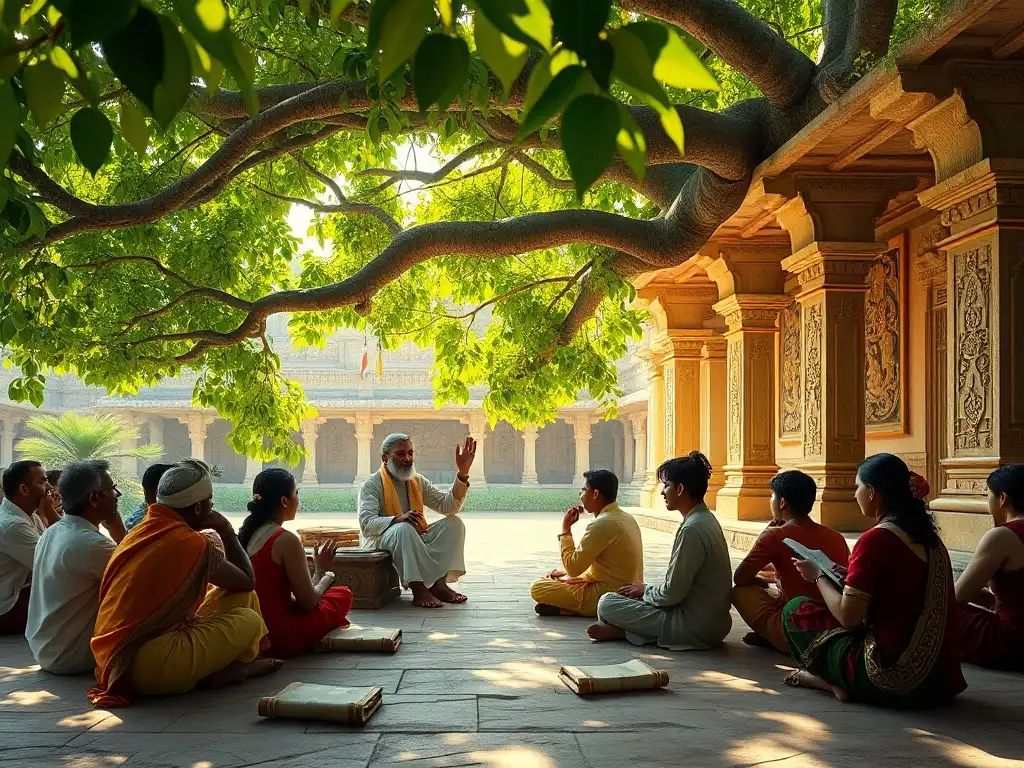
Welcome to Ancient India History, where we embark on a journey through the captivating tapestry of India's rich and diverse heritage. Today, we delve into the fascinating realm of ancient Indian education methods—a cornerstone of intellectual growth that fostered critical thinking and spirited debate among scholars. Have you ever wondered how the great minds of the past shaped their ideas and philosophies?
Join us as we uncover the innovative educational practices that not only enlightened individuals but also laid the foundation for a vibrant cultural discourse. Prepare to be inspired as we explore the profound impact of these ancient systems on the world we know today!
- Introduction to Ancient Indian Education Methods
- Historical Context of Ancient Indian Education
- Key Features of Ancient Indian Education Methods
- Critical Thinking in Ancient Indian Education
- The Role of Debate in Ancient Indian Learning
- Comparison of Ancient Indian Education Methods with Other Civilizations
- Legacy of Ancient Indian Education Methods
- Influence on Modern Educational Practices in India
- Relevance of Ancient Methods in Contemporary Education
- Conclusion
- Frequently Asked Questions
- Final Reflection: The Enduring Legacy of Ancient Indian Education Methods
- Ignite Your Curiosity: Embrace the Spirit of Ancient Learning!
Introduction to Ancient Indian Education Methods
Ancient Indian education methods were not merely about rote learning or memorization; they encompassed a holistic approach that emphasized critical thinking and debate as essential components of the learning process. From the esteemed institutions like Takshashila and Nalanda to the informal settings of village schools, education in ancient India was diverse and multifaceted. This article delves into the various educational practices that shaped the minds of students in ancient India, exploring how these methods contributed to the development of critical thinking skills and a culture of debate.
The significance of these educational practices extends beyond historical interest; they provide valuable insights into the methodologies that can be applied in contemporary education systems today. By examining how ancient Indian civilizations fostered intellectual discourse and analytical reasoning, we can better appreciate the profound impact they have had on educational philosophies worldwide.
Overview of Ancient Indian Education Systems
Ancient Indian education was characterized by various systems that catered to different social classes and professions. The Gurukul system was one of the most prominent, where students lived with their teachers (gurus) in a residential setting. This system emphasized personalized attention and mentorship, allowing for a tailored educational experience.
- Key Features of the Gurukul System:
- Personalized Learning: Close interaction with gurus helped students address individual learning needs.
- Holistic Curriculum: Subjects included philosophy, mathematics, astronomy, and arts, promoting a well-rounded education.
- Moral and Ethical Training: Emphasis was placed on character development and ethical behavior.
In addition to the Gurukul system, institutions like Takshashila and Nalanda emerged as centers of higher learning. They attracted students from various regions and backgrounds, fostering an environment of intellectual exchange.
-
Notable Institutions:
Institution Location Notable Contributions Takshashila Modern-day Pakistan Early studies in medicine and philosophy Nalanda Bihar, India Development of Buddhist philosophy and logic
These educational institutions also played a significant role in promoting critical thinking and debate, which were crucial skills for students preparing to engage in various fields, including governance, science, and philosophy.
Importance of Critical Thinking and Debate in Ancient India
Critical thinking and debate were not only encouraged but were integral to the educational experience in ancient India. The Socratic method of questioning, although often associated with Western education, has a parallel in ancient Indian discourse methods, where questioning and dialogue were used to explore complex ideas.
- Benefits of Critical Thinking:
- Analytical Skills: Students learned to analyze situations and make reasoned judgments.
- Problem Solving: They were encouraged to find solutions to real-world problems through discussion and debate.
- Civic Engagement: The ability to engage in debates fostered informed citizens capable of contributing to society.
The emphasis on debate was evident in various texts, such as the Arthashastra and the Upanishads, where dialogue was used as a tool for exploring philosophical and political ideas. This tradition of intellectual discourse laid the groundwork for a culture that valued knowledge and reason, influencing generations to come.
Ancient Indian education methods were instrumental in shaping critical thinking and debate, providing a robust framework for intellectual development. As we explore these practices further, we can uncover the timeless relevance of these methods in today's educational landscape.
Historical Context of Ancient Indian Education
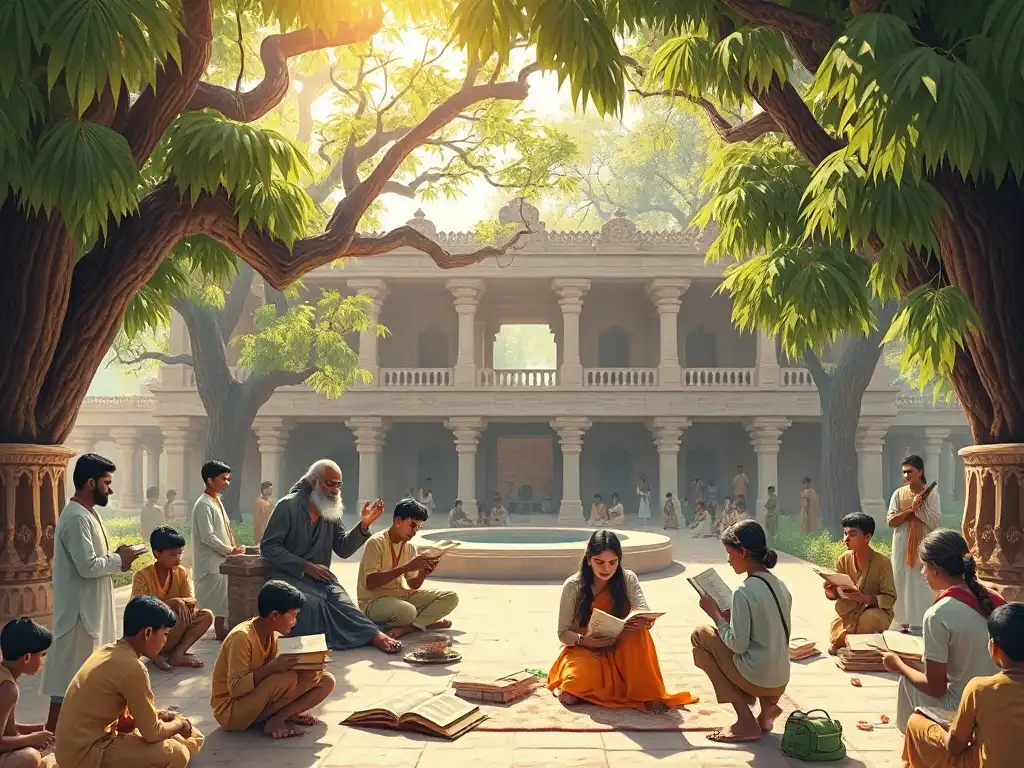
The Vedic Period and Its Educational Practices
The Vedic period, spanning approximately from 1500 BCE to 500 BCE, is foundational in understanding ancient Indian education methods. Education during this time was primarily oral, with a strong emphasis on memorization and recitation of sacred texts. The Vedas, which include the Rigveda, Samaveda, Yajurveda, and Atharvaveda, served as the cornerstone of knowledge and were transmitted from teacher to student through rigorous oral traditions.
Key Features of Vedic Education:
- Guru-Disciple Relationship: The bond between the guru (teacher) and shishya (student) was central. This relationship was characterized by respect, devotion, and a commitment to learning.
- Subjects of Study: Curriculum included subjects like philosophy, grammar, mathematics, astronomy, and ritualistic knowledge. The focus was not solely on rote learning; students were encouraged to ask questions and engage in discussions, fostering critical thought.
- Learning Environment: Education took place in open-air spaces, often under the guidance of spiritual leaders in natural settings. This environment promoted a holistic approach to learning, integrating nature into the educational experience.
The Vedic education system laid the groundwork for a culture that valued knowledge, inquiry, and intellectual discourse, setting the stage for subsequent educational developments in ancient India.
The Role of Gurukuls in Promoting Critical Thinking
Gurukuls were traditional residential schools that played a pivotal role in the educational landscape of ancient India from around 500 BCE onwards. These institutions were often located in secluded areas away from urban distractions, fostering a conducive environment for learning.
Characteristics of Gurukuls:
- Holistic Education: Gurukuls offered a comprehensive curriculum that included not only academic subjects but also physical education, arts, and ethics. This broad spectrum encouraged students to develop a well-rounded perspective.
- Dialogue-Based Learning: The teaching method employed in gurukuls emphasized dialogue and debate. Students were encouraged to express their thoughts and challenge existing ideas, which cultivated critical thinking skills.
- Peer Interaction: Interaction with peers was a crucial aspect of learning. Group discussions and collaborative problem-solving were common practices that promoted analytical skills and creativity.
The impact of gurukuls extended beyond mere academic learning; they instilled values of critical inquiry and respect for diverse viewpoints, which became integral to the intellectual fabric of ancient Indian society.
Influence of Buddhist Education on Debate and Discourse
Buddhism, emerging in the 6th century BCE, introduced a new paradigm to ancient Indian education, particularly through its emphasis on logic and dialectics. Buddhist monastic universities, such as Nalanda and Taxila, became renowned centers of learning that attracted scholars from various regions.
Contributions of Buddhist Education:
- Structured Debates: Buddhist education emphasized formal debates as a method of teaching. These discussions required students to defend their viewpoints, engage with counterarguments, and refine their reasoning skills.
- Diversity of Thought: The inclusive nature of Buddhist education welcomed diverse philosophical perspectives, encouraging students to explore and critically evaluate various doctrines. This approach fostered an environment ripe for intellectual growth and discourse.
- Transdisciplinary Approach: The curriculum at Buddhist institutions covered a wide range of subjects, including philosophy, medicine, and arts. This interdisciplinary approach encouraged students to draw connections between different fields of knowledge, enhancing their critical thinking capabilities.
The legacy of Buddhist educational practices significantly contributed to the development of debate and discourse in ancient India, influencing educational methods that prioritized inquiry, analysis, and the exchange of ideas.
Key Features of Ancient Indian Education Methods
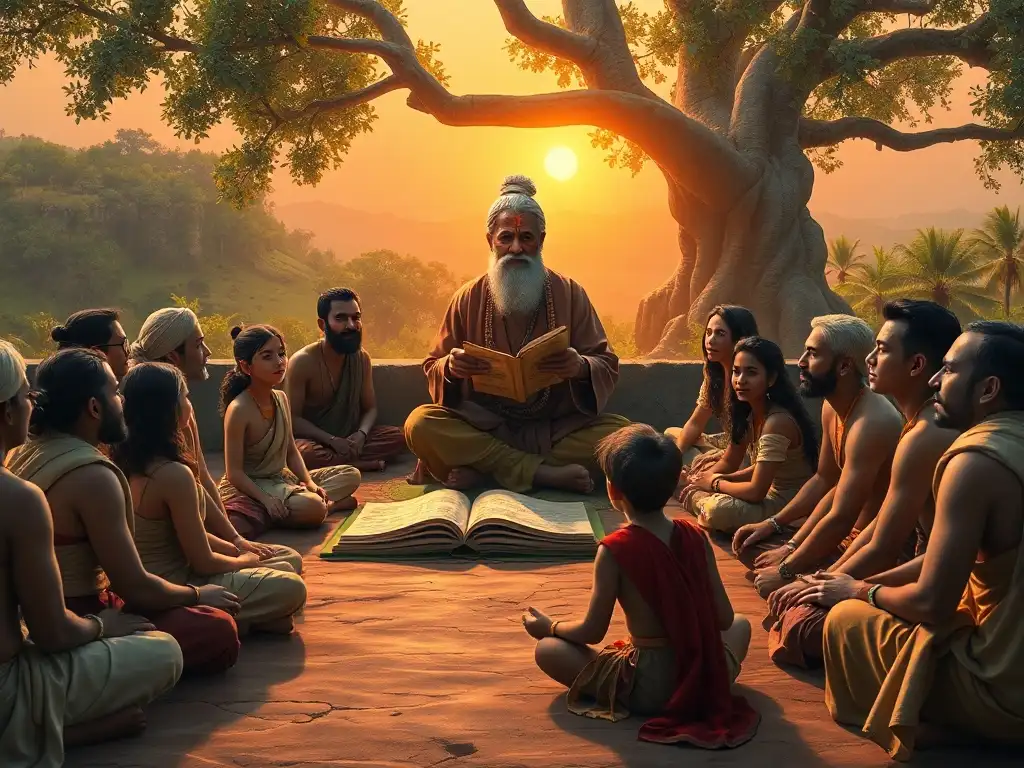
The education system in ancient India was profound and multifaceted, characterized by a unique blend of methodologies that emphasized critical thinking, debate, and the holistic development of students. Here are some of the key features that defined ancient Indian education methods.
Emphasis on Oral Tradition and Discussion
One of the most significant aspects of ancient Indian education was its strong reliance on oral tradition. Knowledge was primarily transmitted through spoken word, fostering an environment where discussion and debate were not only encouraged but essential for learning.
- Guru-Shishya Parampara: This traditional mentor-student relationship was foundational. Students (shishyas) would engage in dialogues with their teachers (gurus), enhancing their critical thinking skills.
- Group Discussions: Educational settings often included group discussions, allowing students to voice their opinions and challenge each other's views. This practice cultivated a culture of inquiry and analytical thinking.
- Storytelling: The use of storytelling as a pedagogical tool helped in imparting moral lessons, cultural values, and philosophical insights, while also honing the students' ability to think critically about narratives and their implications.
The focus on oral communication ensured that students developed strong rhetorical skills and the ability to articulate their thoughts clearly.
Use of Texts: Vedas, Upanishads, and Epics
Ancient Indian education was deeply intertwined with sacred texts, including the Vedas, Upanishads, and epics such as the Mahabharata and Ramayana. These texts were not mere readings; they served as foundational materials for critical analysis and debate.
- Vedas and Upanishads: These texts provided a rich source of philosophical and spiritual knowledge. Students were trained to interpret complex ideas, fostering a habit of questioning and reasoning.
- Epics as Educational Tools: The Mahabharata and Ramayana were not only literary masterpieces but also educational resources that illustrated moral dilemmas and the consequences of actions. Students analyzed characters' decisions, which encouraged ethical reasoning and critical evaluation of human behavior.
- Commentaries and Interpretations: Scholars often wrote extensive commentaries on these texts, leading to further debates and discussions. This created a dynamic learning environment where various interpretations could coexist and be critiqued.
The integration of these texts into the curriculum ensured that students engaged with rich philosophical concepts, enhancing their analytical skills.
The Role of Logic and Philosophy in Education
Logic and philosophy were central to ancient Indian education, with institutions such as Nalanda and Takshashila serving as prominent centers for higher learning. These institutions emphasized the importance of logical reasoning and philosophical inquiry.
- Nyaya and Vaisheshika: These schools of thought focused on logic and epistemology, teaching students the principles of valid reasoning and argumentation. Students learned to construct logical arguments and dissect opposing viewpoints.
- Debate as a Learning Method: Formal debates were an integral part of the educational process. Students engaged in structured debates on philosophical and ethical issues, which enhanced their ability to think critically and articulate their positions effectively.
- Interdisciplinary Approach: The curriculum often included various subjects such as mathematics, astronomy, and medicine, all taught through a philosophical lens. This interdisciplinary approach encouraged students to draw connections between different fields of knowledge, promoting a more holistic understanding.
Ancient Indian education methods were characterized by a rigorous emphasis on oral traditions, the use of sacred texts for critical analysis, and the integration of logic and philosophy. These features not only provided students with knowledge but also equipped them with the skills necessary for thoughtful debate and critical reasoning, which remain relevant even today.
Critical Thinking in Ancient Indian Education
Definition and Importance of Critical Thinking
Critical thinking refers to the ability to analyze, evaluate, and synthesize information to form reasoned judgments. In the context of ancient Indian education, critical thinking was not merely an academic exercise but a vital skill embedded in the learning process. It allowed students to challenge existing paradigms, engage in meaningful discussions, and develop their own viewpoints. This emphasis on critical thought facilitated a culture of inquiry, encouraging learners to question the world around them rather than accept information at face value.
The importance of critical thinking in ancient Indian education can be seen in various domains, including philosophy, science, and governance. For instance, philosophers like Gautama Buddha and Mahatma Jotirao Phule emphasized questioning dogmas and exploring alternative perspectives. This foundational approach fostered a society that valued intellectual discourse and innovation, setting the stage for advancements in multiple fields.
Techniques Used to Foster Critical Thinking
Ancient Indian education methods incorporated various techniques designed to nurture critical thinking skills:
- Socratic Method:
- This technique involved dialogues and discussions where teachers posed challenging questions, prompting students to think deeply and articulate their ideas.
- The back-and-forth questioning helped students refine their thoughts and develop persuasive arguments.
- Debate and Discourse:
- Regular debates were integral to the curriculum, encouraging students to present and defend their positions on various topics.
- This practice not only honed their reasoning abilities but also taught them to appreciate differing viewpoints.
- Storytelling and Parables:
- The use of stories and parables was common in ancient Indian teaching.
- These narratives often contained moral and philosophical dilemmas, prompting students to analyze the characters' decisions and their implications.
- Practical Application of Knowledge:
- Education was not limited to theoretical knowledge; students engaged in practical applications of their learning.
- This hands-on approach reinforced the need for evaluation and critical assessment of outcomes.
- Mentorship and Guru-Shishya Tradition:
- The Guru-Shishya tradition emphasized a close relationship between teacher and student, fostering an environment where questioning and exploration were encouraged.
- This mentorship model allowed for personalized learning experiences that catered to individual critical thinking development.
Examples of Critical Thinking in Ancient Texts
Ancient Indian texts provide numerous examples of critical thinking and debate, illustrating the depth of intellectual engagement in educational practices:
- The Upanishads: These philosophical texts explore profound questions related to existence, knowledge, and the universe. The dialogues within the Upanishads encourage readers to contemplate and question the nature of reality, prompting critical engagement with metaphysical ideas.
- The Arthashastra by Kautilya: This ancient treatise on statecraft emphasizes strategic thinking, critical analysis, and the importance of foresight in governance. Kautilya's pragmatic approach to politics advocates for evaluating various scenarios before making decisions, illustrating the application of critical thinking in governance.
- The Mahabharata: The epic narrative is rich with instances of debate and moral dilemmas, particularly in the Bhagavad Gita. Here, the dialogue between Arjuna and Krishna serves as a profound exploration of duty, ethics, and the implications of choice, stimulating critical thought on complex moral issues.
Ancient Indian education methods were deeply intertwined with the promotion of critical thinking and debate. Through structured techniques and the integration of critical thought into curriculum, students were equipped not only with knowledge but also with the skills necessary to navigate the complexities of life and society.
The Role of Debate in Ancient Indian Learning
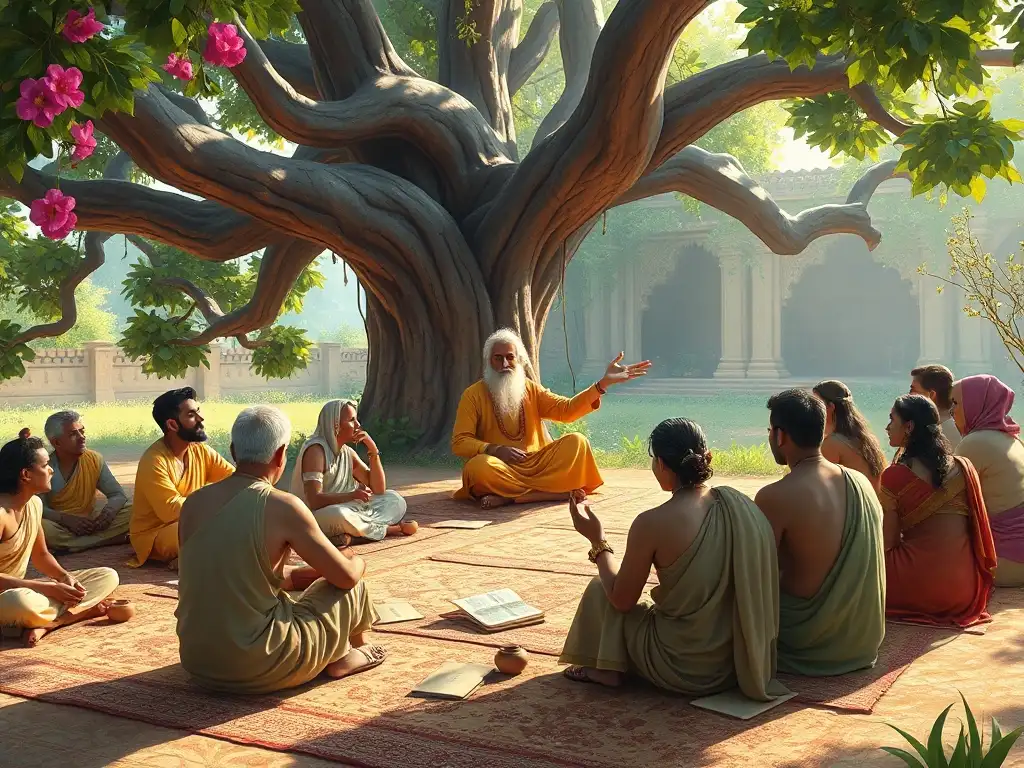
In ancient Indian education, debate played a pivotal role in shaping the intellectual landscape and fostering critical thinking among students. This practice was not merely a tool for academic assessment; it was an essential component of the educational philosophy that emphasized dialogue and dialectics as means of understanding complex ideas. The significance of debate in ancient Indian learning is reflected in various texts, institutions, and societal norms that valued discourse as a method for intellectual development.
Historical Significance of Debates in Education
Debate has deep roots in ancient Indian traditions, with references found in texts like the Mahabharata and Upanishads. These texts showcase the importance of questioning and reasoning, highlighting that knowledge is not merely to be received but critically engaged with.
- Intellectual Traditions: The ancient Indian education system, particularly during the Vedic period, emphasized oral traditions where scholars and students engaged in discussions to explore philosophical and ethical dilemmas. This method encouraged students to critically analyze various perspectives and develop their reasoning skills.
- Institutional Framework: Prominent educational institutions, such as Nalanda and Takshashila, were known for their rigorous debate practices. Students were trained to articulate their thoughts and defend their viewpoints against peers and teachers, fostering a culture of inquiry and intellectual rigor.
- Cultural Integration: Debates were not limited to academic settings; they were an integral part of religious and cultural life. The Shastrarthas (scriptural debates) created a platform for scholars to discuss interpretations of scriptures, thus enhancing communal understanding and cohesion.
Famous Debates and Their Impact on Society
Several notable debates in ancient India had far-reaching implications for philosophy, religion, and social structures. These debates were often public events, drawing large audiences and contributing to the evolution of thought. Some of the most significant include:
- The Debate between Adi Shankaracharya and Mandana Mishra: This philosophical debate centered on the nature of reality and the interpretation of the Brahma Sutras. Shankaracharya's victory not only solidified the principles of Advaita Vedanta but also influenced the direction of Indian philosophy for centuries.
- The Dialogues of Gautama Buddha: Buddha engaged in numerous debates with various sects, including the Brahmins and Jains. His dialogues emphasized rational thought and compassion, leading to the establishment of Buddhism as a major philosophical and religious force in India and beyond.
- Charvaka vs. Nyaya: The debates between the materialist school of Charvaka and the logical Nyaya school highlighted the clash between empirical reasoning and metaphysical speculation. These discussions encouraged a critical examination of epistemology and ethics.
These famous debates not only shaped individual beliefs but also influenced societal norms, encouraging a culture that valued intellectual discourse and critical engagement with ideas.
Methods of Conducting Debates in Ancient India
The methods used to conduct debates in ancient India were as varied as the subjects discussed. Some of the notable methods include:
- Formal Structures: Debates were often conducted in a structured format, with defined roles for participants. A moderator would oversee the proceedings, ensuring that norms were followed and that participants had equal opportunities to present their arguments.
- Rhetorical Techniques: Participants employed various rhetorical strategies, including analogies, anecdotes, and counterarguments, to persuade the audience. Mastery of language and eloquence were highly valued, often determining the success of a debater.
- Public Engagement: Debates were typically public events, attracting scholars, students, and members of the community. This public aspect not only enhanced the stakes of the debate but also facilitated a wider exchange of ideas and perspectives.
- Incorporation of Textual Evidence: Scholars were expected to support their claims with references to sacred texts, philosophical treatises, and empirical observations. This reliance on textual authority allowed for a rigorous analysis of ideas.
The methods of conducting debates in ancient India exemplified a sophisticated understanding of pedagogy, where the process of learning was as important as the content itself, nurturing a culture of inquiry that remains relevant even today.
Comparison of Ancient Indian Education Methods with Other Civilizations
Similarities with Greek Education Systems
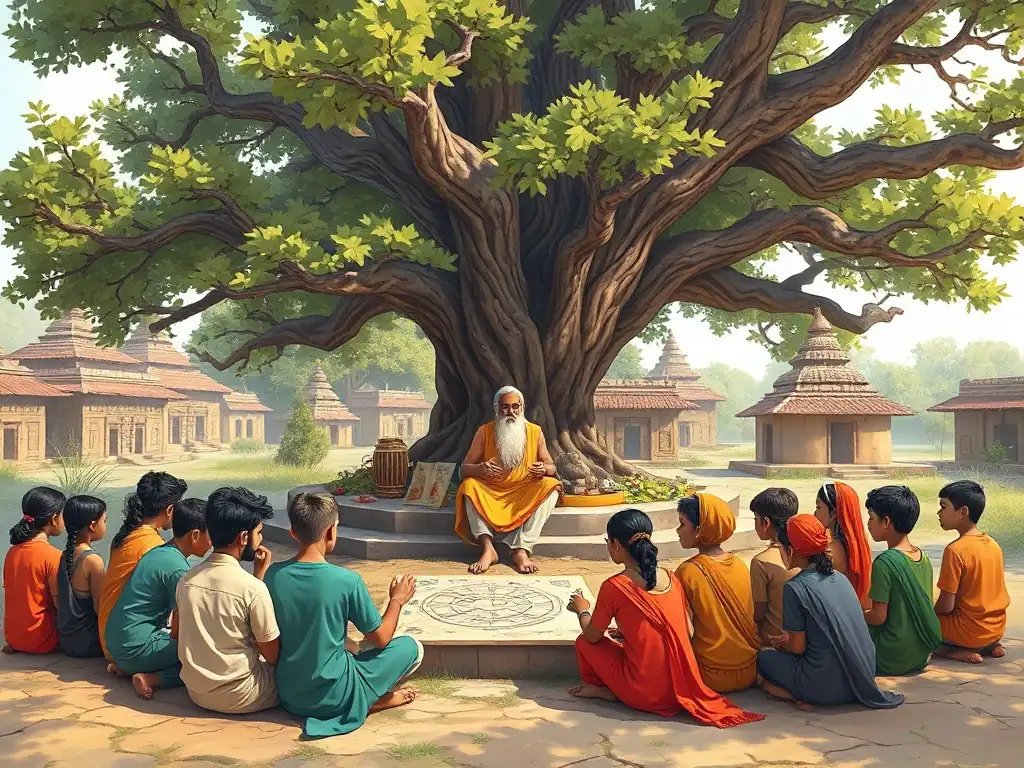
Ancient Indian education methods exhibit notable similarities with the educational practices of ancient Greece. Both civilizations recognized the importance of developing critical thinking and fostering debate among students. In the Gurukul system of ancient India, students lived with their teachers, much like the Athenian practice of paideia, where students were immersed in an environment that emphasized dialogue and philosophical inquiry.
- Role of Discussion:
- In both cultures, discussions formed the backbone of learning. Students were encouraged to question, debate, and articulate their thoughts, facilitating a deeper understanding of subjects.
- Focus on Rhetoric:
- Rhetoric played a crucial role in both educational systems. In ancient India, as in Greece, mastery of language and skills in persuasion were seen as essential for effective communication, particularly in the context of public life and governance.
- Curriculum Content:
- Both civilizations emphasized a broad curriculum that included subjects like mathematics, astronomy, philosophy, and ethics. This multidisciplinary approach aimed to cultivate well-rounded individuals capable of critical thought.
- Mentorship:
- The mentor-student relationship was pivotal. In India, the Guru played a vital role in guiding students, akin to the role of philosophers like Socrates in Greece, who engaged their followers in profound dialogues.
Differences in Philosophical Approaches to Education
While there are similarities, the philosophical underpinnings of ancient Indian education methods diverged significantly from those of other civilizations, particularly the Greeks.
- Spiritual vs. Secular Focus:
- Ancient Indian education often integrated spiritual and philosophical teachings. The Upanishads and Bhagavad Gita served as foundational texts, emphasizing moral and spiritual development alongside intellectual growth. In contrast, Greek education placed a stronger emphasis on secular knowledge and civic duty.
- Holistic Development:
- Indian education aimed for holistic development, encompassing physical, mental, and spiritual aspects. The practice of yoga and meditation was integral, promoting self-awareness and discipline. Greek education, while also valuing physical education, focused more on developing rational thought and civic engagement.
- Method of Inquiry:
- The Socratic method in Greece emphasized questioning and dialectics as a means to arrive at truth. In contrast, ancient Indian education often employed a more didactic approach, where knowledge was imparted through scriptures and oral traditions, though it certainly included debate and discussion.
- Inclusivity of Disciplines:
- Ancient Indian education was known for its inclusivity of diverse disciplines, including arts, sciences, and spirituality. This contrasts with the Greek focus, which primarily highlighted philosophy, rhetoric, and science, often excluding the spiritual dimension.
While both ancient Indian and Greek education systems emphasized critical thinking and debate, their underlying philosophies and methods reflected their unique cultural contexts. The rich tapestry of ancient Indian education methods not only promoted intellectual growth but also nurtured a profound connection to spirituality and ethics.
Legacy of Ancient Indian Education Methods
Ancient Indian education methods have left an indelible mark on the intellectual landscape of the subcontinent, with foundations that date back thousands of years. These methods were characterized by a holistic approach to learning, emphasizing not only rote memorization but also critical thinking, debate, and moral and ethical development.
The Gurukul System
One of the most prominent features of ancient Indian education was the Gurukul system, where students lived with their teachers (gurus) in a communal setting. This system fostered personal mentorship, allowing for tailored instruction based on each student’s abilities and interests. The curriculum covered a wide array of subjects, from philosophy and mathematics to arts and sciences, encouraging students to engage in discussions and debates, which are crucial for developing critical thinking skills.
The Role of Texts and Oral Tradition
Ancient Indian education emphasized the use of sacred texts, such as the Vedas and Upanishads, alongside a strong tradition of oral transmission of knowledge. Students were encouraged to question, interpret, and analyze these texts, fostering an environment of inquiry. This method not only preserved knowledge but also promoted the development of reasoning and critical thinking.
Establishment of Learning Centers
Institutions such as Nalanda and Takshashila emerged as centers of higher learning, attracting students from various regions. These institutions were known for their rigorous academic standards and diverse curricula that included subjects like astronomy, medicine, and logic. The debates held in these centers provided a platform for students to express their thoughts and refine their arguments, reinforcing the importance of discourse in education.
Influence on Modern Educational Practices in India
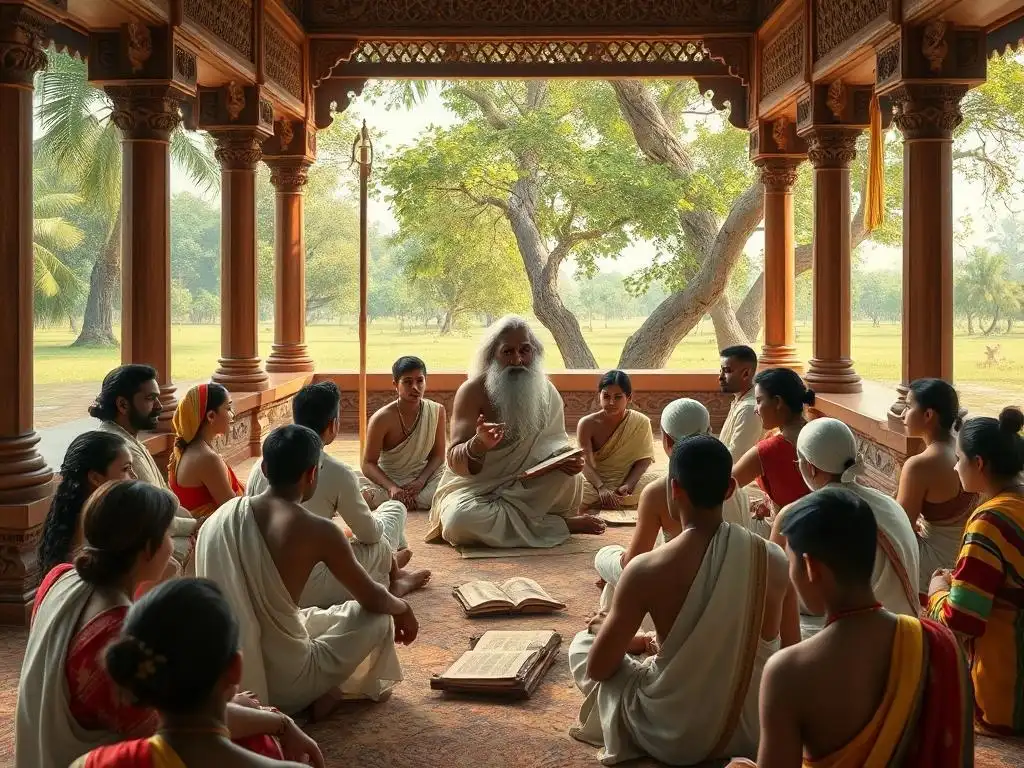
The legacy of ancient Indian education methods has significantly influenced modern educational practices in India. Many contemporary schools and universities incorporate elements of the Gurukul system, emphasizing student-teacher relationships and personalized learning experiences.
Integrative Learning Approaches
Modern educational frameworks in India are increasingly adopting integrative learning approaches that echo ancient methods. For instance, interdisciplinary studies that combine arts, sciences, and humanities are becoming more prevalent, mirroring the ancient curriculum's breadth.
Encouraging Debate and Discussion
Furthermore, there is a renewed focus on debate and discussion in classrooms, reminiscent of the ancient practices at institutions like Nalanda. Schools are now implementing seminars and group discussions as part of their teaching methodologies to enhance critical thinking skills among students.
Preservation of Cultural Heritage
The integration of ancient Indian educational philosophies into modern curricula also plays a role in preserving cultural heritage. By teaching students about their rich history and diverse philosophical traditions, modern education systems are not only fostering critical thinking but also instilling a sense of identity and belonging.
Relevance of Ancient Methods in Contemporary Education
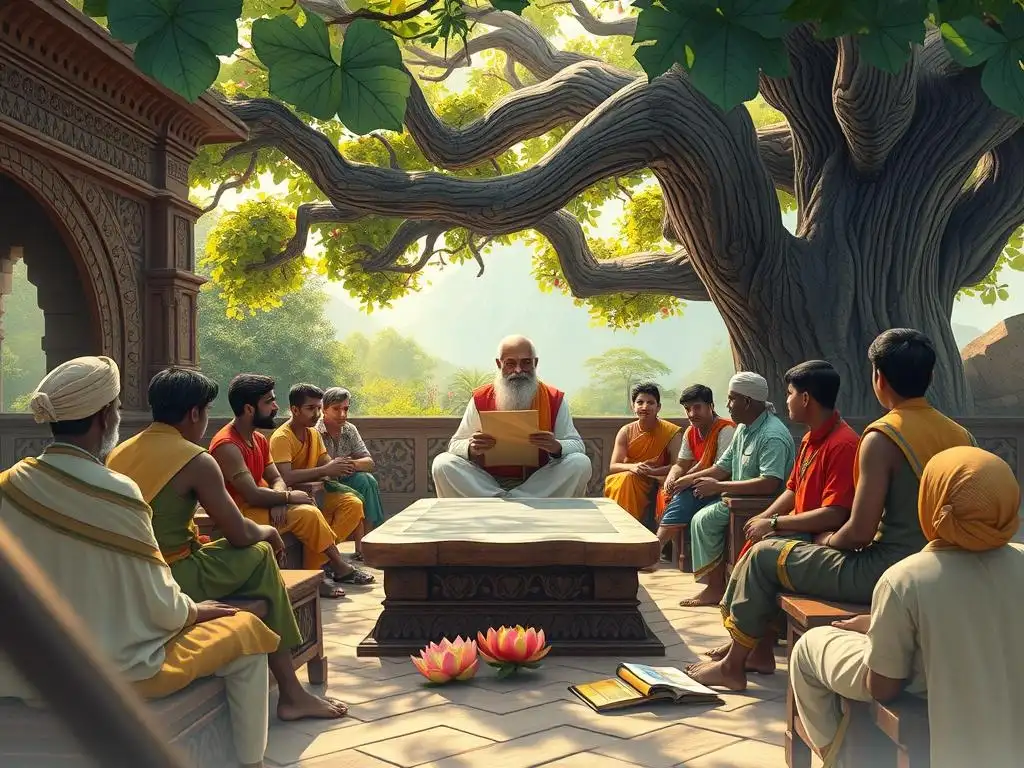
Ancient Indian education methods are not just relics of the past; they hold significant relevance in contemporary education. As educational systems worldwide face challenges related to engagement and critical thinking skills, the principles derived from ancient Indian practices can offer valuable insights.
Emphasis on Holistic Development
The holistic approach of ancient Indian education, which included physical, mental, and spiritual development, is increasingly recognized in modern pedagogical theories. Schools are now focusing on nurturing the overall development of a child, aligning with the ancient perspective that education should develop the mind, body, and spirit harmoniously.
Critical Thinking as a Core Competency
In today's fast-paced and information-rich world, the ability to think critically is paramount. Ancient Indian methods that encouraged questioning and debate can inform current educational practices aimed at fostering these skills. Programs that emphasize Socratic questioning and critical pedagogy can trace their roots back to the debates and discussions held in ancient Indian learning centers.
Cross-Cultural Educational Exchange
The globalized nature of education today allows for cross-cultural exchange of ideas. By revisiting and incorporating ancient Indian education methods, educators can create a more inclusive and diverse learning environment. This approach not only enriches the curriculum but also helps students appreciate different perspectives and cultures.
The examination of ancient Indian education methods reveals a rich tapestry of practices that foster critical thinking, debate, and holistic development. By integrating these principles into contemporary education, we can enhance learning outcomes and cultivate a generation of thoughtful, engaged, and informed individuals.
Conclusion
Summary of Ancient Indian Education and Its Impact on Critical Thinking and Debate
Ancient Indian education methods were deeply rooted in the philosophical and cultural contexts of the time, emphasizing critical thinking and debate as fundamental components of the learning process. Institutions like Takshashila and Nalanda offered a wide array of subjects, including philosophy, mathematics, astronomy, and medicine, which encouraged students to engage in analytical discussions and challenge established ideas.
The pedagogical approach in ancient India often involved the Guru-Shishya (teacher-student) relationship, where the teacher guided the student through dialogue and inquiry rather than rote memorization. This system fostered an environment where questioning was not only permitted but encouraged, laying the groundwork for critical thinking.
Moreover, texts like the Nyaya Sutras and Arthashastra illustrate the importance of debate and logical reasoning in education. These texts provided frameworks for philosophical discourse that emphasized clarity of thought, argumentation, and the ability to critique differing viewpoints. Students were trained to articulate their thoughts coherently and engage in intellectual debates, which contributed significantly to their cognitive development.
Final Thoughts on the Importance of Historical Education Systems
Understanding the educational practices of ancient India is crucial for appreciating how they shaped intellectual traditions that are still relevant today. The emphasis on critical thinking and debate in ancient Indian education methods not only prepared individuals for scholarly pursuits but also for active participation in societal discourse.
By examining these historical systems, modern educators can glean valuable insights into creating environments that encourage inquiry, analytical thinking, and open-mindedness. The legacy of ancient Indian education serves as a reminder of the power of education to cultivate informed citizens capable of navigating complex social and philosophical issues. As we reflect on these practices, it becomes evident that fostering critical thinking and debate in contemporary education is essential for nurturing a generation of thinkers who can contribute meaningfully to society.
The rich tapestry of ancient Indian education methods provides a framework that continues to inspire and inform our current educational paradigms, highlighting the enduring value of critical engagement and intellectual exploration.
Frequently Asked Questions
What were the main features of Ancient Indian education methods?
Ancient Indian education methods emphasized critical thinking, debate, and dialogue. Institutions like Gurukuls and Nalanda encouraged students to engage in discussions and explore various subjects deeply.
How did Ancient Indian education influence modern systems?
The focus on holistic learning and debate in Ancient Indian education laid the groundwork for modern educational practices that value critical analysis and interactive learning.
What subjects were taught in Ancient Indian education?
Students studied a variety of subjects including philosophy, mathematics, astronomy, and literature. The curriculum aimed to develop both intellectual and moral virtues.
Who were the key figures in Ancient Indian education?
Prominent figures like Gautama Buddha and Adi Shankaracharya contributed significantly to educational practices, emphasizing the importance of discussion and reasoning in learning.
How did the Gurukul system function in Ancient India?
The Gurukul system involved students living with their teacher, or guru, where they received personalized instruction and engaged in practical learning through discussions and activities.
Final Reflection: The Enduring Legacy of Ancient Indian Education Methods
The principles of critical thinking and debate rooted in ancient Indian education methods remain profoundly relevant today. In a world increasingly dominated by information overload and polarized opinions, the ability to engage in thoughtful discourse and analyze diverse perspectives is more crucial than ever. The ancient Indian emphasis on open dialogue and intellectual rigor serves as a powerful reminder of the importance of fostering a culture of inquiry and understanding in our contemporary society.
The influence of these educational practices can be seen in various aspects of modern culture, from academic institutions to public discourse. The legacy of ancient Indian thinkers, who championed the art of questioning and debate, continues to inspire educators and learners alike. As we navigate the complexities of our current social landscape, we can draw wisdom from the past. Education is the most powerful weapon which you can use to change the world.
– Nelson Mandela. This quote resonates deeply with the ethos of ancient Indian education, highlighting the transformative power of knowledge and critical engagement.
As we reflect on the lessons of ancient Indian education, let us commit to cultivating our own critical thinking skills and embracing the art of debate in our daily lives. I invite you to explore the richness of diverse ideas, challenge assumptions, and engage in meaningful conversations. By doing so, we not only honor the legacy of those who came before us but also contribute to a more enlightened and compassionate future.
Ignite Your Curiosity: Embrace the Spirit of Ancient Learning!
Thank you for exploring the fascinating world of ancient Indian education with us! By delving into the rich practices that fostered critical thinking and debate, you've taken the first step toward enhancing your own intellectual journey. Now, it’s time to turn that inspiration into action!
Here are a few ways you can continue this enlightening exploration:
- Engage in a lively debate with friends or in community forums about the principles of critical thinking in ancient education. What lessons can we apply today?
- Explore local cultural events or workshops that promote dialogue and discussion. Challenge yourself to share insights from your learning experience!
- Start a blog or journal where you reflect on your thoughts regarding the role of education in fostering critical discourse. What unique perspectives do you hold?
Which aspect of ancient education sparks your curiosity the most, and how will you integrate those philosophies into your personal learning journey?