
The Evolution of Yogic Asanas: A Historical Overview

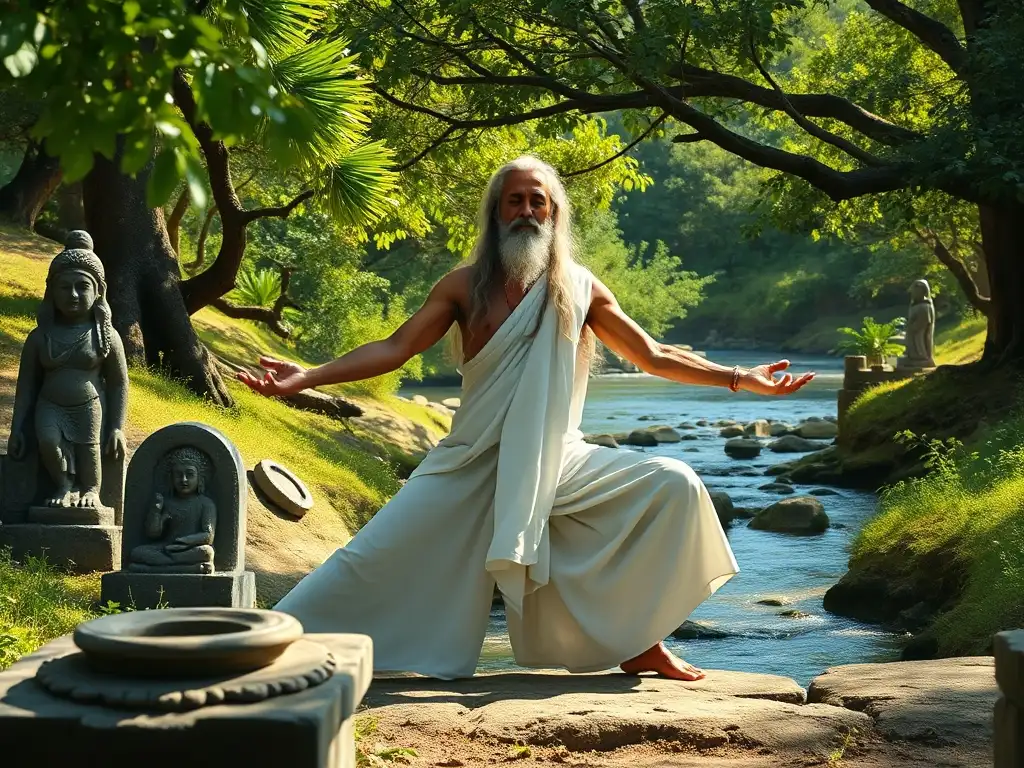
Welcome to Ancient India History, where we embark on a fascinating journey through the rich tapestry of ancient Indian civilizations. Here, we delve into the profound history of yogic asanas, tracing their evolution from the sacred practices of the Indus Valley to the enlightened teachings of the Gupta Empire. Discover how these transformative postures not only shaped the physical practices of ancient yogis but also influenced the spiritual and cultural fabric of India.
Curiosity piqued? Let’s explore the intricate connections between history, wellness, and the timeless art of yoga in our featured article, “The Evolution of Yogic Asanas: A Historical Overview.” Your journey into the past starts now!
Introduction to the History of Yogic Asanas
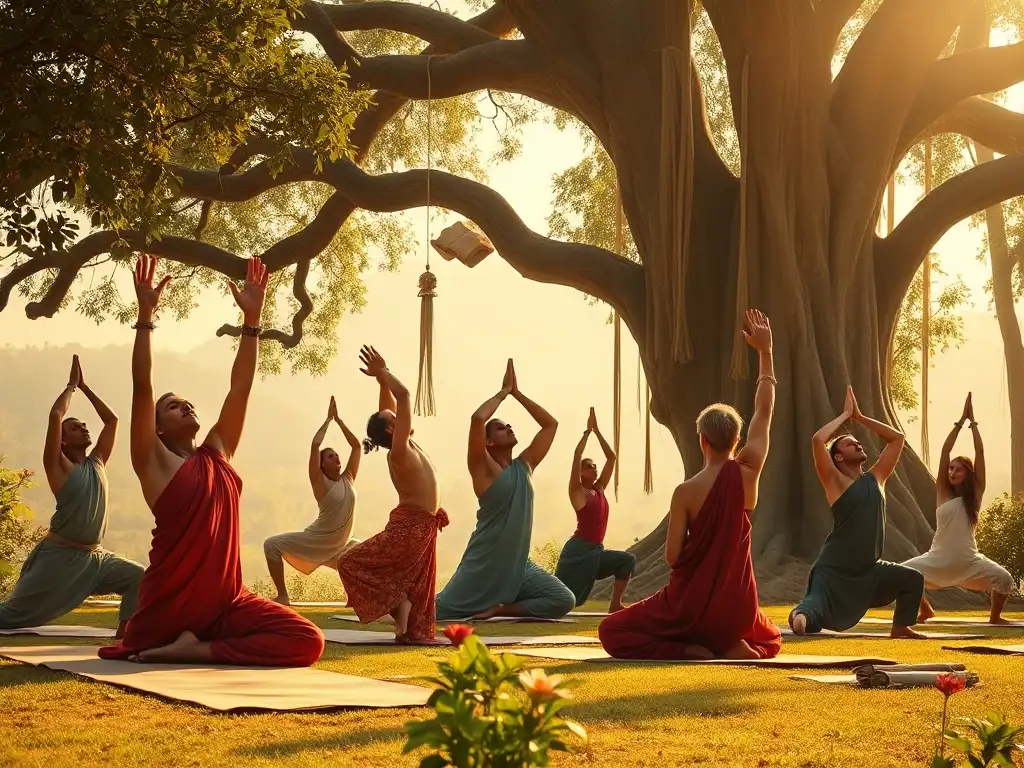
The history of yogic asanas is a fascinating journey that traces the evolution of physical postures practiced in yoga, reflecting the intricate interplay between spirituality, culture, and physical well-being in ancient India. From their humble beginnings in the Indus Valley Civilization to their sophisticated development during the Gupta Empire, these postures have not only served as a means of physical exercise but also as tools for spiritual growth and meditation.
Understanding this evolution provides valuable insights into how ancient practices continue to influence modern yoga, shaping both physical health and mental clarity. As we delve into the historical roots of yogic asanas, we will uncover the significant roles played by various civilizations, texts, and philosophical teachings in molding the practice we recognize today.
Ancient Origins of Yogic Asanas
The origins of yogic asanas can be traced back thousands of years, revealing a rich tapestry of practices that have evolved through time. This section explores two crucial periods that laid the foundation for these early postures.
The Indus Valley Civilization and Early Practices
The Indus Valley Civilization (approximately 3300–1300 BCE) is one of the earliest known urban cultures in South Asia, and archaeological findings suggest that early forms of yoga may have emerged from this period.
- Archaeological Evidence: Seals and figurines discovered at sites like Mohenjo-Daro depict individuals in postures resembling modern-day asanas, suggesting a link to early meditative practices.
- Spiritual Practices: The presence of ritualistic baths and fire altars indicates a society deeply engaged in spiritual practices, where physical postures may have been used to enhance meditation and connect with higher states of consciousness.
These findings imply that the inhabitants of the Indus Valley might have engaged in physical postures as a means to achieve both physical and spiritual well-being, laying the groundwork for later developments in yogic traditions.
Vedic Period: The Spiritual Foundation
Following the Indus Valley Civilization, the Vedic Period (approximately 1500–500 BCE) marked a significant evolution in spiritual and philosophical thought, further influencing the development of yogic asanas.
- The Vedas and Yoga Philosophy: The Vedas, ancient sacred texts, introduced concepts of meditation and physical discipline, emphasizing the connection between body and spirit.
- Asanas as Rituals: During this time, asanas began to be integrated into Vedic rituals and practices. The emphasis was on achieving spiritual clarity and enlightenment, with physical postures being a vital part of meditation and prayer.
- Influence on Later Texts: The philosophical ideas from this period laid the groundwork for later texts, such as the Upanishads and the Yoga Sutras of Patanjali, which codified the principles of yoga and further developed the practice of asanas.
The evolution of yogic asanas during the Vedic Period illustrates how physical practices became intertwined with spiritual aspirations, highlighting the holistic approach to wellness that characterizes ancient Indian traditions.
Classical Period: The Systematization of Yogic Asanas
The Classical Period of yoga, which spans from around the 2nd century BCE to the 6th century CE, marks a significant turning point in the evolution of yogic practices, particularly asanas. This era saw the formalization and systematization of yoga as a discipline, primarily influenced by key philosophical texts and the emergence of various schools of thought. The foundational texts, especially the Yoga Sutras of Patanjali, laid the groundwork for understanding the purpose and practice of asanas as part of a larger spiritual and philosophical framework.
Patanjali and the Yoga Sutras
Patanjali, often regarded as the father of yoga, authored the Yoga Sutras, a seminal work that outlines the eight limbs of yoga (Ashtanga Yoga). In this text, asanas are mentioned as a means to achieve physical stability and comfort for meditation. Patanjali describes asana as a practice that should be steady and joyful, emphasizing the importance of physical readiness in pursuing higher states of consciousness. This was a departure from previous practices that may not have focused on the physical postures in a structured manner.
The Yoga Sutras highlight that asanas are not merely physical exercises; they are integral to attaining a meditative state. The emphasis on discipline, ethical conduct, and mental focus within Patanjali's framework established a holistic approach to yoga, intertwining the physical, mental, and spiritual realms. This systematic presentation by Patanjali catalyzed the development of asanas, leading to their recognition as essential practices in yogic philosophy.
Hatha Yoga and Its Asanas
Hatha Yoga emerged as a distinct branch of yoga during the classical period, further refining the practice of asanas within its methodology. Hatha Yoga focuses on the physical aspects of yoga, using postures and breath control (pranayama) to prepare the body and mind for meditation. Texts such as the Hatha Yoga Pradipika and the Gheranda Samhita, written in the medieval period but rooted in classical philosophy, systematized various asanas and prescribed sequences that practitioners could follow.
Hatha Yoga introduced a plethora of physical postures, emphasizing their importance for achieving mastery over the body and mind. The practice aimed at increasing flexibility, strength, and balance, allowing practitioners to sit comfortably for extended meditation sessions. Asanas like Padmasana (Lotus Pose) and Sirsasana (Headstand) became popular during this period, reflecting a growing recognition of the physical body’s role in spiritual practice.
Medieval Period: The Flourishing of Yogic Traditions
The Medieval Period, approximately from the 6th century to the 17th century CE, witnessed an explosion of yogic traditions and practices across India. This era was marked by the flourishing of various schools of yoga, each contributing uniquely to the understanding and execution of asanas. The synthesis of different philosophies, religious influences, and cultural practices led to a rich tapestry of yogic traditions that expanded the scope of asanas.
Influence of Various Schools of Yoga
During the Medieval Period, several schools of yoga, such as Bhakti Yoga, Jnana Yoga, and Karma Yoga, began to emerge and influence the practice of asanas. Each school brought its philosophical underpinnings and methodologies, enriching the yogic landscape. For instance, while Bhakti Yoga focused on devotion and love for the divine, Jnana Yoga emphasized knowledge and wisdom, often incorporating asanas to aid in physical readiness for spiritual pursuits.
The integration of asanas into these schools allowed practitioners to explore the connection between body, mind, and spirit in diverse ways. The adaptability of asanas enabled them to be incorporated into various spiritual practices, making them accessible to a broader audience. This period also saw the rise of yoga lineages and teachers who began to document their teachings, leading to a greater dissemination of yogic knowledge.
Asanas in Tantric Yoga
Tantric Yoga, which gained prominence during the Medieval Period, introduced a unique perspective on the practice of asanas. Unlike the more austere approaches of earlier yogic traditions, Tantric Yoga embraced the physical body as a vessel for spiritual awakening. It emphasized the use of asanas not only for physical health but also for awakening the latent spiritual energy (Kundalini) within.
In Tantric practices, specific asanas were employed to facilitate energy flow and enhance spiritual experiences. For example, postures that involved binding or locking the body (known as bandhas) were used to control prana (life force) and foster deeper meditative states. This holistic approach to asanas in Tantric Yoga contributed to the understanding of the physical body as a crucial element in the journey toward enlightenment, enriching the overall evolution of yogic practices during this period.
Modern Era: Transformation and Globalization of Yogic Asanas

The modern era has witnessed a significant transformation in the practice and perception of yogic asanas. With the globalization of yoga, these ancient practices have transcended their cultural origins, adapting to contemporary lifestyles and becoming an integral part of wellness regimes worldwide. This evolution reflects not only a shift in practice but also a broader cultural exchange that has enriched the understanding and application of yoga in today's society.
The Introduction of Yoga to the West
The introduction of yoga to the West can be traced back to the late 19th and early 20th centuries, when Indian yogis and spiritual leaders traveled to Europe and the United States to share their knowledge. Pioneers like Swami Vivekananda and Paramahansa Yogananda played crucial roles in popularizing yoga, emphasizing not just the physical aspects, but also the philosophical and spiritual dimensions.
The first yoga studios began to emerge in the West during the 1960s and 1970s, coinciding with a growing interest in Eastern philosophies and alternative healing practices. This period marked a significant shift as practitioners began to adapt traditional asanas to suit Western lifestyles, often focusing on physical fitness, stress relief, and mental well-being. The 1980s and 1990s saw yoga gain even more prominence, with celebrities and athletes endorsing its benefits, further fueling its popularity across diverse demographics.
Contemporary Practices and Innovations
Today, the practice of yogic asanas has diversified into various styles, each catering to different needs and preferences. From Hatha and Vinyasa to Power Yoga and Yin Yoga, these modern adaptations blend ancient techniques with contemporary fitness principles, making yoga accessible to a broader audience.
Innovations in yoga practices have also led to the incorporation of technology, such as online yoga classes and mobile applications, allowing practitioners to engage with yoga in new and flexible ways. Additionally, the integration of mindfulness and meditation into asana practice has enriched the experience, promoting holistic wellness that encompasses physical, mental, and emotional health.
Moreover, the rise of yoga therapy has highlighted the therapeutic potential of asanas, leading to their use in rehabilitation and wellness programs. This shift has prompted a growing body of research exploring the benefits of yoga for various health conditions, thereby reinforcing the legitimacy of yogic asanas within the healthcare framework.
The Continuing Legacy of Yogic Asanas
The legacy of yogic asanas continues to thrive, deeply embedded in the fabric of modern wellness culture. As societies evolve, so too does the understanding and appreciation of these ancient practices, which remain relevant in addressing contemporary challenges such as stress, anxiety, and lifestyle-related health issues.
Asanas in Today's Wellness Culture
In today's wellness culture, yogic asanas are often seen as a vital component of a balanced lifestyle. Many individuals incorporate daily yoga practices into their routines, recognizing the physical benefits, such as increased flexibility, strength, and overall fitness. Furthermore, asanas are increasingly integrated into corporate wellness programs, educational institutions, and therapeutic settings, reflecting their versatility and adaptability.
The popularity of yoga festivals and retreats has also surged, creating communities of practitioners who share their passion for yoga and its benefits. This communal aspect not only fosters a sense of belonging but also promotes the exchange of ideas and practices, enriching the overall experience of yogic asanas.
Future Directions in the Study of Yogic Asanas
Looking ahead, the study of yogic asanas is poised for continued growth and exploration. Research into the physiological and psychological impacts of yoga is expanding, with an emphasis on evidence-based practices that validate its benefits. Scholars and practitioners alike are increasingly interested in the intersections of yoga with modern science, psychology, and even artificial intelligence in creating personalized yoga experiences.
Moreover, as global awareness of mental health issues rises, there is potential for yogic asanas to play a more prominent role in therapeutic settings. Future directions may also involve a deeper exploration of the cultural roots of asanas, promoting a greater understanding and respect for the traditions from which these practices originate.
As yogic asanas evolve within the modern context, their enduring legacy will continue to inspire individuals to seek balance, wellness, and a deeper connection to themselves and the world around them.
Conclusion: The Timelessness of Yogic Asanas
The evolution of yogic asanas is a testament to the adaptability and enduring nature of this ancient practice. From the rudimentary postures of the Indus Valley civilization to the sophisticated techniques developed during the medieval period, the journey of yogic asanas reflects a deepening understanding of the human body and spirit. Asanas have transcended time and geographical boundaries, becoming integral to various schools of thought and practice, such as Hatha Yoga and Ashtanga Yoga.
The timelessness of yogic asanas lies not just in their physical benefits but also in their philosophical underpinnings. They encourage a holistic approach to health that encompasses physical, mental, and spiritual well-being. As modern lifestyles become increasingly hectic and stressful, the relevance of yogic asanas continues to grow, providing individuals with tools for stress relief, improved concentration, and enhanced physical fitness.
Moreover, the global embrace of yoga in contemporary culture highlights the universal appeal of these ancient practices. The continual refinement and reinterpretation of asanas ensure that they remain accessible and beneficial to people of all ages and backgrounds. This evolution signifies not only a rich historical narrative but also a living tradition that inspires countless practitioners worldwide. Thus, the history of yogic asanas is not merely a chronicle of past practices but a vibrant, evolving legacy that continues to enrich lives today.
References and Further Reading
- Saraswati, Swami Satyananda. Asana Pranayama Mudra Bandha. Bihar School of Yoga, 1969.
- Iyengar, B.K.S. Light on Yoga. HarperCollins, 1995.
- Taimni, I.K. The Science of Yoga: The Yoga Sutras of Patanjali. The Theosophical Publishing House, 1961.
- Feuerstein, Georg. The Yoga Tradition: Its History, Philosophy, and Practice. Hohm Press, 2001.
- Saraswati, Swami Satyananda. Yoga Nidra. Bihar School of Yoga, 1976.
- Brown, David. The Yoga Sutras of Patanjali: A New Translation and Commentary. Houghton Mifflin, 2000.
- Dhananjay, L. "Evolution of Asanas in Yoga: A Historical Perspective." Journal of Yoga and Physical Therapy, vol. 6, no. 2, 2015, pp. 45-56.
These references provide a comprehensive overview of the historical development, philosophical foundations, and practical applications of yogic asanas, enabling readers to delve deeper into the subject and appreciate its rich heritage.
- Introduction to the History of Yogic Asanas
- Ancient Origins of Yogic Asanas
- Classical Period: The Systematization of Yogic Asanas
- Medieval Period: The Flourishing of Yogic Traditions
- Modern Era: Transformation and Globalization of Yogic Asanas
- The Continuing Legacy of Yogic Asanas
- Conclusion: The Timelessness of Yogic Asanas
- References and Further Reading
Frequently Asked Questions
What are Yogic Asanas?
Yogic Asanas are physical postures practiced in yoga that enhance physical, mental, and spiritual well-being. They have evolved over centuries from ancient traditions in India.
How did Yogic Asanas develop throughout history?
The history of Yogic Asanas can be traced back to ancient Indian texts and practices, evolving significantly during various periods, including the Indus Valley Civilization and later in the Gupta Empire.
What role did ancient texts play in the evolution of Yogic Asanas?
Ancient texts like the Yoga Sutras and Hatha Yoga Pradipika documented and codified various asanas, establishing guidelines for their practice and significance in achieving spiritual enlightenment.
Yogic Asanas were not merely physical exercises; they were integral to spiritual practices aimed at achieving meditative states, enhancing concentration, and facilitating self-realization.
Are Yogic Asanas still relevant in modern times?
Yes, Yogic Asanas remain highly relevant today, promoting physical fitness, mental clarity, and emotional balance, while continuing to draw from their rich historical roots.
Final Reflection: Embracing the Legacy of Yogic Asanas
The history of yogic asanas is not just a chronicle of physical postures; it is a profound journey that intertwines spirituality, culture, and personal transformation. Today, as we navigate a fast-paced world filled with stress and uncertainty, the wisdom embedded in these ancient practices remains remarkably relevant. The evolution of yogic asanas reflects our ongoing quest for balance and well-being, reminding us that the path to inner peace has deep roots in history.
Cultural and social landscapes continue to be shaped by the principles of yoga, influencing everything from wellness trends to holistic health practices. The resurgence of interest in yoga in contemporary society speaks to a collective yearning for connection—to ourselves, to our communities, and to the universe. As B.K.S. Iyengar once said, Yoga does not just change the way we see things, it transforms the person who sees.
This transformation is not only personal but also collective, as the practice of yoga fosters empathy, mindfulness, and a sense of belonging in an increasingly fragmented world.
As you reflect on the rich history of yogic asanas, consider how these teachings can inspire your own journey. Take a moment to integrate the lessons of balance, mindfulness, and resilience into your daily life. Whether you are a seasoned practitioner or just beginning your exploration, remember that each asana is a step toward greater self-awareness and harmony. Embrace the legacy of yogic asanas, and let it guide you toward a more fulfilling and connected existence.
Embrace the Transformative Power of Yogic Asanas!
Thank you for diving into the fascinating history of yogic asanas! You’ve gained valuable insights into their evolution and significance. Now, it’s time to take the next steps to deepen your connection with this ancient practice.
Here are a few ways to get started:
- Try a new asana: Challenge yourself by incorporating a traditional asana into your routine this week, exploring how its historical roots can enhance your practice.
- Join a local yoga class: Connect with others who share your interest in yoga and its history. Consider empowering your journey by learning from experienced instructors.
- Share your journey: Post about your experiences with yogic asanas on social media or a yoga forum. Encourage others to explore the rich tapestry of yoga's heritage.
What is one yogic asana that you feel inspired to try today, and how do you think its history could influence your practice?