
The Transition from Feudal to Centralized Military Structures in Ancient India

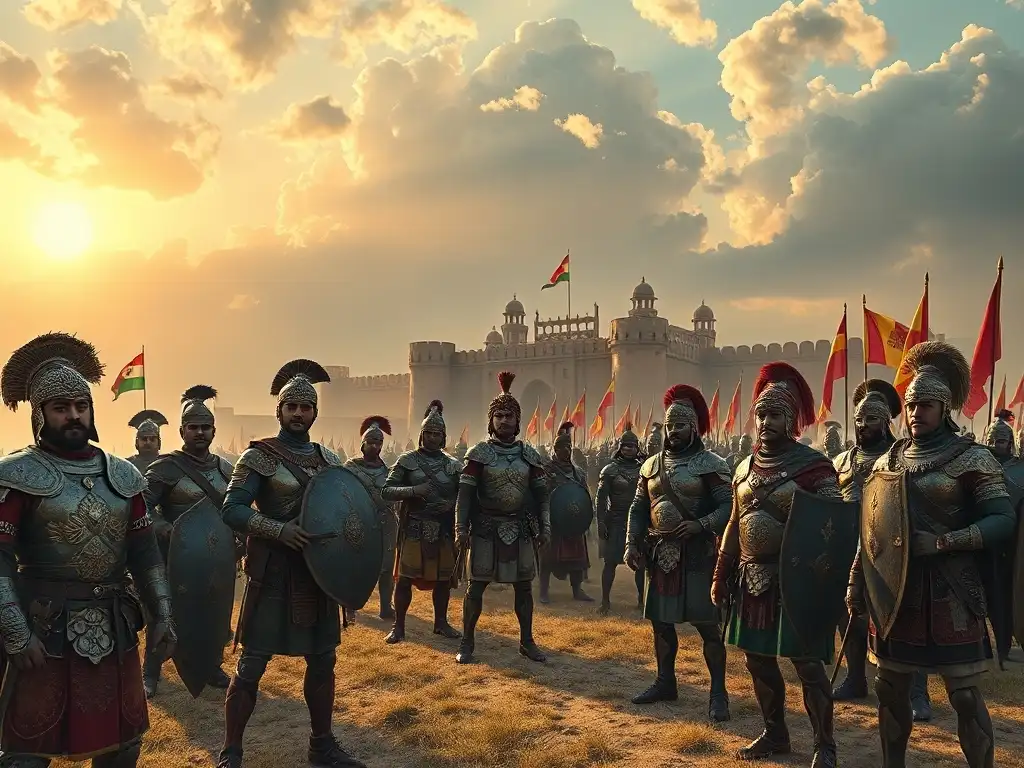
Welcome to Ancient India History, where we embark on a fascinating journey through the ages, uncovering the rich tapestry of ancient Indian civilizations. In our spotlight today, we delve into the captivating evolution of Ancient Indian military structures, tracing the remarkable transition from feudal systems to centralized military organization. What drove this transformation, and how did it shape the power dynamics of the time? Join us as we explore the strategic innovations and cultural shifts that defined an era, igniting your curiosity and inviting you to uncover the secrets of a pivotal chapter in India's storied past.
Introduction to Ancient Indian Military Structures
The military history of ancient India is a compelling narrative that reflects the evolution of power dynamics, societal structures, and technological advancements throughout the ages. From the formidable armies of the Indus Valley Civilization to the sophisticated military formations of the Gupta Empire, ancient Indian military structures were marked by significant transformations. Initially characterized by feudal systems, where local chieftains wielded considerable power and operated independently, the military landscape shifted towards centralization.
This transition not only consolidated power under a single authority but also allowed for more coordinated and efficient military campaigns. As we delve into this evolution, it is essential to examine the various components that shaped these military structures, including organizational hierarchies, weaponry, and the role of warfare in society.
Importance of Studying Military Evolution in Ancient India
Understanding the evolution of military structures in ancient India is crucial for several reasons:
- Cultural Insights: The military not only served as a defense mechanism but also influenced cultural practices, social hierarchies, and regional identities. By studying these structures, we gain insights into the values and beliefs of ancient Indian civilizations.
- Political Dynamics: The transition from feudal to centralized military structures reflects broader political changes. This evolution illustrates how various dynasties, such as the Mauryas and Guptas, navigated power struggles and administrative challenges, thereby shaping the course of Indian history.
- Technological Advancements: The development of military technologies played a pivotal role in warfare and defense strategies. Analyzing weaponry and military tactics highlights the innovative spirit of ancient Indian societies and their adaptability to changing warfare paradigms.
- Lessons for Modern Military Strategies: The historical context of military evolution offers valuable lessons for contemporary military organizations. Understanding how ancient Indian armies adapted to challenges can inform modern strategies and organizational structures.
Exploring the transition from feudal to centralized military structures in ancient India not only enriches our understanding of historical narratives but also provides context for contemporary military and societal frameworks.
- Introduction to Ancient Indian Military Structures
- Importance of Studying Military Evolution in Ancient India
- What were the key features of ancient Indian military structures?
- How did the transition from feudal to centralized military structures occur?
- What role did technology play in ancient Indian military advancements?
- How did cultural factors influence military structures in ancient India?
- What were the contributions of ancient Indian military strategies to warfare?
Overview of Feudal Military Systems in Ancient India
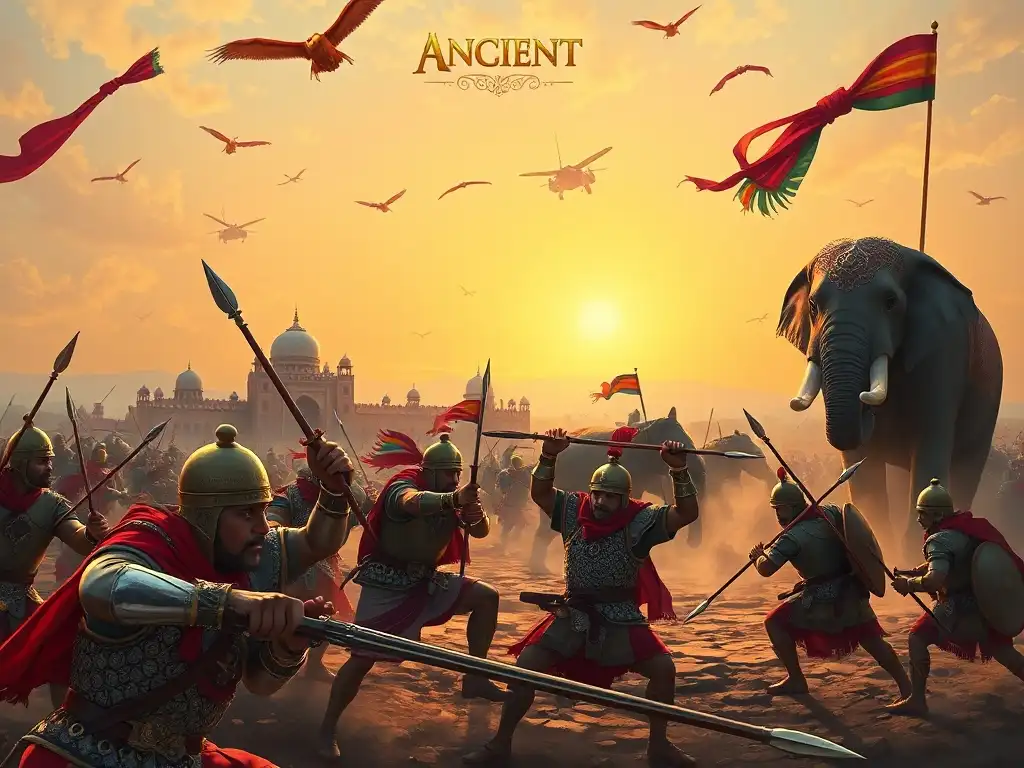
The feudal military systems of ancient India were characterized by a decentralized approach to warfare and military organization. Emerging during the early medieval period, these systems were primarily defined by local rulers who maintained control over their territories through a network of vassals and retainers. This structure was heavily influenced by the socio-political dynamics of the time, where power was often fragmented among various regional kings and chieftains.
Feudalism in ancient India also mirrored the agrarian economy, where land ownership was integral to military strength. The ability of a ruler to mobilize forces depended largely on the loyalty of land-holding vassals, who were obligated to provide military service in exchange for protection and land grants. This system results in a diverse military landscape, where local leaders often had considerable autonomy while still pledging allegiance to a higher authority.
Characteristics of Feudal Military Structures
Feudal military structures in ancient India exhibited several defining characteristics:
- Decentralization: Local rulers governed their territories independently, leading to varied military practices across regions.
- Vassalage: Military service was often organized around a system of vassals, where landholders were required to support their lord’s military campaigns.
- Loyalty and Service: The relationship between a lord and his vassals was built on mutual loyalty, with vassals expected to provide troops in times of war.
- Regional Diversity: Each feudal state developed its military strategies and practices, influenced by local customs, geography, and available resources.
The feudal military system allowed for rapid mobilization of forces, but it also presented challenges, such as inconsistent support and varying levels of training among different vassal armies.
Key Features of Feudal Armies in Ancient India
Feudal armies in ancient India were distinct in several ways:
- Composition:
- Typically comprised of infantry, cavalry, and war elephants. Each component played a crucial role in battle, with cavalry often being the primary strike force.
- Local warriors formed the backbone of these armies, which included both professional soldiers and peasant conscripts.
- Equipment:
- Soldiers were equipped with weapons such as bows, swords, and shields. The use of iron and steel weapons became prevalent, enhancing combat effectiveness.
- War elephants were a significant feature, used both as symbols of power and as formidable forces in battle.
- Tactics:
- Strategies often involved ambushes and surprise attacks, capitalizing on the terrain and local knowledge.
- Siege warfare became common, with the construction of fortifications that required coordinated efforts from local forces.
- Leadership:
- Military leaders were typically drawn from the nobility or prominent warrior families, emphasizing the importance of lineage and loyalty in military command.
Prominent Feudal States and Their Military Organizations
Several notable feudal states in ancient India exemplified the military structures of the time:
- The Chola Dynasty:
- Known for their powerful navy and effective use of cavalry, the Cholas maintained a centralized command while allowing local chieftains to manage regional armies.
- The Rajput Kingdoms:
- Characterized by a code of honor, Rajput warriors emphasized personal valor and loyalty. Their military organization was highly decentralized, with each ruler commanding forces based on regional alliances.
- The Vijayanagara Empire:
- This empire combined feudal elements with a more centralized military structure. It excelled in employing diverse forces, including infantry and war elephants, to maintain control over its vast territories.
- The Mewar Kingdom:
- Renowned for its fierce resistance against external invasions, Mewar's military organization relied on a network of vassal states and fierce local warriors, showcasing the strength of feudal alliances.
The transition from these feudal military structures to more centralized military organizations marked a significant evolution in ancient Indian military history, paving the way for greater coordination and efficiency in warfare.
Factors Leading to the Transition from Feudal to Centralized Military Structures
Political Changes Influencing Military Organization
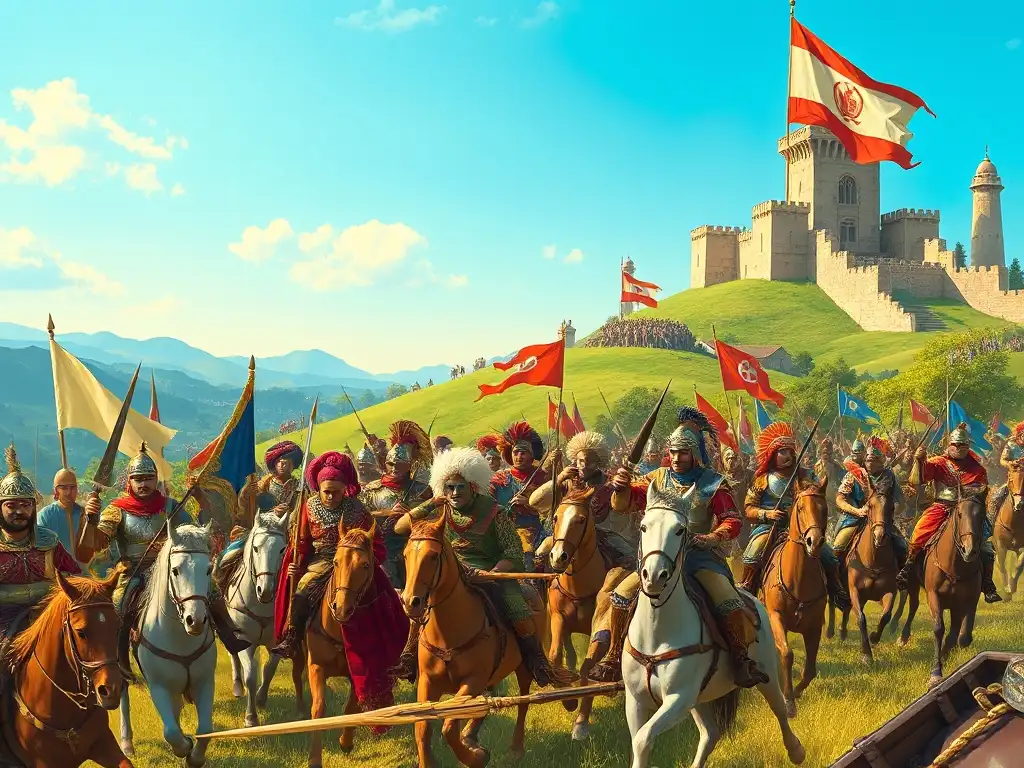
The transition from feudal to centralized military structures in ancient India was significantly influenced by a variety of political changes. During the feudal period, local chieftains wielded considerable power, maintaining their own militias and often acting independently of a central authority. This decentralized system was characterized by a patchwork of regional powers, each with its own military organization and strategies.
However, as larger kingdoms began to emerge, particularly during the period of the Maurya and Gupta empires, the need for a more unified military structure became evident. Kings like Chandragupta Maurya and Ashoka recognized that centralized control over military forces was essential to maintain order and expand their territories. This shift was marked by:
- Centralization of Power: The consolidation of power under a single ruler diminished the influence of local chieftains, allowing for the establishment of a standing army that was loyal directly to the king.
- Bureaucratic Reforms: The introduction of a structured bureaucracy helped in the organization of military resources, recruitment, and logistics, facilitating a more coordinated approach to warfare.
- Legal Codifications: The establishment of laws governing military service and obligations ensured that soldiers were accountable to the centralized authority, thereby enhancing discipline and loyalty.
These political changes laid the groundwork for a more organized military structure that was capable of responding effectively to external threats and internal dissent.
Economic Shifts and Their Impact on Military Financing
Economic factors played a crucial role in the transition to centralized military structures in ancient India. The shift from agrarian economies towards more complex trade networks and urbanization had a direct impact on military financing and support. Key economic shifts included:
- Increased Taxation: Centralized rulers implemented tax systems that allowed for more efficient collection of resources. This revenue was essential for maintaining a standing army, enabling kings to pay soldiers regularly and provide them with necessary equipment.
- Trade Expansion: As trade routes expanded, the influx of wealth contributed to the resources available for military financing. The emergence of wealthy merchant classes supported the economy and enabled rulers to invest in military technology and infrastructure.
- State-Controlled Resources: Centralized authorities began to control critical resources such as iron for weaponry and horses for cavalry, which were vital for sustaining a powerful military. This state control ensured that the military had access to the materials needed for expansion and warfare.
These economic shifts not only strengthened the military but also reinforced the power of the centralized state, as rulers could now rely on a more stable and predictable source of funding.
Role of Warfare in Shaping Military Structure
Warfare was a fundamental factor that shaped the military structures in ancient India, driving the transition from feudal to centralized systems. The nature and scale of conflicts during various periods necessitated changes in military organization. Several aspects highlight this influence:
- Increased Scale of Warfare: As kingdoms expanded their territories, the scale of warfare increased, requiring larger and more organized military forces. The need for coordinated strategies and tactics became apparent, leading to the formation of professional armies.
- Technological Advancements: Innovations in military technology, such as the introduction of chariots and improved weaponry, changed the dynamics of warfare. Centralized militaries could invest in these advancements, giving them a tactical advantage over feudal lords who relied on outdated methods.
- Strategic Alliances and Diplomacy: Warfare also prompted rulers to forge strategic alliances, which necessitated a more centralized command structure. This allowed for better coordination of military efforts during campaigns and enhanced the overall effectiveness of the forces.
The role of warfare was pivotal in the evolution of ancient Indian military structures, as it both necessitated and facilitated the shift towards a more centralized military organization capable of meeting the challenges of the era.
Characteristics of Centralized Military Structures in Ancient India
Defining Centralized Military Organization
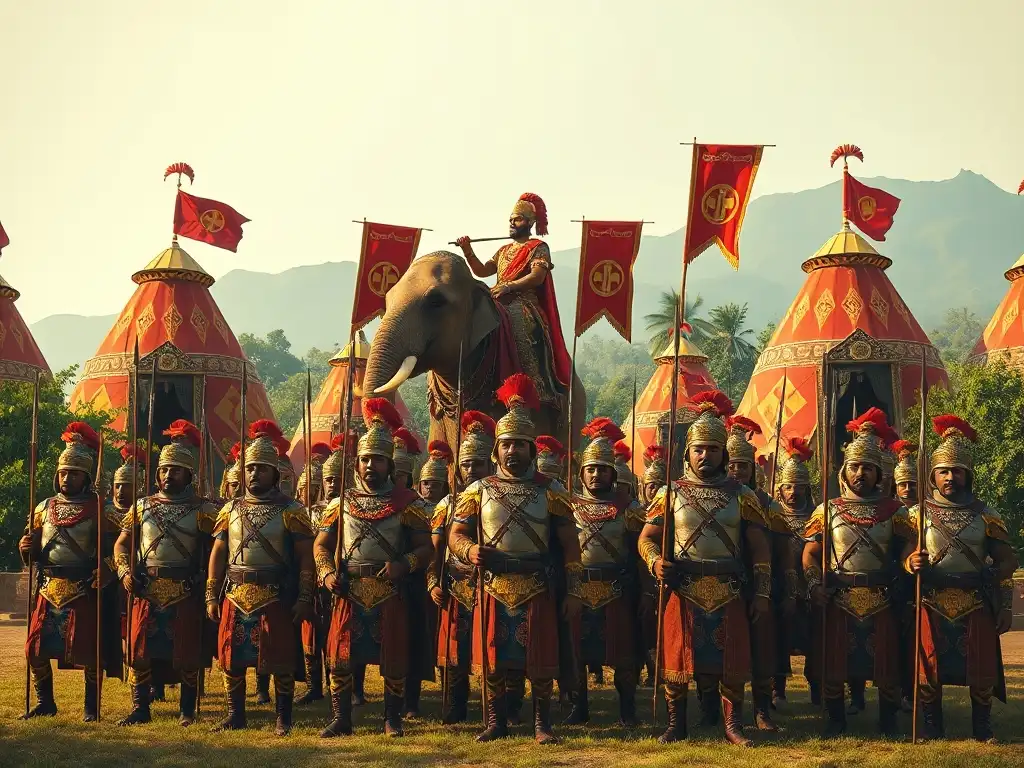
Centralized military organizations in ancient India represented a significant shift from the decentralized, feudal military systems that had previously dominated the landscape. This transformation is marked by the establishment of a cohesive command structure that streamlined decision-making and operational efficiency.
In a centralized military framework, the king or the ruling authority held supreme control over military forces, which were directly managed and funded by the state. This system enabled the mobilization of resources and troops in a more structured manner, as opposed to relying on feudal lords who had their own independent armies. The key features of this centralized organization included:
- Unified Command: Centralized military structures allowed for a single chain of command, ensuring that strategic decisions could be made swiftly and executed without delay.
- Regularized Training: Soldiers were often recruited from across the kingdom and subjected to standardized training programs, enhancing overall military effectiveness.
- State Funding: Unlike feudal armies that depended on individual lords for sustenance, centralized military forces were funded by the state, ensuring a steady supply of resources and provisions.
This shift not only improved military logistics but also fostered a sense of loyalty and integration among soldiers, who were often drawn from diverse backgrounds.
Innovations in Ancient Indian Military Technology
The evolution of centralized military structures in ancient India was paralleled by significant advancements in military technology. These innovations played a crucial role in enhancing the effectiveness of the armies and included:
- Advanced Weaponry: The development of weapons such as the katara (a type of dagger) and various forms of bows and arrows contributed to more effective combat strategies. These weapons were often crafted using high-quality metals, making them not only deadly but also durable.
- Siege Technology: The rise of fortified cities necessitated the development of siege engines and tactics. Innovations included:
- Battering Rams: Used to break through fortified gates.
- Catapults: Deployed to launch projectiles over walls.
- Chariots and Cavalry: The integration of chariots in warfare transformed battlefield tactics. Chariots allowed for rapid movement and maneuverability, while the cavalry provided mobility that infantries lacked.
- Naval Warfare: As trade expanded, so did the need for naval power. Ancient Indian maritime forces began to employ ships equipped with weapons, enhancing their ability to protect trade routes and engage in maritime conflicts.
These technological advancements, supported by the centralized military organization, allowed ancient Indian states to project power more effectively and engage in extended military campaigns.
The Role of the State in Military Recruitment and Training
The establishment of centralized military structures profoundly influenced the methods of recruitment and training. The state assumed a pivotal role in these processes, marking a departure from the feudal system where local lords were responsible for raising troops. Key aspects of this state-driven approach included:
- Conscription and Recruitment: The state often implemented policies that mandated military service from various sections of society. This ensured a steady influx of soldiers into the army.
- Caste System Dynamics: Different castes often had designated roles within the military, with certain groups specializing in infantry, archery, or cavalry.
- Professionalization of the Military: As armies became more centralized, the concept of a professional standing army emerged. Soldiers were regularly paid and trained, which fostered a sense of duty and expertise among the ranks.
- Standardized Military Training: The state established military academies and training camps where soldiers received instruction in combat techniques, weapon handling, and tactics. This not only improved individual skills but also ensured cohesion among units.
- Logistical Support: The centralized state provided logistical support, ensuring that soldiers were adequately equipped and supplied. This system reduced the likelihood of desertion and maintained morale among troops.
The transition from feudal to centralized military structures in ancient India was characterized by significant innovations in military organization, technology, and state involvement in recruitment and training. These elements collectively contributed to the effectiveness of ancient Indian military structures, allowing them to respond more adeptly to the challenges of warfare during their time.
Key Figures in the Transition to Centralized Military Structures
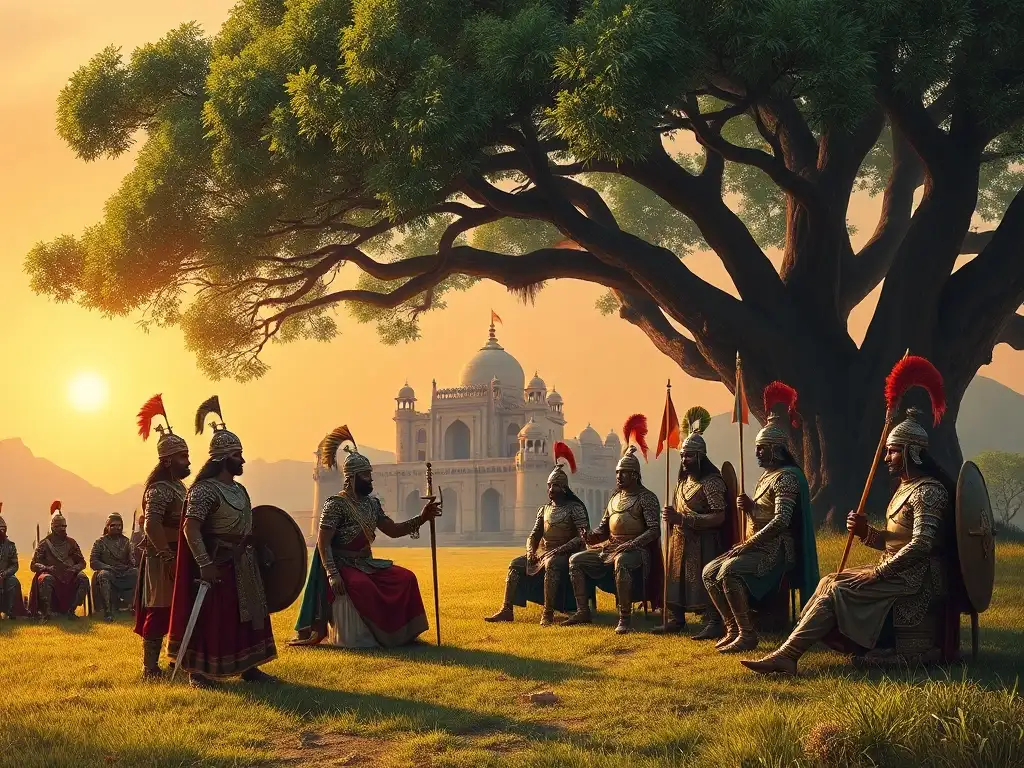
Influential Leaders and Their Military Reforms
The transition from feudal to centralized military structures in ancient India was significantly influenced by several key leaders whose reforms laid the groundwork for stronger, more cohesive military organizations. Among these influential figures, Chandragupta Maurya and Samudragupta stand out for their strategic innovations and military advancements.
- Chandragupta Maurya:
- Unification of India: Chandragupta is credited with the unification of various small kingdoms into a centralized state. He established the Maurya Empire around 322 BCE.
- Military Organization: He transformed the military structure by creating a standing army, which was a departure from the feudal system where local lords maintained their own forces. This shift allowed for greater control and efficiency in military operations.
- Use of Elephants: Chandragupta effectively utilized war elephants in his campaigns, which provided a significant advantage in battles. His military innovations emphasized the importance of logistics and supply chains.
- Samudragupta:
- Expansionist Policies: Known as the "Indian Napoleon," Samudragupta expanded the Maurya Empire through a series of successful military campaigns across northern India.
- Cavalry and Infantry: He restructured the army by increasing the proportion of cavalry and infantry, which allowed for more versatile and mobile military units.
- Administrative Reforms: Samudragupta's focus on centralized administration helped streamline military operations, ensuring that resources were efficiently allocated to support military endeavors.
Case Studies of Prominent Empires: Maurya and Gupta
The Maurya and Gupta Empires serve as prime examples of how centralized military structures evolved in ancient India, showcasing different strategies and organizational frameworks that defined their military effectiveness.
| Empire | Period | Key Features of Military Structure |
|---|---|---|
| Maurya | 322 - 185 BCE | - Standing army - Use of war elephants - Centralized command under Chandragupta and Samudragupta |
| Gupta | 320 - 550 CE | - Decentralized administration with local generals - Focus on cavalry and archery - Integration of local militias |
- Maurya Empire:
- Centralized Command: The Mauryan military was characterized by a highly centralized command structure, which facilitated quick decision-making and mobilization of troops across the vast empire.
- Diverse Forces: The army included infantry, cavalry, and war elephants, each playing a pivotal role in the empire's military strategies. The Mauryan military could adapt to various combat scenarios, from open-field battles to sieges.
- Gupta Empire:
- Decentralization: In contrast to the Mauryas, the Gupta Empire adopted a more decentralized approach. While the central government maintained control, local generals were given significant autonomy to manage regional military forces.
- Cavalry Dominance: The Gupta military relied heavily on cavalry, which provided them with the agility needed to engage in rapid warfare. Archery was also emphasized, with archers forming an integral part of the Gupta army.
- Integration of Local Forces: The Gupta Empire often incorporated local militias into their military framework, allowing them to leverage regional knowledge and loyalty, further enhancing their military capabilities.
Through these case studies, we can observe how military structures evolved from a feudal system of localized forces to a more centralized and organized military framework under the Maurya and Gupta Empires, ultimately shaping the trajectory of ancient Indian military history.
Comparison of Feudal and Centralized Military Structures
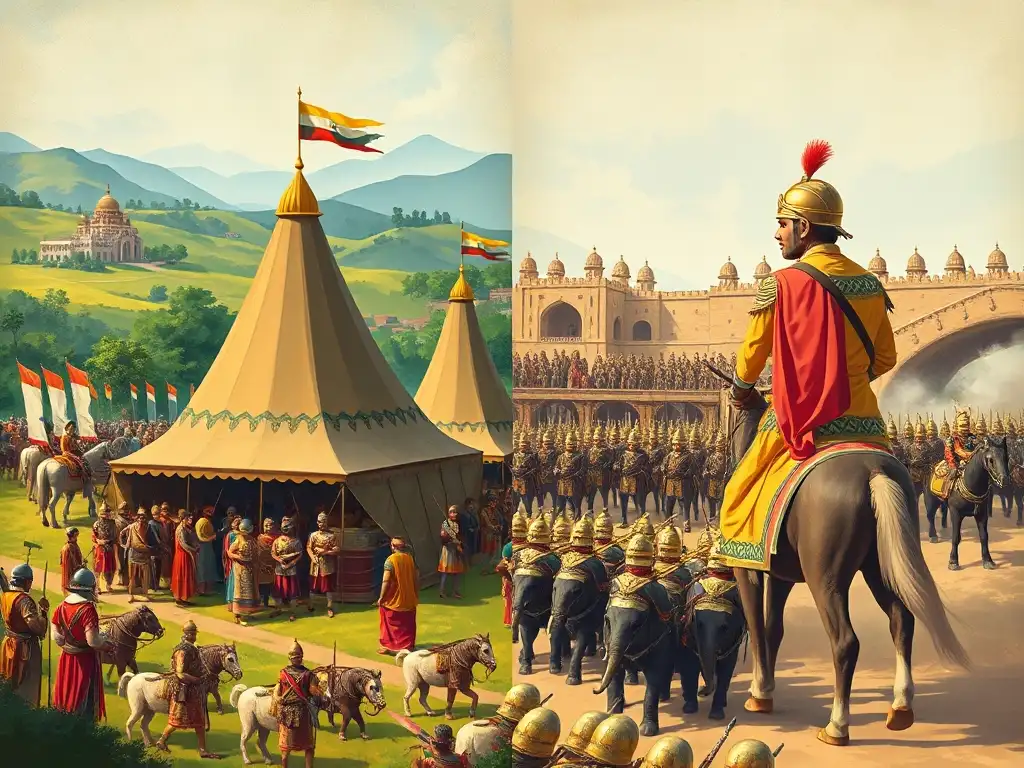
The transition from feudal to centralized military structures in ancient India marks a significant evolution in the organization and strategy of warfare. This shift, primarily observed during the rise of empires such as the Maurya and Gupta, fundamentally altered how armies were structured, governed, and deployed in various military campaigns. Here, we compare the two systems to better understand their characteristics and implications.
Differences in Military Organization and Strategy
In ancient India, feudal military structures were characterized by a decentralized approach. Local rulers, or zamindars, maintained their own armies, often composed of warriors loyal to them and their families. The key features of this system included:
- Loyalty to Local Lords: Soldiers were often motivated by personal loyalty to their feudal lords rather than a centralized authority.
- Diverse Forces: Each feudal lord commanded a unique mix of infantry, cavalry, and war elephants, reflecting local resources and traditions.
- Limited Coordination: Military campaigns often lacked strategic coherence, as local leaders would act independently, sometimes conflicting with one another.
In contrast, centralized military structures emerged with powerful empires that established a unified command. Key aspects of this system included:
- State-Controlled Armies: The central authority, such as a king or emperor, directly controlled the military forces, fostering loyalty to the state.
- Standardization of Forces: Centralized armies often featured standardized training, equipment, and tactics, leading to more effective military operations.
- Strategic Coordination: A unified command allowed for coordinated military campaigns, optimizing resource allocation and strategic planning.
Advantages and Disadvantages of Each Military Structure
The effectiveness of feudal and centralized military structures can be analyzed through their respective advantages and disadvantages.
Feudal Military Structures
Advantages:
- Local Knowledge: Feudal lords often had intimate knowledge of their territories, allowing for effective local defense.
- Rapid Mobilization: Local armies could be raised quickly in response to threats, as they were readily available within a lord's domain.
Disadvantages:
- Fragmentation: Lack of coordination could lead to ineffective military campaigns, undermining collective defense efforts.
- Variable Loyalty: Loyalty to local lords could be fickle, leading to potential betrayals or conflicts of interest among feudal leaders.
Centralized Military Structures
Advantages:
- Unified Command: Centralized structures allowed for strategic coherence, enhancing the effectiveness of military campaigns.
- Resource Efficiency: Central control facilitated better allocation of resources, logistics, and troop movement.
Disadvantages:
- Bureaucratic Delays: The centralized decision-making process could slow down responses to emerging threats.
- Overextension Risks: Large centralized armies could become overextended, making them vulnerable to local uprisings or guerilla tactics.
Impact on Warfare and Territorial Expansion
The shift from feudal to centralized military structures had profound implications for warfare and territorial expansion in ancient India.
- Expansion of Empires: Centralized militaries, such as those of the Maurya and Gupta empires, were able to launch extensive campaigns, effectively expanding their territories across vast regions. The use of standardized military units allowed for effective conquest and control over newly acquired lands.
- Development of Military Technology: Centralized states invested in the development of military technology and tactics, leading to innovations such as the use of war elephants, advanced archery techniques, and coordinated infantry-cavalry maneuvers.
- Cultural Integration: The success of centralized military campaigns facilitated the integration of diverse cultures and communities, laying the groundwork for the cultural and economic exchange that characterized ancient Indian civilization.
The transition from feudal to centralized military structures in ancient India not only transformed military organization and strategy but also significantly influenced the course of Indian history through enhanced warfare capabilities and territorial expansion.
The Legacy of Centralized Military Structures in Ancient India
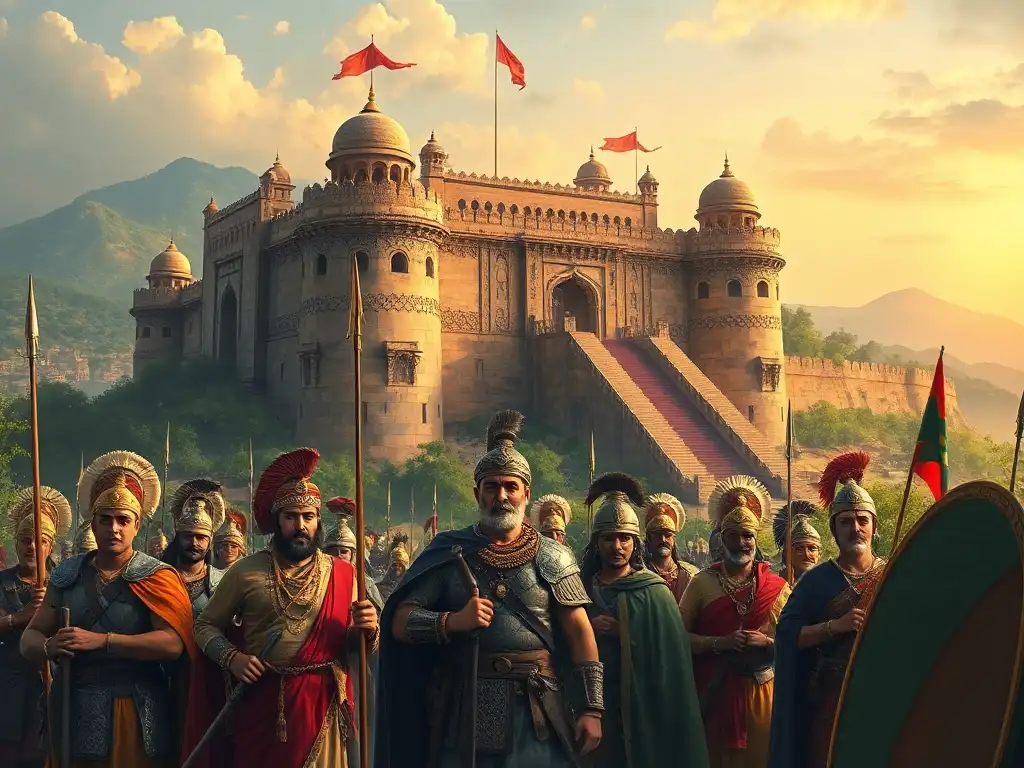
The transition from feudal to centralized military structures in ancient India marked a significant evolution in the region's military organization, strategy, and effectiveness. This transformation not only enhanced the operational capabilities of the armies but also laid the groundwork for enduring military legacies that influenced future generations. Centralized military structures allowed for more cohesive command, better resource allocation, and improved training standards, which ultimately contributed to the success of various empires, including the Maurya and Gupta dynasties.
Influence on Successor States and Future Military Developments
The centralized military structures established during the Maurya Empire had a profound influence on the subsequent states in ancient India. The principles of organization, strategy, and administration adopted during this period became templates for later military structures.
- Standardization of Troops: The Mauryan military was characterized by a well-defined hierarchy and the standardization of troop types. This included infantry, cavalry, and war elephants, which were organized into units that could be deployed effectively. Successor states, such as the Shunga and later the Gupta Empire, inherited and adapted these structures, leading to enhanced military efficiency.
- Military Innovation: The emphasis on a centralized authority fostered an environment conducive to military innovation. Techniques and tactics developed during the Mauryan period, such as coordinated attacks and the use of siege warfare, were further refined by later states. For instance, the Gupta military was known for its cavalry maneuvers and the effective use of archers, showcasing the evolution of battlefield tactics rooted in earlier centralized practices.
- Integration of Regional Forces: The ability to integrate local forces into a central command structure was a hallmark of the Mauryan military. This practice continued in later empires, allowing for the incorporation of diverse regional troops into a cohesive fighting force. The Gupta Empire, for instance, effectively utilized local militias alongside its standing army, creating a robust military presence across its territories.
- Administrative Framework: The administrative practices developed during the centralization of military structures laid the groundwork for governance. This included revenue collection to support military campaigns and the establishment of supply lines, which became crucial for sustaining large armies. Such administrative innovations influenced future states, ensuring that military needs were prioritized within the broader framework of governance.
Overall, the legacy of centralized military structures in ancient India served as a foundation for military organization and strategy in the subcontinent, shaping the dynamics of warfare for centuries to come.
The Contribution of Ancient Indian Military Structures to Global Military History
Ancient Indian military structures, particularly during the periods of centralized authority, made significant contributions to global military history. These influences extended beyond the subcontinent and impacted military practices in various regions.
- War Elephants: One of the most notable contributions from ancient Indian military structures was the use of war elephants. Employed effectively by the Mauryas and later by other Indian dynasties, war elephants became a formidable element in military engagements. Their impact was felt across Asia, influencing military tactics in regions such as Southeast Asia and even in the armies of Alexander the Great, who encountered Indian war elephants during his campaigns.
- Military Manuals and Treatises: Ancient Indian texts, such as the Arthashastra attributed to Kautilya (Chanakya), provided insights into military strategy, statecraft, and governance. This work, along with others, contributed to the corpus of military literature that informed military thought globally. The strategic principles outlined in these texts influenced not only Indian rulers but also military leaders in other civilizations, including those in Persia and beyond.
- Cavalry Tactics: The evolution of cavalry units within Indian military structures contributed to the development of mounted warfare. The integration of cavalry with infantry and the effective use of flanking maneuvers were practices that were later adopted by various cultures. The Gupta Empire, known for its cavalry, demonstrated how these tactics could be employed to great effect, influencing military strategies in regions such as Central Asia and the Middle East.
- Siege Warfare: The advancements in siege warfare techniques developed during ancient Indian conflicts had lasting implications. The use of fortified cities and the strategies employed to breach defenses were studied and adapted by various civilizations. This knowledge contributed to the evolution of military architecture and siege tactics in other parts of the world.
The ancient Indian military structures not only shaped the subcontinent's warfare and governance but also contributed significantly to global military history. Their innovations, strategies, and practices resonated throughout various cultures, leaving an indelible mark on the evolution of military thought and organization worldwide.
Conclusion: The Significance of Military Evolution in Ancient India
The transition from feudal to centralized military structures in ancient India marks a pivotal evolution in the region's military history. This shift not only reshaped the way armies were organized and deployed but also influenced the socio-political landscape of the time. By moving away from localized feudal lords commanding their own troops, ancient Indian civilizations began to centralize military power under a singular authority. This transition facilitated more coordinated and effective military campaigns, allowing for greater territorial expansion and enhanced defense against invasions.
Centralized military structures fostered the development of professional standing armies, which were more disciplined and better equipped than their feudal counterparts. The establishment of a centralized command hierarchy led to improved logistics, strategic planning, and resource allocation, enabling rulers to respond more effectively to threats. The evolution of military tactics and the incorporation of advanced weaponry, such as the use of cavalry and war elephants, further exemplified this transformation, showcasing the dynamic nature of ancient Indian military structures.
Reflections on the Transition from Feudalism to Centralization
The shift from feudalism to centralized military structures in ancient India can be traced through several critical periods of history, each characterized by unique challenges and responses. The decline of the Indus Valley Civilization, followed by the rise of regional kingdoms, set the stage for feudalism. During this era, local chieftains and tribal leaders maintained control over their territories, leading to a fragmented military landscape where loyalty was often personal rather than institutional.
However, as larger empires began to emerge, such as the Mauryan Empire under Chandragupta Maurya, the need for a more cohesive military system became apparent. The Mauryan Empire's success was partly attributed to its ability to centralize military power, standardize training, and implement innovative strategies. This model influenced subsequent empires, including the Gupta Empire, which perfected the organization of its military forces.
Key aspects of this transition include:
- Institutionalization of Military Roles: The establishment of permanent military ranks and roles, which replaced the ad-hoc arrangements of feudal armies.
- Standardization of Equipment: Development and distribution of standardized weapons and armor, leading to uniformity in military capabilities.
- Centralized Training: Creation of military academies and structured training programs, which improved soldier preparedness and tactical effectiveness.
This transition not only strengthened the military but also contributed to the consolidation of political power, enabling rulers to exert control over larger territories and diverse populations.
Lasting Impacts on Modern Military Concepts and Structures
The evolution of ancient Indian military structures has left an indelible mark on modern military concepts and systems. The centralized approach to military organization laid the groundwork for many contemporary practices, including:
- Professional Armies: The idea of a standing army, as opposed to a conscripted force, can be traced back to ancient Indian advancements in military organization. Modern military forces often emphasize professionalism, discipline, and specialized training.
- Logistics and Supply Chains: The efficient management of resources, a hallmark of centralized military operations in ancient India, is crucial in today’s military logistics. The ability to mobilize forces effectively and maintain supply lines remains a cornerstone of military success.
- Strategic Command Structures: The hierarchical command systems established during the transition to centralized military structures are mirrored in modern military organizations, which rely on clear lines of authority and communication.
- Military Innovations: The incorporation of new technologies and tactics, such as the use of war elephants and cavalry, reflects a broader trend in military history where adaptation and innovation are vital for success.
The transition from feudal to centralized military structures in ancient India not only revolutionized the military landscape of the time but also set foundational principles that resonate in modern military practices. Understanding this evolution provides valuable insights into the complexities of military history, illustrating how ancient Indian military structures have shaped contemporary warfare and defense strategies.
Frequently Asked Questions
What were the key features of ancient Indian military structures?
Ancient Indian military structures were characterized by hierarchical organization, varied troop types, and strategic fortifications. These features evolved from feudal systems to more centralized forms during different empires.
How did the transition from feudal to centralized military structures occur?
The transition involved the consolidation of power by rulers who sought to unify their territories, leading to the establishment of standing armies and more efficient logistics. This was particularly evident during the rise of the Gupta Empire.
What role did technology play in ancient Indian military advancements?
Technology such as the development of chariots, siege engines, and weaponry significantly enhanced the effectiveness of armies. Innovations contributed to the centralization of military forces and improved tactics.
How did cultural factors influence military structures in ancient India?
Cultural factors, including religion, tradition, and social organization, shaped military practices and structures. The integration of these elements often determined the loyalty and motivation of soldiers.
What were the contributions of ancient Indian military strategies to warfare?
Ancient Indian military strategies, such as guerrilla tactics and the use of elephants in battle, significantly influenced warfare. These contributions showcased the diversity and innovation in ancient Indian military practices.
Final Reflection: The Evolution of Ancient Indian Military Structures
The transition from feudal to centralized military structures in ancient India is not merely a historical phenomenon; it is a testament to the resilience and adaptability of societies in response to changing political landscapes. As we navigate the complexities of modern governance and military organization, understanding these ancient frameworks offers invaluable insights into how power dynamics shape military effectiveness and societal cohesion. The lessons drawn from this evolution are as relevant today as they were centuries ago, reminding us that the structures we build must be flexible enough to meet the challenges of their time.
The impact of these military transformations extends beyond the battlefield; it has profoundly influenced the cultural and social fabric of India. The shift towards centralized military structures not only enhanced the efficiency of warfare but also fostered a sense of unity and identity among diverse groups. This historical evolution underscores how military organization can reflect and shape societal values. As noted by historian Romila Thapar, The military is not just an instrument of war; it is a reflection of the society that creates it.
This observation invites us to consider how our contemporary military and governance structures mirror our current societal values and aspirations.
As we reflect on the lessons from ancient Indian military structures, I invite you to consider how these insights can inform our present and future. What can we learn from the past to create more cohesive and adaptive systems today? The evolution of military structures teaches us that change is not only inevitable but also essential for growth. Let us embrace this understanding and apply it to our own lives, fostering resilience and adaptability in the face of challenges, just as ancient societies did.
Uncover the Power of Ancient Transformation!
Thank you for diving into the fascinating journey from feudal to centralized military structures in Ancient India! You've gained valuable insights into how these shifts shaped the socio-political landscape of the time. Now, it's your turn to take action and explore further!
- Dive Deeper: Investigate how these historical transformations influence modern military strategies. Consider exploring more scholarly articles or books on the subject!
- Share Your Insights: Engage with fellow history enthusiasts by sharing this article on social media—initiate a discussion about the implications of military centralization within your community!
- Join the Conversation: Connect with us at Ancient India History. Subscribe to our newsletter for more intriguing historical content and participate in our discussion forum to exchange thoughts with like-minded individuals.
Which aspect of the military transition intrigues you the most, and how do you believe it resonates with today's military structures?