
Rituals of the Rulers: Royal Ceremonies in Ancient Indian Kingdoms

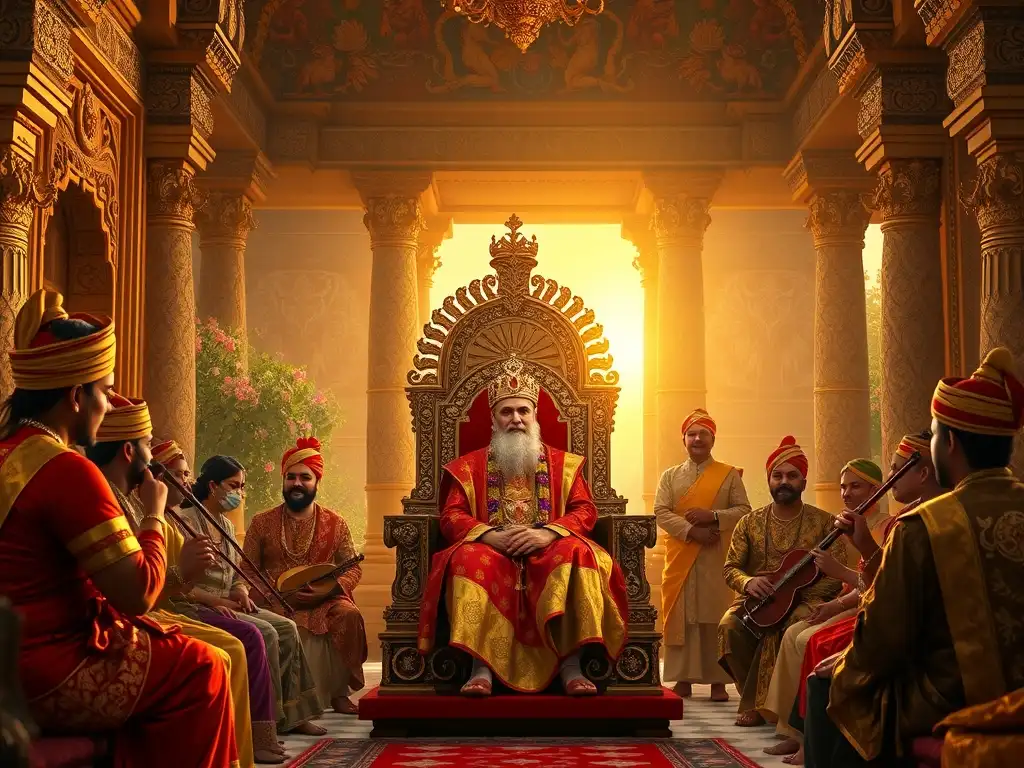
Welcome to Ancient India History, where we embark on a fascinating journey through the rich tapestry of ancient Indian civilizations. In this captivating exploration, we delve into the grandeur and significance of royal ceremonies in ancient India, uncovering the rituals that defined the lives of rulers and shaped the cultural landscape of their kingdoms. From the majestic Indus Valley to the illustrious Gupta Empire, join us as we unravel the traditions that celebrated power, prosperity, and spirituality. Prepare to be intrigued and inspired—your adventure into the past begins now!
- Introduction to Royal Ceremonies in Ancient India
- Historical Background of Royal Ceremonies
- Types of Royal Ceremonies in Ancient Indian Kingdoms
- Elements and Symbols in Royal Ceremonies
- Regional Variations in Royal Ceremonies
- Famous Royal Ceremonies and Their Impact
- Conclusion: Legacy of Royal Ceremonies in Ancient India
- Further Reading on Royal Ceremonies in Ancient India
-
Frequently Asked Questions
- What are royal ceremonies in ancient India?
- Why were rituals important for rulers in ancient Indian kingdoms?
- What types of rituals were commonly performed during royal ceremonies?
- How did royal ceremonies reflect the culture of ancient India?
- Can you provide an example of a significant royal ceremony in ancient India?
- Final Reflection: The Enduring Legacy of Royal Ceremonies in Ancient India
- Unveil the Grandeur of Ancient Royal Rituals!
Introduction to Royal Ceremonies in Ancient India
The history of ancient India is a tapestry woven with intricate threads of culture, tradition, and governance, where each kingdom celebrated its unique identity through lavish royal ceremonies. These rituals not only served as a means of showcasing the power and influence of rulers but also played a pivotal role in reinforcing societal values, political alliances, and cultural heritage. In this exploration of royal ceremonies in ancient India, we will delve into the ceremonial practices that adorned the courts of mighty empires, from the grandeur of the Indus Valley civilization to the sophistication of the Gupta Empire.
Overview of Ancient Indian Kingdoms
Ancient India was home to a multitude of kingdoms, each contributing to the rich mosaic of its history. Notable among them were:
- Indus Valley Civilization (c. 3300–1300 BCE): Renowned for its urban planning and advanced societal structures, the Indus Valley also had its unique ceremonial practices, although much remains unknown due to the undeciphered script.
- Maurya Empire (c. 322–185 BCE): Under the leadership of Chandragupta Maurya and later Ashoka, this empire saw grand ceremonies that included the Ashoka Pillars and various religious gatherings promoting Buddhism.
- Gupta Empire (c. 320–550 CE): Often referred to as the Golden Age of India, the Gupta period was marked by flourishing arts, sciences, and elaborate royal ceremonies that celebrated both state and religion.
These kingdoms not only thrived on trade and territorial expansion but also on the cultural richness that their royal ceremonies embodied, showcasing their values, beliefs, and aspirations.
Importance of Royal Ceremonies in Cultural Context
Royal ceremonies in ancient India were monumental events that transcended mere festivities; they were deeply entrenched in the cultural fabric of society. These rituals served several critical functions:
- Legitimization of Power: Ceremonies often reinforced the divine right of kings, depicting them as chosen by the gods. For instance, the Rajasuya ceremony was a significant event where a king would establish his sovereignty and seek divine blessings.
- Cultural Identity: Through various rituals, kingdoms expressed their unique cultural identities. This was evident in festivals, coronations, and funerary rites, which varied significantly from one region to another.
- Political Alliances: Many ceremonies were occasions for forging alliances and strengthening diplomatic ties. Marriages between royal families were often celebrated with grand ceremonies, symbolizing unity and peace among rival kingdoms.
- Religious Significance: Many royal ceremonies were intertwined with religious practices, reflecting the belief systems of the time. The patronage of temples and participation in rituals often showcased the ruler's devotion and helped consolidate their authority.
Royal ceremonies in ancient India were vital in shaping the political and cultural landscape, echoing the values and aspirations of the societies they represented. As we delve deeper into the specifics of these ceremonies, we will uncover the intricate details and significance behind each ritual, revealing how they shaped the history of ancient Indian kingdoms.
Historical Background of Royal Ceremonies
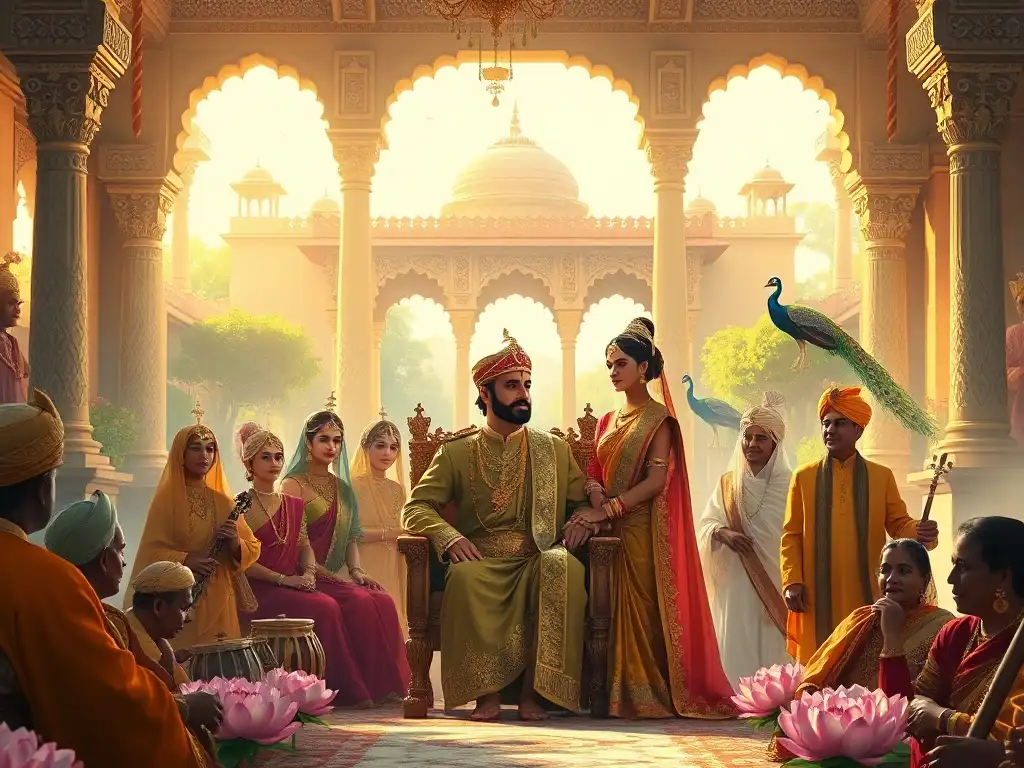
The history of royal ceremonies in ancient India is deeply intertwined with the socio-political and cultural fabric of the time. These ceremonies served not only as a means of legitimizing the ruler's authority but also as a reflection of the rich traditions and beliefs held by the people. From the majestic courts of the Maurya dynasty to the opulent reign of the Gupta Empire, royal ceremonies evolved to encapsulate the values and aspirations of different eras.
Royal ceremonies were often elaborate events that showcased the wealth and power of the kingdom. They included coronations, marriages, and various public festivals, each with its unique significance and rituals. These events were meticulously planned, involving priests, musicians, dancers, and artisans, all contributing to the splendor of the occasion. The ceremonial practices would often draw from ancient texts and local customs, emphasizing the rulers' connection to the divine and their role as protectors of dharma (moral order).
Evolution of Rituals in Ancient India
The evolution of rituals in ancient India can be traced back to the Vedic period, where the foundations of many ceremonial practices were laid. During this time, rituals were primarily linked to religious observances and agricultural cycles. As kingdoms began to form and evolve, so did the ceremonies associated with their rulers.
- Vedic Rituals: Early rituals involved sacrifices (yajnas) dedicated to various deities, which were believed to ensure prosperity and stability for the kingdom. The Brahmanas, texts associated with the Vedas, detail these rituals and their significance in ancient society.
- Maurya Dynasty Influence: The rise of the Maurya Empire marked a significant shift in royal ceremonies. Emperor Ashoka, known for his embrace of Buddhism, incorporated religious elements into state functions, emphasizing moral governance and the welfare of his subjects.
- Gupta Empire Flourishing: The Gupta period saw a renaissance in art, literature, and philosophy, which influenced royal ceremonies. Rulers like Chandragupta II utilized grand celebrations, such as the installation of deities, to reinforce their divine right to rule and to foster unity among diverse populations.
Throughout the centuries, royal ceremonies became more elaborate, often combining local traditions with overarching themes of power and divinity. The use of symbolism, such as the chariot representing the ruler’s journey, became a central element in these rituals.
Influence of Religion on Royal Ceremonies
Religion played a crucial role in shaping royal ceremonies in ancient India. The interplay between state and religion created a platform where ceremonial practices served both spiritual and political purposes.
- Divine Legitimacy: Rulers often claimed divine sanction for their authority, linking their reign to the favor of gods. This connection was manifested in various ceremonies, where rituals such as abhisheka (anointing ceremony) were performed to sanctify the ruler’s position.
- Integration of Local Beliefs: As kingdoms expanded and absorbed diverse cultures, royal ceremonies began integrating local religious practices. For example, in South India, Tamil kings would often participate in rituals honoring local deities, thereby legitimizing their rule among the populace.
- Festivals as Ceremonial Platforms: Major festivals, such as Pongal and Maha Shivaratri, provided opportunities for rulers to showcase their generosity and piety. These occasions often included public feasts, processions, and the distribution of gifts, reinforcing the ruler's image as a protector and benefactor.
- Art and Architecture: The influence of religion on royal ceremonies is also evident in the art and architecture of the time. Temples constructed during various dynasties often served as venues for royal rituals, symbolizing the merger of political and spiritual authority.
The influence of religion on royal ceremonies in ancient India cannot be overstated. These rituals were not merely ceremonial acts but were essential in shaping the identity and legitimacy of rulers, reflecting the intricate tapestry of beliefs and traditions that characterized ancient Indian civilization.
Types of Royal Ceremonies in Ancient Indian Kingdoms
Coronation Ceremonies
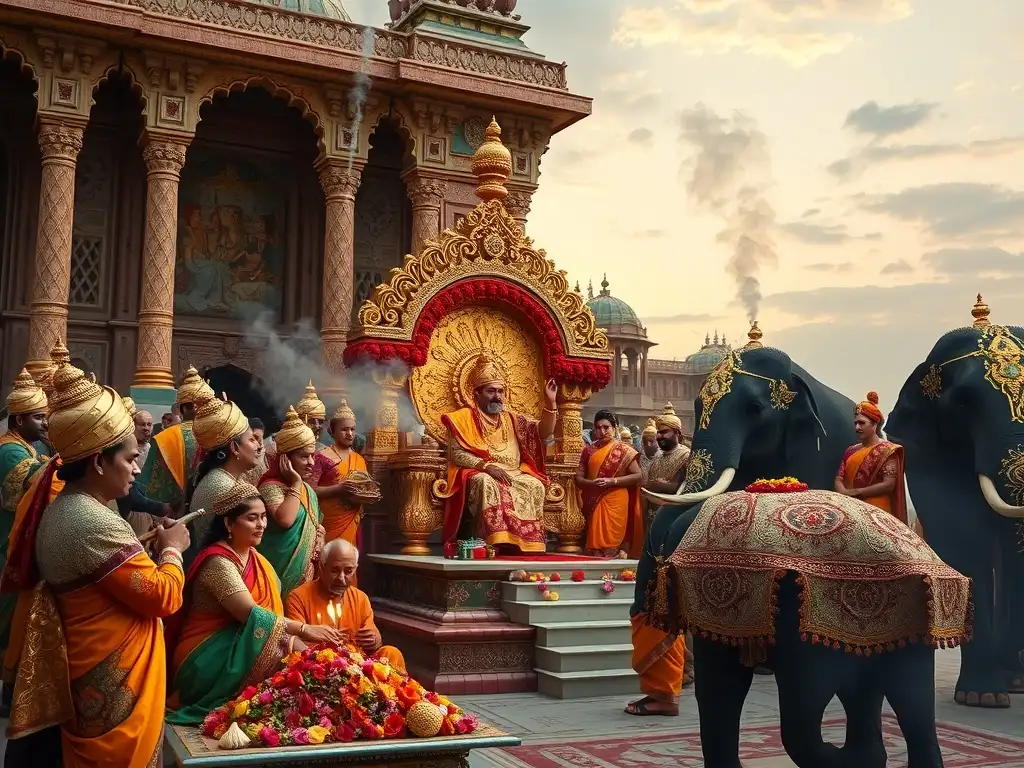
Coronation ceremonies in ancient India were grand and elaborate, often marked by intricate rituals that symbolized the divine right of kings to rule. These ceremonies were not merely formalities; they represented a significant transition in power and status, serving as a public declaration of the ruler’s legitimacy. The coronation involved multiple stages, each imbued with deep cultural and religious meanings.
Significance of the Coronation Ritual
The coronation ritual was pivotal in establishing a king's authority and divine sanction. It typically included the following components:
- Purification and Blessings: The king would undergo a purification process, often involving sacred baths and offerings to deities, which were believed to cleanse him of sins and empower him for his new role.
- Presentation of Symbols of Power: The ruler was adorned with royal insignia, including crowns, scepters, and ceremonial garments. Each item signified different aspects of kingship, such as justice, strength, and wisdom.
- Anointment with Sacred Waters: In many rituals, the king was anointed with holy waters or oils, often drawn from sacred rivers, symbolizing the blessings of the gods and the people's support.
This ceremony not only affirmed the ruler's status but also reinforced the social order, aligning the monarchy with religious beliefs and the cosmos.
Notable Coronation Events in History
Several coronation ceremonies stand out in ancient Indian history due to their grandeur and the impact they had on subsequent events:
- The Coronation of Chandragupta Maurya: This event marked the rise of the Maurya Empire, with Chandragupta being anointed by the famous sage Chanakya. The ceremony was a blend of political strategy and religious significance, laying the foundation for a vast empire.
- Ashoka's Coronation: Ashoka the Great, known for his conversion to Buddhism, had a notable coronation that emphasized moral governance. His reign was characterized by the promotion of dharma (righteousness), which was reflected in his coronation rituals.
- The Coronation of Vikramaditya: Famous for his wisdom and valor, Vikramaditya's coronation included an assembly of scholars and poets, highlighting the cultural importance of the event.
These ceremonies were pivotal moments that not only celebrated the ruler but also shaped the political landscape of ancient India.
Marriage Ceremonies of Royals
Marriage ceremonies among royals in ancient India were not just personal unions but also strategic alliances that could determine the fate of kingdoms. These ceremonies were rich in traditions and often involved elaborate rituals that reflected the cultural heritage of the period.
Rituals and Traditions in Royal Weddings
Royal weddings were characterized by a series of rituals that were both grand and symbolic. Key aspects included:
- Sangeet and Mehendi: Pre-wedding festivities often involved music and dance (Sangeet) and the application of henna (Mehendi), celebrating the union with joy and vibrancy.
- Kanyadaan: A pivotal moment in the wedding, the Kanyadaan involved the bride’s father giving her away to the groom, symbolizing the transfer of responsibility.
- Agni Parikrama: The couple would circle a sacred fire (Agni), making vows and promises to each other, a ritual that emphasized the sanctity of their union.
These rituals reinforced familial bonds and social ties, ensuring that the marriages were not only personal but also politically advantageous.
Famous Royal Marriages in Ancient India
Throughout history, several royal marriages have left a lasting impact on the socio-political landscape of ancient India:
- The Marriage of Prithviraj Chauhan and Samyukta: This union was not only a love story but also a tale of valor, with Samyukta famously eloping with Prithviraj, defying her father's wishes. Their marriage symbolized the spirit of resistance against oppression.
- Akbar and Jodha Bai: This alliance between the Mughal Emperor Akbar and Rajput princess Jodha Bai is well-documented, emphasizing the syncretism of Mughal and Rajput cultures. Their marriage is often credited with fostering peace and cooperation between the two communities.
- The Marriage of Chola King Rajendra I: Rajendra I's marriages were strategic, aimed at consolidating power across South India and beyond. His unions with various princesses helped expand the Chola influence and establish diplomatic ties.
These marriages exemplified how royal ceremonies in ancient India were intricately woven into the fabric of political strategy and cultural identity.
Festivals and Annual Celebrations
Festivals and annual celebrations in ancient Indian kingdoms held significant importance not only as religious observances but also as grand displays of royal power and prestige. These events were meticulously planned and often involved elaborate rituals, music, dance, and feasting, serving to reinforce the social hierarchy and the divine right of kings. Festivals allowed rulers to connect with their subjects, showcasing their wealth and generosity while reinforcing their role as protectors of tradition and culture.
During these celebrations, the presence of the ruling elite was essential; their participation was believed to bring blessings and prosperity to the land. Festivals often coincided with agricultural cycles, such as harvests, ensuring that the community's well-being was intertwined with royal favor. As such, these ceremonies acted as a bridge between the monarchy and the populace, fostering loyalty and unity within the kingdom.
Connection Between Festivals and Royal Ceremonies
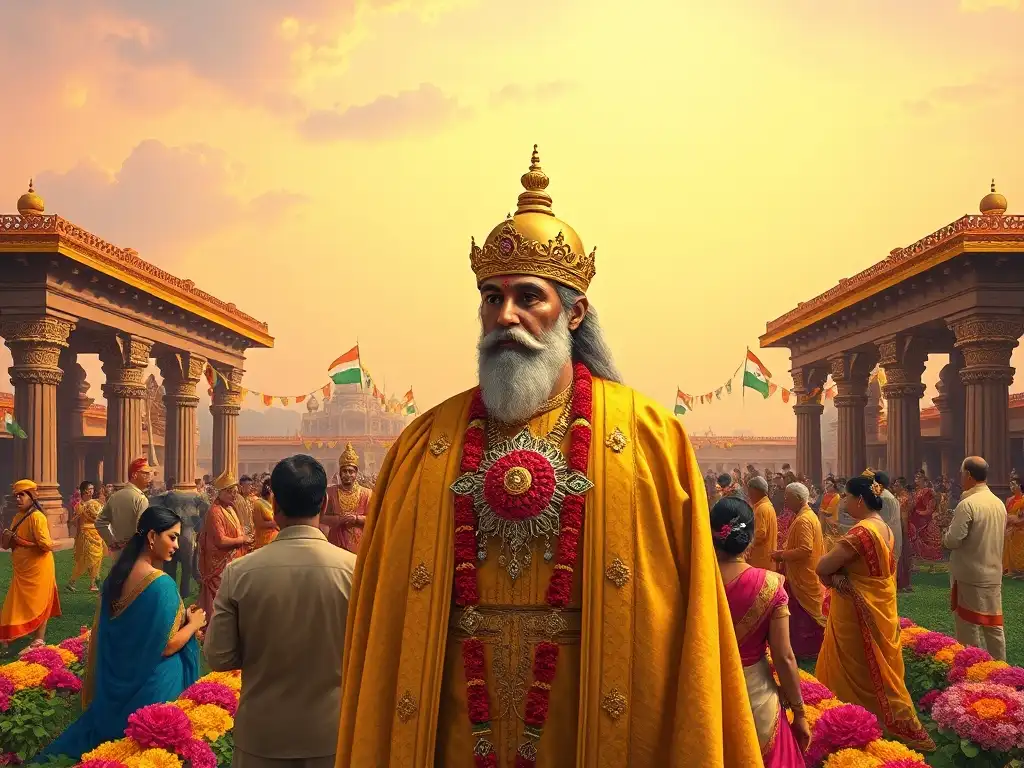
The connection between festivals and royal ceremonies in ancient India is deeply rooted in the cultural and religious fabric of the time. Royal ceremonies often emerged from the rich tapestry of festivals, with many rituals specifically designed to elevate the status of the ruler during these occasions. The monarch's role as a divine figure was emphasized during festivals, with ceremonies reflecting the belief that the king was a representative of the gods on Earth.
For instance, during major festivals, rulers would often make public appearances, conduct rituals, and offer sacrifices to deities, symbolizing their commitment to maintaining dharma (righteousness) and ensuring the welfare of their subjects. This created a powerful association between the king and the cosmic order, as the successful performance of these rituals was believed to directly influence the prosperity of the kingdom.
Moreover, festivals provided a platform for showcasing the wealth and splendor of the royal court. Elaborate decorations, luxurious garments, and sumptuous feasts were commonplace, designed to impress both the populace and visiting dignitaries. This connection between festivals and royal ceremonies not only enriched the cultural landscape of ancient India but also solidified the ruler's position at the center of societal life.
Key Festivals Celebrated by Rulers
Several key festivals celebrated by rulers in ancient India showcased the interplay of governance, culture, and spirituality. These festivals often included unique rituals and ceremonies that highlighted the monarch's role within society.
- Diwali: Known as the Festival of Lights, Diwali was celebrated by many ancient Indian kingdoms. Rulers participated in lighting lamps and fireworks, symbolizing the victory of light over darkness and good over evil. It was also a time for distributing alms to the needy, reinforcing the king's image as a benevolent leader.
- Holi: This vibrant festival of colors often involved royal participation in communal celebrations. Rulers would join their subjects in playful color throwing, emphasizing unity and joy. Holi also marked the arrival of spring, and its celebration included various rituals to ensure a bountiful harvest.
- Maha Shivaratri: Dedicated to Lord Shiva, this festival saw rulers engaging in night-long vigils and rituals. The king's devotion was publicly displayed through offerings and prayers, further reinforcing the connection between the monarchy and divine favor.
- Navaratri: Celebrated over nine nights, this festival honored the goddess Durga. Royal families would conduct elaborate pujas (worship) and host grand gatherings, showcasing their devotion and reinforcing their status as protectors of the dharma.
- Chhath Puja: Though primarily a festival of the sun god, rulers would often engage in this celebration to demonstrate their gratitude and connection to nature. Ceremonies included fasting, singing, and offering prayers at riverbanks, with the king’s participation seen as vital for the prosperity of the land.
These festivals and the accompanying royal ceremonies highlight the intricate relationship between spirituality, culture, and governance in ancient Indian kingdoms, showcasing the rulers' roles as both political and spiritual leaders.
Elements and Symbols in Royal Ceremonies
Royal ceremonies in ancient India were steeped in symbolism and meaning, with various elements and symbols playing crucial roles in the rituals conducted by the rulers. These ceremonies not only showcased the power and authority of the kings but also served to reinforce the divine right and legitimacy of their rule. Below are some of the key elements and symbols that were integral to these royal ceremonies.
Sacred Objects Used in Royal Rituals
In the context of royal ceremonies, sacred objects held significant importance. They were often imbued with religious and cultural meanings, serving as conduits for the divine blessings and authority. Some of the most notable sacred objects included:
- Yajnashala (Altar): Central to many rituals, the Yajnashala was the sacred fire altar where offerings were made to deities. This ritualistic fire was believed to purify the surroundings and invoke divine presence.
- Kalash (Pot): The Kalash, often filled with water and adorned with mango leaves, symbolized abundance and prosperity. It was placed at the ceremony's site as an offering to deities.
- Shankha (Conch Shell): The blowing of the Shankha was a significant event in royal ceremonies. It signified the start of rituals and was believed to ward off evil spirits, while also announcing the presence of royalty.
- Diksha Patra (Initiation Vessel): Used during the initiation of young princes, this vessel contained sacred items that were essential for their training and rites of passage.
These sacred objects were meticulously prepared and handled, often by priests or ritual specialists, to ensure the ceremonies' sanctity and effectiveness.
Attire and Decorations of Royalty
The attire and decorations worn by rulers during royal ceremonies were not just a matter of aesthetics; they were laden with cultural and historical significance. The following elements illustrate the grandeur associated with royal attire:
- Royal Robes: Kings adorned themselves in elaborate garments made from fine fabrics such as silk and brocade. These robes were often intricately embroidered with gold and silver threads, signifying wealth and power.
- Jewelry: Heavy and ornate jewelry was a hallmark of royal attire. Crowns (Mukutas), necklaces, and armlets made of precious stones and metals were not only decorative but also served to demonstrate the ruler's divine status.
- Face Paint and Body Art: In many ancient cultures, rulers would adorn their bodies with intricate designs, often using natural dyes. This practice was believed to enhance their status and protect them from malevolent forces.
- Footwear: Royal footwear, often embellished with jewels and intricate designs, was a reflection of the ruler's high status. The manner in which a king entered a ceremonial space was carefully choreographed to highlight his significance.
Role of Music and Dance in Ceremonies
Music and dance were integral components of royal ceremonies, elevating the atmosphere and enriching the ritual experience. The following aspects highlight their importance:
- Traditional Instruments: Instruments such as the Veena, Dholak, and Flute played a significant role in creating the ceremonial ambiance. Music was specifically composed for these events to invoke divinity and celebrate the ruler's achievements.
- Chants and Mantras: The recitation of sacred chants and mantras by priests was essential in royal ceremonies. These invocations sought blessings from deities, ensuring the ruler's prosperity and success in governance.
- Dance Forms: Classical dance forms, such as Bharatanatyam and Odissi, were often performed at royal ceremonies. These dances narrated stories of deities and historical figures, intertwining the ruler's lineage with divine narratives.
- Processional Music: During royal processions, specially composed music would accompany the king, enhancing the grandeur of his appearance and reinforcing his authority over the subjects.
The elements and symbols present in royal ceremonies of ancient India created a rich tapestry of cultural expression, reflecting the diverse beliefs, traditions, and values of the time. From sacred objects and royal attire to the enchanting melodies and dances, these ceremonies were a manifestation of the rulers' power and the society's collective identity.
Regional Variations in Royal Ceremonies
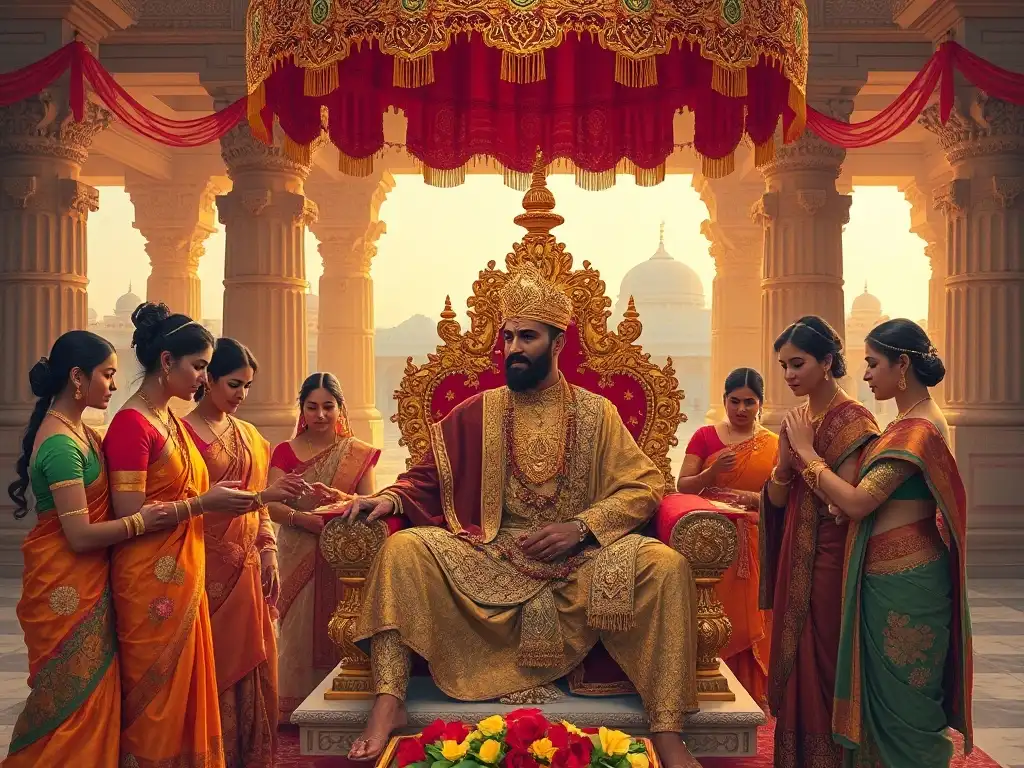
Royal ceremonies in ancient India were rich in symbolism and varied significantly across different regions. These ceremonies often reflected the distinct cultural practices, religious beliefs, and social hierarchies of the respective kingdoms. Understanding these regional variations provides insight into the complex tapestry of ancient Indian traditions and the ways in which rulers sought to legitimize their power through ritual.
Differences in Rituals Across Indian Kingdoms
The royal ceremonies across ancient Indian kingdoms can be categorized into three primary regional groups: North Indian, South Indian, and Eastern and Western kingdoms. Each region embraced unique rituals, influenced by local customs, religious practices, and historical contexts.
North Indian Kingdoms
In the North Indian kingdoms, particularly those influenced by the Indo-Aryan culture, royal ceremonies often centered around sacrificial rituals and elaborate coronations.
- Rajasuya Yagna: A significant ceremony performed by a newly crowned king, the Rajasuya Yagna involved elaborate rituals to establish the ruler's authority and divine right to rule. This ceremony included offerings to various deities and culminated in a grand feast.
- Ashvamedha Yagna: Another prominent ritual was the Ashvamedha, where a horse was let loose to roam freely. The king's authority was validated by the horse's path, symbolizing his dominion over the land.
- Ceremonial Processions: Royal processions, often accompanied by music, dance, and the display of wealth, were integral to these ceremonies. The display of royal insignia, such as the crown and scepter, reinforced the monarch's status.
South Indian Kingdoms
In contrast, the South Indian kingdoms, influenced by Dravidian traditions, showcased a blend of temple rituals and royal ceremonies that emphasized the connection between the king and divine forces.
- Kumbhabhishekam: A key ritual in South India was the Kumbhabhishekam, where the king would participate in the consecration of temples, reinforcing his role as a protector of dharma. This ceremony involved the installation of a sacred pot filled with holy water, symbolizing the king's commitment to the welfare of his subjects.
- Throne Ascension Ceremonies: The throne ascension rituals included elaborate preparations, where the king would be ceremonially bathed and adorned before assuming the throne, signifying purification and readiness to govern.
- Festivals: Many royal ceremonies were intertwined with local festivals, such as Pongal and Onam, which included processions, music, and dance, symbolizing the king's active engagement with the cultural life of his people.
Eastern and Western Kingdoms
The Eastern and Western kingdoms exhibited a diverse array of rituals, often influenced by trade, external interactions, and local customs.
- Navratri and Durga Puja: In the Eastern kingdoms, particularly Bengal, royal ceremonies were often linked with the worship of goddess Durga, especially during Navratri. The king would participate in elaborate pujas, showcasing his devotion and reinforcing his legitimacy.
- Maratha Coronation: In the Western kingdoms, particularly under the Maratha rule, the Chhatrapati coronation was a significant event. The ceremony included elaborate rituals, such as the Shivaji Maharaj coronation, which involved the anointment with holy water and the presentation of the royal sword.
- Cultural Syncretism: The ceremonies in these regions often reflected a blend of local customs with influences from neighboring cultures, showcasing the adaptability and evolution of royal rituals over time.
Royal ceremonies in ancient India were not monolithic; they varied significantly across regions, each reflecting the unique cultural and historical contexts of the kingdoms. These rituals served not only as displays of power but also as vital expressions of the rulers' connection to their subjects and the divine.
Famous Royal Ceremonies and Their Impact
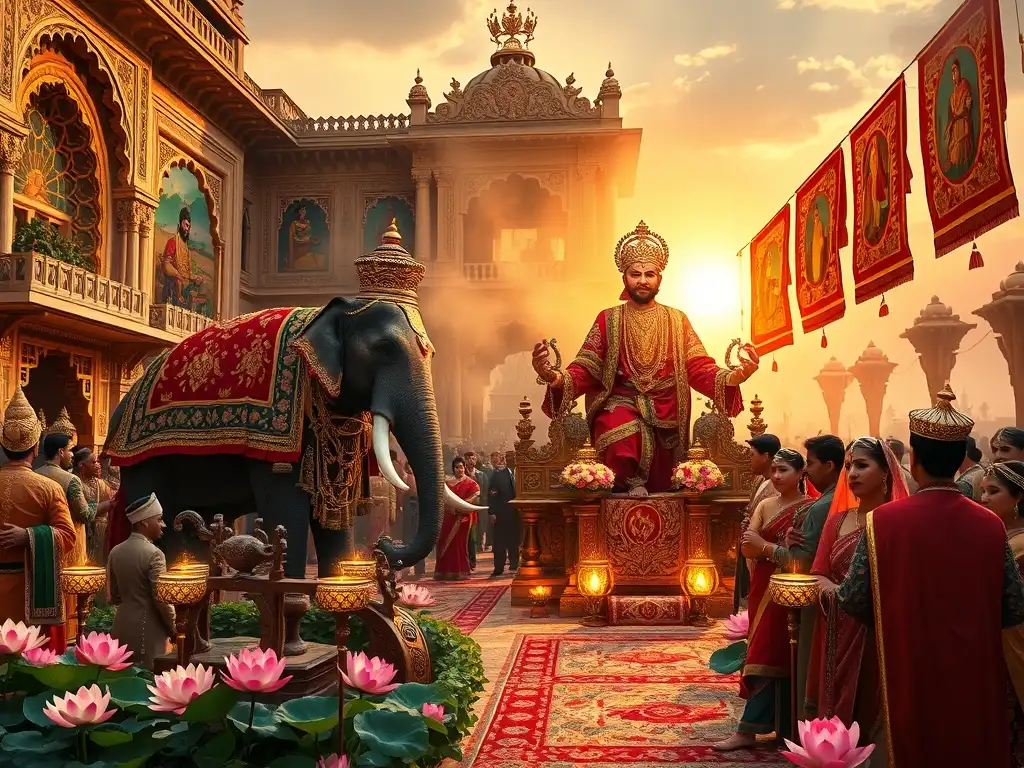
The royal ceremonies in ancient India were not merely events of political significance; they often embodied the cultural, spiritual, and social fabric of the kingdoms. These ceremonies served as a powerful means to legitimize authority, reaffirm social hierarchies, and foster unity among diverse groups within the realm. The grandeur and complexity of these events reflected the wealth and sophistication of the ruling class, captivating the public and asserting the rulers' divine right to govern.
Case Study: The Coronation of Chandragupta Maurya
The coronation of Chandragupta Maurya, the founder of the Maurya Empire, stands as a pivotal example of royal ceremonies in ancient India. This event was marked by elaborate rituals and intricate symbolism that sought to establish Chandragupta as the legitimate ruler of a vast and diverse empire.
- Ritualistic Elements: The coronation involved several key rituals including:
- Abhisheka: The ceremonial anointing with holy water, symbolizing purification and divine blessing.
- Puja: Offerings to deities, ensuring divine favor upon the new ruler.
- Public Oath: Chandragupta took an oath before his subjects, pledging to uphold dharma (moral law) and protect his people.
- Cultural Significance: This ceremony was not only significant for the ruler but also for the subjects. It reinforced the idea of the king as a protector and a divine intermediary between the gods and the people. The ceremony was attended by nobles, religious leaders, and the populace, creating a sense of collective identity and shared purpose.
- Political Implications: The coronation also served to consolidate power against rival factions. By showcasing the support of influential figures and religious authorities, Chandragupta could diminish dissent and unify the various regional leaders under his rule.
The impact of such royal ceremonies extended beyond their immediate context, influencing subsequent generations and setting precedents for royal conduct and governance.
The Role of Royal Ceremonies in Unifying Kingdoms
Royal ceremonies in ancient India played a crucial role in the unification of kingdoms, particularly in a landscape characterized by diverse cultures and regional identities. These ceremonies acted as a tool for fostering cohesion and allegiance among different groups.
-
Symbol of Power and Authority:
Royal ceremonies often included grand displays of wealth and power, such as:
- Processions: Lavish parades showcasing the ruler’s might and resources.
- Feasts and Festivals: Events that brought together various classes and communities, promoting social harmony through shared celebrations.
-
Cultural Integration:
These events provided a platform for the blending of local customs and traditions. For instance:
- Incorporation of Regional Practices: Rulers would often adopt local rites and rituals to resonate with their subjects, thereby strengthening their legitimacy.
- Promotion of Art and Literature: Many ceremonies inspired artistic expressions, creating a shared cultural heritage that transcended regional boundaries.
-
Political Alliances:
Royal ceremonies also served as vital occasions for forging political alliances:
- Marriage Alliances: Strategic marriages were often celebrated through elaborate ceremonies, linking powerful families and consolidating political power.
- Tribute and Vassal Relations: Vassal kings participated in royal ceremonies to pledge loyalty, reinforcing the ruler's status and extending influence.
Royal ceremonies in ancient India were multifaceted events that extended beyond mere tradition; they were essential instruments of governance, unity, and cultural expression, shaping the historical landscape of the region.
Conclusion: Legacy of Royal Ceremonies in Ancient India
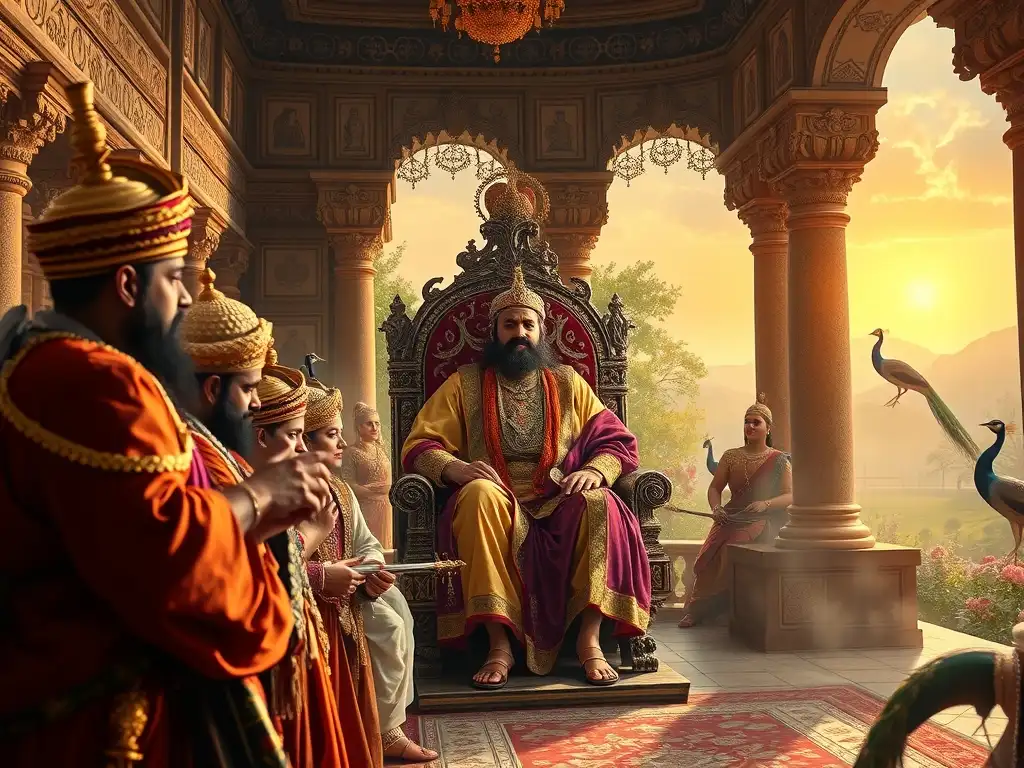
The royal ceremonies in ancient India were more than mere acts of governance; they were deeply interwoven with the cultural and spiritual fabric of the society. These grand events not only showcased the power and authority of the rulers but also served to reinforce social hierarchies, uphold religious beliefs, and maintain cultural continuity. The rituals conducted during these ceremonies often included elaborate prayers, offerings, and performances that reflected the artistic and architectural prowess of the time.
Significantly, these ceremonies established the ruler's divine right to govern, as they were often believed to be sanctioned by the gods. The endorsement from priests and the participation of the populace were crucial components, ensuring that the ruler was seen as both a political and spiritual leader. The legacy of these royal ceremonies continues to resonate through the ages, influencing not only historical interpretations of power dynamics but also the cultural narratives that shape modern Indian society.
Reflection on Cultural Significance
The cultural significance of royal ceremonies in ancient India cannot be overstated. These rituals were often characterized by their grandeur and intricacy, reflecting the sophistication of ancient Indian civilization. For instance, the coronation ceremony (Rajyabhisheka) was a pivotal event that involved elaborate rites, including the anointing of the king with sacred water, symbolizing his divine right and responsibility to rule.
Additionally, rituals associated with festivals, such as Makar Sankranti or Diwali, were often incorporated into royal celebrations, demonstrating the symbiosis between state and religion. Through these ceremonies, rulers not only affirmed their authority but also promoted cultural unity and national identity among diverse populations.
The participation of various societal segments, from nobility to commoners, reinforced communal bonds and fostered a sense of shared identity. Thus, these ceremonies served as a reflection of the socio-political landscape of ancient India, encapsulating its values, beliefs, and collective aspirations.
Influence on Modern Indian Traditions
The influence of ancient royal ceremonies on modern Indian traditions is evident in various aspects of contemporary cultural practices. Many current rituals, festivals, and celebrations, including weddings and public ceremonies, still carry traces of the grandeur and ceremonial practices of ancient times.
For example, the elaborate wedding ceremonies prevalent today often echo the intricate rituals of royal marriages, emphasizing auspicious timings, sacred vows, and the participation of priests. Rituals like the Bharat Milap and Saptapadi can be seen as modern adaptations of ancient practices that highlight familial and societal bonds.
Moreover, the concept of public celebrations during festivals, where communities come together to celebrate, can be traced back to royal patronage of festivals in ancient kingdoms. Events like Durga Puja and Navaratri often include processions, music, and dance, reminiscent of the festive atmosphere surrounding royal ceremonies.
The royal ceremonies of ancient India have left an indelible mark on the cultural landscape of modern India. By examining these historical practices, we gain valuable insights into the continuity of traditions and the dynamic interplay between the past and present. The legacy of these rituals not only enriches our understanding of ancient Indian civilization but also enhances the cultural identity of contemporary society.
Further Reading on Royal Ceremonies in Ancient India
Recommended Books and Articles
When delving into the royal ceremonies in ancient India, several scholarly works provide comprehensive insights into the rituals and traditions that shaped the lives of rulers. Here are some notable recommendations:
-
"The Royal Palaces of India" by R. H. G. Ghosh
This book explores the architectural grandeur of royal palaces, highlighting how the design and layout facilitated ceremonial practices.
-
"Rituals of Kingship in Ancient India" by R. S. Sharma
A detailed examination of the rituals associated with the coronation of kings, including specific ceremonies that marked the ascendance to power.
-
"Sacred Kingship: The Royal Ceremonies of Ancient India" edited by M. N. Dutt
This compilation discusses various ceremonies performed by ancient Indian rulers, providing context and analysis of their significance.
-
"The Indus Valley Civilization: A Historical Perspective" by A. K. Narain
While primarily focused on the Indus Valley, this book also touches upon the early forms of governance and ceremonial practices.
-
"Hindu Rituals: The Ceremonies of the Ancient Indian Kings" by V. P. Choudhury
This work provides an in-depth look at the fusion of Hindu rituals and royal ceremonies, analyzing their impact on governance and society.
Online Resources for Exploring Ancient Indian Rituals
For those seeking to expand their knowledge of royal ceremonies in ancient India through online platforms, several resources are available:
-
Digital South Asia Library (DSAL)
A treasure trove of digitized resources, including texts and images related to ancient Indian ceremonies.
-
The Archaeological Survey of India (ASI)
The ASI website features articles and reports on archaeological findings that often include insights into the ceremonial practices of ancient Indian rulers.
-
Sanskrit Heritage Site
This site offers a collection of texts and translations that illuminate the rituals and ceremonies practiced in ancient India.
-
Online Courses from EdX and Coursera
Platforms like EdX and Coursera offer courses on ancient Indian history, including modules dedicated to rituals and royal ceremonies.
-
YouTube Channels
Educational YouTube channels such as "Ancient India History" and "Heritage India" provide visual content and discussions on royal ceremonies, enhancing understanding through engaging formats.
By exploring these resources, readers can gain a deeper understanding of the royal ceremonies in ancient India, appreciating their complexity and significance in the broader context of Indian history.
Frequently Asked Questions
What are royal ceremonies in ancient India?
Royal ceremonies in ancient India were elaborate rituals that marked significant events such as coronations, marriages, and victories. These ceremonies were instrumental in showcasing the power and divine right of rulers.
Why were rituals important for rulers in ancient Indian kingdoms?
Rituals were essential as they reinforced the authority and legitimacy of the rulers. They often involved religious rites that connected the king with divine forces, promoting stability and loyalty among the subjects.
What types of rituals were commonly performed during royal ceremonies?
Common rituals included homa (fire rituals), yajnas (sacrificial rituals), and processions. Each of these was designed to invoke blessings from the gods and to ensure prosperity and protection for the kingdom.
How did royal ceremonies reflect the culture of ancient India?
Royal ceremonies were a reflection of the cultural diversity and artistic expression of ancient Indian society. They often incorporated music, dance, and elaborate decorations, showcasing the rich heritage of the region.
Can you provide an example of a significant royal ceremony in ancient India?
One notable example is the coronation of Chandragupta Maurya, which involved a grand assembly of nobles, priests, and the performance of sacred rituals to symbolize his ascension to the throne and the establishment of the Mauryan Empire.
Final Reflection: The Enduring Legacy of Royal Ceremonies in Ancient India
The exploration of royal ceremonies in ancient India reveals their profound significance in shaping cultural identity and governance. Today, as we navigate a world increasingly disconnected from its roots, these rituals remind us of the power of tradition and the importance of honoring our heritage. The grandeur and intricacy of these ceremonies not only served to legitimize rulers but also fostered a sense of unity among the people, illustrating that the past continues to resonate in our present.
Ceremonies of the past have left an indelible mark on the social and cultural landscape of modern India. The rituals practiced by ancient rulers were not mere displays of opulence; they were intricate narratives that wove together the fabric of society, reflecting values, beliefs, and aspirations. As historian Romila Thapar aptly noted, The past is not just a record of what has happened; it is a living force that shapes our present and future.
This ongoing influence is evident in contemporary celebrations and cultural practices that echo the grandeur of ancient royal ceremonies, reminding us of the continuity of tradition.
As we reflect on the lessons embedded in these royal ceremonies, I invite you to consider how you can incorporate elements of tradition into your own life. Take a moment to honor your heritage, whether through personal rituals, storytelling, or community gatherings. By doing so, you not only pay homage to the past but also enrich your present and inspire future generations. Let the legacy of ancient Indian royal ceremonies guide you in creating meaningful connections with your own cultural identity, fostering a sense of belonging and continuity in an ever-changing world.
Unveil the Grandeur of Ancient Royal Rituals!
Thank you for immersing yourself in the fascinating world of royal ceremonies in ancient Indian kingdoms. You've uncovered not just the rituals but the vibrant tapestry of culture that shaped history. Now, let's take that inspiration and turn it into action!
- Dive deeper into one specific ritual by researching historical texts or documentaries that illustrate its significance and methods.
- Share your newfound knowledge with friends or on social media to spread the awe of ancient traditions and spark conversations.
- Explore local museums or cultural events where you can experience similar rituals or exhibitions firsthand.
What aspect of ancient royal rituals fascinates you the most, and how do you believe these traditions continue to influence modern cultures today?