
Exploring the Rich Traditions of Pongal: A Festival of Abundance and Gratitude

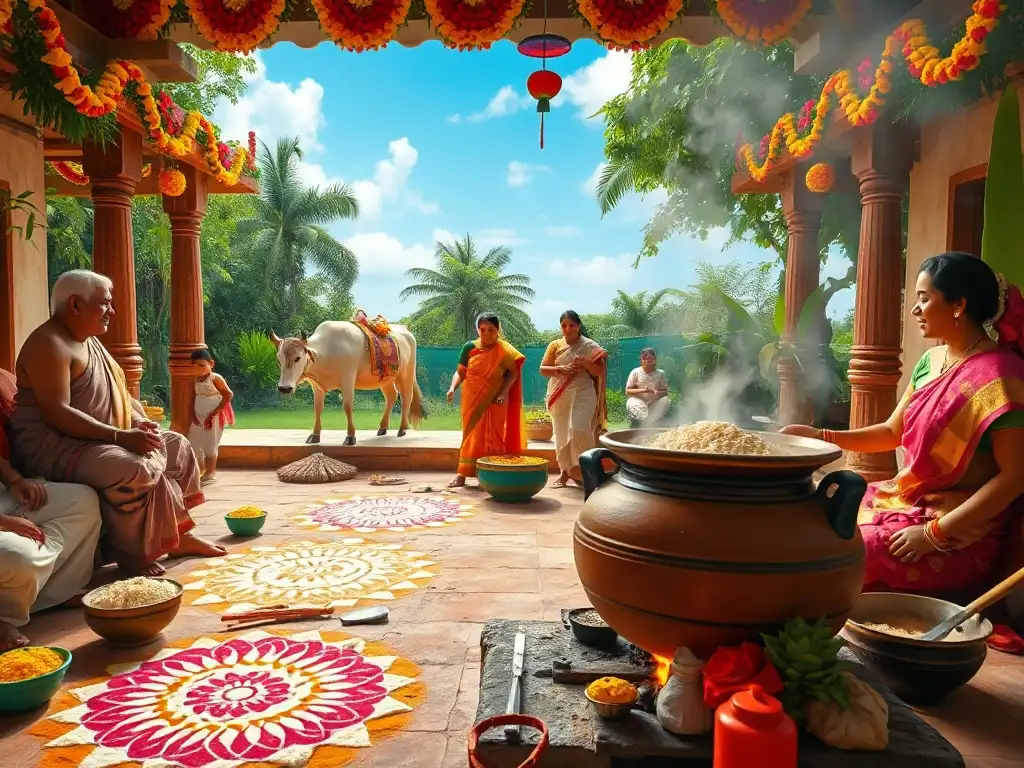
Welcome to Ancient India History, where we embark on an enthralling journey through the vibrant tapestry of India’s past! Discover the Pongal festival traditions and history, a celebration that embodies the spirit of gratitude and abundance in the ancient world. This cherished festival not only marks the harvest season but also serves as a fascinating window into the customs and rituals that have shaped Indian culture for centuries.
Join us as we delve deeper into the significance of Pongal, unraveling its rich heritage and exploring how it continues to resonate in today’s celebrations. Your adventure into the heart of ancient traditions begins now!
Introduction to Pongal Festival Traditions and History
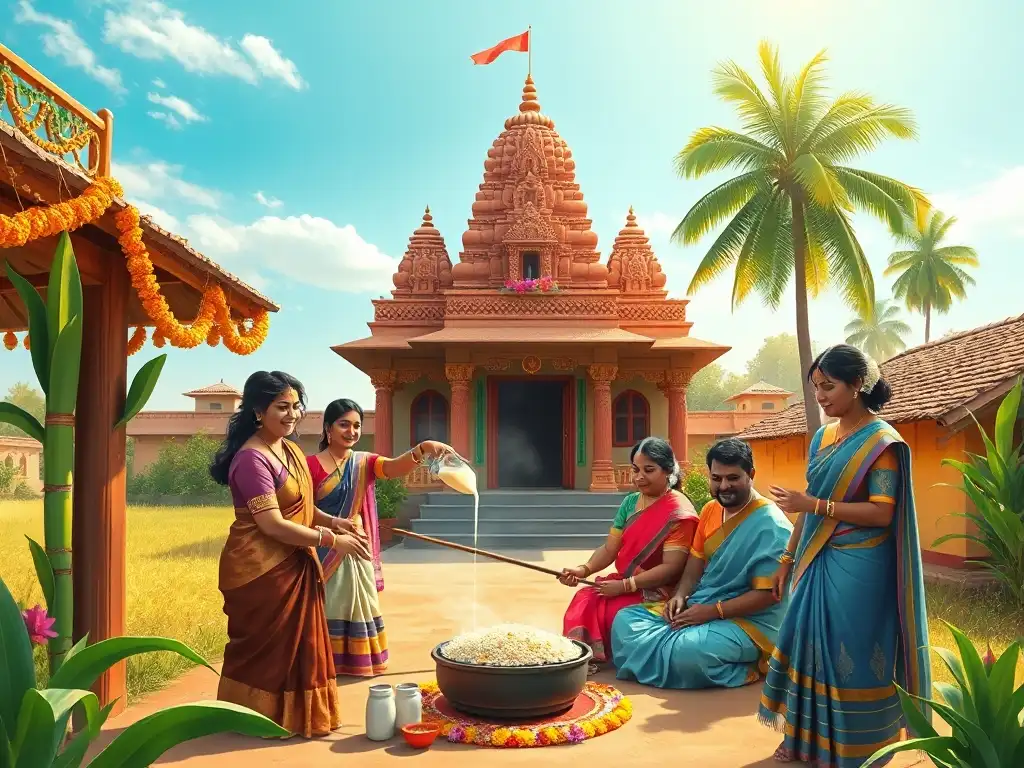
The Pongal festival is a vibrant celebration that showcases the rich tapestry of traditions and cultural practices inherent to ancient Indian civilizations, particularly in the southern regions of India. Rooted in agricultural practices, Pongal is not merely a festival but a heartfelt expression of gratitude towards nature, the sun, and livestock for their contributions to a bountiful harvest.
This festival, celebrated predominantly in Tamil Nadu, encapsulates the essence of abundance and gratitude, making it a significant cultural event that resonates with numerous communities. Understanding the traditions and historical underpinnings of the Pongal festival offers an enlightening glimpse into the values and practices that have been preserved and celebrated through generations.
Overview of Pongal Festival
Pongal is celebrated over four days, each day signifying different aspects of agricultural life and devotion. The festival typically falls in mid-January, coinciding with the harvest season, and is marked by various rituals, feasts, and cultural events that engage families and communities alike. The main dish, also called Pongal, is a sweet or savory rice preparation that is cooked with freshly harvested rice, jaggery, and milk, symbolizing prosperity and abundance.
The festival is celebrated as follows:
- Bhogi Pongal: The first day focuses on discarding old belongings and welcoming newness, representing a clean slate.
- Thai Pongal: The second day is dedicated to cooking the Pongal dish as an offering to the Sun God, Surya, along with prayers for a prosperous year.
- Mattu Pongal: The third day honors cattle, which are essential for farming, showcasing gratitude towards these vital animals.
- Kaanum Pongal: The final day encourages family reunions and social gatherings, reinforcing bonds and community spirit.
Significance of Pongal in Indian Culture
Pongal serves as a reminder of the deep connection between humans and nature. It emphasizes themes of gratitude, community, and sustainability, reflecting the principles of ancient Indian philosophy. The rituals performed during Pongal encourage participants to appreciate the cycles of nature, the importance of agricultural practices, and the role of animals in sustaining livelihoods.
The festival also fosters a sense of unity among communities, as people come together to share meals, participate in cultural activities, and celebrate their shared heritage. This spirit of togetherness exemplifies the fundamental values embedded within Indian culture, where festivals play a pivotal role in strengthening familial and social ties.
Historical Background of Pongal Festival
Ancient Origins of Pongal Celebration
The origins of the Pongal festival can be traced back to ancient agricultural practices in India, where the harvest marked a time of celebration and thanksgiving. Historical texts and archaeological findings suggest that the festival may have roots in the Indus Valley Civilization, where early agricultural societies revered nature's elements. Over the centuries, as societies evolved, the festival adapted, reflecting changes in agricultural practices and cultural beliefs.
Artifacts depicting agricultural scenes and rituals associated with harvests further support the idea that Pongal is deeply ingrained in the history of agrarian societies. The festival's connection to the solar calendar highlights its significance in the agricultural cycle, ensuring that communities celebrated the fruits of their labor.
Evolution of Pongal Traditions Through the Ages
As time progressed, Pongal has experienced a notable evolution in its traditions and practices. From ancient agrarian roots, the festival has incorporated various regional customs, rituals, and artistic expressions.
Key developments include:
- Regional Variations: Different states in India may celebrate Pongal with slight variations, reflecting local customs, languages, and cuisines.
- Incorporation of New Elements: The introduction of folk dances, music, and traditional games during Pongal celebrations showcases the dynamic nature of cultural practices.
- Modern Adaptations: In contemporary times, Pongal has embraced modernity, with celebrations often featuring elaborate decorations, public events, and even online festivities, while still holding onto its core values.
Through this evolution, the Pongal festival continues to thrive, serving as a testament to the enduring spirit of community and cultural heritage in India. As we delve deeper into the various aspects of Pongal, we uncover the layers of meaning and tradition that make this festival a unique celebration of life, abundance, and gratitude.
Key Components of Pongal Festival Traditions
Pongal, celebrated primarily in Tamil Nadu, is a vibrant festival that signifies the end of the harvest season and expresses gratitude for the bountiful crops. At its core, the festival revolves around specific traditions and customs that reflect the agrarian lifestyle of the region. The festival spans four days, each dedicated to different deities and rituals, making it a multifaceted celebration. The key components of Pongal include the preparation of the traditional dish called Pongal, the decoration of homes, the worship of cows, and the involvement of the community in various festivities.
The highlight of the festival is the preparation of Sweet Pongal (also known as Sakkarai Pongal), a delicious dish made with rice, jaggery, ghee, and various nuts, symbolizing prosperity and abundance. Homes are decorated with kolams (intricate rice flour designs) at the entrance, welcoming guests and the divine. Festivities also include the ritualistic worship of cattle, which are vital for agricultural work, signifying respect for nature and its gifts.
The Role of Agriculture in Pongal Celebrations
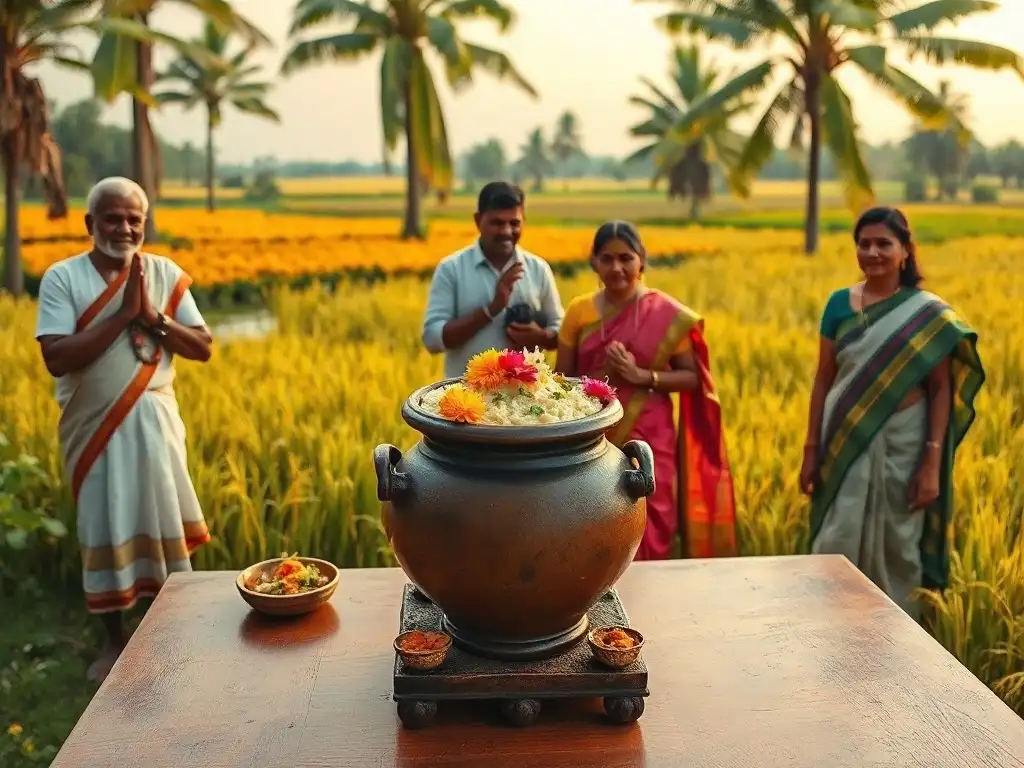
Agriculture forms the backbone of Pongal celebrations, deeply rooted in the agrarian culture of Tamil Nadu. The festival marks the end of the harvest season, particularly for crops like rice, sugarcane, and turmeric. Farmers express gratitude for the successful harvest through various rituals. The first day of Pongal, known as Bhogi, is dedicated to discarding old belongings and embracing new beginnings, symbolizing the cycle of growth.
On the second day, known as Thai Pongal, families gather to cook the Pongal dish outdoors, traditionally in the presence of the sun, which is revered as a vital force in agriculture. This day emphasizes the significance of the sun in ripening crops and ensuring a good harvest. The act of cooking Pongal in an open pot signifies the community's unity with nature and the blessings received from the land.
Rituals and Practices Associated with Pongal
The rituals and practices associated with Pongal are diverse and colorful, encapsulating the essence of the festival. Each day of Pongal has specific customs:
- Bhogi: The first day is marked by bonfires where old items are burned, symbolizing the discarding of the old to welcome the new.
- Thai Pongal: Families prepare the Pongal dish outdoors, often with a clay pot, while chanting prayers to the sun god, Surya. The first portion is offered to the sun before sharing it with family and friends.
- Mattu Pongal: The third day celebrates cattle, where cows and bulls are bathed, adorned with flowers, and fed special treats. This day acknowledges the crucial role of animals in agriculture.
- Kaanum Pongal: The final day is dedicated to family gatherings and visits to relatives, reinforcing community bonds.
These rituals not only celebrate the harvest but also strengthen familial and community ties, making Pongal a holistic celebration of life and gratitude.
Cultural Significance of Pongal Traditions
The cultural significance of Pongal extends beyond mere festivity; it embodies the values of gratitude, community, and respect for nature. The festival brings people together, encouraging them to reflect on their blessings and the importance of sustainable agricultural practices.
Expressions of Gratitude and Abundance
Pongal is fundamentally an expression of gratitude. The preparation of the Pongal dish, along with the offerings to various deities, symbolizes the appreciation for nature's bounty. Families gather to share meals, reinforcing the idea of abundance not just in material terms but also in the relationships and connections they nurture. The festival serves as a reminder of the importance of acknowledging the efforts of farmers and the significance of agriculture in sustaining life.
Community Bonding and Family Gatherings During Pongal
Pongal fosters a strong sense of community and family bonding. During the festival, families reconnect with relatives, share traditional dishes, and participate in cultural activities such as folk dances and music. The rituals encourage communal participation, with neighbors often coming together to celebrate. Such gatherings help strengthen social ties and promote a sense of belonging, making Pongal not just a personal celebration but a communal event that reinforces cultural identity and heritage.
The traditions of Pongal encapsulate the rich agricultural heritage of Tamil Nadu, promoting values of gratitude, community, and respect for nature. The festival's vibrant rituals and practices not only celebrate abundance but also strengthen family and community bonds, making it a cherished cultural event.
Regional Variations of Pongal Festival Traditions
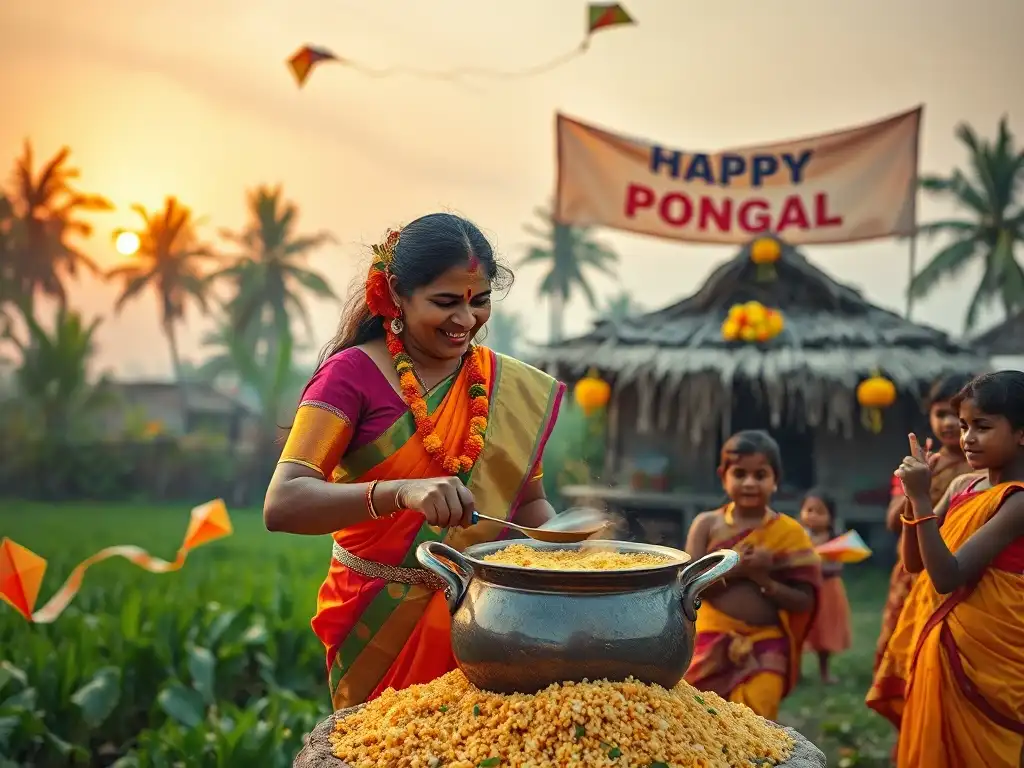
Pongal, primarily celebrated in Tamil Nadu, exhibits unique regional variations that reflect the diverse cultural practices and local customs across different parts of India. While the core essence of the festival remains consistent—celebrating the harvest and expressing gratitude to nature—each region adds its distinct flavor and rituals that enhance the festival's richness. Understanding these variations provides deeper insights into the cultural tapestry of Pongal and its significance in the lives of the people.
Pongal Celebrations in Tamil Nadu
In Tamil Nadu, Pongal is not just a festival; it is a significant cultural event that spans four days, each with its own set of rituals. The celebrations begin with Bhogi Pongal, where people discard old belongings and celebrate new beginnings. Thai Pongal, the main day of the festival, features the cooking of the traditional sweet dish called Pongal, made from freshly harvested rice and jaggery, often decorated with sugarcane and kolam (rice flour art) at the entrance of homes.
Maatu Pongal follows, dedicated to honoring cattle, which play a crucial role in agriculture. Farmers express gratitude to their livestock through special rituals, including feeding them Pongal and decorating them with colorful ornaments. Finally, Kaanum Pongal concludes the festivities, where families reunite and share meals, reinforcing bonds of kinship and community.
Pongal Practices in Other Indian States
While Pongal is predominantly celebrated in Tamil Nadu, similar harvest festivals occur in other states, albeit under different names and with varied practices. For instance, in Andhra Pradesh and Telangana, the festival is known as Sankranti or Makara Sankranti, and it includes rituals like kite flying, which is not commonly seen in Tamil Nadu.
In Karnataka, the festival is called Makara Sankranti as well and includes the preparation of Sakkare Pongal, a sweet dish similar to its Tamil counterpart, but with distinct regional variations in flavors and ingredients. Pongal celebrations in Kerala are often intertwined with the Makaravilakku festival, showcasing the amalgamation of various cultural traditions.
These regional adaptations highlight how the essence of Pongal transcends geographical boundaries while still celebrating the core values of gratitude and abundance.
Influence of Pongal on Global Indian Diaspora Celebrations
The Pongal festival extends beyond the borders of India, embraced by the global Indian diaspora, particularly in countries with significant Tamil populations such as Sri Lanka, Malaysia, Singapore, and Mauritius. In these regions, Pongal is celebrated with fervor, often involving local customs and adaptations that reflect the cultural milieu.
For instance, in Malaysia, the festival is marked by community gatherings and cultural performances, including traditional music and dance. The preparation of Pongal dishes is often accompanied by communal cooking events, reinforcing community bonds. In Singapore, residents celebrate with street fairs and cultural exhibitions showcasing Tamil traditions, while also integrating local influences.
The global celebration of Pongal not only preserves the traditional aspects of the festival but also serves as a means for the diaspora to connect with their roots, fostering a sense of identity and belonging in foreign lands.
Modern Adaptations of Pongal Traditions
As societies evolve, so do their traditions, and the Pongal festival is no exception. Modern adaptations of Pongal traditions reflect societal changes, technological advancements, and the influence of globalization, making the festival relevant to contemporary audiences while retaining its core values.
Contemporary Celebrations of Pongal
In urban settings, contemporary Pongal celebrations often blend traditional customs with modern lifestyles. Many families now celebrate the festival with grand feasts that incorporate diverse cuisines, showcasing the influence of globalization. Social media has also transformed how Pongal is celebrated, with families sharing their festivities online, thereby creating a virtual community of celebration.
Additionally, public events and cultural programs organized by local communities feature traditional music, dance, and art forms, allowing younger generations to engage with their heritage in innovative ways. These contemporary expressions of Pongal keep the spirit of the festival alive while adapting to modern sensibilities.
Integration of Technology in Pongal Festivities
The integration of technology into Pongal celebrations is evident in various aspects of the festival. From using social media platforms to share recipes and festival preparations to organizing virtual gatherings for families separated by distance, technology has enhanced connectivity among celebrants.
Moreover, various mobile applications now offer insights into traditional Pongal recipes, decoration ideas for homes, and tips for organizing community events, making the festival accessible to a broader audience. Virtual reality experiences of Pongal celebrations are also emerging, allowing people to immerse themselves in the festival's essence without geographical limitations.
These modern adaptations demonstrate how the Pongal festival continues to thrive, adapting to contemporary life while honoring its rich traditions and history.
Conclusion: The Enduring Legacy of Pongal Festival Traditions and History
The Pongal festival, celebrated predominantly in Tamil Nadu, is a vibrant manifestation of the agricultural heritage and cultural richness of ancient India. It serves as a reminder of the deep connection between nature, farming, and community life.
This festival not only marks the end of the harvest season but also emphasizes gratitude toward the sun, earth, and livestock, which play crucial roles in agriculture. The traditions surrounding Pongal, such as the preparation of the sweet dish Pongal, the decoration of homes with kolams (rice flour designs), and the communal gatherings, reflect a rich tapestry of cultural practices that have evolved over centuries while still retaining their core values of abundance, gratitude, and unity.
The historical significance of the Pongal festival is intertwined with various ancient texts and practices, highlighting its importance in the socio-cultural fabric of South India. From the rituals performed to honor deities to the communal feasts that encourage social bonding, Pongal encapsulates the essence of togetherness and respect for nature. As we explore the enduring legacy of Pongal, it becomes clear that this festival is not merely a seasonal celebration but a vital part of the identity of the Tamil people and a significant aspect of India's broader cultural landscape.
Reflection on the Importance of Preserving Pongal Traditions
Preserving the traditions of Pongal is essential for several reasons. Firstly, these customs serve as a bridge connecting generations, allowing the younger population to understand and appreciate their heritage. By participating in traditional Pongal celebrations, children and young adults gain insights into the agricultural practices of their ancestors and the values of gratitude and community that are integral to their culture.
Secondly, the preservation of Pongal traditions enhances cultural diversity within India and globally. As this festival is celebrated by the Tamil diaspora worldwide, it fosters a sense of belonging and identity among Tamil communities, no matter where they are located. The vibrancy of Pongal not only contributes to India's rich cultural mosaic but also promotes intercultural dialogue and understanding among diverse populations.
Lastly, the ecological aspects of Pongal traditions, such as the emphasis on sustainable farming and respect for nature, are increasingly relevant in today's world. As environmental concerns rise, revisiting and implementing traditional agricultural practices celebrated during Pongal can inspire contemporary sustainability efforts. Thus, the preservation of Pongal traditions is not just about maintaining a festival but is also about honoring a way of life that respects nature and community.
Future of Pongal Celebrations in a Changing World
As we look toward the future, the celebrations of Pongal face both opportunities and challenges in a rapidly changing world. On one hand, modern technology and globalization have introduced new ways to celebrate the festival, allowing for virtual gatherings and the sharing of Pongal traditions across social media platforms. This can enhance participation among the younger generation, making the festival more accessible and relevant in today’s digital age.
On the other hand, the commercialization of festivals poses a risk to the authenticity of Pongal celebrations. The introduction of mass-produced decorations and pre-packaged foods can dilute the traditional practices that have been passed down through generations. It is essential for communities to strike a balance between embracing modernity and preserving the essence of Pongal traditions.
Moreover, as urbanization continues to grow, there is a need to adapt Pongal celebrations to urban settings without losing their core values. This may involve creating community spaces for traditional gatherings or organizing educational workshops that teach the significance of Pongal practices.
The future of Pongal celebrations will largely depend on the commitment of individuals and communities to maintain the festival's rich traditions while adapting to contemporary realities. By fostering an environment that cherishes cultural heritage and encourages innovation, the legacy of Pongal will continue to thrive for generations to come.
- Introduction to Pongal Festival Traditions and History
- Historical Background of Pongal Festival
- Key Components of Pongal Festival Traditions
- The Role of Agriculture in Pongal Celebrations
- Rituals and Practices Associated with Pongal
- Cultural Significance of Pongal Traditions
- Regional Variations of Pongal Festival Traditions
- Modern Adaptations of Pongal Traditions
- Conclusion: The Enduring Legacy of Pongal Festival Traditions and History
Frequently Asked Questions
What is the significance of the Pongal festival?
Pongal is a harvest festival celebrated in Tamil Nadu, symbolizing abundance and gratitude towards nature for a bountiful harvest. It reflects the agrarian culture of the region.
When is Pongal celebrated?
Pongal is celebrated over a period of four days, typically from January 14th to 17th, coinciding with the winter solstice as a way to honor the sun god for the harvest.
What are the main traditions associated with Pongal?
Key traditions include cooking Pongal, a dish made of rice and lentils, decorating homes with kolams, and performing rituals to honor cattle, which are vital to farming.
How do families celebrate Pongal?
Families engage in various activities such as preparing special dishes, performing pujas, and participating in community events, thereby fostering a sense of togetherness and gratitude.
What are the cultural contributions of Pongal to Indian society?
Pongal fosters a sense of community bonding and celebrates the cultural diversity of India, showcasing the importance of agriculture, tradition, and festivity in Indian society.
Final Reflection: Embracing Abundance and Gratitude Through Pongal
The rich traditions of the Pongal festival resonate profoundly in today's world, reminding us of the importance of gratitude and community. As we navigate through the complexities of modern life, the essence of Pongal serves as a powerful reminder to pause, reflect, and appreciate the abundance that surrounds us. This festival, steeped in history and cultural significance, invites us to celebrate not just the harvest, but also the relationships and experiences that nourish our lives.
Cultural traditions like Pongal have a lasting impact on our social fabric, fostering a sense of belonging and unity among diverse communities. The festival's emphasis on gratitude and sharing encourages us to connect with one another, transcending barriers and celebrating our shared humanity. As the saying goes, Gratitude is not only the greatest of virtues, but the parent of all others.
This sentiment rings true as we witness how the traditions of Pongal continue to inspire acts of kindness and generosity, reminding us of the values that bind us together.
As we reflect on the lessons of Pongal, let us take a moment to incorporate its spirit of gratitude and abundance into our daily lives. I invite you to explore ways to express appreciation for the blessings you have, whether through acts of kindness, sharing a meal with loved ones, or simply taking a moment to acknowledge the beauty around you. By embracing the values of Pongal, we can cultivate a deeper connection with ourselves and our communities, ensuring that the legacy of this vibrant festival continues to thrive in our hearts and lives.
Celebrate the Spirit of Pongal: Embrace Tradition Today!
Thank you for taking the time to explore the vibrant traditions of Pongal with us! We hope you found inspiration in the festival's rich history and the values of abundance and gratitude it represents. Now, it's time to bring that spirit into your life. Here are a few simple yet impactful actions you can take:
- Host your own Pongal celebration: Gather friends and family to cook traditional dishes and share stories that reflect the essence of this beautiful festival.
- Explore local resources: Visit a nearby cultural center or museum to deepen your understanding of the significance of Pongal and its customs.
- Share your experience: Post pictures or thoughts about how you celebrated Pongal on social media to inspire others in your community.
What unique ways do you plan to honor the traditions of Pongal in your community? We would love to hear your ideas and experiences!