
How Ancient Indian Trade Routes Shaped Economic Prosperity

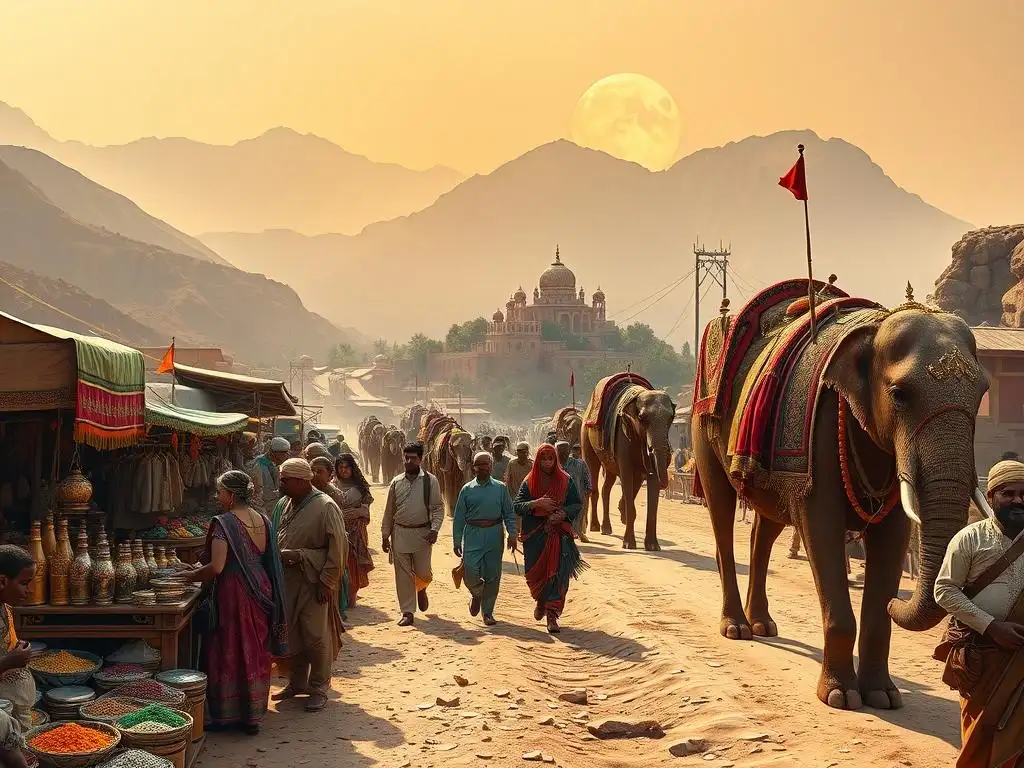
Welcome to Ancient India History, where we embark on a journey through the rich and diverse tapestry of ancient Indian civilizations. Are you curious about how the intricate web of ancient Indian trade routes not only shaped economic prosperity but also fostered cultural exchanges that resonate through time?
In our featured article, "How Ancient Indian Trade Routes Shaped Economic Prosperity," we delve into the fascinating connections that these routes created, offering insights into the thriving commerce and vibrant interactions that defined an era. Join us as we uncover the secrets of the past and explore the influences that continue to impact our world today!
-
Exploring Ancient Indian Trade Routes History
- Introduction to Ancient Indian Trade Routes
- Overview of Trade in Ancient India
- Significance of Trade Routes in Economic Development
- The Major Ancient Indian Trade Routes
- Influences of Geography on Trade Routes
- Goods Traded Along Ancient Indian Trade Routes
- The Role of Trade in Economic Prosperity
- The Cultural Exchange Through Trade
- The Decline of Ancient Indian Trade Routes
- Conclusion: The Lasting Legacy of Ancient Indian Trade Routes
- References
- Suggested Readings on Ancient Indian Trade Routes History
- Important Historical Texts and Archaeological Findings
- Frequently Asked Questions
- Final Reflection: The Enduring Legacy of Ancient Indian Trade Routes
- Uncover the Pathways of Prosperity!
Exploring Ancient Indian Trade Routes History
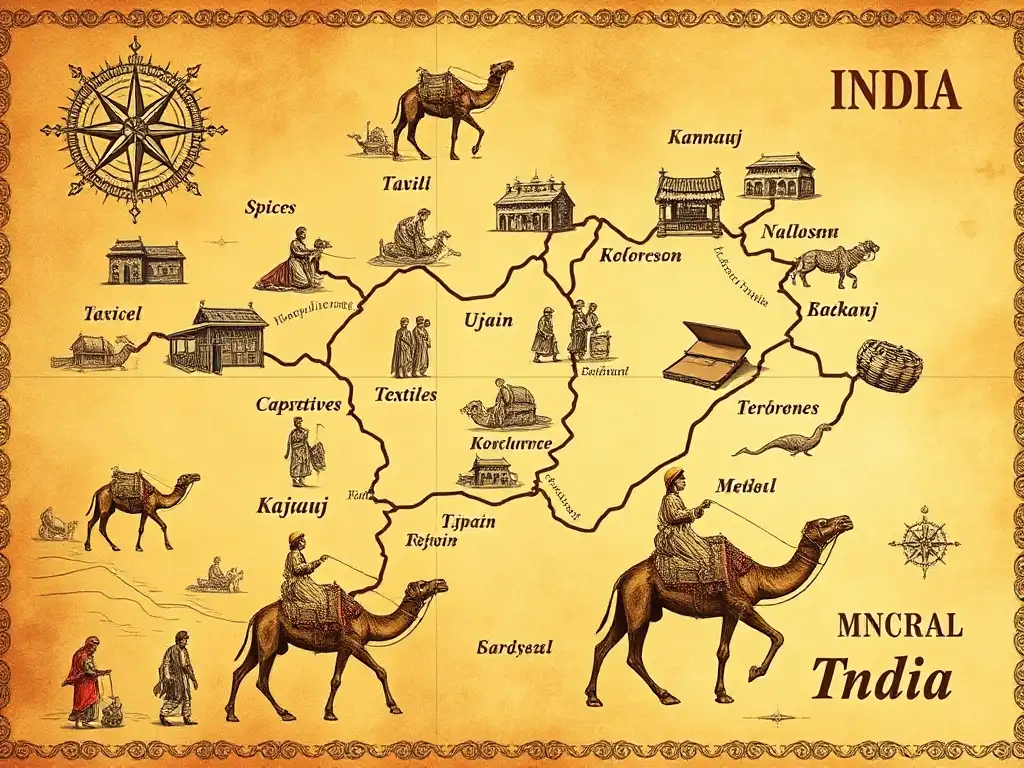
Introduction to Ancient Indian Trade Routes
The history of ancient Indian trade routes is a fascinating tapestry woven with threads of culture, commerce, and connectivity. From the bustling ports of the Indus Valley Civilization to the extensive networks established during the Gupta Empire, these trade routes were not merely pathways for goods; they were conduits of ideas, innovations, and cultural exchange. Understanding the ancient Indian trade routes history is crucial for appreciating how these routes shaped economic prosperity and influenced the social and political landscapes of India and beyond.
In this article, we will delve into the intricate web of trade networks that flourished in ancient India, exploring their origins, significance, and the major routes that defined the economic prosperity of various civilizations.
Overview of Trade in Ancient India
Trade in ancient India was characterized by a diverse range of goods, including textiles, spices, metals, and agricultural products. The Indian subcontinent was strategically located at the crossroads of multiple trade routes, facilitating exchanges with neighboring regions and distant lands. Here are some key aspects of trade in ancient India:
- Goods Traded:
- Textiles (cotton, silk)
- Spices (pepper, cardamom)
- Precious stones (diamonds, pearls)
- Agricultural products (rice, wheat)
- Trade Partners: Ancient Indian traders established connections with regions such as:
- Persia
- Central Asia
- Southeast Asia
- The Roman Empire
- Methods of Trade:
- Overland caravans
- Maritime shipping routes
- Local markets and fairs
Significance of Trade Routes in Economic Development
The trade routes of ancient India played a pivotal role in the economic development of the region. They not only facilitated the exchange of goods but also contributed to the rise of urban centers, the spread of culture, and the establishment of political alliances. Here are some of the significant impacts of trade routes on economic growth:
- Urbanization:
- Major trading hubs emerged, such as Taxila and Pataliputra, fostering urban development.
- Cultural Exchange:
- Trade routes enabled the exchange of ideas, religions, and art forms, enriching Indian culture.
- Wealth Accumulation:
- Increased trade led to the accumulation of wealth, which supported the patronage of arts and sciences.
The Major Ancient Indian Trade Routes
The Silk Road: India’s Connection to the East
The Silk Road was a legendary network of trade routes that connected the East and West, facilitating the exchange of silk, spices, and other valuable commodities. India played a crucial role in this vast network by serving as a vital link between China and the Mediterranean. The following points highlight India's significance along the Silk Road:
- Cultural Exchange: The Silk Road was a conduit for the transmission of Buddhist teachings and practices from India to Central Asia and beyond.
- Trade Goods: Indian goods such as textiles and spices were highly sought after, enriching the cultural and economic fabric of the regions they reached.
The Grand Trunk Road: A Vital Artery for Trade
The Grand Trunk Road is one of the oldest and longest major roads in Asia, stretching from Chittagong (Bangladesh) to Kabul (Afghanistan). This ancient trade route has played a crucial role in connecting various regions of India and facilitating trade. Key features include:
- Historical Importance: Established during the Mauryan Empire, it became a vital artery for trade and communication.
- Economic Hub: Towns along the route, such as Lahore and Delhi, developed into bustling trade centers.
Maritime Trade Routes: Connecting India to the World
India's extensive coastline facilitated maritime trade routes that connected it to various parts of the world. These routes were crucial for the export of Indian goods and the import of foreign commodities. Key points include:
- Ports: Major ports such as Lothal and Sopara were bustling centers of maritime trade.
- Cultural Interactions: Maritime trade routes allowed for cultural exchanges with regions such as Africa, the Middle East, and Southeast Asia.
In exploring these ancient Indian trade routes, we gain valuable insights into how they shaped the economic landscape of the region and contributed to its historical legacy.
Influences of Geography on Trade Routes
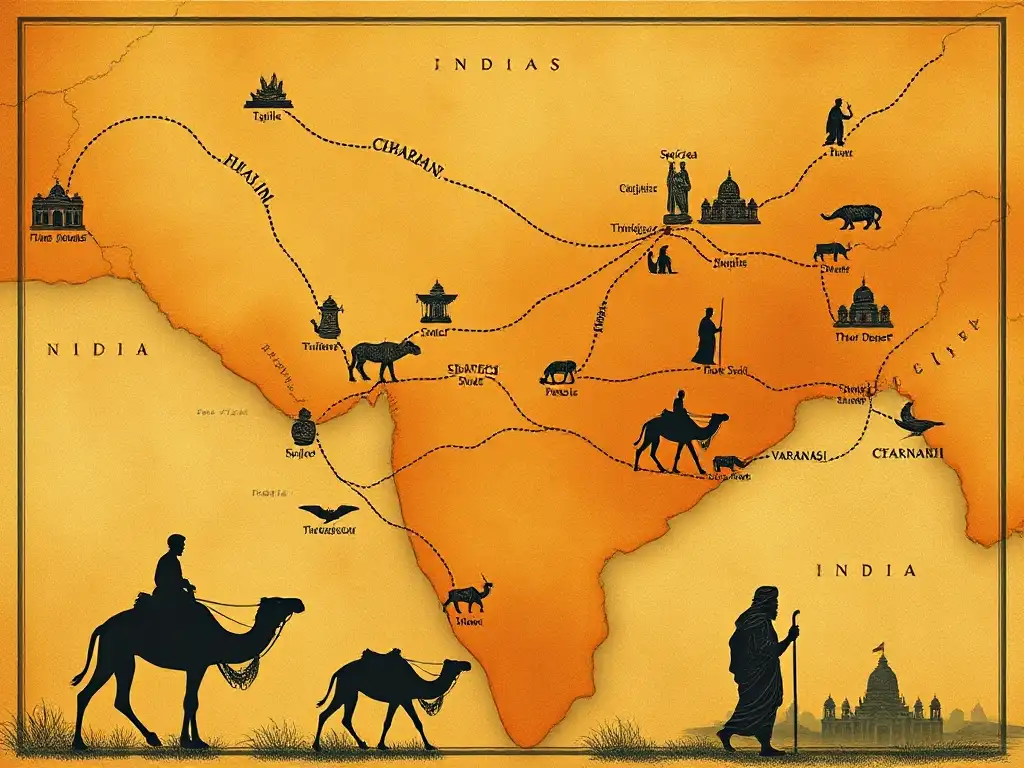
Ancient Indian trade routes were significantly shaped by the geographical features of the subcontinent. The diverse landscape, characterized by mountains, rivers, and plains, played a crucial role in determining the paths traders would take. The strategic positioning of these routes not only facilitated commerce but also influenced cultural exchanges and the spread of ideas. Various geographical elements provided both advantages and challenges, creating a complex network that interconnected different regions.
The fertile plains of the Ganges and the Indus River valleys were critical in supporting agricultural development, which in turn sustained trade. The natural barriers presented by the Himalayas and the Western Ghats created distinct regional markets, leading to the establishment of localized trade practices. Moreover, the presence of coastal areas allowed for maritime trade, linking India with distant lands across the Arabian Sea and the Indian Ocean. Understanding the geography of ancient India is essential for grasping the dynamics of its trade routes and their impact on economic prosperity.
The Role of Rivers in Ancient Indian Trade
Rivers were the lifeblood of ancient Indian trade, serving as vital arteries for the movement of goods and people. Major rivers like the Ganges, Indus, and Brahmaputra facilitated not only internal trade but also connections with neighboring regions. The Ganges, in particular, was crucial for transporting agricultural products, textiles, and luxury items, enabling merchants to efficiently move goods to urban centers such as Varanasi and Pataliputra.
These waterways allowed for the establishment of trade hubs along their banks, where merchants would gather to exchange commodities. Riverine trade was often preferred due to its cost-effectiveness compared to overland routes. Additionally, rivers provided a means of communication that enhanced cultural exchanges, leading to the diffusion of ideas, technologies, and religious beliefs across different communities. Thus, rivers played a fundamental role in shaping the trade landscape of ancient India.
Mountains and Their Impact on Trade Dynamics
Mountains, while presenting challenges for trade, also created unique opportunities for the ancient Indian economy. The formidable Himalayas and the Western Ghats acted as natural barriers, influencing trade routes significantly. These ranges restricted direct access between certain regions, leading traders to develop alternative paths and methods of transportation.
However, the mountains also facilitated trade with regions beyond India. Trade routes through passes such as the Khyber Pass allowed for interaction with Central Asian markets, bringing in goods like horses and precious metals. The treks across mountainous terrain fostered the growth of specialized trade networks, where local communities became intermediaries, exchanging goods between the plains and distant lands. In essence, while mountains posed logistical challenges, they also enriched the trade dynamics by connecting diverse cultures and economies.
Goods Traded Along Ancient Indian Trade Routes
The ancient Indian trade routes were bustling corridors of commerce, facilitating the exchange of a wide variety of goods. These routes not only supported the local economy but also established India as a significant player in global trade during ancient times. The diversity of commodities traded highlighted the rich cultural heritage and economic sophistication of ancient Indian civilizations.
Key Commodities: Spices, Textiles, and More
Among the most sought-after goods traded along ancient Indian routes were spices and textiles. India was renowned for its aromatic spices, such as black pepper, cardamom, and cinnamon, which attracted traders from far and wide. These spices were not only used for culinary purposes but also held medicinal properties, enhancing their value in international markets.
Textiles, particularly cotton and silk, were another key commodity. The skillful weaving traditions of regions like Gujarat and Bengal produced exquisite fabrics that were in high demand. Additionally, items such as precious stones, metals, and handicrafts were traded extensively, further contributing to India's economic prosperity. The variety of goods exchanged along these routes underscored the region's economic diversity and ability to cater to different market demands.
The Exchange of Cultural Artifacts Through Trade
Trade along ancient Indian routes was not limited to goods; it also facilitated the exchange of cultural artifacts, ideas, and technologies. As merchants traveled between regions, they carried with them not just products but also cultural narratives, religious beliefs, and artistic influences. This led to a rich tapestry of cultural intermingling, which is evident in the archaeological findings from trade hubs.
For instance, the spread of Buddhism and Hinduism can be traced along these trade routes, as merchants often served as conduits for religious ideas. Additionally, architectural styles and artistic motifs were shared across regions, resulting in a blend of cultural expressions. The exchange of cultural artifacts enriched the social fabric of ancient India, fostering a sense of unity amidst diversity. Thus, trade routes were not only economic pathways but also vital channels for cultural exchange, shaping the identity of ancient Indian civilizations.
The Role of Trade in Economic Prosperity
Trade played a pivotal role in the economic prosperity of ancient Indian civilizations. The establishment of extensive trade routes facilitated the exchange of goods, ideas, and cultures, significantly impacting the socio-economic landscape of the time. By connecting various regions, these trade routes not only promoted commerce but also contributed to the wealth accumulation of local merchants and communities. The movement of goods like spices, textiles, metals, and agricultural products helped stimulate economic activity and fostered relationships between different cultures.
Moreover, the flourishing trade networks enabled the formation of financial systems that included currency and banking practices. This led to increased investments in infrastructure, such as roads and ports, further enhancing trade efficiency. As a result, ancient India became a hub of economic activity, attracting traders from far and wide, including regions as distant as the Middle East and Southeast Asia.
How Trade Routes Enhanced Economic Growth
Trade routes acted as arteries for economic growth in ancient India by facilitating the movement of goods and services. Major trade routes, such as the Silk Road and maritime pathways, connected the Indian subcontinent with various territories, enabling the exchange of commodities like silk, cotton, and spices. The strategic location of India along these routes made it a central player in international trade, which brought substantial wealth into the region.
The growth of trade also led to the emergence of thriving market towns and cities along these routes. For instance, ports like Lothal, situated in the Indus Valley Civilization, became critical centers for maritime trade, connecting India with distant lands. The economic growth spurred by trade increased demand for various goods, which, in turn, led to advancements in production techniques and technologies, further enhancing economic output.
Trade as a Catalyst for Urban Development
The expansion of trade routes significantly influenced urban development in ancient India. As trade flourished, towns and cities began to emerge as commercial centers, attracting artisans, traders, and laborers. Notable urban centers, such as Pataliputra and Taxila, became bustling hubs of commerce and culture, showcasing the interrelation between trade and urban growth.
Urban areas developed sophisticated infrastructures, including marketplaces, warehouses, and transportation systems, to support trade activities. This urbanization was not merely a result of economic factors; it also fostered social dynamics and cultural interactions, leading to the rich tapestry of life in ancient Indian cities. The prosperity generated by trade ultimately contributed to a higher standard of living and the establishment of a vibrant society.
The Cultural Exchange Through Trade
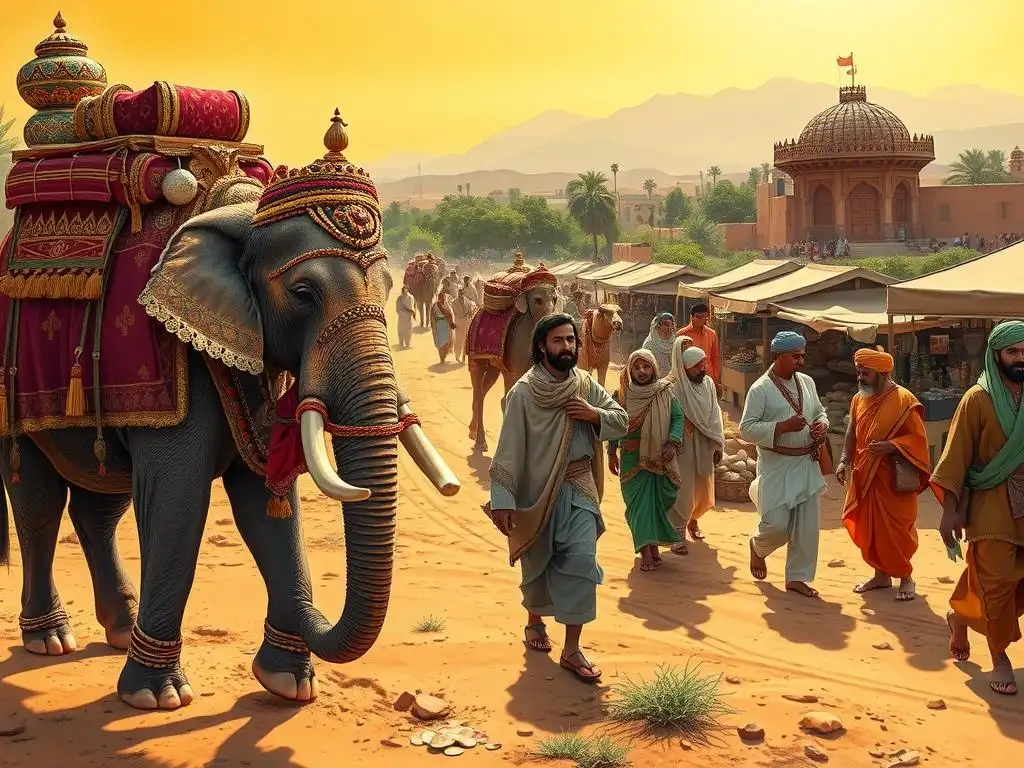
Trade routes in ancient India were not only conduits for economic exchange but also pathways for cultural interaction and dissemination. As merchants and travelers traversed these routes, they carried with them not just goods but also ideas, beliefs, and customs, enriching the cultural landscape of the regions they touched.
Influence of Trade on Ancient Indian Society and Culture
The exchange of goods often came hand-in-hand with the exchange of cultures, significantly influencing ancient Indian society. Different communities encountered diverse traditions and practices through trade, leading to the blending of cultures. This interaction promoted tolerance and understanding among various groups, fostering a sense of unity amidst diversity.
Additionally, trade facilitated the spread of religions, such as Buddhism and Hinduism, as traders shared their beliefs with others. The establishment of trade routes often aligned with the movement of these religions, allowing for the dissemination of spiritual ideas across vast distances, thereby shaping the cultural identity of the region.
The Spread of Ideas and Innovations via Trade Routes
Trade routes served as vital channels for the spread of ideas and innovations. The interactions between traders and cultures led to the exchange of knowledge, including advancements in science, mathematics, and philosophy. For instance, the introduction of the numeral system and concepts of zero from Indian mathematicians had a profound impact on global mathematics.
Moreover, technological innovations, such as the use of the potter's wheel and metallurgy techniques, were shared along trade routes, enhancing production capabilities. This cross-pollination of ideas not only contributed to the intellectual growth of ancient Indian society but also laid the groundwork for future advancements in various fields. The rich legacy of cultural and intellectual exchange through trade continues to resonate in contemporary society, highlighting the enduring impact of ancient Indian trade routes.
The Decline of Ancient Indian Trade Routes
The decline of ancient Indian trade routes marked a significant turning point in the economic landscape of the region. As vibrant networks that facilitated the exchange of goods, ideas, and culture, these routes played a pivotal role in the prosperity of ancient Indian civilizations. However, various factors contributed to their gradual decline, leading to profound shifts in economic activity and cultural interactions.
Factors Leading to the Decline of Trade Networks
Several intertwining factors led to the decline of ancient Indian trade routes.
- Political Instability: Frequent changes in political power, particularly during periods of fragmentation and the rise of regional kingdoms, disrupted trade continuity. The lack of a unified political structure made it difficult to maintain secure trade routes.
- Economic Shifts: The emergence of new trade centers in different regions, particularly along the Silk Road and maritime routes, diverted attention and resources from traditional land routes. The changing dynamics of global trade patterns diminished the role of ancient Indian routes.
- Infrastructure Decay: The decline of urban centers that previously thrived on trade resulted in deteriorating infrastructure. Roads, caravanserais, and port facilities fell into disrepair, making it challenging for traders to navigate the routes effectively.
- Natural Disasters: Environmental factors, such as floods, droughts, and earthquakes, disrupted agricultural production and trade. These disasters not only affected the local economies but also diminished the reliability of trade routes.
The Impact of External Invasions on Trade Dynamics
External invasions significantly altered the trade dynamics of ancient India.
- The arrival of foreign powers, such as the Greeks, Scythians, and later the Huns, introduced new political and military challenges that destabilized the region. This led to the closure of routes and a decline in trade activities.
- Increased taxation imposed by invaders further strained trade relations. Traders faced higher fees and risks, making it less profitable to engage in long-distance trade.
- Cultural shifts due to invasions also changed the consumer landscape. New goods and commodities entered the market, often at the expense of traditional Indian products, leading to shifts in demand and supply.
The combination of these factors ultimately resulted in a weakened network that could no longer support the robust economic and cultural exchanges that had once flourished.
Conclusion: The Lasting Legacy of Ancient Indian Trade Routes
While the decline of ancient Indian trade routes was marked by challenges and transformations, their legacy continues to influence contemporary economic and cultural landscapes.
Reflection on Economic Prosperity and Cultural Exchange
The ancient trade routes were not merely pathways for goods; they were conduits of cultural exchange and economic prosperity. They facilitated the movement of not only spices, textiles, and precious stones but also ideas, religions, and technologies. This exchange enriched Indian culture and laid the groundwork for future interactions with various civilizations. The legacy of these routes can be observed in the enduring cultural practices and shared knowledge that continue to resonate in modern society.
Lessons from Ancient Trade for Modern Economic Strategies
The history of ancient Indian trade routes offers valuable lessons for contemporary economic strategies:
- Diversification of Trade Partners: Just as ancient traders sought diverse markets, modern economies can benefit from forging strong ties with various nations to mitigate risks associated with market fluctuations.
- Investment in Infrastructure: The decline of trade routes due to poor infrastructure highlights the importance of investing in transportation and communication networks to facilitate smooth trade.
- Cultural Diplomacy: Emphasizing cultural exchange as a component of trade can strengthen international relations and foster mutual understanding, much like the ancient routes that connected diverse cultures.
The study of ancient Indian trade routes history not only reveals the economic intricacies of the past but also provides a framework for understanding the interconnectedness of culture and commerce in shaping prosperous societies.
References
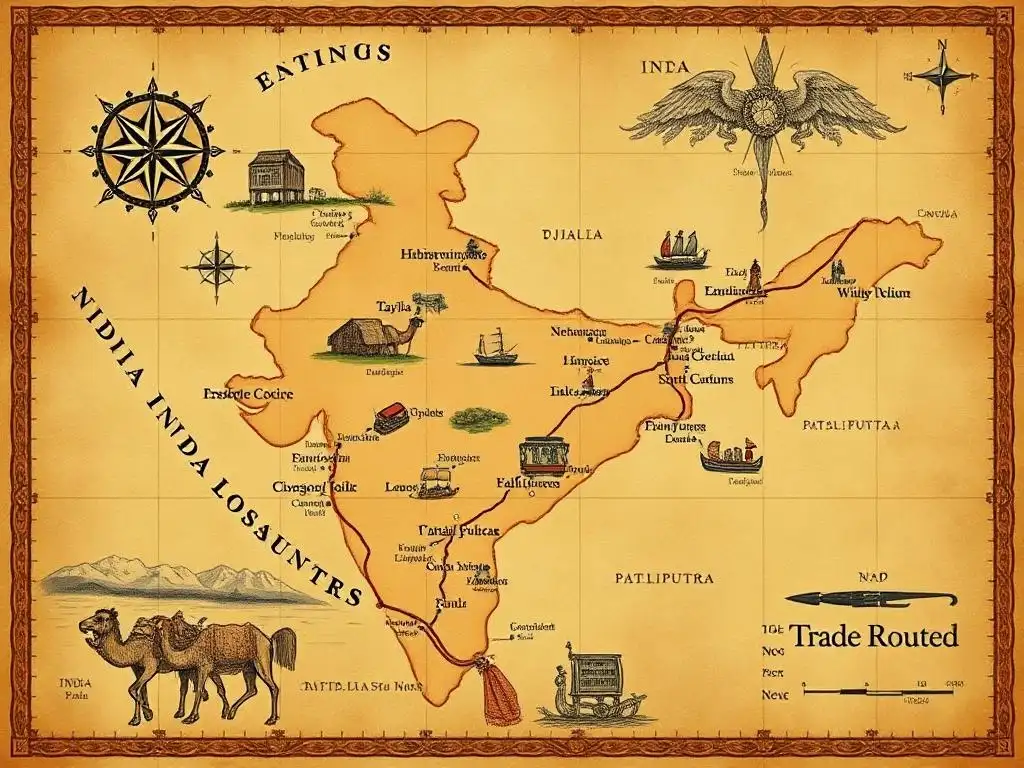
In understanding the complex tapestry of ancient Indian trade routes, various sources provide invaluable insights. The study of historical texts, archaeological findings, and economic records contributes to a comprehensive view of how these routes influenced trade dynamics, cultural exchanges, and economic prosperity in ancient India.
Suggested Readings on Ancient Indian Trade Routes History
-
"The Silk Roads: A New History" by Valerie Hansen
This book offers a broad perspective on the trade networks that connected the East and West, including insights into the Indian subcontinent's role in these exchanges.
-
"Ancient Indian Trade Routes" by R. S. Sharma
A focused examination of the specific trade routes in ancient India, detailing their geographical significance and economic impact.
-
"Trade and Traders in the Early Indian Economy" by A. K. Narain
This work discusses the various trade practices and the role of traders in the economic landscape of ancient India, providing a thorough analysis of internal trade networks.
-
"The Archaeology of Ancient Trade in India" by S. P. Gupta
A compelling read that combines archaeological evidence with historical analysis to explore the trade practices of ancient Indian civilizations.
-
"India and the Indian Ocean: An Interdisciplinary Perspective" edited by R. E. Frykenberg
This collection of essays examines trade routes beyond the subcontinent, considering the broader implications of Indian trade in the Indian Ocean region.
Important Historical Texts and Archaeological Findings
Historical texts and archaeological discoveries significantly illuminate the history of ancient Indian trade routes. Key texts such as the Arthashastra by Kautilya provide detailed descriptions of trade practices, governance, and economic strategies employed in ancient India. This seminal work highlights the importance of trade in the socio-economic fabric of ancient societies.
Archaeological findings, such as those at the Indus Valley Civilization sites, reveal advanced urban planning and trade systems. Artifacts like weights and measures indicate the sophistication of trade practices, while seals and pottery suggest extensive trade relations with regions as far as Mesopotamia and the Arabian Peninsula.
Moreover, discoveries along the Grand Trunk Road, one of Asia's oldest trade routes, underline the historical significance of trade in connecting diverse cultures and economies. The findings of ancient coins, trade goods, and inscriptions corroborate the accounts found in historical texts, offering a richer understanding of the intricate networks that formed the basis of ancient Indian trade routes.
These texts and findings collectively illustrate not just the economic aspects but also the cultural exchanges that occurred through these trade networks, shaping the historical narrative of ancient India.
Frequently Asked Questions
What were the main trade routes in ancient India?
Ancient India had several key trade routes, including the Silk Road and the Maritime Spice Route, which facilitated trade with regions like China, Southeast Asia, and the Middle East.
How did these trade routes impact the economy of ancient India?
The trade routes significantly boosted the economic prosperity of ancient India by enabling the exchange of goods, ideas, and cultural practices, which promoted wealth and innovation.
What goods were commonly traded along these routes?
Traders exchanged a variety of goods, including spices, silks, jewels, and metals. This exchange contributed to the diversification of the ancient Indian economy.
How did ancient Indian trade routes influence cultural exchange?
Trade routes were not just for economic transactions; they also served as cultural conduits, facilitating the spread of religions, languages, and artistic traditions across regions.
What role did the Gupta Empire play in trade?
The Gupta Empire is noted for its prosperous trade networks, which expanded during its reign, leading to increased commercial activity and the flourishing of urban centers throughout India.
Final Reflection: The Enduring Legacy of Ancient Indian Trade Routes
The intricate web of ancient Indian trade routes not only facilitated commerce but also fostered cultural exchanges that resonate in today's global economy. As we navigate an increasingly interconnected world, the lessons from these historical pathways remind us of the importance of collaboration and mutual respect in trade. The prosperity derived from these routes serves as a testament to the power of connectivity, illustrating that economic growth thrives on the exchange of ideas and goods across borders.
Clearly, the influence of ancient Indian trade routes extends far beyond their historical context; they continue to shape our cultural and social landscapes today. The rich tapestry of interactions that occurred along these routes laid the groundwork for diverse cultural exchanges, which are still evident in our modern societies. As Mahatma Gandhi once said, "> The best way to find yourself is to lose yourself in the service of others." This sentiment echoes the spirit of those ancient traders who, through their journeys, not only sought profit but also fostered understanding and cooperation among different cultures.
As we reflect on the significance of ancient Indian trade routes, I invite you to consider how their principles can be applied in your own life. Embrace the spirit of exploration and connection, whether in your personal relationships or professional endeavors. Let the stories of these routes inspire you to seek out new opportunities for collaboration and understanding in your community. By doing so, you can contribute to a legacy of prosperity and harmony that echoes the achievements of those who came before us.
Uncover the Pathways of Prosperity!
Thank you for exploring the fascinating world of ancient Indian trade routes with us! By diving into their history, you've gained insight into how these pathways not only fostered economic growth but also connected diverse cultures. Now, it’s time to take action and deepen your understanding of this remarkable history.
- Delve Deeper: Read more about specific trade routes and their influential traders by visiting our comprehensive articles on ancient Indian history.
- Share Your Insights: Join our community discussions on social media and share your thoughts about the impact of these trade routes on contemporary economies!
- Explore Locally: Visit a museum or exhibition that showcases artifacts from ancient trade and connect with India's rich heritage!
What connections between trade and culture will inspire you the most?