
Exporting Textiles from India: Tips to Ensure Quality and Compliance

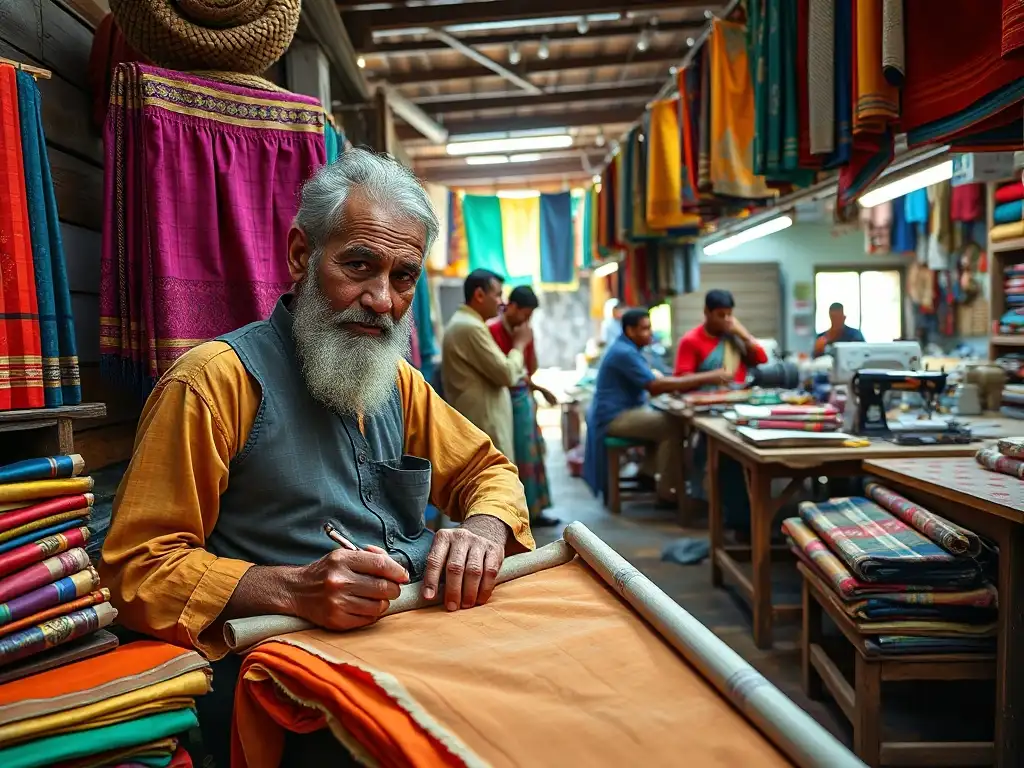
Welcome to Ancient India History, where we delve into the rich tapestry of India’s past, uncovering the remarkable civilizations that shaped the subcontinent. Today, we invite you to explore our featured article: “Exporting Textiles from India: Tips to Ensure Quality and Compliance.” Discover how the legacy of quality Indian textiles continues to thrive in the global marketplace, and learn the essential guidelines for ensuring compliance in your exports.
Unravel the intricate connections between ancient craftsmanship and modern business practices, and embark on a journey that promises to enrich your understanding of India's enduring impact on the world of textiles. Dive deeper with us!
- Introduction to Quality Indian Textiles Export Guide
- Key Considerations for Exporting Indian Textiles
- Tips for Ensuring Quality in Textile Exports
- Navigating Compliance and Regulations for International Markets
- Marketing Your Quality Indian Textiles
- Conclusion: The Future of Quality Indian Textiles Export
-
Frequently Asked Questions
- What are the key factors to consider for quality in Indian textiles?
- How can exporters ensure compliance with international regulations?
- What are some popular textiles exported from India?
- How important is sustainability in textile exports?
- What resources are available for new exporters in the textile industry?
- Final Reflection: Embracing Excellence in Indian Textiles Export
- Elevate Your Textile Export Game Today!
Introduction to Quality Indian Textiles Export Guide
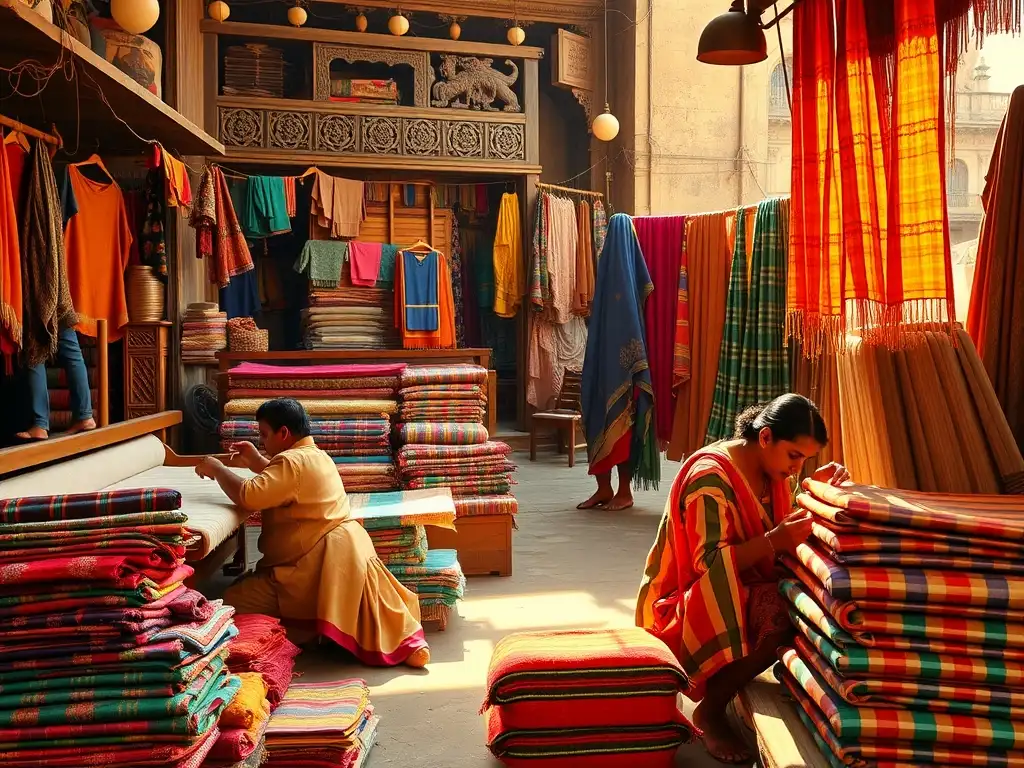
India has long been celebrated for its rich tapestry of textiles, embodying a blend of artistry, tradition, and innovation. As one of the largest producers and exporters of textiles globally, understanding the nuances of quality and compliance in this sector is crucial for both new and seasoned exporters.
This guide aims to provide invaluable insights and practical tips for ensuring the quality of Indian textiles during exportation, focusing on the intricate relationship between craftsmanship and market standards. By delving into the importance of high-quality textiles and the unique cultural heritage that shapes India's textile industry, this article will serve as a comprehensive resource for anyone interested in navigating the complexities of exporting Indian textiles.
Understanding the Importance of Quality in Textile Exports
Quality in textile exports is not merely a benchmark; it is the cornerstone of sustainable business practices. Ensuring high-quality standards can:
- Enhance Brand Reputation: Consistently delivering quality products helps build trust and loyalty among international clients.
- Meet Compliance Standards: Adhering to international quality standards is often a legal requirement, safeguarding against penalties and trade barriers.
- Increase Market Competitiveness: High-quality textiles attract premium pricing, which can lead to greater profit margins.
- Foster Customer Satisfaction: Quality directly correlates with customer experiences and repeat business.
In the competitive global market, exporters need to implement rigorous quality control measures at every stage of production—from sourcing raw materials to the final shipment. This involves regular inspections, certifications, and adherence to industry best practices to ensure that the textiles meet the expectations of discerning customers.
Overview of India's Textile Industry and Cultural Heritage
India's textile industry is a vibrant tapestry woven from centuries of tradition and innovation. With a history dating back to the Indus Valley Civilization, textiles have played a pivotal role in India's economy and cultural identity. The industry can be categorized into various segments, including:
- Handloom Textiles: Representing the craftsmanship of local artisans, handloom textiles are often made from natural fibers and feature intricate designs.
- Powerloom Textiles: This segment leverages mechanized production methods to meet the demands of mass markets while maintaining quality.
- Sustainable Textiles: With increasing global awareness towards sustainability, many Indian manufacturers are adopting eco-friendly practices in textile production.
India's rich cultural heritage is reflected in its diverse textile forms, such as:
- Silk from Varanasi: Known for its luxurious quality and intricate patterns.
- Cotton from Gujarat: Renowned for its softness and vibrant colors.
- Wool from Kashmir: Famous for its warmth and craftsmanship in shawls.
The fusion of tradition and modernity in India’s textile industry not only enhances its global appeal but also ensures that exporters can present unique, high-quality products to the international market. Understanding this background is essential for anyone looking to succeed in the export of Indian textiles.
Key Considerations for Exporting Indian Textiles

When it comes to exporting textiles from India, several key considerations must be taken into account to ensure a smooth process and high-quality products. Understanding the complexities of international trade, compliance with regulations, and the importance of maintaining quality throughout production are critical for success. This section delves into the necessary guidelines for effectively exporting Indian textiles, focusing on compliance, quality control, and sourcing of raw materials.
Compliance with International Standards for Textile Exports
Ensuring compliance with international standards is crucial for the success of textile exports from India. Different countries have specific regulations concerning textile imports, which often include quality, safety, and environmental considerations. Adhering to these standards not only enhances the credibility of Indian textiles but also opens up access to larger markets.
Certifications Required for Exporting Textiles from India
To navigate international regulations effectively, exporters must obtain various certifications that demonstrate compliance with quality and safety standards. Some key certifications include:
- ISO 9001: This certification focuses on quality management systems, ensuring that products meet customer and regulatory requirements.
- OEKO-TEX® Standard 100: A certification for textiles tested for harmful substances, ensuring safety for consumers.
- GOTS (Global Organic Textile Standard): This certification is essential for organic textiles, covering ecological and social criteria throughout the supply chain.
Obtaining these certifications not only boosts consumer confidence but also aligns with global sustainability goals, making Indian textiles more appealing in international markets.
Understanding the Role of Quality Control in Exports
Quality control plays a vital role in the textile export process. It involves systematic inspection and testing of raw materials and finished products to ensure they meet the required standards. Key aspects include:
- Pre-Production Inspection: Assessing raw materials and ensuring they meet quality standards before production begins.
- In-Process Inspection: Monitoring the manufacturing process to prevent defects.
- Final Inspection: Conducting thorough checks on the finished products before shipment to ensure compliance with quality standards.
Implementing a robust quality control system helps to minimize returns and rejections, thereby enhancing the reputation of Indian textiles in the global market.
Selecting Quality Raw Materials for Textile Production
The quality of textiles is largely determined by the raw materials used in production. Therefore, selecting high-quality fibers is a fundamental step for exporters looking to maintain a competitive edge.
Sourcing Authentic Indian Fabrics: Cotton, Silk, and Wool
India is renowned for its diverse range of textiles, particularly cotton, silk, and wool. Each of these materials has unique properties that cater to different market demands:
- Cotton: Known for its breathability and comfort, Indian cotton is popular worldwide. Exporters should focus on sourcing high-quality, organic cotton for better market acceptance.
- Silk: Indian silk, particularly from regions like Varanasi and Kanchipuram, is highly valued for its lustrous finish and intricate designs. Ensuring authenticity in sourcing is critical to maintain its premium status.
- Wool: Indian wool, especially from the northern states, is sought after for its warmth and durability. Sourcing from reputable suppliers is essential to guarantee quality.
By ensuring authenticity in sourcing, exporters can capitalize on the rich heritage and quality associated with Indian textiles.
Importance of Sustainable Sourcing Practices
Sustainable sourcing practices are increasingly important in today’s market. Consumers are becoming more conscious of the environmental impact of their purchases. Implementing sustainable practices can include:
- Using eco-friendly dyes: Ensuring that dyes used in textiles are non-toxic and environmentally friendly.
- Supporting fair trade: Collaborating with suppliers who follow fair labor practices contributes to the ethical production of textiles.
By focusing on sustainable sourcing, exporters can meet consumer demand for ethical products while contributing positively to the environment. This not only enhances the brand image but also aligns with global trends towards sustainability in fashion.
Tips for Ensuring Quality in Textile Exports

Ensuring quality in textile exports is paramount for maintaining a competitive edge in the global market. As demand for high-quality Indian textiles continues to rise, exporters must adopt systematic approaches to guarantee that their products meet international standards. This section outlines essential tips to help exporters uphold quality in their textile exports.
Implementing Quality Assurance Processes
Establishing robust quality assurance processes is crucial for identifying and mitigating defects before textiles reach international markets. These processes should encompass various stages, from raw material sourcing to finished product inspection.
Steps to Conduct Quality Inspections Before Export
- Raw Material Inspection:
- Conduct tests on fabrics to check for colorfastness, shrinkage, and weave integrity.
- Ensure that dyes and chemicals used are compliant with international standards.
- In-Process Inspections:
- Implement regular checks during production to monitor stitching, sizing, and finishing processes.
- Utilize checklists tailored to specific textile types to maintain consistency.
- Final Product Inspection:
- Perform a thorough examination of the finished products, focusing on dimensions, defects, and packaging.
- Use random sampling techniques to assess quality across different batches.
- Documentation:
- Maintain detailed records of inspections and compliance tests to provide transparency for buyers.
- Create comprehensive reports that outline quality metrics and any corrective actions taken.
Utilization of Technology in Quality Control
Incorporating technology into quality control can significantly enhance efficiency and accuracy. Here are some ways technology can be leveraged:
- Automated Inspection Systems: Utilize machines equipped with cameras and AI algorithms to detect defects in fabrics at high speed.
- Blockchain for Transparency: Employ blockchain technology to track the supply chain, ensuring that all materials used meet quality standards.
- Data Analytics: Analyze quality data collected during inspections to identify trends and areas for improvement, enabling proactive measures.
Collaborating with Reputable Manufacturers and Suppliers
Partnering with reputable manufacturers and suppliers is essential for ensuring the quality of textile exports. The right partnerships can lead to better quality control and adherence to international standards.
How to Choose the Right Textile Manufacturer in India
- Research and Background Checks:
- Investigate potential manufacturers’ histories, production capabilities, and previous export experiences.
- Look for certifications such as ISO and compliance with environmental and labor standards.
- Sample Evaluation:
- Request samples of textiles produced to assess quality firsthand before making commitments.
- Evaluate the consistency in quality, color, and finishing of samples compared to your specifications.
- Factory Visits:
- Conduct on-site visits to inspect manufacturing processes and working conditions.
- Engage in discussions with the management about their quality control processes.
- Review References and Testimonials:
- Seek feedback from other businesses that have worked with the manufacturer.
- Understand their reputation in the industry regarding quality and reliability.
Case Study: Successful Collaborations in Textile Exports
One notable example of successful collaboration in textile exports is the partnership between Indian textile manufacturers and international fashion brands. For instance, a leading Indian textile company entered into a joint venture with a European fashion label to produce eco-friendly fabrics. This collaboration resulted in:
- Higher Quality Standards: By sharing best practices and expertise, both parties enhanced their quality assurance processes.
- Increased Market Reach: The partnership allowed the Indian manufacturer to tap into the European market, showcasing their high-quality textiles.
- Sustainable Practices: The initiative focused on sustainable sourcing and production methods, appealing to environmentally conscious consumers.
This case underscores the importance of strategic collaborations in exporting quality Indian textiles and highlights the potential for shared success through commitment to quality and innovation.

Understanding Export Regulations for Indian Textiles
Exporting textiles from India requires a firm grasp of the regulations that govern international trade. These rules are essential not only for compliance but also to maintain the quality and reputation of Indian textiles in global markets.
The Foreign Trade Policy (FTP) serves as the backbone for export regulations. It is crucial for exporters to understand the FTP’s provisions, which are periodically updated to reflect changing global trade dynamics. Additionally, exporters must familiarize themselves with the Export Promotion Council for Handicrafts (EPCH) and the Textile Export Promotion Council (TEXPROCIL), which provide guidance and support for textile exporters.
Another significant aspect of export regulations is compliance with international standards. Exporters must ensure that their textiles meet the quality standards set by the importing countries, which may include certifications for sustainability, labor practices, and environmental impact. For example, the Global Organic Textile Standard (GOTS) is increasingly sought after in markets favoring sustainable products.
Key Indian Export Policies and Their Impact on Textile Trade
Several key policies shape the landscape of textile exports in India:
- Merchandise Exports from India Scheme (MEIS): This policy aims to promote the export of specified goods, including textiles, by providing incentives. Understanding how to leverage MEIS can significantly enhance profitability.
- Duty Drawback Scheme: Exporters can claim refunds on customs duties paid on imported inputs used in manufacturing goods for export. This scheme effectively reduces the cost burden on textile manufacturers.
- Goods and Services Tax (GST): Comprehending the implications of GST on exports is vital. Although exports are zero-rated under GST, proper documentation is necessary to avoid complications.
These policies, coupled with a thorough understanding of compliance requirements, can help exporters navigate the complexities of the international textile market successfully.
Country-Specific Regulations: What You Need to Know
Textile exporters must also be aware of the specific regulations of the countries they are exporting to. Each country has its own set of rules regarding textile imports, which can include:
- Tariffs and Duties: Different countries impose varied tariffs on imported textiles. Understanding these can help in pricing products competitively.
- Labeling and Packaging Requirements: Some countries have strict rules regarding how textiles should be labeled, including the origin, fiber content, and care instructions.
- Trade Agreements: Knowledge of bilateral and multilateral trade agreements can provide an edge. For instance, the India-ASEAN Free Trade Agreement allows preferential tariffs that can benefit exporters.
Being aware of these country-specific regulations is crucial for ensuring compliance and avoiding costly delays.
Documentation Required for Textile Exports
Proper documentation is the cornerstone of successful textile exports. Ensuring that all necessary documents are in order not only facilitates smooth transactions but also enhances compliance with international regulations.
Essential Shipping Documents for Textile Export Compliance
The following documents are typically required for exporting textiles from India:
- Commercial Invoice: This document details the transaction between the buyer and seller, including descriptions of the goods, quantities, and pricing.
- Packing List: It outlines the specifics of the shipment, including the dimensions and weight of each package, which is essential for shipping logistics.
- Bill of Lading (BOL): A critical document that serves as a contract between the shipper and the carrier, detailing the transportation of goods.
- Certificate of Origin: This certifies the country of origin of the exported goods, which is often required by the importing country for tariff purposes.
- Export License: Depending on the nature of the textiles, an export license may be required to comply with governmental regulations.
Tips for Avoiding Common Documentation Mistakes
When preparing documentation for textile exports, several common pitfalls can be avoided with careful attention:
- Double-Check Information: Ensure that all details, such as names, addresses, and product descriptions, are accurate and consistent across all documents.
- Timely Submission: Submit documents well in advance to avoid delays. Each document may have specific timelines for submission.
- Stay Updated on Regulations: Regularly review export regulations and documentation requirements, as these can change frequently.
- Use Checklists: Create a checklist of required documents to ensure nothing is overlooked during preparation.
By following these tips, exporters can minimize the risk of documentation errors, ensuring compliance and enhancing the overall efficiency of their export operations.
Marketing Your Quality Indian Textiles
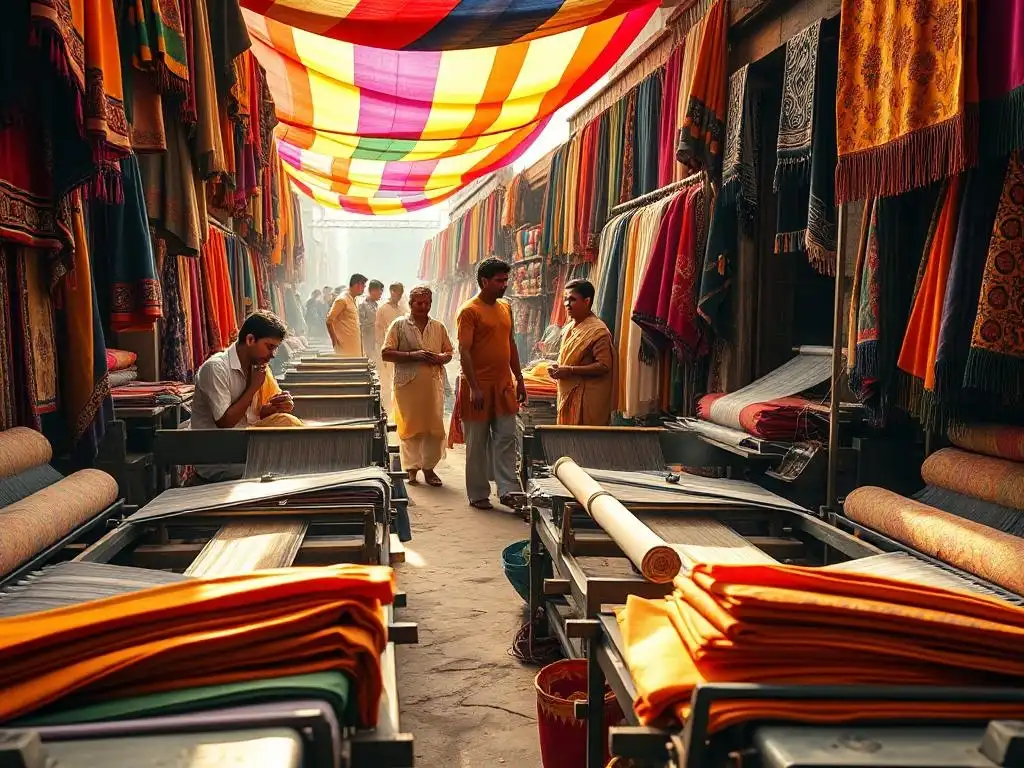
Developing a Strong Brand Identity for Indian Textiles
Creating a compelling brand identity is crucial for establishing a successful export business in the textile industry. A strong brand not only differentiates your products but also resonates with international buyers. Here are key elements to consider:
- Visual Identity: Develop a logo and color scheme that reflect the essence of Indian textiles. This visual representation should be consistent across all platforms, including packaging, website, and promotional materials.
- Cultural Storytelling: Highlight the rich history and craftsmanship of your textiles. Use narratives that showcase the traditional techniques and the artisans behind the products. This emotional connection can enhance perceived value.
- Quality Assurance: Emphasize your commitment to quality. Implement certification processes such as ISO or Fair Trade to build trust with buyers. Display these certifications prominently in your marketing materials.
Building a brand identity involves continuous engagement with your audience. Utilize platforms like social media to share stories, behind-the-scenes content, and customer testimonials, creating a community around your brand.
Crafting Your Unique Selling Proposition (USP) in the Textile Market
Your Unique Selling Proposition (USP) is what sets your products apart in a competitive market. To craft an effective USP for your quality Indian textiles, consider the following components:
- Highlight Unique Features: Identify distinctive characteristics of your textiles, such as traditional weaving techniques, eco-friendly materials, or exclusive designs.
- Target Market Understanding: Research and understand your target audience's preferences and pain points. Tailor your USP to address their specific needs, whether it’s sustainability, luxury, or affordability.
- Competitive Analysis: Analyze your competitors to identify gaps in the market. Position your textiles in a way that fills these gaps and offers something that others do not.
Your USP should be clear, concise, and easy to communicate. It should resonate with your target audience and be consistently reflected in your branding efforts.
Leveraging Digital Marketing Strategies for Textile Exports
In the digital age, leveraging online marketing strategies is essential for promoting your quality Indian textiles. Here are some effective approaches:
- Search Engine Optimization (SEO): Optimize your website content with relevant keywords, such as "Quality Indian textiles export guide," to improve visibility on search engines. Focus on creating informative content that addresses potential buyers' queries.
- Social Media Marketing: Utilize platforms like Instagram and Pinterest, which are visually oriented, to showcase your textiles. Share high-quality images, styling tips, and videos that highlight the craftsmanship involved.
- Email Marketing: Build an email list of potential buyers and send out regular newsletters featuring new collections, promotions, and industry insights. Personalizing your emails can significantly enhance engagement.
Investing in digital marketing can broaden your reach and create a strong online presence, making it easier for international buyers to discover your textiles.
Utilizing Trade Shows and Expos for Exposure
Trade shows and expos are vital platforms for textile exporters to gain exposure and connect with potential buyers. Participating in these events can significantly enhance your brand's visibility and credibility.
Important Textile Trade Shows in 2024
Here are some noteworthy textile trade shows in 2024 where you can showcase your quality Indian textiles:
| Event Name | Location | Date | Focus |
|---|---|---|---|
| Texworld USA | New York, USA | July 22-25, 2024 | Global textile sourcing |
| Heimtextil | Frankfurt, Germany | January 9-12, 2024 | Home and contract textiles |
| Intertextile Shanghai | Shanghai, China | March 20-22, 2024 | Apparel and textiles |
| India International Textile Expo | New Delhi, India | September 15-18, 2024 | Indian textiles showcase |
These events provide an excellent opportunity to network, gain insights into market trends, and find potential partners.
How to Effectively Showcase Your Textiles at International Events
To maximize your impact at trade shows, consider the following strategies:
- Professional Booth Design: Invest in an attractive booth that reflects your brand identity. Use high-quality displays and signage to draw visitors' attention.
- Sample Collections: Prepare a range of samples that highlight the quality and diversity of your textiles. Allow visitors to touch and feel the materials to enhance their experience.
- Engagement Activities: Organize live demonstrations, workshops, or presentations during the event to engage attendees. This interactive approach can leave a lasting impression and generate interest in your products.
- Follow-Up Strategy: Collect contact information from visitors and have a plan in place for follow-up communication after the event. Personalized follow-ups can help convert leads into sales.
By implementing these strategies, you can effectively showcase your quality Indian textiles and make meaningful connections with potential buyers at international events.
Conclusion: The Future of Quality Indian Textiles Export

The future of quality Indian textiles export is poised for exciting developments as the industry adapts to global demands and environmental challenges. With India's rich heritage in textiles, from handwoven fabrics to modern manufacturing techniques, the potential for growth in this sector remains significant. This conclusion outlines the key areas that will shape the future of Indian textiles exports, ensuring they meet international standards while preserving the cultural essence of the products.
Embracing Innovation for Sustainable Textile Exports
Innovation plays a pivotal role in enhancing the quality and sustainability of Indian textiles. As global consumers become more conscious of environmental issues, Indian exporters are focusing on sustainable practices. Here are some ways innovation is transforming the textile export landscape:
- Eco-friendly Materials: The demand for organic and sustainable fabrics is on the rise. Exporters are increasingly sourcing materials like organic cotton, bamboo, and hemp, which have a lower environmental impact.
- Advanced Manufacturing Techniques: Incorporating modern technology, such as digital printing and automated weaving, can improve efficiency while maintaining quality. For instance, digital printing allows for precise designs without excessive water usage.
- Waste Reduction Initiatives: Implementing zero-waste policies in production processes is essential. By reusing scraps and optimizing patterns, exporters can significantly minimize textile waste.
- Blockchain for Transparency: Utilizing blockchain technology can enhance traceability in the supply chain, ensuring compliance with ethical sourcing and labor practices. This transparency builds trust with international customers.
- Skill Development Programs: Investing in training programs for artisans and workers helps improve craftsmanship and quality control. With skilled labor, the precision and artistry of textiles can reach new heights.
Final Thoughts on Ensuring Quality and Compliance in Indian Textile Exports
Ensuring quality and compliance in Indian textile exports is not merely about meeting regulations; it's about enhancing reputation and building long-lasting relationships with clients worldwide. Here are some final thoughts to consider:
- Regular Quality Audits: Conducting frequent quality audits helps identify areas for improvement. Establishing a robust quality assurance system ensures that products meet specified standards before shipment.
- Compliance with International Standards: Familiarizing with and adhering to international standards such as ISO and Oeko-Tex is crucial. These certifications not only enhance product credibility but also attract discerning buyers.
- Sustainable Practices: Embracing sustainability not only fulfills regulatory requirements but also aligns with consumer preferences. Exporters who prioritize eco-friendly practices can differentiate themselves in a competitive market.
- Building Strong Partnerships: Collaborating with reliable suppliers and logistics partners ensures a smooth export process. Strong relationships can lead to better pricing and quality consistency.
- Continuous Learning and Adaptation: The textile market is dynamic, and staying informed about trends and regulations is key. Participating in trade workshops and industry forums can provide valuable insights and networking opportunities.
As the Indian textile industry continues to evolve, the commitment to quality and compliance will be paramount in securing a prominent position in the global market. By embracing innovation and sustainable practices, Indian exporters can not only meet but exceed the expectations of their international clientele, paving the way for a prosperous future in textile exports.
Frequently Asked Questions
What are the key factors to consider for quality in Indian textiles?
To ensure quality, exporters should focus on material selection, craftsmanship, and adherence to industry standards. These elements significantly impact the durability and appeal of the textiles.
How can exporters ensure compliance with international regulations?
Exporters must familiarize themselves with local and international regulations, including safety standards and environmental guidelines. Compliance certifications can help facilitate smoother trade processes.
What are some popular textiles exported from India?
India is renowned for its cotton, silk, and handwoven fabrics. Each region specializes in different textiles, contributing to India's rich diversity in textile exports.
How important is sustainability in textile exports?
Sustainability is increasingly vital in today's market. Adopting eco-friendly practices not only meets consumer demand but also enhances the brand reputation of exporters.
What resources are available for new exporters in the textile industry?
New exporters can access a variety of resources, including government support, trade associations, and online guides. These resources can provide valuable insights into navigating the complexities of the export process.
Final Reflection: Embracing Excellence in Indian Textiles Export
The journey of exporting textiles from India is not just about trade; it is a commitment to quality and compliance that resonates deeply in today's global market. As the demand for high-quality textiles continues to rise, understanding the nuances of quality assurance and regulatory compliance has never been more critical. The stakes are high, and the potential for success is immense.
The landscape of textile exports is continuously evolving, shaped by consumer preferences, sustainability concerns, and technological advancements. As we navigate this dynamic environment, it is clear that our approach to quality will define our legacy. The words of Mahatma Gandhi resonate profoundly here: The best way to find yourself is to lose yourself in the service of others.
This encapsulates the essence of our commitment to quality, as we serve not only our customers but also the artisans and communities that bring these textiles to life.
As you reflect on the insights shared in this guide, I invite you to consider how you can contribute to the narrative of quality in Indian textiles. Let this be a call to action for you—whether you are a manufacturer, exporter, or consumer—to champion excellence and uphold the standards that define our rich textile heritage. By embracing these principles, you not only enhance your business prospects but also play a vital role in preserving the artistry and craftsmanship that make Indian textiles truly exceptional.
Elevate Your Textile Export Game Today!
Thank you for diving into our informative article on exporting textiles from India! We hope you found valuable insights on ensuring quality and compliance in your ventures. Now, let’s take those valuable tips and turn them into action!
Here are a few steps you can take right now to boost your textile exporting experience:
- Conduct a Quality Check: Implement a comprehensive quality assessment process for your products before shipment. This practice can save you time and enhance your reputation!
- Join a Local Export Support Group: Engage with fellow textile exporters, share best practices, and gain insights into navigating compliance challenges.
- Share Your Knowledge: Initiate a conversation with fellow entrepreneurs in the comments below or on social media about the challenges you encounter in textile exporting. Collaboration fosters growth!
What unique strategies have you found effective for ensuring compliance and quality in your textile exports? We’d love to hear your thoughts!