
The Impact of the Silk Road on Ancient Indian Art and Sculpture

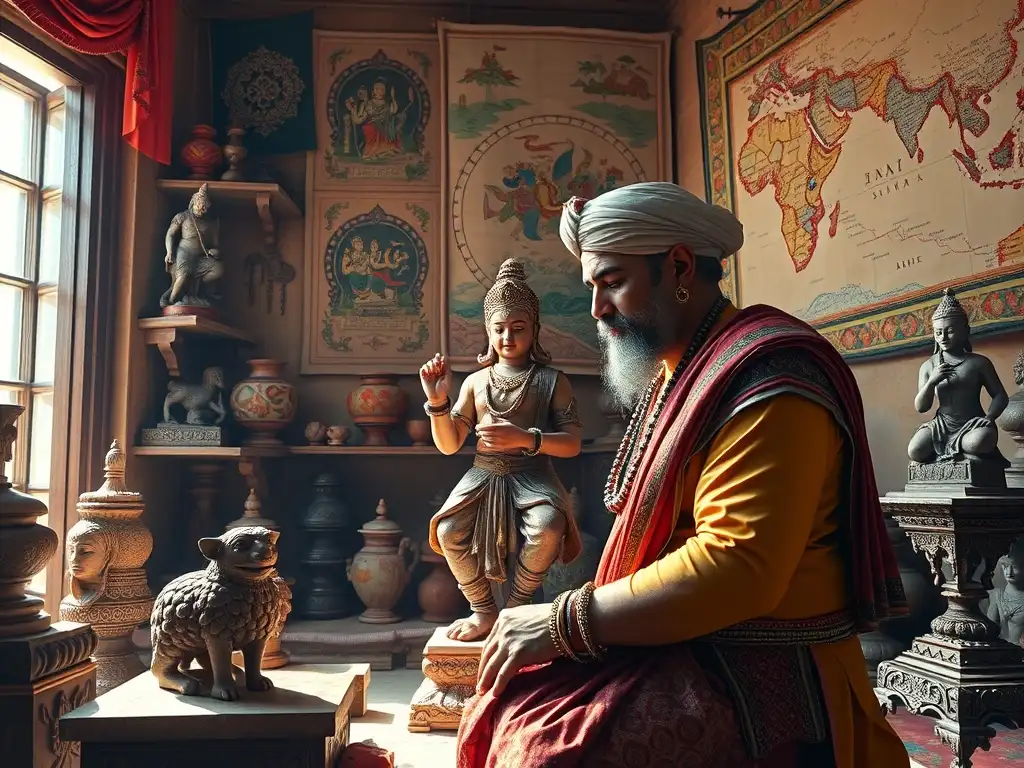
Welcome to Ancient India History, where we embark on a journey through the vibrant tapestry of India's past! Here, we delve into the rich and diverse history, culture, and contributions of ancient Indian civilizations, revealing the intricate connections that shaped their legacies. In our featured article, "The Impact of the Silk Road on Ancient Indian Art and Sculpture," we explore how this legendary trade route influenced artistic expressions across the subcontinent.
What secrets lie within the interplay of commerce and creativity? Join us as we unravel the fascinating story of how the Silk Road left an indelible mark on Indian art, inviting you to discover the beauty and depth of this captivating era.
Introduction to the Silk Road and Its Significance
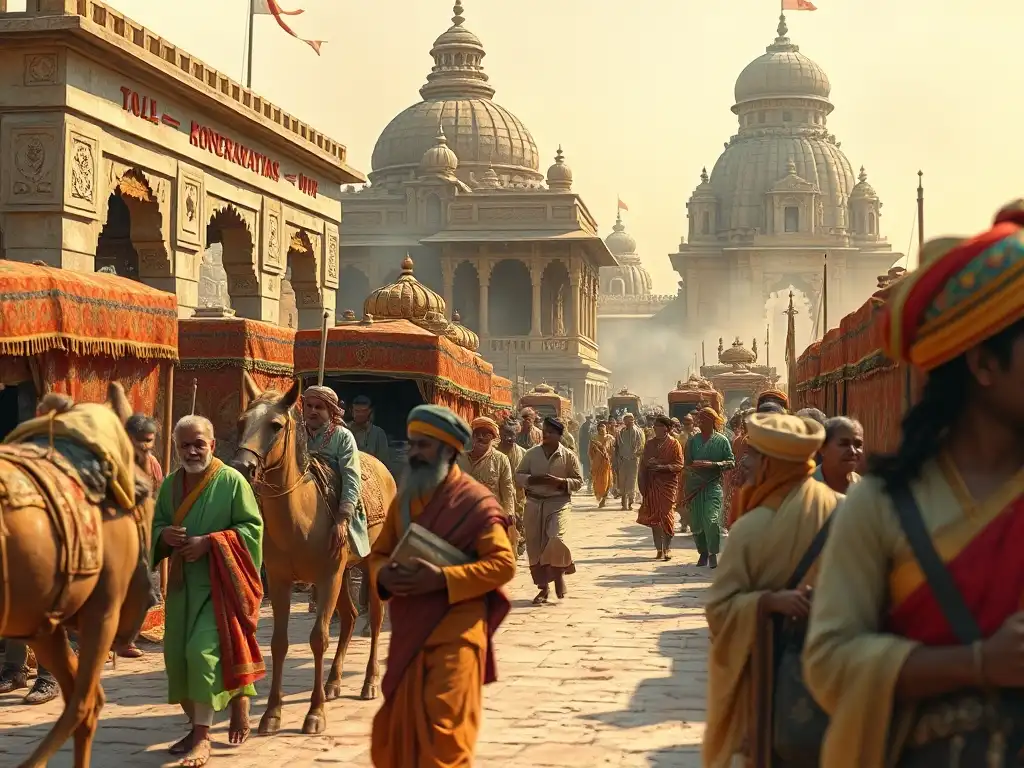
The Silk Road was not merely a network of trade routes; it was a conduit of cultural exchange that connected the East and West over centuries. Spanning from China to the Mediterranean, this expansive route facilitated the movement of goods, ideas, and artistic expressions. One of the most profound impacts of the Silk Road was seen in the realm of art and sculpture, particularly in ancient India.
The interactions between diverse cultures along this route led to a fusion of artistic styles and techniques, enriching the visual arts of India in remarkable ways. This article explores the Silk Road influence on Indian art, detailing how these exchanges shaped the artistic landscape of ancient Indian civilizations and contributed to their enduring legacies.
Overview of the Silk Road's Geographic and Historical Context
The Silk Road was established during the Han Dynasty around the 2nd century BCE and grew to encompass various branches connecting major cities and cultural hubs. It traversed through regions such as:
- Central Asia: Including the cities of Samarkand and Bukhara, which became vital centers for cultural interaction.
- South Asia: Encompassing the Indian subcontinent, where the exchange of goods included not only silk but also spices, textiles, and precious stones.
- Middle East: Linking with places like Persia, which played a significant role in the transmission of artistic motifs.
Historically, the Silk Road was significant in facilitating not just trade but also the spread of religious beliefs, philosophies, and artistic practices. This cultural amalgamation was particularly evident in the evolution of Indian art as it absorbed influences from various civilizations.
Importance of Trade Routes in Cultural Exchange
The trade routes of the Silk Road served as essential pathways for cultural dialogue and exchange. As merchants traveled these routes, they not only exchanged commodities but also shared ideas and artistic traditions. Key points of cultural exchange included:
- Religious Interactions: The spread of Buddhism from India to Central Asia and beyond was significantly influenced by the Silk Road, leading to a cross-pollination of artistic themes.
- Artistic Techniques: Various artistic techniques, such as the use of vibrant colors and intricate patterns, were transmitted between cultures, enriching the visual language of Indian art.
- Iconography: The incorporation of Greco-Roman and Persian motifs into Indian sculpture exemplified the syncretism that arose from these exchanges.
Understanding Indian Art Before the Silk Road Influence
Before the significant influences of the Silk Road, Indian art possessed a unique character shaped by its indigenous traditions and cultural practices.
Characteristics of Early Indian Art and Sculpture
Early Indian art, particularly during the Maurya and post-Maurya periods, is characterized by:
- Naturalism: Sculptures often displayed an acute attention to realistic proportions and expressions, particularly in depictions of the human form.
- Symbolism: Artworks were imbued with symbolic meanings, often representing spiritual concepts and deities.
- Regional Styles: Distinct styles emerged in different regions, such as the polished stone sculptures of the Mauryan period and the intricate carvings of the Gupta era.
Major Art Forms Influencing Ancient Indian Culture
Several art forms were pivotal in shaping ancient Indian culture, including:
- Religious Sculpture: Sculptures of deities and figures from Hinduism and Buddhism played a central role in temples and monasteries.
- Paintings: Early frescoes and cave paintings illustrated narrative themes from epics like the Mahabharata and Ramayana.
- Architecture: Monumental architecture, including stupas and temples, showcased the aesthetic and spiritual aspirations of the time.
As the Silk Road began to influence these art forms, the integration of external elements further enriched the artistic heritage of ancient India, laying the groundwork for a vibrant and diverse artistic landscape that would continue to evolve over the centuries.
The Silk Road Influence on Indian Art
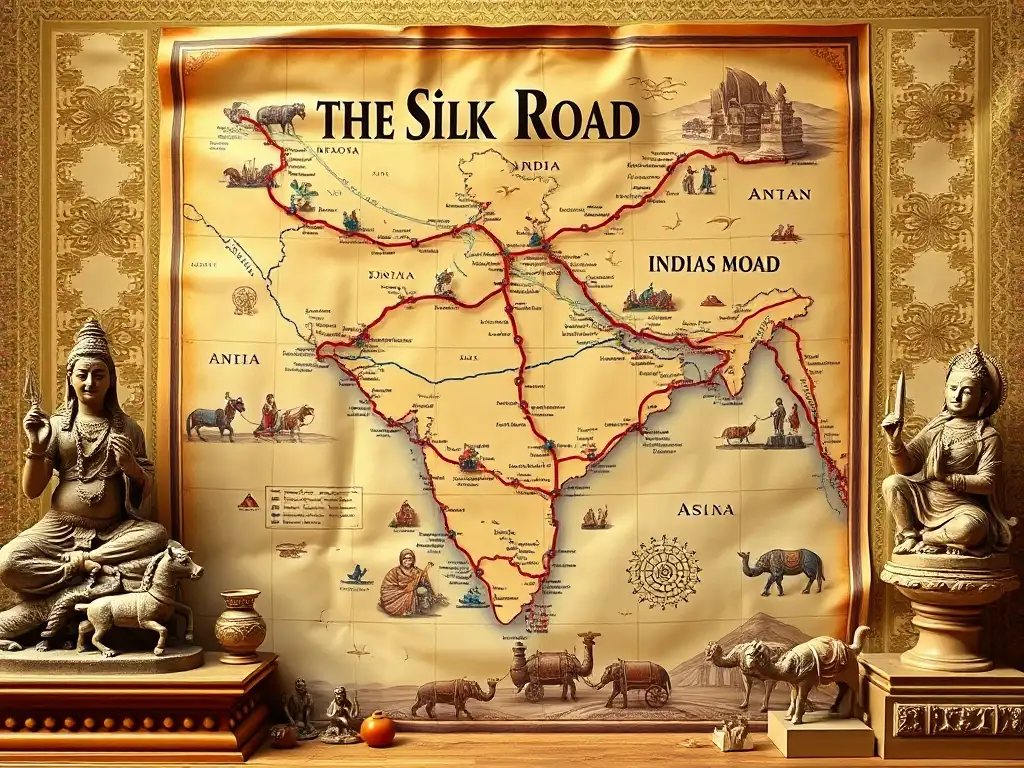
The Silk Road, a network of trade routes connecting the East and West, played a pivotal role in the development of ancient Indian art and sculpture. Through the exchange of goods and ideas, Indian artists were exposed to a myriad of influences that enriched their artistic expression. This interaction not only introduced new themes and methods but also fostered a unique fusion of local traditions with external elements, resulting in a distinctive evolution of art forms in India.
The impact of the Silk Road can be traced through various periods of Indian art history, particularly from the 3rd century BCE to the 13th century CE. During these times, Indian craftsmen and artists assimilated diverse cultural influences from regions including Central Asia, Persia, and beyond. This melding of styles is evident in the intricate designs, iconography, and techniques that emerged in sculptures, textiles, and architecture throughout ancient India.
How the Silk Road Facilitated Cultural Exchange
The Silk Road was not merely a commercial conduit; it was a vibrant cultural highway that facilitated the exchange of ideas, beliefs, and artistic practices. Merchants, travelers, and monks traversing these routes carried with them not only silk and spices but also stories, religious philosophies, and artistic techniques.
- Trade and Interaction: The movement of goods between India and regions such as China and the Middle East allowed for the cross-pollination of artistic concepts and motifs. For instance, the demand for Indian textiles and sculptures in foreign markets led to the adaptation of Indian styles by foreign artisans, while simultaneously influencing Indian craft practices.
- Religious Influence: The spread of Buddhism along the Silk Road significantly affected Indian art. As Buddhist missionaries traveled to Central Asia and beyond, they brought with them artistic representations of Buddha and other religious figures, which were then adapted into local styles. This interchange not only enriched the imagery found in Indian art but also contributed to the establishment of new iconographic traditions.
- Artistic Techniques: The exchange of techniques, such as the use of stucco and the introduction of new painting methods from the West, altered the traditional practices within Indian art. Evidence of this can be seen in the frescoes of Ajanta and the sculptures of the Gandhara school, which exhibit Greco-Roman influences.
Key Art Styles and Techniques Introduced by Silk Road Traders
The interaction along the Silk Road led to the emergence of several art styles and techniques that had a lasting impact on Indian artistic traditions:
- Gandhara Art: This style, which flourished in the regions of present-day Pakistan and Afghanistan, uniquely blended Hellenistic influences with Indian themes. The portrayal of Buddha in human form, adorned with Greco-Roman attire and facial features, exemplifies this synthesis.
- Mathura Sculptures: The Mathura school of art incorporated various influences from the Silk Road, evident in its emphasis on expressive forms and intricate detailing. The sculptures from this region often illustrate a blend of local and foreign motifs.
- Textile Arts: The introduction of intricate weaving techniques and patterns from Central Asia transformed Indian textile art. The production of silk and cotton fabrics, embellished with new designs, became prominent and sought after along the trade routes.
Notable Features of Indian Art and Sculpture Affected by the Silk Road
The Silk Road's influence on Indian art and sculpture is marked by several notable features that underscore the depth of this cultural exchange.
Integration of Foreign Motifs in Indian Sculpture
As a direct result of the Silk Road interactions, Indian sculpture began to integrate foreign motifs and themes, enriching its visual vocabulary.
- Iconography: The inclusion of deities and figures from other cultures, such as the representation of Greco-Roman gods alongside traditional Hindu deities, reflects the blending of beliefs and artistic styles. This integration allowed for a more diverse and cosmopolitan approach to sculpture.
- Stylistic Elements: The use of drapery, realistic facial expressions, and dynamic poses in sculptures can be traced back to influences from the Mediterranean and Central Asian art styles. The adoption of these elements enhanced the expressiveness and vitality of Indian sculptures.
The Emergence of New Materials and Techniques in Indian Art
The trade routes of the Silk Road not only facilitated the exchange of ideas but also introduced new materials and techniques that transformed Indian art practices.
- Materials: The availability of materials such as glass, precious stones, and metals from distant lands allowed Indian artisans to experiment and innovate. The incorporation of these materials into sculptures and decorative arts added a new dimension of richness and variety.
- Techniques: Techniques such as glazing and the use of specific stone carving methods were introduced to India through Silk Road exchanges. These new methodologies not only improved the quality of the artworks produced but also expanded the range of artistic possibilities for Indian artists.
The Silk Road significantly influenced the evolution of Indian art and sculpture, offering a dynamic interplay of cultural exchange that enriched the artistic landscape of ancient India. Through the integration of foreign motifs, the emergence of new materials and techniques, and the collaborative spirit fostered by trade, the legacy of the Silk Road continues to resonate in the rich tapestry of Indian visual arts.
Case Studies of Silk Road Influence on Specific Artworks
The Silk Road served as a vital conduit for the exchange of ideas, culture, and artistic techniques between the East and West. Numerous artworks from ancient India exemplify this influence, showcasing a blend of styles and motifs that reflect the rich tapestry of interactions facilitated by this trade route.
One notable case is the Buddhist sculptures from the Gandhara region, where Greco-Roman artistic influences are prominently visible. The Buddha statues carved in this region often feature Hellenistic styles, including realistic drapery and facial expressions, which were likely introduced through contact with Greek artists after Alexander the Great’s conquests. The fusion of Indian iconography with Western techniques resulted in a unique artistic language that enhanced the representation of spiritual themes.
Another significant example can be observed in the Ajanta Caves, where the intricate murals and sculptures illustrate the impact of Silk Road exchanges. The depiction of musicians and dancers in the wall paintings reflects a synthesis of various cultural elements, possibly influenced by Persian and Central Asian artistry. This amalgamation not only enriched the visual storytelling of Buddhist narratives but also highlighted the dynamic exchanges of the era.
Analysis of Prominent Sculptures Reflecting Silk Road Influence
In analyzing prominent sculptures, one cannot overlook the Buddha statues from the Mathura school. These sculptures show the transition from the aniconic representation of the Buddha to anthropomorphic forms, influenced by the influx of foreign motifs and techniques. The Mathura style, characterized by its robust figures and distinctive facial features, integrates elements of Greek art, particularly in the rendering of drapery and proportion.
Additionally, the Bodhisattva Avalokiteshvara sculptures reveal the profound impact of Silk Road exchanges. The depictions of Avalokiteshvara in various poses, adorned with intricate jewelry and elaborate headdresses, demonstrate a blend of Indian and Central Asian artistic traditions. The flowing lines and attention to detail in these sculptures suggest a dialogue between different cultures, emphasizing the role of the Silk Road in shaping artistic expression.
Examination of Artistic Styles in Iconic Temples and Monuments
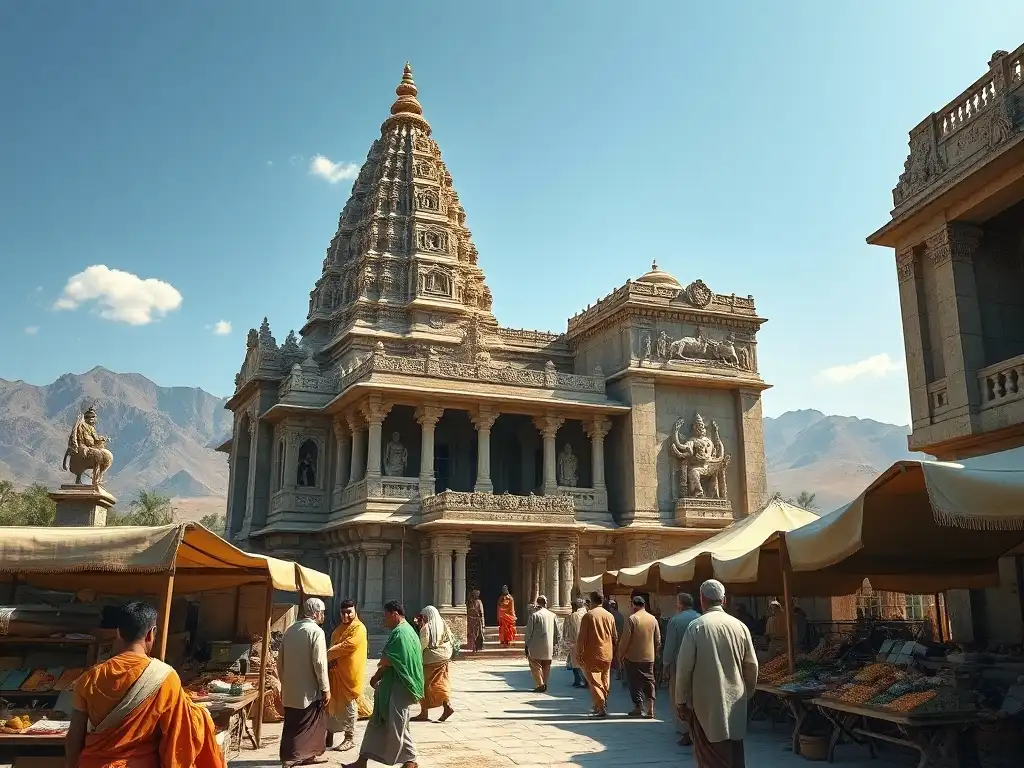
The architectural marvels of ancient India, such as the Khajuraho temples, also exhibit the influence of Silk Road interactions. The intricate carvings and sculptures found within these temples reflect a variety of styles, indicative of the diverse cultural exchanges that occurred along the Silk Road. The erotic sculptures, while unique to Indian culture, show similarities to Persian and Central Asian motifs, suggesting a shared artistic vocabulary influenced by trade.
Another exemplary site is the Sun Temple at Konark, where the sculptures depict celestial beings and deities in dynamic poses. The artistry here illustrates not only local traditions but also incorporates elements that could have been inspired by Silk Road interactions, such as the elaborate representation of movement and emotion, reminiscent of Hellenistic art.
The Role of Religion in Art Transformation Due to Silk Road
Religious beliefs played a pivotal role in the transformation of art due to Silk Road interactions. As Buddhism spread along the trade routes, it brought with it new iconographic elements and narratives that reshaped the artistic landscape of ancient India.
The rise of Buddhist art in India can be traced back to the influx of new ideas and practices from Central Asia. The introduction of Buddhist stupas and monastic architecture reflects a shift in spiritual focus, with sculptural representations of the Buddha evolving to include various forms and attributes, influenced by regional styles encountered through the Silk Road.
Influence of Buddhism and Other Religions on Art and Sculpture
Buddhism's influence on Indian art is perhaps the most significant transformation resulting from Silk Road interactions. The stylistic adaptations seen in Buddhist sculptures, such as those from Gandhara and Mathura, highlight how religious narratives were enriched by the amalgamation of different cultural elements.
Other religions, such as Zoroastrianism and later Islam, also contributed to the diverse artistic landscape of India. The syncretism of these religious traditions can be observed in the architectural styles and motifs that emerged in various regions, showcasing the interconnectedness of faith and art along the Silk Road.
How Religious Narratives Were Shaped by Silk Road Interactions
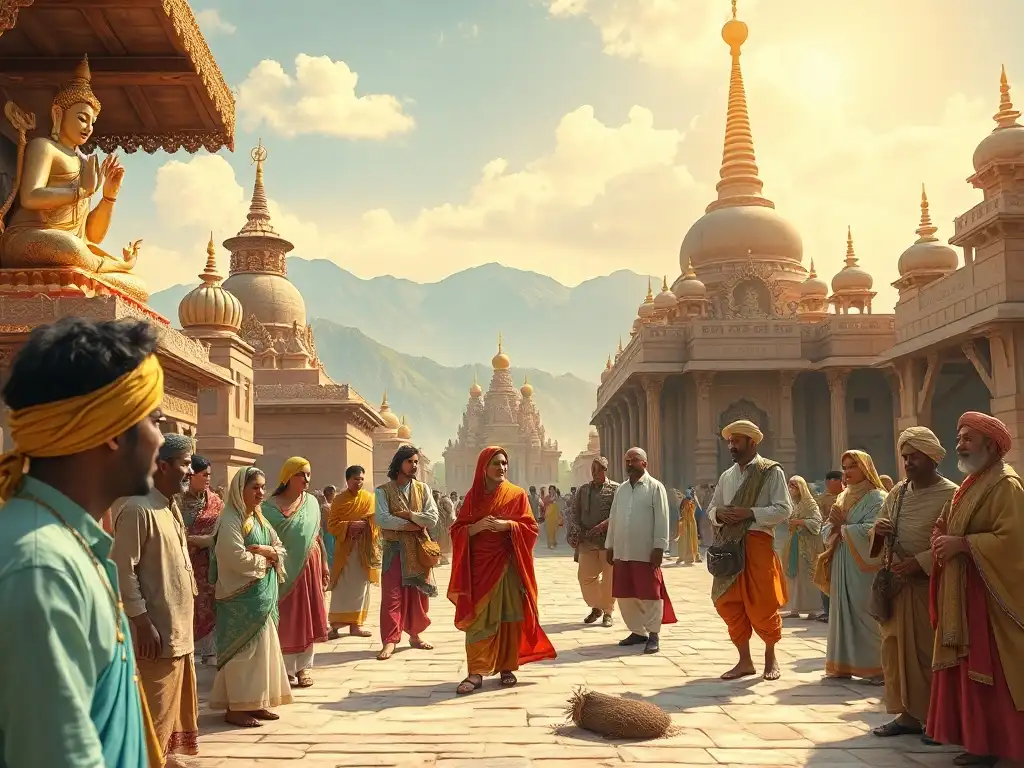
The narratives depicted in art and sculpture were significantly shaped by the interactions facilitated by the Silk Road. As Buddhist missionaries traveled along the trade routes, they spread not only religious teachings but also artistic conventions that influenced local practices.
The Jataka tales, which narrate the previous lives of the Buddha, became a popular subject in Indian art. The visual representation of these narratives in sculptures and murals often incorporated elements from other cultures, such as Persian motifs, illustrating how stories were adapted and transformed through cultural exchanges.
Moreover, the artistic portrayal of Hindu deities began to incorporate elements influenced by Buddhism and Jainism, as well as styles from Central Asian art. This blending of narratives and forms exemplifies the profound impact of the Silk Road on the evolution of religious art in ancient India, leading to a rich and diverse artistic heritage that continues to resonate today.
Conclusion: Lasting Legacy of the Silk Road on Indian Art
The Silk Road served as a crucial conduit for cultural exchange between the East and West, profoundly influencing the development of ancient Indian art and sculpture. Through the movement of traders, monks, and artists, diverse artistic traditions and techniques merged, leading to the creation of unique styles that reflected a blend of indigenous and foreign elements. This cross-pollination of ideas not only enriched Indian art but also enabled the dissemination of Indian aesthetics along the Silk Road, impacting distant cultures in Central Asia and beyond.
The legacy of the Silk Road on Indian art is evident in various forms, from the intricate carvings found in Buddhist stupas to the elaborate frescoes in temples. The adoption of new materials, such as stucco and marble, which were introduced through trade routes, further enhanced the artistic capabilities of Indian craftsmen. This enduring influence is a testament to the interconnectedness of ancient civilizations and highlights how trade routes facilitated not only commerce but also cultural dialogue that shaped artistic traditions across regions.
Summary of Key Points on Silk Road Influence on Indian Art
- Cultural Exchange: The Silk Road facilitated the exchange of ideas, techniques, and materials, enriching Indian art.
- Stylistic Blending: Indian artworks began to reflect a fusion of styles, particularly in Buddhist iconography, as influences from Greco-Roman and Central Asian art were integrated.
- Material Innovations: The introduction of new materials and methods transformed traditional Indian sculpture and architecture, evident in the use of stucco and marble.
- Dissemination of Art: Indian artistic styles traveled along the Silk Road, influencing neighboring regions and cultures, thus spreading the aesthetic values of Indian art globally.
Reflection on the Enduring Impact on Later Indian Artistic Traditions
The influence of the Silk Road on ancient Indian art did not cease with the decline of trade along these routes. Instead, it laid a foundational framework for future artistic endeavors in India. The stylistic innovations and techniques introduced during this period continued to resonate in later artistic traditions, including those seen in the Gupta period and beyond.
As Indian art evolved, the principles of harmony, proportion, and narrative storytelling—themes enriched by Silk Road interactions—remained integral. The enduring legacy is visible in subsequent art forms, such as Mughal miniatures and contemporary Indian art, where the roots of this ancient exchange can still be traced. Consequently, the Silk Road's influence is a vital chapter in the history of Indian art, highlighting the importance of cross-cultural interactions in shaping artistic identity.
Further Reading and Resources on Silk Road and Indian Art
To delve deeper into the intricate relationship between the Silk Road and Indian art, a variety of scholarly resources are available that provide comprehensive insights and analyses.
Recommended Books and Articles on Silk Road Influence
- "The Silk Road: A New History" by Valerie Hansen: This book offers a detailed account of the history and impact of the Silk Road, including its influence on art.
- "Silk Road Art and Culture" by Susan Whitfield: This work explores the artistic expressions that emerged from the interactions facilitated by the Silk Road.
- "Buddhism and the Silk Road" by John Strong: A focused examination of how Buddhism traveled along the Silk Road and its artistic manifestations in India.
Online Resources for Exploring Ancient Indian Art and Sculpture
- The British Museum: Offers a variety of online exhibits showcasing artifacts influenced by Silk Road trade.
- Digital South Asia Library: A resourceful site providing access to historical texts and images related to Indian art.
- The Metropolitan Museum of Art: Features extensive collections and articles on Indian art and the historical context of its development, including influences from the Silk Road.
These resources provide valuable perspectives for anyone interested in understanding the complexities of the Silk Road's impact on Indian art and sculpture.
- Introduction to the Silk Road and Its Significance
- Overview of the Silk Road's Geographic and Historical Context
- Importance of Trade Routes in Cultural Exchange
- Understanding Indian Art Before the Silk Road Influence
- The Silk Road Influence on Indian Art
- Notable Features of Indian Art and Sculpture Affected by the Silk Road
- Case Studies of Silk Road Influence on Specific Artworks
- Analysis of Prominent Sculptures Reflecting Silk Road Influence
- Examination of Artistic Styles in Iconic Temples and Monuments
- The Role of Religion in Art Transformation Due to Silk Road
- Influence of Buddhism and Other Religions on Art and Sculpture
- How Religious Narratives Were Shaped by Silk Road Interactions
- Conclusion: Lasting Legacy of the Silk Road on Indian Art
- Further Reading and Resources on Silk Road and Indian Art
- What was the Silk Road and its significance to ancient India?
- How did the Silk Road influence Indian art and sculpture?
- What are some notable examples of Silk Road influence in Indian art?
- Did the Silk Road contribute to the spread of religious art in India?
- How did trade along the Silk Road affect Indian artists?
Frequently Asked Questions
What was the Silk Road and its significance to ancient India?
The Silk Road was a network of trade routes connecting the East and West, playing a crucial role in the exchange of goods, culture, and ideas. It significantly influenced Indian art by introducing new styles and materials.
How did the Silk Road influence Indian art and sculpture?
The influence of the Silk Road on Indian art can be seen in the incorporation of foreign motifs, techniques, and materials, enriching the artistic landscape of ancient India. This fusion led to the emergence of unique artistic expressions.
What are some notable examples of Silk Road influence in Indian art?
Notable examples include the Gandhara art style, which showcases Hellenistic influences, and the intricate sculptures found in Ajanta and Ellora caves, reflecting a blend of Indian and foreign artistic techniques.
Did the Silk Road contribute to the spread of religious art in India?
Yes, the Silk Road facilitated the spread of Buddhism and Hinduism, leading to the creation of religious art that depicted various deities and narratives, significantly impacting the spiritual and cultural landscape of ancient India.
How did trade along the Silk Road affect Indian artists?
Trade along the Silk Road allowed Indian artists to access exotic materials and techniques, leading to greater innovation and diversification in their work. This exchange fostered a vibrant artistic community that thrived on cross-cultural influences.
Final Reflection: The Enduring Legacy of the Silk Road on Indian Art
The Silk Road's influence on Indian art is not merely a historical footnote; it is a vibrant testament to the interconnectedness of cultures that continues to resonate today. As we explore the intricate patterns, motifs, and techniques that emerged from this ancient trade route, we uncover a rich tapestry of cultural exchange that has shaped the very essence of Indian artistic expression. The legacy of the Silk Road reminds us that art is a universal language, transcending borders and time, and its impact is as relevant now as it was centuries ago.
The ongoing influence of the Silk Road on Indian art can be seen in contemporary artistic practices that draw inspiration from this historical dialogue. As artists today blend traditional techniques with modern interpretations, they honor the past while pushing the boundaries of creativity. The fusion of styles and ideas that originated from the Silk Road continues to inspire new generations of artists, reminding us of the power of collaboration and cultural synthesis. Art is the most beautiful of all lies.
– Claude Debussy. This quote encapsulates the essence of how art, influenced by diverse cultures, can create a beautiful narrative that reflects our shared human experience.
As we reflect on the profound impact of the Silk Road on Indian art, I invite you to consider how you can embrace this spirit of cultural exchange in your own life. Whether through exploring different artistic traditions, supporting diverse artists, or simply appreciating the beauty in cultural diversity, each of us has the power to contribute to a more interconnected world. Let the lessons of the Silk Road inspire you to seek connections, celebrate differences, and create art that speaks to the heart of humanity.
Unveil the Beauty of Ancient Indian Art!
Thank you for taking the time to explore the fascinating influences of the Silk Road on ancient Indian art and sculpture. We hope you gained valuable insights into how these rich interactions shaped a vibrant artistic heritage! Now, it's time to deepen your journey through this captivating history.
Here are some engaging actions you can take right now:
- Delve deeper: Visit a local museum that features ancient Indian art or browse online galleries to experience these artistic treasures firsthand.
- Share your thoughts: Join our community by commenting below with your favorite piece of ancient Indian art or discuss how you believe trade routes influenced creativity!
- Get creative: Try your hand at creating your own artwork inspired by ancient Indian styles—who knows, you might spark a new trend in your community!
What aspect of ancient Indian art fascinates you the most, and how do you think the Silk Road contributed to its evolution? We invite you to share your thoughts!