
The Role of Astronomy in Ancient Indian Temple Design

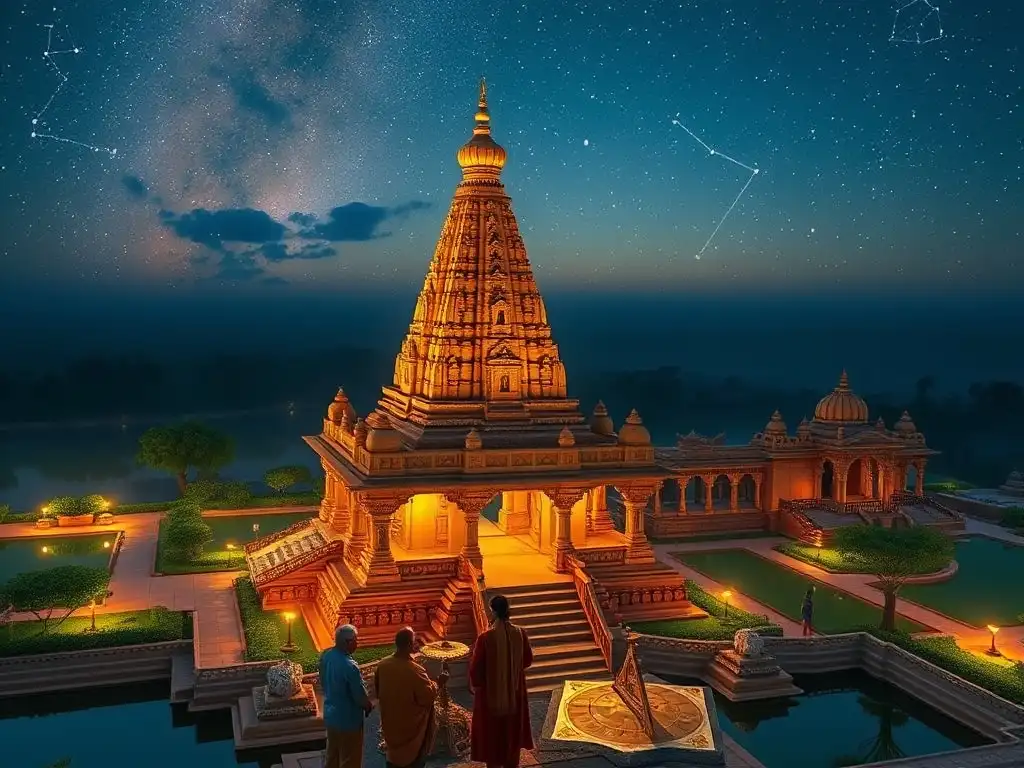
Welcome to Ancient India History, where we embark on a fascinating journey through the rich tapestry of ancient Indian civilizations. In our exploration, we delve into the intricate connections between art, architecture, and philosophy, uncovering the remarkable ways in which the past shapes our understanding of the present. This week, we shine a spotlight on Ancient Indian temple astronomy, revealing how celestial observations influenced the majestic designs of temples.
Prepare to be captivated as we unfold the mysteries of how the stars guided not just the heavens, but also the architects of ancient India's most revered structures. Join us as we unravel this cosmic narrative and inspire your curiosity to learn more!

Introduction to Ancient Indian Temple Astronomy
The intricate relationship between astronomy and temple architecture in ancient India offers a fascinating glimpse into the scientific and spiritual pursuits of early Indian civilizations. Ancient Indian temple astronomy reflects not only the architectural brilliance of the time but also the profound understanding of celestial bodies and their movements.
As we explore this intricate connection, we uncover how the alignment and design of temples were meticulously planned to harmonize with cosmic events, reflecting the cultural reverence for the universe. This article delves into the significance of astronomy in the design of ancient Indian temples, tracing its roots from the Indus Valley Civilization to the sophisticated constructs of the Gupta Empire.
Definition of Ancient Indian Temple Astronomy
Ancient Indian temple astronomy refers to the systematic study and application of astronomical principles in the construction and orientation of temples. This practice involved aligning temple structures with celestial bodies, such as the sun, moon, and stars, to mark significant astronomical events, including equinoxes and solstices. The temples were not only places of worship but also served as observatories that facilitated astronomical observations and calculations, thereby integrating religious practices with scientific inquiry.
Importance of Astronomy in Ancient Indian Culture
The significance of astronomy in ancient Indian culture cannot be overstated. It played a pivotal role in various aspects of life, including agriculture, navigation, and religious rituals. The ancient Indians believed that the positions of celestial bodies could influence human affairs, leading to the development of astrology as a respected science. Furthermore, astronomical knowledge was essential for determining auspicious timings for ceremonies and festivals, making it an integral part of daily life and spirituality.
Historical Context of Astronomy in Ancient India
To appreciate the role of astronomy in temple design, it's crucial to understand the historical context of astronomical knowledge in ancient Indian civilizations.
Overview of Astronomical Knowledge in Ancient Indian Civilizations
From the earliest records, Indian civilizations demonstrated advanced understanding of astronomy. The Indus Valley Civilization (c. 3300–1300 BCE) exhibited evidence of astronomical alignment in their urban planning. By the time of the Vedic period (c. 1500–500 BCE), astronomical knowledge had significantly evolved, as detailed in texts such as the Rigveda, which references celestial phenomena. The subsequent Aryabhatiya by Aryabhata (c. 476–550 CE) marked a milestone in Indian astronomy, introducing concepts like the heliocentric theory and accurate calculations of planetary positions, further influencing temple architecture.
Influence of Vedic Texts on Astronomical Practices
The Vedic texts played a crucial role in shaping the astronomical practices of ancient India. These scriptures not only provided insights into cosmic principles but also laid the groundwork for various rituals and religious observances linked to celestial events. The Jyotisha, one of the six Vedangas (limbs of the Vedas), focused specifically on the study of celestial bodies and their movements. These texts guided architects and astronomers alike in the meticulous design of temples, ensuring that their alignments corresponded with significant astronomical occurrences, thereby embedding a sense of cosmic order within sacred spaces.
Architectural Principles of Ancient Indian Temples
The architectural principles of ancient Indian temples were deeply rooted in both religious significance and astronomical alignment. These principles were not merely aesthetic but were intended to create a sacred space that resonated with the cosmos. Central to these designs was the concept of Vastu Shastra, an ancient doctrine that dictates the harmonious placement of structures in relation to natural elements and celestial bodies.
Key elements of temple architecture included:
- Shikhara and Vimana: The towering spires, known as shikharas in North Indian temples and vimanas in South Indian temples, symbolize the mythical Mount Meru, the axis of the universe in Hindu cosmology. Their height often aligns with the sun's trajectory, enhancing their astronomical significance.
- Mandapa: The pillared halls or mandapas served as transitional spaces between the outer world and the sanctum sanctorum (garbhagriha), where the deity resides. Their design often incorporated openings that allowed sunlight to illuminate the deity during specific times of the day.
- Sacred Geometry: Many temples were constructed using sacred geometric patterns, embodying mathematical precision that reflected the harmony between the earthly and the celestial, embodying both spiritual and cosmic order.
These principles not only guided the physical structure of temples but also established a connection with the heavenly realms, embodying the belief that the divine could be encountered through the alignment with celestial events.
Key Features of Ancient Indian Temple Architecture
Ancient Indian temple architecture is characterized by several distinctive features that illustrate the ingenuity and artistic capabilities of the civilizations that built them. Some notable features include:
- Intricate Carvings and Sculptures: Temples were adorned with detailed sculptures depicting deities, celestial beings, and mythological narratives. These carvings served both decorative and educational purposes, conveying spiritual stories to devotees.
- Granite and Stone Construction: Many temples were constructed from durable materials like granite and sandstone, which allowed for intricate carvings and ensured longevity. The choice of material also served to reflect light and enhance the temple's presence.
- Sacred Water Bodies: Often, temples were situated near lakes, rivers, or stepwells, which were believed to possess purifying properties. These water bodies played a crucial role in rituals and enhanced the temple's overall sanctity.
- Symbolic Representation: Architectural elements often symbolized cosmic principles, such as the lotus representing purity and enlightenment, while the square base of the temple represented the earth, and the shikhara symbolized the heavens.
These features collectively created an environment conducive to worship and reflection, allowing devotees to connect with the divine and the cosmos.
Integration of Astronomy in Temple Layout and Orientation
The integration of astronomy in ancient Indian temple design is evident in the meticulous planning of layouts and orientations. Temples were often positioned to align with specific celestial events, such as solstices, equinoxes, and the rising and setting of celestial bodies.
- Cardinal Directions: Temples were generally oriented towards cardinal directions, with the main entrance facing east to welcome the first rays of sunlight, symbolizing the arrival of knowledge and spiritual awakening. This orientation allowed for natural light to illuminate the sanctum at significant times, enhancing the ritual experience.
- Astronomical Alignments: The layouts of many temples were designed to coincide with the movements of celestial bodies. For instance, during certain festivals, sunlight would enter the sanctum at precisely calculated angles, illuminating the deity in a dramatic fashion. This phenomenon not only demonstrated advanced astronomical knowledge but also reinforced the connection between earthly worship and cosmic cycles.
- Cultural Calendars: Many temple rituals were linked to the lunar and solar calendars, emphasizing the importance of celestial events in the timing of religious observances. The architects incorporated these astronomical considerations into the temple's design to ensure that the rituals aligned with the cosmic rhythm.
This integration of astronomy not only showcased the ancient Indian civilizations' understanding of celestial mechanics but also reflected their philosophical belief in the interconnectedness of the universe.
Case Studies of Notable Temples and Their Astronomical Alignments
The study of ancient Indian temple astronomy can be illustrated through notable case studies that highlight the precise astronomical alignments incorporated into their designs.
Sun Temple at Konark: A Stellar Design
The Sun Temple at Konark, built in the 13th century, is a remarkable example of ancient Indian temple astronomy. This temple is constructed in the shape of a colossal chariot with twelve wheels, symbolizing the sun's movement across the sky.
- Orientation: The temple is oriented to the east, allowing the first rays of the sun to illuminate the sanctum at dawn. The intricate design ensures that the sun's rays penetrate the temple at specific times of the year, particularly during the equinox.
- Architectural Elements: The twelve wheels represent the twelve months, while the eight horses symbolize the days of the week. This careful representation emphasizes the relationship between time and celestial movements, showcasing the architects' deep understanding of astronomy.
Brihadeeswarar Temple: Alignments with Celestial Events
The Brihadeeswarar Temple, located in Thanjavur and completed in 1010 AD, is another significant temple that reflects advanced astronomical knowledge.
- Sunlight Phenomenon: During the festival of Maha Shivaratri, the sun's rays illuminate the main deity, Shiva, in the sanctum, highlighting the temple's alignment with solar events. This phenomenon attracts thousands of devotees and showcases the temple's celestial significance.
- Cosmic Symbolism: The temple's towering vimana is designed to represent Mount Meru, while the layout corresponds to the cosmos, reinforcing the connection between terrestrial worship and celestial phenomena.
The Temple of the Sun at Modhera: Astronomical Symbolism
The Sun Temple at Modhera is famed for its exquisite architecture and precise astronomical alignments.
- Equinox Alignments: The temple is designed such that during the equinox, sunlight illuminates the sanctum at noon, creating a spectacular visual effect. This design represents the ancient Indians' understanding of solar cycles and their significance in religious practice.
- Sacred Tank: The temple complex includes a stepwell that reflects the sun's rays, symbolizing the connection between water, light, and divinity. This integration of natural elements further emphasizes the temple's role as a cosmic observatory.
These case studies exemplify how ancient Indian temple astronomy was not only a reflection of architectural brilliance but also a profound expression of spiritual and cosmic beliefs.
The Influence of Hindu Cosmology on Temple Design
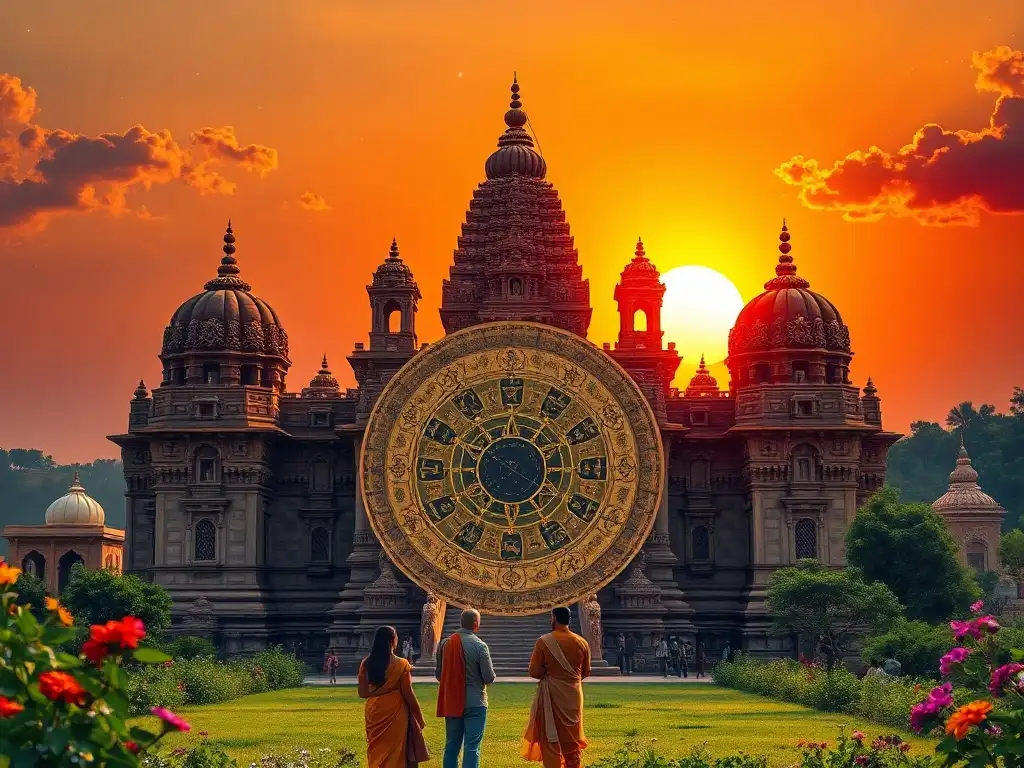
Hindu cosmology plays a pivotal role in shaping the architectural framework of ancient Indian temples. This intricate system of beliefs encompasses the universe's structure, the relationship between the divine and the earthly, and the significance of celestial bodies. The ancient Indian worldview perceives the cosmos as a manifestation of divine order, and this understanding is deeply woven into the fabric of temple design.
In Hindu thought, the universe is often depicted as a cosmic egg or Brahmanda, which influences the layout and orientation of temples. Temples are not merely places of worship; they are microcosms of the universe, embodying the principles of cosmic order. The sacred space within a temple is typically divided into various sections that correspond to different realms of existence, such as the earthly plane, the celestial realm, and the ultimate reality, Brahman. This alignment with cosmic principles ensures that devotees experience a connection with the universe while engaging in spiritual practices.
Furthermore, the positioning of temples in relation to geographical features, celestial bodies, and cardinal directions reflects the underlying cosmological beliefs. Temples are often oriented towards the east, allowing the first rays of sunlight to illuminate the sanctum sanctorum, symbolizing the arrival of divine light. Thus, the influence of Hindu cosmology on temple design is profound, guiding both the physical structure and the spiritual atmosphere of these sacred spaces.
Cosmic Order and Its Representation in Architecture
The concept of cosmic order, or Rita, is fundamental in ancient Indian philosophy and is crucial to temple architecture. This principle emphasizes harmony and balance within the universe, and it is represented in temple design through meticulous planning and alignment. The layout of a temple often mirrors the cosmos, with specific architectural elements symbolizing celestial bodies and their movements.
For instance, the central shrine, or garbhagriha, is viewed as the heart of the universe, housing the deity and serving as a point of connection between the earthly and the divine. The placement of other structures, such as the mandapa (pillared hall) and shikhara (spire), is strategically designed to reflect the arrangement of stars and planets, further incorporating cosmic order into the physical space.
Additionally, the use of cardinal directions in temple layout reinforces the significance of orientation. Each direction is associated with specific deities and cosmic manifestations, which are reflected in the temple's design. This alignment not only enhances the temple's spiritual essence but also elevates the worship experience by creating a harmonious environment that resonates with the universe's rhythm.
The Role of Sacred Geometry in Temple Construction
Sacred geometry is a vital aspect of ancient Indian temple construction, serving as a framework through which spiritual and cosmic principles are manifested in physical form. The geometric shapes used in temple design, such as squares, circles, and triangles, hold symbolic significance and are believed to embody universal truths.
The square, known as mandala, represents the earthly realm and is often used as the foundation layout for temples. Within this square, the placement of various architectural elements follows specific geometric proportions that resonate with cosmic principles. The circle, symbolizing the divine and the infinite, is frequently incorporated in the temple's dome or ceiling, signifying the connection between the finite and the infinite.
Furthermore, the intricate carvings and sculptures adorning temple walls often depict geometric patterns that reflect the harmony of the universe. These designs not only enhance the aesthetic appeal of the temple but also serve as visual representations of spiritual concepts, inviting devotees to contemplate the deeper meanings behind the architecture. Through the lens of sacred geometry, ancient Indian temples become more than mere structures; they transform into living embodiments of cosmic order and spiritual significance.
Techniques Used in Ancient Indian Temple Astronomy
Ancient Indian temple astronomy involved various techniques that enabled architects and astronomers to align temple structures with celestial events. These methods reveal the sophisticated understanding ancient Indians had of astronomical phenomena and their ability to incorporate these insights into architectural designs.
Use of Gnomons and Sundials in Temple Design
One of the primary techniques used in ancient Indian temple astronomy was the implementation of gnomons and sundials. A gnomon, typically a vertical stick or pillar, casts a shadow that indicates the position of the sun throughout the day. By observing the movement of the shadow, ancient architects could determine the time and even the changing seasons.
Sundials were often integrated into temple complexes, serving as both functional timekeeping devices and as tools for astronomical observations. The design of these sundials was carefully calibrated to reflect the specific latitude of the temple's location, ensuring accurate readings. This not only showcased the temple's connection to celestial bodies but also provided a practical means for devotees to keep track of time, enhancing their worship experience.
Moreover, the use of gnomons and sundials exemplifies the intricate relationship between architecture and astronomy in ancient Indian culture. These elements were not merely decorative; they were integral to the temple's design, reflecting the civilization's reverence for the cosmic order and the divine.
Aligning Temples with Solstices and Equinoxes
Another significant aspect of ancient Indian temple astronomy is the alignment of temples with solstices and equinoxes. This practice involved orienting the temple in such a way that specific celestial events, such as the summer solstice or the vernal equinox, would be observable during important rituals.
For example, many temples feature windows or doorways aligned precisely to capture the rays of the sun during these celestial events. This alignment not only enhances the visual spectacle during religious ceremonies but also symbolizes the connection between the divine and the natural world. The moment when sunlight illuminates the sanctum sanctorum during a solstice or equinox is seen as a powerful reaffirmation of the temple's spiritual significance.
These alignments demonstrate the ancient architects' profound knowledge of astronomy and their ability to integrate this understanding into the physical structure of temples. By aligning temples with celestial events, ancient Indians underscored the importance of cosmic rhythms in their spiritual practices, reflecting a deep respect for the universe and its cycles.
The Legacy of Ancient Indian Temple Astronomy
The legacy of ancient Indian temple astronomy is profound, weaving a narrative that aligns the cosmos with the sacred architecture of temples. Ancient Indian architects and astronomers meticulously designed temples not only as places of worship but as cosmic observatories that reflected the celestial order. The alignment of temple structures with celestial bodies, such as the sun, moon, and stars, showcased a deep understanding of astronomy, which was integral to the spiritual and cultural life of ancient civilizations.
Temples like the Sun Temple at Konark and the Brihadeeswarar Temple in Thanjavur exemplify this legacy. These structures were crafted with precise orientations to allow sunlight and lunar phases to illuminate specific areas during particular times of the year. Such architectural marvels serve as testaments to the advanced astronomical knowledge possessed by ancient Indian scholars, illustrating how spiritual beliefs were inherently connected to astronomical phenomena.
The intricate carvings and inscriptions found in many temples often depict celestial motifs, further emphasizing the harmony between astronomy and architecture. This intertwining of the earthly and the celestial not only reinforced the religious significance of these structures but also highlighted the role of astronomy as a guiding force in crafting the cultural identity of ancient India.
Lasting Impact on Modern Architecture
The principles of ancient Indian temple astronomy continue to impact modern architectural practices, particularly in the design of religious and ceremonial structures. Contemporary architects often draw inspiration from the celestial alignments and spatial arrangements prevalent in ancient temples. The integration of natural light and astronomical orientations in modern buildings reflects a resurgence of interest in these ancient techniques.
For instance, some modern temples and cultural centers are designed to harness sunlight during solstices and equinoxes, much like their ancient counterparts. This not only enhances the aesthetic experience but also pays homage to the rich heritage of astronomical knowledge that informs these designs. By incorporating these elements, architects are not only preserving the legacy of ancient Indian temple astronomy but also fostering a deeper connection between spirituality and the natural world.
Moreover, the principles of Vastu Shastra, which is deeply rooted in ancient Indian architectural wisdom, continue to influence modern building practices. Vastu emphasizes aligning structures with cardinal directions and celestial influences, ensuring that spaces are harmonious and conducive to spiritual and physical well-being.
Preservation of Astronomical Knowledge in Contemporary India
In contemporary India, the preservation of astronomical knowledge derived from ancient temple practices is evident through various initiatives aimed at reviving and maintaining this rich heritage. Educational institutions and cultural organizations are increasingly focusing on the study of ancient texts, such as the "Surya Siddhanta" and other astronomical treatises, which detail the sophisticated understanding of celestial movements by ancient scholars.
The revival of traditional practices in temple construction, along with workshops and lectures on ancient astronomy, highlights a growing recognition of the importance of this knowledge. Programs that engage local communities in restoring and maintaining ancient temples often include components that educate participants about the astronomical significance of these structures.
Furthermore, events like the International Astronomical Union's outreach programs in India emphasize the importance of integrating traditional astronomical knowledge with modern scientific understanding. This collaboration fosters an appreciation for the historical contributions of ancient Indian astronomers while promoting contemporary astronomical research.
Conclusion
Summary of the Importance of Astronomy in Ancient Indian Temple Design
The significance of astronomy in ancient Indian temple design is multifaceted, encompassing spiritual, architectural, and cultural dimensions. The precise alignments and cosmic motifs found in temple architecture reflect a sophisticated understanding of celestial phenomena, which played a crucial role in shaping the religious practices and cultural identity of ancient civilizations. This legacy not only enriched the architectural landscape of ancient India but also laid the groundwork for future generations to explore the interplay between the cosmos and human creativity.
Reflection on the Cultural Significance of Ancient Indian Temple Astronomy
Reflecting on the cultural significance of ancient Indian temple astronomy, it becomes clear that these practices were more than mere architectural choices; they were expressions of a worldview that celebrated the interconnectedness of the universe. Temples served as celestial bridges, linking the earthly realm with the divine, and reinforcing the belief that understanding the cosmos was essential for spiritual enlightenment. The enduring influence of this astronomical heritage continues to inspire both reverence and curiosity, ensuring that the legacy of ancient Indian temple astronomy remains a vital part of India's cultural narrative.
- Introduction to Ancient Indian Temple Astronomy
- Historical Context of Astronomy in Ancient India
- Architectural Principles of Ancient Indian Temples
- Case Studies of Notable Temples and Their Astronomical Alignments
- The Influence of Hindu Cosmology on Temple Design
- Techniques Used in Ancient Indian Temple Astronomy
- The Legacy of Ancient Indian Temple Astronomy
- Conclusion
- What is the significance of astronomy in ancient Indian temple design?
- How did ancient Indian civilizations incorporate astronomy into their temples?
- What are some examples of temples that showcase astronomical knowledge?
- Did ancient Indian astronomers contribute to global astronomy?
- How is ancient Indian temple astronomy relevant today?
Frequently Asked Questions
What is the significance of astronomy in ancient Indian temple design?
Astronomy played a crucial role in the orientation and layout of ancient Indian temples, ensuring they aligned with celestial bodies for religious and ritualistic purposes.
How did ancient Indian civilizations incorporate astronomy into their temples?
Ancient Indian civilizations utilized mathematical calculations and observational techniques to design temples that reflected cosmic principles, creating a harmonious connection between the earth and the universe.
What are some examples of temples that showcase astronomical knowledge?
Temples such as the Sun Temple at Konark and the Brihadeeswarar Temple in Thanjavur exhibit intricate architectural features that align with solstices and other astronomical events.
Did ancient Indian astronomers contribute to global astronomy?
Yes, ancient Indian astronomers made significant contributions to global astronomy through works like the Aryabhatiya by Aryabhata, which influenced both Indian and Arab astronomical studies.
How is ancient Indian temple astronomy relevant today?
The study of ancient Indian temple astronomy offers insights into historical cultural practices and emphasizes the importance of science in spiritual architecture, inspiring modern interests in archaeoastronomy.
Final Reflection: The Celestial Connection in Ancient Indian Temple Design
The intricate relationship between astronomy and ancient Indian temple design remains profoundly relevant today, as it illustrates how our ancestors harmonized architecture with the cosmos. This connection not only showcases the advanced understanding of celestial phenomena by ancient civilizations but also serves as a reminder of the importance of integrating nature and science into our built environment. The temples stand as timeless monuments, inviting us to explore the universe's mysteries while reflecting on our place within it.
The influence of astronomy on ancient Indian temple architecture continues to resonate in contemporary society, shaping our cultural and spiritual landscapes. The alignment of temples with celestial bodies not only served religious purposes but also fostered a sense of community and connection to the cosmos. As noted by historian Dr. R. Balasubramanian, “The temples were not just places of worship; they were observatories that connected the earthly with the divine.” This perspective highlights the enduring legacy of these architectural marvels, reminding us that our understanding of the universe is deeply rooted in our cultural heritage.
As we move forward, I invite you to reflect on how the principles of ancient Indian temple astronomy can inspire our modern lives. Consider how you can incorporate a sense of wonder and connection to the cosmos in your daily routine, whether through stargazing, exploring nature, or engaging with the sciences. Let the wisdom of the past guide you in creating spaces that honor both the earth and the sky, fostering a deeper appreciation for the universe we inhabit.
Unveil the Cosmos: Engage with Ancient Indian Astronomy!
Thank you for diving into the fascinating connection between astronomy and ancient Indian temple design. You’ve gained insights into how celestial patterns shaped architectural wonders! Now, let’s take this knowledge further and embrace the wonders of the cosmos in your own life.
Here’s how you can connect more deeply with this incredible theme:
- Explore the alignment of temples in your area or those you've visited. Consider the cosmic significance behind their architectural choices.
- Share your newfound knowledge with friends and family. Discuss how ancient civilizations integrated astronomy into their daily lives at your next gathering.
- Join online forums or local groups focused on ancient cultures and astronomy to broaden your perspective and connect with fellow enthusiasts.
As you reflect on the brilliance of ancient astronomy, what aspect of its influence on culture and design intrigues you the most? ✨