
Indus Valley Civilization - Daily Life and Society
Indus Valley Civilization - Daily Life and Society
58 articles in this topic
Start here
- Indus Valley Civilization - Daily Life and SocietyThe Daily Life of Indus Valley Residents: A Peek into Ancient Urban Living
- Indus Valley Civilization - Daily Life and SocietyHomes of the Indus Valley: Architectural Marvels and Daily Living Spaces
- Indus Valley Civilization - Daily Life and SocietyThe Role of Festivals in Strengthening Community Bonds in the Indus Valley
Read more about this topic
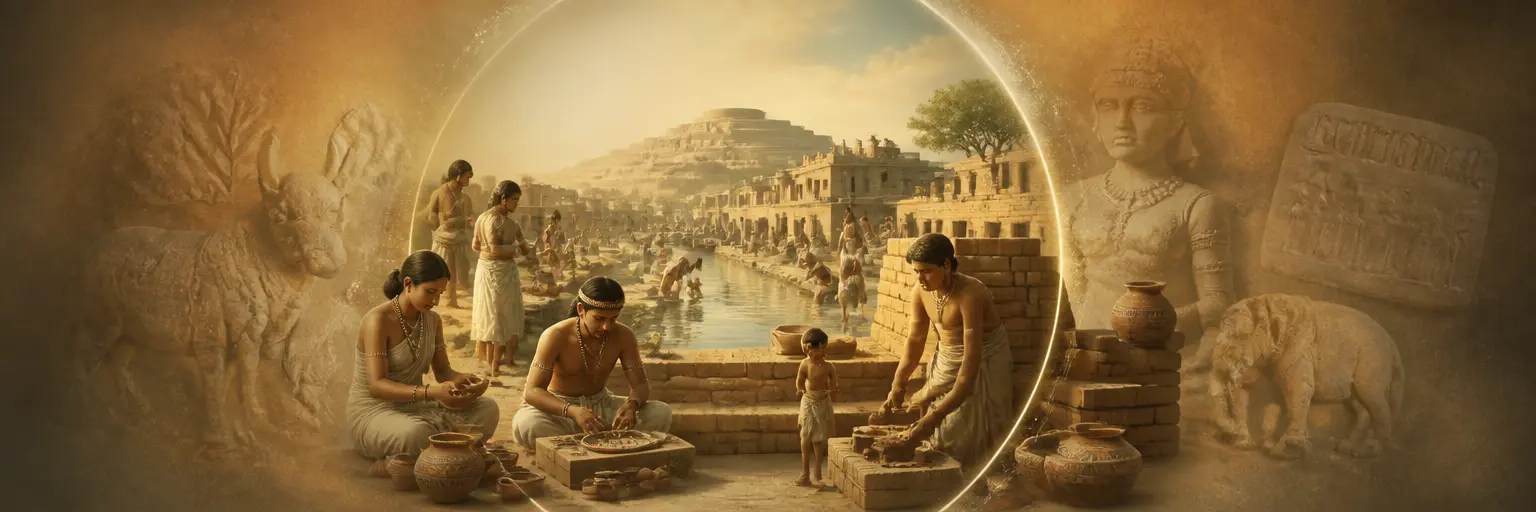
Discover the fascinating daily life and society of the Indus Valley Civilization—one of the world’s earliest urban cultures. Explore ancient homes, family life, clothing, food, crafts, trade, occupations, social organization, and remarkable city planning in Harappa and Mohenjo-daro. 🏺 Gain valuable insights into how people lived, worked, worshipped, and connected across this influential chapter of Ancient Indian history.
More in Indus Valley Civilization - Daily Life and Society
Indus Valley Civilization - Daily Life and Society
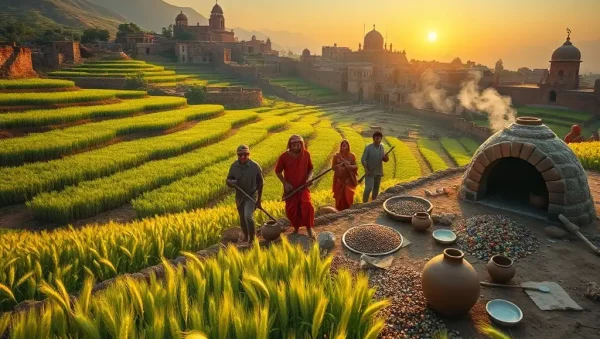
Exploring the Diet of the Indus Valley: What Did Ancient Indians Eat?
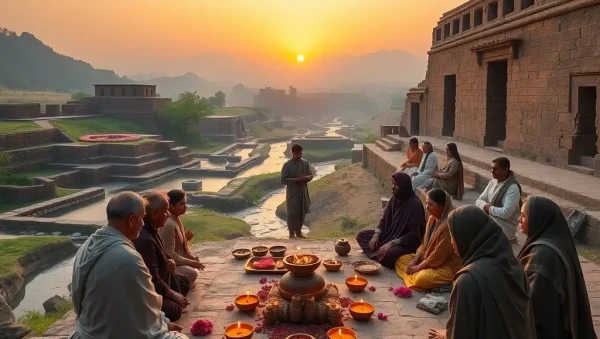
Indus Valley Civilization - Daily Life and Society
The Significance of Religion in Daily Life: Spiritual Practices of the Indus Valley
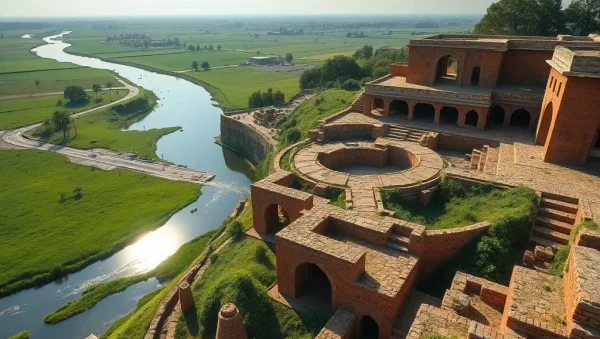
Indus Valley Civilization - Daily Life and Society
The Indus Valley Civilization: A Model of Sustainability and Resource Management
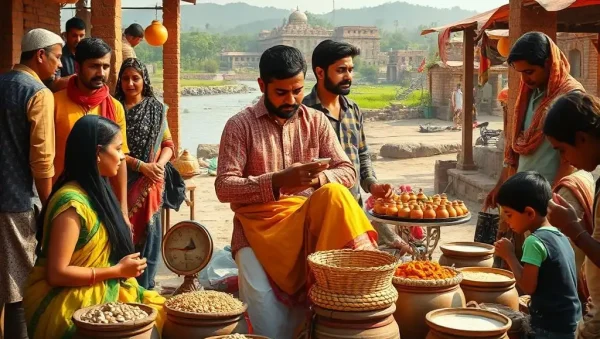
Indus Valley Civilization - Daily Life and Society
The Role of Local Markets in the Daily Economy of Indus Valley Towns
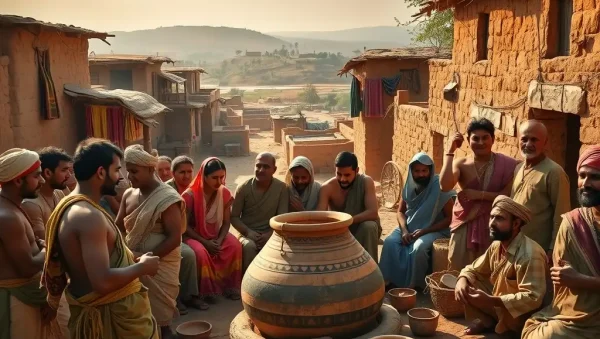
Indus Valley Civilization - Daily Life and Society
The Importance of Community in the Indus Valley: Social Gatherings and Interaction
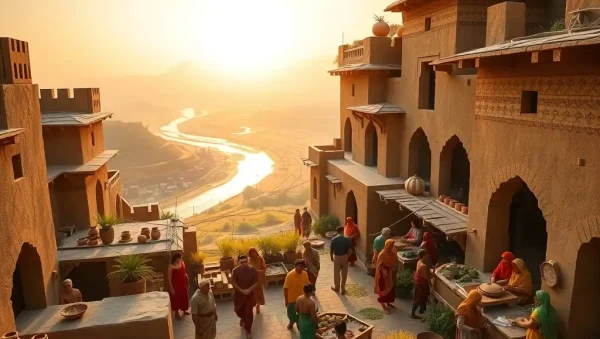
Indus Valley Civilization - Daily Life and Society
The Legacy of Indus Valley Daily Life: Lessons for Modern Society
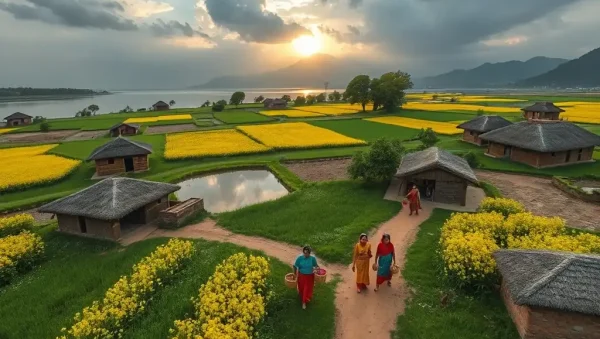
Indus Valley Civilization - Daily Life and Society
The Impact of Seasonal Changes on Daily Activities in the Indus Valley
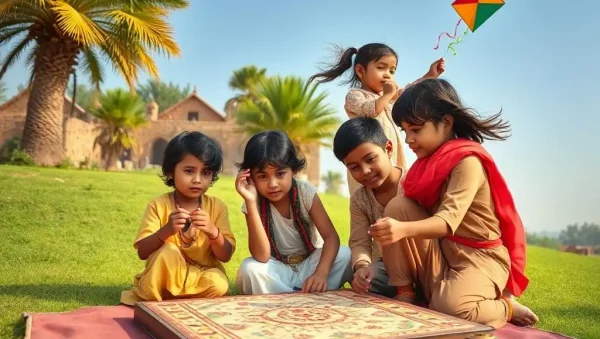
Indus Valley Civilization - Daily Life and Society
Traditional Games and Pastimes: How Indus Valley Children Spent Their Days
🏺 Indus Valley Civilization – Daily Life and Society
Discover how ordinary people lived, worked, worshipped, and organized their communities in the Indus Valley Civilization, one of the world’s earliest urban cultures. This subcategory explores daily life and society in Harappa, Mohenjo-daro, Dholavira, Lothal, Kalibangan, and other ancient settlements. Learn about Indus Valley homes, food, clothing, occupations, family life, social organization, trade, religion, crafts, sanitation, and urban planning through archaeological evidence and carefully researched historical interpretation.
🏙️ Cities, Houses, and Urban Planning
Readers can explore the remarkable cities of the Indus Valley Civilization and the features that made them highly organized urban centers. Articles examine Harappan city planning, fortified areas, residential neighborhoods, brick houses, courtyards, wells, streets, drainage systems, granaries, and public structures. Sites such as Mohenjo-daro and Dholavira reveal how carefully communities designed spaces for living, working, water management, and public activity.
This section also explains what archaeological remains suggest about differences between homes and neighborhoods. Discover how standardized baked bricks, planned streets, household wells, bathing areas, and sophisticated sewage systems demonstrate the importance of cleanliness, construction standards, and civic organization in ancient Indian society.
🍲 Food, Clothing, and Everyday Life
Learn what people may have eaten and how they obtained, prepared, and stored food in the Indus Valley Civilization. Evidence from seeds, animal bones, pottery, cooking vessels, and farming settlements provides information about wheat, barley, pulses, dates, sesame, fruits, cattle, sheep, goats, fish, and other food resources. These topics reveal the relationship between agriculture, animal husbandry, rivers, and urban life.
Explore ancient clothing, personal ornaments, hairstyles, cosmetics, and household objects discovered at Harappan sites. Terracotta figurines, beads, bangles, combs, mirrors, pottery, and bronze tools offer valuable clues about personal appearance, domestic routines, craft traditions, and cultural identity in Bronze Age South Asia.
👨👩👧 Family, Community, and Social Organization
This section examines how Harappan communities may have been structured and how people lived together in households and neighborhoods. Since the Indus script remains undeciphered, historians use burials, house sizes, artifacts, settlement patterns, and artistic representations to investigate family relationships, social roles, age groups, and community responsibilities.
Readers will also learn why the Indus Valley Civilization is difficult to interpret compared with societies that left readable written records. Rather than relying on unsupported assumptions, this content distinguishes between archaeological evidence and scholarly debate while considering possible forms of social hierarchy, leadership, cooperation, and civic administration.
🛠️ Occupations, Crafts, and Skilled Workers
Discover the wide range of occupations that supported Indus Valley society. Farmers, herders, potters, metalworkers, bead makers, carpenters, builders, traders, fishermen, and textile producers all contributed to the success of Harappan settlements. Articles highlight specialized craftsmanship, including carnelian bead production, shell carving, faience manufacture, pottery making, copper and bronze working, and textile-related activities.
Archaeological workshops and tools reveal how knowledge was passed between generations and how production was organized. Learn how craft specialists supplied local communities and distant markets, creating a complex economy connected to regional trade networks, raw material sources, and long-distance exchange.
⚖️ Social Equality, Status, and Leadership
Researchers continue to debate whether the Indus Valley Civilization had kings, powerful rulers, priestly authorities, merchant elites, or a more collective form of governance. This section introduces the evidence behind these discussions, including large buildings, seals, ornaments, burial practices, citadels, and variations in house size. It offers a balanced look at Harappan social structure and political organization.
Unlike Egypt or Mesopotamia, the Indus Valley has not produced clearly identifiable royal tombs or monumental statues of rulers. Readers can examine why this may indicate a different style of leadership and how standardized architecture, widespread weights, and consistent urban design suggest shared systems of administration and cultural coordination.
🛕 Religion, Rituals, and Beliefs
Explore the religious beliefs and ritual practices associated with the Indus Valley Civilization through seals, figurines, sacred symbols, fire installations, bathing structures, burials, and animal imagery. Topics include possible fertility traditions, water rituals, tree symbolism, horned figures, household worship, and the significance of animals in Harappan culture.
Because the Indus script has not yet been deciphered, interpretations of religion must remain cautious. This section explains how scholars study archaeological context rather than isolated objects, helping readers understand both the evidence and the uncertainty surrounding Indus Valley spirituality, temples, priests, and ritual life.
🚚 Trade, Travel, and Economic Connections
Learn how the people of the Indus Valley Civilization exchanged goods within South Asia and with distant regions. Harappan seals, standardized weights, beads, metals, shells, pottery, and foreign artifacts reveal extensive trade with areas connected to Mesopotamia, Oman, Afghanistan, Central Asia, and the Persian Gulf. Rivers, coastal routes, and overland paths helped link cities, villages, ports, and production centers.
This content explains how trade influenced daily life and encouraged the growth of specialized occupations. Readers can discover how access to copper, tin, lapis lazuli, timber, precious stones, and marine shells supported craft production, urban prosperity, cultural exchange, and economic development.
💧 Water, Health, and Sanitation
One of the most distinctive features of Harappan society was its attention to water management and sanitation. Articles explore private and public wells, bathing platforms, covered drains, soakage jars, reservoirs, and the Great Bath at Mohenjo-daro. These discoveries demonstrate the importance of water access, household hygiene, drainage, and environmental planning.
Readers will also learn what archaeology can and cannot reveal about health and medicine. Skeletal remains, dental evidence, diet, injuries, and settlement conditions help researchers understand disease, nutrition, physical labor, and life expectancy while showing how ancient communities adapted to the challenges of urban living.
📚 Archaeological Evidence and Historical Research
Understand how historians and archaeologists reconstruct daily life in the Indus Valley Civilization. Excavations, pottery, tools, ornaments, seals, animal remains, plant evidence, architecture, burials, and scientific methods all contribute to the study of Harappan society. This section explains why material culture is essential when written records cannot yet be fully read.
Readers can explore how new discoveries, satellite imagery, environmental studies, archaeobotany, DNA research, and digital mapping continue to reshape our knowledge. By comparing evidence from different sites, scholars develop more reliable interpretations of Indus Valley social history, culture, technology, and everyday experience.
❓ Frequently Asked Questions About Indus Valley Daily Life and Society
🏠 What were houses like in the Indus Valley Civilization?
Most Harappan houses were built with standardized mud or baked bricks and often included rooms arranged around a courtyard. Many homes had bathing areas, drains, storage spaces, and access to wells. House size and design varied between settlements, suggesting different household needs and possible differences in status.
🍞 What did people eat in the Indus Valley Civilization?
People commonly consumed wheat, barley, pulses, dates, sesame, fruits, vegetables, fish, and meat from animals such as cattle, sheep, and goats. Evidence from seeds, animal bones, cooking pottery, and storage vessels indicates that agriculture, herding, fishing, and trade all contributed to the Harappan diet.
🛠️ What jobs did people have in Harappan society?
Indus Valley occupations included farming, animal herding, pottery making, metalworking, bead production, shell carving, weaving, construction, fishing, transport, and trade. Specialized artisans produced valuable goods such as carnelian beads, faience objects, seals, ornaments, copper tools, and decorated pottery.
⚖️ Was Indus Valley society socially equal?
Scholars cannot provide a definite answer because the Indus script remains undeciphered. Differences in house size, burial goods, ornaments, and access to resources suggest some social variation, but the civilization lacks obvious royal monuments and large ruler tombs. This may indicate a distinctive system of shared or less visibly centralized authority.
💧 Why is sanitation important in the study of Indus Valley society?
Advanced drainage systems, wells, bathing areas, reservoirs, and water facilities show that sanitation and water management were central to urban life. These features reveal strong community planning and provide important evidence about Harappan engineering, public health, household routines, and civic organization.