
Indus Valley Civilization - Art and Architecture

Indus Valley Civilization - Art and Architecture
62 articles in this topic
Start here
- Indus Valley Civilization - Art and ArchitectureUnraveling the Artistry of Indus Valley Pottery and Sculpture
- Indus Valley Civilization - Art and ArchitectureThe Role of Craftsmanship in the Indus Valley Economy
- Indus Valley Civilization - Art and ArchitectureThe Influence of Indus Valley Art on Later Indian Cultures
Read more about this topic
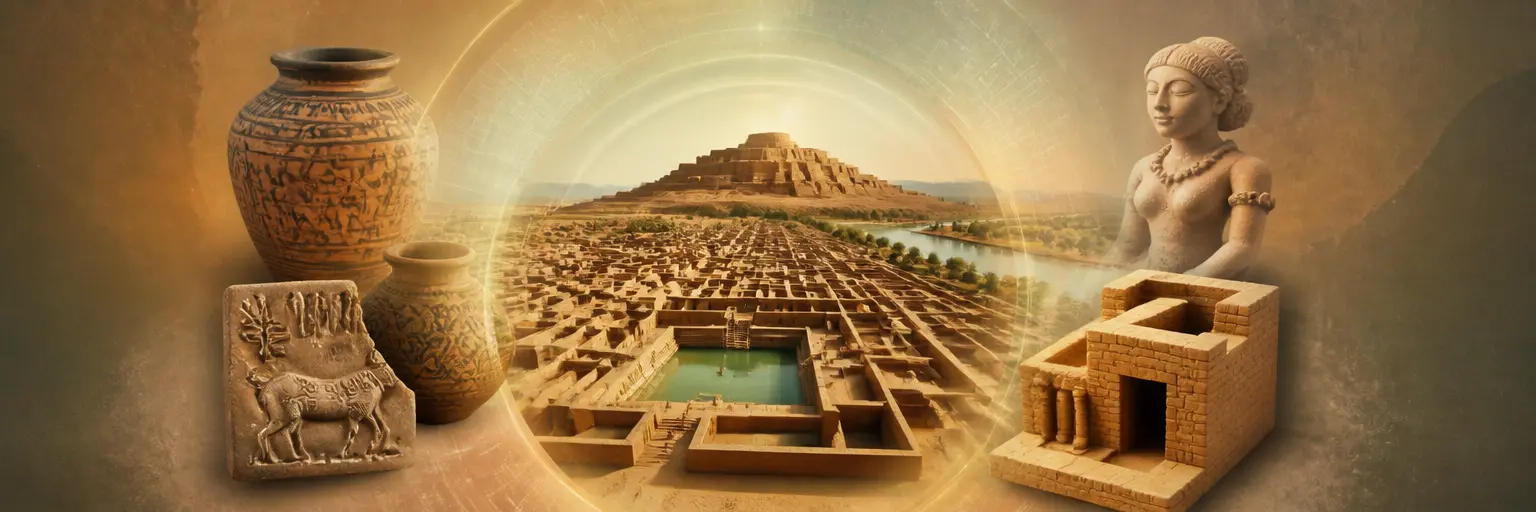
Explore the remarkable art and architecture of the Indus Valley Civilization, where advanced urban planning, intricate seals, elegant pottery, bronze sculptures, and monumental structures reveal the creativity and sophistication of ancient India. Discover the enduring legacy of Harappan cities, drainage systems, craftsmanship, and religious symbolism that shaped one of the world’s earliest civilizations.
More in Indus Valley Civilization - Art and Architecture
Indus Valley Civilization - Art and Architecture
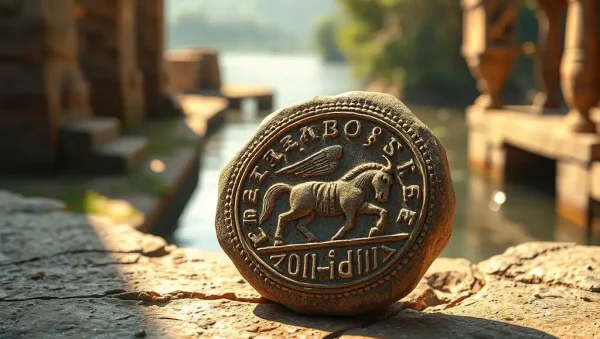
The Secrets Behind Indus Valley Seals: Art and Communication
Indus Valley Civilization - Art and Architecture
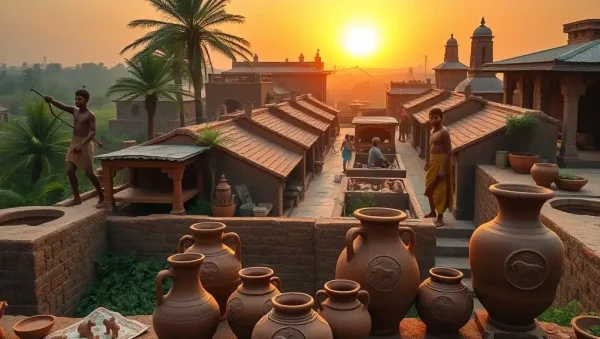
The Indus Valley Civilization: A Case Study in Artistic Innovation
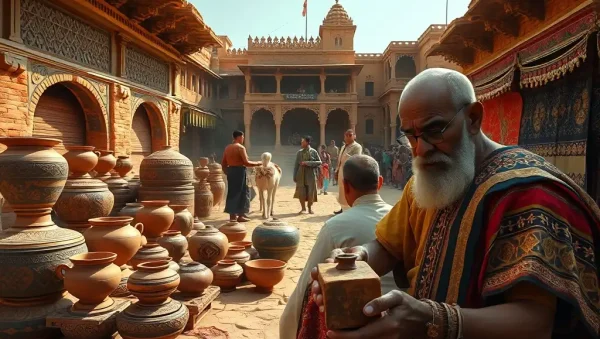
Indus Valley Civilization - Art and Architecture
The Role of Trade in Shaping Indus Valley Artistic Styles
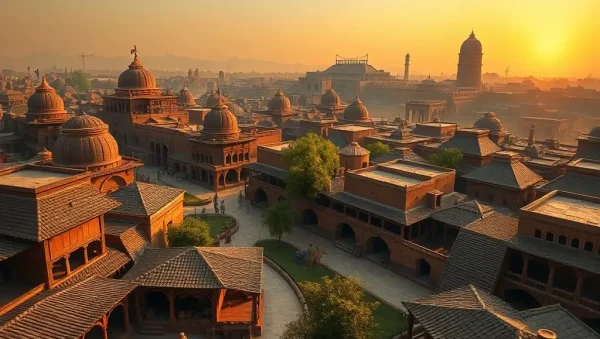
Indus Valley Civilization - Art and Architecture
From Granaries to Workshops: The Functional Art of Indus Structures
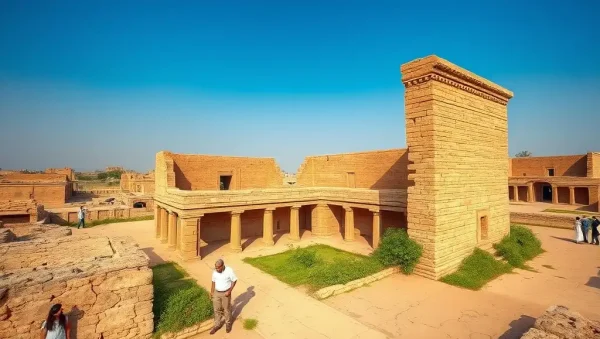
Indus Valley Civilization - Art and Architecture
The Great Bath of MohenjoDaro: A Symbol of Indus Valley Innovation
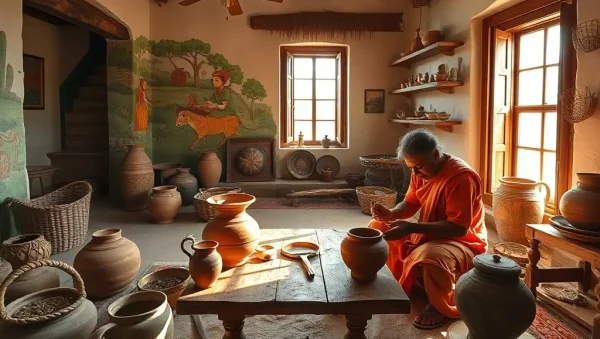
Indus Valley Civilization - Art and Architecture
Art and the Everyday: The Role of Domestic Objects in Indus Culture
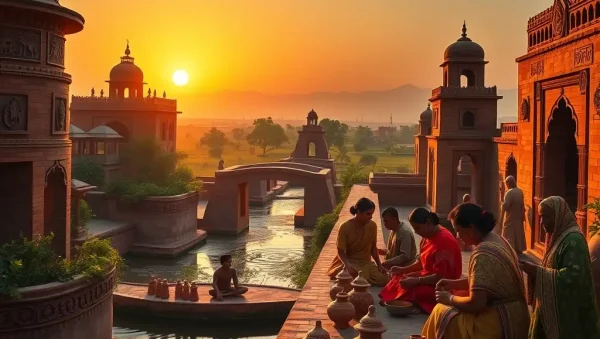
Indus Valley Civilization - Art and Architecture
The Role of Religion in Shaping Indus Valley Artistic Expression
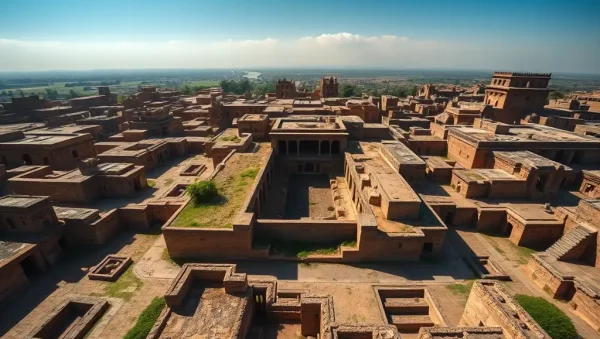
Indus Valley Civilization - Art and Architecture
The Marvels of Indus Valley Architecture: A Journey Through Time
Indus Valley Civilization Art and Architecture 🏺
Explore the remarkable art and architecture of the Indus Valley Civilization, one of the world’s earliest urban cultures. This subcategory examines the visual traditions, city planning, sculpture, pottery, seals, ornaments, and engineering achievements of Harappa, Mohenjo-daro, Dholavira, Lothal, Kalibangan, Rakhigarhi, and other important Indus Valley sites. Discover how archaeological evidence reveals the creativity, organization, technology, trade networks, and religious ideas of ancient Indian civilization.
🏙️ Harappan City Planning and Urban Architecture
Learn how Indus Valley cities were designed with carefully organized streets, residential areas, public buildings, drainage systems, wells, gateways, and fortified settlements. The architectural remains of Mohenjo-daro and Harappa demonstrate advanced planning, standardized brick sizes, sophisticated construction methods, and an impressive concern for sanitation and civic life.
Articles in this section explore the distinctive features of Harappan urban architecture, including grid-pattern streets, citadels, lower towns, houses, courtyards, bathing platforms, and water-management systems. Readers can compare major archaeological sites and understand how Indus architects adapted cities to local geography, climate, and economic needs.
💧 The Great Bath and Water Management
Discover the architectural significance of the Great Bath of Mohenjo-daro, one of the most famous structures associated with the Indus Valley Civilization. Its carefully sealed brickwork, surrounding rooms, steps, and water supply system offer important evidence of Harappan engineering and possible ritual or communal practices.
This subcategory also examines wells, reservoirs, drains, bathing areas, and the remarkable water-conservation system at Dholavira. These examples reveal the importance of hydraulic architecture in ancient India and show how Indus Valley communities managed water in different environmental conditions.
🧱 Bricks, Buildings, and Engineering Skills
Explore the building materials and construction techniques used by Harappan communities. Standardized baked and mud bricks, stone foundations, timber elements, plaster, and advanced drainage structures reflect a high degree of technical knowledge and shared architectural practices across the Indus region.
Readers can learn how Indus Valley engineers constructed houses, defensive walls, platforms, warehouses, streets, drains, and reservoirs. The evidence highlights standardization, measurement, structural planning, and practical design as defining characteristics of Harappan architecture.
🎨 Indus Valley Sculpture and Figurines
Study the sculpture and figurine traditions of the Indus Valley Civilization, including the famous bronze Dancing Girl, the stone bust often called the Priest-King, terracotta human figures, animal figurines, and clay models. These objects provide insight into artistic techniques, clothing, hairstyles, ornaments, and possible social identities.
Indus artists worked with bronze, stone, terracotta, faience, shell, and other materials. Through detailed discussions of style, craftsmanship, posture, symbolism, and archaeological context, readers can better understand the development of Harappan sculpture and ancient Indian artistic expression.
🦄 Seals, Symbols, and Indus Valley Iconography
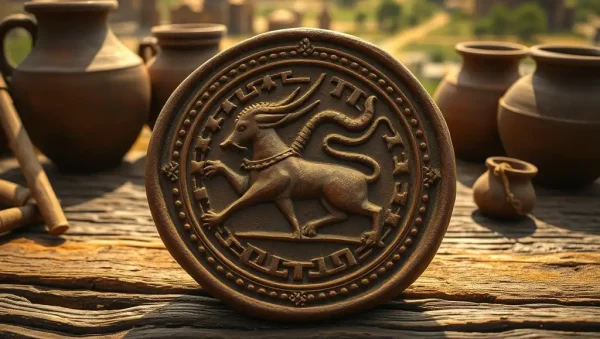
Indus seals are among the most distinctive examples of Harappan art. Usually made from steatite, these small objects feature animals such as bulls, elephants, rhinoceroses, and the famous “unicorn,” along with short inscriptions in the still-undeciphered Indus script.
This section explores seal-making techniques, recurring symbols, animals, ritual imagery, and possible administrative or commercial functions. Although the script remains undeciphered, seals offer valuable evidence about trade, identity, authority, religion, and visual communication in the Indus Valley Civilization.
🏺 Pottery, Terracotta, and Decorative Arts
Examine the distinctive pottery traditions of Harappan society, including red ware, black-painted designs, storage vessels, bowls, jars, perforated pots, and ritual objects. Pottery decoration often features geometric patterns, plants, animals, and carefully applied painted motifs.
Readers will also discover terracotta toys, carts, rattles, masks, beads, and household objects. These artifacts reveal aspects of daily life, craft production, childhood, domestic activity, and artistic creativity in ancient Indus settlements.
💍 Jewellery, Beads, and Craftsmanship
Indus Valley artisans produced sophisticated jewellery from gold, silver, copper, bronze, shell, ivory, semi-precious stones, faience, and terracotta. Beads made from carnelian, agate, lapis lazuli, steatite, and other materials demonstrate advanced drilling, polishing, heating, and shaping techniques.
Explore the bead-making centers of sites such as Chanhudaro and Lothal, as well as evidence of long-distance trade and specialized craft production. These discoveries reveal social status, personal adornment, economic organization, and the international connections of the Harappan world.
🛕 Religious, Ritual, and Symbolic Architecture
Investigate the possible religious and ceremonial meanings associated with Indus Valley buildings, figurines, seals, sacred animals, trees, water structures, and burial practices. Because the Indus script has not yet been deciphered, interpretations must rely on archaeological context and comparative evidence.
This section presents major scholarly theories while clearly distinguishing evidence from speculation. Readers can explore possible connections between ritual bathing, fertility symbols, animal symbolism, sacred spaces, and early South Asian religious traditions without assuming that later beliefs directly explain Harappan culture.
🚢 Lothal, Dholavira, and Regional Architectural Diversity
Discover how different Indus Valley settlements developed distinctive architectural features. Lothal is associated with maritime trade and a debated dockyard, while Dholavira is renowned for its fortifications, reservoirs, gateways, and sophisticated water-management architecture.
Comparing Lothal, Dholavira, Harappa, Mohenjo-daro, Kalibangan, and Rakhigarhi helps readers understand the regional diversity of Harappan art and architecture. These sites demonstrate that the Indus Civilization was not a single uniform culture but a broad network of communities with shared traditions and local adaptations.
🔍 Archaeology, Preservation, and Modern Interpretation
Learn how archaeologists study Indus Valley art and architecture through excavation, stratigraphy, material analysis, conservation, remote sensing, and digital reconstruction. Scientific methods help researchers identify trade materials, construction phases, workshop locations, food systems, and patterns of urban change.
This section also considers the challenges of preserving ancient monuments and artifacts from erosion, groundwater, tourism, development, and climate-related damage. Reliable interpretation depends on archaeological evidence, responsible scholarship, museum collections, and careful historical analysis.
❓ Frequently Asked Questions About Indus Valley Art and Architecture
What are the main features of Indus Valley architecture?
Key features include planned cities, straight streets, standardized bricks, advanced drainage systems, wells, courtyards, fortified citadels, reservoirs, and carefully designed public structures. Harappan architecture emphasizes urban organization, sanitation, water management, and practical engineering.
What is the most famous structure of the Indus Valley Civilization?
The Great Bath at Mohenjo-daro is one of the most famous structures. It is a large, waterproofed tank surrounded by rooms and stairways. Its exact purpose is unknown, but it may have been connected with ritual bathing, communal ceremonies, or civic activities.
What types of art did the Indus Valley Civilization produce?
Indus Valley art includes stone and bronze sculptures, terracotta figurines, painted pottery, carved seals, jewellery, beads, faience objects, shell ornaments, and decorative household items. Animal imagery and geometric designs appear frequently in Harappan artistic traditions.
What do Indus Valley seals represent?
Indus seals commonly show animals, symbolic motifs, and short inscriptions in the undeciphered Indus script. They may have been used for trade, ownership, administration, identity, or ritual purposes. Their precise meanings remain an important subject of archaeological research.
Why is Indus Valley art and architecture important?
It reveals the technological skill, artistic creativity, urban planning, trade connections, and social organization of one of the earliest civilizations in South Asia. Studying Harappan monuments and artifacts helps explain the foundations of ancient Indian history, architecture, craft traditions, and cultural development.