
Gupta Empire - Art and Culture

Gupta Empire - Art and Culture
54 articles in this topic
Start here
Read more about this topic
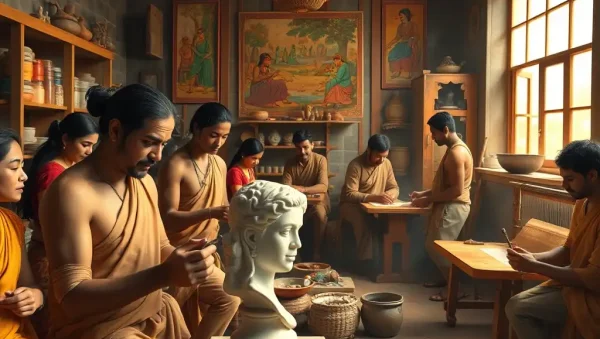
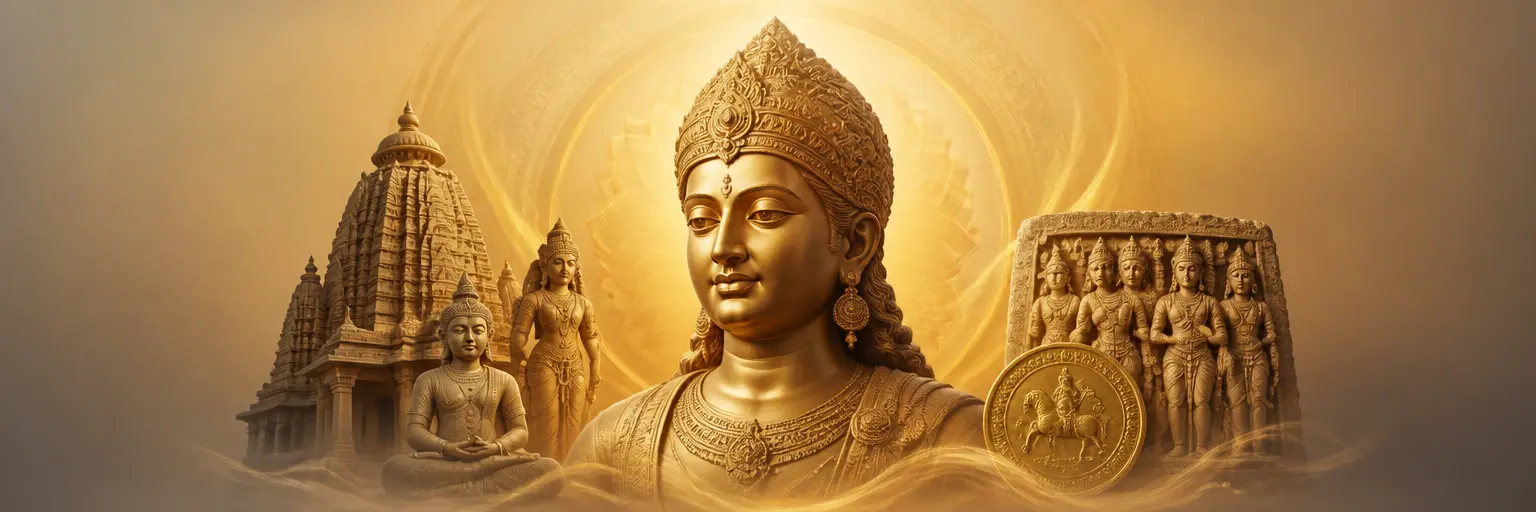
Explore the Gupta Empire’s art and culture, a celebrated golden age of ancient Indian civilization renowned for exquisite sculpture, temple architecture, classical Sanskrit literature, scientific achievements, and the flourishing of Hindu, Buddhist, and Jain traditions. Discover how Gupta-era creativity shaped Indian art, religion, education, and cultural heritage for centuries. ✨🏛️
More in Gupta Empire - Art and Culture
Gupta Empire - Art and Culture
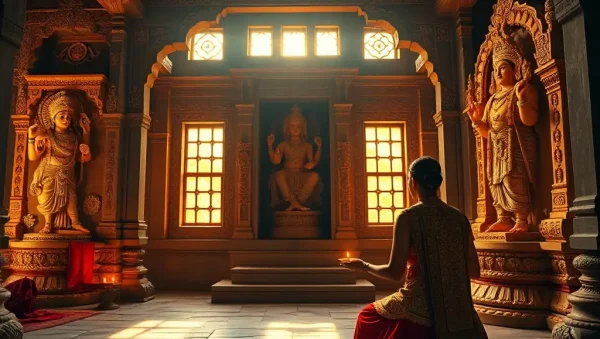
Iconography in Gupta Religion: Deities and Their Artistic Interpretations
Gupta Empire - Art and Culture
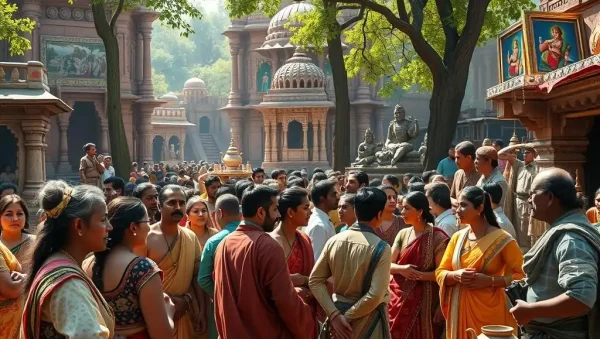
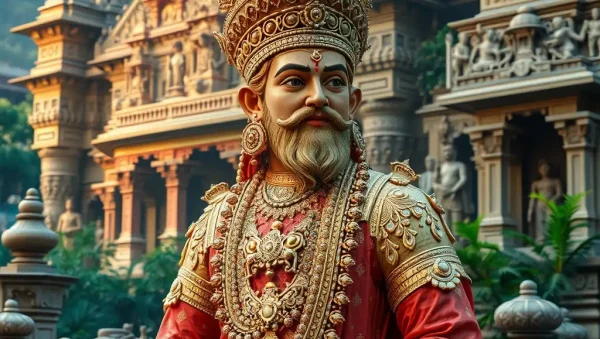
The Interplay of Politics and Art in the Gupta Empire
Gupta Empire - Art and Culture
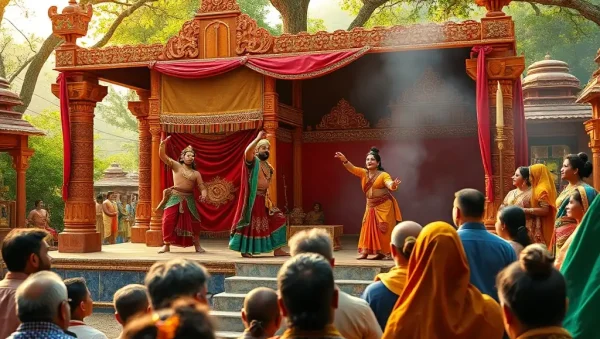
The Role of Art in Gupta Society: Reflections of Power and Identity
Gupta Empire - Art and Culture
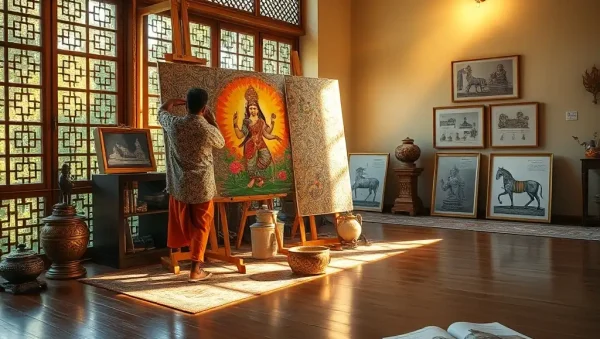
The Evolution of Gupta Drama: From Myth to Performance
Gupta Empire - Art and Culture
The Influence of Gupta Culture on Modern Indian Art: A Lasting Legacy

Gupta Empire - Art and Culture
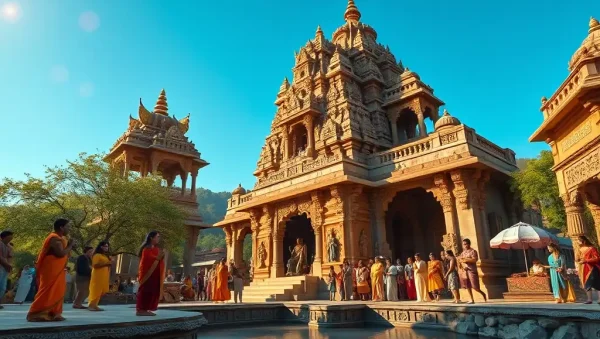
Capturing Nature: The Environmental Themes in Gupta Art
Gupta Empire - Art and Culture
The Significance of Temples in Gupta Architecture: Spiritual and Cultural Hubs
Gupta Empire - Art and Culture
Gupta Art in Trade: Cultural Exchange Through Material Goods
🎨 Gupta Empire Art and Culture: A Golden Age of Ancient India
Explore the artistic, literary, religious, scientific, and cultural achievements of the Gupta Empire, one of the most influential civilizations in ancient Indian history. This subcategory examines how Gupta-period society shaped Indian art and culture through magnificent sculpture, temple architecture, painting, Sanskrit literature, music, education, mathematics, astronomy, and religious traditions. Discover why the Gupta era is often described as India’s Golden Age and how its cultural legacy continues to influence South Asian civilization today.
🗿 Gupta Art, Sculpture, and Iconography
Learn how Gupta artists created some of the finest examples of ancient Indian sculpture. This section explores the refined images of Hindu, Buddhist, and Jain deities, including representations of Vishnu, Shiva, Buddha, and other sacred figures. Readers can discover the distinctive features of Gupta sculpture, such as balanced proportions, serene expressions, graceful posture, symbolic gestures, and idealized physical forms.
Articles also explain the development of Gupta art styles in important centers such as Mathura and Sarnath. Expect detailed information about stone carving, religious iconography, temple images, and the influence of Gupta sculpture on later Indian art traditions across northern India and Southeast Asia.
🏛️ Gupta Architecture and Temple Design
Discover the early development of Hindu temple architecture during the Gupta period. This subcategory covers structural temples, sanctuaries, stone construction, decorative doorways, sanctum design, and the emergence of architectural forms that later influenced the Nagara style of North Indian temples.
Readers can explore famous monuments associated with Gupta culture, including the Dashavatara Temple at Deogarh, the temple at Sanchi, and the Udayagiri Caves. Each topic highlights the relationship between architecture, mythology, royal patronage, religious worship, and the growth of temple-centered culture in ancient India.
🖌️ Gupta Paintings and Ajanta Traditions
Study the achievements of Gupta-period painting and the artistic traditions that flourished during this cultural age. The Ajanta murals, although created over several periods, preserve important artistic characteristics associated with the Gupta era, including expressive figures, sophisticated composition, vibrant colors, and detailed storytelling.
Expect articles about Buddhist narratives, Jataka stories, courtly life, clothing, jewelry, facial expressions, and painting techniques. This section also explains how ancient Indian painters used visual art to communicate religious teachings, moral values, historical themes, and aspects of everyday life.
📜 Sanskrit Literature and Classical Learning
Explore the remarkable growth of Sanskrit literature during the Gupta Empire. This section introduces readers to celebrated writers such as Kalidasa and examines influential works including Abhijnanashakuntalam, Meghaduta, and Raghuvamsha. These works demonstrate the sophistication of classical Indian poetry, drama, mythology, and literary aesthetics.
Readers can also learn about Sanskrit grammar, court literature, religious texts, inscriptions, and the role of royal patronage in supporting education and scholarship. Topics explain how Gupta literature contributed to the development of Indian philosophy, storytelling, language, and cultural identity.
🕉️ Religion, Philosophy, and Religious Tolerance
Understand the diverse religious landscape of Gupta India, where Hinduism, Buddhism, and Jainism all contributed to cultural life. Gupta rulers supported Vaishnavism and Shaivism while also allowing other religious traditions to flourish. This subcategory explores temples, monasteries, pilgrimage centers, religious inscriptions, and the evolution of devotional practices.
Articles examine the growth of Puranic Hinduism, the importance of Vishnu and Shiva worship, the development of Buddhist art, and the continued presence of Jain communities. Readers will gain insight into how religious beliefs shaped art, architecture, education, festivals, social customs, and political symbolism during the Gupta period.
🔬 Science, Mathematics, and Education
Discover the intellectual achievements of the Gupta age, including progress in mathematics, astronomy, medicine, and grammar. The period is associated with scholars such as Aryabhata, whose work contributed significantly to Indian astronomy and mathematical thought. Topics may include place-value notation, astronomical calculations, planetary movements, eclipses, and early mathematical concepts.
This section also explores ancient Indian education, centers of learning, teacher-student traditions, and the preservation of knowledge through manuscripts and oral instruction. Readers can understand how Gupta scholarship influenced later developments in India and helped transmit scientific ideas throughout Asia.
🎶 Music, Dance, Festivals, and Daily Life
Learn about the cultural practices that shaped everyday life in Gupta society. Articles cover ancient Indian music and dance, religious celebrations, courtly entertainment, theater, clothing, jewelry, food, family life, and social customs. Literary works and sculptures provide valuable evidence about performers, musicians, dancers, and ceremonial occasions.
Readers can also explore the lives of different social groups, including rulers, merchants, artisans, farmers, monks, and scholars. By examining both elite culture and ordinary life, this subcategory presents a balanced picture of Gupta society beyond its royal monuments and famous rulers.
❓ Frequently Asked Questions About Gupta Empire Art and Culture
What is the Gupta Empire best known for in art and culture?
The Gupta Empire is best known for its achievements in sculpture, temple architecture, painting, Sanskrit literature, religious art, mathematics, astronomy, and education. Its artistic style emphasized harmony, spiritual calm, idealized human forms, and refined craftsmanship, influencing later Indian cultural traditions.
Why is the Gupta period called the Golden Age of India?
The Gupta period is often called a Golden Age because of its major contributions to literature, science, mathematics, architecture, sculpture, religion, and education. However, this description mainly reflects achievements associated with elite and courtly culture, so historians also study social differences and regional diversity during the era.
What are important examples of Gupta architecture?
Important examples include the Dashavatara Temple at Deogarh, the Udayagiri Caves, and early structural temples at Sanchi and other sites. These monuments show the development of stone temple construction, sacred imagery, decorative entrances, and architectural ideas that later shaped North Indian temple design.
Who was Kalidasa, and why is he important?
Kalidasa was one of the greatest Sanskrit poets and dramatists associated with classical Indian literature. His works, including Abhijnanashakuntalam, Meghaduta, and Raghuvamsha, are celebrated for their poetic language, emotional depth, descriptions of nature, mythology, and influence on Indian literary traditions.
How did religion influence Gupta art and culture?
Religion played a central role in Gupta art and culture. Hindu, Buddhist, and Jain beliefs inspired temples, caves, sculptures, paintings, literature, festivals, and educational institutions. Religious patronage also encouraged the creation of sacred images and helped spread Gupta artistic styles across different regions of India.