
Buddhism - Key Figures
Buddhism - Key Figures
60 articles in this topic
Read more about this topic
Explore the influential teachers, philosophers, and spiritual leaders who shaped Buddhism and its enduring legacy across ancient India. Discover the lives, teachings, and contributions of key Buddhist figures—from enlightened masters to devoted patrons—while gaining insight into Buddhist history, philosophy, art, and the spread of one of the world’s major religions. 🪷📜 delving into the people who transformed spiritual thought and left a lasting mark on Ancient Indian history.
More in Buddhism - Key Figures
Buddhism - Key Figures
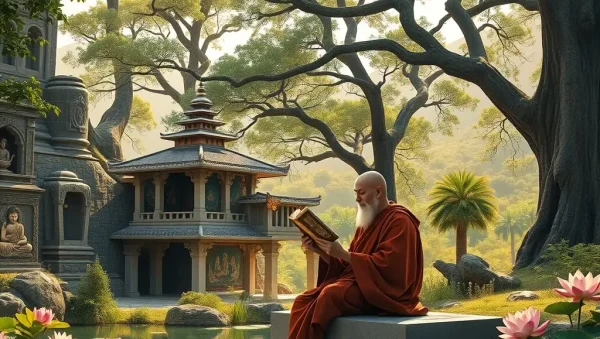
The Life of the Great Teacher: The Legacy of Padmasambhava in Tibetan Buddhism
Buddhism - Key Figures
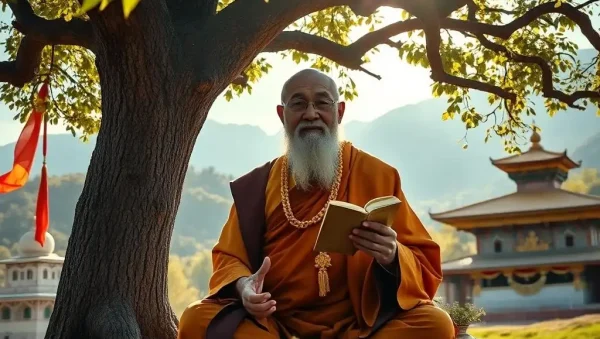
The Role of the Jataka Tales: Key Figures in Early Buddhist Stories
Buddhism - Key Figures
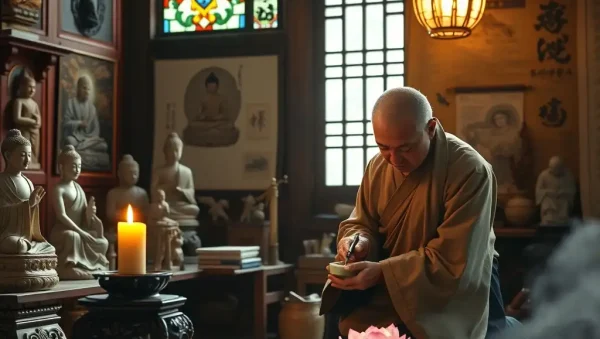
The Life and Teachings of Santaraksita: A Bridge Between India and Tibet
Buddhism - Key Figures
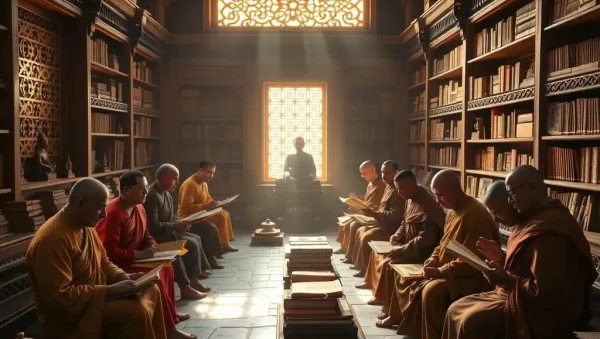
The Role of Buddhist Art: Key Figures Who Shaped Iconography
Buddhism - Key Figures
The Impact of Buddhist Scholars: Key Figures in the Study of Buddhist Texts
Buddhism - Key Figures
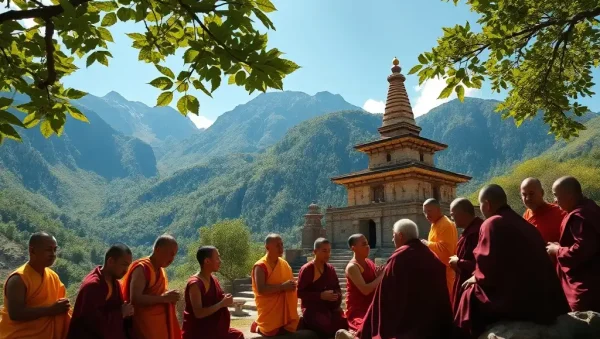
The Role of the Sangha: Key Figures in the Preservation of Buddhist Teachings
Buddhism - Key Figures
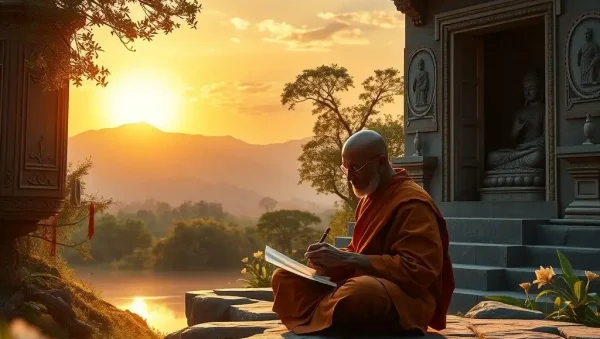
The Life of Ashvaghosha: The Poet Who Brought Buddhism to Life

Buddhism - Key Figures
The Life of Mahaprajapati: The First Female Buddhist Monastic
☸️ Buddhism – Key Figures: Teachers, Thinkers, and Leaders of Ancient India
Explore the influential personalities who shaped Buddhism, one of the most important ancient Indian religions. This subcategory examines the lives, teachings, journeys, and historical impact of the Buddha, his disciples, Buddhist philosophers, monastic leaders, royal patrons, and missionaries who helped Buddhism develop across India and Asia. Discover how these remarkable figures contributed to Buddhist philosophy, ethics, meditation, monastic traditions, art, literature, and the spread of Buddhist culture from the age of ancient India to the Gupta Empire and beyond.
🌿 Siddhartha Gautama: The Historical Buddha
Learn about Siddhartha Gautama, the founder of Buddhism and the teacher known as the Buddha, or “the Awakened One.” Articles in this section explore his early life among the Shakya people, his renunciation of royal privilege, his search for truth, enlightenment at Bodh Gaya, and the beginning of his teaching career. Readers can understand the historical and spiritual context in which Buddhism emerged during the religious and intellectual changes of ancient India.
Discover the Buddha’s central teachings, including the Four Noble Truths, the Noble Eightfold Path, the Middle Way, karma, rebirth, compassion, and liberation from suffering. This content also explains how the Buddha’s sermons, communities, and ethical principles influenced Indian history and established the foundations of Buddhist practice.
📜 The Buddha’s Major Disciples and Companions
Explore the key disciples who preserved and expanded the Buddha’s teachings. Important figures such as Sariputta, Maha Moggallana, Ananda, and Mahakassapa played major roles in Buddhist history, from teaching doctrine and organizing the Sangha to memorizing sermons and guiding monastic communities. Their lives reveal how early Buddhism was practiced and transmitted in ancient India.
Readers can also learn about notable women associated with the Buddhist community, including Mahapajapati Gotami, the Buddha’s foster mother and a pioneer of the Buddhist nuns’ order, and Khema and Uppalavanna, respected female disciples. These accounts highlight the diverse social and intellectual contributions within the early Buddhist Sangha.
👑 Emperor Ashoka and the Spread of Buddhism
Examine the life of Emperor Ashoka, one of the most influential royal patrons in Buddhist history. After the Kalinga War, Ashoka is traditionally associated with a profound moral transformation and the promotion of Dhamma, nonviolence, social responsibility, and religious tolerance. His inscriptions, pillars, stupas, and public works provide valuable evidence for understanding Buddhism during the Mauryan Empire.
This section explores how Ashoka supported monasteries, pilgrimage sites, Buddhist councils, and missionary activity. Readers can discover the role of figures such as Mahinda and Sanghamitta in the transmission of Buddhism to Sri Lanka, as well as the wider influence of Ashokan policies on ancient Indian culture, art, administration, and religious history.
🧠 Buddhist Philosophers and Scholarly Traditions
Discover the philosophers who gave Buddhist thought greater depth and structure. Topics may include Nagarjuna and the philosophy of Madhyamaka, Asanga and Vasubandhu in the development of Yogacara, and other scholars who examined consciousness, emptiness, causation, perception, and the path to enlightenment. Their works helped Buddhism evolve into a sophisticated intellectual tradition.
Readers can expect clear explanations of important Buddhist concepts such as shunyata, dependent origination, mind, compassion, wisdom, and the bodhisattva ideal. These profiles connect Buddhist philosophy with the broader history of ancient Indian education, debate, Sanskrit and Pali literature, and the growth of major Buddhist schools.
🏛️ Buddhist Teachers, Monastic Leaders, and Missionaries
Learn how Buddhist teachers and monastic leaders helped preserve the religion after the Buddha’s death. This section explores the organization of the Sangha, the importance of Buddhist councils, the preservation of teachings in Pali and Sanskrit, and the role of monasteries as centers of education, meditation, debate, and cultural exchange.
Articles also examine the missionaries and travelers who carried Buddhist teachings beyond their original communities. From northern India to Sri Lanka, Central Asia, China, and Southeast Asia, these figures supported the development of Buddhist traditions, sacred sites, artistic styles, scriptures, and regional interpretations of the Buddha’s message.
🎨 Key Figures in Buddhist Art, Literature, and Culture
Explore how influential Buddhist personalities shaped the visual and literary culture of ancient India. Royal patrons, monks, poets, sculptors, and scholars contributed to the creation of stupas, rock-cut caves, statues, inscriptions, Jataka stories, and illustrated manuscripts. These cultural achievements provide insight into the relationship between Buddhism and the history of Indian art.
Readers can discover how the lives of Buddhist figures were represented through symbols such as the Dharma wheel, lotus, Bodhi tree, footprints of the Buddha, and narrative scenes from Buddhist tradition. This content is useful for understanding Buddhist heritage sites, ancient Indian architecture, religious storytelling, and the continuing legacy of Buddhism.
❓ Frequently Asked Questions About Buddhist Key Figures
Who was the most important figure in Buddhism?
Siddhartha Gautama, known as the Buddha, was the central figure and founder of Buddhism. His teachings on suffering, ethical conduct, meditation, wisdom, and liberation became the foundation of Buddhist philosophy and practice.
What was Emperor Ashoka’s role in Buddhist history?
Emperor Ashoka was a powerful Mauryan ruler who became a major patron of Buddhism. His inscriptions, monuments, support for the Sangha, and missionary efforts helped spread Buddhist ideas across India and to regions beyond the subcontinent.
Who were the Buddha’s most important disciples?
Among the best-known disciples were Sariputta, recognized for wisdom; Maha Moggallana, associated with spiritual abilities; Ananda, the Buddha’s attendant and a preserver of his teachings; and Mahakassapa, an important monastic leader.
Were women important in early Buddhism?
Yes. Women played significant roles in the development of Buddhism. Mahapajapati Gotami helped establish the order of Buddhist nuns, while figures such as Khema, Uppalavanna, and many lay supporters contributed to teaching, monastic life, philanthropy, and the preservation of Buddhist traditions.
Which Buddhist philosophers influenced ancient Indian thought?
Nagarjuna, Asanga, Vasubandhu, Buddhaghosa, and other scholars made major contributions to Buddhist philosophy and literature. Their discussions of emptiness, consciousness, ethics, meditation, and liberation influenced Buddhist schools throughout India and across Asia.