
How the Caste System Shaped Daily Life in Ancient Indian Society

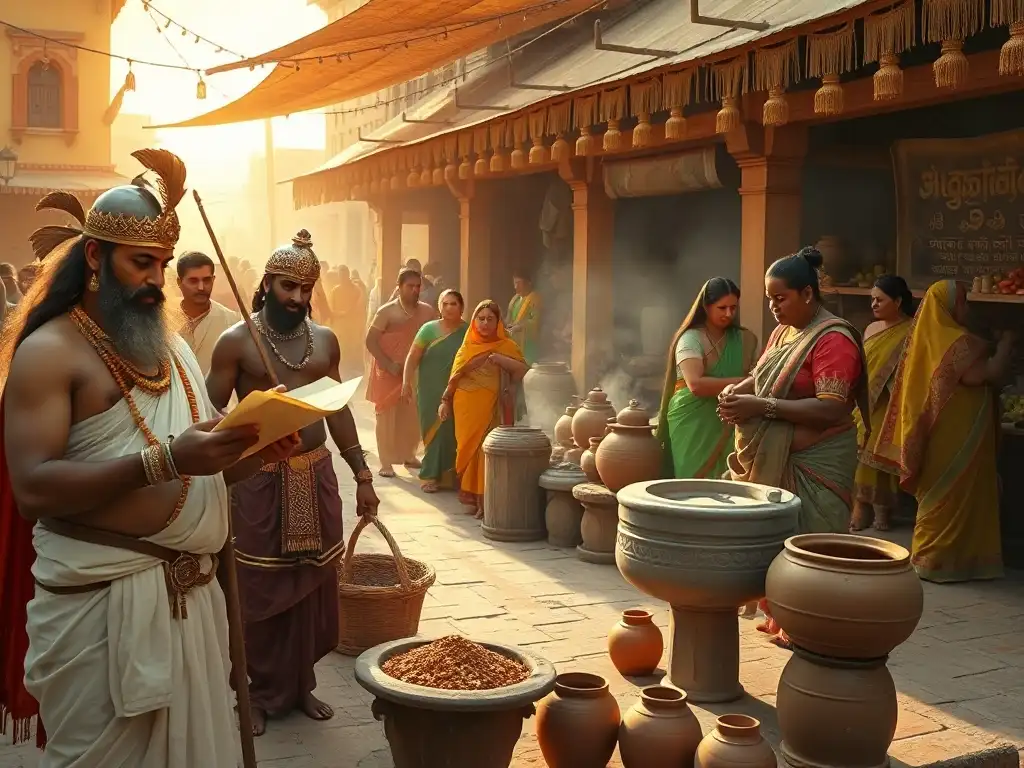
Welcome to Ancient India History, where we delve deep into the rich tapestry of civilizations that flourished on the Indian subcontinent. In our featured article, "How the Caste System Shaped Daily Life in Ancient Indian Society," we unravel the impact of the caste system on the daily lives of people across various ancient Indian societies. What were its origins, and how did it influence everything from social structure to cultural practices? Join us on this enlightening journey as we explore the profound legacies of ancient India that continue to resonate today. Your adventure into the fascinating past begins here!
- Introduction to the Caste System in Ancient India
- Historical Context of the Caste System in Ancient India
- The Four Main Castes and Their Roles
- Impact of the Caste System on Daily Life in Ancient India
- Caste System and Gender Roles in Ancient Indian Society
- Challenges and Criticisms of the Caste System
- Conclusion: The Lasting Influence of the Caste System on Indian Society
- Frequently Asked Questions
- Final Reflection: The Enduring Impact of the Caste System in Ancient India
- Unleash the Secrets of Ancient Indian Society!
Introduction to the Caste System in Ancient India
The caste system is one of the most defining and complex features of ancient Indian society, shaping not only social hierarchies but also the day-to-day lives of individuals. Emerging around 1500 BCE, this system categorized people into distinct groups based on their occupations and roles within society, greatly influencing personal identity, social interactions, and cultural practices. Its origins can be traced back to the Vedic texts, which laid the foundational principles of social stratification.
Understanding the impact of the caste system in ancient India is essential to grasp how it affected everything from economic activities to familial relationships, and even religious practices. This article will delve into the nuances of the caste system, exploring its structure and significance, while also assessing its profound influence on daily life in ancient Indian civilization.
Overview of the Caste System
The caste system in ancient India was traditionally divided into four main categories known as varnas:
- Brahmins: The priestly class responsible for religious rituals, teaching, and maintaining sacred knowledge.
- Kshatriyas: The warrior and ruler class, tasked with governance and protection of the realm.
- Vaishyas: The merchant and agriculturalist class, involved in trade, commerce, and farming.
- Shudras: The laboring class, serving the other three varnas and engaged in various manual occupations.
Beyond these four primary classes, there existed a multitude of sub-castes, or jatis, which further diversified the social landscape. This intricate hierarchy dictated not only professional roles but also social status, marriage prospects, and community interactions.
The caste system was not merely a social construct; it was deeply embedded in the cultural and religious fabric of ancient India. Texts such as the Manusmriti provided guidelines on duties and behaviors for each caste, reinforcing the system's authority. While it offered a sense of order and organization within society, it also led to significant inequalities and social stratification.
Importance of Caste in Daily Life
The significance of the caste system permeated all aspects of daily life for ancient Indians. Here are some key areas where its impact was particularly pronounced:
- Occupational Roles: Each caste was associated with specific jobs and responsibilities. This specialization ensured that skills were passed down through generations, creating a stable economic structure.
- Social Interactions: Caste determined social relationships, including friendships, marriage, and community involvement. Inter-caste interactions were often restricted, leading to a highly structured social environment.
- Religious Practices: The caste system influenced religious observances and access to sacred rituals. Brahmins, for instance, held exclusive rights to perform certain religious ceremonies, which reinforced their elevated status in society.
- Legal and Political Influence: The caste system also played a role in governance, as rulers often relied on the support of the higher castes, leading to a political landscape skewed in favor of the elite.
The caste system was not just a reflection of social order; it actively shaped the lives of individuals and communities in ancient India. By understanding its complexities and implications, we gain insight into the broader narrative of ancient Indian civilization and its enduring legacy.
Historical Context of the Caste System in Ancient India
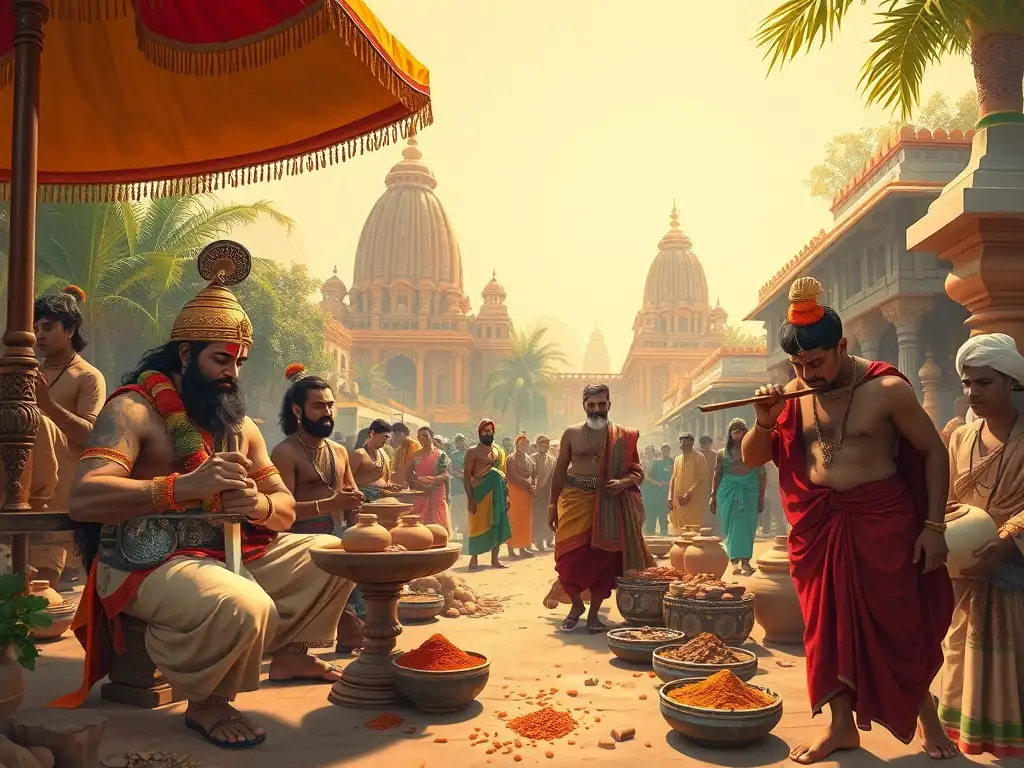
Origins of the Caste System
The caste system in ancient India has its roots in the Vedic period, around 1500 BCE, characterized by the arrival of the Indo-Aryans. Initially, society was likely organized into a more fluid structure based on occupation and skills rather than rigid social divisions. The earliest reference to social groups can be found in the Rigveda, which categorizes society into four primary varnas:
- Brahmins (priests and scholars)
- Kshatriyas (warriors and rulers)
- Vaishyas (traders and agriculturists)
- Shudras (laborers and service providers)
This classification was not strictly hierarchical at first; rather, it represented a division of labor necessary for societal functioning. However, over time, these varnas began to solidify into hereditary groups, leading to the emergence of jatis, which are sub-castes based on specific occupations and social roles.
One significant factor in the establishment of the caste system was the ritual purity associated with the Brahmins. The importance of religious texts and rituals led to a growing reverence for those who could perform such duties, thereby elevating the status of the Brahmins above other groups. Consequently, this stratification began to influence various aspects of daily life, including marriage, social interactions, and occupational choices.
Evolution of Caste Over Time
As centuries progressed, particularly during the Mauryan and Gupta empires (around 322 BCE to 550 CE), the caste system became more entrenched in Indian society. The rise of powerful kingdoms and the establishment of extensive trade networks contributed to the complexity of social structures. The following points highlight the evolution of the caste system during these periods:
- Expansion of Jatis: The number of jatis increased significantly as local communities developed their own distinct social identities. This diversification created a more intricate web of social stratification, often based on regional, occupational, and cultural differences.
- Legislation and Regulation: Ancient texts, such as the Manusmriti, codified social norms and provided guidelines for inter-caste interactions, marriage, and duties. These texts reinforced the notion of social hierarchy and the importance of adhering to one's dharma (duty) based on caste identity.
- Economic Factors: The rise of commerce and urbanization during the Gupta period also influenced the caste system. Wealthy merchants began to acquire social status, leading to the emergence of new jatis that challenged traditional hierarchies. However, these new groups often sought to align themselves with established castes to gain legitimacy.
- Religious Influences: The proliferation of religious movements, such as Buddhism and Jainism, offered alternative perspectives on social organization. These philosophies challenged the rigidity of the caste system, promoting ideas of equality and moral conduct over hereditary status. Despite this, the caste system persisted, adapting to new ideologies while maintaining its core characteristics.
The evolution of the caste system in ancient India was a dynamic process influenced by various factors, including economic changes, religious ideologies, and legislative frameworks. The impact of the caste system on daily life was profound, shaping social interactions, occupational choices, and cultural practices that persisted through centuries. As such, understanding its historical context is crucial to comprehending its lasting legacy in Indian society.
The Four Main Castes and Their Roles
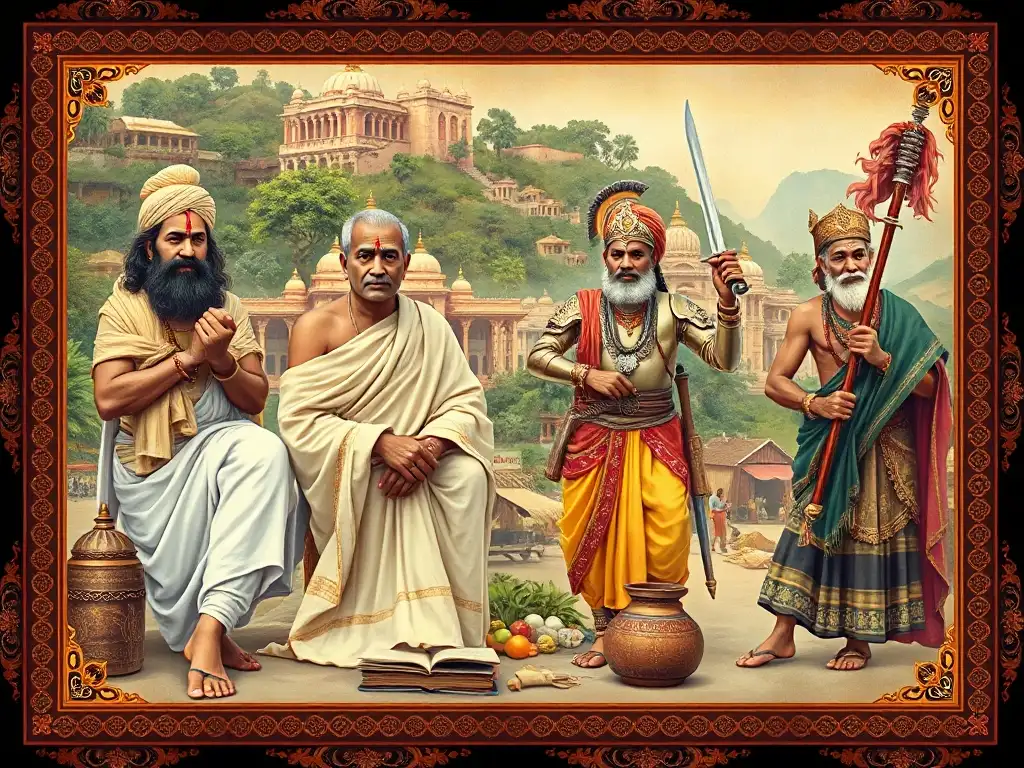
The caste system in ancient India played a pivotal role in shaping the social structure and daily life of its people. It was primarily divided into four main castes, each with distinct duties, responsibilities, and societal roles. Understanding these castes helps illuminate the impact of the caste system in ancient India on various aspects of life, from governance to commerce and spiritual guidance.
Brahmins: The Priestly Class
The Brahmins were at the pinnacle of the caste hierarchy, revered for their roles as priests, scholars, and teachers. Their responsibilities included:
- Religious Duties: Brahmins conducted rituals and sacrifices, acting as intermediaries between the deities and the laypeople. They were essential for the performance of Vedic rituals, which were believed to maintain cosmic order and please the gods.
- Education and Knowledge Preservation: They were the custodians of sacred texts, primarily the Vedas, and played a crucial role in imparting education. The Brahmins were responsible for teaching the principles of Dharma (moral law) and maintaining oral traditions.
- Advisors to Kings: Many Brahmins served as advisors in royal courts, influencing political decisions and governance. Their knowledge of scriptures and law made them invaluable to rulers in maintaining order and justice.
The societal esteem afforded to Brahmins significantly influenced daily practices, including education systems and religious observances, reinforcing their authority and status within ancient Indian society.
Kshatriyas: The Warrior Class
The Kshatriyas held the second position in the caste hierarchy, primarily responsible for governance, protection, and warfare. Their roles included:
- Military Leadership: Kshatriyas were the warriors and defenders of the realm. Their training in martial arts and strategy was crucial for protecting their kingdoms from invasions and maintaining internal peace.
- Rulers and Administrators: Many Kshatriyas ascended to the throne as kings and princes. They were tasked with upholding justice, collecting taxes, and ensuring the welfare of their subjects.
- Patrons of Arts and Culture: Beyond warfare, Kshatriyas played a vital role in promoting arts and culture. They sponsored scholars, artists, and religious leaders, which led to a flourishing of culture and learning in ancient India.
The Kshatriyas' status as protectors and leaders had a profound impact on the organization of society, influencing not only military affairs but also the cultural and artistic achievements of the time.
Vaishyas: The Merchant Class
The Vaishyas occupied the third tier of the caste system, primarily comprising merchants and landowners. Their crucial functions included:
- Economic Contributions: Vaishyas were responsible for trade, agriculture, and the economy. They engaged in various activities, including farming, cattle rearing, and trading goods, which were essential for the sustenance of the society.
- Wealth Accumulation and Distribution: This caste facilitated the flow of wealth within ancient Indian society, often acting as intermediaries between producers and consumers. Their activities helped establish marketplaces and foster economic interactions.
- Cultural Exchange: Through trade, Vaishyas played a significant role in cultural exchanges, introducing new ideas, technologies, and goods. This contributed to the rich tapestry of ancient Indian civilization and its connections with other cultures.
The impact of the Vaishyas on daily life was significant, as their economic activities were vital for the sustenance and growth of the society, shaping the material conditions of life for all castes.
The caste system in ancient India was not merely a social classification but a framework that structured daily life and societal interactions. Each caste, with its specific roles and responsibilities, contributed to the intricate web of ancient Indian civilization, leaving a lasting legacy that resonates in various aspects of modern Indian society.
Shudras: The Servant Class
The Shudras occupy the lowest tier among the four main castes in the ancient Indian caste system. Traditionally viewed as the servant class, their primary responsibilities revolved around serving the higher castes, particularly the Brahmins, Kshatriyas, and Vaishyas. This role was not merely a reflection of social hierarchy but was deeply ingrained in the cultural and religious framework of ancient Indian society.
Historically, Shudras were assigned tasks that included agricultural labor, craftsmanship, and various forms of service. They were instrumental in sustaining the economy through agricultural production and manual labor, which were crucial for the overall functioning of society. For instance, many Shudras worked as farmers, tending to the land owned by the higher castes, while others engaged in trades and crafts, producing goods that were essential for daily life.
The social status of Shudras was often determined by their occupation, and while they were considered the lowest caste, they played a vital role within the larger societal framework. Despite their position, it is important to note that the caste system was not entirely rigid, and there were instances where individuals from the Shudra caste could rise in status through exceptional service or skills. However, such cases were relatively rare and often faced significant barriers.
Culturally, the Shudras were often marginalized, facing restrictions in various aspects of life, including religious practices and access to education. They were generally prohibited from participating in rituals performed by the upper castes, and their spiritual and cultural contributions were frequently overlooked or undervalued. This exclusion from religious and educational spheres reinforced their subordinate position in the societal hierarchy.
The Shudras, as the servant class, were indispensable to the functioning of ancient Indian society. Their labor and service underpinned the economic structure, while their social standing reflected the broader implications of the caste system. Understanding their role offers critical insights into the complexities of social dynamics in ancient India and the lasting impact of caste on daily life.
Impact of the Caste System on Daily Life in Ancient India
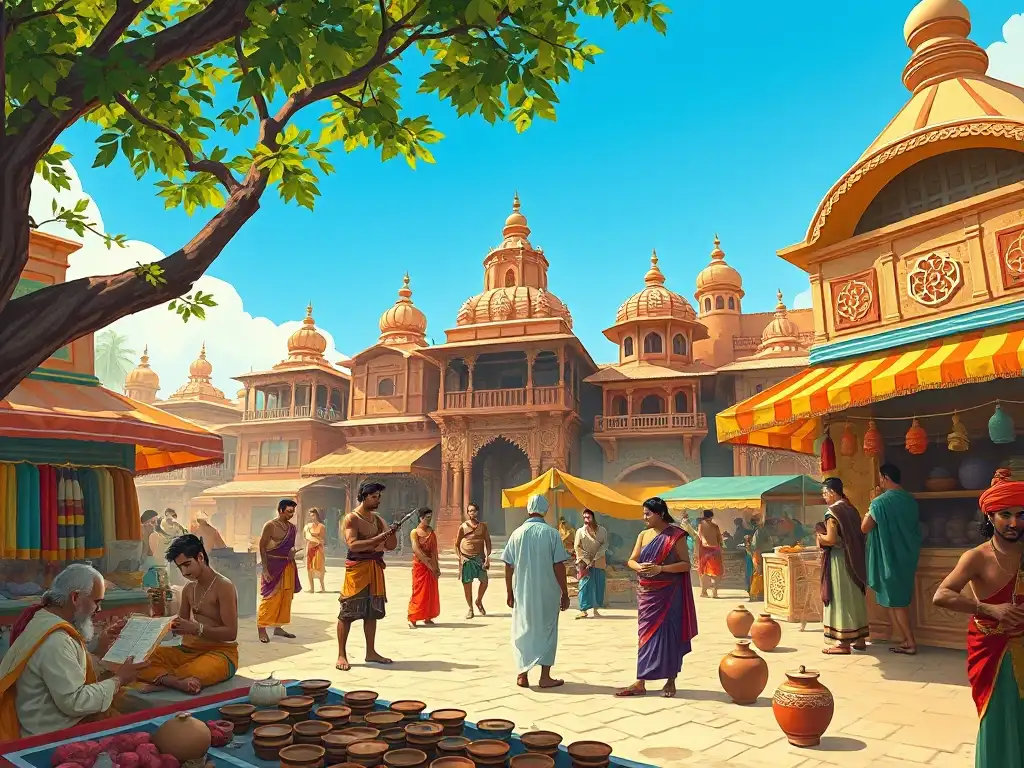
The caste system in ancient India significantly influenced social interactions and relationships, dictating how individuals and families engaged with one another. Society was stratified into four primary varnas: Brahmins (priests and scholars), Kshatriyas (warriors and rulers), Vaishyas (traders and agriculturists), and Shudras (laborers and service providers). This division not only established a hierarchy but also created distinct social boundaries.
- Endogamy: Most castes practiced strict endogamy, meaning individuals married within their caste, which reinforced social boundaries and limited cross-caste interactions. This practice ensured that cultural practices, traditions, and social norms were maintained within each caste, creating a sense of identity and belonging.
- Social Mobility: The rigid nature of the caste system restricted social mobility. An individual born into a particular caste had limited opportunities to change their social status, impacting their relationships. For example, a Brahmin was expected to maintain distance from lower castes, affecting friendships and alliances.
- Community Support: Each caste functioned as a close-knit community, providing support and resources to its members. This support system facilitated cooperation and collective action, especially during festivals and communal events, but also led to exclusionary practices against those outside the caste.
Economic Activities and Occupations
The impact of the caste system on economic activities and occupations was profound and far-reaching. Each caste was assigned specific roles, which dictated their livelihoods and interactions in the marketplace.
- Occupation Specialization: The caste system created a highly specialized labor market. For instance, Brahmins engaged in religious and scholarly activities, Kshatriyas were involved in governance and warfare, Vaishyas focused on trade and commerce, and Shudras performed manual and service-oriented tasks. This specialization allowed for a division of labor that contributed to the efficiency of economic activities.
- Access to Resources: Access to resources and wealth was largely determined by caste. Higher castes had better access to land, education, and trade opportunities, whereas lower castes, particularly Shudras, faced restrictions that limited their economic potential. This disparity created a cycle of poverty and wealth that was difficult to break.
- Market Dynamics: Economic transactions were often influenced by caste identities. Certain goods and services were considered taboo for specific castes, impacting what could be sold or traded. For example, certain occupations like leatherworking were relegated to specific lower castes, affecting their market participation and social standing.
Religious Practices and Rituals
Religion was intricately woven into the fabric of daily life in ancient India, and the caste system played a crucial role in shaping religious practices and rituals.
- Ritual Purity and Pollution: The caste system dictated notions of purity and pollution, influencing how individuals participated in religious ceremonies. Higher castes were often deemed ritually pure, while lower castes faced restrictions and were sometimes excluded from participating in religious rituals, which reinforced their marginalization.
- Temple Access and Worship: Access to temples and participation in religious worship were often restricted by caste. Brahmins performed rituals and ceremonies within temples, while lower castes were relegated to the periphery, affecting their spiritual experiences and connections to the divine.
- Caste-Based Festivals: Festivals in ancient India were often celebrated within caste lines, with specific rituals and customs unique to each caste. This led to a rich tapestry of cultural practices but also further entrenched caste divisions, as the celebrations of one caste could be exclusive of others.
The impact of the caste system in ancient India permeated various aspects of daily life—from social interactions and economic practices to religious observances—creating a complex and often rigid societal structure that shaped the experiences of individuals within these ancient civilizations.
Caste System and Gender Roles in Ancient Indian Society
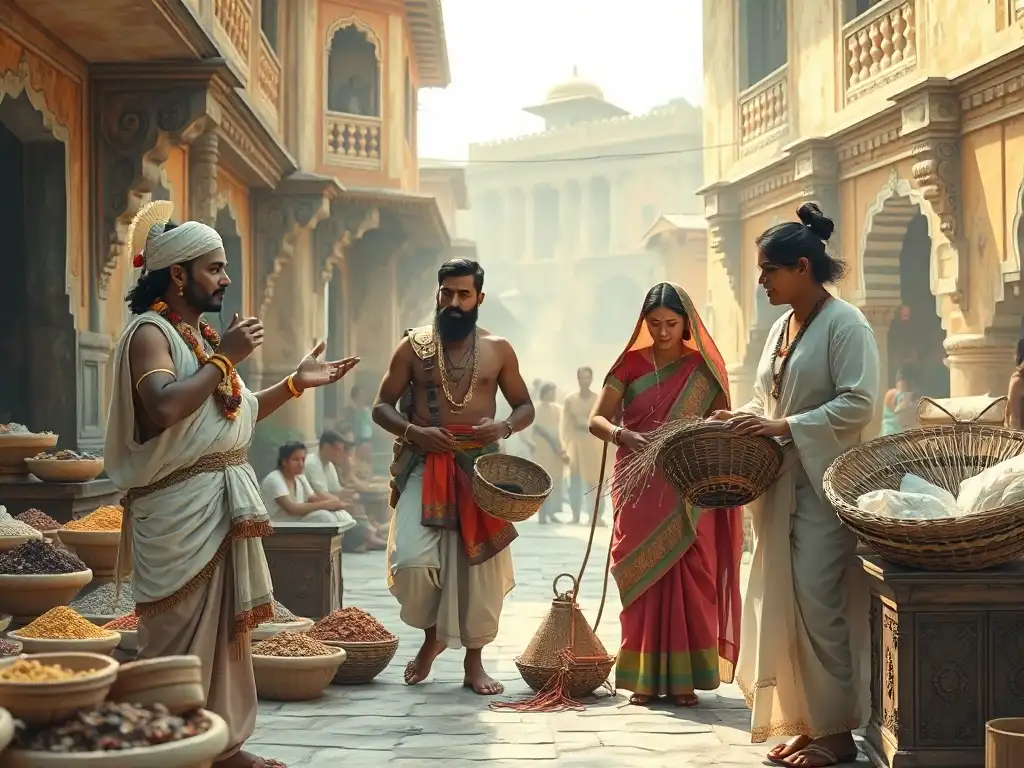
The caste system in ancient India was not only a rigid social hierarchy but also intricately linked to gender roles. This framework established distinct expectations and responsibilities for men and women, influencing daily life and societal interactions. The caste system categorized individuals into various groups, primarily Brahmins, Kshatriyas, Vaishyas, and Shudras, each with specific duties and privileges. Within these categories, gender played a crucial role in determining one's status and role in society.
Women's Position Within the Caste Framework
Women's roles in ancient Indian society were largely defined by their caste, impacting their social standing, rights, and responsibilities. Generally, women from higher castes, such as Brahmins and Kshatriyas, enjoyed certain privileges, including education and participation in religious rituals. However, their primary roles were often confined to domestic responsibilities, focusing on managing the household and raising children.
In contrast, women from lower castes, particularly Shudras, faced significant restrictions. They were often relegated to labor-intensive tasks and lacked access to education and social mobility. The patriarchal nature of society further limited their autonomy, as decisions regarding marriage and family were predominantly made by male family members.
Key Aspects of Women's Status in Caste System:
- Education: Higher caste women had better access to education compared to their lower caste counterparts, leading to disparities in knowledge and societal influence.
- Property Rights: Women typically had limited rights to inherit property, especially in lower castes, where inheritance often favored male descendants.
- Religious Participation: Women from higher castes could participate in rituals and religious events, while lower caste women often faced exclusion from sacred spaces.
The caste system thus created a complex web of gender inequality, where women's roles were largely dictated by their caste affiliation, reinforcing societal norms that favored male authority and control.
Impact of Caste on Marriage and Family Structure
The caste system profoundly influenced marriage practices and family structures in ancient India. Marriages were traditionally arranged within the same caste, ensuring the preservation of social status and cultural practices. This endogamous approach reinforced caste boundaries and perpetuated the existing social hierarchy.
Key Elements of Marriage and Family Structure:
- Arranged Marriages: Most marriages were arranged by families, often prioritizing caste lineage over personal choice. This practice aimed to maintain social status and economic stability.
- Dowry System: The dowry, a transfer of parental wealth to the groom's family, became a significant aspect of marriage negotiations, especially among higher castes. This practice could place economic burdens on the bride's family.
- Role of Women in Family: Women were expected to uphold family honor and traditions, often serving as custodians of cultural practices. Their primary responsibilities included managing the household and nurturing children, emphasizing their role within the family unit.
The impact of the caste system on marriage and family structure not only shaped individual lives but also reinforced societal norms that maintained the status quo. The intertwining of caste with marriage practices created a complex social fabric that defined the roles and relationships within ancient Indian society, affecting generations to come.
Overall, understanding the influence of the caste system on gender roles and family dynamics provides valuable insights into the daily life and societal organization of ancient India. The legacies of these practices continue to resonate in modern Indian society, highlighting the lasting impact of caste on social structures and relationships.
Challenges and Criticisms of the Caste System
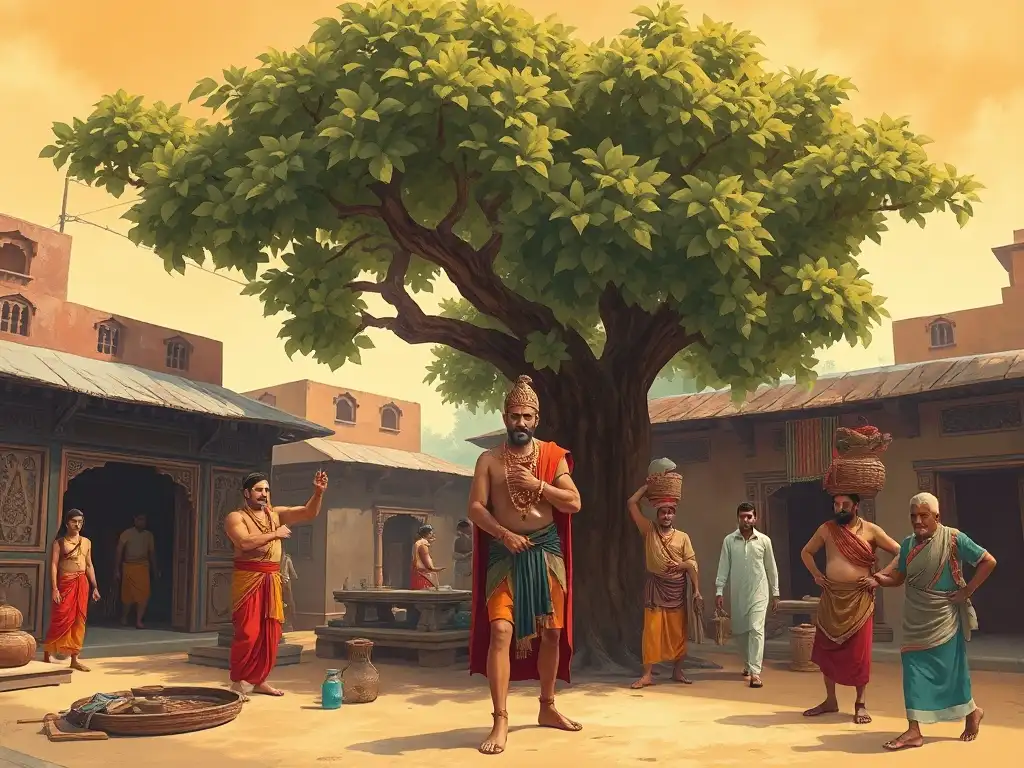
The caste system in ancient India has long been a subject of debate and criticism, primarily due to its profound impact on social structure and daily life. While it served to organize society in various ways, it also engendered significant challenges, particularly concerning social inequality and discrimination.
The caste system created a rigid social hierarchy, dividing the population into distinct groups known as "varnas" and further sub-divisions called "jatis." This stratification often dictated every aspect of an individual's life, including their occupation, social interactions, and even their access to resources.
- Hierarchical Structure: At the top of the hierarchy were the Brahmins (priests and scholars), followed by the Kshatriyas (warriors and rulers), Vaishyas (merchants and landowners), and Shudras (laborers and service providers). The Dalits, previously referred to as the "Untouchables," were considered outside this system and faced severe discrimination.
- Discriminatory Practices: The impact of the caste system manifested in various discriminatory practices. For example:
- Social Exclusion: Individuals from lower castes often faced social exclusion, which meant restricted access to communal spaces, such as temples and public wells.
- Economic Disadvantages: Occupations were often hereditary, limiting economic mobility for those in lower castes. This perpetuated a cycle of poverty, where individuals could not escape their assigned roles.
- Education and Knowledge: Access to education was frequently restricted based on caste, with lower castes having limited opportunities to learn and advance intellectually. This restriction contributed to a lack of representation in various fields, including governance and scholarship.
The consequences of these practices were far-reaching, leading to systemic inequalities that affected generations. The stigma associated with lower castes has persisted throughout history, contributing to societal divisions that continue to be felt in modern India.
Historical Resistance to Caste Hierarchies
Despite the entrenched nature of the caste system, various movements and individuals throughout ancient and medieval India resisted these hierarchies.
- Religious Reformers: Figures like Gautama Buddha and Mahavira challenged the caste system through their teachings, advocating for equality and the rejection of ritualistic practices that perpetuated inequality. Their philosophies emphasized compassion and social justice, appealing to those marginalized by caste.
- Bhakti Movement: The Bhakti movement, which emerged around the 7th century CE, sought to transcend caste boundaries through devotion to a personal god. Saints from various backgrounds, such as Kabir and Namdev, promoted messages of unity and equality, drawing followers from all castes and fostering a sense of communal identity.
- Literature and Art: Various literary works and artistic expressions also critiqued the caste system. Poets and playwrights highlighted the injustices faced by lower castes, often using satire and allegory to challenge societal norms.
- Political Movements: In later periods, political movements sought to dismantle caste-based discrimination, advocating for the rights of lower castes and engaging in social reform. Leaders like B.R. Ambedkar, who himself was born into a Dalit family, played a pivotal role in challenging caste hierarchies and fostering social change.
The historical resistance to caste hierarchies illustrates a significant aspect of ancient Indian society: the continuous struggle for equality and justice. These movements laid the groundwork for subsequent social reforms, and their legacy continues to inspire efforts against caste-based discrimination today.
While the caste system profoundly influenced daily life in ancient India, it also faced substantial challenges and criticisms, reflecting a complex interplay between social order and the quest for equality.
Conclusion: The Lasting Influence of the Caste System on Indian Society
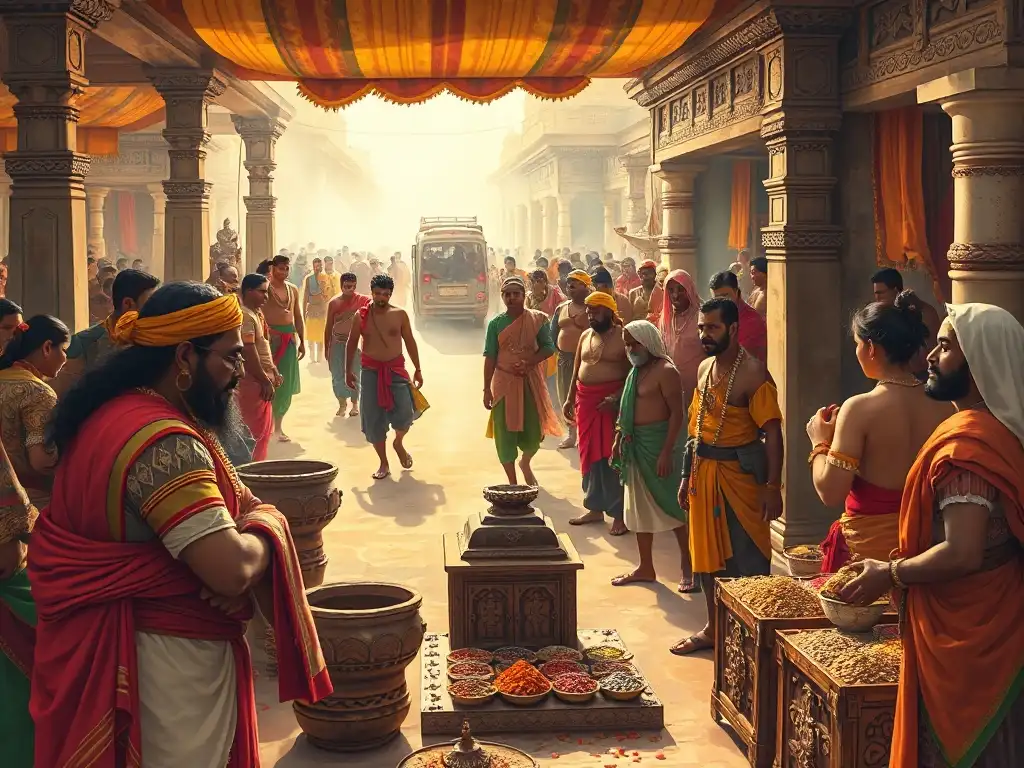
The caste system in ancient India has left an indelible mark on the social fabric of the country, influencing various aspects of life, from social interactions to occupational roles. This hierarchical structure, with its origins traced back to the Vedic period, not only shaped the daily lives of individuals but also established a framework for societal organization that persisted for centuries. The implications of the caste system extended beyond mere classification, embedding itself into the very ethos of Indian civilization.
The impact of the caste system in ancient India can be distilled into several key areas:
- Social Stratification: The division of society into distinct groups created a rigid social hierarchy, dictating interactions and relationships between different castes. This stratification often led to discrimination and segregation, with members of the higher castes enjoying privileges while those from lower castes faced significant socio-economic challenges.
- Occupational Roles: Each caste was traditionally associated with specific occupations, which influenced the economic activities of the time. This allocation reinforced the idea of hereditary professions, limiting mobility and perpetuating inequality. For example, while Brahmins were tasked with religious and scholarly duties, Shudras were relegated to manual labor.
- Cultural Norms and Practices: The caste system shaped cultural practices, rituals, and even dietary habits. Many customs and traditions were intricately tied to caste identities, influencing marriage practices, festivals, and social gatherings.
Reflections on the Legacy of the Caste System
The legacy of the caste system is multifaceted, reflecting both the historical significance and the ongoing ramifications in contemporary society. Scholars and historians often debate the extent to which the caste system has influenced modern social dynamics. Here are some reflections on this complex legacy:
- Historical Context: Understanding the caste system provides invaluable insights into the socio-political landscape of ancient India. It reveals how power dynamics were established and maintained, influencing governance and authority structures over time.
- Impact on Religion and Philosophy: The caste system intertwined with various religious beliefs and philosophies, shaping ideologies that informed moral and ethical frameworks. This interplay between religion and social stratification remains a topic of study for those interested in the evolution of Indian thought.
- Cultural Identity: For many, caste continues to be a crucial aspect of cultural identity, influencing community bonds and social cohesion. The rituals and traditions associated with specific castes contribute to the rich tapestry of Indian culture, fostering a sense of belonging among members.
Continuing Relevance in Modern India
While the formal caste system has undergone significant transformations, its influence persists in various forms within modern Indian society. The legacy of the caste system can be observed in several areas:
- Social Disparities: Despite constitutional provisions aimed at promoting equality, caste-based discrimination continues to manifest in various forms, significantly impacting access to education, employment, and social services.
- Political Dynamics: The caste system has become a pivotal factor in Indian politics, with various political parties mobilizing support along caste lines. This phenomenon illustrates how historical structures continue to shape contemporary political landscapes.
- Social Movements: The fight against caste-based discrimination has given rise to numerous social movements and reforms, advocating for equality and justice. Organizations and activists continue to challenge the inherited hierarchies, striving for a more inclusive society.
The impact of the caste system in ancient India remains a critical area of study for understanding the complexities of social structure and its lasting influence on both historical and modern contexts. The lessons learned from this intricate system provide valuable insights into the ongoing efforts to address social inequalities in contemporary India.
Frequently Asked Questions
What was the caste system in ancient India?
The caste system was a social hierarchy that divided people into distinct groups based on their occupation and social status. It played a crucial role in shaping daily life and societal interactions in ancient India.
The caste system influenced relationships and interactions among individuals, often dictating whom one could marry, eat with, or associate. This created a rigid social structure that limited mobility and social mixing.
What were the major castes in ancient India?
The primary castes, or varna, included the Brahmins (priests and scholars), Kshatriyas (warriors and rulers), Vaishyas (traders and agriculturists), and Shudras (laborers). Each group had specific roles and responsibilities in society.
How did the caste system influence the economy of ancient India?
The caste system facilitated an organized economic structure by assigning specific occupations to different groups. This helped in the specialization of labor, but also maintained inequality and limited opportunities for those in lower castes.
What was the impact of the caste system on culture and religion?
The caste system significantly influenced cultural practices and religious beliefs in ancient India, shaping everything from rituals to festivals. It reinforced social norms and dictated the spiritual roles of individuals within society.
Final Reflection: The Enduring Impact of the Caste System in Ancient India
The caste system's intricate web of social stratification not only defined daily life in ancient Indian society but continues to resonate in contemporary discussions about social justice and equality. The historical implications of caste have left an indelible mark on the cultural landscape, shaping identities and influencing power dynamics that persist even today. Understanding this legacy is crucial as we navigate modern societal structures that echo these ancient divisions.
The impact of the caste system extends beyond mere historical curiosity; it has profoundly influenced social interactions, economic opportunities, and cultural practices throughout generations. As we reflect on the past, we must acknowledge how these entrenched systems have created barriers that many still face. The past is never dead. It's not even past.
— William Faulkner. This quote reminds us that the remnants of the caste system still affect millions, urging us to confront and dismantle these lingering inequalities.
As we consider the lessons from ancient India, let us challenge ourselves to reflect on our roles in shaping a more equitable future. How can we apply the insights gained from the impact of the caste system to foster inclusivity and understanding in our own communities? I invite you, dear reader, to engage with this history, to question societal norms, and to advocate for a world where every individual is valued beyond the confines of their background. Together, we can pave the way for a more just society, learning from the past to create a brighter future.
Unleash the Secrets of Ancient Indian Society!
Thank you for diving into the intricate world of the ancient Indian caste system with us! We hope you’ve gained valuable insights into how this complex structure shaped daily life and interactions within society. Now, let’s put that knowledge into action!
Take these steps to deepen your understanding and engage with the rich history around you:
- Explore your local library or online databases to find historical texts or documentaries about ancient Indian society—discover stories that bring history to life!
- Join a discussion group or online community focused on ancient cultures; sharing your thoughts can spark new insights and connections with others who are passionate about history.
- Surprise yourself by visiting a cultural exhibit or event that highlights the diversity of ancient Indian heritage and its lasting impacts on contemporary society.
What aspect of ancient Indian society do you find most fascinating, and how do you think it continues to influence us today?