
The Labor of Love: Marriage and Family Occupations in Ancient India

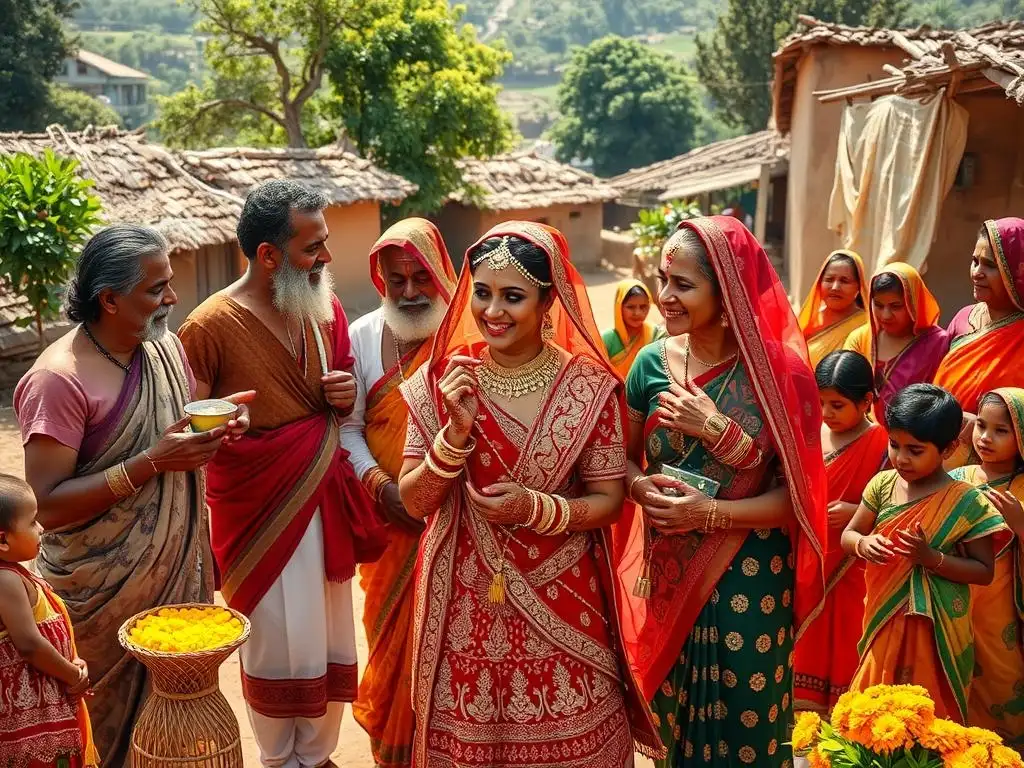
Welcome to Ancient India History, where we invite you to journey through the vibrant tapestry of our past. In today's exploration, we delve into the intricate theme of "Marriage and Family Roles in Ancient India," uncovering the profound ways these relationships shaped daily life and society. From the sacred rituals of the Indus Valley to the familial structures of the Gupta Empire, the labor of love was not just a personal affair but a communal tapestry woven with tradition and duty.
Are you ready to discover how these ancient customs continue to influence our understanding of family today? Join us as we unravel the fascinating roles families played in the heart of ancient Indian civilization!
Introduction to Marriage and Family Roles in Ancient India
Marriage and family roles in ancient India were not merely social constructs; they were the bedrock of society that defined interpersonal relationships, familial structures, and community ties. Understanding these roles offers a window into the daily lives, culture, and values of ancient Indian civilizations, from the sophisticated urban centers of the Indus Valley to the flourishing kingdoms of the Gupta Empire. The intricate tapestry of marriage customs and family occupations reveals much about the economic, social, and cultural dynamics that shaped ancient Indian life.
In this article, we will explore the multifaceted dimensions of marriage and family roles in ancient India, focusing on their evolution, significance, and the various occupations that stemmed from these familial structures. By delving into the historical context, we aim to provide a comprehensive understanding of how these elements influenced the broader societal framework.
Overview of Ancient Indian Marital Practices
Ancient Indian marital practices were diverse and varied across regions and communities. Generally, marriages were arranged by families to strengthen social ties, ensure economic stability, and preserve lineage. Key features of these practices included:
- Patrilocal Residence: Newlywed couples typically resided with the groom's family, reinforcing patrilineal inheritance.
- Dowry System: The practice of providing a dowry, often comprising money, goods, or land, was integral to marriage negotiations.
- Ritual Significance: Marriages were marked by elaborate rituals and ceremonies, reflecting the cultural heritage and religious beliefs of the communities involved.
These practices underscore the importance placed on family alliances, social status, and economic considerations in the institution of marriage.
Importance of Family Structure in Ancient Indian Society
The family structure in ancient India was pivotal in shaping social dynamics and cultural identity. Families served as units of economic production and socialization, influencing various aspects of life, including:
- Occupational Roles: Family members often engaged in specific trades or occupations, which were often passed down through generations.
- Social Hierarchy: Family lineage played a crucial role in determining social status and caste affiliations, affecting individuals' rights and responsibilities within society.
- Cultural Transmission: Families were the primary vehicles for passing down traditions, values, and knowledge, ensuring cultural continuity across generations.
This emphasis on family structure highlights its foundational role in the social fabric of ancient Indian society.
Historical Context of Marriage and Family Roles
To fully appreciate the significance of marriage and family roles in ancient India, it is essential to consider the historical context in which these practices evolved.
Evolution of Marriage Practices in Ancient India
The evolution of marriage practices in ancient India can be traced through various periods, each marked by distinctive cultural influences and societal changes. Key phases include:
- Indus Valley Civilization: Evidence suggests that marriage was an established practice, with artifacts indicating rituals and familial structures.
- Vedic Period: The emergence of texts like the Rigveda introduced more formalized marriage customs, including the concept of 'saptapadi' (seven steps) during ceremonies.
- Post-Vedic Era: The influence of regional kingdoms and the integration of diverse cultural practices led to variations in marriage customs across India.
This historical progression illustrates how marriage practices were influenced by broader societal changes, including economic shifts and cultural interactions.
Cultural Influences on Family Occupations
Family occupations in ancient India were deeply intertwined with cultural norms and socio-economic conditions. Various factors influenced these occupations, including:
- Caste System: The rigid caste structure dictated occupational roles, with specific castes traditionally associated with particular trades.
- Agricultural Practices: In agrarian societies, family occupations were often linked to farming and land management, forming the backbone of the economy.
- Religious and Ritual Roles: Certain families specialized in religious occupations, such as priests or artisans, reflecting the spiritual dimensions of their community life.
By examining these cultural influences, we can better understand how family roles were not only a reflection of personal relationships but also a crucial component of the broader socio-economic landscape in ancient India.
Roles within the Marriage Institution
In ancient India, marriage was not merely a social contract but a vital institution that shaped the roles and responsibilities of individuals within society. The dynamics of marriage were influenced by various factors, including religion, culture, and the prevailing social structure, particularly the caste system. Understanding the traditional roles of husbands and wives provides insight into the familial fabric of ancient Indian society and how these roles interlinked with labor and economic activities.
Traditional Roles of Husbands in Ancient India
The role of husbands in ancient Indian families was typically characterized by authority and responsibility. Husbands were regarded as the primary breadwinners and decision-makers within the household. Their duties included:
- Financial Provider: Husbands were expected to secure the family's economic well-being through various occupations, whether in agriculture, trade, or craftsmanship. Their success in these areas was crucial for the family's status and stability.
- Protector: They also held the responsibility of safeguarding their families, ensuring their safety and well-being in a society that often faced external threats.
- Religious Duties: Husbands were often the primary participants in religious rituals and ceremonies, acting as the family's spiritual leader. This role reinforced their position within the household and the community.
- Educational Role: In many cases, husbands were responsible for imparting knowledge to their children, particularly in higher castes, where formal education was more accessible.
This multifaceted role placed considerable pressure on husbands, as they balanced their duties toward their families with societal expectations and personal ambitions.
Traditional Roles of Wives in Ancient Indian Families
Wives in ancient India assumed crucial roles that complemented their husbands' responsibilities, often within the domestic sphere. Their contributions were vital for maintaining family cohesion and supporting economic activities. Key aspects of their roles included:
- Household Management: Wives were primarily responsible for managing the household, which encompassed everything from cooking to managing resources and ensuring the well-being of all family members.
- Child Rearing: They played a significant role in nurturing and educating children, instilling cultural values and traditions that were essential for the family's continuity.
- Economic Contribution: In many agrarian societies, wives contributed to agricultural labor, helping with planting, harvesting, and managing livestock. Their involvement was often crucial for the family's economic health.
- Social Status Maintenance: Wives were also tasked with upholding the family's social status through their behavior and participation in community events, which were essential for maintaining family honor.
The interplay of these roles created a balanced but often unequal partnership, where both parties contributed to the family's success and stability.
The Impact of Caste System on Marriage and Family Roles
The caste system had a profound impact on marriage and family roles in ancient India, dictating not only the social hierarchy but also the expectations and responsibilities of individuals within families. The implications included:
- Endogamy: Marriages were typically arranged within the same caste, which reinforced social boundaries and maintained the integrity of caste identities. This practice limited social mobility and dictated family roles based on caste-specific occupations.
- Role Specification: Each caste had defined roles and responsibilities associated with marriage and family life. For instance, higher castes often had more rigid expectations regarding education and professional roles, while lower castes might focus more on manual labor.
- Economic Division: The division of labor was also influenced by caste, with certain occupations reserved for specific castes. This separation impacted family roles, as individuals were often limited to the economic activities associated with their caste.
- Cultural Practices: The caste system influenced cultural practices surrounding marriage, including dowries, rituals, and celebrations, which could vary significantly between different caste groups.
Overall, the caste system intricately shaped the marriage institution and family roles, creating a complex web of social relationships and economic dependencies.
Family Occupations and Their Significance
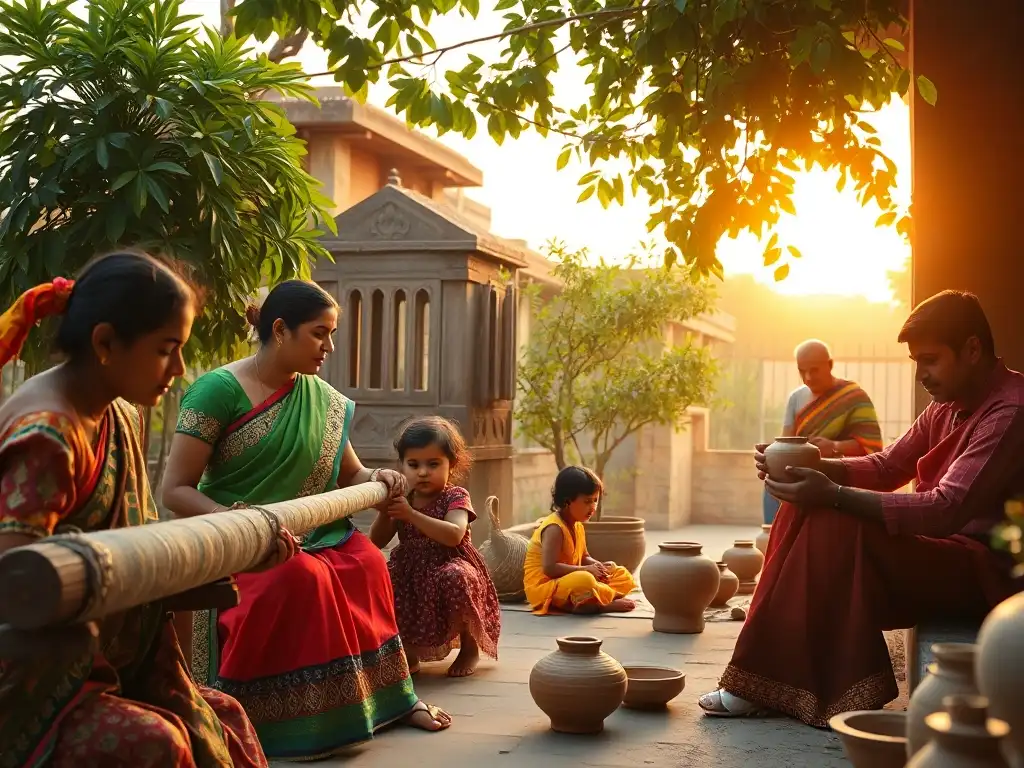
Family occupations in ancient India were not only vital for economic survival but also played a significant role in maintaining cultural practices and social structures. These occupations often involved collective efforts and were deeply intertwined with the family unit.
Agricultural Labor and Family Units
Agriculture was the backbone of the ancient Indian economy, and family units were central to this labor. Key aspects of agricultural labor included:
- Collaborative Efforts: Families worked together in the fields, with each member contributing according to their age and ability. This collective effort was essential for managing crops, livestock, and the overall farming process.
- Knowledge Transmission: Skills and techniques were often passed down through generations, with family members teaching younger ones about planting, harvesting, and sustainable practices.
- Economic Stability: The success of agricultural endeavors determined the family's economic stability, impacting their social standing and ability to participate in community life.
Agricultural labor not only provided sustenance but also reinforced family bonds and cultural identity.
Craftsmanship and Trade: Family Involvement
Craftsmanship and trade were other significant family occupations that contributed to the economic landscape of ancient India. These occupations highlighted the importance of familial collaboration:
- Skilled Labor: Families often specialized in specific crafts, such as pottery, weaving, or metalwork, where skills were honed and perfected over generations. This specialization helped maintain quality and craftsmanship, leading to community recognition.
- Market Participation: Families participated in local and regional markets, selling their goods and establishing trade connections. This engagement fostered economic interdependence within communities.
- Cultural Heritage: The crafts produced often held cultural significance, with families passing down traditional techniques and designs that reflected their heritage and identity.
Family involvement in craftsmanship and trade not only supported the economy but also preserved cultural traditions.
The Role of Extended Families in Economic Activities
Extended families played a crucial role in the economic activities of ancient Indian society, often functioning as collective units for labor and support. Their significance can be summarized as follows:
- Resource Sharing: Extended families pooled resources, including labor, finances, and land, which enhanced their economic resilience and ability to withstand challenges.
- Collaborative Farming: In agricultural contexts, extended families often worked together on larger plots of land, allowing for more efficient farming practices and greater yields.
- Support Systems: These families provided emotional and financial support during times of crisis, ensuring that vulnerable members had access to resources and care.
- Social Networks: Extended families created broader social networks, facilitating trade relationships and enhancing community cohesion through shared labor and mutual assistance.
Extended families were integral to the economic landscape of ancient India, contributing significantly to both agricultural and artisanal sectors, while reinforcing social ties and cultural continuity.
Rituals and Customs Surrounding Marriage
Marriage in ancient India was not merely a union between two individuals but a deep-rooted institution woven into the fabric of society, embodying various rituals and customs that reflected the cultural and spiritual beliefs of the time. These rituals served multiple purposes: they were religious ceremonies, social gatherings, and mechanisms for strengthening family alliances. The ceremonies varied significantly across regions and communities, but they often shared common themes of sanctity, community participation, and the importance of family lineage.
The rituals surrounding marriage were often elaborate, involving various pre-wedding, wedding, and post-wedding ceremonies. Each phase was rich with symbolism, emphasizing the sanctity of the marital bond and the roles individuals would assume in their respective families. The use of sacred texts, offerings to deities, and the participation of community members highlighted the collective nature of marriage, reinforcing the idea that it was not just the union of two individuals but a blending of two families.
Pre-Wedding Rituals in Ancient Indian Marriages
Pre-wedding rituals in ancient India were diverse and varied extensively across different regions and communities. These rituals often spanned several days and were filled with a series of customs designed to prepare the bride and groom for their new roles.
One of the most significant pre-wedding ceremonies was the Sangeet, where family and friends gathered to sing and dance, celebrating the upcoming union. This joyful occasion served as an opportunity for both families to bond and express their happiness. Another important ritual was the Mehendi, where intricate henna designs were applied to the bride's hands and feet, symbolizing joy and beauty.
Additionally, the Kanyadaan, a ceremony where the father gives away the bride to the groom, was a pivotal moment symbolizing the transfer of responsibility. This act was steeped in tradition, representing the father's blessing and the family's acceptance of the groom into their lineage. These pre-wedding rituals not only celebrated the couple but also reinforced familial ties and societal norms.
Ceremonial Practices and Their Societal Implications
The ceremonial practices during weddings in ancient India were rich in symbolism and played a crucial role in societal structure. The ceremonies often included rituals such as Saptapadi, where the couple took seven steps together, each symbolizing a vow they made to each other. This practice emphasized the importance of partnership and mutual respect in the marital relationship.
Moreover, the elaborate nature of these ceremonies often reflected social status and caste dynamics within society. Wealthier families would host grand celebrations with numerous guests, showcasing their prosperity and social standing. In contrast, simpler ceremonies were held by those of lower economic means, highlighting the socio-economic disparities prevalent in ancient Indian society.
These practices also served to affirm gender roles, with distinct expectations placed on men and women. Women were often seen as caretakers and bearers of family lineage, while men were expected to provide and protect. The rituals were a means of reinforcing these roles, ensuring that societal expectations were met and perpetuated across generations.
The Role of Dowry in Marriage Transactions
Dowry, a practice where the bride's family provided gifts, money, or property to the groom's family, played a significant role in ancient Indian marriages, influencing both family dynamics and societal structures. This practice was rooted in the belief that it would secure the bride's financial stability within her new home and enhance her status in her husband's family.
However, the dowry system also had complex implications. While it was intended to provide security for the bride, it often led to financial burdens on the bride's family and created a culture of expectation and entitlement among grooms and their families. In some instances, the dowry system escalated into severe societal issues, including violence against women when dowries were deemed insufficient.
Despite these challenges, dowries also served as a means of establishing alliances between families, as they often involved negotiations that could strengthen family ties and social networks. The practice illustrates the intricate balance between tradition, economic considerations, and social status in the context of marriage and family roles in ancient India.
Case Studies of Marriage and Family Occupations
Example of a Farming Family in Ancient India
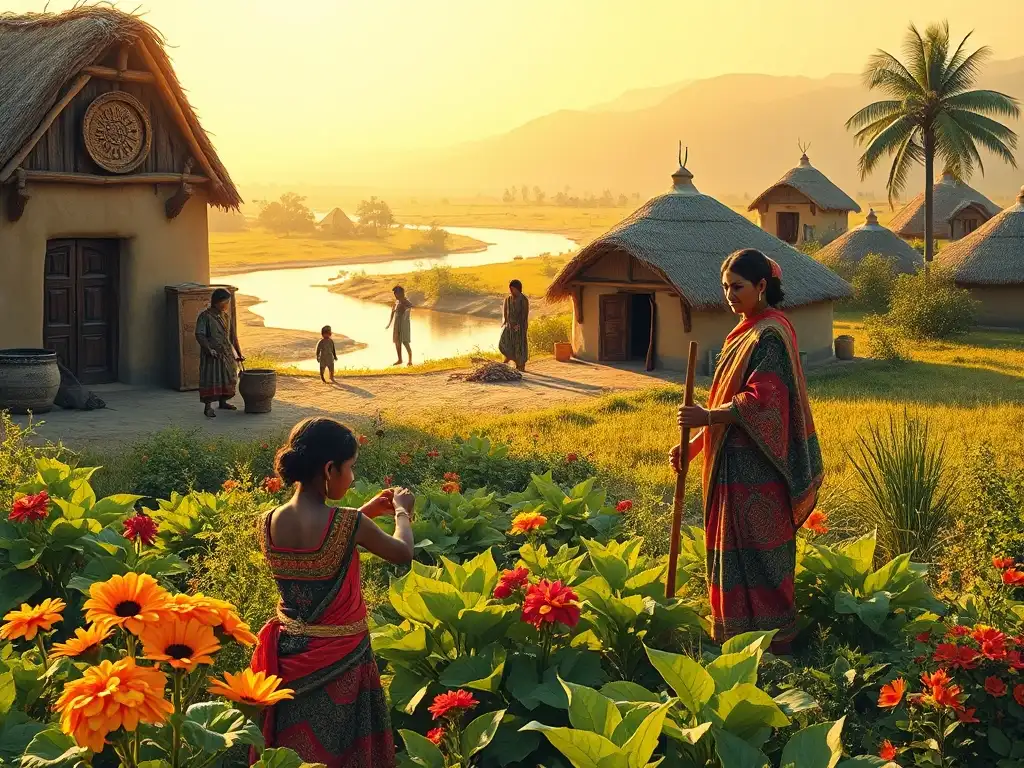
Farming families in ancient India exemplified the intertwining of marriage and occupational roles. In agrarian societies, marriage was often viewed as a partnership that extended beyond personal relationships to include labor and economic cooperation.
For example, a typical farming family would involve the husband and wife collaboratively managing agricultural tasks, from sowing seeds to harvesting crops. The wife played a crucial role not only in maintaining the household but also in contributing to farm operations, often overseeing the planting of seasonal crops while simultaneously managing domestic duties.
The marriage between a farmer and his wife often resulted in a division of labor that was both complementary and essential for the family's survival. Their children were also integral to this system, participating in various tasks from an early age, thereby continuing the family legacy of agricultural work. This model of marriage showcased the practical implications of family roles, emphasizing cooperation, shared responsibilities, and the importance of lineage in sustaining agricultural practices.
Insights from Artisan Families and Their Work
Artisan families in ancient India highlight the significance of marriage and family roles within specialized occupations. In these families, skills and traditions were often passed down through generations, with marriages serving not only as personal unions but also as strategic partnerships that enhanced the family's craft and business prospects.
For instance, a family of potters would typically engage in a collective approach to their craft, where each member had a specific role. The husband might handle the wheel and shaping of the clay, while the wife would be responsible for decorating and firing the pots. This division of labor was crucial in maintaining the quality and reputation of their work.
Moreover, marriages between artisan families often aimed to create alliances that would bolster their social standing and economic stability. Such unions not only facilitated the sharing of resources and techniques but also expanded their market reach. The integration of marital and occupational roles in artisan families exemplifies how marriage in ancient India was deeply embedded in the socio-economic fabric, shaping both personal and communal identities.
Challenges and Changes in Marriage and Family Dynamics
Marriage and family roles in ancient India were shaped by a multitude of factors, including cultural traditions, religious beliefs, and socio-economic conditions. However, these dynamics were not static; they evolved over time, driven by both internal and external pressures. One prominent challenge faced was the rigid caste system, which dictated not only marital choices but also the roles and occupations within families. The adherence to caste norms often led to restrictions on personal freedom, limiting the ability of individuals to choose partners based on love rather than social standing.
Moreover, with the advent of invasions and foreign influences, there were significant changes in family structures. The introduction of new ideas, such as those brought by the Mughals and later the British, began to challenge traditional practices. These changes often resulted in conflicts between old values and new societal expectations, leading to a gradual transformation of marriage and family roles. The increasing emphasis on education and economic independence for women began to alter perceptions of their roles within the family unit, creating both opportunities and tensions.
Societal Pressures and Expectations in Family Roles
Societal pressures significantly influenced family roles in ancient India. The expectation to conform to established norms often dictated the behavior and choices of individuals within families. For instance, women were predominantly expected to fulfill domestic roles, focusing on child-rearing and household management, while men were seen as the primary breadwinners. This division of labor was reinforced by religious texts and societal traditions, which celebrated the notion of women as caretakers and men as providers.
Additionally, family honor and reputation played a crucial role in shaping marriage practices. Families often arranged marriages to enhance their social standing or to maintain familial alliances, which could sometimes overshadow the desires of the individuals involved. This practice was particularly prominent among the higher castes, where arranged marriages were the norm and love marriages were often frowned upon. Such societal expectations led to a complex interplay between personal desires and familial obligations, creating both harmony and conflict within households.
Historical Events Impacting Marriage Practices
Several historical events had profound impacts on marriage practices in ancient India. The arrival of different invaders and the establishment of new dynasties introduced diverse cultural influences that altered existing traditions. For example, the Mughal Empire brought with it Persian customs that affected marriage ceremonies and familial structures. The blending of cultures led to a fusion of practices, but it also sparked resistance from traditionalists who sought to preserve ancient customs.
Furthermore, the rise of social reform movements during the 19th century, such as the efforts by figures like Raja Ram Mohan Roy, sought to challenge and reform outdated marriage practices, including child marriage and the lack of rights for women. These reformers advocated for more egalitarian relationships within marriage, emphasizing the importance of consent and mutual respect. The impact of these movements laid the groundwork for future changes in marriage and family dynamics, challenging centuries-old norms and encouraging a reevaluation of family roles.
Conclusion: The Legacy of Marriage and Family Occupations in Ancient India
The legacy of marriage and family occupations in ancient India is a testament to the rich tapestry of cultural and social evolution. The myriad challenges and changes faced by families over the centuries have contributed to a complex but fascinating history. While many traditional practices have persisted, the influence of historical events and social reform movements has facilitated a gradual transformation in family roles, particularly concerning gender dynamics and individual rights.
Lasting Influence on Modern Indian Society
The impact of ancient marriage and family roles is still evident in modern Indian society. Many contemporary family structures, values, and practices have roots in ancient traditions, albeit with modifications that reflect contemporary realities. For instance, while arranged marriages remain prevalent, there is a growing acceptance of love marriages, highlighting a shift towards prioritizing personal choice over familial obligation. Additionally, the roles of women in families have expanded significantly, with increased participation in education and the workforce, leading to more egalitarian family dynamics.
Reflections on the Evolution of Family Roles and Occupations
The evolution of marriage and family roles in ancient India offers profound insights into the broader societal changes that have occurred over time. As India continues to modernize, the reflections on past practices serve as reminders of the ongoing struggle for balance between tradition and progress. Understanding these dynamics allows for a deeper appreciation of the complexities surrounding marriage and family in both historical and contemporary contexts. By examining this evolution, we can better navigate the future while honoring the rich heritage of ancient Indian culture.
References
Key Texts and Sources on Ancient Indian Marriage and Family Roles
The study of marriage and family roles in ancient India draws from a rich tapestry of historical texts, scriptures, and archaeological findings. Key sources include:
- The Rigveda: One of the oldest religious texts, it provides insights into early Vedic society, including marriage customs and family dynamics.
- The Manusmriti: This ancient legal text outlines the duties and responsibilities of family members, highlighting the roles of husbands, wives, and children in maintaining societal harmony.
- Arthashastra by Kautilya: A seminal work on statecraft and economics, it also touches upon family organization and the importance of marriage alliances in politics and social structures.
- Buddhist Texts: The Pali Canon and other Buddhist scriptures offer perspectives on family life, ethical conduct, and the roles of women in society during ancient times.
- Historical Inscriptions and Inscriptions: Various inscriptions from the Maurya and Gupta periods provide tangible evidence of marriage practices and family structures.
These texts serve as critical resources for understanding the social fabric of ancient Indian civilization, particularly the significance of marriage and family in sustaining cultural continuity.
Further Reading on Occupations in Ancient Indian Society
For those interested in delving deeper into the occupations and labor systems of ancient India, the following works are invaluable:
- "The Economic History of India: From 1857 to the Present" by B. R. Ambedkar: Although focused on a later period, this book offers context on the evolution of labor systems that can be traced back to ancient times.
- "Ancient Indian Society and Culture" by R. S. Sharma: This text provides a comprehensive overview of social structure, including the roles of various occupational groups and how they relate to family life.
- "The World of the Indian Ocean: A Historical Perspective" by Michael N. Pearson: This work explores trade and commerce in ancient India, shedding light on the occupations tied to familial roles in merchant and artisan classes.
- "Indian Society: Historical Perspectives" by R. S. Sharma: This book discusses the changing dynamics of family and occupational roles throughout ancient and medieval Indian history.
- Archaeological Reports: Various archaeological findings, including artifacts and structural remains, provide insights into the occupational roles of families in urban and rural settings.
These readings not only illuminate the complexities of family and occupational roles in ancient Indian society but also help contextualize their significance in the broader scope of Indian history.
- Introduction to Marriage and Family Roles in Ancient India
- Historical Context of Marriage and Family Roles
- Roles within the Marriage Institution
- Family Occupations and Their Significance
- Rituals and Customs Surrounding Marriage
- Case Studies of Marriage and Family Occupations
- Challenges and Changes in Marriage and Family Dynamics
- Conclusion: The Legacy of Marriage and Family Occupations in Ancient India
- References
- What were the main roles of marriage in ancient Indian society?
- How did family occupations influence daily life in ancient India?
- What impact did the caste system have on marriage and family roles?
- Were there any specific rituals or ceremonies associated with marriage?
- How did the Gupta Empire influence marriage and family dynamics?
Frequently Asked Questions
What were the main roles of marriage in ancient Indian society?
Marriage in ancient India was primarily a social contract that established family alliances, ensured economic stability, and played a crucial role in maintaining social order.
How did family occupations influence daily life in ancient India?
Family occupations were integral to the functioning of society, as they dictated the economic roles each member played, often passing down skills and trades through generations.
What impact did the caste system have on marriage and family roles?
The caste system significantly shaped marriage and family roles by enforcing endogamy, which determined acceptable marital partners based on one’s social class and occupation.
Were there any specific rituals or ceremonies associated with marriage?
Yes, ancient Indian marriages involved numerous rituals and ceremonies that emphasized the sacredness of the union, such as the Saptapadi or seven steps taken together by the couple.
How did the Gupta Empire influence marriage and family dynamics?
During the Gupta Empire, there was a notable emphasis on patriarchy, yet women began to gain more rights in family matters, reflecting changes in societal norms and cultural practices.
Final Reflection: The Enduring Legacy of Marriage and Family Roles in Ancient India
The exploration of marriage and family roles in ancient India reveals not only the intricate social fabric of the time but also its profound relevance in today's world. In a society where the dynamics of relationships continue to evolve, understanding the historical context of these roles can illuminate our present-day interactions and expectations. The labor of love that defined familial bonds in ancient India serves as a reminder of the timeless values that still resonate in our lives today.
Cultural narratives surrounding marriage and family in ancient India have shaped contemporary views on relationships and societal structures. The roles assigned to individuals within the family unit were not merely functional; they were imbued with a sense of duty, respect, and love that continues to influence modern family dynamics. As we reflect on these historical roles, we can appreciate how they have paved the way for current discussions on gender equality and partnership. The family is the nucleus of civilization.
This quote encapsulates the idea that the foundational structures of society, as seen in ancient India, remain crucial to understanding our collective identity.
As we conclude this exploration, I invite you to reflect on your own relationships and the roles you play within your family and community. Consider how the lessons from ancient India can inspire you to cultivate deeper connections and embrace the labor of love in your own life. By acknowledging the past, we can forge a future where the values of love, respect, and collaboration continue to thrive, enriching our lives and the lives of those around us.
Unveil Your Understanding of Ancient Indian Family Dynamics
Thank you for diving into the rich tapestry of marriage and family occupations in ancient India! You've gained insights into the interconnectedness of social structures and cultural practices that shaped lives. Now, let's channel that knowledge into action!
Here are a few ways you can deepen your exploration and share your newfound understanding:
- Join a local history group or online forum to discuss ancient Indian family structures and share your thoughts with fellow enthusiasts.
- Write a blog post or share on social media about the most surprising insights you gained from your research—your perspective could spark valuable conversations!
- Explore additional resources about ancient Indian societies, including academic papers, documentaries, or local museum exhibits.
What aspect of ancient Indian marriages and family occupations resonates with you the most, and how do you think it influences modern relationships?