
Religion and the Caste System: How Beliefs Shaped Social Structure

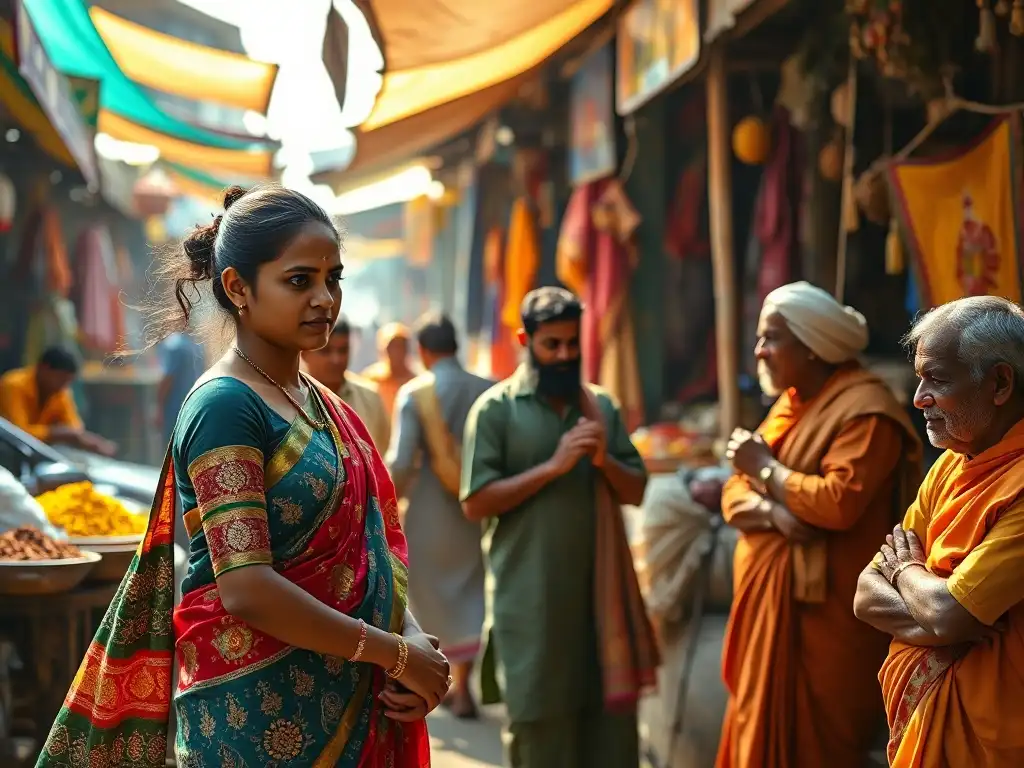
Welcome to Ancient India History, where we embark on a captivating journey through the intricate tapestry of India's past. In our featured article, “Religion and the Caste System: How Beliefs Shaped Social Structure,” we delve into the profound impact of religion on caste, exploring how spiritual beliefs and practices influenced the social fabric of ancient Indian civilizations.
Prepare to uncover the layers of history that have shaped modern society, and let your curiosity guide you as you navigate the rich narratives of culture, tradition, and legacy that await you. Join us as we unravel the mysteries of a bygone era!
- Introduction to Religion and the Caste System in Ancient India
- Historical Context of Religion and Caste
- The Impact of Religion on Caste: Key Aspects
- Social Implications of Religion and Caste Interaction
- Evolution of the Caste System Through Religion
- Conclusion: The Lasting Impact of Religion on Caste in Ancient India
- Further Reading on Religion and Caste System in Ancient India
- Frequently Asked Questions
- Final Reflection: The Enduring Impact of Religion on Caste
- Unveil the Impact of Beliefs on Society!
Introduction to Religion and the Caste System in Ancient India
In ancient India, the interplay between religion and social structure was profound and intricate, significantly influencing the development of the caste system. Understanding the impact of religion on caste not only sheds light on the social hierarchies of the time but also reveals how deeply ingrained beliefs shaped daily life and societal interactions.
The caste system, a complex stratification of society, was primarily rooted in religious doctrines, rituals, and philosophical teachings that defined one's social standing and occupational roles. This article explores the nuances of this relationship, offering insights into how religious beliefs fostered and sustained the caste system across various ancient Indian civilizations.
Overview of the Caste System
The caste system in ancient India can be traced back to the Vedic texts, which introduced the concept of varna—the classification of society into four primary categories:
- Brahmins (priests and scholars)
- Kshatriyas (warriors and rulers)
- Vaishyas (traders and agriculturists)
- Shudras (laborers and service providers)
This hierarchical structure was not merely a social arrangement but was profoundly intertwined with religious duties and responsibilities. Each varna had specific roles and expectations, often justified through religious texts and cultural traditions. Over time, this simplistic classification evolved into a more complex system of jatis (sub-castes), which further stratified society based on factors such as profession, region, and community.
The rigidity of the caste system meant that mobility between these groups was largely restricted, with individuals born into a particular caste expected to adhere to its prescribed roles. This framework created a sense of identity and belonging but also fostered divisions and inequalities that have persisted through centuries.
Importance of Religion in Ancient Indian Society
Religion played a pivotal role in shaping the social fabric of ancient India. It provided not only a moral and ethical framework but also a sense of legitimacy to the caste system. The sacred texts, including the Vedas, Upanishads, and later texts like the Manusmriti, codified the duties of each caste and reinforced the idea of dharma (righteousness) specific to one’s social standing.
The rituals, festivals, and religious observances were often linked to the caste system, further entrenching its significance in everyday life. For example:
- Religious rites and rituals were often exclusive to certain castes, with Brahmins acting as intermediaries between the divine and the laypeople.
- Spiritual beliefs emphasized the idea of karma, suggesting that one’s actions in this life would determine their social standing in future incarnations, which discouraged social mobility and justified the status quo.
The intertwining of religion and caste not only defined social interactions but also influenced politics, economics, and cultural practices across ancient Indian civilizations, leaving a lasting legacy that continues to be examined and debated in modern times.
Historical Context of Religion and Caste
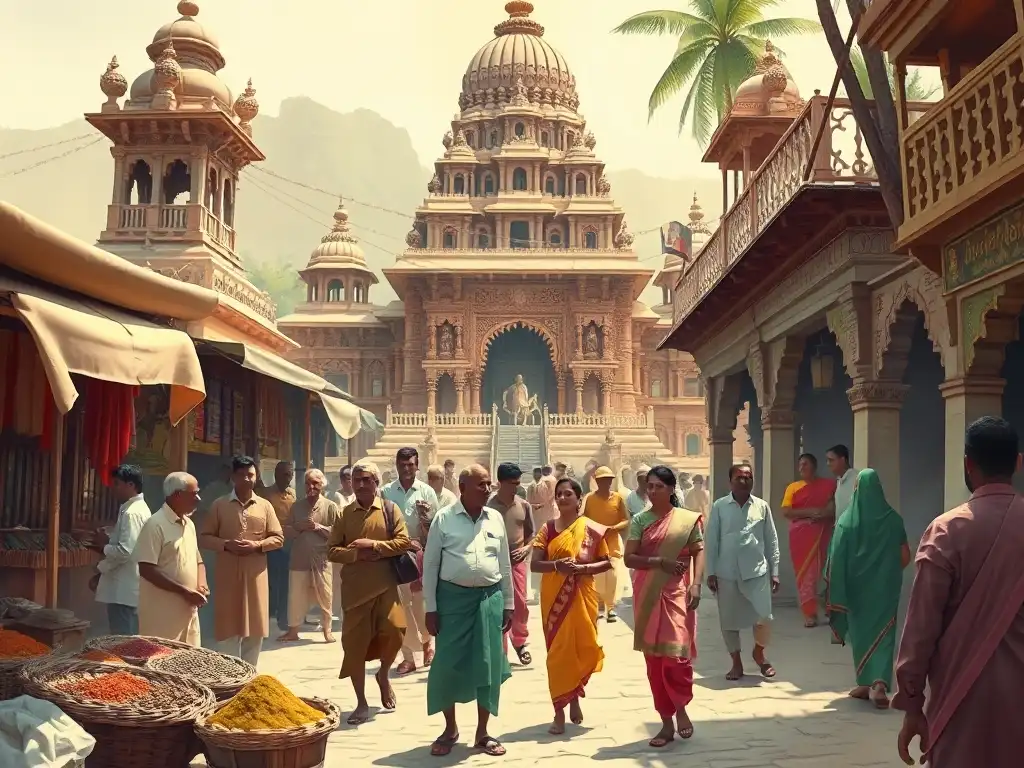
Origins of the Caste System in Ancient India
The caste system in ancient India has its roots deeply embedded in the socio-religious fabric of the civilization. Emerging around 1500 BCE, the system was initially structured around the Varna model, which categorized society into four main groups:
- Brahmins (priests and scholars)
- Kshatriyas (warriors and rulers)
- Vaishyas (traders and agriculturists)
- Shudras (laborers and service providers)
This classification was not merely a social stratification but was also intertwined with religious duties and roles. The Vedas, particularly the Rigveda, provide insights into this early structure, suggesting that the Varna system was a reflection of both occupational roles and spiritual duties dictated by divine order.
As time progressed, the caste system became more rigid, evolving into a complex hierarchy known as jatis, which are sub-castes within the broader Varna categories. This evolution was influenced by various factors, including regional variations, economic changes, and the increasing authority of religious institutions. The result was a multifaceted social system that governed many aspects of daily life in ancient India.
Major Religions Influencing the Caste System
The interplay between religion and the caste system is significant, with various faiths contributing to its formation and evolution. Understanding this impact requires a closer look at the major religions that shaped ancient Indian society.
Hinduism and the Caste Hierarchy
Hinduism has been the dominant religion shaping the caste system. The sacred texts, including the Manusmriti, codified the roles and duties assigned to each caste, reinforcing the notion of dharma—the moral law governing individual conduct. The belief that one's caste was determined by birth, influenced by past actions (karma), led to a rigid social structure where mobility between castes became nearly impossible.
Hindu rituals and practices further entrenched these divisions. For example, the performance of specific rites and ceremonies was often restricted to certain castes. The purity-pollution ideology played a crucial role, where higher castes were viewed as more spiritually pure, while lower castes faced discrimination and social ostracism. This hierarchical view led to widespread social inequalities that have persisted through the ages.
Buddhism's Approach to Caste
In contrast to Hinduism, Buddhism emerged as a reformist movement around the 6th century BCE, advocating for equality among individuals. Founded by Siddhartha Gautama (the Buddha), this religion rejected the rigid caste hierarchy, emphasizing personal spiritual development and the potential for enlightenment irrespective of social status.
Buddhism's teachings on sangha (community) promoted a more egalitarian approach, allowing followers from all castes to participate in religious life. The Buddhist monastic community was particularly notable for its inclusivity, attracting individuals from various backgrounds. However, as Buddhism integrated into Indian society, it faced challenges from the entrenched caste system, leading to varying degrees of acceptance in different regions.
Jainism and Its Impact on Social Structure
Jainism, another ancient Indian religion, has also played a significant role in shaping social structures. Founded around the same time as Buddhism, Jainism emphasizes ahimsa (non-violence) and truthfulness, advocating for a life of asceticism and moral integrity.
Unlike Hinduism, Jainism does not endorse a caste hierarchy based on birth but rather emphasizes personal merit and ethical conduct. Jains, particularly through their community networks, often supported trade and education, thereby allowing for social mobility within their circles. The success of Jain merchants and their commitment to ethical business practices enhanced their social standing, challenging the rigid norms of the caste system.
Overall, while Jainism and Buddhism provided alternative perspectives on social organization, the overwhelming influence of Hinduism continued to shape the caste system profoundly, leading to a complex interplay of religious beliefs and social structures in ancient India.
The Impact of Religion on Caste: Key Aspects
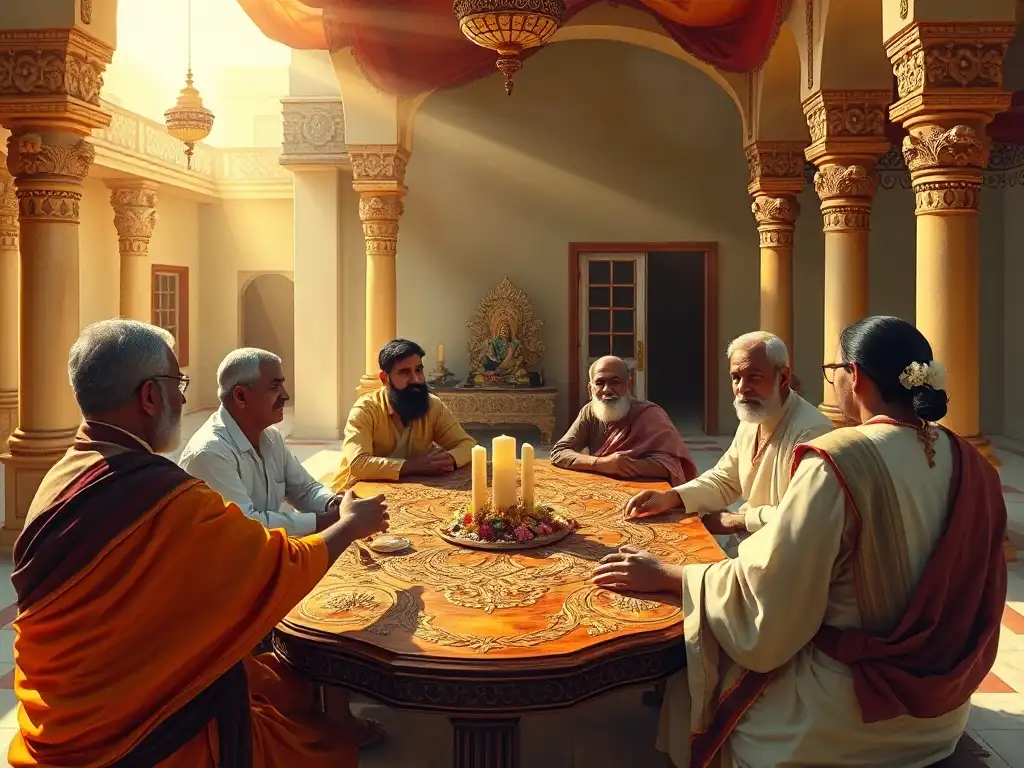
Religious Texts and the Caste System
The relationship between religion and the caste system in ancient India is deeply rooted in various religious texts that have shaped societal norms and practices. These texts not only provided spiritual guidance but also laid the groundwork for social hierarchies that defined interactions among different groups. Understanding this connection involves analyzing key religious scriptures and their interpretations over time.
Vedic Texts and Caste Justification
The Vedic texts, particularly the Rigveda, play a fundamental role in the justification of the caste system. The Purusha Sukta, a hymn found in the Rigveda, describes the cosmic being (Purusha) from whom all of creation emerged. This hymn famously categorizes society into four varnas:
- Brahmins (priests and scholars)
- Kshatriyas (warriors and rulers)
- Vaishyas (traders and agriculturists)
- Shudras (laborers and service providers)
This categorization was not merely a social division but was presented as a divine order, suggesting that each varna had a predetermined role in maintaining cosmic and social harmony. This religious endorsement of caste roles reinforced social stratification and justified the privileges and responsibilities associated with each group.
The Manusmriti and Caste Regulations
The Manusmriti, or Manusmriti, is one of the most significant texts in Hindu law and ethics, providing extensive regulations concerning the caste system. Written around 200 BCE to 200 CE, it codified the duties and rights of each varna, further entrenching the caste system within society. Key points include:
- Dharma: The concept of duty varied by caste, with each group obligated to follow specific guidelines.
- Inter-caste Relations: The Manusmriti outlined strict rules regarding interactions between castes, which included prohibitions against intermarriage and social mixing.
- Punishments for Violations: The text prescribed severe punishments for those who violated caste norms, illustrating the rigid enforcement of caste boundaries.
Overall, the Manusmriti served as a legal framework that not only defined social roles but also reinforced the hierarchical structure of society based on religious doctrine.
Rituals in ancient India were integral to reinforcing the caste system, serving as mechanisms that both reflected and perpetuated social divisions. These rituals often had religious significance and were closely tied to the beliefs of the time.
- Sacrifices and Offerings: Ritual sacrifices were predominantly performed by the Brahmins, who were considered the only ones eligible to conduct such ceremonies. This exclusivity not only elevated the status of Brahmins but also symbolized their pivotal role in mediating between the divine and the laity.
- Festivals and Social Function: Festivals often reinforced caste identities through rituals that emphasized purity and pollution. Different castes participated in rituals that were exclusive to them, thereby maintaining their distinct social identities and reinforcing the boundaries between groups.
- Ritual Purity and Pollution: Beliefs regarding purity and pollution further complicated the caste system. Higher castes were often associated with purity and were involved in rituals that required them to maintain a certain level of cleanliness, while lower castes were deemed impure and thus relegated to menial tasks that kept them at a distance from higher castes.
The impact of religion on the caste system in ancient India cannot be overstated. Religious texts provided the ideological foundation that justified caste divisions, while rituals reinforced the social stratification that defined daily life. Understanding these dynamics is crucial to comprehending the complexities of ancient Indian society.
The Influence of Religious Leaders on Caste Dynamics
Religious leaders have played a pivotal role in shaping the caste system throughout ancient Indian history. Their influence can be traced back to the Vedic period, where the early texts and rituals were primarily guided by Brahmin priests. These priests not only performed ceremonies but also interpreted sacred texts, which reinforced the social hierarchy and the notion of purity associated with different castes.
The Brahmins, being at the top of the caste hierarchy, wielded significant power, as they were seen as the custodians of spiritual knowledge and rituals. Their interpretations often justified the social stratification, emphasizing the divine origin of the caste system. For instance, the Rigveda, one of the oldest sacred texts, describes the creation of the four varnas (Brahmins, Kshatriyas, Vaishyas, and Shudras) from the cosmic being Purusha, suggesting a divine sanction for these social classes. This narrative not only legitimized the caste system but also instilled a sense of duty among individuals based on their caste.
As the centuries progressed, the emergence of various religious movements, such as Buddhism and Jainism, challenged the existing caste dynamics. Leaders like Gautama Buddha and Mahavira preached against the rigid caste distinctions, advocating for spiritual equality and social justice. Their teachings attracted many followers from lower castes, leading to a gradual shift in social perceptions regarding caste. This resistance to the caste system by religious figures prompted a reevaluation of social norms, demonstrating how religious leaders could influence caste dynamics profoundly.
Furthermore, during the medieval period, the Bhakti movement emerged as a significant force against caste discrimination. Saints like Kabir, Tulsidas, and Mirabai emphasized personal devotion to God over ritualistic practices dictated by the caste system. Their messages resonated across caste lines, promoting inclusivity and challenging the authority of traditional religious leaders. Thus, these movements not only provided a spiritual alternative but also catalyzed social reform, highlighting the power of religious leaders to reshape societal structures.
In modern times, the influence of religious leaders continues to be significant, particularly in the context of social reform movements. Figures such as B.R. Ambedkar, who advocated for the rights of the Dalits, drew upon religious principles to challenge caste injustices. His interpretation of Buddhism as a means to attain equality showcases how religious leaders can utilize faith to address social issues and inspire change.
The influence of religious leaders on caste dynamics in ancient India has been multifaceted, encompassing both reinforcement and resistance to the caste system. Their teachings and actions have not only shaped individual beliefs but also impacted broader social structures, reflecting the complex interplay between religion and caste throughout history.
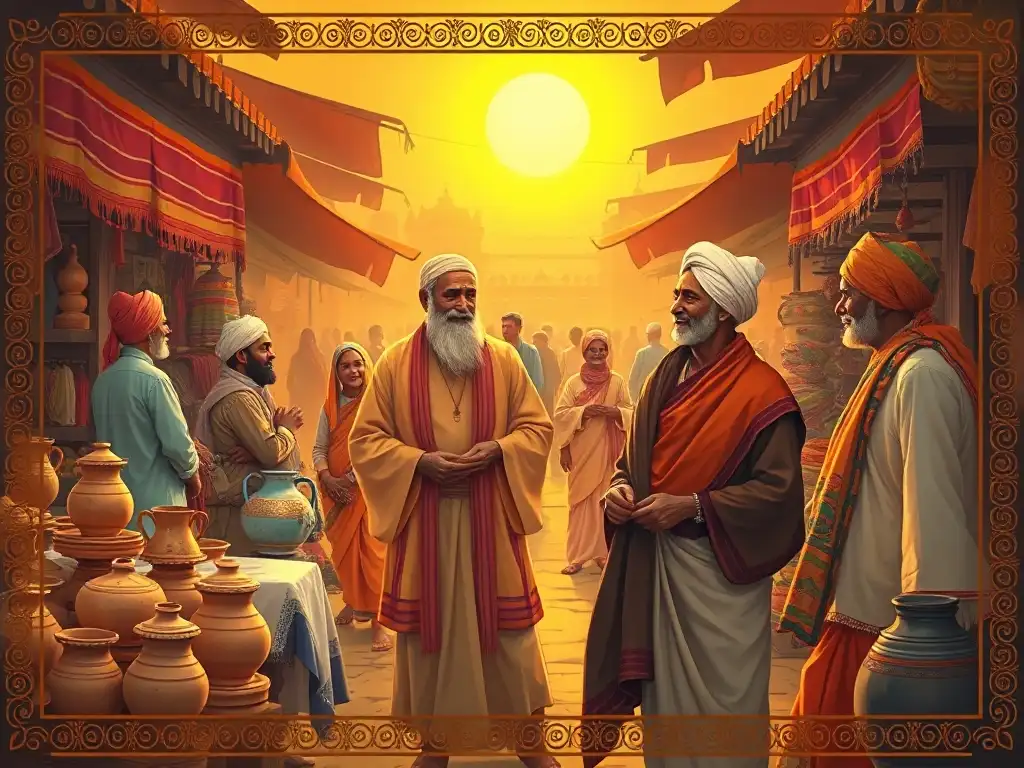
Religious Festivals and Caste Participation
Religious festivals in ancient India were vibrant events that showcased the intricate relationship between religion and the caste system. Each caste often had its own unique traditions and rituals associated with various festivals, reflecting their beliefs and social hierarchies. For instance, during the festival of Diwali, the participation of different castes was often governed by their social status and religious affiliations.
- Caste-Specific Celebrations: Certain festivals, such as Makar Sankranti, were celebrated with specific customs linked to agricultural practices, where the Brahmins might perform rituals while the Shudras would engage in more labor-intensive activities.
- Community and Identity: Festivals also served as a platform for reinforcing community identity among caste groups. The participation of different castes in these celebrations not only helped in maintaining social order but also allowed for the expression of caste pride and solidarity.
The impact of religion on caste during these festivals was profound. Religious observances dictated the roles and responsibilities of individuals based on their caste, further entrenching the social hierarchy. As a result, the social implications of these interactions were significant, influencing not just individual participation but also community cohesion.
Inter-Caste Relations and Religious Practices
The interaction between different castes was heavily influenced by religious practices, shaping the dynamics of inter-caste relations. In ancient India, religion often dictated social norms, which in turn affected how castes interacted with one another.
- Ritual Purity and Pollution: The concept of ritual purity played a crucial role in determining inter-caste relations. Higher castes like the Brahmins were often considered ritually pure, while lower castes faced restrictions that limited their participation in religious activities. This discrimination reinforced social divisions, as engaging in shared rituals was often seen as a form of social interaction.
- Joint Religious Activities: In certain circumstances, inter-caste relations could be fostered through joint religious activities. For example, communal prayers or large-scale festivals attracted individuals from various castes, allowing for moments of interaction despite existing social barriers. However, these gatherings were often still governed by unspoken rules of hierarchy.
The complexities of these inter-caste relations demonstrate how deeply intertwined religion and caste were, influencing everything from daily rituals to communal gatherings. The impact of religion on caste not only manifested in terms of social stratification but also in the occasional bridging of gaps between groups during religious observances.
The Role of Religion in Caste Conflicts
Religion has historically been a significant factor in caste conflicts, often exacerbating tensions and leading to social unrest. The caste system, intertwined with religious beliefs, created an environment where disputes could arise over perceived violations of caste norms.
- Religious Justifications for Caste Hierarchies: Many religious texts provided justification for the caste system, which often led to conflicts when individuals or groups challenged these established norms. For example, the Bhagavad Gita and various Puranas articulated the virtues of adhering to one's caste duties (dharma), which created resistance to social mobility and equality.
- Caste-Based Movements: Throughout history, various movements aimed at reforming the caste system often invoked religious sentiments. Leaders like B.R. Ambedkar emphasized the need for religious reform to abolish caste-based discrimination, highlighting the necessity of separating social practices from religious beliefs.
The conflicts arising from these religious and caste intersections often resulted in significant social upheaval, illustrating the profound impact of religion on caste dynamics. Understanding these conflicts provides insight into the broader implications of how religious beliefs shaped not only the caste system but also the social fabric of ancient Indian civilization.
Evolution of the Caste System Through Religion
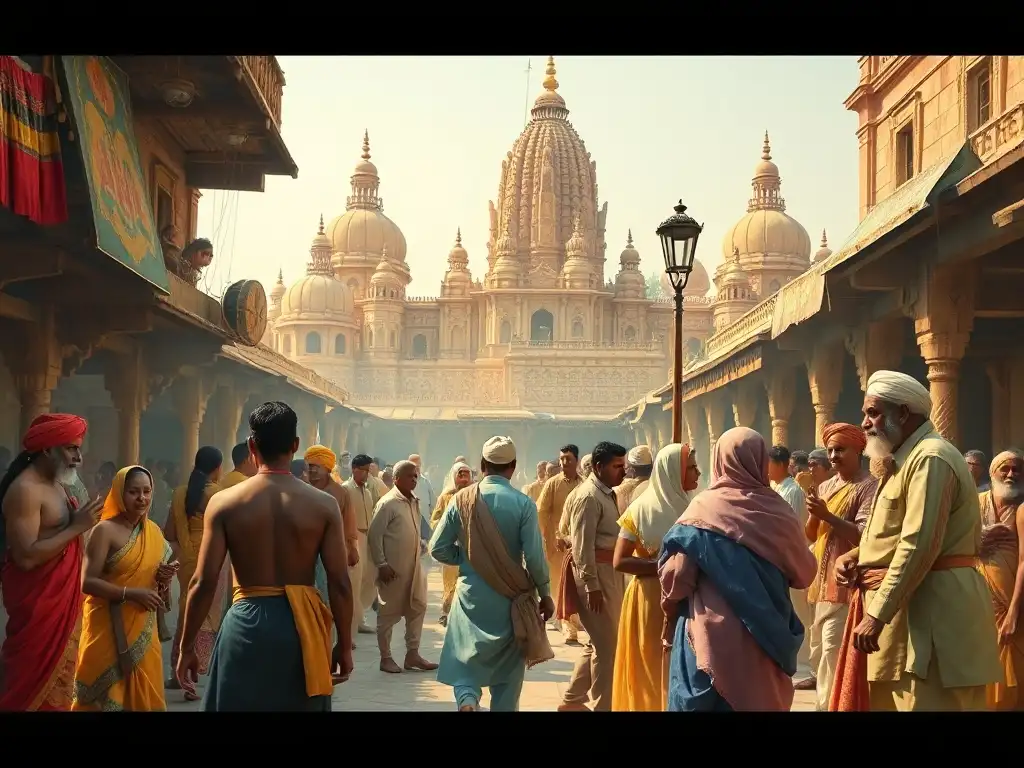
The evolution of the caste system in ancient India is intricately linked to its religious beliefs and practices. Initially, the caste system was more fluid and based on occupational roles. However, as religious doctrines became more defined, particularly with the rise of Hinduism, Buddhism, and Jainism, the caste system became a rigid social hierarchy.
The Vedic texts, dating back to around 1500 BCE, outlined the division of society into four primary varnas: Brahmins (priests and scholars), Kshatriyas (warriors and rulers), Vaishyas (merchants and landowners), and Shudras (laborers and service providers). This stratification was initially based on the principle of dharma—the moral duty or law governing individuals based on their inherent qualities and societal roles.
Over centuries, these broad categories evolved into an intricate network of sub-castes or jatis, influenced heavily by local customs, occupations, and inter-community interactions. As religious beliefs became enshrined in scriptures, the caste system solidified, often legitimized by divine sanction. This entrenchment of caste led to significant social stratification and exclusion, with individuals being born into their caste without the possibility of mobility.
Changes in Caste Structure Due to Religious Reform Movements
Religious reform movements emerged as powerful forces that challenged the existing caste norms and sought to promote social equality. These movements arose from the desire to return to a more spiritual and less rigid interpretation of religious texts, emphasizing the inherent dignity of all individuals, regardless of their caste.
Bhakti Movement and Caste Equality
The Bhakti Movement, which flourished between the 15th and 17th centuries, played a crucial role in promoting caste equality. It was characterized by devotional worship, focusing on a personal connection with the divine. Key figures such as Kabir, Mirabai, and Tulsidas preached against the rigid caste hierarchy and emphasized love and devotion to God over caste identities.
- Inclusivity: The Bhakti poets often came from lower caste backgrounds and included individuals from various social strata in their congregations. This inclusivity challenged the prevailing caste norms by advocating that devotion to God transcended caste divisions.
- Critique of Ritualism: Bhakti leaders criticized the ritualistic practices upheld by the Brahmins, arguing that true spirituality lay in direct devotion rather than adherence to caste-based rituals.
The impact of the Bhakti Movement on the caste system can be seen in the gradual acceptance of lower castes into religious practices and communal gatherings, which helped to erode rigid caste boundaries over time.
The Role of Reformers in Challenging Caste Norms
In addition to the Bhakti Movement, several reformers in the 19th and 20th centuries actively challenged caste norms, advocating for social justice and equality.
- Raja Ram Mohan Roy: Often regarded as the father of the Indian Renaissance, he campaigned against the caste system and promoted women's rights, urging his followers to adopt a more egalitarian social structure.
- Dr. B.R. Ambedkar: A prominent leader for the rights of the Dalits, Ambedkar emphasized the need for social reform and the dismantling of the caste system. He converted to Buddhism in 1956 as a means to reject the caste-based discrimination inherent in Hinduism and promoted the idea of social equality.
These reformers employed education and social activism to challenge the oppressive structures of the caste system, encouraging individuals to rise above caste identities and advocate for a more inclusive society.
The ongoing legacy of these movements continues to influence contemporary discussions on the impact of religion on caste, highlighting the complex interplay between faith, social structure, and the quest for equality in Indian society.
Conclusion: The Lasting Impact of Religion on Caste in Ancient India
Summary of Key Points
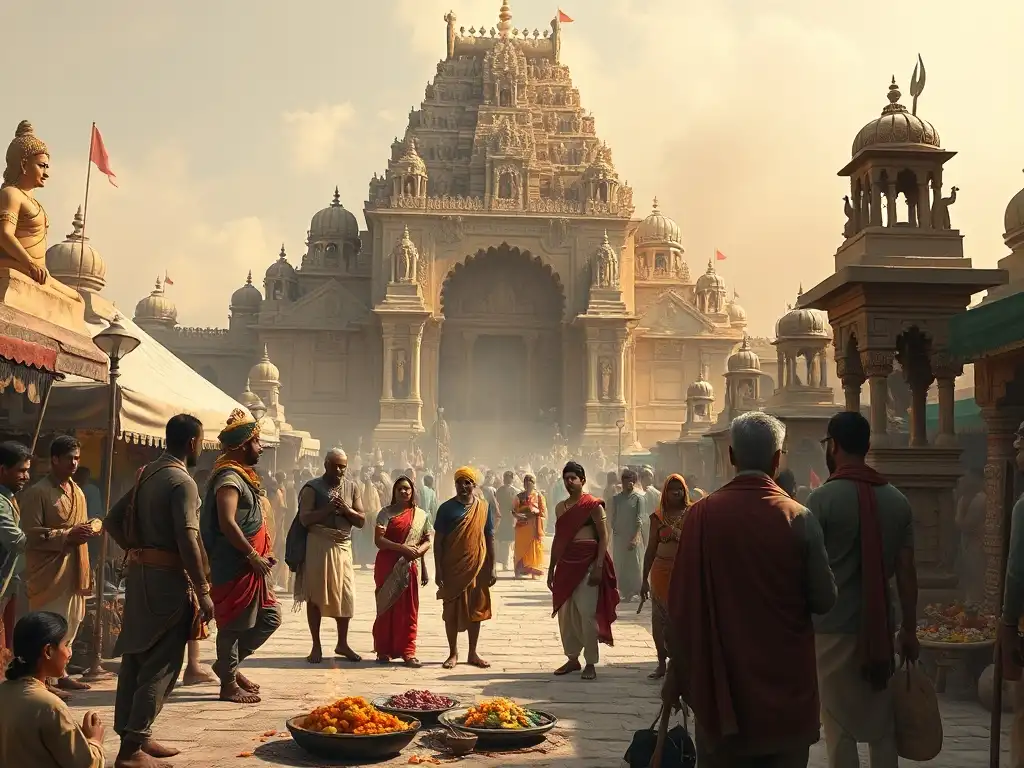
The intricate relationship between religion and the caste system in ancient India has profoundly shaped the social structure of the subcontinent. Several key points can be highlighted:
- Origins in Religious Texts: The caste system is deeply rooted in the ancient texts of Hinduism, such as the Vedas and Manusmriti, which outline the roles and duties (dharma) associated with different social groups. These texts provided a divine justification for the hierarchies established within society.
- Four Main Varna: The classification into four main varnas—Brahmins (priests), Kshatriyas (warriors), Vaishyas (merchants), and Shudras (laborers)—was sanctioned by religious beliefs. This system dictated not only social interactions but also occupational roles, thus embedding caste into the daily lives of individuals.
- Religious Rituals and Caste: Religious practices and rituals often reinforced caste distinctions. For instance, certain rituals could only be performed by higher caste individuals, which further marginalized lower castes and solidified social boundaries.
- Influence of Other Religions: While Hinduism primarily shaped the caste system, the emergence of Buddhism and Jainism introduced alternative perspectives on social structures. These religions challenged the rigid hierarchies, advocating for equality and compassion, although their long-term impact on the caste system varied.
- Adaptation and Change: Over time, the caste system has shown adaptability in response to changing social, political, and economic conditions, illustrating the dynamic interplay between religion and societal organization.
Reflections on the Legacy of Religion and Caste
The legacy of the interplay between religion and the caste system is profound and enduring. The impact of religion on caste continues to be felt in contemporary Indian society, where historical hierarchies still influence social relations and opportunities.
- Modern Implications: Today, caste identities remain significant, affecting access to education, employment, and social mobility. The historical roots of these identities, deeply intertwined with religious beliefs, underscore the challenges faced in addressing social inequalities.
- Cultural Resilience: Despite historical injustices, various movements, including those led by social reformers and modern political initiatives, seek to dismantle caste-based discrimination. The legacy of ancient religions, while initially a source of division, is now increasingly viewed through the lens of reform and inclusivity.
- Continuing Dialogue: The discussion around the impact of religion on caste is crucial for understanding India's social fabric. Engaging with this history can foster a more inclusive society that respects diversity while addressing the inequities that stem from caste-based distinctions.
The relationship between religion and the caste system in ancient India is not merely a historical inquiry but a lens through which we can understand present-day social dynamics. The enduring influence of these ancient beliefs continues to challenge and inspire efforts toward social justice and equality in contemporary society.
Further Reading on Religion and Caste System in Ancient India
Suggested Books and Articles
For those interested in delving deeper into the impact of religion on caste in ancient India, a wealth of literature provides valuable insights into the complex interplay between belief systems and social structures. Here are some recommended readings:
- "The Caste System: A Historical Perspective" by A. R. Desai
- This book explores the origins and evolution of the caste system, emphasizing the role of religious beliefs in shaping social stratification.
- "Religion and Society in Ancient India" by R. S. Sharma
- Sharma analyzes the intersection of religious practices and societal norms in ancient India, providing case studies that illustrate how religion influenced caste divisions.
- "The Hindu Caste System: A Comprehensive Study" by K. M. Bhargava
- This comprehensive study examines the historical development of the caste system within Hinduism, discussing the religious texts that codified caste distinctions.
- "Caste in Indian Politics" by R. K. Jain
- Jain investigates the political implications of the caste system, shedding light on how religious affiliations have historically influenced power dynamics in Indian society.
- "The Role of Religion in Indian Society" by N. R. Sinha
- This article discusses the various religious traditions that have shaped Indian society, with a focus on the impact of these traditions on the caste system.
Online Resources for Deeper Understanding
In addition to traditional literature, several online resources can enhance your understanding of the impact of religion on caste. Here are some valuable platforms:
- Digital South Asia Library
- A repository of historical texts and documents that can provide context about ancient religious beliefs and their influence on societal structures.
- The Internet Archive
- A vast collection of historical books and manuscripts where you can find primary sources related to religion and caste systems in ancient India.
- Academia.edu
- An academic platform where researchers share papers and articles. You can search for topics related to religion and caste to find contemporary analyses and historical studies.
- JSTOR
- A digital library for academic journals, where you can access scholarly articles that discuss the relationship between religion and the caste system in depth.
- Online Courses from Coursera and edX
- Look for courses on Indian history or religious studies, which often cover topics related to the caste system and its religious underpinnings.
By leveraging these resources, readers can gain a comprehensive understanding of how religious beliefs shaped the social fabric of ancient Indian civilizations, particularly in relation to the caste system.
Frequently Asked Questions
What is the caste system in ancient India?
The caste system is a social hierarchy that categorizes individuals into different groups based on their occupation and birth. It has deep historical roots and has been influenced by various religious beliefs.
How did religion impact the caste system?
Religion significantly influenced the caste system by providing a framework that justified social stratification. Hinduism, in particular, linked caste to ritual purity and dharma, shaping societal roles and expectations.
What role did the Indus Valley Civilization play in the caste system?
The Indus Valley Civilization is believed to have laid early foundations for social organization. However, the caste system became more defined in later periods, especially with the emergence of Vedic texts that outlined social hierarchies.
How did the Gupta Empire influence the caste system?
During the Gupta Empire, the caste system became more rigid, and Brahmanical authority was strengthened. Religious texts from this period reinforced caste distinctions, further entrenching them in societal norms.
Are there modern implications of the caste system and religion?
Yes, the impact of religion on caste continues to influence contemporary Indian society. Social inequalities and discrimination arising from caste affiliations are still prevalent, despite legal efforts to promote equality and justice.
Final Reflection: The Enduring Impact of Religion on Caste
The intersection of religion and the caste system remains profoundly relevant today, as it shapes social dynamics and individual identities across cultures. The beliefs that once dictated the social hierarchy continue to influence contemporary society, highlighting the need for critical examination and understanding. As we navigate a world increasingly aware of social injustices, it becomes imperative to recognize how deeply ingrained religious ideologies can perpetuate inequality and division.
Culture is a living tapestry woven from the threads of tradition, belief, and social structure. The caste system, deeply rooted in religious doctrine, has not only shaped societal norms but has also influenced personal relationships and community interactions. The ongoing impact of these beliefs is evident in the struggles for equality and justice faced by marginalized groups today. Religion is a source of both division and unity; it can uplift the oppressed or reinforce their subjugation.
This duality underscores the importance of understanding the historical context of these beliefs and their implications for modern society.
As we reflect on the lessons drawn from the relationship between religion and the caste system, I invite you to consider your own beliefs and their impact on your perceptions of others. How can we challenge the narratives that uphold inequality and foster a more inclusive society? Embrace the opportunity to engage in conversations that promote understanding and empathy, and take action in your community to dismantle the barriers created by outdated beliefs. Together, we can work towards a future where the impact of religion serves as a force for unity rather than division.
Unveil the Impact of Beliefs on Society!
Thank you for taking the time to explore how religion and the caste system shaped social structures in ancient India. Your interest in these profound themes underscores a desire to understand the intricate tapestry of beliefs and their influence on culture and society.
Now that you’ve gained insight into these important concepts, here are a few actionable next steps to deepen your exploration:
- Dive Deeper: Research local or online communities that focus on ancient Indian culture. Engage with experts or enthusiasts who can offer fresh perspectives on these historical dynamics.
- Share Your Insights: Discuss your findings with friends or share them on social media. Spark conversations that encourage others to think critically about the influence of beliefs on society.
- Reflect and Write: Consider starting a journal or blog to articulate your thoughts on the lasting impact of the caste system in contemporary society. This practice can enhance your understanding and inspire others.
What aspects of the relationship between religion and social structure do you find most intriguing, and how do you see them reflected in today's world?