
The Decline of the Caste System: Factors Leading to Change in Ancient India

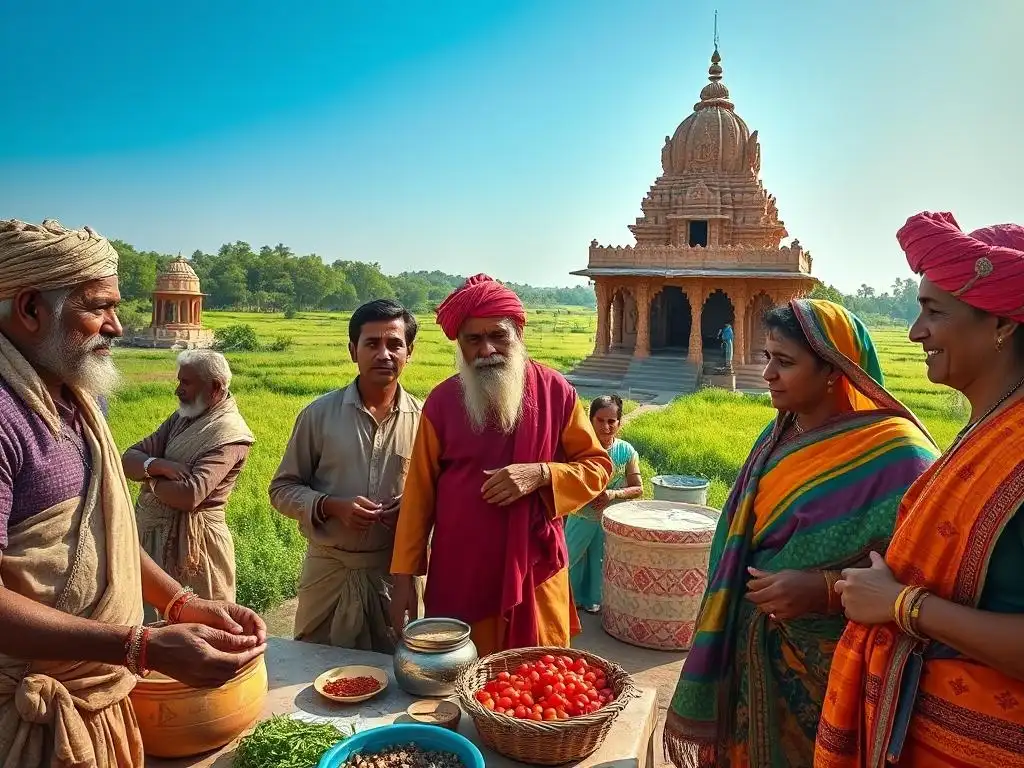
Welcome to Ancient India History, where we embark on an enlightening journey through the rich tapestry of India's past. In this exploration, we invite you to delve into our latest article on the decline of the caste system in India, a pivotal shift that reshaped the very fabric of society in ancient times. What were the underlying factors that prompted this change, and how did it impact daily life and social structures?
Prepare to uncover the intricate dynamics of ancient civilizations and their profound contributions as we unravel the mysteries that have shaped modern India. Let your curiosity guide you as you read on!
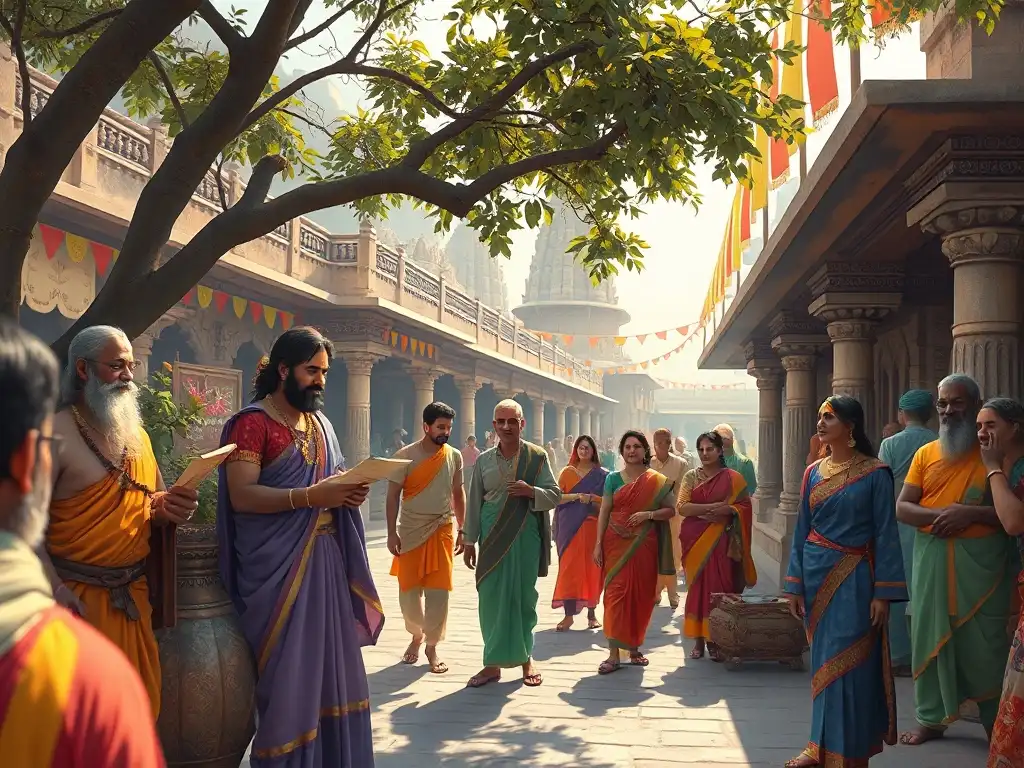
Introduction to the Caste System in Ancient India
The caste system in ancient India represents a complex social stratification that played a pivotal role in shaping the societal framework of the Indian subcontinent. This hierarchical system divided people into distinct groups based on occupation, birth, and ritual purity, profoundly influencing daily life, social interactions, and economic activities.
However, as India transitioned through various historical phases, the rigidity of the caste system began to wane, leading to significant changes in social structure. Understanding the decline of the caste system in India involves a multi-faceted exploration of the interplay between economic, social, and philosophical factors that contributed to this transformation.
Overview of the Caste System
The caste system is traditionally divided into four main categories, known as Varnas:
- Brahmins: Priests and scholars
- Kshatriyas: Warriors and rulers
- Vaishyas: Merchants and landowners
- Shudras: Laborers and service providers
Each Varna encompassed numerous sub-castes, or Jatis, which established specific social roles and responsibilities. This intricate categorization created a rigid social framework that dictated interactions and opportunities, often leading to discrimination and inequality. The system's origins can be traced back to ancient texts like the Rigveda, which laid the foundations for this complex social order.
Historical Context of the Caste System in India
The historical context of the caste system is essential to understand its evolution and eventual decline. Emerging around 1500 BCE with the arrival of the Indo-Aryans, the caste system initially served to organize society based on occupational specialization. Over centuries, it became deeply entrenched in religious and cultural practices, reinforced by texts such as the Manusmriti. By the time of the Maurya and Gupta Empires, the caste system had become a crucial aspect of social identity, influencing everything from marriage to employment.
Despite its long-standing presence, the caste system was not static; it evolved through interactions with various cultures, religions, and economic changes. This dynamic nature set the stage for the eventual decline of the caste system, as new forces began to challenge its foundational principles.
Key Factors Leading to the Decline of the Caste System in India
Economic Changes and Their Impact on Caste Hierarchies
Economic shifts, particularly during the late ancient period, played a significant role in undermining the caste system. As trade routes expanded and urban centers developed, the traditional agrarian economy began to transform. This shift encouraged:
- Increased mobility among social classes
- Emergence of new professions
- A growing merchant class that often transcended traditional caste boundaries
As individuals began to accumulate wealth independent of their caste identity, the rigid structures of the caste system lost their significance, leading to a more fluid social environment.
Social Reforms and Movements Challenging Traditional Structures
Throughout ancient India's history, various reform movements emerged that sought to challenge the established norms of the caste system. Leaders and thinkers such as Gautama Buddha and Mahavira advocated for social equality and the rejection of caste-based discrimination. These movements:
- Promoted the idea of personal merit over hereditary status
- Encouraged individuals to question the legitimacy of caste divisions
- Led to the formation of alternative communities that emphasized egalitarian principles
These social reforms played a crucial role in catalyzing the decline of caste rigidity, fostering a greater sense of unity among diverse groups.
Influence of Trade and Urbanization on the Caste System
The growth of trade and urbanization significantly influenced the decline of the caste system. Urban centers became melting pots of diverse cultures, where people from various castes interacted, leading to:
- Blurring of caste lines due to intermingling
- Increased economic opportunities that were not strictly caste-bound
- A shift in social dynamics, where wealth and education began to play a more critical role than caste affiliation
As a result, the urbanization process contributed to a more inclusive society, diminishing the caste-based barriers that had previously defined social interactions.
Role of Religion and Philosophical Thought in Caste Reform
Philosophical and religious thought also played a vital role in challenging the caste system. Various schools of thought, including:
- Buddhism: Advocated for the idea of equality and rejected the notions of ritual purity that underpinned the caste system.
- Jainism: Emphasized non-violence and compassion, promoting a sense of community that transcended caste distinctions.
These religious perspectives encouraged individuals to reevaluate their societal roles and fostered a spirit of reform that contributed to the gradual decline of caste-based discrimination.
By exploring these interconnected factors, we can gain a deeper understanding of how the decline of the caste system in ancient India was not merely a result of external influences but also a complex interplay of social, economic, and philosophical changes that reshaped the fabric of Indian society.
The Impact of Political Changes on the Decline of the Caste System
The decline of the caste system in ancient India was significantly influenced by various political changes that reshaped social structures. Political power dynamics, the rise of new ruling classes, and the establishment of empires played crucial roles in altering the rigid caste hierarchy that had defined Indian society for centuries. As new political entities emerged, they often brought with them different ideologies and governance practices that encouraged social mobility and redefined traditional caste relationships.
Political changes led to the disintegration of established social orders, as new leaders sought to consolidate their power. These leaders often relied on merit and loyalty rather than birthright, which challenged the traditional caste-based privileges. The shifting landscape of power dynamics allowed for greater interaction between different castes, fostering environments where social barriers could be diminished.
Rise of New Political Powers and Their Influence on Social Structures
The emergence of new political powers in ancient India, particularly during the post-Mauryan period, significantly influenced the decline of the caste system. As new dynasties, such as the Shakas and Kushans, rose to prominence, they brought diverse influences that transcended traditional caste boundaries. These powers often adopted policies that encouraged the integration of various communities, promoting trade and cultural exchange.
With the rise of these new rulers, meritocracy began to be valued over hereditary status. Administrators from various backgrounds were appointed to positions of power, challenging the notion that only those from high castes could hold authority. This shift not only facilitated greater social mobility but also led to an evolving perception of identity, where individuals were recognized for their skills and contributions rather than their caste origins.
The Role of Empires in Restructuring Caste Relations
Empires like the Maurya and Gupta played pivotal roles in reshaping caste relations through their expansive governance and integration policies. The Mauryan Empire, under Ashoka, embraced principles of Dharma (moral law) that encouraged equality and social justice, leading to a gradual questioning of the rigid caste structures.
The Gupta Empire further exemplified this change by promoting cultural and intellectual pursuits that transcended caste lines. The flourishing of arts, sciences, and trade during this period created opportunities for individuals from various backgrounds to engage and collaborate, thereby weakening the exclusivity of caste. Additionally, the patronage of diverse religious practices fostered an environment of inclusivity, allowing for a gradual decline in caste-based discrimination.
Case Studies: Examples of Changes in the Caste System
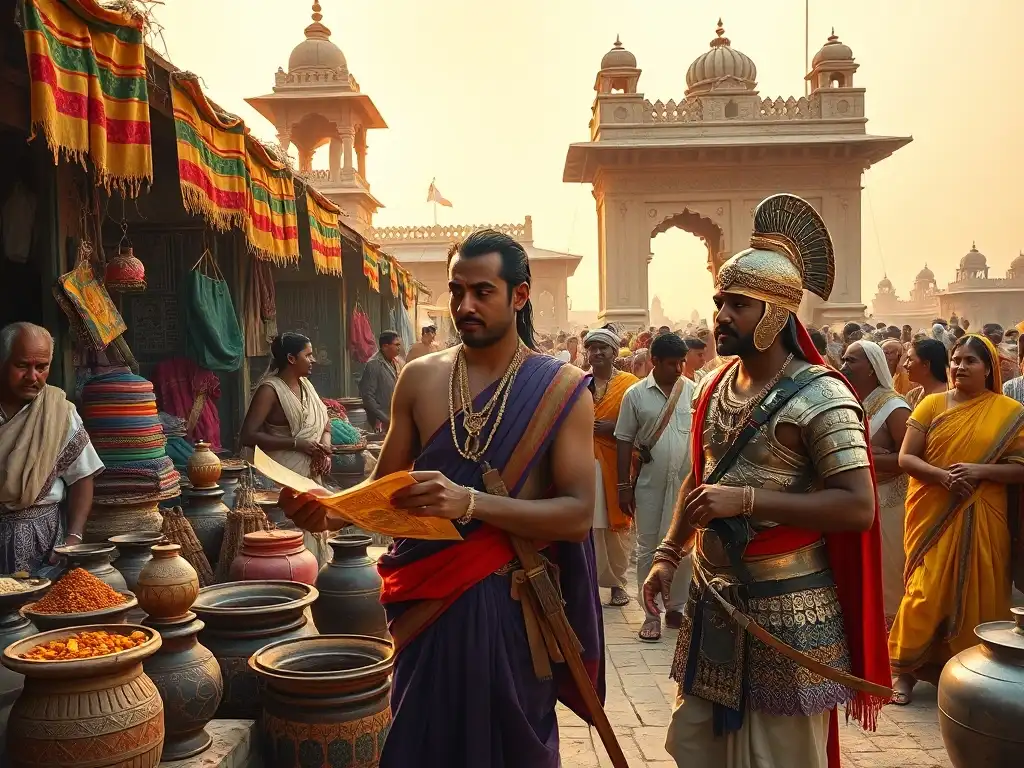
The decline of the caste system can be observed through various case studies that highlight shifts in social practices and norms across different regions and time periods in ancient India. These examples illustrate how political, economic, and cultural factors converged to contribute to the erosion of caste boundaries.
The Gupta Empire and Social Mobility
The Gupta Empire (circa 320-550 CE) is often regarded as a golden age of Indian civilization, characterized by remarkable advancements in arts, science, and philosophy. During this period, there was a notable increase in social mobility, as various groups, including those from lower castes, found opportunities to rise in status through education, trade, and military service.
The patronage of scholars and artists led to the emergence of a new class of educated individuals who were not necessarily bound by their caste origins. This shift was exemplified by the rise of influential figures like Kalidasa and Aryabhata, who contributed to the cultural and intellectual heritage of India, regardless of their caste backgrounds. The emphasis on knowledge and skill over lineage marked a significant step towards the decline of the caste system.
Regional Variations in the Decline of Caste Practices
The decline of caste practices was not uniform across ancient India; rather, it varied significantly by region and was influenced by local political and cultural contexts. In southern India, for example, the rise of the Bhakti movement during the medieval period emphasized devotion over caste, allowing individuals from various backgrounds to participate in religious practices and communities.
Similarly, in regions like Bengal, the influx of Islamic rulers encouraged a blending of cultures that challenged existing caste norms. The interactions between different religious and cultural groups led to a more fluid social structure, where caste distinctions became less rigid. Such regional variations highlight the complexities of the caste system's decline, demonstrating that local dynamics played a crucial role in shaping the experiences of social change throughout ancient India.
The Legacy of the Decline of the Caste System in India
The decline of the caste system in ancient India played a pivotal role in shaping the social fabric of the subcontinent. This legacy is evidenced by the gradual erosion of rigid social hierarchies, allowing for increased mobility among different groups. As economic opportunities expanded, particularly with the rise of trade and urban centers, individuals began to forge identities based more on profession and personal merit rather than their caste. This shift laid the groundwork for a more inclusive society, where social interactions transcended traditional boundaries.
Moreover, the decline of the caste system facilitated the emergence of new philosophical and spiritual movements, such as Buddhism and Jainism, which challenged established norms and advocated for equality among all individuals. These movements not only attracted followers from various backgrounds but also encouraged dialogue about social justice, ethics, and the nature of suffering, further weakening the caste divisions. The legacy of this decline continues to influence contemporary Indian society, as ongoing discussions about caste and class highlight the importance of inclusivity.
Long-term Effects on Indian Society and Culture
The long-term effects of the decline of the caste system are profound and multifaceted. One significant outcome is the transformation of social alliances and kinship structures. As caste barriers began to dissolve, inter-caste marriages became more prevalent, fostering a greater sense of community and shared identity among diverse groups. This social integration has contributed to the rich tapestry of Indian culture, where regional languages, traditions, and cuisines intermingle, creating a vibrant cultural mosaic.
Economically, the decline of the caste system allowed for a more dynamic labor market. Individuals were increasingly able to pursue various professions and trades without the constraints of caste obligations. This shift not only spurred economic growth but also encouraged innovation and entrepreneurship, as diverse talents and ideas were harnessed across societal lines. The resulting economic diversity has been a crucial driver of India's development, particularly in the modern era, where adaptability and collaboration are paramount.
Modern Implications of Ancient Caste Changes
The implications of the decline of the caste system in ancient India resonate in contemporary society. While formal caste distinctions have been legally abolished, social stratification persists, often manifesting in subtle ways. The historical context of caste dynamics influences current policies and social movements aimed at addressing inequality. For example, affirmative action initiatives in India seek to uplift historically marginalized communities that were adversely affected by caste discrimination.
Furthermore, the decline of the caste system has led to increased awareness and advocacy for social justice. Activism surrounding caste-related issues highlights the need for continued dialogue and reform, emphasizing that while progress has been made, significant challenges remain. The legacy of the caste system continues to inform debates on identity, rights, and representation, making it a critical component of modern Indian discourse.
Conclusion: The Enduring Influence of the Decline of the Caste System
The decline of the caste system in India has left an indelible mark on the nation’s trajectory. As a complex interplay of social, economic, and cultural factors contributed to this decline, the resulting shifts have fundamentally transformed Indian society. The legacy of these changes is evident in the ongoing efforts to foster inclusivity and challenge outdated norms, highlighting the significance of understanding this historical phenomenon.
Summary of Key Factors Leading to Change
Several key factors contributed to the decline of the caste system in ancient India:
- Economic Transformation: The rise of trade and urbanization opened up new professions, allowing individuals to move beyond caste restrictions.
- Philosophical Movements: The emergence of Buddhism and Jainism promoted ideas of equality and social justice, challenging caste-based divisions.
- Social Mobility: Increased inter-caste interactions and marriages fostered a more integrated society, diminishing the rigidity of caste lines.
These factors collectively facilitated a shift towards a more egalitarian social structure, leading to significant changes in cultural and societal norms.
Reflection on the Importance of Understanding the Decline of Caste System in India
Understanding the decline of the caste system is crucial for several reasons. First, it provides insights into the historical dynamics that shaped contemporary Indian society, offering context for current social issues related to caste and class. Additionally, examining this decline highlights the resilience of marginalized groups and the ongoing struggle for equality, fostering a deeper appreciation for the progress made and the challenges that remain.
Moreover, this understanding encourages critical reflection on the values of inclusivity and diversity. As India continues to navigate its identity in a rapidly changing world, acknowledging the complex legacy of the caste system is vital for promoting social cohesion and fostering a sense of belonging among all citizens. By engaging with this history, society can work towards ensuring that the lessons learned from the past inform future endeavors for a more equitable and just India.
- Introduction to the Caste System in Ancient India
- Key Factors Leading to the Decline of the Caste System in India
- The Impact of Political Changes on the Decline of the Caste System
- Case Studies: Examples of Changes in the Caste System
- The Legacy of the Decline of the Caste System in India
- Conclusion: The Enduring Influence of the Decline of the Caste System
- What were the primary factors leading to the decline of the caste system in ancient India?
- How did the rise of Buddhism and Jainism impact the caste system?
- What role did the Gupta Empire play in the transformation of the caste system?
- Were there any political movements that contributed to the decline of the caste system?
- How did trade and economic development affect the caste system?
Frequently Asked Questions
What were the primary factors leading to the decline of the caste system in ancient India?
The decline of the caste system was influenced by various factors including economic changes, political shifts, and the rise of religious movements that promoted social equality.
How did the rise of Buddhism and Jainism impact the caste system?
Both Buddhism and Jainism emphasized non-violence and equality, challenging the rigid hierarchical structures of the caste system and encouraging a more inclusive society.
What role did the Gupta Empire play in the transformation of the caste system?
During the Gupta Empire, there was a notable centralization of power and a shift towards meritocracy, which weakened traditional caste barriers and allowed for more social mobility.
Were there any political movements that contributed to the decline of the caste system?
Yes, various political movements and reforms aimed at social justice began to emerge, advocating for the rights of lower castes and challenging the status quo of caste discrimination.
How did trade and economic development affect the caste system?
With the growth of trade and urbanization, new economic opportunities arose that allowed individuals to rise above their birth caste, leading to a gradual erosion of caste restrictions in society.
Final Reflection: Embracing Change in the Decline of the Caste System in India
The decline of the caste system in India is not merely a historical phenomenon but a vital narrative that resonates with contemporary society. As we witness ongoing struggles for equality and social justice, the lessons from ancient India's transformation remind us that progress is possible, even in the face of deeply entrenched systems. The journey toward dismantling rigid hierarchies is a testament to the resilience of human spirit and the quest for dignity.
The impact of the caste system's decline continues to shape the cultural and social landscape of India today. This evolution is not just a relic of the past but a living influence that inspires movements for equality and justice. The voices that once echoed in the streets of ancient cities now resonate in modern protests and advocacy for marginalized communities. The greatest glory in living lies not in never falling, but in rising every time we fall.
– Nelson Mandela. This quote encapsulates the essence of the struggle against oppression and the importance of rising together as a society.
As we reflect on the decline of the caste system, let us take a moment to consider our role in fostering inclusivity and understanding in our own lives. The lessons from this historical shift encourage us to challenge our biases and advocate for a more equitable world. I invite you to engage with this narrative, to reflect on how you can contribute to the ongoing journey toward equality, and to recognize that every small action can lead to monumental change. Together, we can honor the past while paving the way for a brighter, more inclusive future.
Embrace the Change: Contribute to a New Understanding!
Thank you for taking the time to explore the fascinating transformation of the caste system in ancient India. Your interest helps us uncover the nuances of history and its lasting impact on society. Now, let’s take what we've learned and make strides towards further understanding and advocating for change!
- Dive deeper: Research a specific reformer or movement that challenged the caste system. Share your insights on your blog or social media to spark conversation.
- Engage with others: Join discussions or online communities focused on historical topics. Connecting with like-minded individuals can enrich your understanding and perspective.
- Consider volunteering or supporting organizations that promote social equality today, echoing the lessons learned from our history.
What steps will you take to reflect on and challenge societal structures in your own community?