
The Legacy of Ancient Labor Systems: Lessons for Today’s Workforce

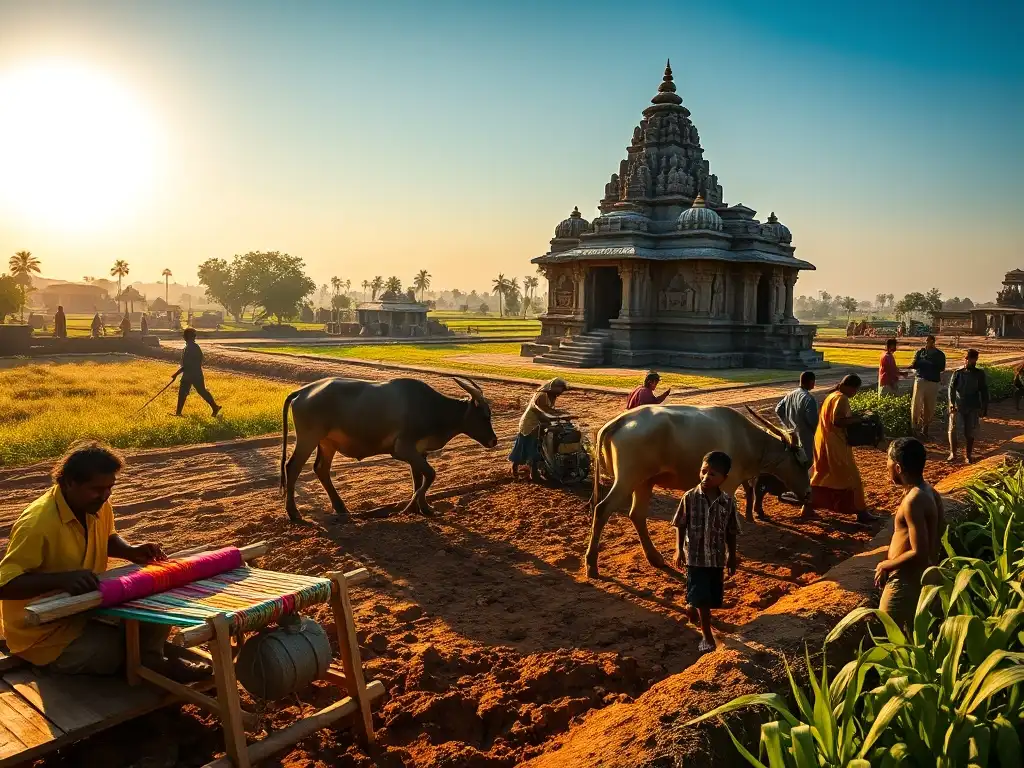
Welcome to Ancient India History, where we delve into the rich tapestry of India's past! Here, you'll discover the intricate narratives of civilizations that have shaped our world, from the sophisticated Indus Valley to the flourishing Gupta Empire. In our featured article, "The Legacy of Ancient Labor Systems: Lessons for Today’s Workforce," we invite you to explore the fascinating ancient Indian labor systems that not only defined daily life but also laid the groundwork for modern societal structures.
What can these age-old practices teach us about our current workforce dynamics? Join us on this journey to uncover the lessons hidden in the annals of history, and ignite your curiosity for the legacies that still resonate today!
The labor systems of ancient India reflect a rich tapestry of social structures, economic practices, and cultural values that have shaped the workforce's evolution over millennia. From the sophisticated urban planning of the Indus Valley Civilization to the complex guild systems during the Gupta Empire, these labor systems were not merely about economic productivity but were deeply intertwined with social order and cultural identity. Understanding these ancient labor systems provides a lens through which we can examine contemporary workforce dynamics and draw valuable lessons that resonate today.
In this article, we will delve into the various types of labor systems that existed in ancient India, exploring their structures, functions, and impacts on society. By examining the roles of different occupations, the significance of caste in labor distribution, and the emergence of trade guilds, we aim to uncover insights that can inform modern workforce strategies and enhance our understanding of labor's cultural significance. As we navigate through this historical landscape, we will highlight key examples and case studies that illustrate the enduring legacy of ancient Indian labor systems and their relevance in today's rapidly changing work environment.
- Introduction to Ancient Indian Labor Systems
- Historical Context of Ancient Indian Labor Systems
- Key Features of Ancient Indian Labor Systems
- Lessons from Ancient Indian Labor Systems for Modern Workforce
- Comparison of Ancient and Modern Labor Systems
- Challenges Faced by Ancient Labor Systems
- Conclusion: Relevance of Ancient Indian Labor Systems Today
- Frequently Asked Questions
- Final Reflection: Lessons from Ancient Indian Labor Systems for Today’s Workforce
- Embrace the Wisdom of the Past for a Brighter Future!
Introduction to Ancient Indian Labor Systems

Ancient Indian labor systems were vital to the functioning and development of society, economy, and culture throughout various epochs, from the Indus Valley Civilization to the Gupta Empire. These systems were characterized by a diverse range of occupations, social stratifications, and economic practices that influenced not only the daily lives of individuals but also the broader socio-economic structures of ancient India. Understanding these labor systems provides insights into the intricate relationships between work, social status, and community, as well as lessons that remain relevant in today's workforce.
Overview of Labor Systems in Ancient India
The labor systems in ancient India can be categorized into several distinct types, each reflecting the complexity and diversity of the civilization at different historical periods. Here are some key features:
- Agricultural Labor:
- The majority of the population was engaged in agriculture, which was the backbone of the economy.
- Techniques Used: Farmers utilized various techniques, including crop rotation and irrigation methods.
- Caste System Influence: The caste system played a significant role, as certain castes were primarily responsible for agricultural work, while others engaged in trade and administration.
- Artisanal and Craft Labor:
- Skilled craftsmen and artisans produced goods ranging from pottery to textiles.
- Guilds: Craftsmen often formed guilds or "shrenis" that regulated trade practices, quality control, and training for apprentices.
- Cultural Contributions: Artisans contributed significantly to the cultural heritage through intricate crafts and artistry.
- Trade and Commerce:
- Ancient India had a flourishing trade network, both inland and overseas, relying heavily on labor for transportation and exchange.
- Key Trade Routes: The Silk Road and routes to Southeast Asia were crucial for economic interactions.
- Merchant Class: A distinct merchant class emerged, facilitating trade and economic growth.
- Labor in Construction and Architecture:
- Massive projects like temples, forts, and urban centers required organized labor forces.
- Techniques and Innovations: Workers utilized innovative techniques in architecture, as seen in the intricate carvings at sites such as Khajuraho and Hampi.
- Servitude and Unfree Labor:
- While many were engaged in free labor, there were also systems of servitude where individuals worked under coercion or in debt bondage.
- Social Implications: These systems reflected social hierarchies and contributed to the dynamics of power and control within society.
Importance of Studying Ancient Labor Systems Today
The examination of ancient Indian labor systems offers several important lessons that remain applicable in contemporary contexts:
- Understanding Social Structures:
- By studying how labor was organized and stratified, modern societies can gain insights into the persistence of social hierarchies and class structures.
- Economic Development:
- Ancient practices in trade and agriculture highlight the importance of sustainable practices and community involvement in economic growth.
- Cultural Heritage:
- The contributions of artisans and craftsmen underscore the value of cultural heritage and the need to preserve traditional skills in a rapidly changing world.
- Labor Rights and Social Justice:
- Analyzing ancient systems of servitude can inform contemporary discussions on labor rights, social justice, and the importance of equitable treatment in today's workforce.
- Adaptability and Innovation:
- The adaptability of ancient labor systems in response to economic and environmental changes can inspire modern approaches to workforce management and economic resilience.
The study of ancient Indian labor systems not only enriches our understanding of historical dynamics but also provides valuable lessons for addressing current challenges in workforce development and social equity. By recognizing the intricate interconnections between labor, culture, and society in ancient India, we can draw parallels that inform our modern-day practices and policies.
Historical Context of Ancient Indian Labor Systems
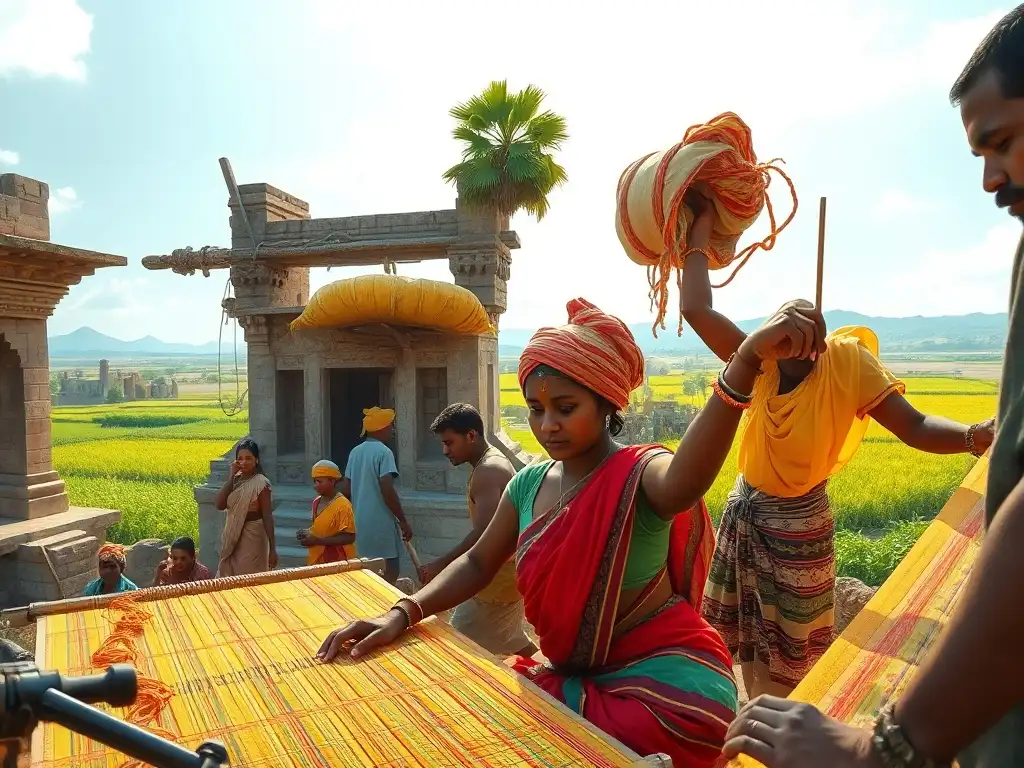
The Indus Valley Civilization: Early Labor Practices
The Indus Valley Civilization (IVC), which thrived from approximately 3300 to 1300 BCE, is recognized for its sophisticated urban planning and advanced social structures. Labor systems during this period were intricately tied to the economy, primarily based on agriculture, trade, and craftsmanship.
- Agricultural Labor: The fertile plains of the Indus River supported extensive agricultural activities. Farmers engaged in the cultivation of wheat, barley, and cotton. Evidence suggests that labor was often organized in cooperative groups, ensuring efficient crop production.
- Craftsmanship and Specialization: The IVC was notable for its skilled artisans who specialized in various crafts, including pottery, bead making, and metallurgy. These craftsmen operated in workshops, indicating a system of organized labor. For example, the discovery of standardized weights and measures implies that there was a regulated system for trade and production.
- Trade and Labor: The IVC was engaged in extensive trade with neighboring civilizations, such as Mesopotamia. This trade required a labor force that was not only skilled but also adaptable to various tasks, including transportation and logistics. The port city of Lothal is a prime example, showcasing how labor systems were developed to support maritime trade.
The labor practices of the Indus Valley represent a foundational aspect of ancient Indian labor systems, setting the stage for future developments in society and economy.
Labor Systems in Vedic Society
Following the decline of the Indus Valley Civilization, the Vedic period (circa 1500 to 500 BCE) introduced a new framework for labor systems, deeply influenced by social stratification and evolving cultural norms.
- Varna System: The emergence of the Varna system categorized society into four main groups: Brahmins (priests), Kshatriyas (warriors), Vaishyas (traders and agriculturists), and Shudras (laborers and service providers). This classification dictated occupational roles and responsibilities, with each group contributing to the economy in specific ways.
- Ritual and Labor: Labor in Vedic society was often intertwined with religious practices. Many laborers, particularly Shudras, performed tasks related to agriculture and household services, which were considered essential for maintaining societal order.
- Agriculture and Pastoralism: The Vedic texts highlight the importance of agriculture and pastoralism, with labor systems evolving to accommodate seasonal cycles. The community aspect of farming encouraged collective efforts, indicating a form of cooperative labor that was essential for survival.
- Trade and Economic Activities: As Vedic society progressed, trade became increasingly significant. Merchants and traders organized their activities into guilds, which played a crucial role in regulating commerce and establishing fair practices among laborers.
The labor systems of the Vedic period illustrate a transition from the more egalitarian practices of the IVC to a more structured and stratified approach, laying the groundwork for future social and economic systems in ancient India.
The Role of Guilds in Ancient India
Guilds (or shrenis) became prominent in ancient Indian society, particularly from the 6th century BCE onwards, serving as an essential component of the labor system and economic structure.
- Organization of Craftsmen and Traders: Guilds were formed by artisans, merchants, and traders who shared common interests and trades. These organizations provided a platform for collaboration, resource sharing, and mutual support among members. They were instrumental in ensuring quality control and standardization in products.
- Economic Regulation: Guilds played a significant role in regulating prices and trade practices. By establishing rules and guidelines, they ensured fair competition and protected their members from exploitation. This regulation was vital for maintaining economic stability within communities.
- Training and Apprenticeship: Guilds were also responsible for training new members through apprenticeship programs. Knowledge and skills were passed down through generations, ensuring the preservation of traditional crafts and trades. This system fostered a sense of identity and belonging among craftsmen.
- Social and Political Influence: Beyond their economic role, guilds wielded considerable social and political power. They often engaged in negotiations with local rulers and contributed to public works, reinforcing their status as vital components of ancient Indian society.
The legacy of guilds in ancient India reflects the complexity and adaptability of labor systems, showcasing how collective efforts can enhance productivity and foster community resilience. Their influence continues to be relevant, providing insights for contemporary workforce structures.
Key Features of Ancient Indian Labor Systems
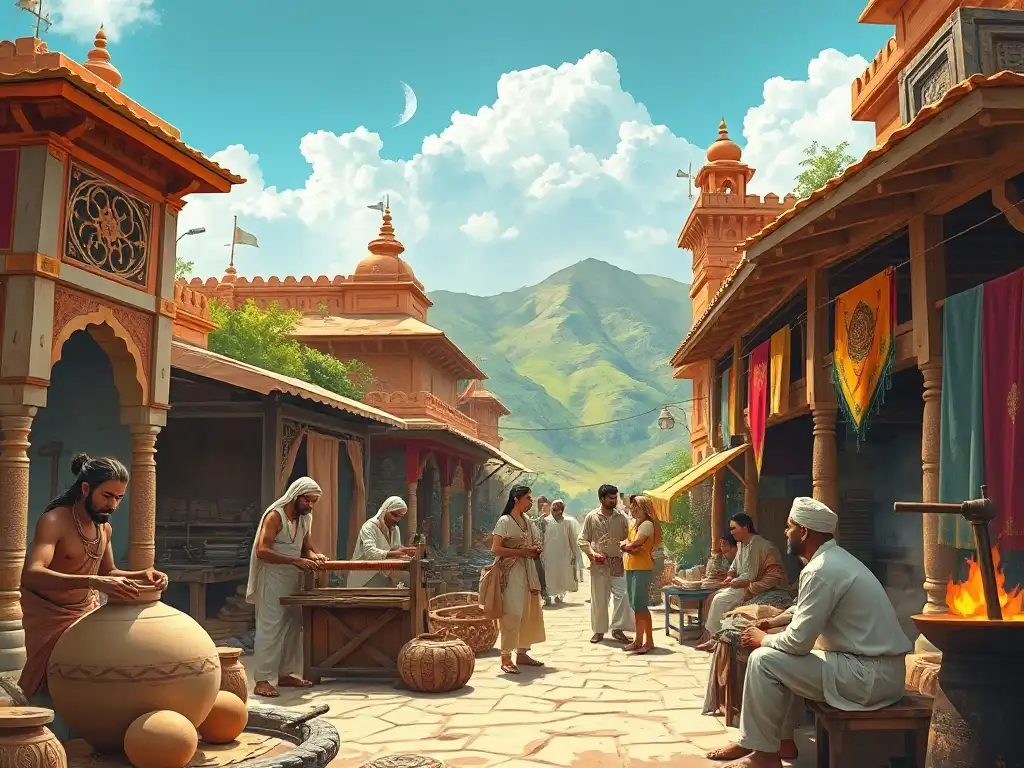
The labor systems of ancient India were deeply intertwined with the socio-economic fabric of its civilizations. These systems were characterized by a range of features that defined how work was organized, the roles individuals played within various occupations, and the overall contribution of labor to society.
Types of Occupations in Ancient India
Ancient India boasted a diverse array of occupations that reflected the complexity and sophistication of its society. The major categories of occupations included:
- Agricultural Work: The backbone of ancient Indian economies, agriculture involved various roles such as:
- Farmers: Engaged in growing crops, understanding seasonal cycles, and utilizing irrigation techniques.
- Laborers: Worked on farms, often performing tasks like planting, harvesting, and maintaining crops.
- Artisanal Crafts: Skilled artisans played a crucial role in ancient Indian society, producing goods that ranged from textiles to metalwork. Key occupations included:
- Weavers: Created intricate textiles, showcasing regional styles and techniques.
- Blacksmiths: Crafted tools and weapons, vital for both agricultural and military purposes.
- Trade and Commerce: As trade routes flourished, various occupations emerged:
- Merchants: Facilitated trade with neighboring regions, often specializing in specific goods.
- Transport Workers: Handled the logistics of moving goods, employing methods such as bullock carts and boats.
- Service Professions: These included roles that catered to the needs of society, such as:
- Teachers and Scholars: Preserved and transmitted knowledge through oral and written traditions.
- Religious Leaders: Conducted rituals and managed temple economies.
These occupations not only contributed to the economy but also played a fundamental role in the cultural and social development of ancient Indian societies.
The Caste System and Its Impact on Labor
The caste system significantly influenced labor dynamics in ancient India, dictating the types of work individuals could perform and thereby shaping societal structures.
- Social Stratification: The caste system divided society into hierarchical groups, impacting access to occupations. Major castes included:
- Brahmins: Priests and scholars, primarily involved in religious and educational roles.
- Kshatriyas: Warriors and rulers, responsible for governance and protection.
- Vaishyas: Merchants and landowners, involved in trade and agriculture.
- Shudras: Laborers and service providers, often relegated to manual work.
- Occupational Specialization: Each caste was typically associated with specific occupations, leading to a system of hereditary professions. This specialization ensured the transmission of skills within families but also limited social mobility.
- Economic Contributions: Despite the restrictions imposed by the caste system, each group contributed uniquely to the economy. For instance, while Brahmins focused on intellectual pursuits, Shudras provided essential labor for agriculture and services, creating a complex interdependence among castes.
The caste system's impact on labor organization not only shaped economic interactions but also reinforced social norms that persisted over centuries.
Agricultural Practices and Labor Organization
Agriculture was the cornerstone of ancient Indian economies, and the organization of labor in this sector was crucial for productivity and sustainability.
- Land Ownership: Land was typically owned by wealthy landlords or kings, while peasants worked the fields. This system led to variations in labor organization, where:
- Tenant Farmers: Often cultivated land owned by others, sharing a portion of the harvest with landlords.
- Collective Labor: In some regions, communities engaged in collective farming practices, pooling resources for irrigation and harvesting.
- Seasonal Labor: Agricultural work was highly seasonal, requiring laborers to adapt to the rhythms of nature. Key labor practices included:
- Monsoonal Cultivation: Farmers relied on the monsoon rains, organizing labor around planting and harvesting seasons.
- Irrigation Systems: The development of irrigation techniques, such as canals and wells, facilitated year-round farming, necessitating specialized labor for construction and maintenance.
- Role of Women: Women played a vital role in agriculture, often involved in planting, weeding, and harvesting. However, their contributions were frequently undervalued in historical narratives.
Ancient agricultural practices and labor organization reveal the complexity of workforce management in historical contexts, providing valuable lessons for modern labor systems.
The ancient Indian labor systems were characterized by a rich tapestry of occupations, influenced by the caste system and organized around agricultural practices. Understanding these systems offers insights into the socio-economic dynamics of ancient India and informs contemporary discussions about labor and society.
Lessons from Ancient Indian Labor Systems for Modern Workforce

The study of ancient Indian labor systems reveals valuable lessons that can inform contemporary workforce practices. By examining the adaptability, specialization, and community-oriented approaches of these systems, modern organizations can gain insights into creating a more efficient, collaborative, and resilient workforce.
Adaptability and Resilience in Labor Practices
Ancient Indian labor systems were characterized by their ability to adapt to changing circumstances, whether due to environmental factors, technological advancements, or social shifts. For instance, during the Indus Valley Civilization, agricultural practices evolved in response to the monsoon patterns and crop yields. Laborers adjusted their methods and crops, demonstrating resilience and flexibility.
- Key Factors of Adaptability:
- Seasonal Adjustments: Farmers and laborers altered their practices based on seasonal changes, ensuring sustainable productivity.
- Technological Adaptation: The introduction of new tools, such as plows and irrigation systems, was integrated into existing labor practices, enhancing efficiency.
- Cultural Flexibility: Labor systems adapted to the diverse cultural and regional contexts across ancient India, allowing for varied practices that suited local needs.
Emphasizing adaptability in today’s workforce can prepare organizations to navigate challenges effectively, fostering an environment where employees are encouraged to innovate and respond to change.
The Role of Specialization in Economic Growth
Specialization was a cornerstone of ancient Indian labor systems, leading to significant economic growth and productivity. Different communities and professions emerged, each focusing on specific skills and trades, from artisans to farmers and merchants.
- Examples of Specialization:
- Craftsmanship: Artisans in cities like Mohenjo-Daro and Harappa specialized in pottery, metallurgy, and textile production, contributing to trade and economic exchanges.
- Agricultural Techniques: Specialized agricultural practices, such as rice cultivation in certain regions, improved yields and supported population growth.
- Trade Networks: Merchants became experts in trade routes and commodities, facilitating the exchange of goods across vast distances.
This specialization not only enhanced productivity but also fostered a sense of identity and pride within professions. Modern organizations can benefit from encouraging specialization, allowing employees to hone their skills and contribute more effectively to the overall success of the team.
Community and Collaboration in Work Environments
Community and collaboration were integral to ancient Indian labor systems, which often involved collective efforts and shared responsibilities. This communal approach fostered strong social bonds and enhanced productivity.
- Collaborative Practices:
- Joint Labor Efforts: Villagers often worked together during harvest seasons, pooling resources and labor to maximize efficiency.
- Skill Sharing: Knowledge and skills were transmitted through communal learning, ensuring that expertise was preserved and expanded across generations.
- Social Structures: Guilds and trade associations fostered collaboration among craftsmen and traders, allowing them to negotiate better terms and share resources.
By embracing a community-oriented approach in modern work environments, organizations can enhance teamwork, improve morale, and drive innovation. Encouraging collaboration across departments and disciplines can lead to a more cohesive and dynamic workforce, much like the labor systems of ancient India.
The key lessons drawn from ancient Indian labor systems—adaptability, specialization, and community collaboration—remain relevant and can significantly enhance the effectiveness and resilience of today’s workforce. Embracing these principles can lead to a more sustainable and productive future in various sectors.
Comparison of Ancient and Modern Labor Systems

Similarities Between Ancient and Contemporary Work Structures
When examining ancient Indian labor systems, one can find remarkable similarities with contemporary work structures. Both systems exhibit a division of labor, where tasks are allocated based on skill sets and expertise. For instance, in ancient India, craftspeople, farmers, and traders each had distinct roles, much like today's specialization in professions such as engineering, healthcare, and technology.
- Hierarchical Structures:
- Both systems often feature hierarchical organization, where individuals or groups occupy different levels of authority. In ancient Indian society, the caste system defined social standings and occupations, while modern corporations often structure themselves with clear chains of command.
- Community and Collaboration:
- Labor in both eras emphasized community engagement. Ancient artisans collaborated in guilds, similar to how modern teams work together in project-based environments to achieve common goals. This community aspect fosters a sense of belonging and shared responsibility.
- Economic Interdependence:
- Just as ancient labor systems relied on interdependence among various occupations, today's economies thrive on interconnected industries. For example, agriculture supports food production, which in turn sustains the retail and hospitality sectors.
Differences in Labor Rights and Worker Protections
While there are similarities, significant differences exist in labor rights and worker protections between ancient Indian labor systems and modern frameworks.
- Worker Rights:
- Ancient Indian laborers often had limited rights and protections. Many were bound by the caste system, which dictated their roles and societal status. In contrast, contemporary labor laws advocate for worker rights, including the right to fair wages, safe working conditions, and freedom from discrimination.
- Legal Frameworks:
- The legal support for workers was virtually non-existent in ancient times. In contrast, modern societies operate under extensive legal frameworks that enforce labor rights, such as minimum wage laws, occupational safety regulations, and the right to unionize.
- Mobility and Choice:
- Social mobility was restricted in ancient labor systems, as caste affiliations determined an individual’s occupation. Today, individuals often have the freedom to choose their careers, pursue education, and change jobs, allowing for personal growth and satisfaction.
Insights from Ancient Practices to Improve Today's Workforce
Ancient Indian labor systems offer valuable insights that can enhance today's workforce practices. By analyzing these historical frameworks, modern organizations can adopt strategies that promote efficiency, collaboration, and well-being.
- Emphasizing Skill Development:
- Ancient labor systems prioritized apprenticeship and skill transmission. Companies today can benefit from mentorship programs that allow experienced workers to pass on knowledge to newer employees, fostering a culture of continuous learning.
- Building Collaborative Environments:
- The communal aspects of ancient labor practices encourage teamwork and shared responsibility. Modern workplaces can incorporate team-building activities and collaborative projects, creating a more cohesive and motivated workforce.
- Valuing Diverse Contributions:
- In ancient India, various crafts and trades were respected for their unique contributions. Today's organizations can enhance productivity by recognizing and valuing diverse skill sets, promoting an inclusive environment that leverages the strengths of all employees.
By reflecting on ancient Indian labor systems, contemporary society can glean lessons that not only honor historical practices but also pave the way for a more equitable and productive workforce.
Challenges Faced by Ancient Labor Systems
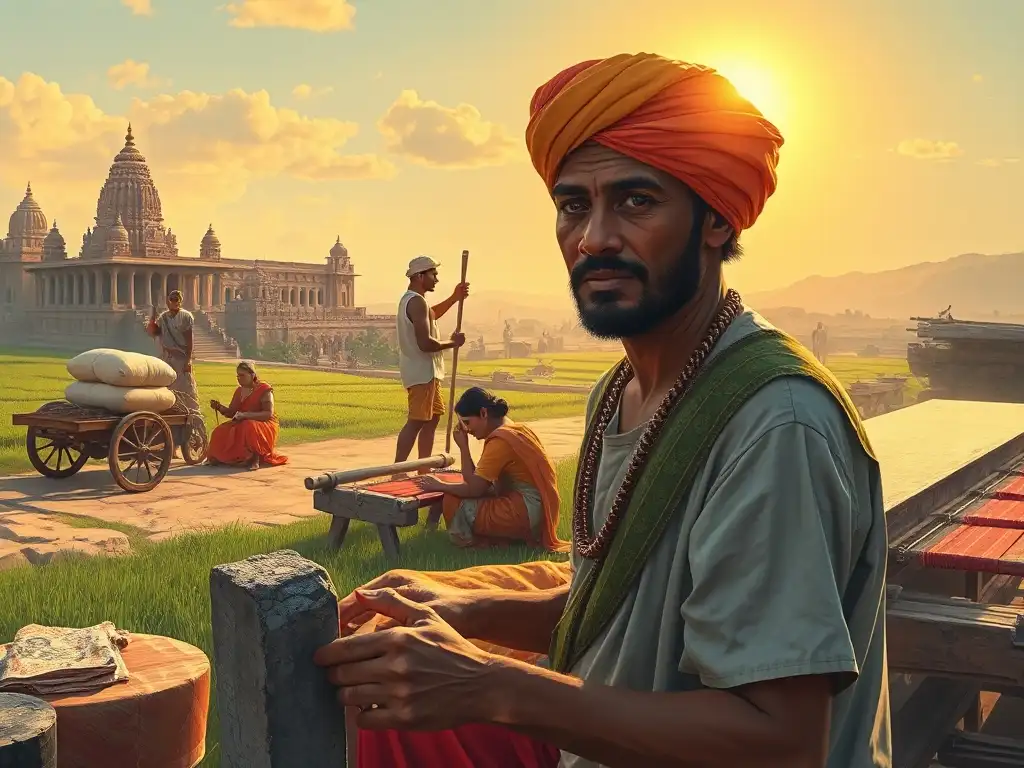
Economic Factors Influencing Labor Systems
Ancient Indian labor systems were deeply intertwined with the economic realities of their time. The agricultural economy, which was predominant, dictated the nature and distribution of labor. The dependence on monsoons for crops meant that labor was often seasonal. Farmers and laborers had to adapt to the cyclical nature of agricultural work, which led to fluctuations in demand for labor.
- Monsoon Dependency: The reliance on monsoon rains created a precarious balance in labor needs. During the planting and harvesting seasons, demand surged, while off-seasons saw a significant drop.
- Trade and Craft Specialization: As trade flourished, particularly during the Mauryan and Gupta periods, specialized labor began to emerge. Artisans and craftsmen developed skills that catered to both local and international markets, yet this specialization also made them vulnerable to economic downturns.
The introduction of currency and trade networks further complicated these systems. The rise of urban centers, especially during the Mauryan Empire, created new economic dynamics, leading to increased labor demands in construction, textiles, and metallurgy. However, this also resulted in widening economic disparities among different labor groups.
Social hierarchies played a critical role in shaping ancient Indian labor systems. The caste system, which stratified society into rigid categories, significantly influenced who could perform what types of work.
- Caste-Based Occupations: Certain jobs were hereditary, confined within specific castes. For example, the Brahmins were primarily priests and scholars, while the Shudras were assigned to manual labor and services. This division not only affected the economic mobility of individuals but also reinforced social inequalities.
- Gender Roles: Women’s roles in labor were often marginalized. While they contributed significantly to agricultural activities and household crafts, societal norms restricted their participation in formal economic frameworks. This limitation perpetuated gender disparities in labor recognition and compensation.
Within these structures, skilled laborers, such as weavers and blacksmiths, experienced a degree of respect and economic stability, while unskilled laborers faced social stigmas and were often subjected to exploitation. This layered complexity of social structures presents a stark contrast to the notion of a unified labor force.
The Decline of Traditional Occupations
The decline of traditional occupations in ancient India can be attributed to various factors, including economic shifts, foreign invasions, and changing societal norms.
- Economic Transitions: As trade routes expanded and new trade practices emerged, traditional labor systems began to erode. The influx of foreign goods and influences during the invasions of Alexander the Great and later the Indo-Greeks introduced competition that traditional crafts struggled to withstand.
- Urbanization and Industrialization: The growth of urban centers led to a shift in labor dynamics. Many rural laborers migrated to cities in search of better opportunities, abandoning traditional agricultural practices. This migration often resulted in the decline of local craftsmanship and knowledge that had been passed down through generations.
- Colonial Impact: The arrival of European powers in the late medieval period further disrupted traditional labor systems. Colonial policies favored cash crops and export-oriented agriculture, dismantling the subsistence farming that many traditional laborers relied upon.
The legacy of these changes is still felt today, as modern labor systems grapple with the consequences of these historical shifts, providing valuable lessons on resilience and adaptation in the workforce.
Conclusion: Relevance of Ancient Indian Labor Systems Today
The examination of ancient Indian labor systems reveals a complex tapestry of social, economic, and cultural practices that significantly influenced the daily lives of individuals and the functioning of society. By understanding these systems, we can draw valuable lessons and insights that resonate with contemporary workforce dynamics.
Ancient Indian labor systems were not merely economic frameworks; they were deeply intertwined with the cultural and social fabric of the time. From the skilled artisans of the Indus Valley to the agricultural laborers during the Vedic period, these systems were characterized by specialization, community involvement, and a profound connection to the land. The caste system, while often criticized for its rigidity, also provided a structured means of organizing labor, facilitating the performance of various occupations essential for the society's sustenance.
In today's rapidly evolving job market, where flexibility and adaptability are paramount, the lessons drawn from ancient labor systems can guide us in creating a more inclusive and equitable workforce. Understanding the value of collaboration, community support, and the importance of various skill sets can lead to innovative approaches in modern labor practices.
Final Thoughts on Learning from the Past
Learning from ancient Indian labor systems encourages us to reflect on the principles of cooperation and mutual aid that underpinned these societies. The artisans, farmers, and laborers of ancient India often worked in close-knit communities, sharing resources and knowledge, which fostered resilience and adaptability.
- Community Collaboration: Modern workplaces can thrive by fostering environments that encourage teamwork and shared goals.
- Skill Diversity: Emphasizing the importance of diverse skill sets can lead to enhanced problem-solving and creativity in workforce dynamics.
Incorporating these ancient principles into contemporary practices can help us build a workforce that values collaboration over competition, ultimately leading to greater job satisfaction and productivity.
The Future of Labor: Bridging Ancient Wisdom with Modern Practices
As we move forward into a future characterized by technological advancements and shifting economic landscapes, the insights gained from ancient Indian labor systems hold significant potential.
- Emphasizing Craftsmanship: The ancient emphasis on skilled craftsmanship can inspire modern industries to prioritize quality and expertise over sheer quantity. By nurturing talent and encouraging craftsmanship, businesses can enhance their competitiveness in a global market.
- Sustainability: Ancient labor practices often emphasized sustainable agricultural methods and resource conservation. In today's context, applying these principles can lead to more environmentally friendly practices in various industries, aligning with global sustainability goals.
- Cultural Heritage and Identity: Recognizing and valuing the cultural heritage linked to labor practices can foster a sense of pride and identity among workers, leading to increased loyalty and commitment to their professions.
The legacy of ancient Indian labor systems offers a wealth of knowledge that can inform and enrich modern workforce practices. By bridging the wisdom of the past with contemporary needs, we can cultivate a more harmonious, productive, and sustainable workforce for the future.
Frequently Asked Questions
What were the ancient Indian labor systems like?
Ancient Indian labor systems were diverse and included various forms such as artisan guilds, agricultural labor, and temple workforces that played crucial roles in society.
How did caste influence labor in ancient India?
The caste system significantly shaped labor dynamics, with specific castes assigned to certain trades and professions, leading to a hierarchical division of labor.
What were the contributions of guilds in ancient Indian labor?
Guilds served as important organizations that regulated trade and craftsmanship, providing training and ensuring quality, thus fostering economic stability in ancient India.
How can we apply lessons from ancient labor systems to today’s workforce?
By studying ancient labor systems, we can gain insights into collaboration, skill development, and community engagement, which are essential for enhancing today’s workforce dynamics.
What role did women play in ancient Indian labor systems?
Women were involved in various forms of labor, including textile production and agriculture, although their roles were often constrained by social norms and the caste system.
Final Reflection: Lessons from Ancient Indian Labor Systems for Today’s Workforce
The exploration of ancient Indian labor systems reveals profound insights that resonate with our contemporary workforce dynamics. As we navigate the complexities of modern employment, it becomes increasingly clear that the principles of collaboration, community, and sustainability that characterized these ancient systems are not just relics of the past but essential frameworks for addressing today's challenges. The lessons gleaned from these systems remind us that the way we work significantly impacts not only our productivity but also our societal well-being.
The influence of ancient labor practices extends far beyond their historical context; they continue to shape our cultural and social landscapes today. In reflecting on these systems, we recognize the importance of collective effort and mutual support in fostering a thriving work environment. As Mahatma Gandhi once said, The best way to find yourself is to lose yourself in the service of others.
This sentiment encapsulates the essence of ancient labor systems, emphasizing the value of community and shared purpose, which are often overshadowed in our fast-paced, individualistic modern society.
As we look to the future, let us take a moment to reflect on how we can integrate the wisdom of ancient Indian labor systems into our own lives and workplaces. Consider how you can foster collaboration, prioritize community well-being, and embrace sustainable practices in your professional journey. By doing so, we not only honor the legacy of those who came before us but also pave the way for a more equitable and fulfilling workforce for generations to come. Embrace the lessons of the past, and let them guide your actions today.
Embrace the Wisdom of the Past for a Brighter Future!
Thank you for diving into the intriguing world of ancient labor systems with us! You've uncovered valuable insights that can reshape our understanding of today's workforce. Now, let's harness these lessons and take powerful steps toward modern success.
Here’s how you can integrate these timeless lessons into your life today:
- Reflect on how ancient practices can inform your own work ethic. Consider adopting a collaborative approach in your projects to achieve better results.
- Share these insights with your team or social circles! Initiate a discussion about historical techniques and their relevance in the modern context—you might inspire innovative ideas.
- Engage with communities that focus on historical labor systems; join a local or online group to exchange thoughts and resources.
What ancient wisdom will you adopt to enhance your modern work life?