
How the Gupta Empire Influenced the Caste System in Ancient India


Welcome to Ancient India History, where we embark on a fascinating journey through the rich tapestry of ancient Indian civilizations. Have you ever wondered how the Gupta Empire shaped the intricate web of the caste system that defined daily life and society in ancient India?
In our featured article, "How the Gupta Empire Influenced the Caste System in Ancient India," we delve into the profound impact of this remarkable era, uncovering the complexities and legacies that still resonate today. Join us as we explore this pivotal chapter in history that invites you to rethink the foundations of social structure in one of the world's oldest cultures.
- Introduction to the Gupta Empire and Its Influence on Society
- The Caste System in Ancient India
- The Rise of the Gupta Empire
- Gupta Empire's Influence on the Caste System
- Social Mobility and the Caste System in the Gupta Period
- The Impact of Trade and Economy on the Caste System
- Legacy of the Gupta Empire's Caste System Influence
- Conclusion
-
Frequently Asked Questions
- What was the Gupta Empire's influence on the caste system?
- How did the Gupta period contribute to the social hierarchy?
- Were there any notable changes to the caste system during the Gupta Empire?
- How did religion interact with the caste system in the Gupta Empire?
- What legacy did the Gupta Empire leave regarding the caste system?
- Final Reflection: The Enduring Legacy of the Gupta Empire's Influence on the Caste System
- Unveil the Legacy of the Gupta Empire!
Introduction to the Gupta Empire and Its Influence on Society
The Gupta Empire, which flourished from approximately 320 to 550 CE, is often referred to as the "Golden Age" of India due to its remarkable advancements in arts, science, and philosophy. During this period, the social structure of ancient India underwent significant transformations, particularly regarding the caste system. This article delves into how the Gupta Empire influenced the caste system, examining the historical context of the empire and the vital role of the caste system in shaping daily life and societal norms. Understanding these dynamics is essential for comprehending the broader implications of social hierarchy in ancient Indian civilization.
Overview of the Gupta Empire's Historical Context
The Gupta Empire emerged in the wake of the Mauryan Empire, establishing a centralized government that fostered economic stability and cultural flourishing. Key aspects of its historical context include:
- Political Unity: The Gupta rulers, starting with Chandragupta I, unified much of northern India, facilitating trade and cultural exchange.
- Cultural Renaissance: This era saw significant achievements in literature, mathematics, and astronomy, with figures like Aryabhata leading advancements in these fields.
- Religious Developments: Hinduism became a predominant force, promoting a resurgence of religious and cultural practices that reinforced social stratification.
The Gupta Empire's stability allowed for the codification and reinforcement of the caste system, intertwining it with the cultural and religious fabric of society.
Importance of the Caste System in Ancient Indian Society
The caste system, a complex hierarchy based on occupational roles, was foundational to ancient Indian society. Its importance can be outlined as follows:
- Social Organization: The caste system provided a framework for social order, dividing society into four primary categories: Brahmins (priests), Kshatriyas (warriors), Vaishyas (traders), and Shudras (laborers).
- Religious Justification: The system was often legitimized through religious texts, which defined duties and moral responsibilities for each caste, further entrenching social divisions.
- Economic Roles: Each caste had specific economic functions, ensuring that societal needs were met while promoting interdependence among different groups.
The Gupta Empire's influence on the caste system was profound, as it not only reinforced existing hierarchies but also contributed to the evolution of caste identities and social dynamics in ancient India. Understanding these influences is vital for grasping the complexities of daily life and societal interactions during this pivotal period.
The Caste System in Ancient India
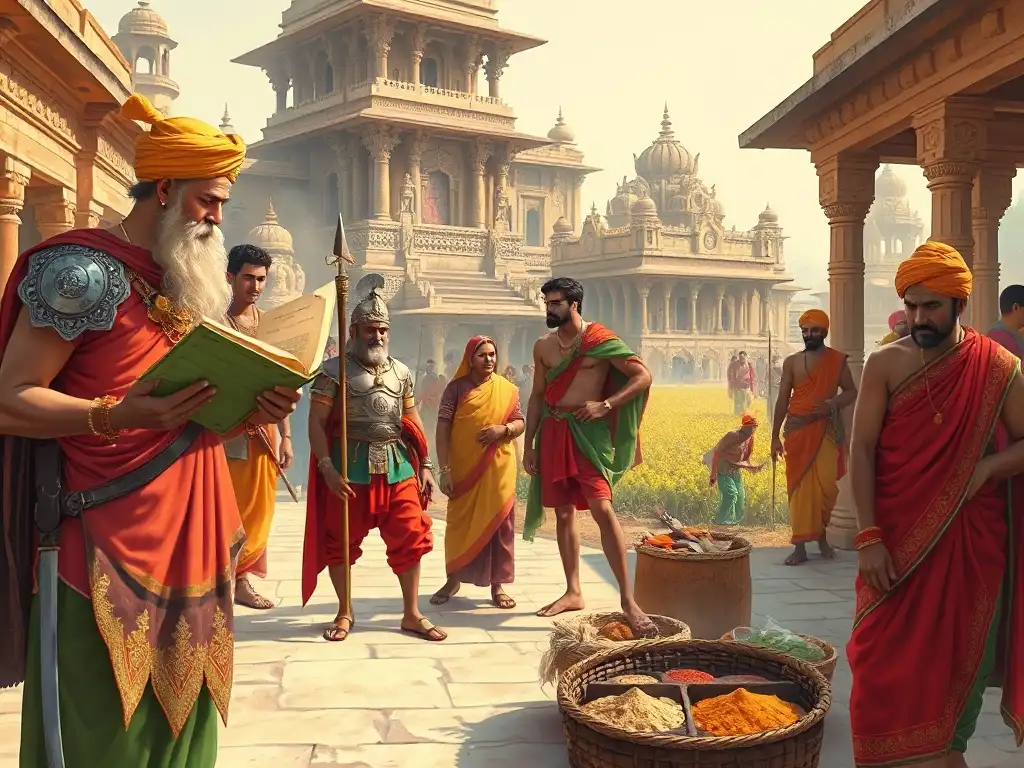
The caste system in ancient India is a complex social hierarchy that has had a profound impact on the cultural and social fabric of the region. It is characterized by a division of society into distinct groups, known as "varnas," traditionally classified into four primary categories: Brahmins (priests and scholars), Kshatriyas (warriors and rulers), Vaishyas (traders and agriculturists), and Shudras (laborers and service providers). This system not only dictated the social roles of individuals but also influenced various aspects of daily life, including marriage, occupation, and social interactions.
The caste system evolved significantly over time, influenced by historical events, economic changes, and cultural exchanges. Understanding its structure and the factors that shaped it is crucial to comprehending the social dynamics of ancient India, especially during the Gupta Empire, which played a pivotal role in the transformation of this system.
Definition and Structure of the Caste System
The caste system is fundamentally a social stratification determined by birth, occupation, and ritual status. It is often represented in a hierarchical manner, with Brahmins at the top and Shudras at the bottom. This classification is not merely a reflection of social hierarchy, but also encapsulates the religious and cultural ethos of ancient Indian society.
- Brahmins: Responsible for religious rituals, teaching, and maintaining sacred knowledge.
- Kshatriyas: Tasked with protection and governance, they were the ruling class.
- Vaishyas: Engaged in commerce, agriculture, and trade, contributing to the economy.
- Shudras: Performed manual labor and served the higher castes, often marginalized in society.
The rigid structure of the caste system was further complicated by the emergence of numerous sub-castes or "jatis," which were based on specific professions, regions, and local customs. These jatis added layers to the caste hierarchy and made the system even more intricate.
Historical Development of the Caste System Before the Gupta Period
Before the Gupta Empire, the caste system underwent significant changes, influenced by various historical and cultural factors. The origins of the caste system can be traced back to the Vedic period (circa 1500–500 BCE), where the concept of varna began to take shape through texts like the Rigveda.
- Vedic Influence: The early Vedic society was relatively fluid, and there was some degree of mobility between the varnas. However, as time progressed, these divisions became more pronounced, leading to a rigid social structure.
- Regional Variations: Different regions of India developed their own local customs and practices, which often influenced the caste system. For example, the emergence of new trade routes and the influx of foreign cultures during the Mauryan period contributed to the diversification of jatis.
- Religious Texts: Manusmriti, written around the 2nd century BCE, codified the rules of the caste system, emphasizing the importance of adhering to one’s prescribed duties (dharma) based on caste. The text laid down strict regulations governing inter-caste relations and reinforced the hierarchy.
- Economic Factors: The growth of agriculture, trade, and urbanization during the post-Mauryan period also impacted the caste system. As new professions emerged, new jatis formed, leading to a more complex social structure.
- Political Changes: The fragmentation of power and the rise of local rulers often led to the establishment of new jati-based identities, sometimes challenging the traditional varna hierarchy.
The foundations laid during these periods set the stage for the Gupta Empire, where the caste system would continue to evolve, influenced by the empire's policies, cultural practices, and socio-economic conditions. Understanding this historical context is crucial for analyzing the Gupta Empire's influence on the caste system and its lasting implications on Indian society.
The Rise of the Gupta Empire

The Gupta Empire, often referred to as the Golden Age of India, emerged around the 3rd century CE and lasted until approximately the 6th century CE. Founded by Maharaja Sri Gupta, this empire is notable for its significant advancements in various fields, including art, science, and governance. The Gupta rulers established a centralized administration that laid the groundwork for a flourishing society characterized by stability and prosperity.
Key Features of the Gupta Empire’s Political Structure
The political structure of the Gupta Empire was marked by a combination of centralized authority and local governance, which allowed for effective administration across its vast territories.
- Monarchical System: The Gupta Empire was ruled by a series of powerful kings, with Chandragupta I as the most prominent early ruler. The monarchy was considered divine, and the kings were seen as the protectors of dharma (cosmic order).
- Administrative Divisions: The empire was divided into provinces called mahasthanas, each governed by a viceroy or local king, ensuring local needs were addressed while maintaining loyalty to the Gupta emperor.
- Bureaucratic Efficiency: The Gupta administration employed a well-organized bureaucracy. Officials were appointed based on merit rather than birth, which was a significant departure from the rigid caste hierarchy that would influence the caste system later on.
- Legal Framework: The Gupta rulers implemented a legal system that blended local customs with royal edicts, a practice that reinforced social norms and contributed to the evolution of the caste system during this period.
- Promotion of Education and Knowledge: The Gupta Empire established centers of learning, such as the famed Nalanda University, which attracted scholars from across Asia. This focus on education facilitated the dissemination of knowledge and culture, further influencing societal structures.
The political structure of the Gupta Empire not only contributed to its stability and prosperity but also laid the foundation for the evolution of the caste system, intertwining it with governance and societal norms.
Cultural and Economic Growth During the Gupta Period
The Gupta period is renowned for its cultural and economic advancements, which had a profound impact on ancient Indian society and the caste system.
- Art and Literature: The Gupta Empire witnessed a renaissance in art and literature. Classical Sanskrit literature flourished, with notable works such as Kalidasa's plays and Aryabhata's contributions to mathematics and astronomy. This cultural explosion facilitated the formation of a more defined social structure, as literary figures often belonged to specific caste groups.
- Trade and Commerce: Economic prosperity during the Gupta period was marked by extensive trade networks, both inland and maritime. The empire engaged in trade with regions as far as Rome and Southeast Asia, which enhanced the wealth of merchant classes. This economic increase allowed for greater social mobility, challenging existing caste boundaries.
- Religious Developments: Hinduism and Buddhism thrived during this era, leading to the establishment of numerous temples and monasteries. The patronage of these religious institutions contributed to the codification of social roles and the reinforcement of the caste system, as religious leaders often held significant influence over societal norms.
- Agricultural Innovations: Advances in agriculture, including improved irrigation techniques and crop rotation, led to increased yields and food security. A prosperous agrarian base supported a growing population and diversified the economy, influencing labor division and, consequently, caste designations.
- Social Stratification: While the Gupta Empire promoted meritocracy within its bureaucracy, the existing caste system became more pronounced during this time. The intertwining of economic power with caste status solidified the social hierarchy, influencing the roles and privileges associated with different castes.
The cultural and economic growth during the Gupta period was instrumental in shaping the social landscape of ancient India. The interplay between prosperity, art, and the caste system established a complex social hierarchy that would influence Indian society for centuries to come.
Gupta Empire's Influence on the Caste System

The Gupta Empire, often referred to as the "Golden Age of India," played a pivotal role in shaping various aspects of Indian society, including the caste system. This period, spanning from approximately 320 to 550 CE, saw significant political stability, economic prosperity, and cultural flourishing. The caste system, which had existed prior to the Gupta era, underwent notable transformations influenced by the empire’s socio-political and religious dynamics.
The Gupta rulers promoted a hierarchical society that emphasized the importance of caste in maintaining social order. This era reinforced the existing caste divisions while also allowing for some degree of fluidity. The political structure relied on a complex network of relationships between various castes, with the Brahmins often occupying influential positions as advisors and scholars. This consolidation of power among the Brahmins contributed to the codification of caste roles and responsibilities, which were further elaborated in texts like the Manusmriti.
Moreover, the Gupta Empire's patronage of Hinduism led to the elevation of certain castes, particularly the Kshatriyas and Vaishyas, who were seen as essential to the empire's military and economic success. This reinforced the social hierarchy but also opened avenues for upward mobility within the caste structure, especially for those who could demonstrate loyalty and service to the empire.
Changes in Caste Hierarchy During the Gupta Era
The Gupta period witnessed significant shifts in the caste hierarchy, reshaping how individuals interacted within the social framework. One of the most notable changes was the increasing prominence of the merchant class (Vaishyas), which aligned with the empire's commercial expansion. As trade flourished, so did the wealth and influence of Vaishyas, allowing them to gain a foothold in the socio-political landscape.
- Rise of New Sub-Castes:
- The prosperity of trade led to the emergence of new sub-castes (jatis), creating a more complex social structure. These sub-castes often formed based on occupation, regional affiliations, or economic status.
- For example, the rise of guilds among merchants led to the formation of specific merchant castes that operated within defined trade sectors, which further solidified their social standing.
- Increased Mobility:
- While the caste system remained rigid, certain mechanisms allowed for upward mobility. Successful merchants and warriors could often elevate their status through wealth or military achievements.
- This shift indicated a gradual movement towards a more dynamic caste system, where merit could, to some extent, influence one's social standing.
- Brahminical Authority:
- The Brahmins solidified their role as educators and keepers of sacred knowledge. Their authority in legal and religious matters led to the entrenchment of caste rules within society.
- Texts from this period, such as the Dharmashastras, reinforced caste duties and responsibilities, thereby institutionalizing the hierarchical structure.
The Role of Religion and Philosophy in Shaping Caste Dynamics
Religion and philosophy were integral to understanding the caste dynamics during the Gupta Empire. The revival of Hinduism played a significant role in reinforcing caste distinctions and legitimizing social hierarchies.
- Hindu Textual Tradition:
- The period saw the compilation and interpretation of various Hindu texts that codified the caste system, emphasizing dharma (duty) according to one’s caste.
- The Manusmriti, for example, outlined specific duties and moral obligations for each caste, contributing to the definition and maintenance of social order.
- Philosophical Developments:
- The rise of schools of thought within Hindu philosophy, such as Vedanta and Mimamsa, provided a religious underpinning for the caste system. They argued that fulfilling one’s duties according to caste was essential for maintaining cosmic order (rita).
- This philosophical justification helped to sustain the social hierarchy, as deviating from one’s prescribed role was viewed as disrupting societal balance.
- Religious Rituals and Practices:
- Rituals and ceremonies during this era often reinforced caste boundaries, as participation was typically restricted based on caste identity.
- The performance of rituals by Brahmins, for instance, solidified their status as intermediaries between deities and the rest of society, further entrenching caste divisions.
Integration of Regional Cultures and Their Impact on the Caste System
As the Gupta Empire expanded, it encountered a variety of regional cultures, each with its own customs and social structures. This interaction led to significant changes in the caste system, as local practices and beliefs were integrated into the broader framework of Gupta society.
- Cultural Syncretism:
- The assimilation of local customs often led to the emergence of new caste groups as local identities were incorporated into the existing hierarchical system.
- For example, tribal communities that were integrated into Gupta society began to adopt and adapt to the existing caste norms, leading to the creation of unique sub-castes.
- Regional Variations:
- The caste system was not uniform across the vast territories of the Gupta Empire. Different regions exhibited variations in the interpretation and implementation of caste rules.
- In some areas, local leaders or kings could challenge Brahminical authority, creating a more flexible caste structure that allowed for regional adaptations.
- Impact of Trade and Interaction:
- Increased trade and interaction with foreign cultures, such as the Huns and later the Arabs, introduced new ideas and practices that influenced the caste system.
- The influx of goods and ideas led to a blending of cultures, resulting in shifts in social norms and the emergence of hybrid caste identities.
The Gupta Empire's influence on the caste system was multifaceted, involving changes in social hierarchy, the reinforcement of religious and philosophical justifications, and the integration of diverse regional cultures. This complex interplay contributed to a dynamic and evolving caste system that reflected the socio-political realities of the time.

During the Gupta period (approximately 320 to 550 CE), the caste system in India exhibited both rigidity and flexibility. While the traditional varna framework categorized society into four primary groups—Brahmins (priests and scholars), Kshatriyas (warriors and rulers), Vaishyas (merchants and agriculturists), and Shudras (laborers and service providers)—there were notable avenues for social mobility.
- Economic Growth and Urbanization:
- The Gupta Empire is renowned for its economic prosperity, which was largely driven by trade and agriculture. This economic expansion allowed individuals from lower castes, particularly the Vaishyas, to accumulate wealth and rise in status. As trade flourished, successful merchants could gain influence and social standing, sometimes even achieving honorary titles previously reserved for the higher varnas.
- Educational Opportunities:
- The establishment of centers of learning, such as Nalanda and Takshashila, played a pivotal role in social mobility. The Gupta rulers supported the education of individuals from diverse backgrounds. Aspiring scholars from lower castes could gain access to knowledge, thereby enabling them to ascend socially by becoming educators, administrators, or even influential advisors.
- Inter-Caste Marriages:
- While still limited, inter-caste marriages began to emerge as a means of mobility. Wealthy individuals often sought to strengthen their social alliances through marriage, allowing for a blurring of caste lines. This practice, though not widespread, indicated a gradual shift in the rigidity of the caste structure.
- Royal Patronage:
- The Gupta emperors often promoted individuals based on merit rather than caste alone. This meritocracy allowed talented individuals from lower castes to attain positions of power and influence, facilitating a more dynamic social structure than in previous eras.
Case Studies of Prominent Figures in Gupta Society
Examining specific individuals from the Gupta period reveals the complexities of social mobility within the caste system. These case studies illustrate how personal achievements could transcend traditional caste boundaries.
- Kalidasa:
- Regarded as one of the greatest poets and playwrights in Sanskrit literature, Kalidasa's exact caste is debated. However, his works indicate a high level of education and cultural sophistication, suggesting that he may have come from a non-Brahmin background. His rise to prominence as a court poet under the Gupta kings exemplifies how talent and patronage could enable individuals to achieve status irrespective of their caste origins.
- Vatsyayana:
- The author of the Kama Sutra, Vatsyayana's contributions to literature and philosophy highlight the potential for social mobility among intellectuals. Though his caste remains uncertain, his influence in Gupta society suggests that educated individuals could gain recognition and respect, potentially challenging the traditional caste hierarchy.
- Harsha Vardhana:
- Although technically outside the Gupta Empire, Harsha's reign in Northern India (606-647 CE) reflected the ongoing evolution of social structures influenced by Gupta practices. His ascendancy from a lesser-known family to a powerful king illustrates how individual merit could lead to significant social elevation, further emphasizing the gradual shifts occurring within the caste norms established during the Gupta period.
These case studies not only highlight individual achievements but also reflect broader societal changes during the Gupta Empire, showcasing a unique interplay between caste and social mobility.
By understanding the nuances of the Gupta Empire's influence on the caste system, it becomes evident that while traditional hierarchies persisted, the environment fostered opportunities for individuals to transcend their birth circumstances, enriching the social fabric of ancient India.
The Impact of Trade and Economy on the Caste System

Economic Factors Contributing to Caste Evolution
The Gupta Empire, flourishing from approximately 320 to 550 CE, marked a significant period in Indian history characterized by economic prosperity and cultural revival. One of the critical aspects influencing the caste system during this era was the evolving economic landscape, which played a pivotal role in shaping social hierarchies.
Agricultural Prosperity
Agriculture was the backbone of the Gupta economy, with advancements in farming techniques leading to increased productivity. The surplus produced allowed for the emergence of new social classes within the caste system. Landowners, often belonging to the Kshatriya or Vaishya varnas, began to accumulate wealth and power, thereby solidifying their status. This economic strength enabled them to exert influence over the lower castes, often leading to more rigid caste boundaries.
Emergence of New Professions
As trade flourished, new professions arose, creating opportunities for individuals from various castes. Artisans and merchants gained prominence, particularly in urban centers. This diversification of occupations contributed to the evolution of the caste system, as these new economic roles began to challenge traditional caste boundaries. For instance, the growth of skilled craftsmen and traders led to the formation of sub-castes or jatis, which provided a means for upward mobility based on economic success rather than strictly adhering to hereditary status.
Taxation and State Control
The Gupta rulers imposed a structured taxation system, which further influenced caste dynamics. Different castes were often assigned specific roles in tax collection and administration. The Brahmins, traditionally seen as spiritual leaders, also took on administrative functions, thereby intertwining their status with economic power. This integration reinforced the caste hierarchy and established a link between economic roles and social standing.
Trade routes during the Gupta Empire significantly impacted caste relations and the overall social structure of ancient India. The extensive network of trade facilitated interactions between diverse groups, which in turn influenced the caste system.
Interactions and Cultural Exchange
The Gupta Empire was strategically positioned along key trade routes that connected India with regions such as Central Asia and Southeast Asia. This interaction allowed for the exchange of goods, ideas, and cultural practices. As merchants traveled between different kingdoms, they brought back new customs and philosophies, leading to a gradual blending of social norms and practices. Such exchanges often encouraged a more fluid interpretation of caste identities, as individuals engaged with wider societal contexts and diversified their social interactions.
Urbanization and Social Mobility
The growth of urban centers during the Gupta period created environments where traditional caste boundaries were less rigid. In bustling marketplaces, individuals from different castes interacted more freely, leading to a reassessment of social hierarchies. Urbanization allowed for increased social mobility, as successful merchants and artisans could elevate their status, thereby challenging the established norms of the caste system.
The Role of Guilds
Trade guilds, or shrenis, emerged as powerful entities within urban settings. Comprised of individuals from various castes, these guilds played a crucial role in regulating trade practices and protecting the interests of their members. The collaborative nature of guilds fostered a sense of solidarity among diverse groups, which often transcended traditional caste divisions. This contributed to a more complex social structure where economic collaboration could diminish the rigidities of caste segregation.
The Gupta Empire's influence on the caste system was multifaceted, with economic factors and trade dynamics playing essential roles in shaping social structures. The interplay between agriculture, urbanization, and trade not only reinforced existing hierarchies but also allowed for new forms of social mobility and interaction, illustrating the evolving nature of the caste system in ancient India.
Legacy of the Gupta Empire's Caste System Influence

The Gupta Empire, often hailed as a golden age of ancient India, had profound implications on the social structures of its time, particularly the caste system. This period, which spanned from approximately 320 to 550 CE, saw significant advancements in arts, sciences, and philosophy. However, one of its crucial legacies lies in its influence on the caste system, which became more rigid and stratified during this era, shaping the social dynamics of subsequent Indian history.
The Gupta rulers promoted a hierarchical structure that reinforced existing caste divisions while also allowing for some fluidity among certain groups. This dual approach not only institutionalized caste distinctions but also integrated them deeply into the socio-political framework of the time. The patronage of Brahmins by the Gupta kings, who were instrumental in codifying and promoting Hindu rituals and texts, further solidified the caste system's role in governance and society.
Long-Term Effects on Indian Society and Culture
The influence of the Gupta Empire on the caste system reverberated throughout Indian society, leaving enduring effects that can be observed even today. Among the most significant long-term consequences include:
- Cementation of Caste Identity: The Gupta period saw a consolidation of caste identities, where social status became heavily tied to caste. This was reflected in literature and religious texts that often exalted the roles of higher castes, particularly the Brahmins and Kshatriyas, while depicting lower castes in a marginal light.
- Legitimization of the Caste Hierarchy: The codification of the caste system during this era provided a legal framework that justified the social order. Texts such as the Manusmriti, which gained prominence during the Gupta Empire, laid down rules and regulations that further entrenched caste roles, making it difficult for individuals to transcend their assigned social status.
- Impact on Economic Structures: The caste system influenced economic activities, as certain professions became associated with specific castes. This specialization not only limited occupational mobility but also contributed to the economic stratification of society, where wealth and resources were concentrated among higher castes.
- Cultural Practices and Rituals: The Gupta Empire's influence also extended into cultural practices, where rituals and ceremonies became increasingly tied to caste identity. This association has shaped religious practices in India, affecting everything from marriage customs to dietary restrictions that persist to this day.
- Social Stratification and Conflict: The rigid caste system sowed the seeds for social stratification and conflicts, as tensions arose between different caste groups. This legacy of division has continued to affect social relations in modern India, contributing to ongoing discussions around caste-based discrimination and social justice.
The Evolution of the Caste System Post-Gupta Empire
Following the decline of the Gupta Empire, the caste system continued to evolve, influenced by various socio-political changes. Key aspects of this evolution include:
- Regional Variations: As India fragmented into different kingdoms after the Gupta period, regional variations of the caste system emerged. Local customs and practices began to influence caste identities, leading to a more complex and diverse social landscape.
- Integration with Local Cultures: The arrival of new religions such as Islam and the spread of Buddhism also impacted the caste dynamics. While some communities adapted to these new influences, others resisted changes, resulting in a blend of traditional caste practices with new religious ideologies.
- Reform Movements: The late medieval period and the colonial era saw the rise of reform movements aiming to challenge and dismantle the rigid caste hierarchy. Leaders such as Jyotirao Phule and Dr. B.R. Ambedkar emerged as prominent figures advocating for the rights of lower castes and promoting social equality.
- Modern Implications: In contemporary India, the legacy of the Gupta Empire's caste system influence is evident in ongoing debates about caste-based affirmative action and social justice. The caste system, rooted deeply in the historical context established during the Gupta era, continues to shape social dynamics and policy discussions in modern Indian society.
The Gupta Empire's caste system influence not only defined the social fabric of its time but also laid the groundwork for the complex caste dynamics that have persisted through centuries, impacting various aspects of life in India.
Conclusion
Summary of Key Points on the Gupta Empire's Caste System Influence
The Gupta Empire, which flourished from approximately 320 to 550 CE, played a pivotal role in shaping the social fabric of ancient India, particularly the caste system. Here are the key points regarding its influence:
- Reinforcement of Varna System: The Gupta period saw a significant reinforcement of the existing varna system, which categorized society into four primary groups: Brahmins (priests and scholars), Kshatriyas (warriors and rulers), Vaishyas (merchants and farmers), and Shudras (laborers and service providers). The Gupta rulers endorsed this hierarchy, which helped solidify caste distinctions and roles across the empire.
- Patronage of Brahmins: The Gupta rulers extensively patronized Brahmins, leading to an elevation in their status and influence. This patronage not only facilitated the preservation and dissemination of religious texts but also allowed Brahmins to play a crucial role in administration and governance, further entrenching their position within the caste system.
- Legislation and Social Regulation: During the Gupta Empire, there was considerable emphasis on laws that regulated social conduct and caste duties. Texts from this period, such as the Manusmriti, codified rules that defined the rights and responsibilities of different castes, which had lasting impacts on the social structure.
- Emergence of Jati: The Gupta era also witnessed the proliferation of jati (sub-castes), which added further complexity to the caste system. These subdivisions arose from local customs, occupational specialization, and intermarriage, resulting in a more intricate social hierarchy.
Understanding the influence of the Gupta Empire on the caste system is crucial for several reasons:
- Cultural Legacy: The caste system has had a lasting impact on Indian society, shaping social interactions, economic opportunities, and political structures. Analyzing its evolution during the Gupta period provides insights into how historical contexts influence contemporary social issues.
- Historical Context: The Gupta Empire represents a critical juncture in Indian history, and its social policies reflect broader trends in governance and societal organization. By studying this period, historians can better grasp how power dynamics and cultural practices interact to form social hierarchies.
- Lessons for Modern Society: The examination of ancient social structures, including the caste system, can inform current discussions on inequality, discrimination, and social justice in India and beyond. By understanding the roots and development of these systems, we can engage in more informed dialogues about reform and progress.
The Gupta Empire's influence on the caste system illustrates a complex interplay of power, culture, and social organization that has resonated through the ages, shaping not only ancient India but also its modern successor.
Frequently Asked Questions
What was the Gupta Empire's influence on the caste system?
The Gupta Empire played a significant role in solidifying and formalizing the caste system in ancient India, promoting social stratification that impacted various aspects of life.
During the Gupta period, the caste system became more entrenched, with clearer rules and roles for each caste, which helped maintain social order and stability in society.
Were there any notable changes to the caste system during the Gupta Empire?
Yes, the Gupta Empire introduced more rigid classifications within the caste system, leading to increased social mobility restrictions for lower castes, which affected their opportunities and rights.
How did religion interact with the caste system in the Gupta Empire?
The Gupta Empire saw the promotion of Hinduism, which reinforced the caste system by linking religious practices and social roles, further intertwining spiritual beliefs with social hierarchy.
What legacy did the Gupta Empire leave regarding the caste system?
The influence of the Gupta Empire on the caste system laid the groundwork for its perpetuation in later centuries, affecting social dynamics in India well beyond the Gupta period.
Final Reflection: The Enduring Legacy of the Gupta Empire's Influence on the Caste System
The exploration of the Gupta Empire's influence on the caste system reveals a profound connection between historical governance and social structure that resonates in contemporary society. As we examine the intricate dynamics of caste during this golden age of Indian civilization, it becomes evident that the ramifications of these ancient practices still echo in today's social fabric. The Gupta Empire not only shaped the political landscape but also laid the groundwork for enduring social hierarchies, reminding us that history is not merely a collection of past events but a living narrative that continues to influence our present.
The impact of the Gupta Empire on the caste system has woven itself into the cultural and social tapestry of India, affecting millions of lives over centuries. This historical influence serves as a lens through which we can understand the complexities of identity, belonging, and social stratification. As we reflect on the lasting effects of these ancient structures, we recognize that they have shaped not only societal norms but also individual experiences. History is not a burden on the memory but an illumination of the soul.
This quote encapsulates the importance of understanding our past to navigate our present and future.
As we conclude this exploration, I invite you to reflect on the lessons from the Gupta Empire and consider how they apply to your own life and society today. How can we learn from the past to foster inclusivity and challenge outdated hierarchies? Embrace the opportunity to engage with history, not just as a record of what has been, but as a guide for what can be. Let us strive to create a future that honors the diversity of human experience and promotes equality, drawing inspiration from the complexities of our shared past.
Unveil the Legacy of the Gupta Empire!
Thank you for diving into the rich history of the Gupta Empire and its remarkable influence on the caste system in ancient India! We hope you’ve gained valuable insights into how this powerful era shaped societal structures that continue to resonate today.
Now it’s time to take that knowledge further! Here are a few ways you can engage with this fascinating topic:
- Explore More: Dive into additional resources on ancient Indian history by visiting our archives. Discover how various empires have influenced cultural identities across time!
- Share Your Thoughts: Discuss this article with friends or on social media. Ask them how they believe the Gupta Empire impacts modern society. Your perspective could spark enlightening conversations!
- Join the Community: Connect with fellow history enthusiasts in our online forum. Share your findings, ask questions, and collaborate on exploring the influences of ancient civilizations.
What aspect of the Gupta Empire’s legacy do you think has the strongest impact on today’s social structures? We’d love to hear your thoughts!