
Love and Arranged Marriages: The Duality of Ancient Indian Matrimony

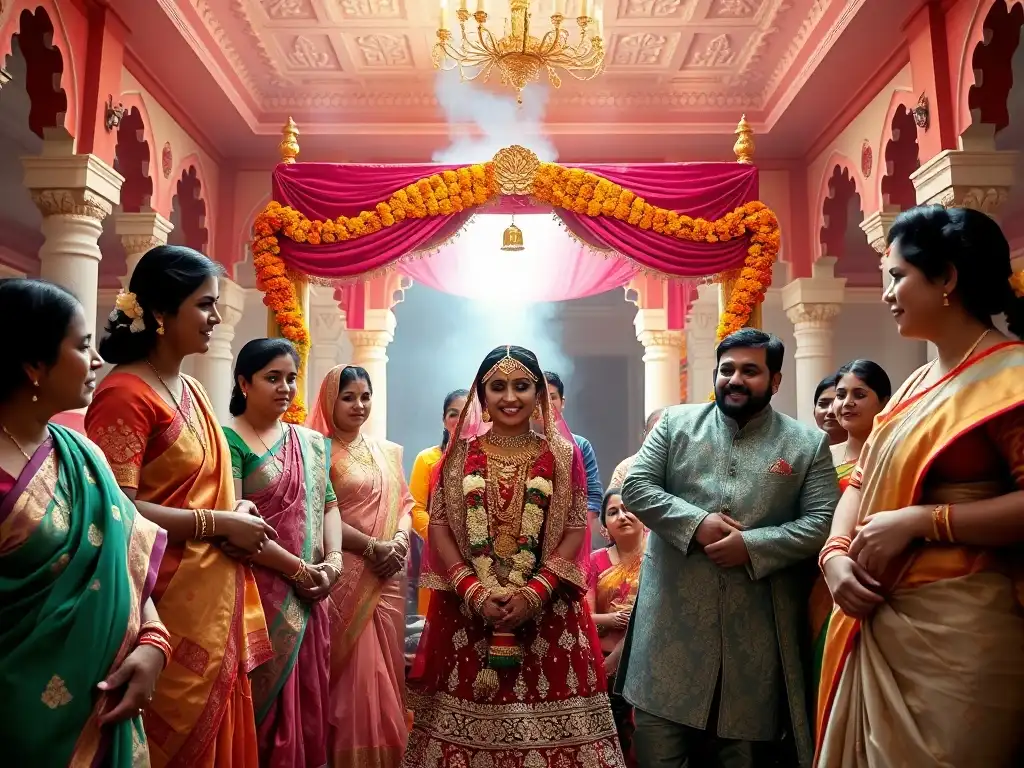
Welcome to Ancient India History, where we journey through the fascinating tapestry of India's rich and diverse past. Today, we delve into the compelling world of ancient Indian marriage traditions, exploring the duality of love and arranged marriages that shaped not only personal lives but also societal structures. What were the rituals, customs, and beliefs that guided these unions? Join us as we uncover the layers of history behind matrimony in ancient India, and discover how these age-old practices continue to influence modern relationships. Your adventure into the intricate dynamics of ancient marriages starts here!
- Introduction to Ancient Indian Marriage Traditions
- Understanding Love Marriages in Ancient India
- Exploring Arranged Marriages in Ancient Indian Culture
- The Duality of Love and Arranged Marriages
- Evolution of Marriage Practices in Ancient India
- Conclusion: The Legacy of Ancient Indian Marriage Traditions
-
Frequently Asked Questions
- What were the primary types of marriages in ancient India?
- How did societal norms influence ancient Indian marriage traditions?
- What role did religion play in ancient Indian marriages?
- Were there any specific rituals associated with ancient Indian marriages?
- How did ancient Indian marriage traditions evolve over time?
- Final Reflection: Embracing the Duality of Ancient Indian Marriage Traditions
- Embrace the Journey of Love and Tradition
Introduction to Ancient Indian Marriage Traditions
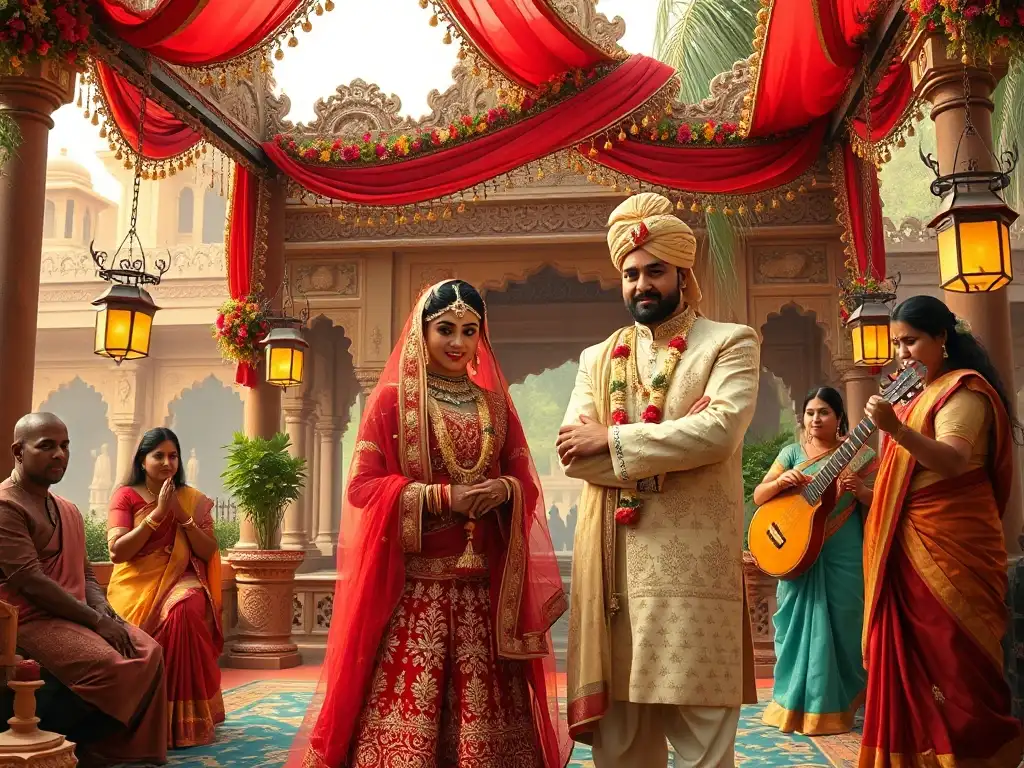
Marriage in ancient India was not merely a personal bond between two individuals; it was a significant institution that intertwined with the broader social, cultural, and economic fabric of society. The complexity of ancient Indian marriage traditions reflects the diversity of its civilizations, from the sophisticated urban centers of the Indus Valley to the flourishing kingdoms of the Gupta Empire.
This article delves into the duality of love and arranged marriages, highlighting how these practices shaped familial structures and social norms throughout ancient Indian history. By examining these marriage traditions, we can gain insights into the values, beliefs, and lifestyles of ancient Indian societies, shedding light on their enduring impact on contemporary marriage practices.
Overview of Marriage in Ancient India
In ancient India, marriage was seen as a sacred duty and a vital social contract. The institution of marriage was deeply rooted in religious and cultural beliefs, often linked to the concepts of dharma (duty) and karma (action). Marriages were typically arranged by families, emphasizing the importance of social status, caste, and economic stability.
- Types of Marriages:
- Arranged Marriages: The predominant form, where families selected partners based on compatibility and social standing.
- Love Marriages: Though less common, these were based on mutual affection and personal choice, often leading to family disputes.
- Rituals and Customs:
- Each region had its unique customs, but common rituals included the Saptapadi (seven steps), where the couple would take seven vows together, signifying their commitment.
- Kanyadaan, the giving away of the bride, symbolized the transfer of responsibility from her family to her husband.
Significance of Marriage in Society and Culture
Marriage held profound significance in ancient Indian society, serving as a cornerstone for social structure and cultural continuity. It was not only a personal union but also a means of forging alliances between families, thereby strengthening communal ties.
- Social Stability: Marriages helped maintain social order by regulating relationships and ensuring the continuity of family lineage.
- Economic Alliances: Through marriages, families could enhance their wealth and resources, often arranging unions between families of different trades or statuses.
- Cultural Transmission: Marriages were instrumental in the transmission of cultural values and traditions, with rituals and practices often reflecting the region's customs and beliefs.
The duality of love and arranged marriages in ancient India illustrates the intricate relationship between personal choice and societal expectations. Understanding these marriage traditions provides a deeper appreciation for the rich tapestry of ancient Indian history and culture.
Understanding Love Marriages in Ancient India
Definition and Characteristics of Love Marriages
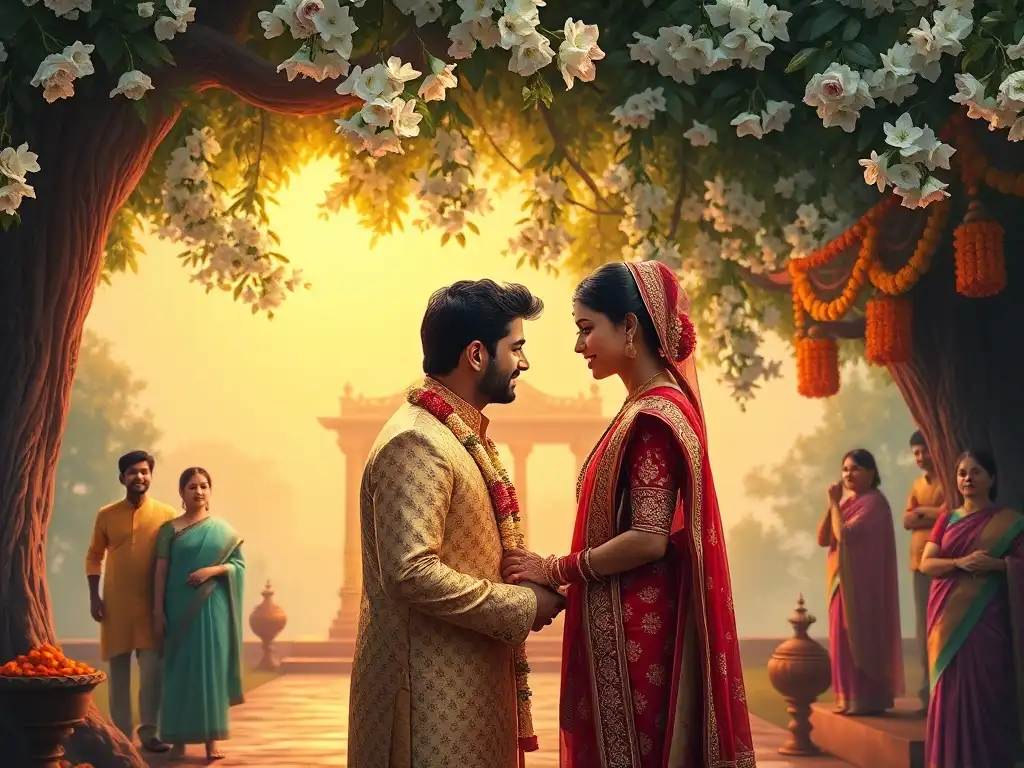
Love marriages in ancient India can be defined as unions formed primarily based on mutual affection and emotional connection between individuals, as opposed to being arranged by families or societal norms. These marriages emphasized personal choice and romantic love, which were often considered secondary to familial alliances in traditional Indian marriage customs.
Characteristics of Love Marriages:
- Mutual Consent: Both partners willingly agree to the union, prioritizing their emotional bond over familial considerations.
- Cultural Variability: Love marriages were not uniformly accepted across all regions or communities, leading to varied practices and acceptance levels.
- Individual Agency: The choice of partner reflects a growing sense of individual agency, where personal desires play a crucial role.
- Resistance to Norms: Love marriages often faced opposition from traditionalists, as they diverged from the accepted norms of arranged marriages.
These characteristics highlight a significant shift in the perception of marriage from a purely familial arrangement to a more personal and emotional bond between individuals.
Historical Context of Love Marriages in Ancient Indian Society
The historical context of love marriages in ancient India reveals a complex interplay between tradition and evolving social norms. While arranged marriages were the predominant practice, instances of love marriages can be traced back to ancient texts and historical accounts, indicating that romantic unions were not entirely absent from society.
- Epic Narratives: Texts like the Mahabharata and Ramayana depict love marriages, showcasing characters like Arjuna and Subhadra, or Rama and Sita, who illustrate the romantic ideals of their time.
- Caste Dynamics: The rigid caste system played a significant role in shaping marriage practices. Love marriages often transcended caste boundaries, which could lead to social upheaval and familial conflict.
- Changing Attitudes: As society progressed, particularly during the later Vedic period and into the medieval era, there was a gradual acknowledgment of personal choice in marriage, influenced by the rise of Bhakti movements and a growing emphasis on individual spirituality and emotional connections.
- Legal and Social Implications: While love marriages were sometimes seen as rebellious, they also laid the groundwork for future legal reforms regarding marriage and women's rights, as more individuals began to advocate for personal choice and agency in marital decisions.
Famous Examples of Love Marriages in Ancient Indian Literature
Ancient Indian literature is replete with tales of love marriages that have inspired generations and reflect the underlying cultural ethos of the time.
- Shiva and Parvati: Their union is celebrated in various texts, portraying a love story that transcends cosmic boundaries, embodying the essence of true love and devotion.
- Raja Vikramaditya and Vasantika: This legendary couple exemplifies the theme of love conquering all, as Vikramaditya defies societal expectations to be with his beloved Vasantika.
- Salim and Anarkali: Although this tale is often romanticized in later interpretations, it finds roots in historical narratives that speak to the forbidden love and the societal constraints of the Mughal era.
- Radha and Krishna: Their divine love story symbolizes the ideal of love and passion, influencing countless artistic and literary expressions, making them a quintessential representation of love marriages in Indian culture.
These examples from ancient literature not only serve as romantic tales but also reflect the evolving attitudes towards love and marriage, marking a significant chapter in the history of ancient Indian marriage traditions.
Exploring Arranged Marriages in Ancient Indian Culture
Definition and Characteristics of Arranged Marriages
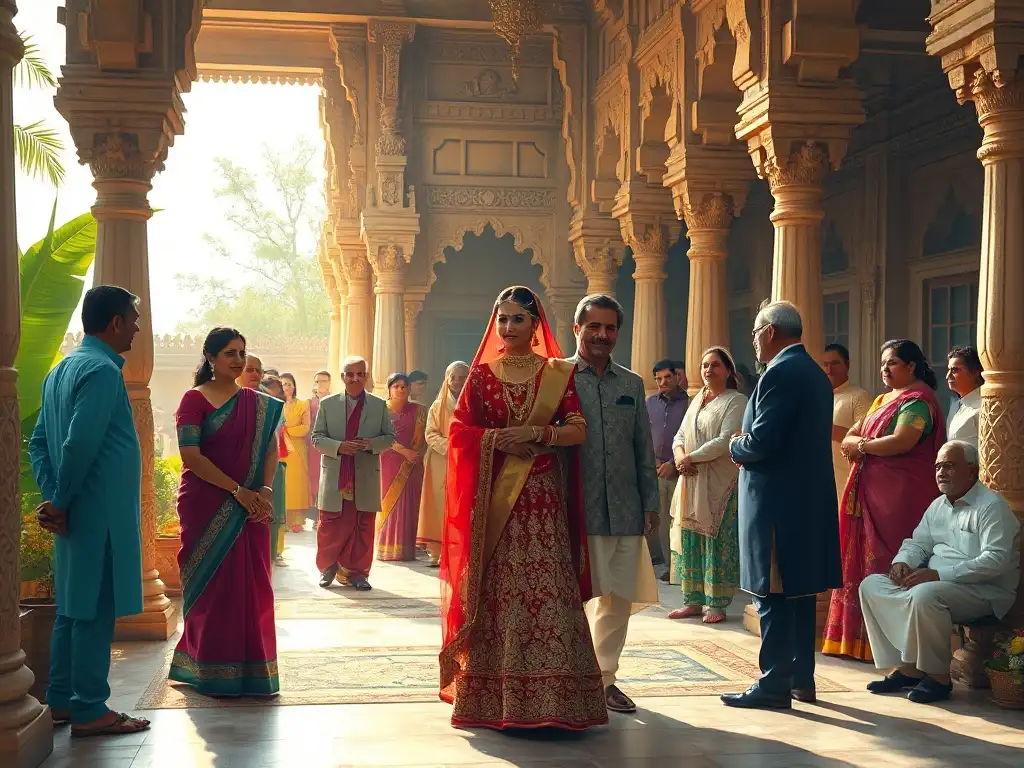
Arranged marriages have been a cornerstone of ancient Indian marriage traditions, playing a vital role in the social structure of Indian society. An arranged marriage is defined as a union where the families of the bride and groom take the lead in selecting the partners, often based on social status, caste, financial stability, and compatibility. Unlike love marriages, where individuals choose their partners based on personal affection, arranged marriages emphasize familial approval and societal norms.
Characteristics of Arranged Marriages:
- Family Involvement: The families of both the bride and groom are deeply involved in the matchmaking process. This involvement often extends to discussions about each family's background, economic situation, and social standing.
- Compatibility Criteria: Families consider various compatibility criteria, including educational qualifications, horoscopes (astrological compatibility), and family values.
- Timeline of Engagement: Once a suitable match is found, the families negotiate terms and set a timeline for engagement and marriage ceremonies.
- Collective Decision-Making: The final decision often involves elders in the family, ensuring that the marriage aligns with cultural traditions and expectations.
This structured approach helps maintain familial ties and social order, reflecting the importance of family in ancient Indian society.
Historical Roots of Arranged Marriages in Ancient India
The practice of arranged marriages in ancient India can be traced back to the Vedic period, around 1500 to 500 BCE. During this time, society was primarily organized around clans and families, where marriages were viewed as alliances between families rather than mere unions between individuals.
Several ancient texts, including the Manusmriti and Mahabharata, provide insight into the norms surrounding arranged marriages. These texts emphasize that marriage was a sacred duty (dharma) and a means to ensure the continuity of family lineage.
Key Historical Points:
- Vedic Tradition: In the Vedic era, marriages were often arranged based on caste and social status, as they were believed to preserve the purity of lineage.
- Kanyadaan Ritual: The kanyadaan ritual, where the father gives away his daughter in marriage, symbolizes the merging of two families and the importance of familial consent in the matrimonial process.
- Political Alliances: Arranged marriages were frequently used to forge political alliances, especially among royal families. This practice helped consolidate power and establish peace between rival clans.
- Enduring Legacy: The legacy of arranged marriages has persisted through the ages, with modifications to adapt to changing societal norms, yet the core principles remain intact.
The Role of Families in Arranged Marriages
In ancient Indian marriage traditions, the role of families was paramount. Families not only facilitated the matchmaking process but also played a crucial role in ensuring the success of the marriage.
Family Roles:
- Matchmakers: Families would often engage matchmakers, who acted as intermediaries to find suitable partners. These individuals had extensive knowledge of the community and could suggest matches based on compatibility.
- Negotiators: Families negotiated various aspects of the marriage, including dowry, which, despite its controversial nature, was often a focal point in arranged marriages. The dowry served as a reflection of the bride's family's status.
- Support Systems: Families provided emotional and financial support during and after the wedding ceremony, reinforcing the idea that marriage was a collective family affair.
- Cultural Transmission: Families played a significant role in transmitting cultural values and practices related to marriage, ensuring that traditions were upheld across generations.
The role of families in arranged marriages highlights the significance of communal bonds and shared values in ancient Indian society. The emphasis on collective decision-making and familial approval underscores the traditional view of marriage as a partnership between families rather than just individuals.
The Duality of Love and Arranged Marriages
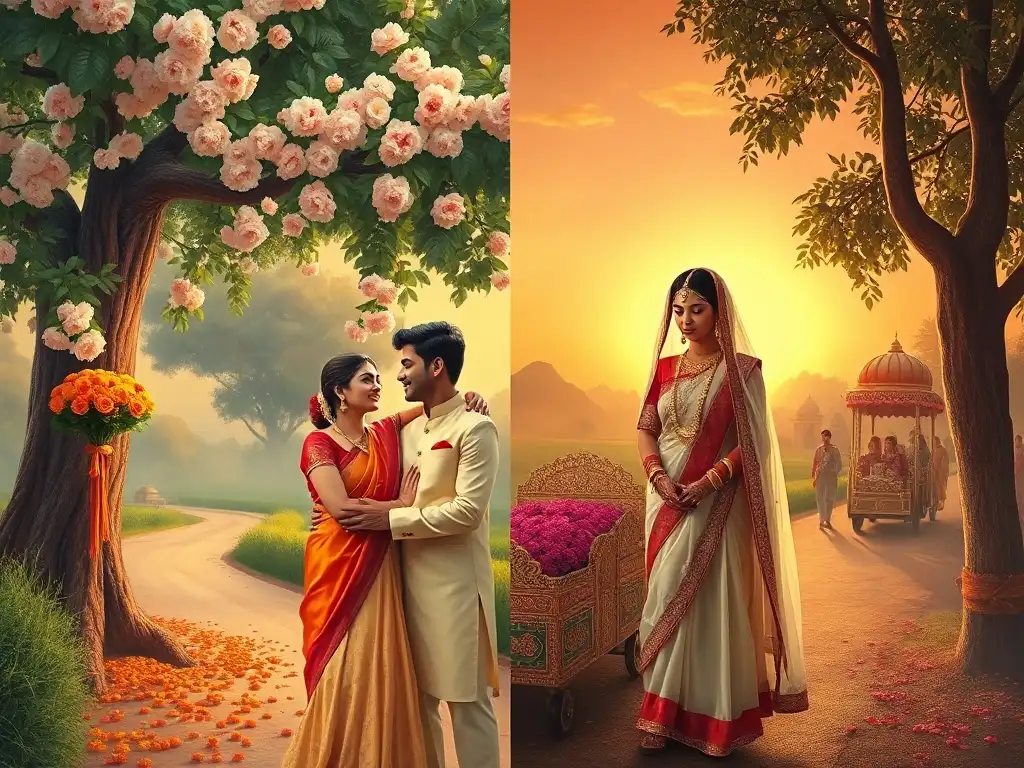
Ancient Indian marriage traditions reflect a complex tapestry of beliefs, customs, and practices that have evolved over millennia. Central to this tapestry is the duality of love and arranged marriages, both of which played significant roles in the societal structure of ancient India. While arranged marriages were predominantly favored due to their alignment with family interests, love marriages also found their place, albeit within certain constraints. This section explores the intricate dynamics between these two forms of matrimony, emphasizing their cultural, social, and personal implications.
Comparative Analysis of Love and Arranged Marriages
The distinction between love and arranged marriages in ancient India can be traced back to varying motivations behind these unions.
- Arranged Marriages:
- Typically orchestrated by families, arranged marriages were seen as a means to strengthen familial ties and social alliances.
- Parents or guardians would consider factors such as social status, economic stability, and caste before finalizing a match.
- The emphasis was often on the compatibility of families rather than individual preferences.
- Love Marriages:
- In contrast, love marriages stemmed from personal choice and emotional connection between partners.
- While these unions were less common, they were celebrated in literature and folklore, highlighting the human desire for romantic love.
- Love marriages often faced societal resistance, particularly if they crossed caste or class lines, leading to familial disputes.
The historical texts and narratives provide examples of both practices, showcasing how they were influenced by the prevailing social norms and values of the time.
Cultural Perceptions of Love vs. Arranged Marriages
Cultural perceptions surrounding love and arranged marriages in ancient India were deeply rooted in tradition, with each form of marriage carrying its own societal weight.
- Romantic Ideals:
- Love was idealized in various forms of ancient literature, such as the Kama Sutra and poetic works, depicting the beauty and sanctity of romantic relationships.
- Characters in epics often engaged in love marriages, portraying the struggles and triumphs that accompanied such unions, thus romanticizing the notion of love.
- Social Expectations:
- Arranged marriages were largely viewed as a duty to family and society. The expectation to honor familial decisions often superseded personal desires, reinforcing the idea that marriage was a social contract.
- Cultural narratives emphasized the importance of familial approval and the stability that arranged marriages brought to society, framing them as the responsible choice.
This duality in perception reveals how ancient Indian society grappled with the tension between individual desires and collective responsibilities.
Social status played a pivotal role in shaping marriage traditions in ancient India, influencing both love and arranged marriages.
- Caste System:
- The rigid caste system dictated marriage choices, often mandating arranged marriages within the same caste to preserve social hierarchies.
- Love marriages across caste lines were met with significant opposition and were often taboo, highlighting the societal barriers that hindered personal choice.
- Economic Considerations:
- Economic stability was a crucial factor in arranged marriages, where families assessed the financial standing of potential matches.
- In love marriages, financial implications were often secondary to emotional compatibility, yet the lack of economic security could jeopardize the acceptance of such unions.
The interplay between love and arranged marriages in ancient Indian marriage traditions illustrates a rich and multifaceted understanding of relationships. While arranged marriages remained the norm, love marriages offered an alternative narrative that challenged societal constraints, reflecting the evolving nature of human connections amidst cultural expectations.
Evolution of Marriage Practices in Ancient India
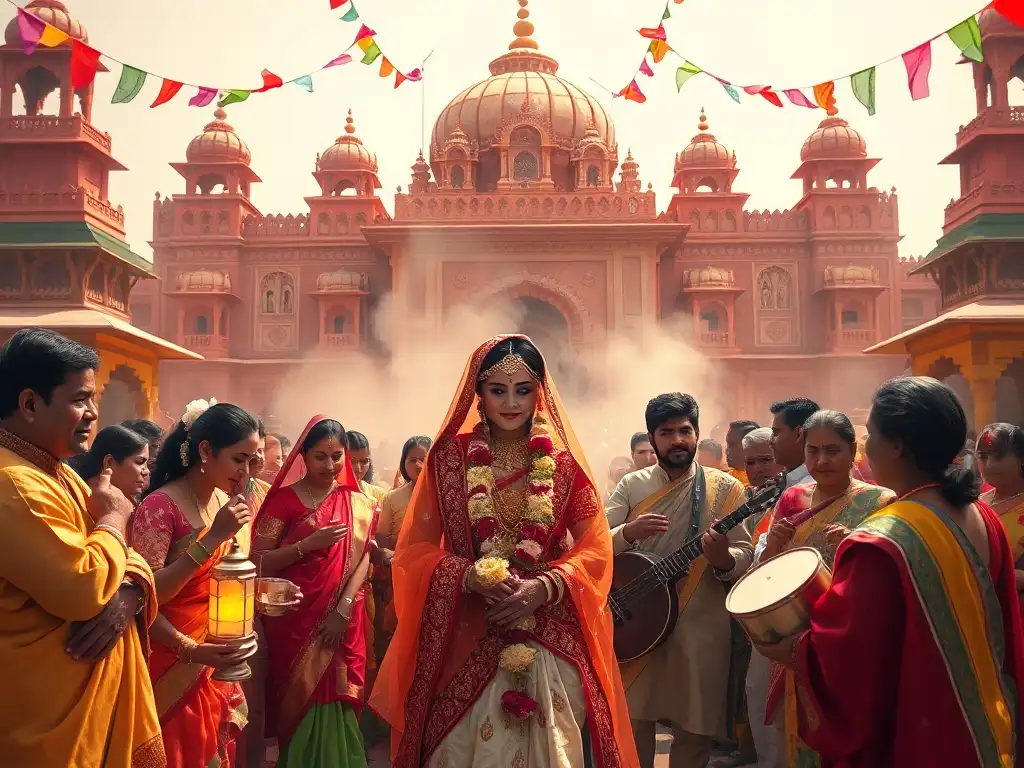
Changes in Love and Arranged Marriages Over Time
The evolution of marriage practices in ancient India reveals a complex interplay between love and arranged marriages. In the early Vedic period (c. 1500 BCE - 500 BCE), marriages were often characterized by Swayamvara, where a woman chose her husband from a group of suitors. This practice emphasized the role of individual choice, allowing for romantic affection to play a part in marital decisions.
However, over time, particularly during the later Vedic period and into the Maurya and Gupta empires, arranged marriages became more prevalent. Families began to take control of matrimonial alliances to strengthen social ties, consolidate wealth, and maintain caste purity. As a result, love marriages became less common, often viewed with skepticism.
In the medieval period, the concept of Kanyadaan emerged, highlighting the father's duty to give away his daughter, which further entrenched arranged marriages into societal norms. The idea was that marriage was not just a union of two individuals but a joining of families, thus elevating the importance of familial consent over personal choice.
The Impact of Religion and Philosophy on Marriage Traditions
Religion and philosophy have significantly influenced ancient Indian marriage traditions. The sacred texts of Hinduism, particularly the Manusmriti, provided guidelines that governed marital customs. It emphasized the importance of Dharma (duty) in marriage, where the husband and wife had specific roles, and their union was seen as a spiritual partnership aimed at fulfilling societal responsibilities.
Buddhism and Jainism also contributed to marital customs, promoting values such as mutual respect and emotional connection. However, these religions did not radically alter the prevailing norms of arranged marriages.
In addition to religious texts, philosophical teachings from various schools, including Nyaya and Vaisheshika, encouraged the idea of rationality in choosing a life partner, suggesting that compatibility in values and virtues was essential. This philosophical approach led to a gradual acceptance of love marriages, though they remained less common than arranged unions.
Modern Influences on Ancient Indian Marriage Traditions
The advent of colonialism and modernity brought about significant changes to ancient Indian marriage traditions. British colonial rule introduced legal frameworks that recognized personal choice in marriage, challenging the entrenched practices of arranged marriages. The Social Reform Movement in the 19th century further advocated for women's rights in choosing their spouses, leading to the gradual acceptance of love marriages among various communities.
In contemporary India, globalization and exposure to Western ideals have transformed traditional practices significantly. Today's youth often seek romantic relationships before marriage, leading to a blend of love and arranged marriages, commonly referred to as "love-cum-arranged marriages." This hybrid model reflects the continued evolution of ancient Indian marriage traditions, accommodating modern values while still respecting cultural heritage.
The duality of love and arranged marriages in ancient India highlights a dynamic social structure, where familial obligations coexist with individual desires, shaping the fabric of Indian society even today.
Conclusion: The Legacy of Ancient Indian Marriage Traditions
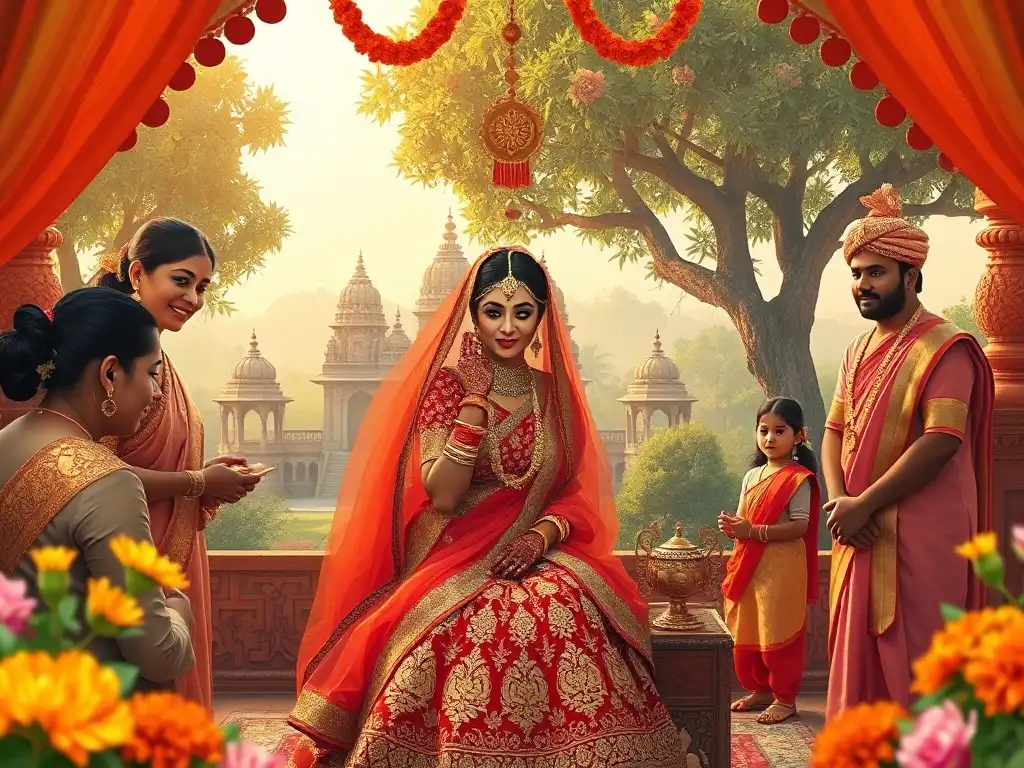
The intricate tapestry of ancient Indian marriage traditions reflects a profound understanding of love, duty, and social harmony. As we explore the duality of love and arranged marriages, it's essential to recognize how these customs have evolved over millennia while maintaining their core essence. Ancient Indian marriage practices were not merely personal unions but pivotal societal events that shaped family dynamics and cultural identities.
Reflections on Love and Arranged Marriages in Contemporary Society
In contemporary society, the dual concept of love and arranged marriages continues to resonate, albeit with modern adaptations. Many young couples today find themselves navigating the delicate balance between familial expectations and personal desires.
- Changing Perspectives: The perception of arranged marriages is gradually shifting, with many individuals now seeing them as an opportunity to explore compatibility within a framework of familial support. In urban areas, it’s not uncommon for arrangements to begin with a foundation of friendship or mutual interests, blending the lines of traditional and modern relationships.
- Influence of Education and Career: As education levels rise, individuals often prioritize career goals, leading to delayed marriages. This trend has encouraged a more pragmatic approach to love and partnerships, where compatibility is assessed through shared values and life goals rather than solely through caste or family background.
- Role of Technology: The advent of technology has transformed matchmaking processes. Online platforms now facilitate connections, making it easier for individuals to meet potential partners beyond their immediate social circles. This evolution reflects the ancient practice of alliances while adapting to contemporary norms.
The reflections on love and arranged marriages reveal a dynamic interplay of tradition and modernity, with individuals seeking to honor their heritage while also asserting their identities and choices.
The Enduring Influence of Ancient Indian Marriage Practices on Modern Relationships
The influence of ancient Indian marriage practices is evident in various aspects of modern relationships. These enduring traditions have shaped societal norms, family structures, and interpersonal dynamics.
- Cultural Rituals: Many cultural rituals from ancient times, such as saat phere (seven rounds around the sacred fire) and kanyadaan (giving away of the bride), remain integral to contemporary weddings. These practices symbolize the continuity of cultural heritage and the importance of community in marital unions.
- Family Involvement: Family involvement in marriage remains a significant aspect of Indian culture. The emphasis on familial consent and blessings reflects the age-old belief in the family's role in ensuring a successful marriage. This tradition fosters a sense of security and support for couples entering into matrimony.
- Gender Roles and Expectations: While ancient traditions often delineated specific roles for men and women, modern interpretations are evolving. There is a growing acceptance of more egalitarian partnerships, where both individuals share responsibilities and make collective decisions, although the remnants of traditional gender roles can still be observed in many communities.
The legacy of ancient Indian marriage traditions continues to shape modern relationships, blending the wisdom of the past with the aspirations of the present. By understanding and appreciating this duality, individuals can navigate their marital journeys with a deeper sense of cultural identity and personal agency.
Frequently Asked Questions
What were the primary types of marriages in ancient India?
In ancient India, two main types of marriages were prevalent: love marriages and arranged marriages. Love marriages were based on mutual affection, while arranged marriages were typically orchestrated by families.
How did societal norms influence ancient Indian marriage traditions?
Societal norms played a significant role in shaping marriage traditions. Families often prioritized alliances and social status, leading to arranged marriages that conformed to caste and community expectations.
What role did religion play in ancient Indian marriages?
Religion was integral to ancient Indian marriages, often dictating the rituals and customs involved. Various ceremonies and auspicious dates were chosen based on astrology and religious texts to ensure prosperity in the union.
Were there any specific rituals associated with ancient Indian marriages?
Yes, ancient Indian marriages were rich in rituals and festivities. Common practices included the Kanyadaan (giving away of the bride) and the Saptapadi (seven steps taken together), symbolizing the couple's commitment.
How did ancient Indian marriage traditions evolve over time?
Ancient Indian marriage traditions evolved due to cultural exchanges, foreign influences, and changing social dynamics. Over time, the balance between arranged and love marriages shifted, reflecting the societal transformation in India.
Final Reflection: Embracing the Duality of Ancient Indian Marriage Traditions
The exploration of love and arranged marriages within ancient Indian marriage traditions reveals a profound truth: these practices are not merely relics of the past but living traditions that continue to shape relationships today. As we navigate a world increasingly influenced by modernity, the duality of these marriage customs reminds us that love can flourish within the frameworks of tradition, creating a rich tapestry of human connection that transcends time.
Cultural narratives surrounding marriage have evolved, yet the essence of commitment and familial bonds remains steadfast. The interplay between love and arrangement in marriages has fostered a unique social fabric that continues to influence contemporary relationships. As we reflect on these traditions, we are reminded of the words of Indian author Khushwant Singh: Marriage is a matter of more than just love; it is a commitment to family, culture, and the future.
This perspective underscores the importance of understanding how ancient practices inform our present-day choices and relationships.
As we conclude this exploration, I invite you to reflect on your own understanding of love and commitment. Consider how the lessons from ancient Indian marriage traditions can inspire you to cultivate deeper connections in your life. Whether you find yourself in a love marriage or an arranged one, let the wisdom of the past guide you in nurturing relationships that honor both personal desires and familial ties. Embrace the duality of love and tradition, and allow it to enrich your journey toward meaningful connections.
Embrace the Journey of Love and Tradition
Thank you for exploring the fascinating world of love and arranged marriages in ancient India! Your interest in understanding these dynamics opens the door to a rich exploration of cultural heritage. Now, let’s take meaningful action together!
- Explore further: Dive into research on how love influenced societal structures in ancient India. Look for books or documentaries that offer deeper insights into this captivating topic.
- Share your thoughts: Discuss the balance of love and tradition with friends or family. What are their views on modern adaptations of marriage? Use your social media to spark a dialogue!
- Join the community: Become a part of online forums or groups focused on Indian matrimonial customs. Engage with others who share your curiosity and passion for history!
What do you think is the most significant lesson we can learn from the balance of love and arranged marriages today? Share your thoughts below!