
The Role of Astrology in Ancient Indian Marriages

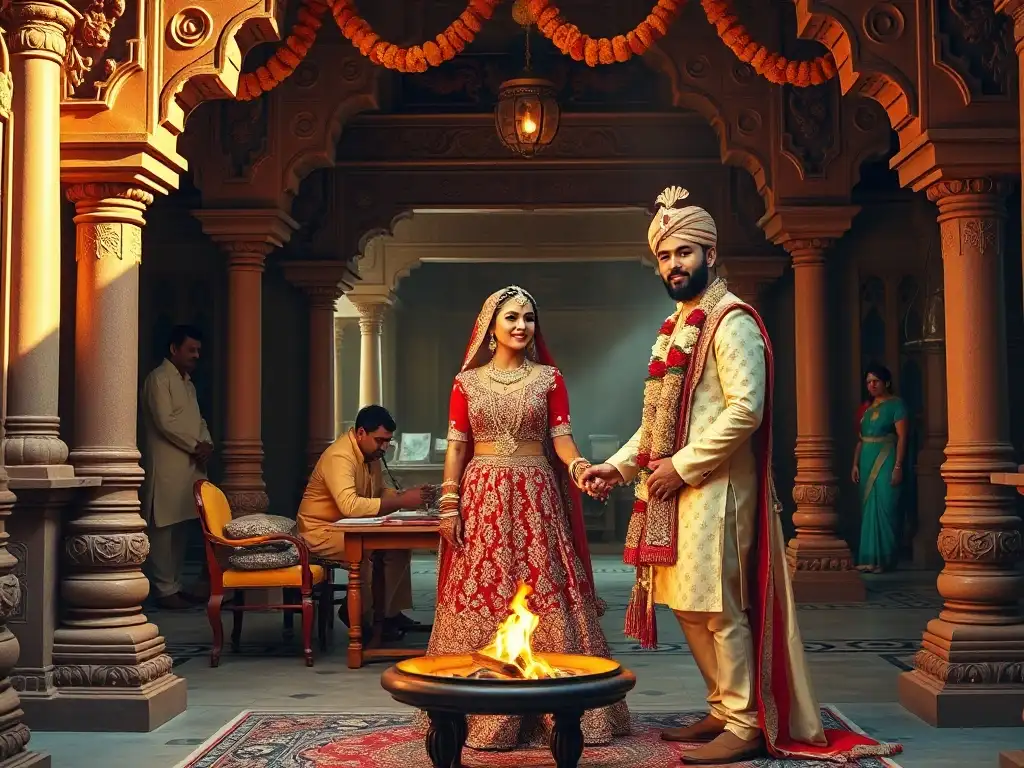
Welcome to Ancient India History, where we embark on a captivating journey through the rich and diverse tapestry of ancient Indian civilization. In this exploration, we delve into a fascinating aspect of daily life and society: Astrology in Ancient Indian Marriages. How did the stars influence these sacred unions, and what cultural significance did astrology hold in shaping relationships? Prepare to uncover the intricate connections between celestial guidance and marital harmony as you navigate through our insightful article. Your adventure into the depths of ancient wisdom begins now!
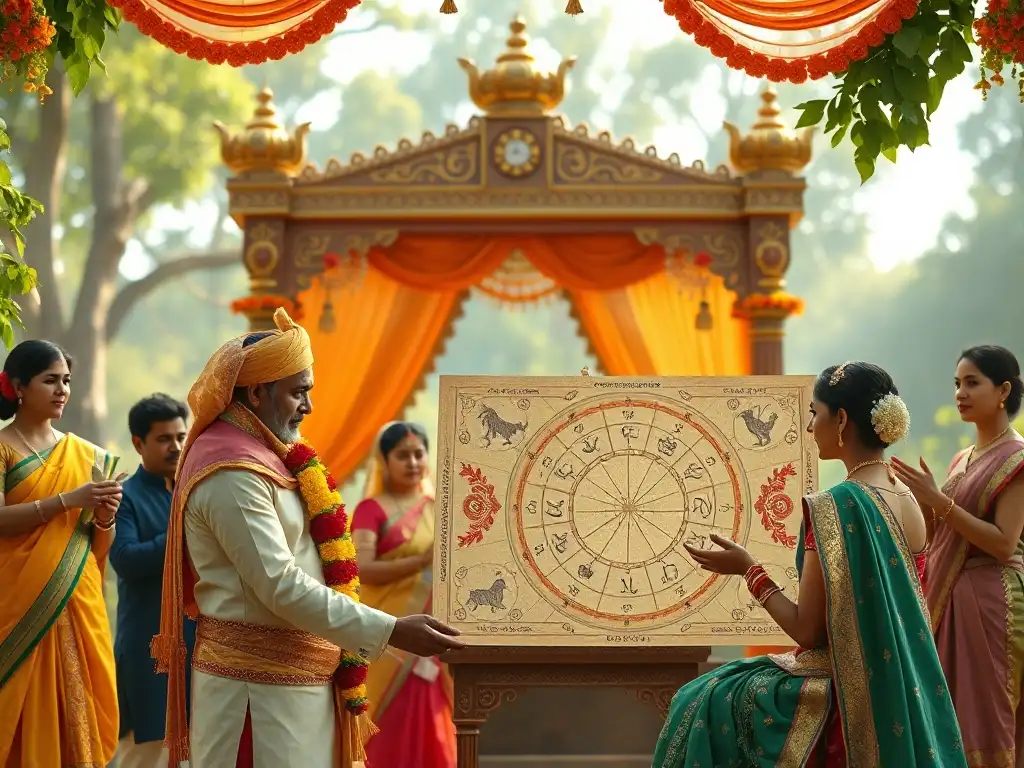
Astrology has long held a significant place in the fabric of ancient Indian society, influencing various aspects of daily life, including the sacred institution of marriage. In ancient India, marriages were not merely personal unions but were intricately woven into the social, cultural, and spiritual fabric of the civilization.
The practice of astrology, with its deep roots and complex methodologies, was seen as a guiding force in ensuring compatibility and harmony between partners. This article delves into the pivotal role that astrology played in ancient Indian marriages, examining its historical context, origins, and its profound social and cultural significance in shaping matrimonial alliances.
Introduction to Astrology in Ancient Indian Marriages
Astrology in ancient Indian marriages was not just a tool for predicting the future; it was a comprehensive system that sought to align personal destinies with cosmic patterns. It was believed that the positions of celestial bodies at the time of a person's birth could influence their personality, behavior, and ultimately, their marital compatibility. The practice of matching horoscopes, known as Kundali Milan, became a common ritual in the marriage arrangement process, guiding families in their quest for auspicious matches.
Historical Context of Astrology in Ancient India
Astrology, or Jyotisha, has been a cornerstone of Indian philosophy and science since ancient times. Its historical significance can be traced back to sacred texts like the Vedas and Upanishads, which laid the foundation for astrological practices and their application in daily life, including marriage.
The Origins of Astrology in India
The origins of astrology in India can be traced to the early Vedic period, around 1500 BCE, where celestial observations were documented and linked to agricultural cycles and religious rituals. The Aryabhata and Brahmagupta, prominent ancient mathematicians and astronomers, contributed significantly to the development of astrological calculations, further intertwining astrology with societal practices.
The Social and Cultural Importance of Astrology
Astrology served as a cultural compass in ancient Indian society, guiding families in matchmaking and marital arrangements. It was believed that an astrological mismatch could lead to disharmony, conflict, and even disaster in marriage. Families often consulted astrologers to assess the compatibility of potential partners, considering factors such as:
- Nakshatras (lunar mansions)
- Zodiac signs
- Planetary positions
This practice fostered a sense of security and assurance, as families believed that astrology could help them navigate the complexities of marital unions and ensure a prosperous future. Ultimately, astrology was not just a personal belief system but a communal practice that reinforced societal norms and values regarding marriage.
The Process of Using Astrology in Marriages
Astrology played a pivotal role in the marriages of ancient Indian societies, weaving together the threads of cosmic understanding and social customs. The process began long before the wedding ceremony, with families often consulting astrological charts to ensure compatibility between potential spouses. This intricate system was deeply rooted in the belief that the positions of celestial bodies at the time of birth could influence an individual's personality, behavior, and destiny.
At the core of this process was the creation and analysis of horoscopes, which provided insights into the auspiciousness of the union. Families would typically gather the birth details of both individuals, including the date, time, and place of birth, to generate their respective natal charts. These charts were then meticulously compared to assess compatibility and predict the success of the marriage. The entire process was a blend of science, spirituality, and tradition, reflecting the comprehensive worldview of ancient Indian society.
Matching Horoscopes: The Kundli System
Central to the astrological assessment of marriages is the Kundli system, also known as the birth chart. Each individual's Kundli is a unique representation of the positions of celestial bodies at the time of their birth, expressed through twelve houses, each representing different aspects of life, including marriage.
The matching of horoscopes involves a detailed analysis of several factors:
- Guna Milan: This is a scoring system based on eight different criteria, including Varna (caste), Vashya (control), Tara (birth star), Yoni (animal symbol), and more. Each criterion carries a specific point value, and a higher score indicates better compatibility.
- Manglik Dosha: One of the significant aspects considered is the Manglik Dosha, which arises when Mars is positioned in certain houses of the Kundli. This condition is believed to affect marital happiness, and remedies are often suggested if it manifests in either partner's chart.
- Nadi Dosha: This refers to the compatibility of the Nadi, which is linked to the lineage and health aspects of the partners. If both individuals belong to the same Nadi, it is considered inauspicious.
The Kundli system thus serves as a comprehensive framework for determining compatibility, guiding families in making informed marriage decisions.
The Role of Astrologers in Marriage Arrangements
Astrologers have traditionally held a significant position within the context of marriage arrangements in ancient India. These practitioners, often revered for their wisdom and knowledge of celestial phenomena, acted as intermediaries between families, providing crucial insights based on astrological evaluations.
Their responsibilities included:
- Consultation: Families would consult astrologers to interpret the horoscopes and offer compatibility assessments. This process was vital in alleviating concerns regarding potential conflicts in the marriage.
- Remedies: In cases where doshas (flaws) were identified in the Kundlis, astrologers would prescribe specific remedies, such as performing certain rituals, chanting mantras, or wearing gemstones, to mitigate negative influences.
- Timing of Marriage: Astrologers would also determine auspicious dates and times for the wedding ceremony, known as "muhurat." These timings were believed to enhance the couple's prosperity and happiness.
Through these roles, astrologers not only contributed to the matchmaking process but also reinforced the cultural significance of astrology in the realm of family and marriage.
Key Astrological Factors in Marriage Compatibility
Astrology in ancient Indian marriages is marked by a profound belief in the significance of celestial bodies in shaping relationships. Several key astrological factors are considered critical in assessing marriage compatibility, each contributing to the overall harmony and success of the union.
Nakshatras and Their Influence on Marriage
Nakshatras, or lunar mansions, are an integral part of Vedic astrology, influencing various aspects of life, including marriage. There are 27 Nakshatras, each associated with specific traits and characteristics. These lunar divisions are not just celestial markers; they are believed to carry profound significance in determining compatibility between partners.
When analyzing Nakshatras for marriage, the following factors come into play:
- Compatibility: Each Nakshatra has its own set of qualities and ruling deities. Compatibility between the Nakshatras of the prospective partners is assessed to gauge the potential for harmony in the relationship.
- Strength of Nakshatras: Some Nakshatras are considered more auspicious than others. For instance, Nakshatras like Rohini and Pushya are known for their nurturing qualities, making them favorable for marital unions.
- Transits and Movements: The current position of the moon in relation to the Nakshatras at the time of marriage can also influence the couple's fate. Favorable transits are believed to enhance marital bliss.
Overall, Nakshatras serve as a cosmic framework for evaluating not just compatibility but also the potential for growth and fulfillment within the marriage.
Doshas and Remedies in Marital Astrology
In the realm of marital astrology, doshas are considered significant obstacles that can hinder marital bliss. These astrological imperfections, if present in the horoscopes, are believed to bring challenges to the relationship. However, ancient Indian astrology also provides remedies to alleviate these adverse effects.
Some common doshas include:
- Manglik Dosha: As mentioned earlier, this arises from the positioning of Mars and is often viewed as a critical factor in compatibility assessments. Couples with this dosha may face challenges unless appropriate remedies, such as specific rituals or gemstones, are performed.
- Kaal Sarpa Dosha: This occurs when all planets are positioned between the Rahu and Ketu axis. It is believed to create obstacles in various areas of life, including marriage. Remedies often involve specific prayers or offerings to mitigate its effects.
- Nadi Dosha: Identified through the analysis of Nadi in the Kundli, this dosha can lead to health issues or conflicts within the marriage if both partners belong to the same Nadi.
To counter these doshas, astrologers recommend various remedies, such as:
- Performing Pujas: Specific rituals dedicated to deities that counteract the negative effects of doshas.
- Wearing Gemstones: Certain gemstones are believed to strengthen planetary influences and reduce the impact of doshas.
- Charity and Good Deeds: Engaging in charitable acts is often suggested as a way to alleviate negative karma associated with doshas.
Through these practices, astrology not only helps in identifying challenges but also provides pathways to foster a harmonious marital relationship.
Case Studies: Astrology's Impact on Marital Outcomes
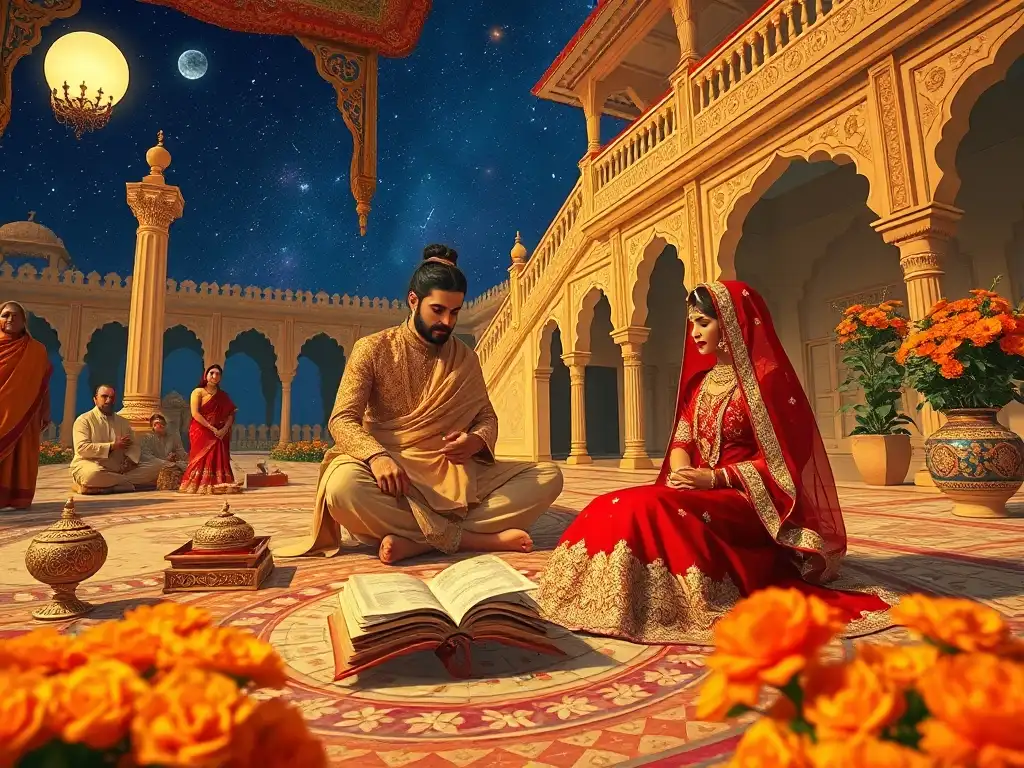
Astrology has played a pivotal role in shaping marital outcomes in ancient India, where horoscopes were often meticulously analyzed to determine compatibility between prospective partners. This section explores notable case studies that illustrate how astrology influenced marriage dynamics, both positively and negatively.
Successful Marriages Influenced by Astrology
One of the most illustrative examples of successful marriages influenced by astrology can be found in the royal families of ancient India. For instance, the marriage between King Harsha and Princess Vardhan was celebrated not only for its political alliance but also for the astrological compatibility that was thoroughly vetted by royal astrologers. Their horoscopes were analyzed to ensure a harmonious union, which resulted in a prosperous reign and a strong dynasty.
In the common populace, there are countless anecdotes of families who sought astrological counsel before marriage. A notable case involved a couple from Gujarat who consulted an astrologer before finalizing their wedding plans. The astrologer identified a favorable planetary alignment that indicated long-lasting happiness and prosperity. The couple, who had initially faced familial opposition due to differing backgrounds, found that their union flourished, leading to a happy family life and successful careers, further validating the astrologer's predictions.
Marriages Affected by Neglected Astrological Advice
Conversely, there are numerous accounts of marriages that suffered due to overlooked astrological advice. For instance, a couple from Rajasthan decided to marry without consulting an astrologer, dismissing the traditional practice as outdated. Shortly after their marriage, they faced a series of unfortunate events, including financial difficulties and health issues. It was later revealed that their horoscopes were poorly aligned, indicating significant challenges ahead.
Another poignant example involves a family in Uttar Pradesh who ignored astrological warnings regarding a mismatch in the couple's birth charts. Despite the initial attraction and familial pressure to proceed with the marriage, the couple experienced constant conflicts and misunderstandings, which ultimately led to a divorce. These cases underscore the importance placed on astrology in ancient Indian marriages and highlight the consequences of neglecting astrological advice.
Conclusion: The Lasting Legacy of Astrology in Indian Marriages
The influence of astrology in ancient Indian marriages extends beyond mere compatibility checks; it reflects a deep-rooted cultural belief in cosmic alignment and its impact on human relationships. Through various case studies, it is evident that astrology served as a guiding force in fostering successful unions while also revealing the potential pitfalls of disregarding astrological insights.
Even today, many families uphold the tradition of consulting astrologers before marriage, reinforcing the notion that celestial bodies play a significant role in human affairs. The legacy of astrology in Indian marital practices remains robust, shaping not only personal lives but also cultural norms surrounding family and relationships. As ancient Indian civilization continues to be studied, the significance of astrology in marriage practices serves as a testament to the intricate interplay between belief systems and daily life in ancient India.
Additional Considerations
When discussing the role of astrology in ancient Indian marriages, several additional considerations come into play that are critical for a comprehensive understanding of this practice. These include the cultural, social, and psychological implications of astrological matchmaking, as well as how these factors have evolved over time.
Cultural Significance
Astrology in ancient Indian marriages was not merely a personal preference but a deeply rooted cultural practice. It was believed that the alignment of celestial bodies at the time of one's birth could significantly influence personality traits, life events, and compatibility with potential partners. This belief was intertwined with religious and philosophical concepts prevalent in Indian society, making it an integral part of the marriage arrangement process. The use of horoscopes was often seen as a way to honor tradition and maintain familial ties, emphasizing the importance of cultural heritage in marital decisions.
Social Implications
The social structure of ancient India placed immense value on arranged marriages, where families played a pivotal role in selecting suitable partners. Astrology served as a tool for families to ensure compatibility and harmony, thus reinforcing social cohesion. The astrological chart, or kundali, was scrutinized not just for individual traits but also for how the union would affect family status, inheritance, and alliances among communities. This practice often determined the social standing and future prospects of both families involved.
Psychological Aspects
From a psychological perspective, the reliance on astrology in marriage can be viewed as a method of coping with uncertainty. Many individuals and families sought reassurance through astrological compatibility, believing that a favorable alignment of stars could lead to a harmonious and prosperous marital life. This belief system provided a framework for decision-making, allowing families to mitigate the emotional risks associated with marriage by relying on what was perceived as a scientific approach to compatibility.
Evolution Over Time
While astrology has played a significant role in ancient Indian marriages, its influence has evolved significantly over time. In contemporary society, the rigid adherence to astrological compatibility is often challenged by individual preferences and modern views on love and relationships. However, the foundational beliefs rooted in astrology continue to influence many Indian marriages today, blending traditional practices with contemporary values. This evolution reflects a complex interplay between the past and present, where ancient traditions are both respected and reinterpreted.
The role of astrology in ancient Indian marriages goes beyond predicting fate; it encompasses a rich tapestry of cultural, social, and psychological dimensions that have shaped marital practices throughout history. Understanding these considerations provides valuable insight into the enduring significance of astrology in the context of family and marriage practices in Indian society.
- Introduction to Astrology in Ancient Indian Marriages
- Historical Context of Astrology in Ancient India
- The Process of Using Astrology in Marriages
- Key Astrological Factors in Marriage Compatibility
- Case Studies: Astrology's Impact on Marital Outcomes
- Conclusion: The Lasting Legacy of Astrology in Indian Marriages
- Additional Considerations
- What was the significance of astrology in ancient Indian marriages?
- How did horoscopes affect marriage arrangements?
- Were there specific astrological rituals performed during marriages?
- Did all regions in ancient India follow the same astrological practices in marriages?
- How does the concept of astrology in marriages still influence modern practices?
Frequently Asked Questions
What was the significance of astrology in ancient Indian marriages?
Astrology played a crucial role in determining the compatibility of partners, influencing marriage decisions based on celestial positions.
How did horoscopes affect marriage arrangements?
Families would analyze the horoscopes of prospective brides and grooms to ensure astrological compatibility, which was believed to bring harmony to the union.
Were there specific astrological rituals performed during marriages?
Yes, various rituals were conducted, such as manglik dosha checks, to address any potential astrological mismatches before the wedding.
Did all regions in ancient India follow the same astrological practices in marriages?
While the core principles of astrology were widely accepted, regional variations existed, reflecting local customs and traditions in marriage practices.
How does the concept of astrology in marriages still influence modern practices?
Today, many Indian families still consult astrologers when planning marriages, reflecting the deep-rooted cultural significance of astrology in marital unions.
Final Reflection: The Enduring Legacy of Astrology in Ancient Indian Marriages
Astrology in Ancient Indian Marriages remains a powerful influence in contemporary society, shaping not only personal relationships but also cultural traditions. The intricate connections between celestial bodies and human destinies, as explored in this article, reveal how deeply rooted these beliefs are in the fabric of Indian culture. As we navigate modern relationships, the wisdom of the ancients continues to resonate, reminding us that our choices are often guided by forces beyond our understanding.
Cultural practices surrounding marriage have evolved, yet the significance of astrology endures, illustrating its profound impact on societal norms and individual lives. The rituals and beliefs that once dictated marital unions still hold sway, guiding families in their search for compatibility and harmony. Astrology is not just about predicting the future; it’s about understanding the present and making informed choices.
This perspective invites us to consider how these ancient practices can inform our modern lives, bridging the gap between tradition and contemporary understanding.
As we reflect on the lessons of astrology in ancient Indian marriages, I invite you to consider how these principles can enrich your own relationships. Take a moment to explore the connections between your personal experiences and the cosmic influences that shape them. Whether you embrace astrology as a guiding force or a tool for introspection, let it inspire you to cultivate deeper connections with yourself and others. In a world that often feels chaotic, the wisdom of the stars can illuminate our paths, encouraging us to forge meaningful bonds that transcend time and tradition.
Embrace the Wisdom of Ancient Astrology!
Thank you for diving into the fascinating world of astrology in ancient Indian marriages! Your interest in this timeless practice not only enriches your knowledge but also connects you to a heritage that influences relationships even today. Now, let's harness that insight into actionable steps you can take!
- Explore your own astrological chart: Discover how your personality traits and life path can shape your relationships. Utilize online resources or seek a professional astrologer for a comprehensive analysis.
- Share your newfound knowledge: Discuss what you've learned about astrology and its significance in partnerships with friends and family. Initiate conversations that could spark interest and inquiries about your cultural heritage.
- Try a relationship compatibility check: Apply astrological principles to evaluate compatibility with those close to you. Choose a couple of friends and compare charts for engaging insights!
How has astrology influenced your understanding of relationships in your life? We invite you to share your thoughts in the comments below!