
The Role of Education in the Caste Dynamics of Ancient India

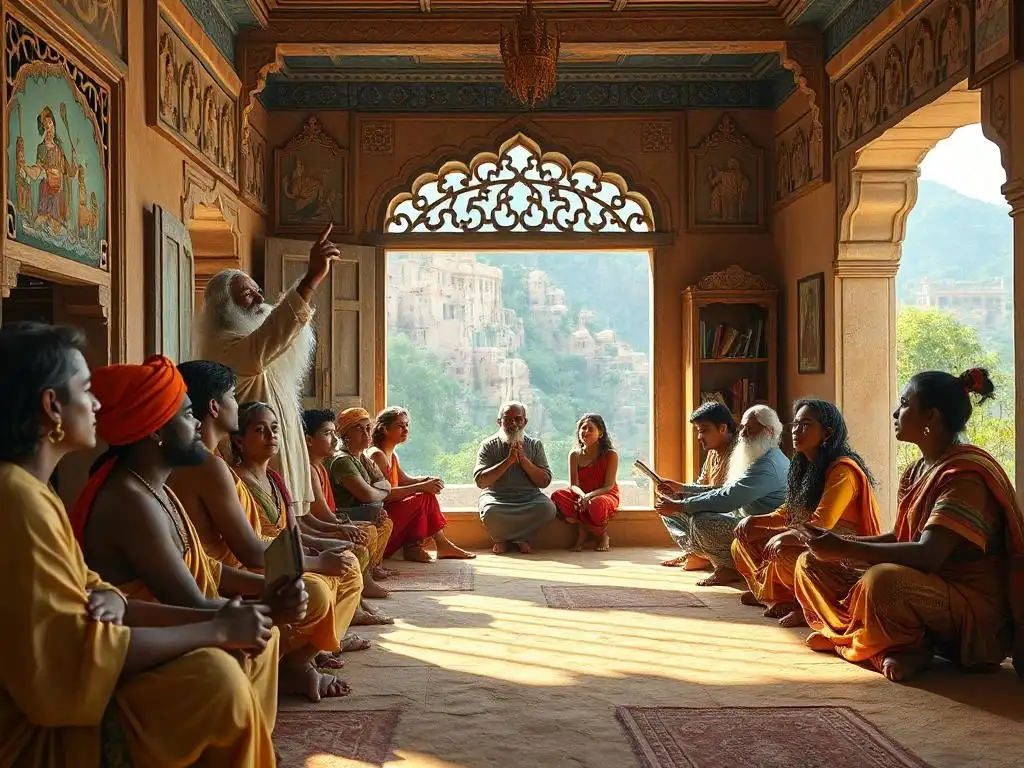
Welcome to Ancient India History, where we embark on a fascinating journey through the tapestry of time that weaves together the rich and diverse heritage of ancient Indian civilizations. In today’s exploration, we delve into the pivotal theme of “Education and caste in ancient India”, unraveling how the interplay of knowledge and social hierarchy shaped daily life and society during this remarkable era. Are you curious about how education influenced caste dynamics and the overall fabric of ancient Indian culture? Join us as we uncover the profound connections that have left an indelible mark on history. Your adventure awaits!
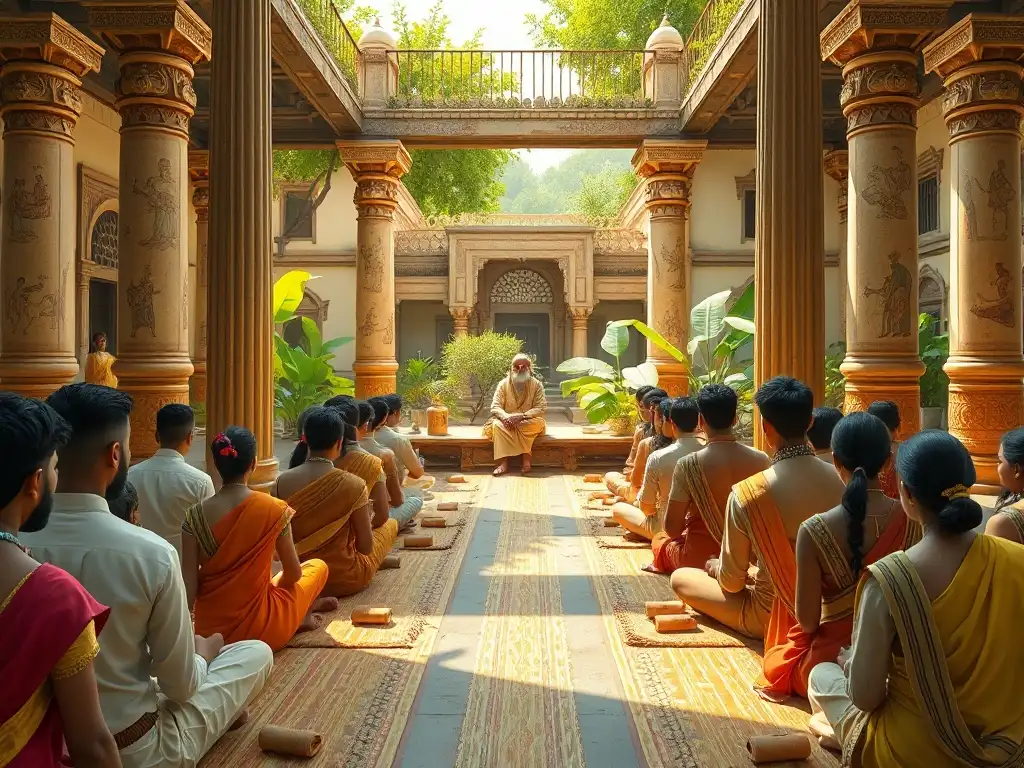
Introduction to Education and Caste in Ancient India
The interplay between education and caste in ancient India is a complex tapestry that reveals the foundational norms and values of Indian society. Education was not merely a means to acquire knowledge; it was deeply intertwined with the caste system, influencing social mobility and identity. In ancient India, the caste system divided society into hierarchical groups, each with its own roles, responsibilities, and access to education.
This article delves into how education shaped, reinforced, and occasionally challenged these caste dynamics, providing insights into the mechanisms of social stratification and the evolution of educational practices from the Indus Valley civilization through to the Gupta Empire. By examining the historical context and specific educational traditions, we can better understand the profound impact of education on caste relations in ancient India.
Historical Context of Education in Ancient India
Education in ancient India was not a homogenous phenomenon; it evolved significantly across different periods and regions. The ways in which knowledge was imparted and acquired were closely linked to the prevailing social structures, particularly the caste system. This section will explore the development of educational systems during pivotal eras, highlighting their influence on caste dynamics.
The Vedic Period and Educational Traditions
The Vedic period (approximately 1500–500 BCE) marks the genesis of formal education in ancient India, characterized by the teachings of the Vedas. During this time, education was primarily oral, focusing on the transmission of religious texts and rituals. The Brahmins, as the priestly class, held the responsibility of preserving and disseminating this knowledge.
- Key Features of Vedic Education:
- Oral Transmission: Knowledge was passed down through oral traditions, emphasizing memorization and recitation.
- Brahmin Dominance: The education system was heavily dominated by the Brahmins, who were the only ones allowed to access sacred texts.
- Gurukul System: Students resided with their guru in a Gurukul, where they learned various subjects, including philosophy, grammar, and astronomy, but primarily focused on Vedic studies.
This educational framework reinforced the caste hierarchy, as it was largely inaccessible to the lower castes, particularly the Shudras, who were often excluded from formal education.
Education during the Maurya and Gupta Empires
The Maurya (c. 322–185 BCE) and Gupta (c. 240–550 CE) Empires witnessed significant advancements in education, marked by the establishment of centers of learning and the expansion of curricula.
- Key Developments:
- Nalanda University: Founded during the Gupta period, Nalanda became a renowned center for higher learning, attracting students from various regions, including those outside India. It offered a range of subjects beyond Vedic teachings, including logic, medicine, and mathematics.
- Promotion of Inclusivity: While still predominantly Brahmin-centric, there were instances where scholars from lower castes were allowed to study, reflecting a gradual shift in educational accessibility.
- State Support for Education: The Mauryan and Gupta rulers recognized the importance of education for governance and societal stability, leading to state patronage of educational institutions.
These developments illustrate a complex relationship between education and caste, where the emergence of new learning centers began to challenge traditional caste boundaries, albeit slowly and unevenly.
The historical context of education in ancient India reveals a dynamic interplay with the caste system, shaping and reshaping societal structures over time. The subsequent sections will further explore these themes, highlighting the intricate ways in which education influenced caste dynamics throughout ancient Indian history.
Caste System in Ancient India
The caste system in ancient India was a complex and stratified social hierarchy that dictated many aspects of daily life, including occupation, social interactions, and even marriage. Rooted in ancient texts, such as the Rigveda and the Manusmriti, this system categorized individuals into four primary groups, known as varnas: Brahmins (priests and scholars), Kshatriyas (warriors and rulers), Vaishyas (traders and agriculturists), and Shudras (laborers and service providers). Each caste had its own responsibilities, customs, and rituals, creating a rigid framework that often restricted social mobility.
Over time, this four-fold division evolved into a more intricate network of jatis, or sub-castes, which further complicated the social landscape. These subdivisions often arose based on specific occupations, regional practices, or community affiliations, leading to thousands of distinct jatis across India. The caste system not only influenced social interactions but also institutionalized inequalities, with the upper castes enjoying privileges and power, while the lower castes faced discrimination and exclusion.
Structure of the Caste System
The structure of the caste system can be understood through its hierarchical organization, which typically placed Brahmins at the top, followed by Kshatriyas, Vaishyas, and Shudras. Below these four main categories were the "Untouchables," or Dalits, who were marginalized and subjected to severe discrimination. This hierarchy was not merely a social construct; it was deeply entrenched in religious beliefs and practices, which justified the status quo.
- Brahmins: As the highest caste, Brahmins were responsible for religious rituals, education, and the preservation of sacred texts. They held significant influence in society due to their role as spiritual leaders.
- Kshatriyas: This warrior class was tasked with governance and protection. They were responsible for upholding justice and maintaining order in society, often engaging in warfare.
- Vaishyas: Comprised of traders and landowners, Vaishyas played a crucial role in the economy by facilitating trade and agriculture. They were considered essential for the prosperity of the society.
- Shudras: The lowest caste, Shudras, performed menial labor and served the higher castes. Their position often denied them access to education and social privileges.
- Untouchables: Living outside the traditional varna system, Untouchables were ostracized and forced to undertake tasks deemed impure. Their exclusion from mainstream society reflected the extreme inequalities inherent in the caste system.
The rigid structure of the caste system dictated every aspect of an individual's life, limiting personal freedom and reinforcing societal divisions.
The Intersection of Education and Caste
Education played a pivotal role in the caste dynamics of ancient India, serving both as a means of social mobility and as a tool for maintaining caste distinctions. In the early phases of Indian civilization, access to education was primarily reserved for the upper castes, particularly Brahmins. The education system was largely oral, centered around the transmission of sacred texts, philosophy, and rituals, which were only accessible to a select few.
As a result, the disparity in educational opportunities reinforced caste boundaries. Brahmins, with their privileged access to knowledge, maintained their status and influence, while lower castes were often denied formal education. This lack of educational access perpetuated cycles of poverty and disenfranchisement among the lower castes.
Furthermore, the content and context of education were often intertwined with caste ideologies. Texts that defined social roles and duties were taught in a way that legitimized the existing social order, embedding caste distinctions into the fabric of educational practices. Thus, the intersection of education and caste created a self-reinforcing system that upheld societal hierarchies.
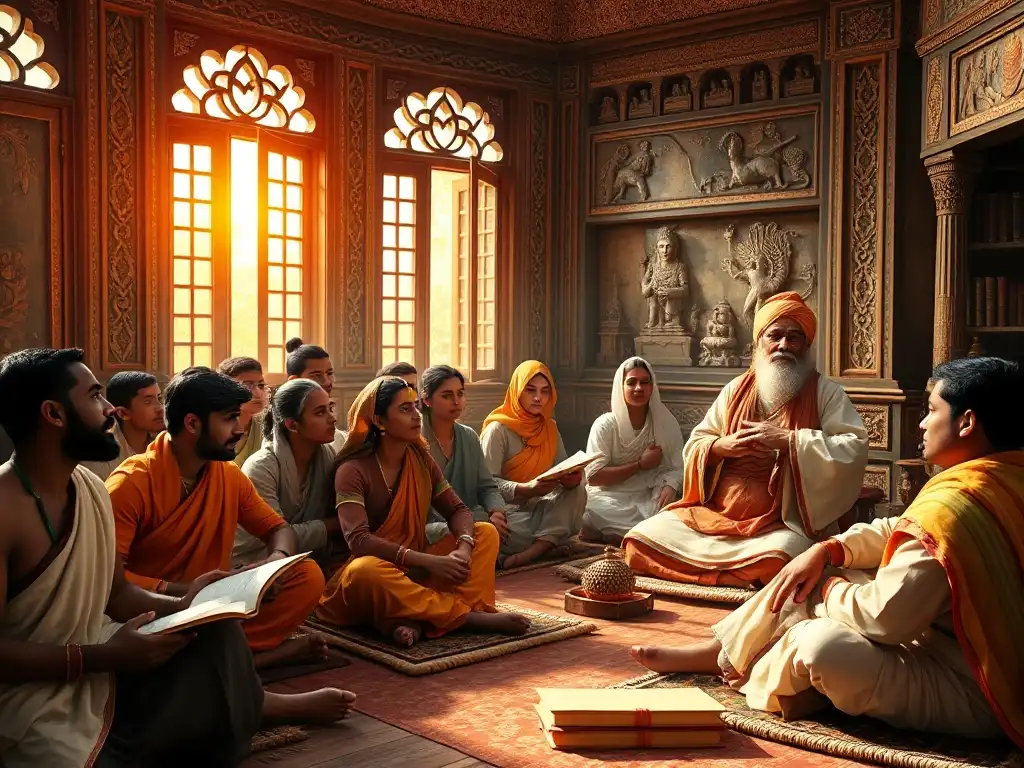
Education has historically been viewed as a potential pathway for social mobility, offering individuals the opportunity to transcend their caste limitations. However, the realities of ancient Indian society often complicated this ideal. Education could empower individuals, but it simultaneously reinforced existing caste dynamics.
Education as a Tool for Empowerment
For some individuals, particularly those from higher castes, education provided access to positions of power and influence within society. The ability to read and interpret religious texts allowed Brahmins and Kshatriyas to solidify their roles as leaders, while Vaishyas used education to enhance their economic standing. Education not only equipped individuals with knowledge but also conferred social status and respect.
Conversely, there were instances where education became a means of empowerment for lower caste individuals as well. Some reformist movements, particularly during the later periods of ancient India, began advocating for the education of Shudras and Dalits. This progressive shift aimed to challenge the prevailing norms and provide marginalized communities with the tools necessary for social advancement. Educational initiatives, whether informal or formal, played a crucial role in fostering a sense of identity and agency among these groups.
Limitations and Barriers to Education
Despite its potential as a tool for empowerment, significant barriers to education persisted, particularly for lower castes. The caste system imposed strict regulations that often led to the exclusion of Shudras and Dalits from educational institutions. Cultural norms and fears of ritual pollution discouraged interactions between castes, particularly in educational settings.
Additionally, the content of education itself was often biased, focusing on the glorification of upper caste roles while neglecting the histories and contributions of lower castes. Even when educational opportunities were available, the prevailing attitudes within society often dissuaded lower caste individuals from pursuing them, thereby perpetuating the cycle of poverty and disenfranchisement.
While education held the potential to challenge caste dynamics in ancient India, the systemic barriers and societal norms often limited its transformative power. Understanding the interplay between education and caste is crucial for comprehending the broader social structure of ancient India.
The Influence of Religion on Education and Caste Dynamics
The intricate relationship between religion and education in ancient India played a crucial role in shaping the caste dynamics that defined the social structure of the time. Religion, particularly Hinduism, provided the philosophical underpinnings and justifications for the caste system, influencing who received education and which types of knowledge were deemed appropriate for different castes. The Vedic texts, which form the foundation of Hindu philosophy, emphasized the importance of certain types of knowledge and prescribed different educational paths based on one's caste.
In this context, the Brahmins, belonging to the highest caste, were the primary custodians of sacred knowledge. They were responsible for education that included the study of the Vedas, rituals, and philosophy. This exclusivity not only reinforced their social status but also perpetuated a system where knowledge was closely guarded and transmitted within the caste. The Kshatriyas, or warrior class, received education focused on martial skills and governance, while the Vaishyas were educated in trade and agriculture. In contrast, the Shudras, the lowest caste, were often denied formal education, reinforcing their subservient position in society.
Hinduism's Perspective on Education
Hinduism's view on education is deeply intertwined with its religious and philosophical beliefs. The concept of "Vidya" (knowledge) is regarded as a sacred pursuit, with a strong emphasis on spiritual and moral education. The ancient texts, such as the Upanishads and the Bhagavad Gita, underscore the importance of acquiring knowledge not only for personal development but also for fulfilling one's duties in accordance with one's dharma (duty).
The educational system in ancient India was heavily influenced by the Varna system, where education was stratified based on caste. For instance, the Brahmins were expected to learn and teach the sacred texts, thereby maintaining their role as spiritual leaders. The Gurukula system, where students lived with their teacher (Guru), was prevalent among higher castes, allowing for immersive learning in philosophy, grammar, and scriptures. This system inherently limited access for lower castes, leading to a cycle where education became a privilege for the upper castes.
Other Religious Contributions to Education
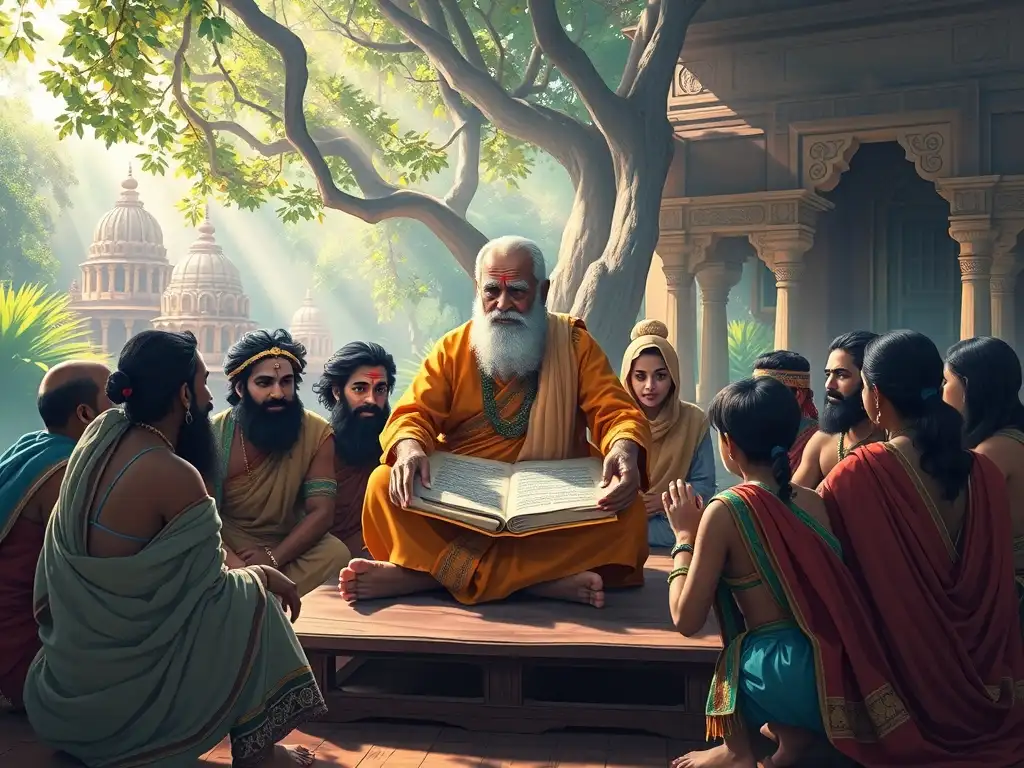
While Hinduism played a dominant role in shaping educational norms, other religions also contributed significantly to the educational landscape of ancient India. Buddhism, for instance, emerged as a reformative movement that challenged the rigid caste hierarchy and emphasized education as a means to achieve enlightenment. Buddhist monastic universities, such as Nalanda, attracted students from various backgrounds, promoting a more inclusive approach to learning that transcended caste boundaries.
Jainism also placed a high value on education, focusing on ethical living and spiritual knowledge. Jain scholars contributed to fields like mathematics, philosophy, and linguistics, and their teachings often encouraged literacy and learning among all sections of society. The influence of these religions demonstrated that education could serve as a tool for social mobility and challenge the established caste dynamics, albeit within a limited scope compared to Hinduism.
Conclusion: The Lasting Impact of Education on Caste Dynamics
The role of education in ancient India was pivotal in both reinforcing and challenging the established caste dynamics. While it served to maintain the social order dictated by caste, it also provided avenues for knowledge that could empower individuals, particularly from lower castes, to transcend their prescribed social roles. The caste system's educational stratification contributed to a cycle of privilege and exclusion that persisted through centuries, impacting social mobility and access to resources.
The legacy of education in shaping caste dynamics is still evident today, as contemporary discussions on social equity and access to education continue to echo the historical tensions rooted in ancient practices. Understanding this complex history is essential for addressing the ongoing challenges related to caste and education in modern India, highlighting the need for a more inclusive approach to learning that honors the diverse contributions of all social groups.
Further Reading and Resources
To gain a deeper understanding of the interplay between education and the caste system in ancient India, the following resources provide invaluable insights and extensive knowledge:
Books
-
"Caste: Its Twentieth Century Avatar" by M.N. Srinivas
This book offers a comprehensive overview of the caste system in modern times and its historical roots, emphasizing the role of education in shaping caste identities.
-
"The Argumentative Indian" by Amartya Sen
Sen’s collection of essays touches on the cultural and historical aspects of India, including discussions on education and its influence on social structures, including the caste system.
-
"Social Stratification in India: A Survey of Research" by T.K. Oommen
This work critically examines social stratification, including the caste system, and how education has influenced social mobility in various communities.
Articles and Journals
-
"Education and Caste Dynamics in Ancient India" – Journal of Indian History
This peer-reviewed article provides an analytical perspective on how education reinforced or challenged caste dynamics throughout different periods in ancient India.
-
"Role of Education in Shaping Caste Identities" – The Indian Historical Review
This article discusses the historical evolution of educational practices in relation to caste identities, illustrating case studies from ancient texts.
Online Resources
-
Digital Library of India
An extensive collection of ancient texts and manuscripts that highlight educational practices, philosophical schools, and their connections to caste.
-
The Asiatic Society
Offers a range of research papers and publications focusing on Indian history, including topics related to education and the caste system.
Documentaries and Lectures
-
"Caste and Education in India" – YouTube Series
This educational series explores the historical context of education within the caste framework, featuring interviews with historians and sociologists.
-
"Understanding Ancient Indian Society" – Online Lecture Series
Hosted by various universities, these lectures delve into the social structures of ancient India, including the role of education in caste dynamics.
By exploring these resources, readers can enhance their understanding of the complex relationship between education and caste in ancient India, gaining insights into how these elements shaped the social fabric of one of the world's oldest civilizations.
- Introduction to Education and Caste in Ancient India
- Historical Context of Education in Ancient India
- Caste System in Ancient India
- The Role of Education in Social Mobility
- The Influence of Religion on Education and Caste Dynamics
- Hinduism's Perspective on Education
- Other Religious Contributions to Education
- Conclusion: The Lasting Impact of Education on Caste Dynamics
- Further Reading and Resources
- What was the role of education in ancient Indian society?
- How did the caste system influence educational opportunities?
- What subjects were taught in ancient Indian education?
- How did the Gupta Empire impact education in relation to the caste system?
- What changes occurred in the caste dynamics of education over time?
Frequently Asked Questions
What was the role of education in ancient Indian society?
Education in ancient India was primarily focused on spiritual and practical knowledge, often conducted in gurukuls, where students learned from gurus. It played a crucial role in shaping one's caste and societal position.
How did the caste system influence educational opportunities?
The caste system significantly affected educational access, with higher castes enjoying more opportunities for formal education, while lower castes often faced restrictions and limited access to learning resources.
What subjects were taught in ancient Indian education?
Ancient Indian education included a range of subjects such as literature, philosophy, mathematics, and astronomy, with a strong emphasis on Vedic texts and moral values, reflecting the cultural priorities of the time.
How did the Gupta Empire impact education in relation to the caste system?
The Gupta Empire was known for its advancements in education, where universities like Nalanda flourished, allowing a more structured educational framework that, while still influenced by caste, broadened knowledge access among various social groups.
What changes occurred in the caste dynamics of education over time?
Over time, the rigidities of the caste system began to soften, especially during the medieval period, leading to increased educational opportunities for lower castes and the eventual emergence of social reform movements advocating for equal access to education.
Final Reflection: The Enduring Legacy of Education and Caste in Ancient India
The intricate relationship between education and caste in ancient India remains profoundly relevant today. As we navigate a world still grappling with social stratification and inequality, the historical context provided by ancient India's caste dynamics offers critical insights into how educational access and privilege can shape societal structures. Understanding this connection is essential for fostering a more equitable future.
The influence of education on caste dynamics has left an indelible mark on contemporary society. The lessons learned from ancient India remind us that education can be both a tool for empowerment and a mechanism of exclusion. As we reflect on this duality, we are reminded of the words of Dr. B.R. Ambedkar, who said, Cultivation of mind should be the ultimate aim of human existence.
This quote underscores the importance of education in breaking down barriers and promoting social mobility, a lesson that resonates in our ongoing struggles against caste-based discrimination and inequality today.
As we conclude this exploration, I invite you to reflect on your own relationship with education and its potential to challenge societal norms. Consider how you can contribute to a more inclusive educational landscape, one that honors the lessons of the past while paving the way for a brighter, more equitable future. Embrace the transformative power of education, not just as a personal journey, but as a collective responsibility to uplift all members of society, regardless of their background.
Unveil the Power of Education in Ancient Caste Dynamics!
Thank you for exploring the intricate world of education and caste dynamics in ancient India. Your engagement with this topic highlights the profound impact that learning has on societal structures. Now, let's take this understanding a step further!
- Explore further: Delve into specific ancient texts that influenced educational practices by checking our detailed guides on Vedic literature and its societal impact.
- Engage with the community: Join the conversation in our forum to share your insights on how education shapes contemporary caste perceptions.
- Share your knowledge: Discuss this article with friends or family interested in history, encouraging them to reflect on how education can drive social change.
In what ways do you believe modern education can continue to transform traditional social structures?