
The Role of Extended Families in Ancient Indian Society

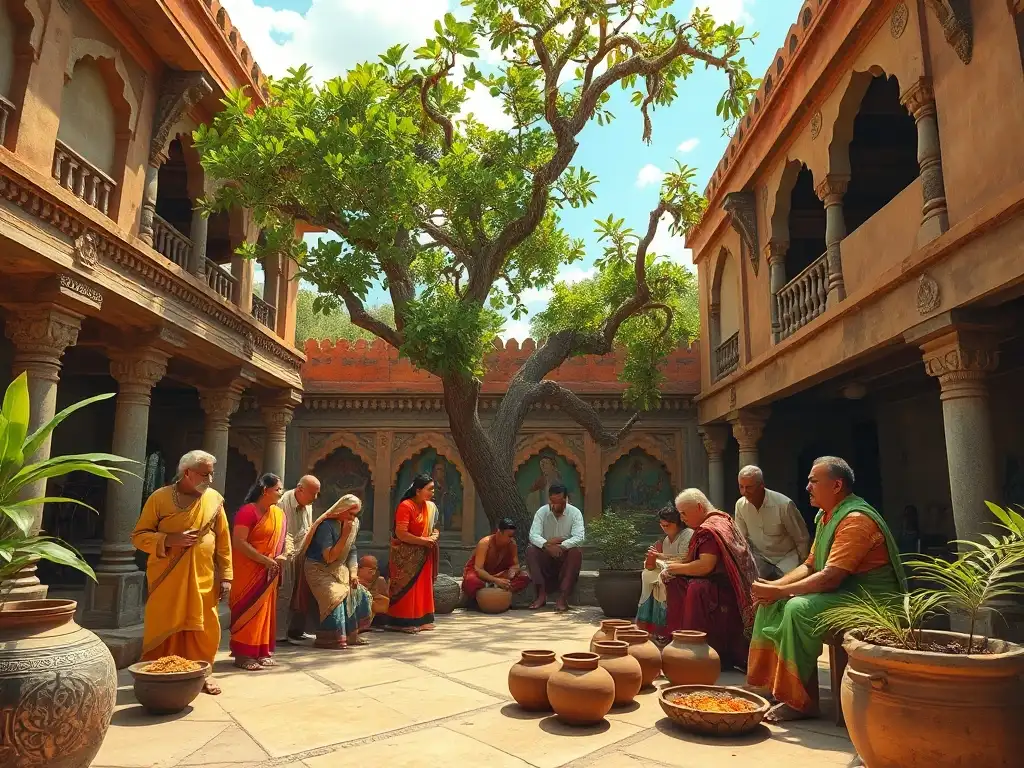
Welcome to Ancient India History, where we embark on a captivating journey through the rich tapestry of ancient Indian civilizations. Today, we delve into the intriguing world of extended families in ancient India, a cornerstone of social structure that shaped daily life and societal norms. Discover how these familial bonds influenced everything from governance to cultural practices, and uncover the secrets behind the strength and resilience of these communities. Join us as we explore the profound impact of extended families on ancient Indian society—your adventure into the past begins here!
Introduction to Extended Families in Ancient India
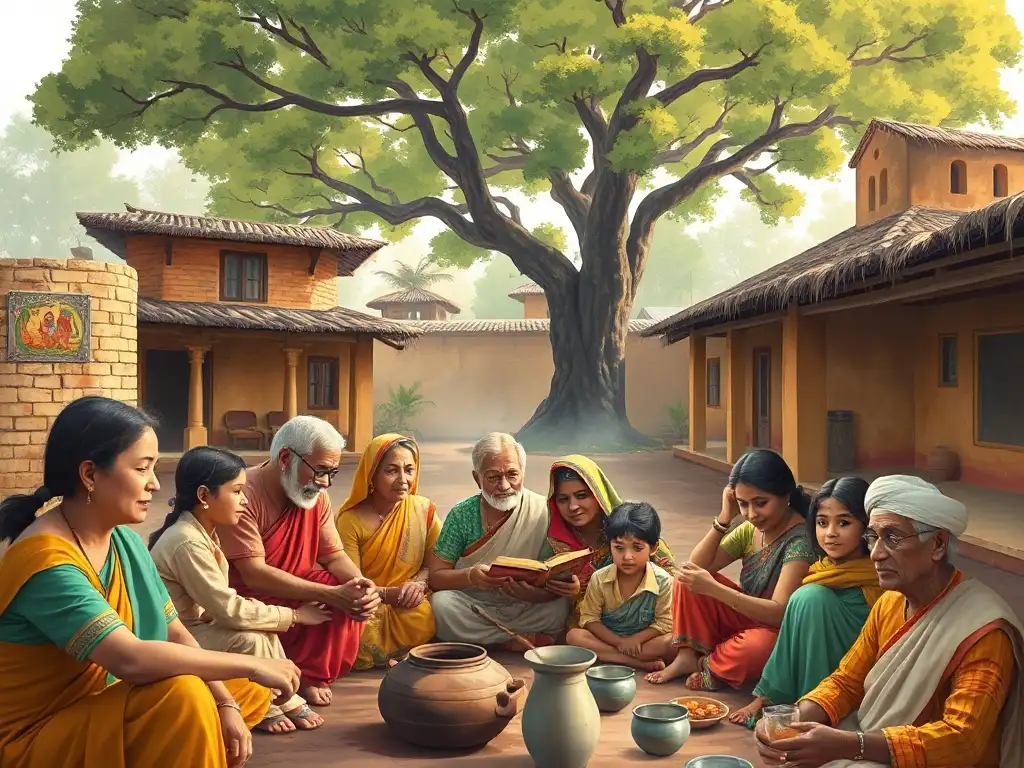
The concept of extended families in ancient India encompasses not only the immediate family unit but also a broader network of relatives living together or in close proximity. This structure played a pivotal role in shaping the social fabric of ancient Indian society. With roots tracing back to the Indus Valley Civilization and evolving through various historical epochs, extended families were integral to the cultural, economic, and social dynamics of ancient Indian life. Understanding the significance of these family structures provides valuable insights into the community-oriented ethos that characterized ancient Indian civilizations.
Definition of Extended Families in the Context of Ancient India
In the context of ancient India, an extended family typically included multiple generations living together under one roof, encompassing parents, children, grandparents, aunts, uncles, and cousins. This familial arrangement was not only a practical response to economic needs but also reflected deep-rooted cultural values. The extended family served as a primary social unit, where members shared resources, responsibilities, and support systems. Such a structure facilitated the transmission of traditions, beliefs, and knowledge across generations, ensuring continuity and cohesion within the community.
Importance of Family Structures in Ancient Indian Culture
The importance of extended families in ancient Indian culture cannot be overstated. These family structures were foundational to various aspects of daily life, including:
- Social Security: Extended families provided emotional and financial support, ensuring that members were cared for in times of need.
- Cultural Transmission: Traditions, rituals, and values were passed down through generations, preserving the cultural heritage of the community.
- Economic Collaboration: Families pooled resources for agricultural activities, trade, and labor, enhancing productivity and stability.
- Religious Practices: Joint family units often engaged in religious ceremonies together, reinforcing communal ties and shared beliefs.
The interdependence fostered by extended families contributed significantly to the resilience and stability of ancient Indian societies.
Historical Background of Family Systems in Ancient India
Evolution of Family Structures from the Indus Valley Civilization
The roots of extended family systems in India can be traced back to the Indus Valley Civilization (approximately 2500-1900 BCE), where archaeological evidence suggests a community-oriented lifestyle. Houses often accommodated multiple generations, indicating a preference for living in close-knit family units. This early model laid the groundwork for the evolution of family structures throughout subsequent periods, adapting to changes in social, economic, and political landscapes while maintaining the core values of kinship and community.
The Influence of Vedic Texts on Family Dynamics
The Vedic period (circa 1500-500 BCE) marked a significant transformation in family dynamics, as reflected in ancient texts such as the Rigveda and Manusmriti. These texts provide insights into the roles and responsibilities of family members, emphasizing the importance of dharma (duty) within familial relationships. The establishment of social norms regarding marriage, inheritance, and the responsibilities of different family members underscored the significance of the extended family system. As a result, these texts shaped not only individual family units but also broader societal structures, reinforcing the interconnectedness of families and communities in ancient India.
In ancient India, the concept of extended families played a pivotal role in shaping the social structure. Extended families, which typically included not just parents and children but also grandparents, uncles, aunts, and cousins, formed the backbone of society. This arrangement fostered a sense of community and provided essential support systems in various aspects of life, including emotional well-being, child-rearing, and elder care.
The familial ties extended beyond mere blood relations; they intertwined with social obligations and cultural traditions, reinforcing the values of cooperation, loyalty, and mutual respect. The extended family system was particularly significant in rural areas, where agricultural practices necessitated collective effort. Such systems enabled families to pool resources and labor, ensuring their survival and prosperity in a challenging environment.
Hierarchical Organization within Extended Families
The hierarchical organization within extended families in ancient India was deeply influenced by social stratifications, including caste and gender. Typically, the eldest male member, often referred to as the 'karta,' held significant authority and was responsible for making decisions that affected the entire family unit. His role was not only managerial but also protective, as he ensured the welfare of all members.
Women, on the other hand, while often relegated to subordinate roles, played crucial parts in maintaining the household and nurturing the family bond. Their responsibilities included managing domestic affairs, educating children, and preserving cultural traditions. The hierarchical nature of these families reflected broader societal norms, where age and gender dictated status and responsibilities.
In addition to the adults, children also had specific roles within the family structure. They were expected to respect their elders and learn the skills necessary to contribute to the family unit. This system of hierarchy, while sometimes limiting, also provided a clear framework for social interaction and stability, ensuring that each member understood their place and duties within the family.
Roles and Responsibilities of Family Members
The roles and responsibilities of family members in extended families were diverse and multifaceted. Each member contributed to the family's overall functioning, creating a system of interdependence that was crucial for survival.
- Elders: The oldest members, particularly grandfathers and grandmothers, often served as advisors and decision-makers. They were the custodians of family traditions and knowledge, passing down wisdom to younger generations.
- Males: Adult males typically engaged in external economic activities, such as farming or trade. Their responsibilities included providing financial support and ensuring the family's social standing within the community.
- Females: Women managed the domestic sphere, handling household chores, cooking, and childcare. They also played a vital role in upholding cultural practices, teaching children values and traditions.
- Children: Young members of the family learned from their elders and assisted in both household chores and agricultural tasks. Their upbringing was heavily influenced by the expectations set by older family members, preparing them for future roles.
This division of responsibilities allowed for a well-structured family system, where each member's contributions were valued and essential for the family's success and cohesion.
Economic Contributions of Extended Families in Ancient India
Extended families in ancient India significantly influenced the economic landscape. Their collective efforts in agriculture, trade, and craftsmanship not only bolstered their own financial stability but also contributed to the broader economy.
Collective Labor and Farming Practices
Agriculture was the primary source of livelihood for many ancient Indian families, and extended family units were ideally suited for this kind of work. The collective labor of extended family members meant that tasks such as planting, harvesting, and maintaining crops could be performed more efficiently.
In many cases, family members would work together to cultivate large plots of land, sharing responsibilities and resources. This cooperative farming model enabled families to maximize yields while minimizing labor costs. Seasonal festivals, like harvest celebrations, further strengthened family bonds as members came together to celebrate their hard work and achievements.
Additionally, the practice of shared farming also allowed families to accumulate wealth over generations, which could then be used to support younger members in their endeavors, whether in marriage, education, or establishing new households.
The Role of Extended Families in Trade and Guilds
Extended families also played a vital role in commerce and trade, particularly in urban centers. Many families became involved in specific trades, forming guilds that were often composed of related families. These guilds provided a support network, allowing members to collectively invest in resources, share knowledge, and uphold quality standards.
The familial ties within these guilds fostered trust and loyalty, which were crucial for business transactions. Such relationships facilitated trade not only within local markets but also extended to long-distance exchanges, as families pooled their resources to engage in commerce.
Furthermore, the skills and crafts passed down through generations within extended families ensured that traditional methods and knowledge were preserved. This continuity contributed to the economic stability of communities and played a crucial role in the overall growth of ancient Indian society.
Cultural Significance of Extended Families
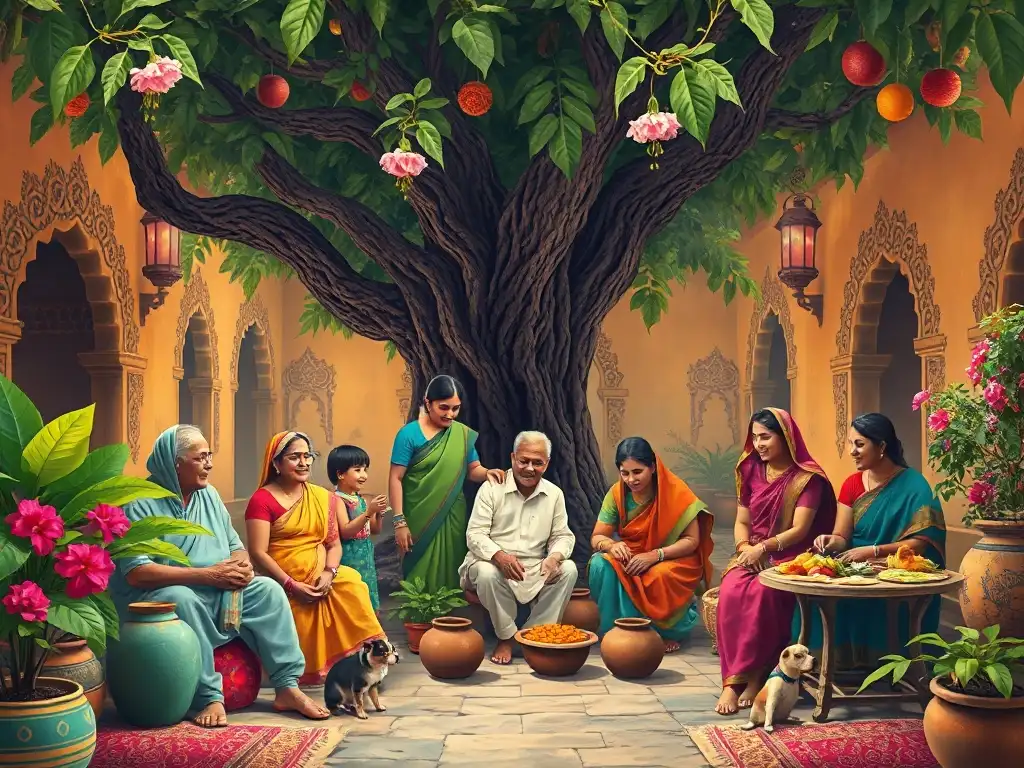
Extended families played a pivotal role in shaping the social fabric of ancient Indian society. These families, comprising multiple generations living together or in close proximity, fostered a sense of community and belonging. They were instrumental in maintaining cultural continuity, as they provided a support system that ensured the transmission of values, customs, and traditions across generations.
In ancient India, the family unit was often seen as a microcosm of society, with extended families embodying the principles of cooperation, shared responsibilities, and mutual respect. The elders, particularly grandparents, were revered for their wisdom and were integral in guiding family decisions. Their involvement in daily life reinforced the importance of collective identity, where individual aspirations were often aligned with family honor and well-being.
Festivals and Rituals Celebrated by Extended Families
Festivals and rituals served as key events that brought extended families together, fostering unity and reinforcing cultural ties. Significant celebrations, such as Diwali, Holi, and Makar Sankranti, were occasions for families to honor their deities, partake in communal feasts, and engage in traditional games. These gatherings not only reinforced familial bonds but also acted as a medium for passing down religious and cultural practices.
For instance, during Diwali, families would come together to perform Lakshmi Puja, share sweets, and decorate their homes. Such rituals were often led by the elders, ensuring that younger generations learned the significance behind each celebration. The collective participation in these events fostered a sense of belonging and continuity, highlighting the extended family's role as custodian of cultural heritage.
Preservation of Traditions and Knowledge through Generations
Extended families functioned as vital repositories of knowledge and traditions. The intergenerational exchange of stories, skills, and wisdom was crucial in preserving the rich heritage of ancient Indian society. Elders would impart life lessons, moral values, and practical skills, such as cooking, weaving, and farming, to the younger members.
This oral tradition not only ensured that knowledge was passed down but also helped in instilling a sense of identity and pride in one’s heritage. For example, the storytelling sessions held by grandparents often included myths, epics, and historical accounts, fostering a deep connection with their ancestry. Such practices were essential in nurturing a well-rounded understanding of one’s cultural roots, ultimately shaping individual identities within the collective framework of the extended family.
Marriage Practices and Extended Families
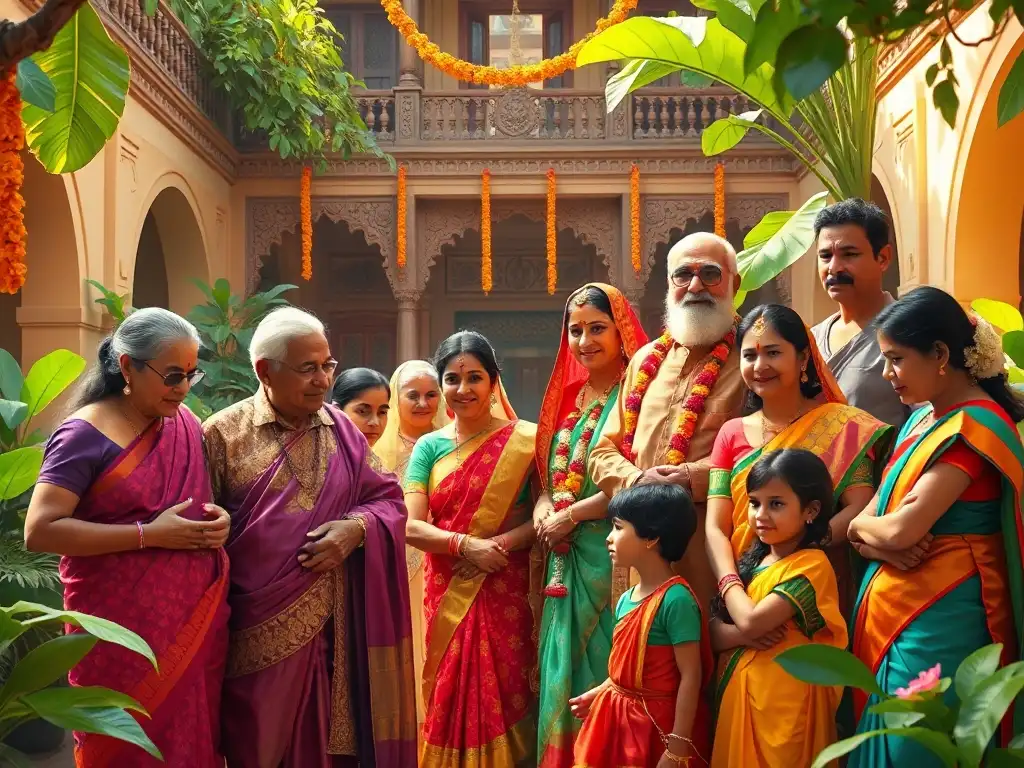
Marriage in ancient India was not merely a union between two individuals; it involved the merging of families. Extended families played a crucial role in navigating the complexities of marriage practices, emphasizing the significance of alliances over individual preferences. These unions were often arranged, reflecting the family's social, economic, and cultural aspirations.
The involvement of extended family members in the marriage process ensured that the unions were beneficial for both sides, often leading to the strengthening of ties between families. This practice underscored the collective approach to marriage, where families prioritized compatibility and social standing over romantic love.
Arranged Marriages and Family Alliances
Arranged marriages were a hallmark of ancient Indian society, primarily orchestrated by parents and elder relatives. Such marriages were perceived as strategic alliances that could enhance family status, consolidate wealth, and secure social connections. The extended family played a significant role in assessing the suitability of potential matches, taking into consideration factors such as caste, community, and economic background.
This practice ensured that marriages were not just personal choices but communal decisions that involved careful deliberation and consensus among family members. The significance of family alliances can be illustrated through historical examples, where marriages were often arranged to forge political ties or strengthen trade relations, further highlighting the interconnectedness of individual lives and family dynamics.
The Influence of Extended Families on Marriage Choices
The influence of extended families on marriage choices extended beyond mere arrangements; it shaped individual preferences and expectations as well. The values and beliefs instilled by family members often guided the younger generation in their understanding of love, partnership, and commitment. Elders would share their experiences and insights, providing a framework that influenced the decision-making process of the youth.
In many cases, the extended family's opinions carried substantial weight, leading individuals to prioritize familial approval over personal desires. This dynamic underscored the collective nature of marriage in ancient India, where individual happiness was often seen as intertwined with family honor and reputation. As a result, the extended family remained a significant factor in determining not only who one married but also how relationships were navigated throughout life.
Challenges Faced by Extended Families in Ancient India
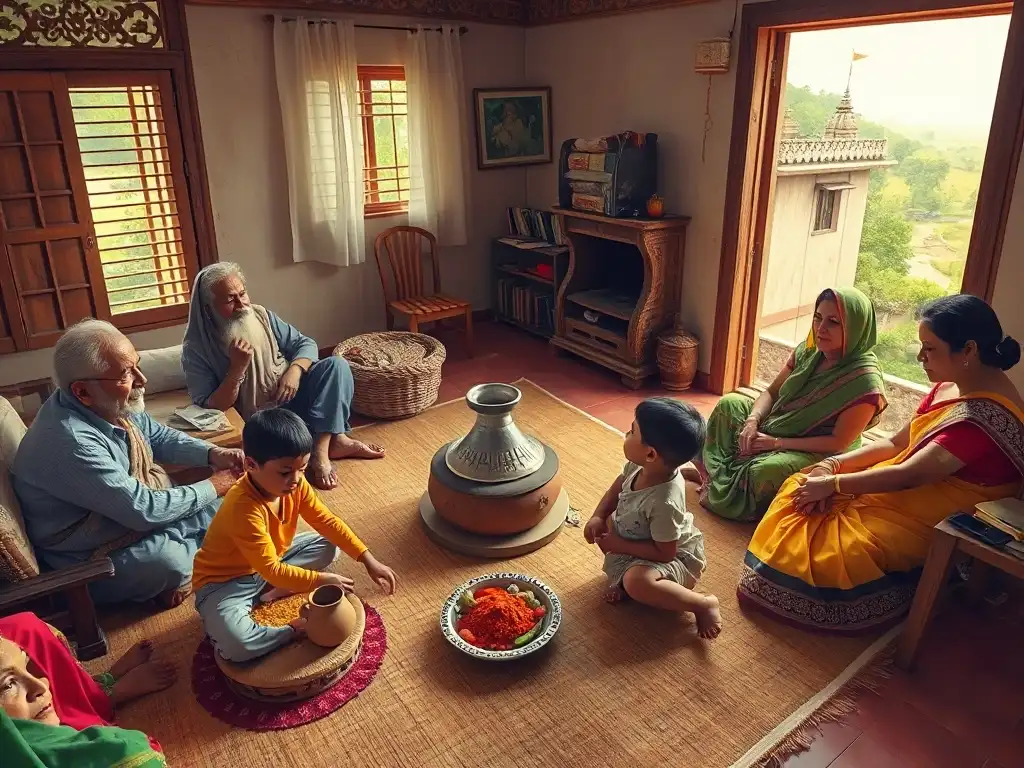
Extended families in ancient India were integral to societal functioning, yet they faced numerous challenges that affected their dynamics and overall stability. One primary challenge was the economic strain on family resources. As families grew, the burden of supporting multiple generations often led to competition for limited resources, including land, food, and financial assets. This economic pressure sometimes resulted in familial discord, as members vied for control over resources.
Another significant challenge was the social stratification inherent in ancient Indian society, which often dictated family structures and relationships. Caste systems created barriers that affected marriage prospects and alliances between families, leading to tensions within extended family units. Additionally, the emergence of new social classes and changing professions challenged traditional roles, causing friction among family members who may have held different views on status and responsibilities.
Moreover, the influence of external factors, such as invasions or political changes, disrupted established family systems. For instance, during periods of upheaval, families could be separated, leading to a loss of cohesion and support networks. The impact of such events not only strained relationships among family members but also altered the traditional roles that extended families played in society.
Social Changes and Their Impact on Family Structures
The evolution of social norms and practices significantly impacted the structures of extended families in ancient India. The rise of urbanization and trade led to a shift from agrarian lifestyles, affecting the way families interacted and functioned. As people migrated to cities, the traditional joint family system began to encounter challenges, with nuclear families becoming more common in urban settings. This transformation often resulted in a dilution of family ties that had previously been strong.
Additionally, the spread of different religious and philosophical teachings introduced new values regarding individualism and personal freedom. The teachings of Buddhism, Jainism, and later Hindu reform movements emphasized personal spiritual development over familial obligations. Consequently, some individuals began to prioritize their spiritual journeys, which sometimes led to conflicts with traditional expectations within extended families.
The increasing influence of colonial rule in the 19th and early 20th centuries further complicated family dynamics. With exposure to Western ideals of family and individual rights, many began to question and challenge the traditional roles within extended families. This period saw shifts in marriage practices, inheritance laws, and gender roles, leading to a gradual transformation of family structures that, while adapting to modern contexts, often struggled to retain their historical roots.
Conflicts and Resolutions within Extended Family Units
Conflicts within extended families in ancient India were not uncommon and could arise from various sources. One prevalent source of tension stemmed from differing generational values. Older generations often adhered to traditional norms, while younger members might embrace more progressive ideas influenced by exposure to broader societal changes. Such differences could lead to disagreements over marriage choices, educational pursuits, and lifestyle decisions.
To resolve these conflicts, extended families often relied on cultural practices and rituals that reinforced unity. Family meetings, often convened during significant events or festivals, provided a platform for discussion and reconciliation. Elders typically played a crucial role in mediating disputes, drawing on their authority and wisdom to foster compromise and maintain harmony within the family unit.
Additionally, the concept of dharma, or duty, was pivotal in guiding the behavior of family members. Each individual had specific responsibilities towards their family, and invoking these duties often served to realign priorities and diffuse tensions. By reminding members of their roles and obligations, families could work through conflicts and reestablish a sense of shared purpose.
Conclusion: The Legacy of Extended Families in Ancient Indian Society
The legacy of extended families in ancient Indian society is profound, as these familial structures served not only as social units but also as pillars of cultural continuity. They facilitated the transmission of traditions, values, and knowledge across generations, ensuring the survival of cultural identity. The extended family system fostered a sense of belonging and community, which was essential in a society that placed immense value on familial ties.
Lasting Impact on Modern Indian Family Systems
The influence of extended families can still be observed in modern Indian family systems, where elements of the traditional joint family model persist despite urbanization and globalization. Many Indian households continue to embody the principles of extended family living, with multiple generations cohabitating and supporting one another. This interdependence reflects the deep-rooted cultural belief in familial loyalty and collective responsibility.
Moreover, contemporary societal challenges such as rising living costs and the pursuit of education have led to a resurgence of interest in extended family arrangements. In urban areas, families often rely on the support of relatives for childcare, financial assistance, and emotional support, mirroring the cooperative dynamics of ancient times. This enduring legacy underscores the importance of extended families in providing stability and continuity in the face of rapid change.
Reflection on the Importance of Extended Families in Historical Context
In a historical context, extended families were not merely social constructs; they were crucial for the survival and prosperity of individuals and communities. They provided a safety net in times of crisis, facilitated social networks, and played a vital role in cultural and religious practices. The rich traditions associated with extended family life—such as festivals, rituals, and collective decision-making—highlight the importance of these units in shaping the socio-cultural landscape of ancient India.
Reflecting on the importance of extended families also reveals insights into the challenges faced in contemporary society. As modern individuals navigate the complexities of urban life, the wisdom gleaned from the historical significance of extended families serves as a reminder of the value of interconnectedness, support, and shared identity. Understanding these familial dynamics enriches our appreciation of both ancient and modern Indian culture, emphasizing the timeless relevance of extended families in fostering community and resilience.
References
Key Texts and Sources on Extended Families in Ancient India
The concept of extended families in ancient India is well-documented in various historical texts, scriptures, and research articles. Here are some key texts and sources that provide valuable insights into this aspect of Indian society:
- The Rigveda: One of the oldest religious texts, the Rigveda contains hymns that reflect the social structure of early Vedic society, including references to family units that extended beyond the nuclear family.
- The Manusmriti: This ancient legal text outlines the social norms and family dynamics in ancient India, emphasizing the importance of family lineage and the roles of different family members.
- The Mahabharata: This epic not only narrates the story of a great war but also illustrates the significance of kinship ties and the role of extended families in the lives of its characters.
- The Arthashastra: Written by Kautilya, this ancient treatise on statecraft and economics discusses the management of households and the social responsibilities of family members, providing insight into extended family interactions.
- Anthropological Studies: Research by anthropologists such as McKim Marriott and others has documented the structure and functioning of extended families in various Indian communities, highlighting their relevance in both historical and contemporary contexts.
Suggested Further Reading on Family and Marriage Practices in Ancient India
For those interested in a deeper exploration of family and marriage practices in ancient India, the following texts are recommended:
- "Family in India: Structure and Dynamics" by M. D. Srinivas: This book offers a comprehensive analysis of family structures, including the role of extended families in shaping social relations.
- "Marriage and Family in India" by A. M. Shah: This work discusses various marriage practices and familial relationships within the Indian context, with emphasis on extended family networks.
- "The Social Structure of Ancient India" by R. S. Sharma: This text provides an overview of social organization in ancient India, including how extended families fit into the broader societal framework.
- "The Hindu Family: A Sociological Study" by S. C. Dube: Dube's research delves into the socio-cultural aspects of the Hindu family, highlighting the significance of extended families in daily life.
- Journal Articles and Research Papers: Various academic journals publish research on family dynamics in ancient India. Look for articles in journals such as "Indian Journal of Social Science Research" and "Journal of Family History" for contemporary analyses and historical perspectives.
These texts and resources will enhance your understanding of the intricate role that extended families played in the social fabric of ancient India, illuminating their lasting impact on family and marriage practices.
- Introduction to Extended Families in Ancient India
- Historical Background of Family Systems in Ancient India
- Social Structure and Extended Families
- Economic Contributions of Extended Families in Ancient India
- Cultural Significance of Extended Families
- Festivals and Rituals Celebrated by Extended Families
- Preservation of Traditions and Knowledge through Generations
- Marriage Practices and Extended Families
- Arranged Marriages and Family Alliances
- The Influence of Extended Families on Marriage Choices
- Challenges Faced by Extended Families in Ancient India
- Conclusion: The Legacy of Extended Families in Ancient Indian Society
- References
Frequently Asked Questions
What were extended families in ancient India?
Extended families in ancient India comprised of multiple generations living together, including parents, children, grandparents, and other relatives. This structure was significant in providing social support and maintaining cultural traditions.
The extended family system played a crucial role in ancient Indian society by reinforcing hierarchical relationships and ensuring the continuity of family lineage. It facilitated the transmission of values and responsibilities across generations.
What were the benefits of extended families in ancient India?
Extended families offered several benefits, including shared economic resources, emotional support, and a stronger sense of community. This unity helped families face challenges together and enhanced their social standing.
Did extended families influence marriage practices?
Yes, in ancient India, extended families significantly influenced marriage practices. Marriages were often arranged to strengthen family ties, ensuring that alliances were formed between wealthy or influential families.
How did the Gupta Empire view extended families?
During the Gupta Empire, extended families were viewed as the foundation of society. They were essential for maintaining social norms, cultural continuity, and were regarded as a unit of economic production and support.
Final Reflection: The Enduring Legacy of Extended Families in Ancient India
The exploration of extended families in ancient India reveals a profound connection between familial structures and societal stability that resonates even in today's world. As we navigate modern complexities, the values of cooperation, support, and shared responsibility that defined these familial units remind us of the importance of community in fostering resilience. In an era marked by rapid change and individualism, the lessons from ancient Indian society serve as a powerful reminder that our strength often lies in our connections to one another.
The influence of extended families in ancient India continues to shape our cultural and social landscapes, emphasizing the importance of interdependence and collective identity. This historical framework not only nurtured individuals but also fortified communities, creating a sense of belonging that transcends generations. As Mahatma Gandhi once said, The best way to find yourself is to lose yourself in the service of others.
This sentiment echoes the essence of extended families, where personal growth is intertwined with the well-being of the collective, fostering a spirit of unity that remains relevant in contemporary society.
As we reflect on the role of extended families, let us consider how we can incorporate these values into our own lives. Take a moment to appreciate your family connections and the support systems around you. Whether through nurturing relationships or fostering a sense of community, we can all contribute to a more cohesive society. By embracing the lessons of the past, we can build a future that honors the strength of our familial ties, ensuring that the spirit of extended families continues to thrive in our modern world.
Embrace Your Heritage: Connect with Extended Family Insights!
Thank you for exploring the fascinating role of extended families in ancient Indian society! By delving into this rich topic, you've not only gained a deeper understanding of historical social structures but also a glimpse into the values that shaped communities. Now, let’s take that knowledge and turn it into action!
Here are a few ways to connect with the legacy of extended families:
- Start a Family History Project: Gather stories, photographs, and documents from your relatives to create a comprehensive family tree that celebrates your heritage.
- Engage in Community Discussions: Join or initiate conversations in local forums or online groups that focus on family dynamics and traditions, fostering connections with others who share similar interests.
- Share Your Learnings: Consider writings or social media posts to share your insights about the significance of extended families in your culture, sparking further interest and discussion.
What role do you think extended families play in today’s society, and how can we learn from our ancestors to strengthen those connections?