
Sacred Unions: Understanding Hindu Marriage Ceremonies in Ancient Times

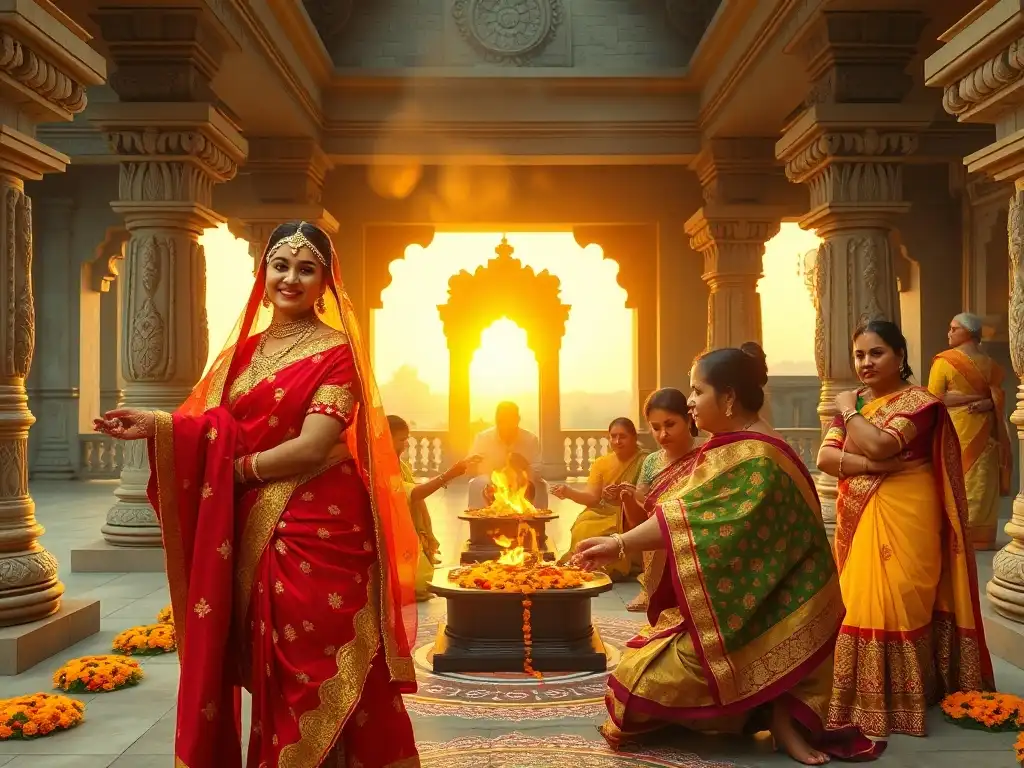
Welcome to Ancient India History, where we embark on a journey through the remarkable tapestry of India's past. Here, we delve into the rich and diverse history, culture, and contributions of ancient Indian civilizations, from the enigmatic Indus Valley to the illustrious Gupta Empire. In our featured article, “Sacred Unions: Understanding Hindu Marriage Ceremonies in Ancient Times,” we invite you to explore the fascinating evolution of Hindu marriage ceremonies history—a vital aspect of daily life and society.
What customs and rituals shaped these sacred unions, and how do they reflect the values of a bygone era? Join us as we uncover the answers and more, igniting your curiosity about the profound legacies of ancient India.
- Introduction to Hindu Marriage Ceremonies History
- Origins of Hindu Marriage Ceremonies
- Key Elements of Ancient Hindu Marriage Ceremonies
- Different Types of Hindu Marriage Ceremonies in Ancient Times
- The Role of Family in Hindu Marriage Ceremonies
- The Evolution of Hindu Marriage Ceremonies
- Conclusion: The Legacy of Hindu Marriage Ceremonies
-
Frequently Asked Questions
- What is the significance of Hindu marriage ceremonies in ancient times?
- How did ancient Hindu marriage ceremonies differ from modern practices?
- What were some common rituals in ancient Hindu marriage ceremonies?
- How did the caste system influence Hindu marriage ceremonies?
- What contributions did ancient Indian civilizations make to the understanding of marriage?
- Final Reflection: Embracing the Sacredness of Hindu Marriage Ceremonies
- Embrace the Richness of Hindu Marriages Today!
Introduction to Hindu Marriage Ceremonies History
The history of Hindu marriage ceremonies is a fascinating tapestry woven through centuries of cultural evolution, religious practices, and societal norms in ancient India. These ceremonies not only reflect the rich traditions of Hindu society but also symbolize the profound significance of marriage as a sacred union.
From the early Vedic texts to the elaborate rituals practiced during the Gupta Empire, the evolution of these ceremonies showcases the diverse influences that have shaped Hindu matrimonial customs. In this article, we delve into the historical context of Hindu marriage ceremonies, exploring their significance, rituals, and the profound impact they had on ancient Indian society.
Overview of Hindu Marriage Significance in Ancient India
Hindu marriage in ancient India was considered more than just a social contract; it was viewed as a sacred duty and a vital component of dharma (moral order). The significance of marriage can be traced back to the Vedic period, where the concept of Grihastha Ashrama (the householder stage of life) played a crucial role in one's spiritual journey. Here are some key aspects of this significance:
- Social Structure: Marriage was a means of preserving social order and ensuring the continuation of family lineage. Each marriage was carefully arranged to maintain caste and community ties.
- Religious Duty: Performing rituals associated with marriage was seen as a way to fulfill one's duties to family and society, as well as to honor deities and ancestors.
- Cultural Identity: Through marriage, individuals not only formed personal bonds but also reinforced their cultural identity, contributing to the continuity of traditions and practices.
The ancient texts, including the Rigveda and Smritis, provide insights into the various aspects of marriage, such as the roles of the bride and groom, the ceremonies involved, and the underlying philosophical beliefs that guided these practices.
Importance of Ceremonies in Ancient Indian Society
Ceremonies surrounding Hindu marriages held immense importance in ancient Indian society, serving as a reflection of cultural values, social hierarchies, and religious beliefs. The following points highlight their significance:
- Ritualistic Framework: Each ceremony was rich with rituals that symbolized various phases of the marital journey. For instance, rituals like Saptapadi (the seven steps) represented the couple's journey together, reinforcing their commitment to each other.
- Community Involvement: Marriage ceremonies were communal events that brought families and communities together. They were occasions for social bonding, where relatives and friends participated in the celebrations, reaffirming social ties.
- Cultural Transmission: Through marriage rituals, cultural values, traditions, and practices were transmitted across generations. This ensured the preservation of heritage and the continuity of societal norms.
In essence, Hindu marriage ceremonies were not merely personal milestones; they were vital events that underscored the intricate relationship between individual lives and the broader social fabric of ancient India. As we explore the history of these ceremonies further, we will uncover the distinct rituals, beliefs, and transformations that have defined Hindu marriages throughout the ages.
Origins of Hindu Marriage Ceremonies
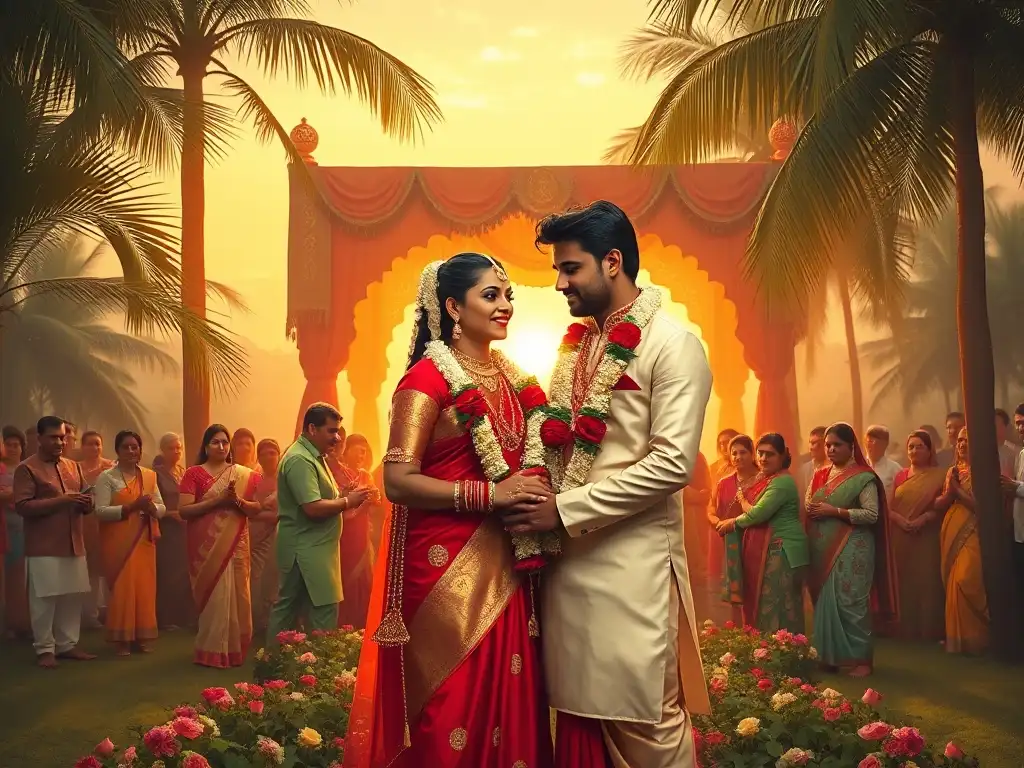
Historical Roots of Hindu Marriages in Ancient Texts
Hindu marriage ceremonies have a storied history, deeply rooted in ancient texts and traditions. The origins of these ceremonies can be traced back to various sacred scriptures, including the Vedas, Upanishads, and Puranas. Each of these texts provides insights into the practices and significance of marriage within the Hindu culture.
- The Vedas, particularly the Rigveda, contain hymns that highlight the sanctity of marriage. The concept of sambandha (relationship) and the ideal of a lifelong partnership between husband and wife are emphasized throughout these texts.
- The Manusmriti, an ancient legal text, outlines the duties and responsibilities of spouses, showcasing how marriage was not merely a social contract but a sacred duty. It provides a framework for marital conduct, emphasizing fidelity, companionship, and mutual respect.
- The Mahabharata further enriches our understanding of marriage customs through narratives that illustrate the complexities of relationships, including the polyandrous marriage of the Pandavas and the importance of kanyadaan (giving away of the bride) during ceremonies.
These ancient texts not only codified marital customs but also reflected the social values and ethical principles of the time, establishing a foundation for the evolution of Hindu marriage ceremonies.
Influence of Vedic Traditions on Marriage Practices
The Vedic traditions have profoundly influenced Hindu marriage ceremonies, embedding rituals and practices that continue to be relevant today. Vedic rituals are characterized by their spiritual significance and the invocation of deities, which underscores the importance of divine blessings in marital unions.
- Saptapadi (Seven Steps): One of the most significant rituals that emerged from Vedic traditions is the Saptapadi, where the couple takes seven steps together, each step symbolizing a specific vow. This ritual emphasizes the commitment to support each other in various aspects of life, including health, strength, prosperity, and spiritual growth.
- Agni (Fire) as a Witness: In ancient Vedic ceremonies, fire was revered as a sacred entity. The couple would perform their rituals in the presence of Agni, who serves as a witness to their vows. This practice highlights the sanctity and permanence of the marital bond.
- Role of Rituals: Various rituals such as Kanyadaan, Mangalya Dharanam (tying the sacred thread), and Homa (fire offerings) originated from Vedic customs. Each of these rituals signifies different aspects of the marriage, reinforcing the spiritual and social dimensions of the union.
Through these rituals, the Vedic traditions fostered a holistic approach to marriage, intertwining spiritual, ethical, and social responsibilities, which remain integral to Hindu marriage ceremonies today. The enduring nature of these practices reflects their deep-rooted origins and the continuous evolution of Hindu marriage customs throughout history.
Key Elements of Ancient Hindu Marriage Ceremonies
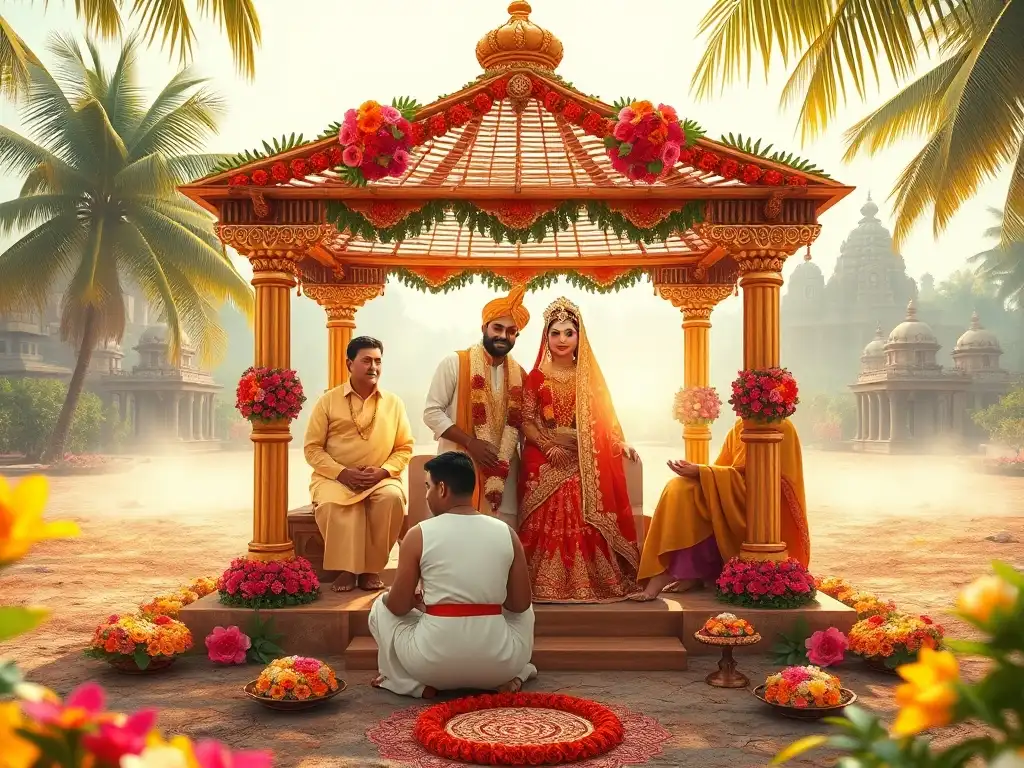
Ancient Hindu marriage ceremonies are deeply rooted in tradition and spirituality, reflecting the values and beliefs of the society at that time. These ceremonies were not merely social contracts but were considered sacred unions, rich in rituals and symbolism. Understanding the key elements involved in these ceremonies provides insight into the cultural fabric of ancient Indian society.
The Role of Rituals in Hindu Marriages
Rituals play a pivotal role in Hindu marriage ceremonies, serving as a bridge between the physical and spiritual realms. Each ritual is laden with meaning and is designed to invoke blessings from deities, ancestors, and the universe. The following are some of the most significant rituals observed in ancient Hindu marriages:
- Sankalp: This initial ritual involves the couple making a solemn vow before the sacred fire, affirming their commitment to each other and their families.
- Kanyadaan: A significant moment where the bride's father gives her away to the groom, symbolizing the transfer of responsibility and care.
- Saptapadi (Seven Steps): The couple takes seven steps together, each representing a vow that strengthens their bond and outlines their duties towards each other.
- Mangal Sutra: The groom ties a sacred necklace around the bride's neck, signifying their union and the bride's commitment to her new family.
These rituals are not merely ceremonial; they encapsulate the essence of marital life and the responsibilities that accompany it. They also serve as a means for the families to unite, fostering social ties and communal harmony.
Sacred Symbols Used in Hindu Marriage Ceremonies
Ancient Hindu marriage ceremonies are rich in symbolism, with various objects and practices conveying deeper meanings. Here are some of the sacred symbols commonly used:
- Mangal Sutra: As mentioned earlier, this sacred thread symbolizes the groom's affection and commitment to the bride. It is believed to protect the bride from evil and ensure her well-being.
- Sindoor: The red powder applied by the groom on the bride's forehead signifies her marital status and is a symbol of prosperity and auspiciousness.
- Kalash: A pot filled with water and adorned with mango leaves, the kalash represents abundance and fertility, serving as a vessel to invite divine blessings into the marital home.
- Rice and Wheat: These grains symbolize prosperity and are often used in rituals to invoke abundance in the couple's life together.
These symbols are integral to the ceremonies, carrying with them historical significance and conveying the hopes and aspirations of the couple.
Importance of Fire (Agni) in Marriage Rituals
The element of fire, or Agni, holds a central place in Hindu marriage ceremonies, symbolizing purity, power, and the divine presence. The significance of Agni in these rituals can be summarized through the following aspects:
- Witness to the Union: Agni is considered a divine witness to the marriage, embodying the energy that sanctifies the relationship. The couple often circles the sacred fire, reaffirming their vows and dedication to one another.
- Purification: Fire is viewed as a purifying element, cleansing the couple of past impurities and preparing them for a new beginning together.
- Symbol of Transformation: The flames of Agni represent transformation and the passage of two individual lives into one. This symbolism emphasizes the spiritual and emotional growth that marriage entails.
The sacredness of Hindu marriage ceremonies in ancient times is evident through the rituals, symbols, and the pivotal role of fire. These elements not only reflect the rich history of Hindu culture but also reveal the profound spiritual significance attributed to the institution of marriage. Understanding these aspects offers a comprehensive view of the values that have shaped ancient Indian society and continue to influence contemporary practices.
Different Types of Hindu Marriage Ceremonies in Ancient Times
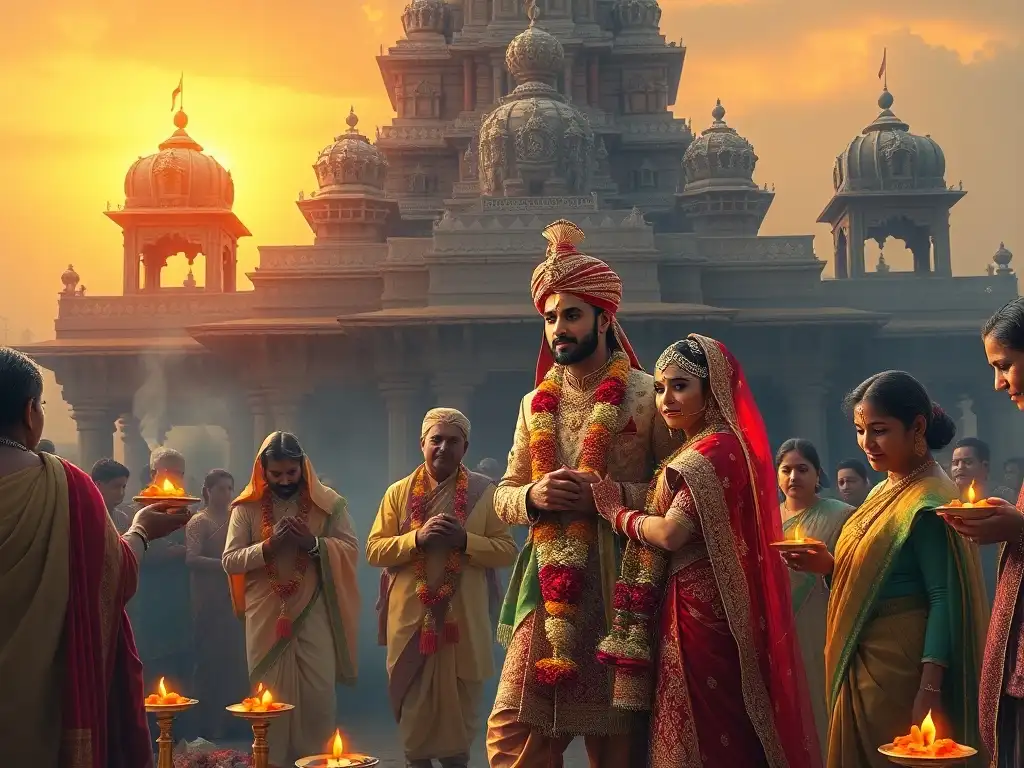
Brahma Marriage: The Ideal Union
Brahma marriage is often considered the most auspicious and ideal form of Hindu marriage in ancient times. It involves a sacred union between two individuals who are chosen by their families based on compatibility, virtues, and social status. This type of marriage emphasizes the importance of mutual respect, love, and spiritual connection.
- Rituals and Practices: The Brahma marriage ceremony includes several rituals that highlight the sanctity of the union. Key elements include:
- Kanyadaan: The act of giving away the bride by her father, symbolizing his blessings for the couple's future.
- Saptapadi: The seven steps taken by the couple together, representing their commitment to each other and their vows for a shared life.
- Agni Parikrama: Circling the sacred fire, which serves as a witness to the vows made by the couple.
- Cultural Significance: Brahma marriage is deeply embedded in Vedic traditions and reflects the societal values of the time. It is believed that this form of marriage leads to a harmonious family life and spiritual advancement.
This ceremony's emphasis on duty and righteousness is evident in various ancient texts, where it is described as a pathway to achieving dharma, or moral duty.
Asura Marriage: Understanding the Historical Context
Asura marriage presents a contrasting view of matrimonial practices in ancient India. This type of marriage typically involves the groom paying a substantial bride price to the bride's family, diverging from the more traditional Brahma marriage where the bride's family bears the expenses.
- Characteristics:
- Bride Price: The groom's family compensates the bride's family, which can be seen as a transactional approach to marriage.
- Social Context: This type of marriage was often practiced among certain classes and was sometimes viewed as less honorable compared to Brahma marriage.
- Literary References: Ancient texts like the Manusmriti discuss the Asura marriage, often highlighting its controversial nature. The practice was sometimes criticized for its focus on material wealth rather than spiritual connection.
Despite its perceived drawbacks, the Asura marriage played a significant role in the social fabric of ancient India, reflecting the diverse nature of marital customs.
Gandharva Marriage: The Essence of Love and Consent
Gandharva marriage represents a more romantic and liberal approach to marriage in ancient India, emphasizing love, consent, and emotional connection over societal constraints.
- Defining Features:
- Consent-Based Union: This type of marriage is characterized by the couple's mutual agreement without the need for parental approval.
- Spontaneity: Often initiated by love, Gandharva marriage can be seen as an expression of individual choice, allowing couples to marry out of genuine affection.
- Cultural References: Gandharva marriage is frequently mentioned in ancient texts and epics, such as the Mahabharata, where love stories often culminate in this form of union. It reflects the belief that true love can transcend societal norms.
- Social Implications: While Gandharva marriage was less formal and lacked the rituals of Brahma marriage, it held a special place in the hearts of many, symbolizing personal freedom and the power of love.
The various forms of Hindu marriage ceremonies in ancient times—Brahma, Asura, and Gandharva—illustrate the rich tapestry of social customs and values that shaped family life in ancient India. Each type of marriage ceremony carries distinct characteristics and cultural significance, contributing to the broader understanding of Hindu marriage ceremonies history.
Other Forms of Marriage in Ancient Hindu Society
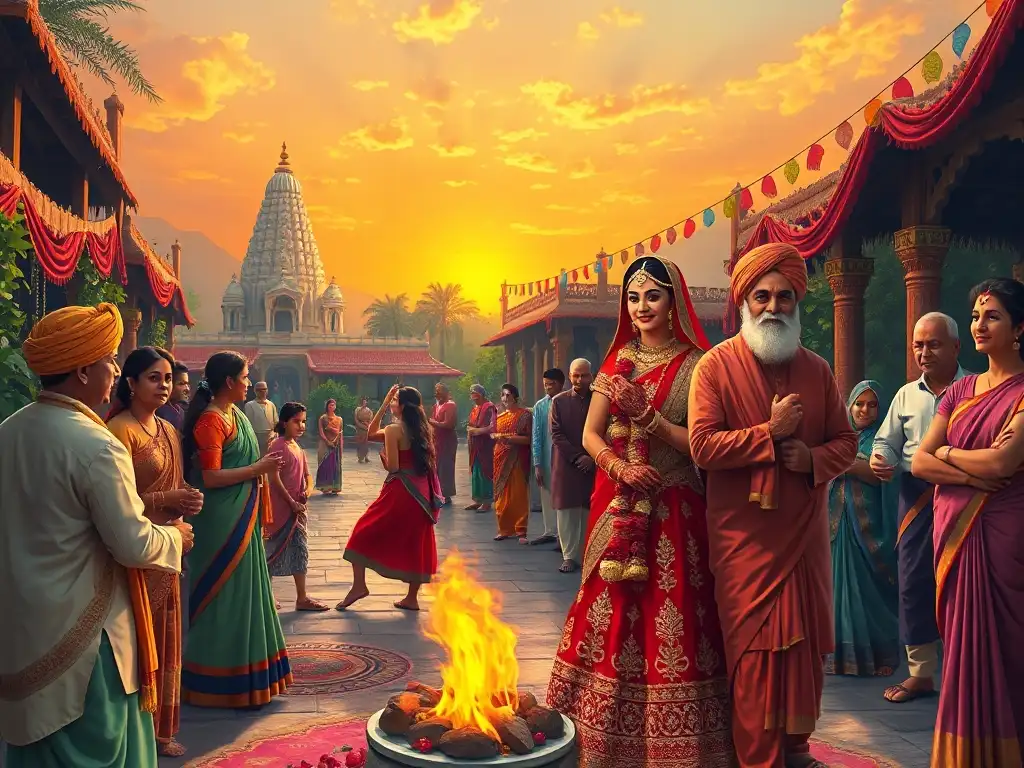
In addition to the traditional practices of Hindu marriage, ancient Hindu society recognized several other forms of marriage that reflected the diverse cultural, social, and economic contexts of the time. These alternative marriage forms were not merely variations of the conventional ceremonies but were deeply rooted in the specific customs and needs of different communities.
1. Gandharva Marriage
Gandharva marriage is considered one of the most romantic forms of union in ancient Hindu texts. This type of marriage occurs when a man and woman mutually agree to marry without parental consent and often involves an elopement. This form of marriage was celebrated for its emphasis on personal choice and love, as it allowed couples to bypass traditional constraints. The term 'Gandharva' refers to celestial musicians in Hindu mythology, symbolizing the harmonious union of love.
- Characteristics:
- Initiated by mutual consent.
- Often celebrated in secret.
- Emphasizes emotional and spiritual connection.
2. Asura Marriage
Asura marriage refers to a form of marriage where the groom offers a substantial bride price (dowry) to the bride's family. This practice often had connotations of social status, wealth, and power, as it was more prevalent among the affluent classes. In this case, the groom is perceived as being in a position of strength, which could lead to power dynamics within the relationship.
- Characteristics:
- Involves a significant payment or gift from the groom.
- Typically associated with higher social strata.
- Can lead to issues of commodification of marriage.
3. Rakshasa Marriage
Rakshasa marriage represents a more aggressive form of union, typically involving abduction. In this scenario, the groom forcibly takes the bride, often in a context where consent is not sought or given. This type of marriage was sometimes romanticized in ancient texts, yet it also raises ethical concerns regarding the agency of the bride.
- Characteristics:
- Involves coercion or abduction.
- Can be seen as a reflection of power dynamics.
- Often romanticized in mythological narratives.
4. Prajaapatya Marriage
Prajaapatya marriage is characterized by the consent of both families and is often seen as a mutual alliance rather than just a union of two individuals. This form of marriage typically involves negotiations and discussions between families, emphasizing the importance of social ties and community bonds.
- Characteristics:
- Requires family approval and involvement.
- Focuses on alliances between families.
- Reflects the societal importance of kinship.
Conclusion
The diversity of marriage forms in ancient Hindu society illustrates the complexity and richness of cultural practices. Each type of marriage—be it Gandharva, Asura, Rakshasa, or Prajaapatya—carries its own set of norms and values, showcasing how social dynamics, personal choice, and familial obligations intersected in the context of marital unions. Understanding these forms not only enriches our knowledge of Hindu marriage ceremonies history but also sheds light on the social fabric of ancient India.
The Role of Family in Hindu Marriage Ceremonies
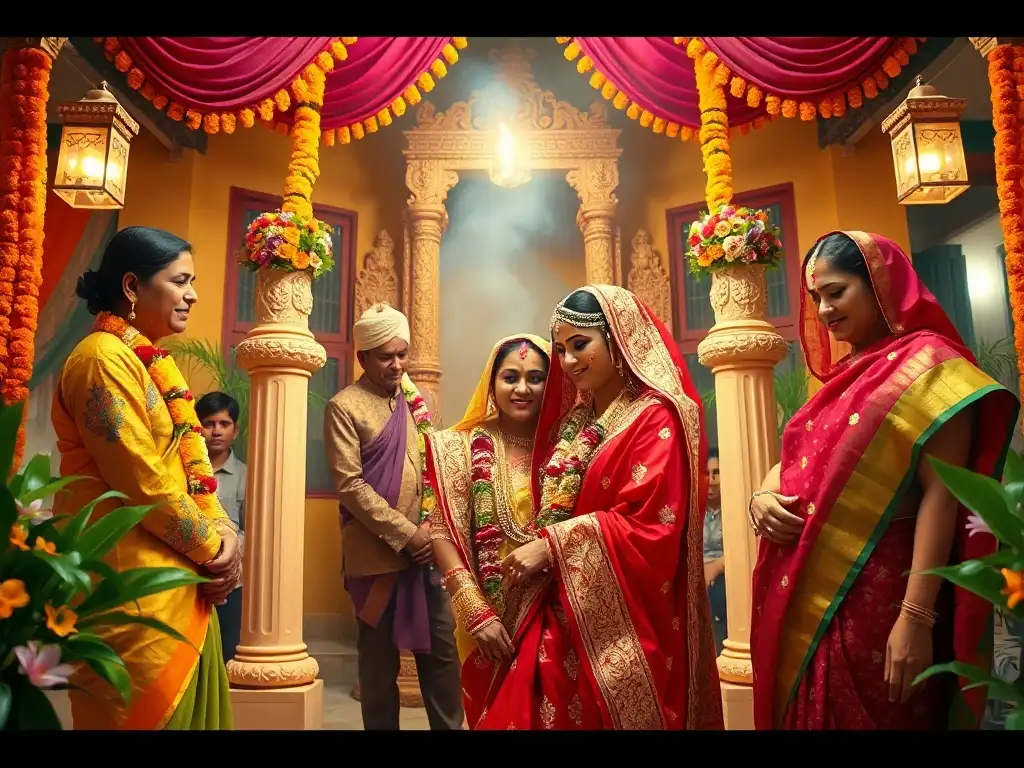
Importance of Parental Approval in Ancient Hindu Marriages
In ancient India, the family played a crucial role in the institution of marriage, particularly in securing parental approval. The concept of marriage was not solely an individual affair but a significant familial alliance, often dictated by social, economic, and cultural considerations. Parental consent was paramount, as it symbolized the union of two families rather than just two individuals.
The importance of parental approval can be understood through several key points:
- Social Status and Alliances: Marriages were often used to consolidate family status, wealth, and influence within the community. Parents sought suitable matches that would enhance their family's reputation and secure advantageous alliances.
- Cultural Traditions: Ancient Hindu texts, such as the Manusmriti, emphasized the need for parental involvement in marriage decisions. It was believed that parents had a duty to ensure their children married into families that upheld the same cultural and religious values.
- Role of Matchmakers: In many cases, families employed matchmakers who acted as intermediaries, presenting potential partners to families. This practice reinforced the significance of parental approval in the matchmaking process.
- Consequences of Disapproval: Disregarding parental approval often led to social ostracism or familial discord. Marriages without parental consent could result in dissatisfaction and unrest within the household, making it imperative for couples to seek approval from their families.
Overall, the emphasis on parental approval in ancient Hindu marriages illustrates the intertwined nature of family dynamics and marital unions in Hindu society.
Family Rituals and Their Significance in Marriage Ceremonies
Family rituals played an indispensable role in ancient Hindu marriage ceremonies, serving to strengthen familial bonds and affirm cultural values. These rituals not only highlighted the importance of family but also marked the transition of the bride and groom into their new roles within their respective households.
Key family rituals included:
- Kashi Yatra: This ritual involved the groom pretending to leave for Kashi (a sacred city) in search of spiritual enlightenment, symbolizing the importance of family ties and responsibilities. The bride's family would then plead with him to stay, emphasizing the significance of the marital union.
- Mangalya Dharanam: This ritual, where the groom ties a sacred thread (mangalya) around the bride’s neck, signifies the beginning of their life together and is a public declaration of their commitment. It is performed in the presence of family members, underscoring the collective support of both families.
- Saptapadi (Seven Steps): The couple takes seven steps together, each step symbolizing a vow they make to each other. This ritual is often witnessed by family members, reinforcing the communal aspect of the marriage and the support of their families in their new journey.
- Aashirvad (Blessings): The ceremony often concludes with the elders of both families offering blessings to the couple. This act is crucial, as it signifies the acceptance of the union by both families, ensuring the couple’s journey is blessed and supported.
The significance of these rituals lies not only in their spiritual aspects but also in their role in fortifying family ties. They serve as a reminder that marriage is a collective effort, where families come together to support and nurture the new couple as they embark on their shared life journey.
In essence, family rituals in ancient Hindu marriage ceremonies reflected the deep-rooted values of familial unity, cultural continuity, and social cohesion, all of which were essential to the fabric of ancient Indian society.
The Evolution of Hindu Marriage Ceremonies
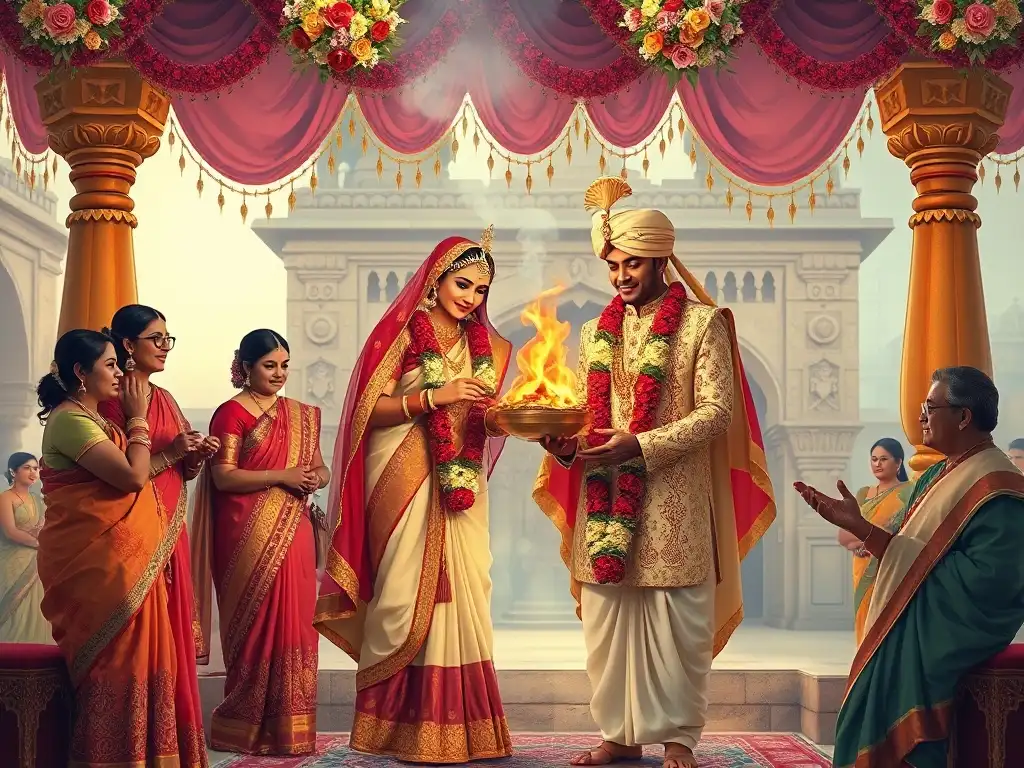
Hindu marriage ceremonies have evolved significantly over the centuries, reflecting the changing social, cultural, and religious contexts of ancient Indian society. Rooted in ancient scriptures and customs, these ceremonies have undergone transformations that align with the values and beliefs of different eras. Understanding the evolution of Hindu marriage ceremonies not only provides insight into the historical context but also highlights the continuity and adaptation of traditions over time.
Changes in Marriage Practices Over the Ages
Historically, Hindu marriage practices were deeply influenced by Vedic traditions, which emphasized sacredness and duty in marital bonds. The earliest references to marriage can be found in the Vedas, where marriage was viewed as a sacrament (samskara) rather than merely a social contract. The rituals performed during these ceremonies were rich in symbolism and significance, intending to establish a divine connection between the couple.
- Vedic Period (1500 BCE - 500 BCE):
- Saptapadi: One of the key rituals, where the couple takes seven steps together, representing their journey through life.
- Kanyadaan: The father giving away his daughter, symbolizing the transfer of responsibility and blessings to the groom.
- Post-Vedic Period (500 BCE - 300 CE):
- The introduction of different types of marriages, including Brahma, Daiva, Arsha, and more, reflecting varying social statuses and customs.
- Increased emphasis on the dowry system, which became more prevalent during this period, influencing marriage arrangements.
- Medieval Period (300 CE - 1200 CE):
- Marriages began to incorporate regional practices, leading to diverse customs across India, such as Nikkah in Muslim communities and Swayamvara in royal families.
- The rituals became more elaborate, with a focus on public display and festivities, marking the importance of social status.
- Modern Era (1200 CE - Present):
- The influence of colonialism and social reform movements led to debates on marriage customs, including the dowry system and child marriage.
- Contemporary Hindu marriages often blend traditional rituals with modern values, emphasizing love, consent, and equality.
These changes reflect broader societal shifts, including the roles of women, family dynamics, and the impact of socio-political transformations.
How Ancient Traditions Influence Modern Hindu Marriage Ceremonies
Despite the evolution of marriage practices, several ancient traditions continue to play a crucial role in modern Hindu marriage ceremonies, demonstrating the resilience and continuity of cultural heritage. Many contemporary rituals are direct descendants of ancient practices, albeit with modifications to fit modern sensibilities.
- Core Rituals:
- The Saptapadi remains a cornerstone of Hindu weddings, symbolizing the couple's commitment to each other.
- Agni (fire) continues to be a central element, representing purity and the presence of the divine in marital bonds.
- Cultural Significance:
- The underlying principles of dharma (duty) and samskara (sacred rites) still influence the conduct of marriages today, reinforcing the belief that marriage is a lifelong commitment.
- Rituals such as Mehendi (henna application) and Baraat (groom's procession) draw on ancient customs, showcasing the vibrant and celebratory aspects of Hindu culture.
- Adaptations and Innovations:
- Modern Hindu marriages are increasingly characterized by personalization, where couples incorporate their unique stories and preferences into traditional ceremonies.
- The shift towards egalitarian practices, such as shared responsibilities in rituals, illustrates the influence of contemporary values on ancient traditions.
The history of Hindu marriage ceremonies is a tapestry woven from ancient customs and modern interpretations. By exploring the evolution of these practices, we can appreciate how they continue to shape the fabric of Hindu society, reflecting both continuity and change in the rich cultural landscape of India.
Conclusion: The Legacy of Hindu Marriage Ceremonies
Hindu marriage ceremonies have a profound legacy that transcends time, reflecting the intricate tapestry of ancient Indian civilization. These ceremonies were not merely unions between individuals; they were sacred rites that intertwined families, communities, and even social classes. The rituals observed in ancient times were deeply rooted in spiritual beliefs and cultural traditions, serving as a foundation for the societal norms surrounding marriage.
One of the most notable aspects of Hindu marriage ceremonies in ancient India was their emphasis on dharma, or duty. Marriage was seen as a vital institution ordained by the divine, and thus, every ritual held significance in affirming this sacred bond. The Saptapadi, or seven steps taken by the couple, symbolized their commitment to each other and their journey together through life's trials and tribulations. This ritual, among others, established a framework that continues to influence modern practices.
Moreover, the historical context of these ceremonies reveals much about the societal structure of ancient India. Marriages often served to strengthen alliances between families and clans, influencing political dynamics and social hierarchies. The rich symbolism embedded in the rituals, such as the exchange of garlands (jaimala), represents not only love but also the merging of family ties and responsibilities.
Understanding the Cultural Importance of Ancient Hindu Marriages Today
The cultural importance of ancient Hindu marriages persists in contemporary society, where many rituals and customs have been preserved and adapted. Today's Hindu marriage ceremonies often reflect age-old traditions, albeit with modern interpretations. For instance, the significance of the Saptapadi remains, emphasizing the couple's commitment to walking together through life.
- Rituals as Cultural Heritage: Many families continue to incorporate traditional rituals into modern weddings, showcasing their cultural heritage. This practice fosters a sense of continuity and belonging, linking generations through shared customs.
- Symbolism of Unity: The rituals symbolize not just the union of two individuals but the merging of families, reinforcing social bonds. This cultural significance remains relevant today, as families often play a pivotal role in marriage arrangements.
- Spiritual Dimensions: Ancient practices emphasized the spiritual dimension of marriage, which is still a crucial aspect of modern Hindu weddings. Many couples seek blessings from deities and perform pujas (prayers) to honor their spiritual commitments.
The Continuing Influence of Ancient Practices on Contemporary Hindu Marriages
The influence of ancient Hindu marriage ceremonies on contemporary practices is evident in various aspects:
- Rituals and Customs: Many rituals such as the Kanyadaan (giving away the bride) and the Mangal Sutra (sacred thread) are still prevalent today, reflecting their deep-rooted significance in the marriage process.
- Ceremony Structure: The structure of modern Hindu weddings often mirrors that of ancient ceremonies, including multiple days of festivities, which emphasize community involvement and celebration.
- Social Significance: The role of marriage in establishing social networks remains intact. Contemporary marriages still serve as vital social events, fostering connections between families and communities.
- Adaptation and Change: While the core aspects of these ceremonies remain, adaptations to modern values and lifestyles are evident. Couples today may choose to personalize their ceremonies, blending traditional customs with contemporary influences, thus keeping the essence of ancient practices alive while catering to present-day sensibilities.
The history of Hindu marriage ceremonies not only provides insight into ancient Indian society but also shapes the way contemporary marriages are conducted. The enduring legacy of these rituals highlights their significance in preserving cultural identity and fostering social cohesion, ensuring that the rich traditions of ancient India continue to thrive in modern times.
Frequently Asked Questions
What is the significance of Hindu marriage ceremonies in ancient times?
Hindu marriage ceremonies in ancient times were seen as sacred unions that not only united two individuals but also their families and communities, emphasizing cultural continuity.
How did ancient Hindu marriage ceremonies differ from modern practices?
Ancient Hindu marriage ceremonies often included rituals and customs that are less emphasized today, such as the Saptapadi, where the couple takes seven steps together, symbolizing their vows.
What were some common rituals in ancient Hindu marriage ceremonies?
Common rituals included Kanyadaan, the giving away of the bride, and Mangal Sutra, where the groom ties a sacred thread around the bride's neck, signifying their commitment.
How did the caste system influence Hindu marriage ceremonies?
The caste system played a significant role in shaping marriage practices, often dictating partner selection and the rituals conducted, which were specific to each caste's traditions.
What contributions did ancient Indian civilizations make to the understanding of marriage?
Ancient Indian civilizations contributed to the philosophy and rituals surrounding marriage, documenting them in sacred texts like the Manusmriti, which influenced both social norms and customs throughout history.
Final Reflection: Embracing the Sacredness of Hindu Marriage Ceremonies
The exploration of Hindu marriage ceremonies in ancient times reveals a profound connection between tradition and spirituality that remains relevant today. As we navigate a world increasingly influenced by modernity, the essence of these sacred unions serves as a reminder of the values and rituals that bind families and communities together. The rich history of Hindu marriage ceremonies not only reflects cultural heritage but also emphasizes the importance of commitment, love, and respect in relationships.
Hindu marriage ceremonies have shaped societal norms and personal identities for centuries, and their influence continues to resonate in contemporary culture. The rituals and customs that once marked the beginning of a couple's journey together still hold significance, often serving as a bridge between generations. As we reflect on this enduring legacy, we are reminded of the words of Mahatma Gandhi: A nation’s greatness is measured by how it treats its weakest members.
This quote underscores the idea that the values embedded in these ceremonies extend beyond the couple, impacting families and communities at large.
As you consider the lessons from the history of Hindu marriage ceremonies, I invite you to reflect on the significance of your own relationships and the traditions that shape them. How can you honor the sacredness of your connections while embracing the wisdom of the past? Let the stories of ancient unions inspire you to cultivate love, respect, and commitment in your life, fostering bonds that transcend time and enrich the tapestry of your own journey.
Embrace the Richness of Hindu Marriages Today!
Thank you for taking the time to explore the fascinating world of Hindu marriage ceremonies from the past. We hope you gained valuable insights into their significance, customs, and rituals. Now, let’s take actionable steps to keep that inspiration alive!
- Dive deeper: Explore the symbolism behind various rituals in Hindu marriages to enhance your understanding.
- Share the knowledge: Engage in conversations about these ancient customs with friends and family, fostering discussions that help preserve cultural heritage.
- Experience it for yourself: Participate in a local festival or ceremony to witness the beauty of these traditions firsthand and strengthen your connection with the community.
How do you believe that understanding these ancient practices can influence modern relationships?