
The Interplay of Science and Spirituality in Ancient Indian Learning

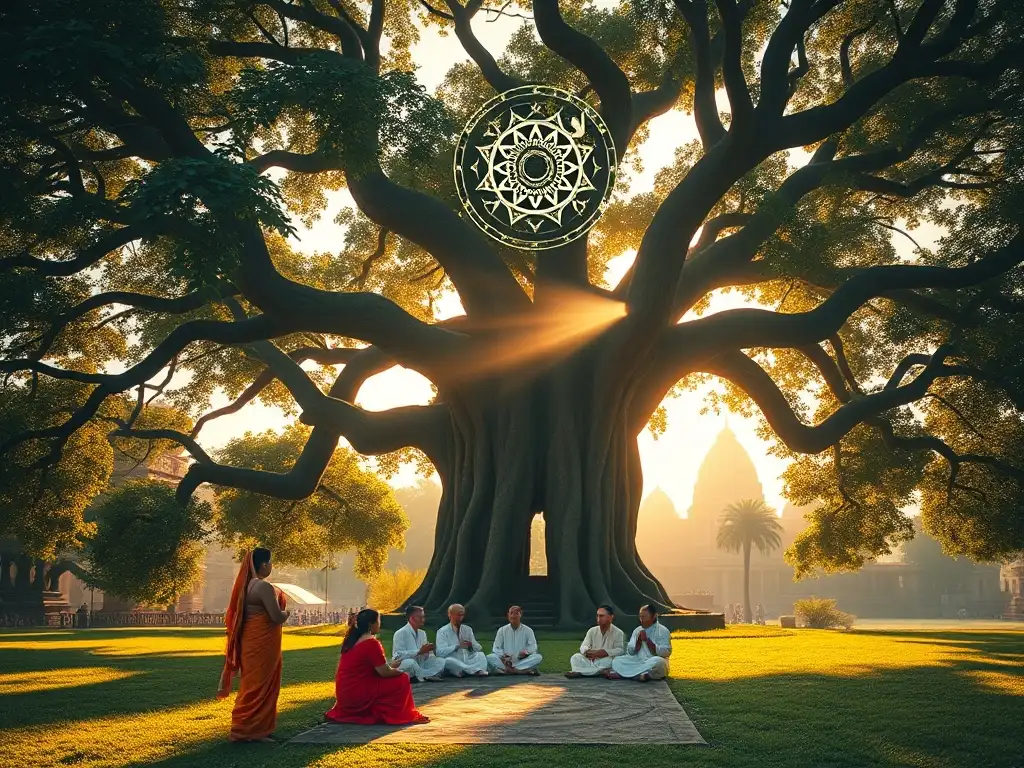
Welcome to Ancient India History, where we embark on a fascinating journey through time to uncover the rich tapestry of ancient Indian civilizations. In our featured article, The Interplay of Science and Spirituality in Ancient Indian Learning, we delve into the profound connections between ancient Indian science and spirituality—a theme that not only shaped the intellectual landscape of the time but continues to inspire modern thought.
Prepare to explore how these two realms intertwined, fostering a culture of innovation and wisdom that has left an indelible mark on history. Join us as we unravel the mysteries and marvels of this extraordinary era!
Introduction to Ancient Indian Science and Spirituality
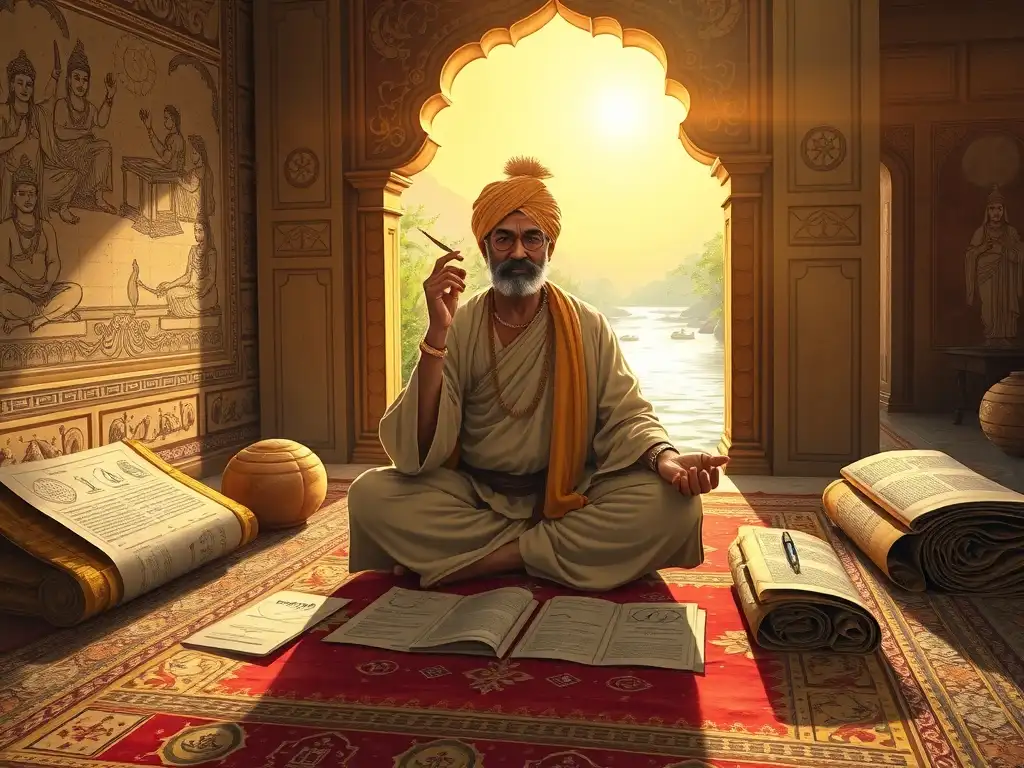
The exploration of Ancient Indian science and spirituality reveals a profound interconnection that shaped educational practices and the intellectual landscape of early Indian civilizations. Far beyond mere disciplines, science and spirituality were intertwined threads in the fabric of life, influencing not only the curriculum of educational institutions but also the very essence of human existence. This interplay fostered a holistic approach to knowledge, wherein empirical observation and metaphysical inquiry coexisted, giving rise to advancements that are still revered today.
Overview of Ancient Indian Civilizations
Ancient India was home to several remarkable civilizations, each contributing unique perspectives on the relationship between science and spirituality. From the sophisticated urban planning of the Indus Valley Civilization to the philosophical inquiries of the Vedic texts, these societies laid the groundwork for a rich tapestry of knowledge that emphasized the unity of material and spiritual understanding:
- Indus Valley Civilization (c. 3300–1300 BCE): Known for its advanced urban centers and trade networks.
- Vedic Period (c. 1500–500 BCE): Marked by the composition of the Vedas, which explore cosmology, ritual practices, and philosophical thought.
- Gupta Empire (c. 320–550 CE): Often considered the "Golden Age" of India, characterized by remarkable achievements in various fields, including mathematics, astronomy, and medicine.
Importance of Science and Spirituality in Education
In ancient Indian educational systems, the integration of science and spirituality was paramount. Knowledge was not merely a collection of facts; rather, it was viewed as a means to attain higher consciousness and understanding of the universe. This holistic perspective fostered critical thinking and self-reflection among learners, encouraging them to explore both the material world and their inner selves. Key aspects include:
- Interdisciplinary Learning: Education encompassed various fields, where subjects like mathematics, astronomy, and philosophy were studied in conjunction with spiritual texts.
- Moral and Ethical Development: Emphasizing virtues such as truthfulness and compassion, education aimed to cultivate not just knowledgeable individuals, but also morally responsible citizens.
Historical Context of Science and Spirituality in Ancient India
The rich historical backdrop of ancient India provides insights into how science and spirituality evolved over time, shaping the educational paradigms that would influence generations.
The Indus Valley Civilization: Foundation of Knowledge
The Indus Valley Civilization laid a critical foundation for scientific inquiry through its advanced urban planning and engineering. The meticulous layout of cities like Mohenjo-Daro and Harappa showcased a sophisticated understanding of geometry and hydraulics. Additionally, the use of standardized weights and measures indicates an early form of scientific method that would later be complemented by spiritual insights.
Vedic Period: Integration of Science and Spirituality
The Vedic Period marked a significant evolution in the interplay of science and spirituality. The Vedas, the oldest sacred texts of Hinduism, encompass a wealth of knowledge in areas such as:
- Astronomy: The Vedic texts contain references to celestial phenomena and calculations, indicating a deep understanding of the cosmos.
- Medicine: Ancient texts like the Atharva Veda discussed healing practices, emphasizing the spiritual dimensions of health and well-being.
This era exemplified the seamless integration of empirical knowledge with spiritual wisdom, fostering an educational environment rich in inquiry and reflection.
The Gupta Empire: Flourishing of Science and Spirituality
The Gupta Empire is often celebrated as a pinnacle of cultural and intellectual achievement in ancient India. During this time, renowned scholars such as Aryabhata and Varahamihira made significant contributions in mathematics and astronomy, blending scientific rigor with philosophical inquiry. Important advances included:
- Mathematics: Introduction of concepts such as zero and the decimal system, reflecting a deep understanding of numerical relationships.
- Astronomy: Development of accurate astronomical models, showcasing the interplay between observational science and spiritual significance.
The educational practices of the Gupta period further exemplified the integration of science and spirituality, emphasizing a curriculum that nurtured both the mind and the spirit.
The history of ancient Indian education reveals a profound understanding of the interplay between science and spirituality, a legacy that continues to inspire modern educational practices worldwide.
Key Elements of Ancient Indian Science
Ancient Indian science is characterized by a harmonious blend of empirical observation and spiritual insight. This unique interplay resulted in advancements across various domains like mathematics, astronomy, medicine, and natural sciences. The ancient scholars approached knowledge not merely as a collection of facts but as a holistic understanding of the universe, where spirituality and scientific inquiry coexisted.
Key elements of ancient Indian science include:
- Interdisciplinary Approach: The integration of various fields such as mathematics, astronomy, and medicine demonstrates a comprehensive approach to learning.
- Empirical Observation: Ancient scholars emphasized direct observation and experimentation, leading to significant discoveries and innovations.
- Spiritual Context: Many scientific principles were interconnected with spiritual beliefs, enhancing the ethical dimensions of scientific inquiry.
- Textual Foundations: Classical texts like the Vedas, Upanishads, and the works of notable scholars such as Aryabhata and Sushruta provided a rich foundation for scientific thought and education.
Contributions to Mathematics and Astronomy
The contributions of ancient Indian scholars to mathematics and astronomy are monumental and have had a lasting impact on both fields.
- Decimal System: Ancient Indian mathematicians were among the first to develop the decimal system, including the concept of zero, which revolutionized calculations.
- Aryabhata's Innovations: Aryabhata, a prominent mathematician and astronomer, introduced concepts such as the approximation of π (pi) and the calculation of the circumference of the Earth.
- Algebra and Trigonometry: Indian scholars made significant strides in algebra and trigonometry, with works such as "Brahmasphutasiddhanta" laying foundational principles that would later influence mathematics in the Islamic Golden Age and Renaissance Europe.
- Astronomical Calculations: Ancient texts contained sophisticated methods for calculating planetary positions and eclipses, showcasing an advanced understanding of celestial phenomena.
Advances in Medicine and Ayurveda
Ayurveda, the traditional system of medicine in ancient India, reflects a profound understanding of human biology, health, and wellness.
- Holistic Approach: Ayurveda emphasizes balance among the body, mind, and spirit, promoting overall well-being rather than merely addressing symptoms.
- Sushruta Samhita: Sushruta, regarded as the father of surgery, authored texts detailing surgical techniques and procedures that are still relevant today. His work includes descriptions of various surgical instruments and methodologies.
- Herbal Medicine: Ancient Indian practitioners utilized a vast array of herbs and natural substances to treat ailments, with extensive documentation on their properties and uses found in classical texts.
- Preventive Healthcare: Emphasizing daily routines and dietary practices, Ayurveda promoted preventive healthcare, aligning with the spiritual philosophy of maintaining harmony within oneself and with nature.
Understanding of Natural Sciences and Environmental Awareness
Ancient Indian learning encompassed a profound respect for nature and a deep understanding of ecological balance.
- Sustainable Practices: Texts such as the Vedas highlight sustainable agricultural practices and respect for the environment, advocating for a symbiotic relationship between humans and nature.
- Elements of Nature: The ancient Indian worldview recognized five fundamental elements (earth, water, fire, air, and ether) and their interconnectedness, influencing both scientific and spiritual practices.
- Environmental Ethics: The concept of 'Dharma' in ancient texts emphasizes the moral duty of individuals to protect and preserve the environment, fostering an ethical approach to natural resource management.
- Observational Learning: Scholars observed natural phenomena and ecosystems to understand health, weather patterns, and agricultural cycles, integrating these observations into both scientific and spiritual teachings.
Spiritual Foundations of Ancient Indian Education
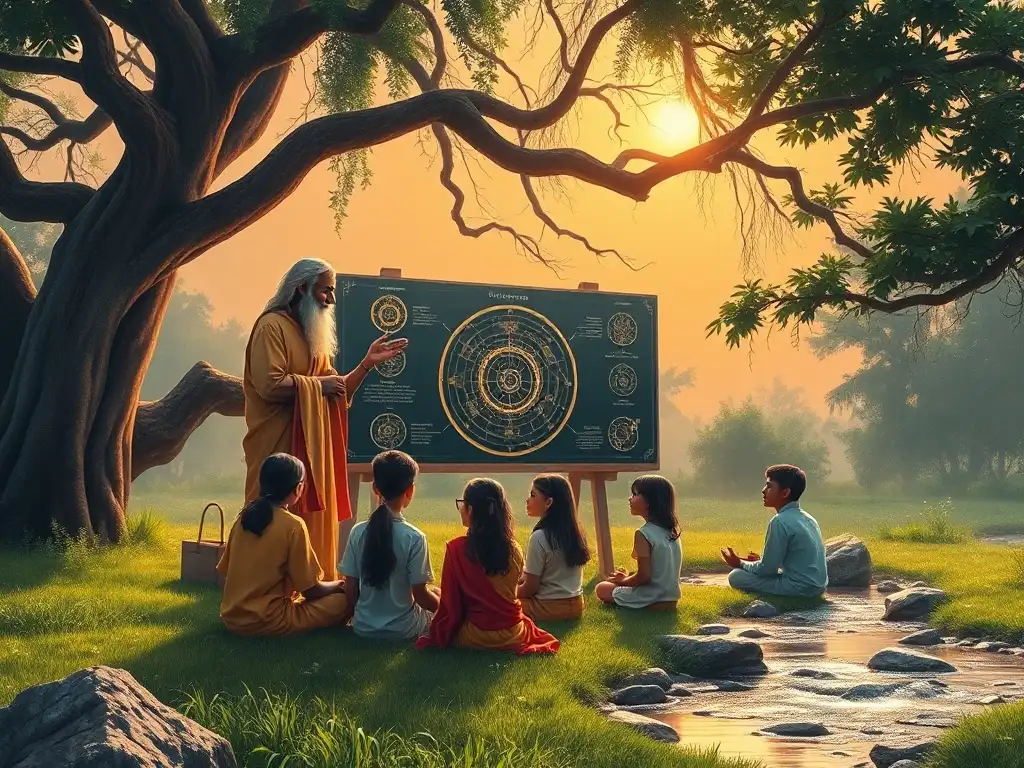
The spiritual foundations of ancient Indian education played a crucial role in shaping the learning environment, facilitating a holistic approach to knowledge acquisition.
- Integration of Knowledge: Education was not limited to intellectual pursuits but encompassed moral and ethical dimensions, emphasizing the importance of character development alongside academic learning.
- Sacred Texts: The study of sacred texts was integral to education, providing insights into philosophy, ethics, and the nature of existence, thereby intertwining spiritual growth with intellectual development.
- Community Learning: Learning often took place in communal settings, where students and teachers engaged in discussions that fostered critical thinking and spiritual inquiry.
Philosophical Underpinnings of Spirituality
The philosophical underpinnings of spirituality in ancient Indian education are rooted in a quest for understanding the self and the universe.
- Vedanta Philosophy: The teachings of Vedanta emphasize the oneness of the individual soul (Atman) with the universal consciousness (Brahman), guiding students towards self-realization and enlightenment.
- Yoga and Spiritual Practices: Philosophies surrounding yoga encouraged inner exploration and self-discipline, providing tools for students to connect with their spiritual essence and enhance their learning experiences.
- Ethics and Morality: The cultivation of virtues such as compassion, truthfulness, and self-control was seen as essential for personal growth and societal harmony, reflecting the broader spiritual framework.
Role of Gurus and Spiritual Leaders in Education
Gurus and spiritual leaders served as pivotal figures in ancient Indian education, guiding students along their academic and spiritual journeys.
- Mentorship: Gurus provided personalized instruction, fostering deep relationships with their students and acting as both educators and spiritual guides.
- Transmission of Knowledge: The oral tradition allowed gurus to pass down wisdom through storytelling, discussions, and direct engagement, ensuring that teachings were deeply understood and internalized.
- Spiritual Awakening: Beyond academics, gurus played a vital role in nurturing the spiritual awakening of their students, encouraging them to explore their inner selves and the nature of existence.
Meditation and Mindfulness in Learning Practices
Meditation and mindfulness were integral components of learning practices in ancient India, enhancing cognitive abilities and spiritual awareness.
- Focus and Concentration: Techniques such as meditation were employed to cultivate focus, allowing students to absorb knowledge more effectively and fostering a deeper understanding of complex concepts.
- Self-Reflection: Mindfulness practices encouraged self-reflection, enabling students to assess their thoughts and emotions, which contributed to personal growth and emotional intelligence.
- Connection to Learning: By integrating meditation into educational practices, ancient Indian scholars recognized the importance of mental clarity and peace in facilitating effective learning environments.
This comprehensive approach not only facilitated academic excellence but also fostered a culture of introspection and spiritual growth, marking ancient Indian education as a unique and profound system.
The Synthesis of Science and Spirituality
The synthesis of science and spirituality in ancient Indian learning reflects a profound understanding of the universe and human existence. Ancient Indian scholars viewed science not merely as a collection of empirical observations but as a pathway to deeper spiritual insights. This integrated approach allowed for the exploration of both the material and metaphysical realms, leading to advancements in various fields such as mathematics, astronomy, medicine, and philosophy. The underlying belief was that understanding the natural world could lead to a greater understanding of the self and the divine.
The philosophical foundations of this synthesis can be traced back to the Vedas, Upanishads, and various other texts that emphasize the unity of all existence. For instance, the concept of Brahman—the ultimate reality—highlights the interconnectedness of all phenomena, suggesting that scientific inquiry and spiritual wisdom are two sides of the same coin. This worldview fostered an educational paradigm that encouraged students to seek knowledge in a holistic manner, bridging the gap between rational thought and spiritual experience.
Interconnectedness of Scientific Inquiry and Spiritual Understanding
In ancient India, scientific inquiry was often intertwined with spiritual understanding, leading to a unique epistemological framework. Scholars believed that the quest for knowledge in the natural sciences could illuminate spiritual truths. This interconnectedness is evident in the works of notable philosophers like Aryabhata and Brahmagupta, who made significant contributions to mathematics and astronomy while simultaneously engaging in philosophical discourses.
For example, Aryabhata's astronomical calculations were not solely for practical navigation but also served to understand cosmic order, reflecting the spiritual belief in a harmonious universe. The practices of meditation and yoga were integral to this understanding, providing a means to explore consciousness and the nature of reality. Thus, the pursuit of empirical knowledge and spiritual wisdom was seen as a collaborative journey rather than a dichotomy.
Case Studies: Prominent Thinkers and Their Contributions
Several prominent thinkers exemplify the synthesis of science and spirituality in ancient Indian learning.
- Aryabhata (476–550 CE): As one of the earliest mathematicians and astronomers, Aryabhata introduced concepts such as the approximation of pi and the calculation of solar eclipses. His work, Aryabhatiya, demonstrates a blend of mathematical precision and philosophical inquiry into the nature of time and space.
- Charaka (circa 600 BCE): A key figure in the development of Ayurveda, Charaka emphasized the importance of balance in the body and mind, reflecting spiritual principles in medical practices. His texts highlight the interplay between physical health and spiritual well-being.
- Bhaskara II (1114–1185 CE): A mathematician and astronomer, Bhaskara II's work included the concepts of calculus long before it became widely recognized in the Western world. His spiritual writings further illustrate how mathematical concepts relate to the divine, emphasizing the beauty of the universe.
These thinkers not only contributed to their respective fields but also engaged deeply with the philosophical implications of their work, illustrating how ancient Indian thought unified science and spirituality.
Texts and Scriptures that Bridge Science and Spirituality
Ancient Indian texts serve as vital links between science and spirituality, offering insights that reflect the holistic educational philosophy of the time.
- The Vedas: These ancient scriptures encompass hymns, rituals, and philosophical teachings that explore the nature of existence and the cosmos. They present cosmological theories that align with scientific principles, emphasizing the sacredness of knowledge.
- The Upanishads: This collection of philosophical texts delves into metaphysical questions about the nature of reality, self, and the universe. They articulate concepts such as Atman (the self) and Brahman (the ultimate reality), which resonate with scientific explorations of consciousness.
- Yoga Sutras of Patanjali: This foundational text on yoga outlines practices that integrate physical, mental, and spiritual disciplines. The Sutras emphasize the importance of experiential knowledge, bridging the gap between spiritual practice and scientific inquiry.
These texts reflect a worldview where science and spirituality coexist, encouraging learners to explore both realms to achieve a more profound understanding of existence.
Educational Practices Reflecting the Interplay of Science and Spirituality
The educational practices in ancient India were designed to reflect the interplay of science and spirituality, fostering a holistic approach to learning.
Curriculum Design in Ancient Indian Educational Systems
Ancient Indian educational systems, such as the Gurukula and Pathashala, featured curricula that integrated practical knowledge with spiritual teachings. Students were exposed to a wide range of subjects, including mathematics, astronomy, philosophy, and the arts.
The curriculum was not rigid but adaptive, allowing for exploration and inquiry. For instance, students studying astronomy would also engage in discussions about cosmic principles and their spiritual implications. This design encouraged learners to see knowledge as interconnected, promoting a comprehensive understanding of various disciplines.
Teaching Methods Emphasizing Holistic Learning
Teaching methods in ancient India emphasized holistic learning, focusing on the development of the mind, body, and spirit. Instruction often involved:
- Dialogue and Debate: Encouraging students to engage in discussions with their teachers and peers promoted critical thinking and allowed for the exploration of different viewpoints.
- Experiential Learning: Learning through direct experience was paramount. Students participated in practical applications of their knowledge, whether in agricultural practices, medicinal preparation, or philosophical discussions.
- Mentorship: The relationship between a guru (teacher) and disciple was central to the learning process, with the guru guiding students not only in academic pursuits but also in moral and spiritual development.
These methods created a learning environment that nurtured intellectual curiosity and spiritual growth, fostering well-rounded individuals.
The Role of Experiential Learning in Ancient Education
Experiential learning played a crucial role in ancient Indian education, allowing students to immerse themselves in both scientific and spiritual practices. This approach included:
- Field Studies: Students often engaged in practical experiences related to their studies, such as observing celestial events or participating in medicinal herb collection.
- Rituals and Meditation: Incorporating spiritual practices such as meditation and rituals into the educational experience helped students connect deeply with their learning, promoting self-awareness and introspection.
- Community Engagement: Education was often community-oriented, with students learning from local traditions and practices, reinforcing the link between knowledge and communal well-being.
Through experiential learning, ancient Indian educational systems fostered an environment where students could harmonize their scientific knowledge with spiritual understanding, leading to a comprehensive and meaningful educational experience.
Legacy of Ancient Indian Science and Spirituality in Modern Education
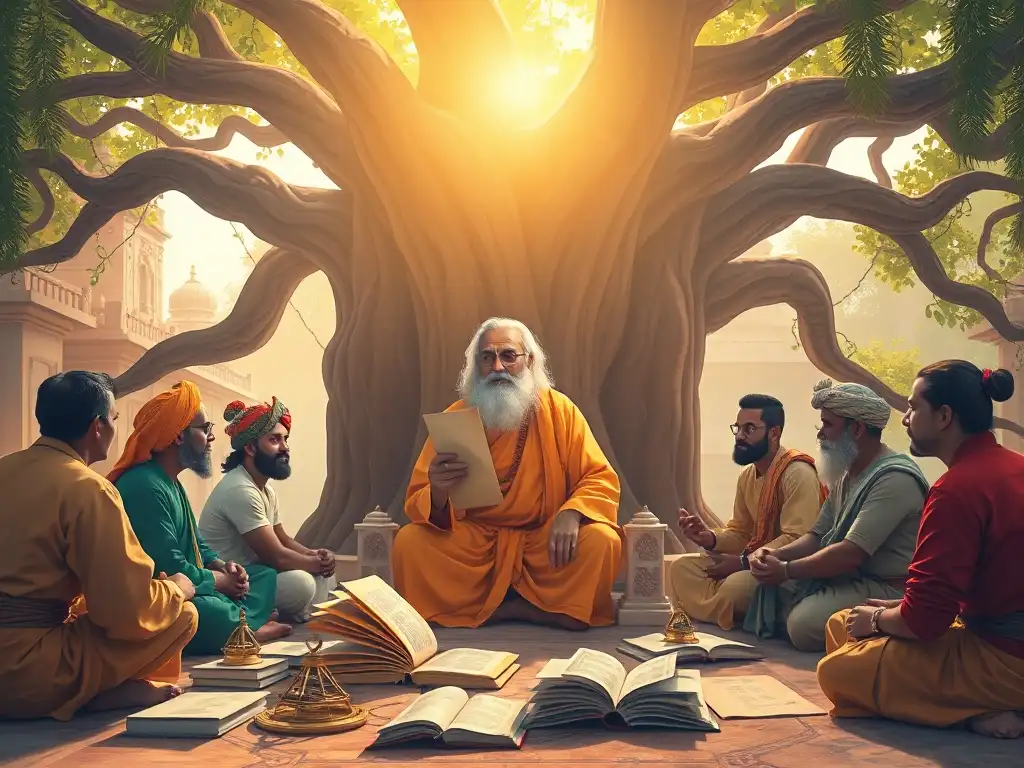
The profound legacy of ancient Indian science and spirituality significantly shapes contemporary educational practices. This interplay between empirical knowledge and spiritual insight has not only influenced the philosophical underpinnings of education but also informs pedagogical strategies used today. Ancient Indian scholars, such as Aryabhata and Charaka, made groundbreaking contributions to mathematics and medicine, intertwining these disciplines with spiritual philosophies that emphasized holistic understanding and ethical considerations. This ancient wisdom serves as a foundation for rethinking the goals and methodologies of modern education, emphasizing a balance between intellectual achievement and moral development.
Influence on Contemporary Educational Practices
In modern educational systems, the impact of ancient Indian science and spirituality is increasingly evident. Schools and universities worldwide are beginning to integrate principles of mindfulness, critical thinking, and ethical reasoning—concepts deeply rooted in ancient Indian philosophies. The holistic approach to learning, which prioritizes not just cognitive development but also emotional and spiritual growth, resonates with practices such as yoga and meditation that have gained popularity in contemporary classrooms. Moreover, subjects like environmental education are being framed through the lens of ancient Indian respect for nature, highlighting sustainable living as a moral imperative.
Reviving Ancient Knowledge in Modern Curricula
Efforts to revive ancient knowledge within modern curricula are gaining momentum as educators recognize the value of integrating scientific inquiry with spiritual wisdom. Programs focusing on Ayurveda, Vedic mathematics, and sustainable agriculture reflect this revival, demonstrating the relevance of ancient practices in addressing contemporary challenges. Educational institutions are exploring interdisciplinary approaches that blend science and spirituality, encouraging students to engage with subjects in a way that fosters a deeper understanding of both the material and metaphysical aspects of knowledge. These initiatives not only preserve ancient wisdom but also enhance students' critical thinking and problem-solving skills.
Challenges and Opportunities in Integrating Science and Spirituality
While there are numerous opportunities to integrate science and spirituality in education, challenges persist. One significant challenge is the secularization of educational systems, particularly in Western contexts, which may resist incorporating spiritual perspectives alongside scientific inquiry. Additionally, there is a risk of misinterpreting or oversimplifying ancient teachings, leading to a diluted understanding of their complexities. However, these challenges also present opportunities for dialogue between different educational philosophies. Initiatives aimed at intercultural exchange can foster a richer educational experience, where ancient Indian science and spirituality contribute to a broader, more inclusive understanding of knowledge.
Conclusion: The Enduring Impact of Ancient Indian Science and Spirituality
The enduring impact of ancient Indian science and spirituality on education underscores the importance of holistic learning. By examining the intersections of these fields, we gain insights into how ancient practices can inform modern educational frameworks and foster a more integrated approach to knowledge.
Summary of Key Insights
The exploration of ancient Indian science and spirituality reveals several key insights: the necessity of a holistic educational approach that balances cognitive, emotional, and spiritual development; the revival of ancient knowledge within contemporary curricula enhances relevance and applicability; and the integration of these fields poses both challenges and opportunities that require thoughtful consideration. Together, these elements illustrate the potential for ancient wisdom to enrich modern education.
Future Directions for Research and Education
Future research should focus on developing robust frameworks for integrating ancient Indian science and spirituality into educational practices. This includes empirical studies to assess the effectiveness of such integrations in enhancing student engagement and learning outcomes. Additionally, fostering collaborations between educators, scholars, and practitioners of ancient wisdom can lead to innovative curricular designs that respect and preserve cultural heritage while preparing students for the complexities of the modern world. The continued exploration of this interplay will not only deepen our understanding of ancient systems but also inspire more compassionate and responsible educational practices.
References
The exploration of ancient Indian science and spirituality reveals a rich tapestry of knowledge that has significantly influenced educational practices. Numerous texts and resources provide insight into this intricate relationship, highlighting the depth of understanding and innovation that characterized ancient Indian civilization. Below are key texts and suggested readings that serve as fundamental resources in this field.
Key Texts and Resources on Ancient Indian Science and Spirituality
- The Vedas: The foundational texts of Hinduism, the Vedas are a collection of hymns, rituals, and philosophical discourses that reflect the integration of spiritual and scientific thought. They address various subjects, including cosmology, astronomy, and mathematics.
- The Upanishads: These philosophical texts delve into the nature of reality and consciousness, illustrating the profound connection between spirituality and the pursuit of knowledge in ancient India. They often explore metaphysical concepts that influenced scientific inquiry.
- Aryabhata's Aryabhatiya: Written in the 5th century CE, Aryabhata's work is a seminal text in mathematics and astronomy. It introduces concepts such as the place value system and the approximation of π, demonstrating how scientific principles were interwoven with philosophical thought.
- Brahmasphutasiddhanta by Brahmagupta: This 7th-century text is critical in the history of mathematics, providing rules for arithmetic and algebra. Brahmagupta's work exemplifies the application of logical reasoning, which is a hallmark of both science and spirituality in ancient Indian thought.
- Sushruta Samhita: An ancient medical text attributed to Sushruta, it combines surgical techniques with an understanding of human anatomy and the spiritual aspects of healing, showcasing the holistic approach to health in ancient India.
- The Yoga Sutras of Patanjali: These texts outline the philosophical principles of yoga, emphasizing the balance between physical practice and spiritual enlightenment, which can be seen as an early form of educational practices integrating mind and body.
Suggested Further Reading on Educational Practices in Ancient India
- Ancient Indian Education: The Vedic Period to the Gupta Period: by R. C. Majumdar: This book provides an overview of the evolution of educational practices in ancient India, emphasizing the role of spiritual philosophy in shaping educational systems.
- The History of Indian Philosophy by Surendranath Dasgupta: This comprehensive work explores the development of philosophical thought in India, including how it intersects with scientific inquiry and educational methodologies.
- Indian Mathematics and Astronomy: Some Landmarks: by C. V. D. Varma: This text discusses the contributions of ancient Indian mathematicians and astronomers, offering insights into how spirituality influenced their scientific endeavors.
- Education in Ancient India by J. P. Sharma: This book examines the structures and methods of education during various ancient Indian periods, highlighting the interplay between spiritual teachings and scientific knowledge.
- Philosophy of Education in Ancient India by R. N. Sinha: This resource delves into the philosophical underpinnings of education in ancient India, articulating how spiritual principles guided educational practices.
- The Role of Gurukuls in Ancient Indian Education: This article discusses the traditional schooling systems in ancient India, focusing on how these institutions blended spiritual teachings with practical knowledge.
Through these texts and resources, readers can gain a deeper understanding of the profound relationship between ancient Indian science and spirituality, as well as the educational practices that emerged from this interplay.
- Introduction to Ancient Indian Science and Spirituality
- Overview of Ancient Indian Civilizations
- Historical Context of Science and Spirituality in Ancient India
- Key Elements of Ancient Indian Science
- Spiritual Foundations of Ancient Indian Education
- The Synthesis of Science and Spirituality
- Educational Practices Reflecting the Interplay of Science and Spirituality
- Legacy of Ancient Indian Science and Spirituality in Modern Education
- Conclusion: The Enduring Impact of Ancient Indian Science and Spirituality
- References
- What are the main themes discussed in the article "The Interplay of Science and Spirituality in Ancient Indian Learning"?
- How did ancient Indian scholars contribute to the field of science?
- What role did spirituality play in ancient Indian scientific practices?
- Can you give examples of ancient Indian texts that discuss science and spirituality?
- How does the article relate ancient Indian concepts to modern scientific thought?
Frequently Asked Questions
What are the main themes discussed in the article "The Interplay of Science and Spirituality in Ancient Indian Learning"?
The article explores the interconnection between science and spirituality in ancient Indian civilizations, showcasing how these realms influenced each other and contributed to holistic knowledge.
How did ancient Indian scholars contribute to the field of science?
Ancient Indian scholars made significant contributions in areas such as mathematics, astronomy, and medicine, often blending scientific inquiry with spiritual principles to enhance understanding.
What role did spirituality play in ancient Indian scientific practices?
Spirituality served as a foundation for many scientific practices, guiding scholars to approach knowledge with a sense of reverence and ethical responsibility, ensuring that their discoveries benefited society.
Can you give examples of ancient Indian texts that discuss science and spirituality?
Key texts such as the Vedas, Upanishads, and Ayurveda illustrate the integration of scientific concepts with spiritual teachings, reflecting a profound understanding of both realms.
How does the article relate ancient Indian concepts to modern scientific thought?
The article suggests that many ancient Indian ideas, such as holistic health and cosmic interconnectedness, resonate with contemporary scientific understanding, highlighting the timeless wisdom of ancient Indian learning.
Final Reflection: The Harmonious Dance of Ancient Indian Science and Spirituality
The exploration of ancient Indian science and spirituality reveals a profound interconnectedness that remains highly relevant today. In a world increasingly driven by technological advancements and scientific inquiry, the wisdom of ancient Indian teachings serves as a reminder that the pursuit of knowledge is not solely about empirical evidence but also about understanding our place in the universe. This interplay invites us to consider how both realms can coexist and enrich our lives, fostering a holistic approach to learning and existence.
Cultural and social landscapes are continually shaped by the teachings of ancient Indian scholars, whose insights into the natural world and human experience resonate deeply in contemporary discussions. The fusion of science and spirituality in ancient texts encourages a dialogue that transcends time, urging us to seek balance in our lives. As Albert Einstein once said, Science without religion is lame, religion without science is blind.
This perspective highlights the necessity of integrating both dimensions to cultivate a more profound understanding of our reality.
As we reflect on the lessons from ancient Indian science and spirituality, let us embrace the call to integrate these teachings into our daily lives. Consider how the principles of balance, interconnectedness, and mindfulness can guide your actions and decisions. By nurturing this harmonious relationship, we can foster a deeper appreciation for the world around us and inspire future generations to explore the rich tapestry of knowledge that ancient wisdom offers.
Unveil the Wisdom of Ancient Indian Learning!
Thank you for immersing yourself in the captivating exploration of science and spirituality in Ancient Indian education. You've gained valuable insights into how these two realms intertwined to shape holistic learning. Now, it’s time to take that knowledge further!
Here’s how you can deepen your understanding and connect with this vibrant heritage:
- Dive Deeper: Explore influential texts that shaped education in ancient India, such as the Vedas and Upanishads—discover their profound teachings today!
- Join the Conversation: Engage with others by sharing your thoughts—connect with our community through comments or on our social media platforms.
- Explore Local Events: Attend workshops or lectures in your area focused on ancient Indian philosophy and its relevance in contemporary society. You might uncover unexpected insights!
As you reflect on the profound nature of knowledge, consider this: How can the integration of science and spirituality enhance your learning journey today? We’d love to hear your perspective!