
The Cultural Contributions of King Bhoja: Art, Literature, and Governance

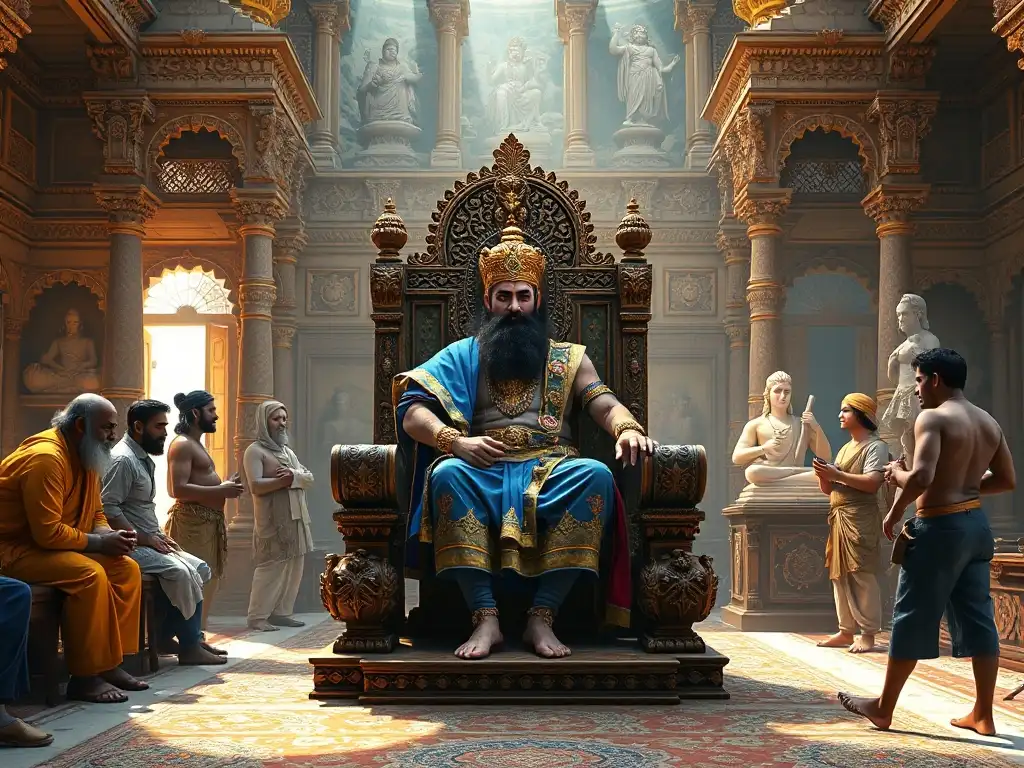
Welcome to Ancient India History, where we embark on an enlightening journey through the rich tapestry of ancient Indian civilizations. Today, we delve into the cultural contributions of King Bhoja, a luminary whose influence resonated through the realms of art, literature, and governance. What drove this remarkable king to leave such an indelible mark on history? Join us as we uncover the fascinating legacy of King Bhoja and explore how his visionary leadership shaped the cultural landscape of his time. Prepare to be inspired and intrigued—your adventure into the depths of ancient India begins now!

Introduction to King Bhoja
King Bhoja, a prominent ruler of the Paramara dynasty, reigned during the 11th century in the region of present-day Madhya Pradesh, India. His era was marked by remarkable advancements in various fields, including art, literature, and governance. King Bhoja is often celebrated as a paragon of cultural patronage, contributing significantly to the flourishing of ancient Indian civilization.
His reign not only encapsulated a period of political stability but also facilitated a vibrant cultural renaissance that left an indelible mark on the history of India. In this article, we will explore the multifaceted cultural contributions of King Bhoja, examining his influence on the arts, literature, and effective governance.
Overview of King Bhoja's Era
The era of King Bhoja (approximately 1010–1055 CE) was characterized by a unique blend of political power and cultural prosperity. The Paramara dynasty thrived under his leadership, establishing a robust administrative framework that fostered economic growth and cultural development. Bhoja's capital, Dhara, became a hub of intellectual and artistic activity, attracting scholars, poets, and artisans from across the subcontinent.
This period saw the rise of various artistic expressions, influenced by regional traditions and the broader currents of Indian culture. The patronage of King Bhoja played a pivotal role in the advancement of art forms that celebrated both religious themes and secular life.
Significance in Ancient Indian History
King Bhoja holds a significant place in the annals of ancient Indian history due to his contributions that transcended mere political achievement. His reign is often viewed as a golden age for the Malwa region, where advancements in various fields were witnessed. Bhoja's commitment to the arts and literature not only enriched his own kingdom but also influenced neighboring regions.
His legacy as a patron of culture and learning continues to resonate through the ages, making him a central figure in discussions about the cultural history of India. Through his governance, he exemplified the ideals of a ruler who understood the importance of nurturing the arts and fostering intellectual growth.
The Artistic Contributions of King Bhoja
King Bhoja's dedication to the arts is evident in his extensive patronage and the innovations that emerged during his reign. His contributions spanned various artistic domains, each reflecting a commitment to excellence and cultural enrichment.
Patronage of the Arts
Bhoja was renowned for his patronage of poets, artists, and scholars. He established an imperial academy that attracted leading thinkers of the time, including the legendary poet Kalidasa and philosopher Madhava. This institution became a melting pot of ideas, fostering creativity and innovation.
His support for the arts manifested not only in financial backing but also in the promotion of artistic endeavors, leading to a diversification of artistic practices. Literary works, such as the Sarasvati Kantha, and various poetic compositions flourished under his aegis, highlighting the rich cultural tapestry of his time.
Innovations in Sculpture and Architecture
The artistic landscape during King Bhoja's reign was marked by innovative sculpture and architecture. Temples built during this period, such as those in Ujjain and Mandu, showcased intricate carvings and a unique architectural style that blended regional elements with traditional forms.
The Kshatrapa art style, notable for its realism and attention to detail, saw significant advancements, with sculptors experimenting with new techniques and materials. Bhoja’s architectural vision contributed to the construction of monumental structures that not only served religious purposes but also stood as a testament to the artistic ingenuity of the time.
Influence on Regional Art Styles
King Bhoja's impact extended beyond his immediate realm, influencing regional art styles throughout northern India. His encouragement of local artisans led to the development of distinctive artistic expressions that reflected both local traditions and broader cultural themes.
The blending of various artistic influences during his reign resulted in a rich tapestry of styles that would shape the artistic landscape of subsequent generations. This period is often regarded as a turning point in the evolution of Indian art, with Bhoja's contributions serving as a foundational pillar for future artistic endeavors.
King Bhoja's reign was a pivotal moment in ancient Indian history, marked by significant cultural contributions that continue to inspire and inform our understanding of the arts, literature, and governance. His legacy is a testament to the transformative power of patronage in shaping a vibrant cultural heritage.
Literary Contributions of King Bhoja
King Bhoja, a prominent ruler of the Paramara dynasty in the 11th century, is renowned for his remarkable contributions to Sanskrit literature. His reign is often considered a golden period for the arts and letters in ancient India, marked by a flourishing of creative expression. Bhoja’s patronage of poets, scholars, and playwrights not only enriched the literary landscape of his time but also laid the groundwork for future literary developments.
Development of Sanskrit Literature
Under King Bhoja's rule, Sanskrit literature experienced significant growth and diversification. Bhoja himself was a poet and a scholar, deeply passionate about the language and its richness. He is credited with reviving classical Sanskrit texts and encouraging the composition of new works. His court attracted many eminent scholars, fostering an environment conducive to literary experimentation and innovation. Bhoja’s contributions helped solidify Sanskrit as a prestigious literary language, influencing its use throughout the subcontinent.
Notable Works and Their Themes
King Bhoja is best known for his literary masterpiece, the Saraswatsamhita, which is a comprehensive treatise on various aspects of art, literature, and music. This work reflects his deep understanding of aesthetics and his appreciation for the arts. Another notable contribution is Vikramorvasiyam, a play written by the eminent poet Kalidasa, which Bhoja is said to have supported and promoted. The themes of love, nature, and the divine interplay are prevalent in many works from this period, highlighting the cultural ethos of Bhoja's time.
Impact on Future Generations of Writers
The literary contributions of King Bhoja had a profound impact on subsequent generations of writers and poets. His patronage and support of literary arts established a model of royal patronage that many later rulers emulated. His emphasis on creativity, scholarly pursuits, and the importance of literature inspired many future literary figures, leading to a renaissance in Sanskrit literature that continued for centuries. The themes and styles popularized during his reign can be seen echoed in the works of later poets and playwrights, marking King Bhoja as a pivotal figure in the evolution of Indian literature.
Governance and Administration
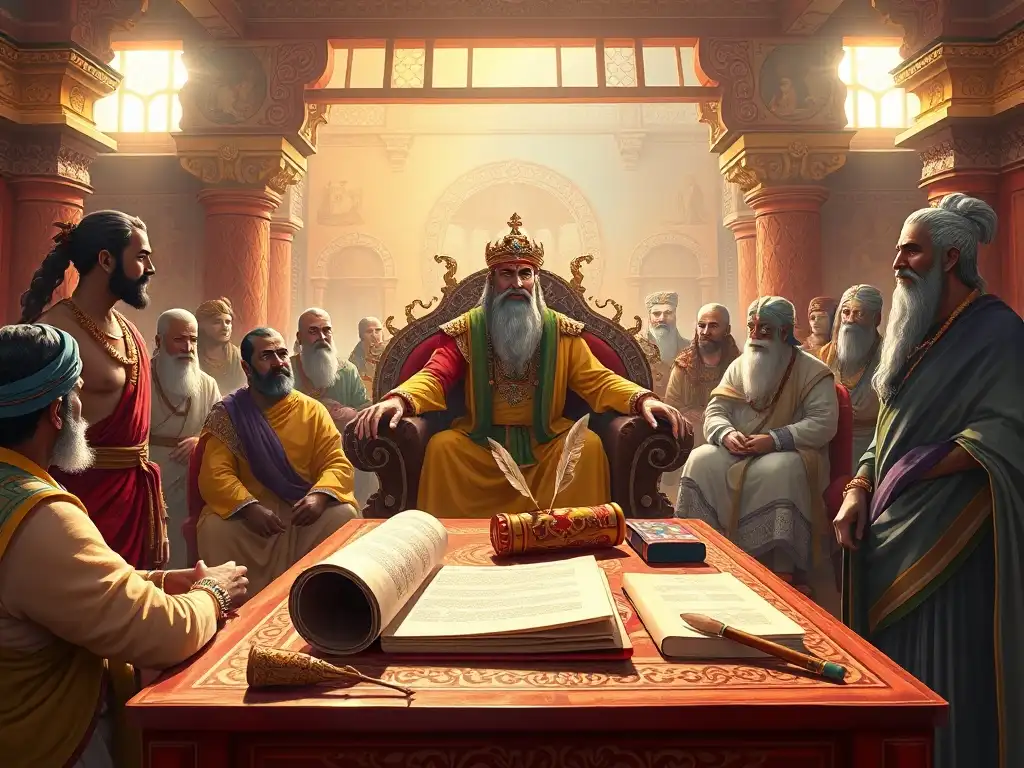
King Bhoja's governance was characterized by a blend of effective administration and progressive policies that contributed to the well-being of his subjects. His approach to governance was informed by a deep sense of duty and a commitment to the welfare of his people, which earned him respect and admiration.
King Bhoja's Approach to Governance
Bhoja’s rule was marked by a decentralized administrative system, where local governors were given significant autonomy to manage their regions. He believed in the principle of dharma, or righteousness, which influenced his decisions and policies. Bhoja also emphasized justice, ensuring that his subjects received fair treatment under the law. His governance style included consultations with scholars and wise men, reflecting his belief in collective wisdom and informed decision-making.
Reforms in the Administrative System
To enhance efficiency and accountability, King Bhoja implemented various reforms in the administrative system. He introduced a structured bureaucracy, dividing responsibilities among different officials to oversee taxation, law enforcement, and public works. Bhoja also established a system of checks and balances to prevent corruption and misuse of power, fostering a sense of trust among the populace. His reforms not only strengthened the administrative framework of his kingdom but also promoted a sense of civic responsibility among the citizens.
Promotion of Education and Scholarship
King Bhoja was a fervent advocate for education and scholarship, recognizing their importance in a flourishing society. He established numerous educational institutions, attracting scholars from across the subcontinent to engage in philosophical and scientific discourse. His court became a center for learning, where discussions on various subjects, including mathematics, astronomy, and literature, thrived. The promotion of education during his reign laid the foundation for a knowledgeable citizenry, significantly contributing to the cultural and intellectual legacy of ancient India.
The Legacy of King Bhoja
King Bhoja, a pivotal figure in the history of ancient India, is celebrated not only for his military conquests but also for his profound cultural contributions. His reign during the 11th century in the region of Malwa marked a significant period of artistic and literary flourishing, which had lasting effects on Indian culture. The legacy of King Bhoja is evident through the remarkable advancements in art, literature, and governance that occurred under his patronage, creating a rich tapestry of culture that resonates even today.
Lasting Impact on Indian Culture
King Bhoja's patronage of the arts led to a vibrant cultural renaissance characterized by innovative artistic expressions. His support for sculptors and painters fostered the creation of exquisite temple carvings and frescoes, exemplified in the intricately detailed artworks of the Bhojshala temple in Dhar. Furthermore, Bhoja's literary contributions, particularly his own works such as Sarasvati Kanthabharana, showcased the sophistication of Sanskrit literature and set a benchmark for future writers. The emphasis on education and scholarship during his reign encouraged the establishment of numerous educational institutions, promoting the study of various disciplines such as philosophy, medicine, and astronomy.
Recognition in Modern Times
In contemporary India, King Bhoja is recognized as a symbol of cultural pride and intellectual vigor. His legacy is celebrated in various forms, including literature, art exhibitions, and academic research. Scholars continue to study his contributions to understand the socio-political dynamics of his time and their influence on subsequent Indian rulers. Additionally, Bhoja's life and works inspire numerous cultural programs and initiatives aimed at reviving interest in ancient Indian history and heritage, ensuring that his contributions remain relevant and appreciated.
Comparisons with Other Influential Rulers
When compared to other influential rulers of ancient India, King Bhoja stands out for his holistic approach to governance that intertwined culture with administration. Unlike rulers who focused predominantly on military expansion, Bhoja's reign was marked by a balanced emphasis on cultural development and statecraft.
For instance, while rulers like Ashoka were known for their promotion of Buddhism and moral governance, Bhoja's contributions spanned multiple domains including Hindu philosophy, literature, and the arts. His contemporaries, such as the Chola and Gupta emperors, also made significant cultural contributions, yet Bhoja's unique blend of artistic patronage and literary advancement distinguishes him as a pivotal figure in the narrative of ancient Indian civilization.
Conclusion
Summary of Cultural Contributions of King Bhoja
King Bhoja's reign is a testament to the rich cultural legacy of ancient India. His contributions to art, literature, and governance laid the foundation for a flourishing intellectual tradition that influenced generations. By promoting the arts and fostering an environment of learning, Bhoja not only enriched his empire but also contributed to the broader cultural landscape of India.
Reflection on His Role in Shaping Ancient Indian Civilization
Reflecting on King Bhoja's role, it is clear that he was more than a ruler; he was a visionary who understood the importance of culture in governance. His legacy serves as a reminder of the interconnectedness of art, literature, and political stability in shaping a civilization. As modern society continues to explore its roots, the cultural contributions of King Bhoja remain a crucial chapter in the story of ancient Indian history, highlighting the enduring power of culture in influencing human progress.
- Introduction to King Bhoja
- The Artistic Contributions of King Bhoja
- Literary Contributions of King Bhoja
- Governance and Administration
- The Legacy of King Bhoja
- Conclusion
- What were the key cultural contributions of King Bhoja?
- How did King Bhoja influence literature in ancient India?
- What role did King Bhoja play in the advancement of art and architecture?
- How did King Bhoja's governance impact society?
- Why is King Bhoja considered a significant figure in the history of ancient India?
Frequently Asked Questions
What were the key cultural contributions of King Bhoja?
King Bhoja is renowned for his patronage of the arts, especially in literature, architecture, and sculpture, which flourished during his reign, making him a pivotal figure in ancient Indian culture.
How did King Bhoja influence literature in ancient India?
He significantly contributed to literary development by encouraging poets and scholars, most notably through his own work, the Saraswati Kantha, which highlights his literary prowess and love for knowledge.
What role did King Bhoja play in the advancement of art and architecture?
King Bhoja was instrumental in promoting artistic innovation, leading to the construction of magnificent temples and sculptures that showcased the intricacies of ancient Indian artistry.
How did King Bhoja's governance impact society?
Bhoja's governance was marked by progressive policies that promoted education, agriculture, and trade, leading to a prosperous and culturally vibrant society during his reign.
Why is King Bhoja considered a significant figure in the history of ancient India?
He is celebrated as a patron of arts and culture, whose contributions greatly enriched the cultural landscape of ancient India, influencing generations even beyond his time.
Final Reflection: The Enduring Legacy of King Bhoja's Cultural Contributions
The cultural contributions of King Bhoja resonate profoundly in today's world, reminding us of the timeless power of art, literature, and governance. As we navigate an era marked by rapid change and cultural exchange, the lessons from Bhoja's reign serve as a beacon, illustrating how creativity and enlightened leadership can shape societies. His legacy is not merely historical; it is a call to embrace the arts and intellectual pursuits as vital components of a thriving civilization.
Culture is the bedrock of identity and progress, and King Bhoja's influence continues to permeate our social landscape. His patronage of the arts and literature not only enriched his kingdom but also laid the groundwork for future generations to explore their creative potential. As the poet Kalidasa flourished under Bhoja's rule, we are reminded of the words of the great philosopher Aristotle: The roots of education are bitter, but the fruit is sweet.
This encapsulates the enduring impact of Bhoja's commitment to cultural development, which has inspired countless individuals to pursue knowledge and creativity in their own lives.
As we reflect on the cultural contributions of King Bhoja, let us take a moment to consider how we can integrate these lessons into our daily lives. Embrace the arts, support local creativity, and engage with literature that challenges and inspires you. By doing so, you not only honor the legacy of a great ruler but also contribute to a vibrant cultural tapestry that enriches our communities. The future is shaped by our actions today; let us cultivate a world where art and intellect flourish, just as they did in Bhoja's time.
Ignite Your Curiosity: Explore Bhoja's Legacy Today!
Thank you for taking the time to dive into the remarkable contributions of King Bhoja in art, literature, and governance. You've uncovered the essence of a ruler who shaped cultural heritage and inspired generations. Now, let’s turn that inspiration into action!
Here are some engaging next steps for you to deepen your understanding and connection to this vital history:
- Discover a poem or literary work inspired by King Bhoja's reign. Share it with friends to spark discussions on his influence!
- Visit a local museum or an online exhibit showcasing ancient Indian art, particularly the masterpieces created during Bhoja’s era.
- Join a community or forum dedicated to Ancient Indian history, where you can share insights about Bhoja’s impact and learn from others' perspectives.
What aspect of King Bhoja's legacy resonates most with you, and how do you see it influencing contemporary culture?