
The Leadership Qualities of Raja Raja Chola II: A Study in Governance

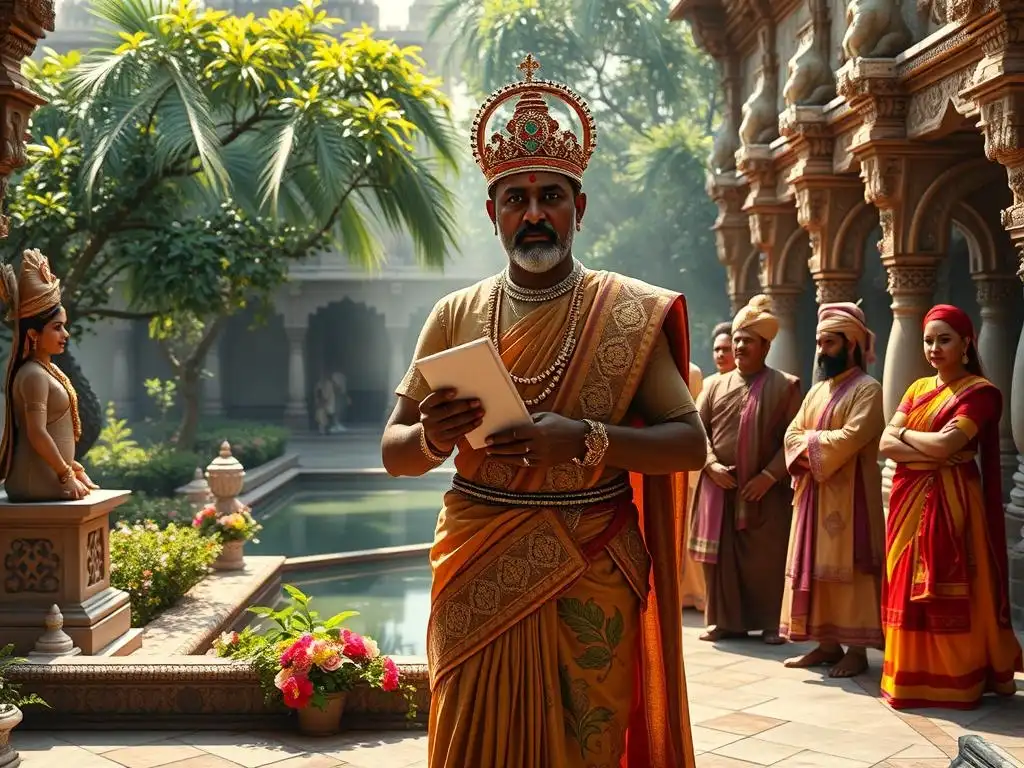
Welcome to Ancient India History, where we embark on an enthralling journey through the vibrant tapestry of India's past. Our focus today is on the remarkable theme of Leadership in Ancient Indian Empires, specifically examining the exemplary governance of Raja Raja Chola II. Discover how this influential ruler exemplified leadership qualities that not only shaped his empire but also left an indelible mark on history. Are you ready to unveil the secrets behind his enduring legacy? Dive into our exploration and ignite your curiosity about the dynamic leaders who forged the path of ancient Indian civilization!
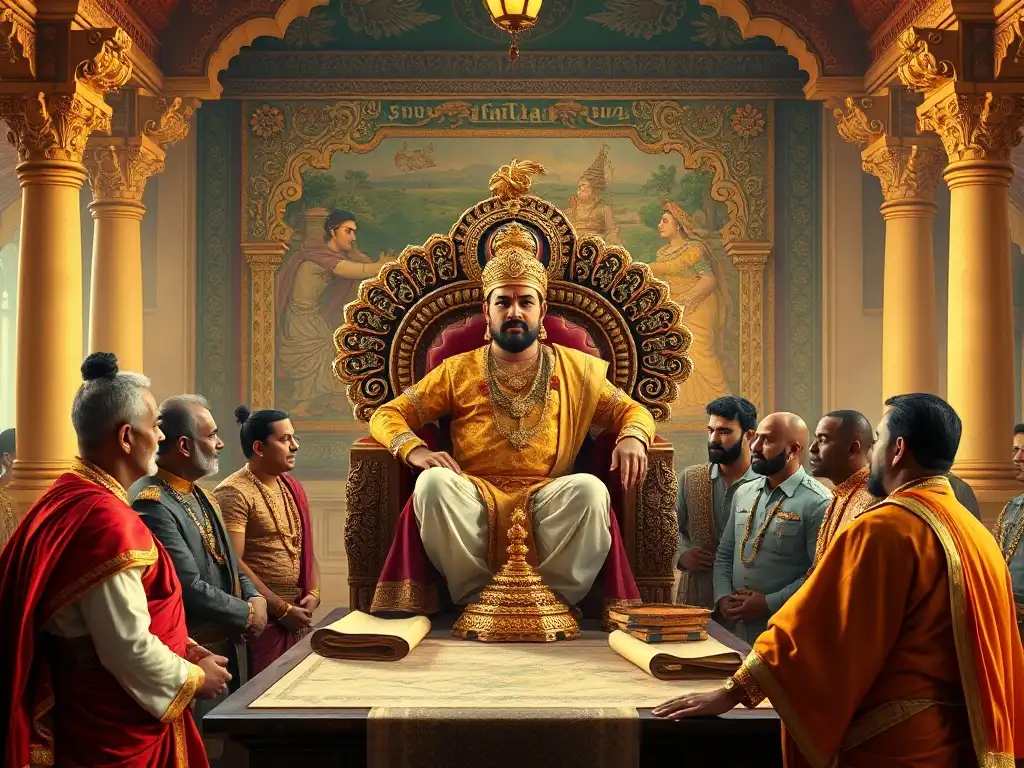
Introduction to Leadership in Ancient Indian Empires
The concept of leadership in ancient Indian empires carries significant weight, representing a time when governance was deeply intertwined with culture, philosophy, and societal values. Leaders from this era are often analyzed for their strategic capabilities, ethical governance, and vision that shaped the course of history. Among these distinguished figures, Raja Raja Chola II stands out as a remarkable ruler whose leadership qualities not only influenced his empire but also left a lasting legacy on subsequent generations.
This article delves into the multifaceted aspects of his governance, exploring the qualities that made him an exemplary leader in the Chola dynasty and beyond. By examining his reign, we can gain insights into the broader themes of leadership that prevailed in ancient Indian civilizations, thereby enriching our understanding of their profound contributions to history.
Overview of Raja Raja Chola II
Raja Raja Chola II, who ruled from 1054 to 1070 CE, was a prominent monarch of the Chola dynasty, a significant lineage known for its military prowess, architectural achievements, and advancements in trade and commerce. His reign marked a period of consolidation and expansion, characterized by robust administrative reforms and a flourishing cultural landscape.
Historical Context of the Chola Dynasty
The Chola dynasty, one of the longest-ruling dynasties in South India, traces its roots back to the early medieval period. Emerging as a formidable power, the Cholas established a vast empire that stretched across Tamil Nadu and beyond, encompassing parts of present-day Sri Lanka and Southeast Asia. Raja Raja Chola II's leadership emerged during a time when:
- Cultural Renaissance: The Chola period is often referred to as a golden age of Tamil culture, with significant contributions to literature, music, and art.
- Military Expansion: The dynasty expanded its territories through strategic conquests and naval expeditions, enhancing its influence in trade and commerce.
- Administrative Innovations: The rulers implemented effective governance systems, including local self-governance and taxation reforms, which were crucial for the empire’s prosperity.
Significance of Raja Raja Chola II in Indian History
Raja Raja Chola II is often celebrated for his contributions to governance and administration, which set a benchmark for future rulers. His reign is marked by:
- Strengthening of Central Authority: He centralized power while delegating responsibilities effectively, ensuring a balanced approach to governance.
- Promotion of Arts and Architecture: Raja Raja Chola II was instrumental in the construction of temples and monuments, which not only showcased architectural brilliance but also served as centers of cultural and religious life.
- Fostering Trade Relations: His policies encouraged trade, leading to economic prosperity and increased cultural exchanges with other civilizations.
Through these significant contributions, Raja Raja Chola II exemplifies the qualities of leadership that were prevalent in ancient Indian empires, making his study essential for understanding the dynamics of governance during this illustrious period in history.
Defining Leadership Qualities in Ancient Indian Context
In the context of ancient India, leadership qualities were deeply intertwined with cultural, social, and philosophical norms. Leaders were expected to embody dharma, or righteousness, which guided their actions and decisions. This philosophical foundation emphasized moral integrity, justice, and the welfare of their subjects. Effective leaders in ancient Indian empires were often seen as guardians of tradition and cultural values, and their ability to harmonize these aspects was crucial in gaining the loyalty and respect of their people.
Moreover, the concept of Rajadharma (the duty of a king) played a pivotal role in defining leadership qualities. It encompassed the responsibilities of rulers to protect their kingdom, uphold justice, and ensure the prosperity of their subjects. Therefore, resilience, wisdom, and the capacity to make challenging decisions were highly valued traits. Leaders were also expected to be charismatic, often engaging with their subjects to foster a sense of belonging and community.
Characteristics of Effective Leaders in Ancient India
Effective leaders in ancient India exhibited several key characteristics that contributed to their success:
- Wisdom and Knowledge: The ability to understand complex issues and make informed decisions was paramount. Leaders were often well-educated in philosophy, politics, and the arts.
- Charisma and Communication Skills: A strong connection with the populace was essential. Leaders who could inspire and communicate effectively were more likely to maintain stability and loyalty.
- Strategic Thinking: The capacity to plan for both immediate and long-term objectives, especially in military and economic matters, was crucial for the survival and growth of empires.
- Justice and Fairness: Upholding justice and ensuring equitable treatment of all subjects helped in establishing trust and legitimacy.
- Adaptability: The ability to respond to changing circumstances and challenges was vital for sustaining power and influence.
Importance of Governance in Ancient Empires
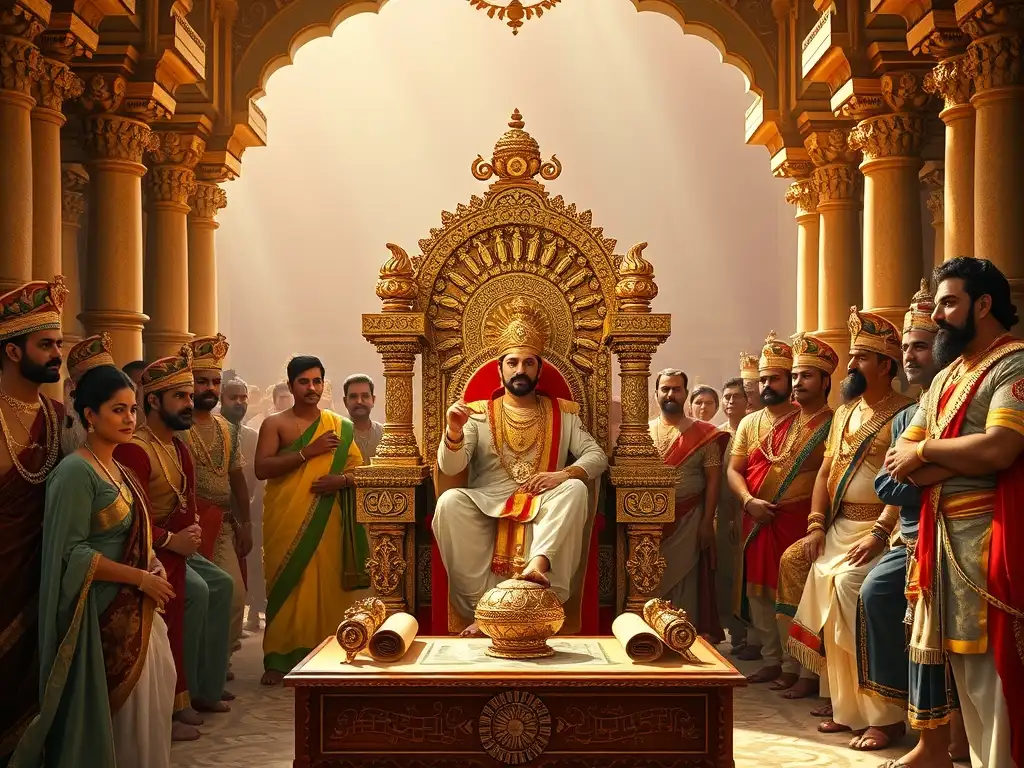
Governance in ancient empires like those in India was not merely about ruling; it involved establishing a framework for societal order, economic stability, and cultural flourishing. Effective governance ensured:
- Social Harmony: By implementing laws and policies that promoted justice and equity, leaders could maintain peace within diverse populations.
- Economic Prosperity: Well-managed resources and trade routes facilitated economic growth, which was essential for sustaining the empire.
- Cultural Development: Leaders often patronized the arts, religion, and education, contributing to a rich cultural heritage that defined the civilization.
- Defense and Security: Strong governance enabled empires to protect their territories from external threats and internal strife.
Leadership Style of Raja Raja Chola II
Raja Raja Chola II, ruling during the 12th century, exemplified a unique leadership style that emphasized both traditional values and innovative governance. His approach was characterized by a blend of strategic military prowess and cultural patronage, which left an indelible mark on the Chola dynasty.
Visionary Leadership and Strategic Planning
Raja Raja Chola II was known for his visionary leadership, where he sought to expand the Chola Empire's influence beyond its traditional boundaries. His strategic planning included:
- Military Campaigns: He initiated several military expeditions that not only expanded territory but also secured trade routes, enhancing economic stability.
- Diplomatic Relations: Raja Raja II fostered alliances through diplomacy, balancing military might with strategic partnerships to solidify his empire's position in the region.
- Infrastructure Development: Under his reign, significant advancements were made in infrastructure, including temples and waterways, which enhanced both cultural identity and economic viability.
Administrative Reforms and Innovations
Raja Raja Chola II implemented a series of administrative reforms that streamlined governance. Key innovations included:
- Decentralization of Power: He empowered local governors, known as Nadus, granting them autonomy to manage regional affairs while maintaining allegiance to the central authority.
- Taxation and Revenue Systems: He established efficient tax collection methods, ensuring a steady revenue stream for the empire, which funded public works and military campaigns.
- Legal Reforms: Raja Raja II emphasized the codification of laws, promoting justice and fairness in administration, which strengthened his legitimacy as a ruler.
Role of Religion and Culture in Governance
Religion and culture played significant roles in Raja Raja Chola II's governance. His reign is marked by:
- Temple Patronage: He commissioned the construction of monumental temples, which were not only places of worship but also centers of administration and culture, fostering a sense of unity among his subjects.
- Promotion of Arts: Raja Raja II actively supported artists and scholars, leading to a flourishing of literature, music, and dance, which enriched the cultural landscape of his empire.
- Integration of Religion in Governance: By aligning his rule with religious ideals and practices, he legitimized his authority and encouraged social cohesion among diverse communities.
Through these leadership qualities and practices, Raja Raja Chola II exemplified the effective governance that characterized the golden age of ancient Indian empires.
Key Leadership Qualities of Raja Raja Chola II
Raja Raja Chola II, who ruled during the 11th century CE, is celebrated for his remarkable leadership qualities that not only defined his reign but also shaped the future of the Chola dynasty. His governance style was marked by a combination of strategic foresight, charisma, and a deep understanding of the socio-political landscape of his time. Analyzing his leadership provides insights into the effective governance practices that characterized ancient Indian empires.
Charismatic Authority and Influence
One of Raja Raja Chola II's most notable traits was his charismatic authority, which allowed him to inspire loyalty among his subjects and commanders. His ability to communicate effectively and connect with people at all levels of society fostered a sense of unity and purpose. He was known to lead by example, participating in military campaigns alongside his soldiers, which boosted their morale and loyalty. This personal engagement helped him cultivate a strong bond with his subjects, making them more willing to support his initiatives and policies.
Furthermore, Raja Raja II’s influence extended beyond mere charisma; he was a skilled orator who could articulate his vision for the kingdom compellingly. His speeches often emphasized the importance of collective effort in achieving greatness, thereby galvanizing the populace towards common goals. This ability to inspire and mobilize people was crucial in maintaining stability and encouraging participation in governance.
Decision-Making and Problem-Solving Skills
Raja Raja Chola II exhibited exceptional decision-making and problem-solving skills during his reign. He faced numerous challenges, including internal dissent and external threats, yet his strategic acumen allowed him to navigate these complexities effectively. His approach to governance was characterized by a consultative process; he sought counsel from trusted advisors and local leaders, ensuring that decisions were informed by diverse perspectives.
His military campaigns are a testament to his strategic planning. For instance, when faced with the threat of rival kingdoms, he meticulously organized his forces, leveraging both traditional warfare and innovative tactics. Raja Raja II understood the importance of adaptability in leadership, often adjusting his strategies based on the evolving situation on the battlefield.
Moreover, Raja Raja II was adept at crisis management. When encountering famine or economic distress, he implemented targeted relief measures, demonstrating his commitment to the welfare of his people. This proactive approach not only mitigated immediate issues but also reinforced his reputation as a compassionate and effective ruler.
Empathy and Inclusiveness in Leadership
Raja Raja Chola II's leadership style was also marked by empathy and inclusiveness. He recognized the value of diverse voices within his kingdom, promoting policies that encouraged participation from different social strata. His administration included members from various communities, allowing for a more representative governance structure.
This inclusiveness extended to the realms of culture and religion. Raja Raja II was known for his patronage of the arts and temples, promoting cultural harmony by respecting the beliefs and practices of different communities. This not only strengthened social cohesion but also enriched the cultural fabric of his empire, fostering a sense of belonging among his subjects.
His empathetic approach was evident in his responses to grievances. By establishing local councils and forums for dispute resolution, he enabled citizens to voice their concerns directly to the administration, creating a more responsive governance model. This connection with the populace helped him maintain social order and loyalty.
Governance Strategies Employed by Raja Raja Chola II
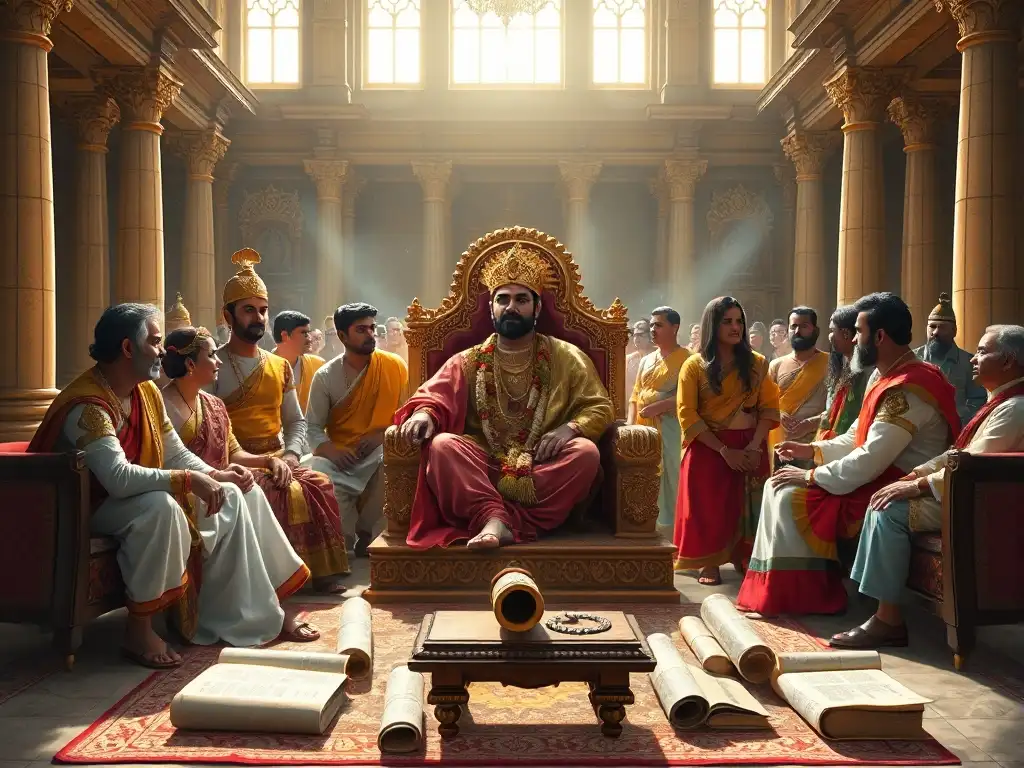
Raja Raja Chola II's governance strategies were multifaceted, focusing on military prowess, economic stability, and infrastructural development. These strategies were interlinked, contributing to the overall strength and prosperity of the Chola Empire during his rule.
Military Strategies and Conquests
Raja Raja Chola II's military strategies were characterized by both expansion and defense. He aimed to consolidate and extend the Chola Empire's influence through a series of calculated conquests. His military campaigns were marked by meticulous planning and execution, often employing a combination of naval power and land forces to outmaneuver adversaries.
A significant aspect of his military strategy was the establishment of a robust navy, which allowed the Chola Empire to control trade routes and launch expeditions across the seas. This naval strength was crucial in asserting dominance over coastal regions and ensuring the security of maritime trade, vital for the empire's economic prosperity.
Furthermore, Raja Raja II focused on intelligence gathering and reconnaissance to anticipate enemy movements, enhancing his military effectiveness. His strategic alliances with local rulers also played a pivotal role in expanding his empire while minimizing resistance.
Economic Policies and Trade Relations
Raja Raja Chola II implemented progressive economic policies that fostered trade and commerce. His reign saw an increase in agricultural productivity, supported by irrigation projects that improved crop yields. This agricultural surplus allowed for trade expansion, both within the empire and with neighboring regions.
He actively promoted trade relations, establishing connections with Southeast Asian kingdoms, which facilitated cultural exchange and economic prosperity. The Chola Empire became a significant player in maritime trade, exporting goods such as textiles, spices, and precious metals.
Additionally, Raja Raja II's administration introduced standardized taxation systems that were fair and transparent, ensuring public trust and compliance. This economic stability underpinned the growth of urban centers and enhanced the overall wealth of the empire.
Infrastructure Development and its Impact on Society
Raja Raja Chola II’s commitment to infrastructure development had a lasting impact on society. He invested heavily in building roads, ports, and irrigation systems, which not only improved trade but also connected remote areas to the urban centers of power. These developments facilitated the movement of goods and people, fostering economic integration within the empire.
The construction of temples and public buildings during his reign also served a dual purpose: they were centers of worship and community gathering, promoting social cohesion. The temples became hubs for art and culture, showcasing the empire's rich heritage and attracting scholars and artisans.
Moreover, the emphasis on infrastructure contributed to the overall quality of life for citizens. Improved irrigation systems not only boosted agricultural productivity but also ensured food security, thereby reducing the vulnerability of the population to famines.
Raja Raja Chola II exemplified effective leadership in ancient Indian empires through his charismatic influence, strategic decision-making, empathy, and comprehensive governance strategies. His reign stands as a model for understanding leadership in the context of ancient Indian history.
Challenges Faced by Raja Raja Chola II
Raja Raja Chola II, who ruled during the 11th century CE, faced an array of significant challenges that tested his leadership and governance capabilities. Understanding these challenges provides deeper insight into his strategies and decisions that shaped his reign and the Chola dynasty.
Internal Conflicts and Political Rivalries
Internally, Raja Raja Chola II contended with numerous political rivalries that stemmed from both familial ties and the ambition of local chieftains. The Chola dynasty, being expansive, included various vassal states and territories that often sought autonomy. This fragmentation created a landscape where internal conflicts were common.
- Familial Ambitions: Members of the royal family sometimes harbored aspirations for the throne, leading to power struggles that could destabilize governance. Such rivalries not only threatened Raja Raja's authority but also divided the loyalty of his generals and supporters.
- Local Chieftains: Many local leaders, or "nadu" chieftains, were reluctant to relinquish their power, leading to frequent skirmishes and uprisings. Raja Raja II had to employ diplomatic and military strategies to maintain order and assert his sovereignty over these regions.
These internal conflicts required a careful balancing act of force and diplomacy, demonstrating his adeptness in navigating complex political landscapes.
Environmental and Economic Challenges
In addition to political strife, Raja Raja Chola II faced substantial environmental and economic challenges that impacted his governance.
- Natural Disasters: The Indian subcontinent is prone to monsoons, floods, and droughts. Such environmental factors could severely disrupt agricultural production, which was the backbone of the economy during this period. Raja Raja II had to implement strategies to manage the agricultural output effectively and ensure food security for his populace.
- Trade and Economy: The Chola dynasty thrived on trade, particularly maritime commerce. However, maintaining trade routes and securing them against piracy was a persistent challenge. Raja Raja II prioritized strengthening naval power to protect trade interests and expand economic opportunities.
Navigating these environmental and economic hurdles required innovative governance and strategic foresight, reflecting his leadership qualities.
Legacy of Raja Raja Chola II in Leadership
Raja Raja Chola II left an indelible mark on the legacy of leadership in ancient Indian empires. His innovative approaches to governance and administration set benchmarks for future rulers.
Contributions to Governance in Ancient Indian Empires
Raja Raja II's contributions to governance were profound and multifaceted. He implemented a more structured administrative system that emphasized efficiency and accountability.
- Decentralization: He introduced a decentralized administrative model that empowered local leaders while ensuring they remained loyal to the Chola crown. This not only facilitated better governance but also reduced the chances of rebellion.
- Cultural Patronage: Raja Raja II was a patron of the arts and architecture, commissioning numerous temples and cultural projects. This not only unified people under a shared cultural identity but also stimulated the economy through construction and tourism.
These contributions significantly influenced how governance was perceived and implemented in subsequent empires.
Influence on Subsequent Leaders and Dynasties
The leadership qualities and governance strategies of Raja Raja Chola II had a lasting influence on subsequent leaders and dynasties in India.
- Model of Governance: His emphasis on a balance between central authority and local autonomy became a model for many later rulers. Leaders from various dynasties adopted similar strategies to maintain stability and foster loyalty among their subjects.
- Cultural Integration: The cultural renaissance during his reign inspired later dynasties to invest in art, architecture, and learning, resulting in a rich tapestry of cultural heritage that characterized the Indian subcontinent.
Raja Raja Chola II’s legacy in leadership continues to be a significant reference point for understanding governance in ancient Indian empires, showcasing the enduring impact of his reign on the region’s historical narrative.
Conclusion: The Enduring Impact of Leadership in Ancient Indian Empires
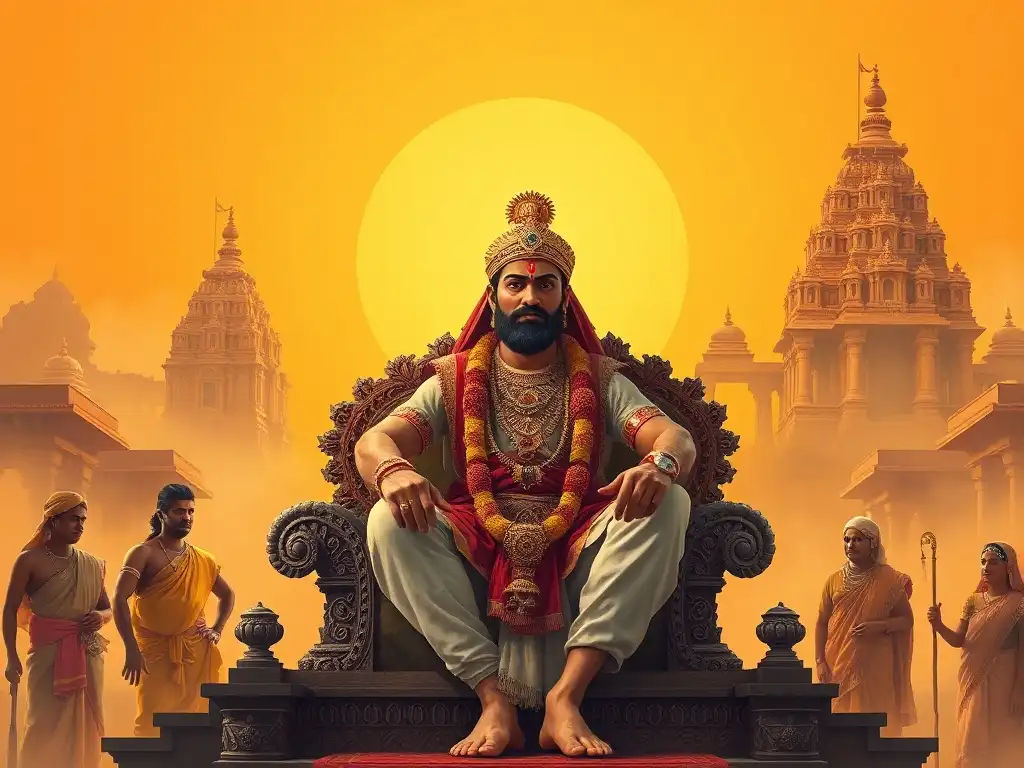
Raja Raja Chola II, as a prominent ruler of the Chola dynasty, exemplified the profound impact that effective leadership can have on a civilization. His reign, marked by military conquests, cultural patronage, and administrative reforms, left an indelible mark on the political landscape of ancient India. By fostering a sense of unity and purpose among his subjects, Raja Raja Chola II not only expanded his empire but also enriched its cultural and economic fabric. The legacy of his governance continues to resonate, showcasing how visionary leadership can inspire generations and shape the course of history.
The enduring impact of his leadership can be observed in various dimensions, including the promotion of arts and architecture, the establishment of trade networks, and the implementation of innovative administrative practices. The temples built during his reign, such as the Brihadeeswarar Temple, stand as testaments to his commitment to cultural and religious patronage, influencing architectural styles for centuries. Moreover, his adeptness in managing diverse populations and integrating various cultures within his empire serves as a valuable lesson in governance and diplomacy.
Lessons from Raja Raja Chola II for Modern Leadership
Raja Raja Chola II offers several key lessons for contemporary leaders, particularly in the realms of vision, inclusivity, and adaptability. His ability to envision a prosperous and unified empire can inspire modern leaders to cultivate a clear and compelling vision for their organizations or nations. Establishing a sense of purpose is crucial in rallying people around common goals, fostering loyalty, and encouraging collaboration.
Inclusivity was another hallmark of Raja Raja Chola II’s leadership. By engaging with various communities and respecting their cultural identities, he built a cohesive and harmonious society. Modern leaders can learn from this approach by promoting diversity and inclusiveness within their teams and organizations, recognizing that varied perspectives can lead to innovative solutions and greater resilience.
Lastly, adaptability was essential during Raja Raja Chola II's reign, as he navigated the complexities of governance and military challenges. This quality is equally relevant today, as leaders must remain agile in the face of rapidly changing environments. Embracing change, being open to new ideas, and continuously learning are vital for sustained success in any leadership role.
The Relevance of Ancient Leadership Qualities Today
The qualities exhibited by leaders like Raja Raja Chola II remain profoundly relevant in today's dynamic world. Attributes such as strategic vision, ethical governance, and cultural sensitivity are as essential now as they were in ancient times. In an era marked by globalization and cultural interconnectivity, the ability to lead with respect for diverse traditions and values is invaluable.
Moreover, the commitment to public welfare demonstrated by Raja Raja Chola II can serve as a model for modern leaders. Prioritizing the needs of the populace and ensuring equitable resource distribution are critical for fostering trust and engagement among citizenry. This principle of servant leadership promotes a sense of responsibility and accountability that is necessary for any thriving society.
As we study the leadership qualities of ancient figures like Raja Raja Chola II, we gain insights that transcend time and geography. By integrating these timeless principles into contemporary leadership practices, current and future leaders can cultivate environments that inspire growth, innovation, and unity. The lessons from ancient Indian empires continue to resonate, reminding us that effective leadership is rooted in understanding, empathy, and a commitment to the greater good.
- Introduction to Leadership in Ancient Indian Empires
- Overview of Raja Raja Chola II
- Defining Leadership Qualities in Ancient Indian Context
- Characteristics of Effective Leaders in Ancient India
- Importance of Governance in Ancient Empires
- Leadership Style of Raja Raja Chola II
- Key Leadership Qualities of Raja Raja Chola II
- Governance Strategies Employed by Raja Raja Chola II
- Challenges Faced by Raja Raja Chola II
- Legacy of Raja Raja Chola II in Leadership
- Conclusion: The Enduring Impact of Leadership in Ancient Indian Empires
- Lessons from Raja Raja Chola II for Modern Leadership
- The Relevance of Ancient Leadership Qualities Today
- What were the main leadership qualities of Raja Raja Chola II?
- How did Raja Raja Chola II contribute to the administration of his empire?
- In what ways did Raja Raja Chola II influence cultural development?
- What role did military strategies play in his leadership?
- How can we compare Raja Raja Chola II's leadership to other ancient Indian rulers?
Frequently Asked Questions
What were the main leadership qualities of Raja Raja Chola II?
Raja Raja Chola II exhibited strong governance skills, including strategic diplomacy, military acumen, and a commitment to public welfare, which solidified his empire's stability and prosperity.
How did Raja Raja Chola II contribute to the administration of his empire?
He implemented efficient administrative systems and promoted the use of local governance, empowering regional leaders while ensuring loyalty and effective resource management across his vast empire.
In what ways did Raja Raja Chola II influence cultural development?
Raja Raja Chola II was a patron of the arts, fostering literature, architecture, and temple construction, which enhanced the cultural landscape of ancient India and left a lasting legacy.
What role did military strategies play in his leadership?
His military strategies were pivotal in expanding the Chola Empire's territories, with a focus on naval strength that enabled control over trade routes and neighboring regions.
How can we compare Raja Raja Chola II's leadership to other ancient Indian rulers?
Raja Raja Chola II's approach to leadership combined military prowess with a focus on cultural patronage, similar to other rulers like Ashoka and Chandragupta Maurya, but distinct in his emphasis on naval dominance.
Final Reflection: Embodying Leadership in Ancient Indian Empires
In exploring the leadership qualities of Raja Raja Chola II, we uncover timeless principles that resonate profoundly in today’s world. The governance strategies and visionary leadership exhibited by this remarkable ruler are not merely historical anecdotes; they serve as a guiding light for contemporary leaders navigating complex challenges. As we reflect on his legacy, it becomes evident that the essence of effective leadership transcends time and culture, reminding us that the qualities of vision, resilience, and inclusivity are as relevant now as they were in the ancient empires.
The impact of Raja Raja Chola II's leadership extends beyond the annals of history, influencing our cultural and social landscapes even today. His ability to unite diverse communities under a common vision and foster economic prosperity is a testament to the power of inclusive governance. This principle of unity in diversity is echoed in modern leadership discussions, emphasizing the need for leaders to embrace and celebrate differences. Leadership is not about being in charge. It is about taking care of those in your charge.
This quote encapsulates the essence of Raja Raja Chola II’s approach, highlighting the importance of servant leadership that prioritizes the welfare of the people.
As we conclude this exploration, I invite you to reflect on the lessons drawn from Raja Raja Chola II’s reign and consider how you can embody these qualities in your own life. Whether in your personal relationships, community involvement, or professional endeavors, strive to lead with vision, empathy, and integrity. Let us take inspiration from the past and commit to fostering a leadership style that not only aims for success but also uplifts those around us, ensuring that our legacies, like that of Raja Raja Chola II, are marked by positive and lasting impact.
Unlock the Secrets of Great Leadership!
Thank you for exploring the remarkable leadership qualities of **Raja Raja Chola II** with us! We hope this journey has ignited your passion for governance and inspired you to embrace the essence of strong leadership. Now, let’s transform what you’ve discovered into actionable steps!
- Reflect on your leadership style: Take a moment to journal about how you can incorporate the qualities of **Raja Raja Chola II** into your own approach to leadership.
- Share your insights: Discuss your thoughts with friends or colleagues. Start a conversation on social media using the hashtag #CholaLeadership to engage a broader audience.
- Explore further: Dive into the lives of other historical leaders and examine their qualities. Consider how these lessons can be applied in today’s context.
Which leadership quality of **Raja Raja Chola II** do you find most inspiring, and how will you apply it in your personal or professional life?