
The Cultural Renaissance Under the Gupta Empire: The Role of Influential Leaders

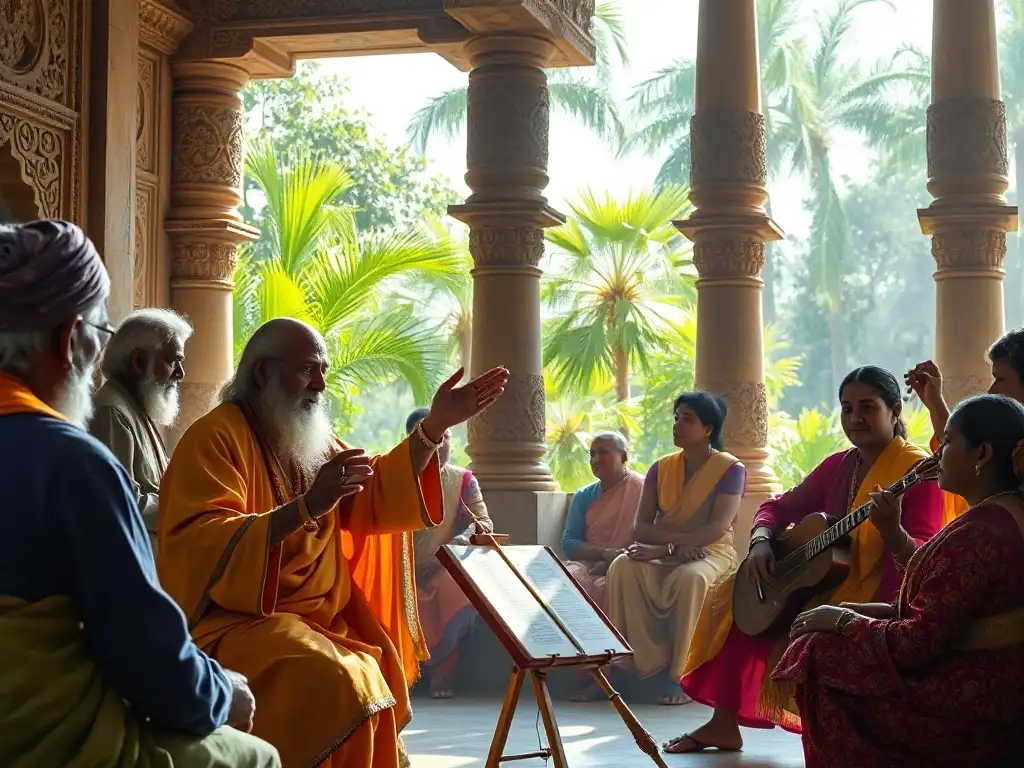
Welcome to Ancient India History, where we invite you to embark on a journey through the rich tapestry of ancient Indian civilizations! In this exploration, we delve into the cultural contributions of the Gupta Empire, a period often heralded as a golden age of art, science, and philosophy. Discover how influential leaders shaped this remarkable era and left an indelible mark on history. What innovations and transformations emerged during this cultural renaissance? Join us as we unravel the stories that define an extraordinary chapter in human civilization. Your adventure into the past begins now!
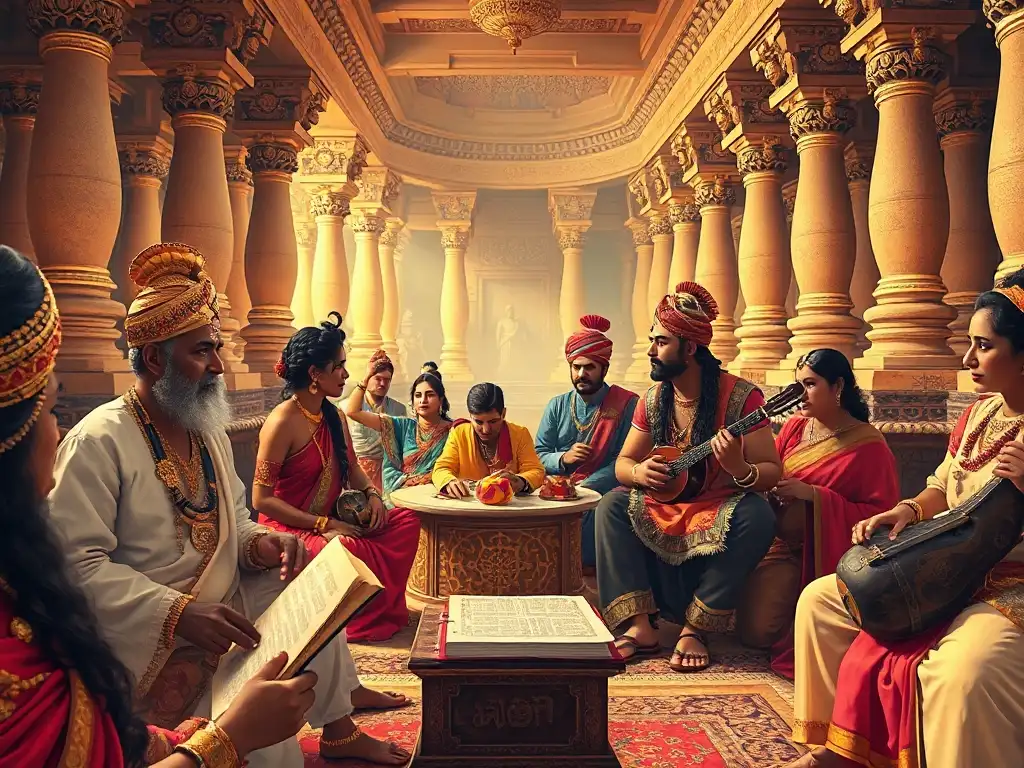
The Gupta Empire, often referred to as the "Golden Age" of India, represents a pinnacle of cultural, scientific, and artistic achievements in ancient history. Spanning from approximately 320 to 550 CE, this era witnessed an unprecedented flourishing of knowledge and creativity, driven by a series of influential leaders who played pivotal roles in shaping the empire’s cultural landscape.
The Gupta rulers not only expanded their territories but also fostered an environment conducive to intellectual and artistic pursuits, which laid the foundation for many aspects of modern Indian culture. This article delves into the profound cultural contributions of the Gupta Empire, examining the impactful leadership of its prominent figures and their enduring legacy on Indian civilization.
Introduction to the Gupta Empire
Overview of the Gupta Empire
The Gupta Empire emerged in northern India during the early 4th century CE, founded by Chandragupta I. This period is characterized by significant advancements in various fields, including literature, mathematics, astronomy, and art. The empire expanded its influence across vast territories, encompassing much of the Indian subcontinent. Under the Gupta rulers, particularly during the reign of Samudragupta and Chandragupta II, the empire experienced remarkable stability and prosperity, which facilitated a cultural renaissance that would shape the region for centuries to come.
Importance of Cultural Contributions in Ancient India
Cultural contributions during the Gupta Empire were not merely academic or artistic; they were instrumental in shaping the identity of India. The period saw the composition of classical texts in Sanskrit, advancements in mathematics such as the concept of zero, and the establishment of significant architectural marvels. These achievements were essential not only for the empire but also for the cultural heritage of India, influencing future generations and laying the groundwork for many modern disciplines.
Key Influential Leaders of the Gupta Empire
Chandragupta I: The Founder of the Gupta Dynasty
Chandragupta I, the founder of the Gupta Empire, played a crucial role in establishing the foundations of this influential dynasty. His reign marked the beginning of a new era characterized by political stability and economic prosperity. By forging strategic alliances through marriage and military conquests, he expanded the empire's territory, allowing for the exchange of ideas and cultural practices. Chandragupta's patronage of the arts and education set the stage for the cultural advancements that would follow.
Samudragupta: The Military Genius and Cultural Patron
Often hailed as one of the greatest rulers of the Gupta Empire, Samudragupta demonstrated exemplary military prowess and a deep commitment to the arts. His successful campaigns expanded the empire significantly, but it was his patronage of scholars and artists that truly distinguished his reign. Samudragupta's court became a vibrant hub of cultural activity, attracting poets, musicians, and philosophers, which contributed to the rich tapestry of Gupta culture.
Chandragupta II (Vikramaditya): The Golden Age of Culture and Arts
Chandragupta II, also known as Vikramaditya, epitomizes the cultural zenith of the Gupta Empire. His reign is marked by a profound flourishing of literature and the arts, with the legendary poet Kalidasa and the celebrated astronomer Aryabhata emerging during this time. Vikramaditya's efforts in promoting art, literature, and science not only enhanced the cultural landscape of his empire but also earned him lasting recognition as a symbol of enlightenment and creativity in ancient India.
Cultural Contributions of the Gupta Empire
The Gupta Empire, often referred to as the "Golden Age of India," marked a period of remarkable cultural achievements and advancements. Spanning from approximately 320 to 550 CE, this era was characterized by significant contributions in various fields, including literature, science, mathematics, art, and philosophy. The Gupta rulers, particularly Chandragupta I, Samudragupta, and Chandragupta II, played pivotal roles in promoting an environment conducive to intellectual and artistic pursuits. Their patronage of scholars, poets, and artists led to an unprecedented flourishing of culture that not only enriched Indian society but also laid the groundwork for future generations.
Advancements in Literature and Poetry
The Gupta period witnessed a renaissance in literature, with notable figures such as Kalidasa, who is often hailed as one of the greatest poets and playwrights in Sanskrit literature. His works, including "Shakuntala" and "Meghaduta," are celebrated for their poetic brilliance and rich imagery. The era also saw the composition of the "Panchatantra," a collection of fables that emphasized moral lessons, showcasing the Gupta's knack for storytelling.
In addition to poetry, prose literature flourished with texts like "Kumarasambhava," which narrates the birth of Lord Kartikeya. The era's literary contributions were not limited to religious or philosophical themes; they also encompassed secular topics, reflecting the diverse interests of society. The establishment of literary academies under Gupta rulers further encouraged writers to explore various genres and styles, solidifying the Gupta Empire's reputation as a center for literary excellence.
Developments in Science and Mathematics
The Gupta Empire is renowned for its remarkable advancements in science and mathematics, which significantly influenced subsequent generations. Aryabhata, one of the most prominent mathematicians and astronomers of this period, made groundbreaking contributions, including the introduction of the concept of zero and the decimal system. His work "Aryabhatiya" laid the foundation for algebra and trigonometry, and he accurately calculated the circumference of the Earth.
In medicine, figures like Charaka and Sushruta made significant strides in Ayurveda, focusing on surgery and herbal medicine. Their texts, "Charaka Samhita" and "Sushruta Samhita," provided comprehensive insights into health and wellness, emphasizing the importance of holistic treatment methods. These developments laid the groundwork for modern scientific principles and showcased the Gupta Empire's pivotal role in advancing knowledge.
Innovations in Art and Architecture
The Gupta period is distinguished by its innovative contributions to art and architecture, characterized by intricate sculptures, exquisite murals, and monumental structures. The use of sandstone in sculptures led to the creation of lifelike figures, as seen in the beautiful carvings of deities and mythological scenes found in temples like those in Sanchi and Ajanta. These artworks displayed a high degree of craftsmanship and attention to detail, reflecting the aesthetics and religious sentiments of the time.
Architecturally, the Gupta Empire is noted for its construction of temples that blended indigenous styles with influences from earlier periods. The Dashavatara Temple in Deogarh, dedicated to Lord Vishnu, exemplifies this fusion, featuring intricate carvings and a distinctive style that would influence later temple architecture in India. The emphasis on symmetry, proportion, and ornamentation in Gupta architecture set a standard that would resonate throughout the Indian subcontinent for centuries.
The Role of Religion and Philosophy
Religion and philosophy played a crucial role in shaping the cultural landscape of the Gupta Empire. The period was marked by a renewed interest in Hinduism, alongside the coexistence and promotion of Buddhism and Jainism. This pluralistic society fostered an environment where various philosophical schools could thrive, resulting in a rich tapestry of thought that influenced art, literature, and everyday life.
Hinduism and the Gupta Period
During the Gupta Empire, Hinduism experienced a significant resurgence, with the promotion of various deities and the codification of religious texts. The Gupta rulers actively supported Hindu rituals and temple construction, reinforcing the religion's central role in society. The "Puranas," a genre of ancient Indian literature, gained prominence, further integrating mythology and philosophy into everyday life.
The Gupta period also saw the rise of devotional movements, particularly the worship of Vishnu and Shiva, which led to the establishment of numerous temples. This era's philosophical discourse was enriched by influential thinkers like Adi Shankaracharya, who emphasized Advaita Vedanta, a non-dualistic interpretation of Hindu philosophy. The integration of spiritual practices into daily life during this time contributed to a deeper understanding of ethics, morality, and the nature of existence.
Buddhism and Jainism Under Gupta Rule
Buddhism and Jainism continued to flourish under Gupta rule, despite the increasing prominence of Hinduism. The Gupta rulers were known for their tolerant stance towards these religions, promoting interfaith dialogues and encouraging the construction of monasteries and stupas. The Ajanta Caves, adorned with exquisite frescoes and sculptures, serve as a testament to the artistic achievements and religious devotion of Buddhist practitioners during this time.
Jainism also experienced growth, with influential figures such as Acharya Hemachandra promoting its doctrines and values. The establishment of Jain temples and the patronage of Jain scholars contributed to the religion's endurance and relevance in the Gupta Empire. Overall, the coexistence of these three religions fostered a climate of mutual respect and intellectual exchange, enriching the cultural fabric of ancient India.
The Interplay Between Leadership and Cultural Renaissance
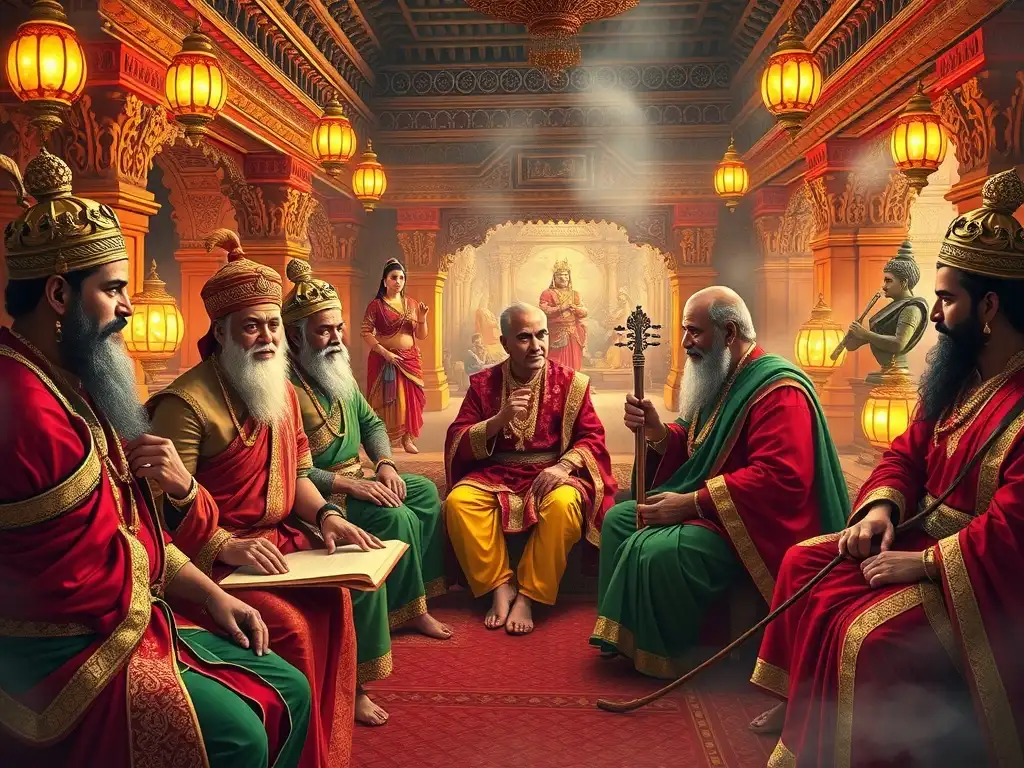
The Gupta Empire, often referred to as the Golden Age of India, flourished from approximately 320 to 550 CE. During this period, a remarkable cultural renaissance took place, which can be attributed significantly to the visionary leadership of its emperors. The Gupta rulers, such as Chandragupta I, Samudragupta, and Chandragupta II, played a pivotal role in fostering an environment where arts, science, and philosophy could thrive. Their patronage of scholars, artists, and thinkers not only encouraged the production of literature and art but also facilitated advancements in mathematics and astronomy, establishing a legacy that resonates even today.
The interplay between leadership and cultural growth during this era was characterized by a unique blend of supportive governance and strategic military conquests. The Gupta emperors unified vast territories, which enhanced trade and cultural exchange. This unity allowed for the flourishing of local traditions while also integrating diverse influences, resulting in a rich tapestry of cultural achievements. The promotion of Sanskrit as the court language further solidified the cultural identity of the Gupta Empire, leading to an increased production of literary works that enriched Indian heritage.
How Leaders Facilitated Cultural Growth
Leaders of the Gupta Empire employed several strategies that significantly facilitated cultural growth. One of the foremost methods was the establishment of a stable and prosperous economy, which ensured that resources were available for artistic and scholarly pursuits. The Gupta rulers implemented policies that encouraged trade and agriculture, leading to wealth accumulation that could be redirected towards cultural projects.
Additionally, the Gupta emperors were known for their generous patronage of the arts. They invited esteemed scholars and artists to their courts, providing them with the resources necessary to create. Notable figures such as Kalidasa, a celebrated playwright and poet, flourished under Gupta patronage, producing timeless works like "Shakuntala." The rulers also supported the establishment of educational institutions, such as Nalanda University, which became a leading center for learning and attracted students from across Asia.
Moreover, the Gupta leaders were instrumental in promoting religious tolerance, which allowed for a synthesis of various cultural and religious traditions. This openness led to a rich exchange of ideas, enhancing the overall cultural landscape of the empire. The flourishing of Buddhism, Hinduism, and Jainism during this period is a testament to the effective management and encouragement of diverse cultural expressions by Gupta rulers.
The Legacy of Gupta Leaders in Cultural History
The legacy of the Gupta leaders in cultural history is profound and multifaceted. Their contributions laid the groundwork for several aspects of Indian civilization that are still influential today. The advancements in mathematics, particularly the concept of zero and the decimal system, can be traced back to this era. Mathematicians like Aryabhata made significant contributions to the field, which later influenced global mathematical thought.
In literature, the Gupta period witnessed a renaissance in poetry, drama, and prose. The works of Kalidasa and other contemporaneous writers not only enriched the Sanskrit literary canon but also inspired subsequent generations of writers and poets. The rich artistic expressions of this era, which included stunning sculptures and intricate temple architecture, reflected the aesthetic sensibilities fostered by Gupta emperors and continue to be revered as masterpieces of Indian art.
The Gupta rulers also played a crucial role in promoting philosophical thought. The works of philosophers during this time, including those on logic and ethics, contributed to the development of Indian philosophy. This intellectual legacy influenced various schools of thought, leaving an indelible mark on the philosophical landscape of India.
Conclusion: The Enduring Impact of the Gupta Empire's Cultural Contributions
The Gupta Empire's cultural contributions remain a defining aspect of India's historical narrative. The advancements made during this period not only shaped the cultural identity of ancient India but also set a precedent for future civilizations. The achievements in literature, science, and art fostered by Gupta leadership continue to inspire and inform contemporary Indian culture.
Summary of Key Contributions and Leaders
The Gupta Empire's cultural contributions were facilitated by a combination of strong leadership, economic stability, and cultural inclusivity. Key figures such as Chandragupta II and Samudragupta championed the arts, sciences, and philosophy, resulting in a legacy that includes:
- The establishment of significant literary works in Sanskrit, notably by Kalidasa.
- Advances in mathematics, including the introduction of the concept of zero.
- Flourishing artistic expressions, exemplified in temple architecture and sculpture.
- The promotion of philosophical discourse that enriched Indian thought.
The Gupta Empire's Influence on Later Indian Civilizations
The influence of the Gupta Empire on later Indian civilizations is undeniable. The cultural advancements made during this period served as a foundation for subsequent empires, including the Chola and Mughal dynasties. The emphasis on art and education established by the Guptas continued to resonate throughout Indian history, influencing various artistic and intellectual movements.
Moreover, the Gupta period's achievements in governance, trade, and cultural synthesis provided a model for future rulers. The ideals of religious tolerance and cultural patronage championed by Gupta leaders became integral to the governance of later Indian states, fostering a legacy of diversity and cultural richness that endures in modern India. Through their enduring contributions, the Gupta Empire remains a pivotal chapter in the story of Indian civilization, showcasing the profound impact of leadership on cultural renaissance.
References and Further Reading
The cultural contributions of the Gupta Empire have been extensively documented in various scholarly works, articles, and online resources. Understanding the nuances of this period requires delving into a combination of historical texts and contemporary analyses. The following sections provide an overview of suggested books, articles, and additional resources that can enhance your knowledge of the Gupta Empire and its significant cultural impact.
Suggested Books and Articles on Gupta Empire Cultural Contributions
-
"The Gupta Empire: A Study in the Political and Cultural History of Ancient India" by R. C. Majumdar
This book provides an in-depth analysis of the political dynamics and cultural advancements during the Gupta period. It discusses the empire's contributions to art, literature, and science, offering insights into the influential leaders who shaped its legacy.
-
"A History of Ancient India: From 650 to 1200 A.D." by Upinder Singh
Singh's work covers the breadth of Indian history, with a strong emphasis on the Gupta Empire. The book examines the societal structures and cultural achievements, including advancements in mathematics and astronomy.
-
"The Cultural Heritage of India: Volume II - The Gupta Period" edited by A. L. Basham
This volume focuses specifically on the Gupta period, discussing its art, literature, and philosophy. It highlights the contributions of key figures and the enduring legacy they left behind.
-
"The Arts and Crafts of Ancient India" by K. V. Soundara Rajan
This book explores the artistic achievements of the Gupta Empire, including sculpture, painting, and architecture. It provides a visual and textual representation of the cultural renaissance during this era.
-
"Gupta Empire: The Golden Age of India" (Journal Article)
This article explores the various cultural aspects of the Gupta Empire, including religion, literature, and science. It discusses how these elements contributed to what is often referred to as India's Golden Age.
Additional Resources for Exploring Ancient India’s History
-
Online Databases and Archives
Websites such as the Digital South Asia Library and Indian History Congress offer a wealth of articles, research papers, and historical documents that delve into various aspects of India's ancient past, including the Gupta Empire.
-
Documentaries and Educational Videos
Platforms like YouTube host numerous documentaries that visually recount the history of the Gupta Empire, showcasing its cultural contributions through art and literature. Channels focused on history often have well-researched content about this period.
-
Museums and Cultural Institutions
Visiting museums with Indian art collections can provide a tangible sense of the Gupta contributions. Institutions like the National Museum in New Delhi or the Indian Museum in Kolkata often feature exhibitions on ancient Indian civilizations.
-
Academic Journals
Journals such as the Journal of Asian Studies and Indian Historical Review publish peer-reviewed articles that can provide deeper insights into specific topics related to the Gupta Empire and its cultural contributions.
By exploring these resources, readers can gain a comprehensive understanding of the Gupta Empire's role in shaping ancient Indian culture and its lasting impact on the world.
- Introduction to the Gupta Empire
- Key Influential Leaders of the Gupta Empire
- Cultural Contributions of the Gupta Empire
- The Role of Religion and Philosophy
- The Interplay Between Leadership and Cultural Renaissance
- Conclusion: The Enduring Impact of the Gupta Empire's Cultural Contributions
- References and Further Reading
- What were the cultural contributions of the Gupta Empire?
- Who were some of the influential leaders during the Gupta Empire?
- How did the Gupta Empire influence literature?
- What is the significance of the Gupta Empire in the context of science and mathematics?
- How did the cultural renaissance during the Gupta Empire influence later civilizations?
Frequently Asked Questions
What were the cultural contributions of the Gupta Empire?
The Gupta Empire is renowned for its significant cultural contributions, including advancements in literature, art, and science, which laid the groundwork for future Indian civilization.
Who were some of the influential leaders during the Gupta Empire?
Key figures included Chandragupta I and Samudragupta, both of whom played pivotal roles in promoting arts and education, and fostering a climate of cultural flourishing.
How did the Gupta Empire influence literature?
The Gupta period saw the emergence of great literary works, including Kalidasa's plays and poetry, which are still celebrated today for their artistic brilliance and philosophical depth.
What is the significance of the Gupta Empire in the context of science and mathematics?
The Gupta Empire is often referred to as a golden age for Indian science and mathematics, highlighted by Aryabhata's contributions to astronomy and the concept of zero in mathematics.
How did the cultural renaissance during the Gupta Empire influence later civilizations?
The cultural renaissance fostered by the Gupta Empire left a lasting legacy, influencing subsequent Indian dynasties and contributing to the rich tapestry of South Asian culture.
Final Reflection: Embracing the Legacy of the Gupta Empire's Cultural Contributions
The Gupta Empire stands as a beacon of cultural brilliance and innovation, showcasing how influential leaders can shape the artistic and intellectual landscape of their time. Today, as we navigate a world increasingly defined by cultural exchange and diversity, the lessons from the Gupta Empire resonate profoundly. The remarkable achievements in art, literature, and science during this period remind us that the pursuit of knowledge and creativity can transcend boundaries and foster unity in our global society.
Cultural contributions from the Gupta Empire have left an indelible mark on the world, influencing generations of thinkers, artists, and leaders. The legacy of this era is not merely historical; it continues to inspire contemporary movements in art and philosophy. As we reflect on this impact, we are reminded of the words of the renowned historian Will Durant: Civilization exists by geological consent, subject to change without notice.
This quote encapsulates the idea that cultural achievements are dynamic and must be nurtured, as they can shape the future just as they have shaped the past.
As we conclude our exploration of the Gupta Empire's cultural contributions, I invite you to reflect on how these historical lessons can be applied in your own life. Consider how you can foster creativity and knowledge in your community, drawing inspiration from the leaders of the Gupta Empire who championed the arts and sciences. Let us embrace the spirit of cultural renaissance, recognizing that each of us has the potential to contribute to a vibrant tapestry of human expression and understanding.
Unveil the Legacy of the Gupta Empire!
Thank you for diving into the fascinating world of the Gupta Empire's cultural renaissance! Through this exploration, you've uncovered the incredible influence of visionary leaders on art, culture, and society. Now, it’s time to take your newfound knowledge to the next level.
Here are some **exciting actions** you can take today:
- Engage with History: Visit a local museum or explore online exhibits showcasing artifacts from the Gupta period. Experience the splendor of this age firsthand!
- Start a Conversation: Share your insights with friends or on social media. Encourage them to learn about this enchanting era and its impact on contemporary culture.
- Join a Community: Connect with history enthusiasts either online or within your local area. Participate in discussions or workshops on ancient civilizations to deepen your understanding!
What aspect of the Gupta Empire fascinates you the most, and how do you think it has shaped our modern world? Let’s continue the conversation!