
The Influence of Foreign Leaders on Ancient Indian Governance and Society

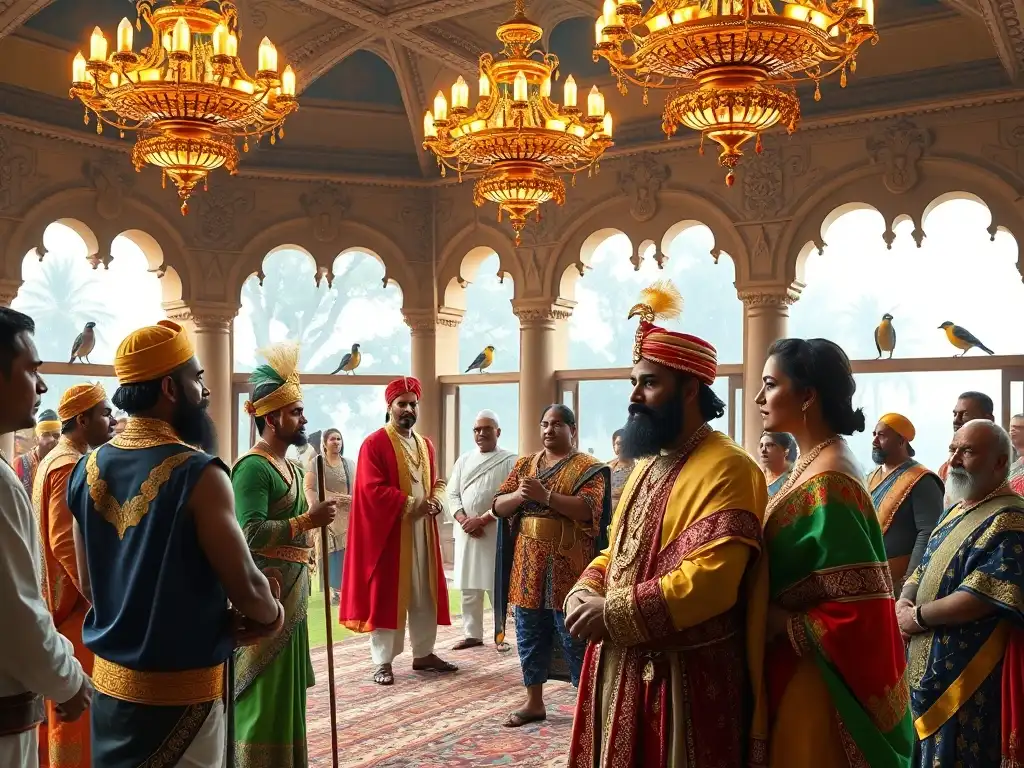
Welcome to Ancient India History! Here, we embark on an enlightening journey through the rich and diverse tapestry of ancient Indian civilizations. Dive deep into our latest article, "The Influence of Foreign Leaders on Ancient Indian Governance and Society," where we unravel the fascinating dynamics between foreign rulers and indigenous cultures. Who were these influential figures, and how did they shape the very fabric of Indian society? Prepare to uncover the intertwined narratives that have left an indelible mark on India's historical landscape. Your exploration of the past begins now—let's delve deeper!
Introduction to Foreign Leaders in Ancient India
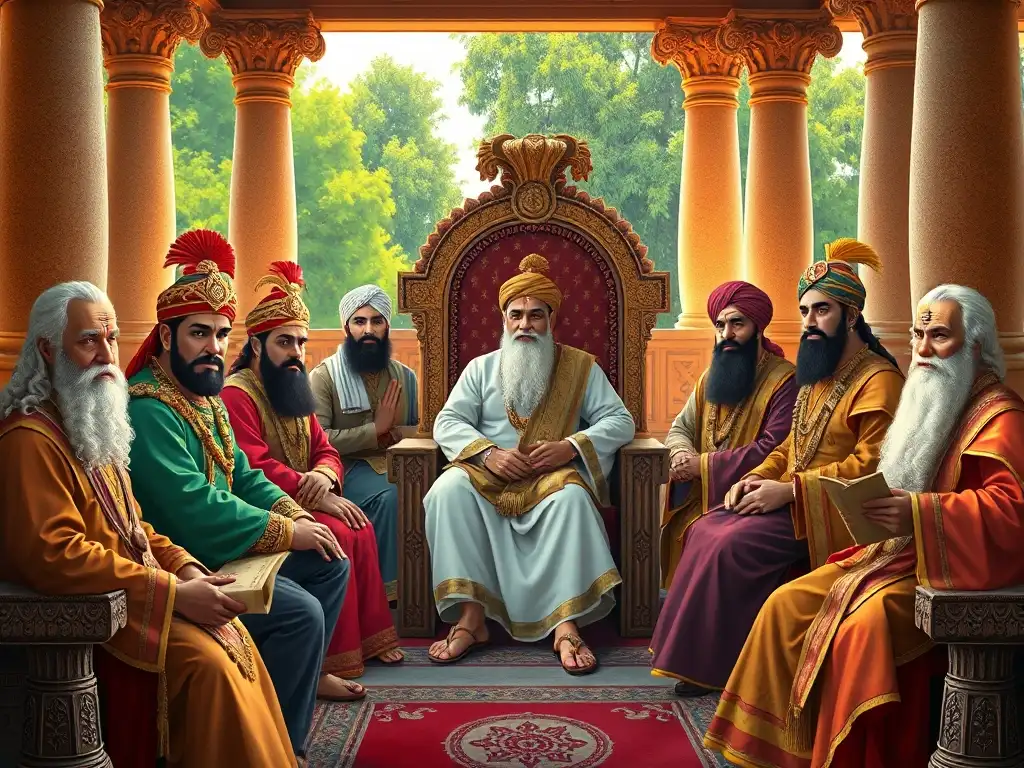
The history of ancient India is not only a tapestry woven from the threads of indigenous cultures and civilizations but also intricately interlaced with the influences of foreign leaders. From the strategic alliances forged through diplomacy to the military conquests that reshaped the subcontinent's political landscape, foreign leaders played a pivotal role in shaping Indian governance and society. Understanding their contributions provides invaluable insights into how ancient Indian civilization evolved, adapted, and responded to external influences.
This article delves into the significant impact of foreign leaders in ancient India, examining the complex relationships they fostered with local rulers and the profound effects these interactions had on the socio-political fabric of the time.
Overview of Foreign Influence on Indian Governance
Foreign leaders, through their conquests and political strategies, introduced new governance models and administrative practices that significantly influenced Indian rulers. The Persians, Greeks, and later the Central Asian invaders, each brought distinct styles of governance that were often assimilated into local practices. For instance:
- Persian Influence: The Achaemenid Empire established a bureaucratic system that facilitated trade and communication across vast territories, which Indian kingdoms later adopted.
- Greek Contributions: Following Alexander the Great's invasion, the introduction of Hellenistic political thought and military organization reshaped local governance structures.
- Central Asian Invaders: The incursions of the Kushans and later the Huns not only altered territorial boundaries but also brought with them new cultural and administrative practices.
This blend of foreign governance methods with indigenous systems created a unique political landscape that defined ancient India’s evolution.
Importance of Understanding Foreign Leaders in Ancient India
Understanding the role of foreign leaders in ancient India is crucial for several reasons:
- Cultural Exchange: The interactions between foreign leaders and local populations led to a rich exchange of ideas, art, and philosophy, which enhanced the cultural heritage of India.
- Political Evolution: The integration of foreign governance styles contributed to the development of more sophisticated political systems, which influenced later empires and dynasties.
- Historical Perspective: Recognizing the impact of foreign leaders helps historians piece together the complex narrative of India's past, revealing how external forces shaped internal dynamics.
Historical Context of Foreign Leaders in Ancient India
The interactions of foreign leaders with ancient Indian societies can be traced back to a time when trade routes connected India to various civilizations. This historical context provides a framework for understanding the subsequent foreign influences that shaped Indian governance and culture.
Major Foreign Powers Interacting with India
Several significant foreign powers played an influential role in ancient India:
- Achaemenid Empire: The Persian Empire established diplomatic and trade relations with Indian kingdoms, contributing to the exchange of goods and ideas.
- Macedonian Empire: Alexander the Great's campaign into India not only introduced Hellenistic culture but also prompted local rulers to adapt their military and administrative strategies.
- Kushan Empire: The Kushans, who ruled over parts of northern India, were instrumental in promoting trade along the Silk Road and fostering cultural syncretism.
- Huns: The invasions by the Huns in the 5th century led to significant political upheaval, impacting the Gupta Empire and altering the course of Indian history.
Through these interactions, the governance and societal structures of ancient India were profoundly transformed, highlighting the significance of foreign leaders in shaping the history of the subcontinent.
Key Foreign Leaders and Their Contributions
Throughout ancient Indian history, several foreign leaders played pivotal roles in shaping the governance and societal structures of the subcontinent. Their influence often brought about significant changes, blending their cultures with that of India. Notable figures include Alexander the Great, Chandragupta Maurya, and the rulers of the Kushan Empire. Each of these leaders not only left a mark on military conquests but also contributed to the political, economic, and cultural landscape of ancient India, resulting in a rich tapestry of governance that reflected a fusion of indigenous and foreign elements.
Alexander the Great: Conquest and Its Aftermath
Alexander the Great’s invasion of India in 326 BCE marked a significant turning point in the region's history. His military campaigns extended as far as the Punjab region, where he encountered fierce resistance from local kingdoms, such as the Porus kingdom. Despite his eventual victory, Alexander's campaign had profound implications beyond conquest.
- Cultural Exchange: Alexander's presence facilitated the exchange of ideas, art, and culture between the Greeks and Indians. This interaction led to a synthesis of Hellenistic and Indian cultures, influencing art, architecture, and philosophy.
- Political Impacts: After Alexander’s departure, his generals, known as the Diadochi, attempted to establish control over the territories he had conquered. The fragmented nature of these territories paved the way for the rise of local powers, such as the Maurya Empire, showcasing the power vacuum left by his retreat.
Chandragupta Maurya and the Influence of Foreign Advisors
Chandragupta Maurya, the founder of the Maurya Empire in the 4th century BCE, was significantly influenced by foreign advisors, particularly from the Greek world. His rise to power was facilitated by the political landscape left in the wake of Alexander's campaign, and he capitalized on the disarray among local rulers.
- Strategic Alliances: Chandragupta forged alliances with influential foreign leaders and utilized the military strategies learned from his encounters with Macedonian forces. His reign marked the establishment of a centralized administration, which was a departure from the fragmented political structures of previous eras.
- Kautilya (Chanakya): His chief advisor, Kautilya, also known as Chanakya, played a crucial role in shaping Mauryan governance. Kautilya's text, the Arthashastra, reflects a blend of indigenous and foreign ideas, providing insights into statecraft, economics, and military strategy.
The Kushan Empire: A Fusion of Cultures
The Kushan Empire, which flourished from the 1st to 3rd century CE, was another significant example of foreign influence in ancient India. Emerging from the Yuezhi tribes, the Kushans united various regions across northern India and parts of Central Asia, creating a multicultural empire characterized by a blend of Greek, Persian, and Indian influences.
- Religious Syncretism: The Kushan rulers, particularly Kanishka, were instrumental in the spread of Buddhism, which saw tremendous growth during this period. They patronized Buddhist art and architecture, leading to the creation of iconic stupas and sculptures that exemplified a fusion of styles.
- Trade and Economy: The Kushan Empire also played a pivotal role in enhancing trade routes, including the Silk Road, which facilitated the exchange of goods, ideas, and cultures between India, China, and the Mediterranean.
Effects of Foreign Leadership on Indian Governance
The influence of foreign leaders on ancient Indian governance was profound, leading to significant changes in administrative structures, legal practices, and societal norms. This interplay of cultures not only reshaped governance but also left a lasting legacy that can be felt in modern India's political systems.
Changes in Administrative Structures
Foreign leaders introduced new administrative concepts and practices that transformed the governance of ancient India.
- Centralization of Power: The emergence of centralized empires, particularly under the Mauryas and Kushans, marked a shift from localized rule to more structured governance. This centralization allowed for more efficient tax collection, resource allocation, and law enforcement.
- Bureaucratic Systems: The adoption of bureaucratic systems, influenced by both Indian traditions and foreign practices, led to the establishment of various administrative offices that managed different facets of governance, such as taxation, agriculture, and military affairs.
Influence on Legal Systems and Practices
The legal systems of ancient India were also shaped by the contributions of foreign leaders, resulting in a more organized approach to law and order.
- Integration of Laws: Foreign influences introduced new legal concepts that were integrated with existing Indian laws, leading to a more comprehensive legal framework. This included the codification of laws and the establishment of judicial systems that ensured justice was served efficiently.
- Cultural Norms and Ethics: The arrival of foreign philosophies and ethical systems impacted societal norms. For instance, the incorporation of Hellenistic ideas into Indian governance influenced the development of legal and ethical standards, promoting a greater emphasis on civic duty and justice.
The legacy of foreign leaders in ancient India is marked by a rich interplay of cultural, political, and economic influences that transformed the region's governance and society. Their contributions continue to resonate throughout India's historical narrative, underscoring the importance of foreign interactions in shaping its diverse heritage.
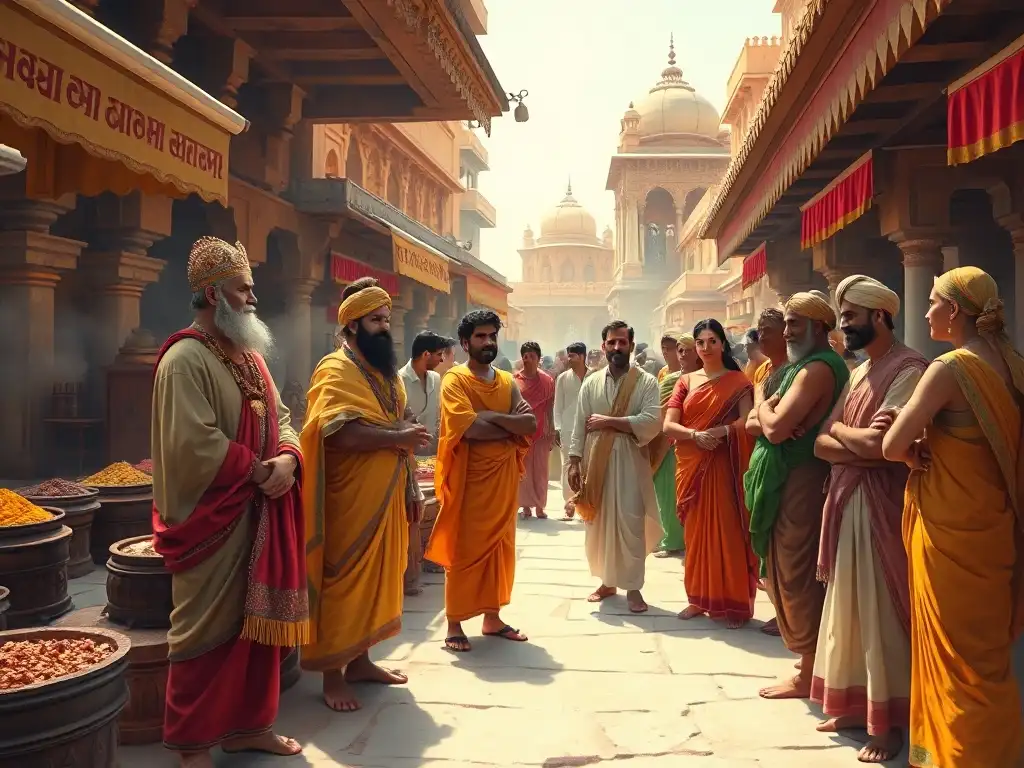
The influx of foreign leaders into ancient India had profound social implications that reshaped various aspects of Indian life. These leaders often brought with them diverse customs, traditions, and administrative practices that intermingled with the local culture. This blend led to the evolution of a more complex social structure characterized by cross-cultural interactions.
One significant impact was the introduction of new administrative practices that improved governance. For instance, the Mauryan Empire, particularly under Emperor Ashoka, integrated various aspects of governance from the Persian Empire, leading to enhanced bureaucratic efficiency. Similarly, the arrival of the Greeks and later the Kushans facilitated trade and cultural exchanges, creating a more interconnected social fabric.
Additionally, the social hierarchy experienced shifts as foreign rulers sometimes elevated local leaders or artisans, thus creating new avenues for social mobility. The presence of foreign influences also encouraged the spread of new ideas and innovations in agriculture and crafts, allowing for increased productivity and economic growth. Overall, the social landscape of ancient India was fundamentally altered by the governance and cultural imprints left by foreign leaders.
Cultural Syncretism and Its Significance
Cultural syncretism emerged as a defining feature of ancient Indian society due to the interactions with foreign leaders. This phenomenon involved the blending of distinct cultural elements, resulting in a rich tapestry of traditions, languages, and artistic expressions. Foreign rulers, such as the Greeks and the Kushans, contributed to this syncretism by introducing their own cultural practices, which were then adapted and assimilated into the local context.
One notable example is the Gandhara art style, which flourished under the influence of the Greco-Bactrian culture. This artistic tradition fused Hellenistic and Indian elements, leading to the creation of iconic sculptures of Buddha that displayed a unique aesthetic appeal. The incorporation of Greek motifs into Indian art not only enhanced its visual richness but also facilitated the spread of Buddhism, allowing it to reach wider audiences.
Moreover, cultural syncretism fostered a spirit of tolerance and understanding among different communities. As diverse groups engaged in trade and cultural exchanges, they began to appreciate each other's beliefs and practices, contributing to a more harmonious social environment. The significance of this cultural fusion extends beyond ancient times, providing a foundation for the pluralistic nature of modern Indian society.
Religion and Philosophy: A Cross-Cultural Exchange
The influence of foreign leaders also catalyzed significant exchanges in religion and philosophy within ancient India. As various empires expanded, they brought along their own religious ideologies, which interacted with indigenous beliefs. For instance, the arrival of the Greeks introduced elements of Hellenistic philosophy, while the Kushans played a crucial role in promoting Buddhism across Central and South Asia.
This cross-cultural exchange enriched Indian philosophical thought by integrating diverse perspectives. The synthesis of ideas led to the development of new schools of thought that emphasized ethical conduct, cosmopolitanism, and the quest for knowledge. Thinkers such as Ashvaghosha and Nagarjuna were instrumental in this intellectual transformation, drawing from both Indian and foreign philosophical traditions.
Additionally, the intermingling of religious practices resulted in a more composite spiritual landscape. The blending of Zoroastrian elements with Hindu rituals, for example, illustrated the dynamic nature of faith during this period. This cross-pollination of religious ideas not only fostered a greater understanding of spirituality but also laid the groundwork for the pluralistic religious culture that characterizes India today.
Conclusion: Legacy of Foreign Leaders in Ancient India
The legacy of foreign leaders in ancient India is multifaceted, encompassing significant contributions to governance, culture, and society. Their influence shaped the trajectory of Indian civilization, leaving an indelible mark on its history. The interactions between foreign rulers and local populations not only facilitated the exchange of ideas and practices but also created a unique socio-political landscape that influenced future generations.
Lasting Effects on Modern Indian Governance and Society
The governance models introduced by foreign leaders continue to resonate in modern Indian administrative practices. The emphasis on centralized governance and bureaucratic systems, which were influenced by ancient empires, has persisted throughout history and remains foundational in contemporary India. The democratic ethos that emerged from the philosophical exchanges of ancient times also underpins the values enshrined in modern Indian democracy.
Moreover, the cultural and religious syncretism established during these periods has contributed to the pluralistic nature of Indian society today. The coexistence of diverse communities and belief systems can be traced back to these historical interactions, emphasizing the importance of tolerance and mutual respect in maintaining social harmony.
Reflection on the Importance of Foreign Influence in Ancient History
Reflecting on the importance of foreign influence in ancient history reveals the complexity of cultural and political dynamics that have shaped India. The interactions with foreign leaders not only transformed local governance but also facilitated a vibrant exchange of ideas, resulting in a rich cultural heritage. This legacy serves as a reminder that history is often a mosaic of influences, where the contributions of diverse peoples can lead to a more enriched and sophisticated civilization.
In understanding the role of foreign leaders in ancient India, we gain valuable insights into the interconnectedness of societies throughout history. This perspective encourages a broader appreciation for the shared human experience, highlighting the significance of collaboration and exchange in the continuous evolution of civilizations.
References and Further Reading
Understanding the impact of foreign leaders on ancient Indian governance and society requires delving into a variety of sources. From scholarly articles to historical texts, the following resources provide valuable insights into the intermingling of foreign influences with indigenous practices in ancient Indian history.
Recommended Books and Articles on Foreign Leaders in Ancient India
-
"The Ancient Indus Valley: New Perspectives" by Jane McIntosh
This book examines the complex interactions between the Indus Valley civilization and neighboring cultures, highlighting the influence of foreign traders and diplomats.
-
"The Greeks in India" by Richard Stoneman
Stoneman explores the historical accounts of Greek invasions and their subsequent impact on Indian society, politics, and culture, focusing particularly on the influence of Alexander the Great.
-
"The Maurya Empire" by Romila Thapar
This work provides a comprehensive overview of the Maurya Empire, discussing the roles foreign leaders played in shaping governance and administration.
-
"India and the World: A History" by A. C. Banerjee
This article discusses the broader implications of foreign interactions on Indian history, including the contributions of various foreign leaders and their legacies.
-
"The Persian Empire: A Historical Encyclopedia" by Mehrdad Kia
This encyclopedia entry provides insights into the Achaemenid Empire's influence on Indian territories, discussing governance, trade, and cultural exchanges.
Historical Texts Discussing the Influence of Foreign Powers
-
The Arthashastra by Kautilya
An ancient Indian treatise on statecraft and military strategy, the Arthashastra also reflects the influence of foreign powers in shaping political strategies within India.
-
The Edicts of Ashoka
These inscriptions by Emperor Ashoka not only illustrate his governance model but also reveal the interactions and diplomatic relations with foreign states, emphasizing the importance of foreign influence on Indian policies.
-
The Mahabharata
This epic contains references to various foreign tribes and leaders, showcasing their roles in the political landscape of ancient India and their interactions with native kingdoms.
-
The Periplus of the Erythraean Sea
This ancient Greek text describes trade routes and cultural exchanges between India and foreign nations, highlighting how these interactions influenced Indian economic and social structures.
-
Accounts of Fa-Hien and Xuanzang
The travel writings of these Chinese pilgrims provide detailed observations of Indian society during their visits, including the impacts of foreign rule and cultural exchanges.
These resources collectively highlight the significant roles foreign leaders and powers played in shaping the governance, culture, and societal structures of ancient India, offering a deeper understanding of the historical context and interconnections.
- Introduction to Foreign Leaders in Ancient India
- Historical Context of Foreign Leaders in Ancient India
- Key Foreign Leaders and Their Contributions
- Effects of Foreign Leadership on Indian Governance
- Social Impacts of Foreign Leaders on Ancient Indian Society
- Conclusion: Legacy of Foreign Leaders in Ancient India
- References and Further Reading
- What role did foreign leaders play in ancient Indian governance?
- How did foreign invasions impact ancient Indian society?
- Can you name some notable foreign leaders who affected India?
- What was the significance of the Mauryan Empire in relation to foreign influences?
- How did ancient Indian civilizations respond to foreign leadership?
Frequently Asked Questions
What role did foreign leaders play in ancient Indian governance?
Foreign leaders significantly influenced political structures and administrative practices in ancient India, often bringing new ideas and methods of governance that shaped local policies.
How did foreign invasions impact ancient Indian society?
Foreign invasions led to cultural exchanges and the introduction of new religions, languages, and art forms, enriching the cultural diversity of ancient India.
Can you name some notable foreign leaders who affected India?
Prominent foreign leaders include Alexander the Great, who introduced Hellenistic culture, and Mahmud of Ghazni, whose invasions led to significant economic and cultural shifts.
What was the significance of the Mauryan Empire in relation to foreign influences?
The Mauryan Empire was pivotal in integrating foreign cultures and influences, particularly during the reign of Ashoka, who embraced Buddhism and promoted international diplomacy.
How did ancient Indian civilizations respond to foreign leadership?
Ancient Indian civilizations often blended local traditions with foreign practices, leading to a unique synthesis that enhanced their political stability and cultural richness.
Final Reflection: The Enduring Legacy of Foreign Leaders in Ancient India
The influence of foreign leaders on ancient Indian governance and society is not merely a historical curiosity; it is a testament to the dynamic interplay of cultures that has shaped the subcontinent's identity. Today, as we navigate a world increasingly defined by globalization and cross-cultural exchanges, the lessons from ancient India remind us of the power of collaboration and adaptation. The interactions between foreign rulers and indigenous populations fostered a rich tapestry of governance, art, and philosophy that continues to resonate in contemporary society.
The impact of foreign leaders in ancient India extends beyond mere political alliances; it has profoundly shaped the cultural and social landscape we recognize today. From the Mauryan Empire's embrace of Hellenistic influences to the Mughal era's synthesis of Persian and Indian traditions, these historical moments illustrate how external forces can enrich local customs and governance. As Mahatma Gandhi once said, "> Our ability to reach unity in diversity will be the beauty and the test of our civilization." This sentiment echoes through time, reminding us that the blending of cultures can lead to greater understanding and progress.
As we reflect on the lessons of ancient India, let us consider how we can apply these insights to our lives today. Embrace the diversity around you and seek to learn from the myriad influences that shape your community. Whether through engaging with different cultures, fostering inclusive dialogues, or advocating for collaborative governance, each of us has the power to contribute to a more harmonious society. In doing so, we honor the legacy of those foreign leaders who, centuries ago, helped to forge a vibrant and resilient India.
Unveil the Lessons of Ancient Governance Today!
Thank you for exploring the fascinating world of ancient Indian governance and the influence of foreign leaders on its society. Your interest not only enriches your understanding but also contributes to the preservation of this essential chapter in history. Now, let's apply what you've learned.
Here are some actionable steps to embrace the wisdom of the past:
- Engage with history: **Join a local history group or participate in an online discussion forum** to exchange ideas and insights about ancient governance and its relevance today.
- Share your thoughts: **Consider writing a blog post or sharing on social media** your reflections on how ancient leaders impacted modern governance structures.
- Explore further: **Dive into recommended literature or listen to insightful podcasts** that examine the legacies of foreign influences in Indian history.
What aspect of ancient governance do you believe offers the most valuable lessons for today’s leaders? We invite you to share your thoughts in the comments!