
The Legacy of Shivaji Maharaj: The Maratha Warrior King and His Strategies

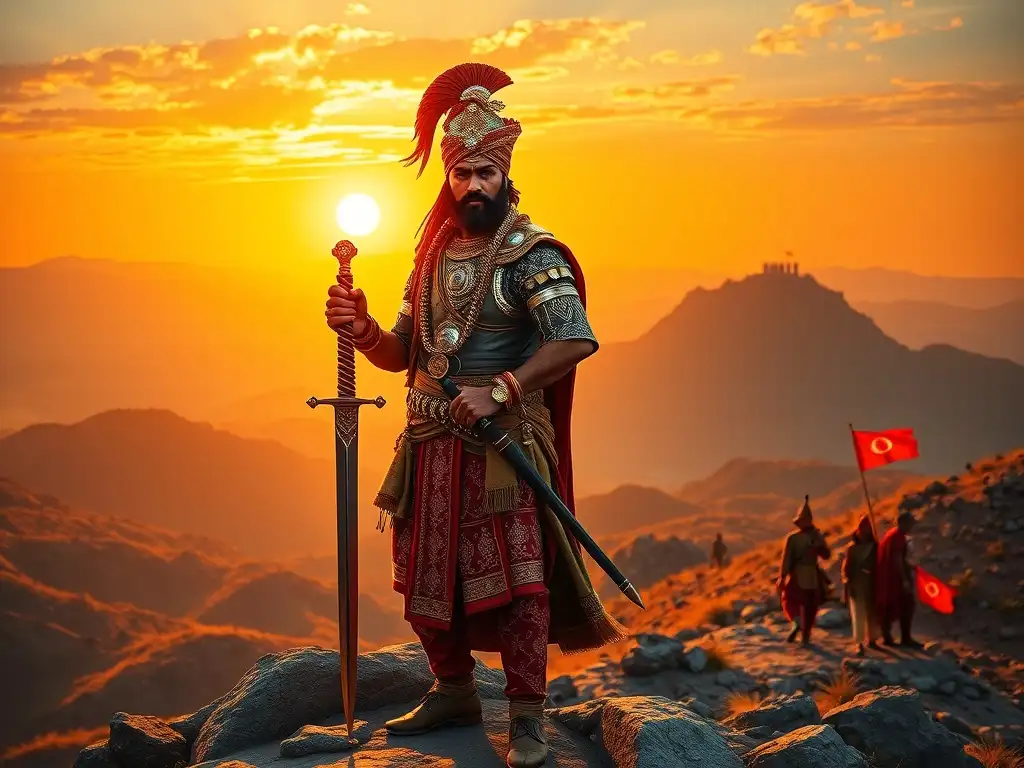
Welcome to Ancient India History, where we embark on an enthralling journey through the vibrant tapestry of ancient Indian civilization. Today, we delve into the remarkable life of Shivaji Maharaj, a legendary warrior king whose innovative strategies and indomitable spirit forged the Maratha Empire. Explore how his legacy continues to resonate through time, shaping the cultural and historical landscape of India.
Are you ready to uncover the secrets behind his military genius and the impact it has had on history? Join us as we unveil the extraordinary story of Shivaji Maharaj and discover the powerful strategies that defined his reign.
Introduction to Shivaji Maharaj
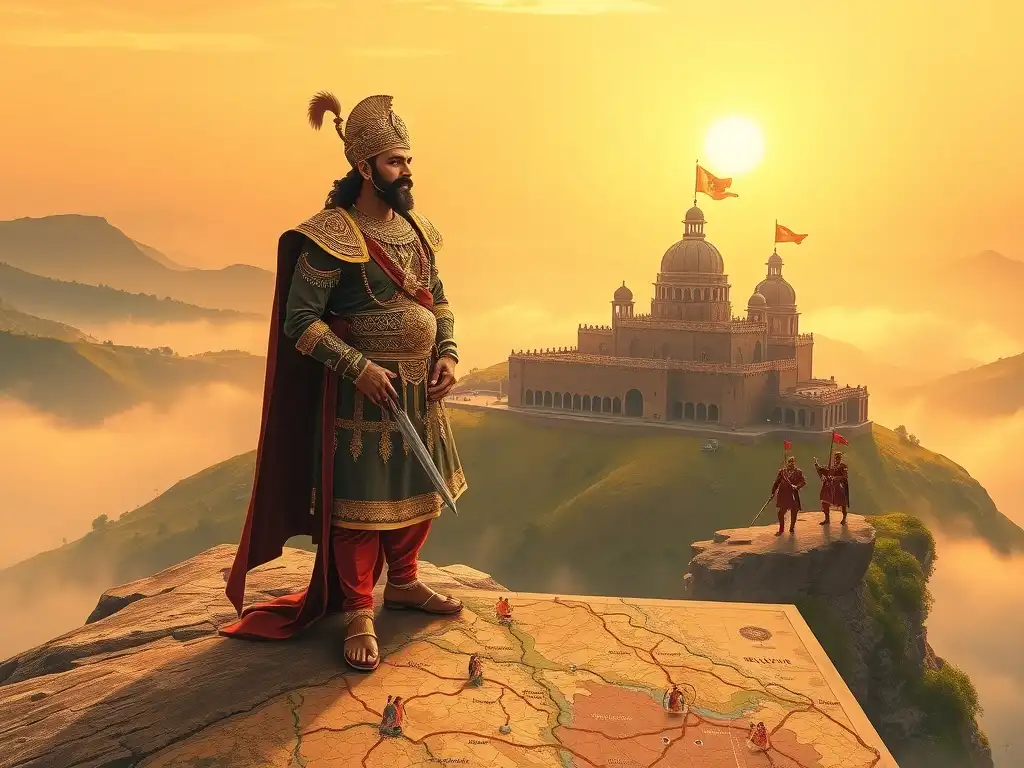
Shivaji Maharaj, a name that resonates with valor and visionary leadership, stands as a monumental figure in Indian history. His legacy as the founder of the Maratha Empire is not merely a tale of military conquests but is also deeply rooted in the innovative strategies he employed to establish a sovereign state amidst the challenges posed by larger empires. Born in 1630 in the hill fort of Shivneri, his life spanned a period of significant strife and transformation in the Indian subcontinent.
Shivaji Maharaj's strategic acumen, both in warfare and governance, not only laid the foundation for a resilient empire but also inspired generations to come. As we delve into his life and the various strategies he employed, we will uncover the essence of his impact on the socio-political landscape of India.
Overview of Shivaji Maharaj’s Life
Shivaji Maharaj was born to Shahaji Bhosale and Jijabai, in a time when the Deccan was a complex tapestry of rival kingdoms and foreign invasions. His early life was marked by a rich cultural upbringing and a strong sense of duty towards his motherland. By the age of 16, he had already begun to carve out his own territories, launching a series of daring raids against the existing Mughal and Deccan Sultanate forces.
His remarkable journey from a young warrior to the Chhatrapati (emperor) of the Maratha Empire is filled with tales of bravery, strategic brilliance, and unwavering commitment. Shivaji's coronation in 1674 at Raigad Fort was a pivotal moment, symbolizing not just his authority but the aspirations of a people yearning for self-rule.
Importance in Indian History
The significance of Shivaji Maharaj in Indian history cannot be overstated. He is celebrated not only as a warrior king but also as a visionary leader who championed the cause of Hindavi Swarajya (self-rule of Hindus). His principles of governance, which included respect for all religions and promotion of local culture, laid the groundwork for a progressive society.
Shivaji's strategies had a lasting impact on the political dynamics of India, challenging the dominance of the Mughal Empire and inspiring future generations of leaders in their quest for independence. His legacy is commemorated through numerous statues, literature, and celebrations across India, reflecting the enduring admiration for his contributions.
Shivaji Maharaj's Role in the Maratha Empire
As the founder of the Maratha Empire, Shivaji Maharaj played a crucial role in shaping the identity of the Maratha people. His leadership style was characterized by a unique blend of military prowess and political acumen. He established a robust administrative framework that emphasized meritocracy and local governance, which helped to consolidate his power and expand his territories.
The Maratha Empire, under Shivaji's leadership, became a formidable force in the Indian subcontinent. His ability to unite various factions and instill a sense of pride among his followers was instrumental in building a resilient empire that would withstand adversities even after his demise.
Shivaji Maharaj's Key Strategies
Shivaji Maharaj's success as a leader can be attributed to a variety of strategic innovations that he implemented in both military and political arenas. His legacy is marked by a blend of traditional and unconventional approaches that set him apart from his contemporaries.
Military Innovations and Tactics
Shivaji was a pioneer of guerrilla warfare, employing tactics that leveraged the rugged terrain of the Western Ghats. His strategies included:
- Surprise Attacks: Utilizing the element of surprise, Shivaji's forces would engage in swift raids, targeting enemy supply lines and fortifications.
- Fort Strategy: He captured and constructed numerous forts, which served as strategic military bases and symbols of Maratha power.
- Intelligence Network: Establishing a strong network for gathering intelligence allowed Shivaji to stay ahead of his enemies, planning his moves with precision.
These military innovations not only enabled him to fend off larger armies but also ensured the sustainability of his empire in the face of overwhelming odds.
Political Strategies
In addition to his military strategies, Shivaji Maharaj was a master of political maneuvering. His political strategies included:
- Alliance Building: Forming alliances with local chieftains and other kingdoms helped to create a united front against common enemies, enhancing his political stability.
- Promotion of Local Leaders: Shivaji empowered local leaders within his empire, fostering loyalty and ensuring effective governance across diverse regions.
- Cultural Integration: By embracing local customs and promoting Marathi culture, Shivaji endeared himself to the populace, reinforcing his legitimacy as a ruler.
Through these strategies, Shivaji Maharaj not only fortified his empire but also left an indelible mark on the history of India, which continues to be celebrated and studied today.
The Legacy of Shivaji Maharaj
Shivaji Maharaj, the founder of the Maratha Empire in the 17th century, is remembered not only for his military prowess but also for his visionary leadership and innovative strategies. His legacy is deeply ingrained in the cultural and political fabric of India, particularly in Maharashtra.
He established a realm that challenged the dominance of the Mughal Empire and laid the groundwork for a regional power that celebrated local identity, autonomy, and governance. His commitment to justice, religious tolerance, and the welfare of his subjects has made him a revered figure in Indian history, symbolizing resistance against oppression and the spirit of independence.
Shivaji's legacy extends beyond military achievements; he is also celebrated for his administrative reforms and innovative governance. He instituted a system of efficient administration that included a council of ministers, a well-structured taxation system, and an emphasis on local self-governance. This not only strengthened the Maratha empire but also influenced future governance in the region. His legacy continues to inspire countless leaders and movements, emphasizing the importance of strategic planning, sovereignty, and the empowerment of local populations.
Cultural Impact on Maharashtra
The cultural impact of Shivaji Maharaj on Maharashtra is profound and multifaceted. He is often seen as the embodiment of Marathi pride and identity, which has been celebrated through literature, music, and folklore. The tales of his bravery and clever tactics have been immortalized in countless books, plays, and films, which serve to inspire future generations. Festivals such as Shivaji Jayanti, commemorating his birth, are celebrated with great fervor, reflecting his enduring legacy in the cultural consciousness of the people.
Moreover, Shivaji Maharaj's policies promoted the Marathi language and culture, fostering a sense of unity among the diverse communities within his realm. He encouraged the production of Marathi literature and supported local art forms, leading to a renaissance of Marathi cultural expressions. His court was a center of artistic and intellectual activity, attracting scholars and artists who contributed to the rich tapestry of Maharashtra’s heritage.
Influence on Modern India
The influence of Shivaji Maharaj on modern India is significant, particularly in the context of regional identity and nationalism. His vision of a just and equitable society resonates with contemporary movements advocating for social justice and empowerment. Shivaji's emphasis on self-rule and local governance is echoed in modern democratic principles, highlighting the relevance of his strategies in contemporary governance.
In recent years, Shivaji Maharaj has been invoked in political discourse, often serving as a symbol of resistance and empowerment for marginalized communities. His legacy has inspired various regional political movements that seek to preserve local culture and identity, reflecting his enduring impact on the socio-political landscape of India.
Comparisons with Other Historical Leaders
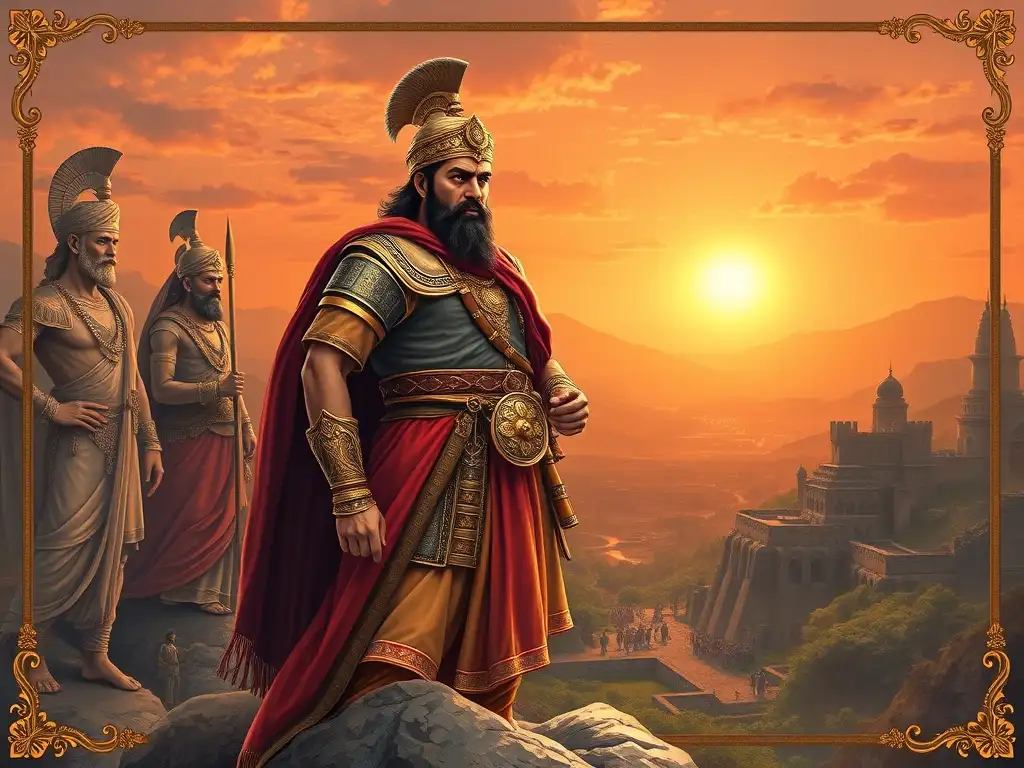
Shivaji Maharaj's strategies and leadership can be compared with those of other historical leaders, revealing both similarities and unique aspects of his approach. His ability to blend military acumen with diplomatic strategies set him apart from many of his contemporaries. Unlike leaders who relied solely on brute force, Shivaji implemented guerrilla warfare tactics, utilizing the geography of the Western Ghats to his advantage, which allowed him to engage in effective surprise attacks against larger forces.
Shivaji Maharaj vs. Other Warrior Kings
When comparing Shivaji Maharaj with other warrior kings, such as Alexander the Great or Genghis Khan, distinct contrasts emerge in their leadership styles and strategic approaches. While both Alexander and Genghis were known for their vast conquests and empire-building, Shivaji focused on establishing a sustainable governance model that emphasized local autonomy and cultural preservation. His strategies were not merely about expansion but also about the empowerment of his people and the establishment of a legacy rooted in justice and equity.
Shivaji's engagements were characterized by a strong connection to his homeland and people, which often led him to prioritize their welfare over mere territorial gains. This approach established a different kind of legacy that emphasized not just military victories but also the importance of governance and community well-being.
Leadership Styles and Their Impact on Strategy
The leadership style of Shivaji Maharaj was marked by a blend of charisma, strategic foresight, and a deep commitment to his people's welfare. His ability to inspire loyalty and foster a sense of belonging among his followers was pivotal in creating a robust fighting force. This emotional connection often translated into extraordinary bravery and determination on the battlefield.
Shivaji's strategies were innovative for their time, incorporating both conventional and unconventional warfare techniques. His emphasis on intelligence gathering, espionage, and strategic alliances allowed him to outmaneuver larger and more powerful adversaries. His leadership was characterized by adaptability and a keen understanding of the socio-political dynamics of his time, which significantly influenced the effectiveness of his military campaigns and administrative policies.
The legacy of Shivaji Maharaj is a rich tapestry of bravery, cultural pride, and innovative governance, which continues to inspire and resonate in contemporary India. His strategies, leadership style, and commitment to his people set a precedent that many leaders aspire to replicate, securing his place as a pivotal figure in Indian history.
Conclusion
Shivaji Maharaj stands as a monumental figure in Indian history, embodying the spirit of resistance and valor against oppression. His strategies not only contributed to the establishment of a strong Maratha empire but also laid the groundwork for future generations to aspire towards liberty and self-governance. The legacy of Shivaji Maharaj continues to inspire leaders and common citizens alike, emphasizing the importance of strategic governance, military innovation, and cultural renaissance.
Summary of Shivaji Maharaj's Strategies and Legacy
Shivaji Maharaj employed a multitude of strategies that were both innovative and effective in expanding his territory and influence. His guerrilla warfare tactics, known as 'Shivaji's tactics', allowed him to outmaneuver larger and better-equipped forces. He focused on:
- Fortification of Strategic Locations: Shivaji Maharaj built and captured numerous forts, enhancing his defensive capabilities and providing a secure base for his operations.
- Naval Development: Recognizing the importance of maritime power, he established a strong naval fleet, which protected the western coast and facilitated trade.
- Civic Administration: By implementing a progressive administrative system that respected local customs and traditions, he garnered the loyalty of his subjects.
- Religious Tolerance: Shivaji Maharaj promoted a culture of inclusivity, respecting all religions and fostering unity among diverse communities.
These strategies forged a legacy that not only secured his empire but also inspired a sense of identity among the people of Maharashtra.
Importance of Remembering Historical Figures
Recognizing and remembering historical figures like Shivaji Maharaj is crucial for several reasons:
- Cultural Identity: They serve as symbols of cultural heritage, instilling pride and a sense of belonging among communities.
- Lessons from History: Their successes and failures provide invaluable lessons that can guide contemporary leaders in governance and strategy.
- Inspiration for Future Generations: Historical figures inspire future generations to strive for excellence and to uphold values such as courage, resilience, and justice.
By honoring the legacy of such leaders, we preserve essential narratives that shape our understanding of identity and purpose.
Reflection on Shivaji Maharaj’s Enduring Influence
Shivaji Maharaj's influence transcends the boundaries of time and geography. His ideas and strategies continue to resonate in modern India, where they inspire movements for rights, regional pride, and identity. The Maratha empire's ethos of resistance against oppression is reflected in various social and political movements today. Additionally, his commitment to governance, military tactics, and diplomacy serves as a blueprint for modern leadership. As India evolves, Shivaji Maharaj's legacy remains a guiding light, reminding us of the power of strategic thought and moral integrity in the quest for justice and equality.
Additional Resources
Recommended Books on Shivaji Maharaj
- "Shivaji: The Great Maratha" by Ranjit Desai: - A historical novel that brings to life Shivaji Maharaj's adventures and strategies.
- "Shivaji and His Times" by Jadunath Sarkar - A comprehensive historical account detailing the life and times of Shivaji Maharaj.
- "Shivaji: The Maratha Warrior" by R. C. Dhere: - An analytical look at Shivaji's military strategies and administrative reforms.
Documentaries and Films Exploring His Legacy
- "Tanaav" - A gripping series that reflects the socio-political context of Shivaji Maharaj's era.
- "Shivaji: The Warrior King": - A documentary that showcases the life, battles, and legacy of the Maratha ruler.
- "Marathi Cinema’s Tribute to Shivaji Maharaj" - A collection of films that explore various aspects of his reign and influence.
Articles and Journals for Further Reading
- "The Military Strategies of Shivaji Maharaj" - An academic article that delves into the tactical innovations introduced by Shivaji.
- "Cultural Integration in Shivaji's Regime" - A journal piece discussing the religious and cultural policies under Shivaji Maharaj's rule.
- "Shivaji Maharaj: A Pioneer of Guerrilla Warfare": - A research paper that examines the impact of Shivaji's guerrilla tactics on modern military strategies.
- Introduction to Shivaji Maharaj
- Shivaji Maharaj's Key Strategies
- The Legacy of Shivaji Maharaj
- Comparisons with Other Historical Leaders
- Conclusion
- Additional Resources
- What were the key strategies employed by Shivaji Maharaj?
- How did Shivaji Maharaj contribute to Maratha identity?
- What is the significance of Shivaji Maharaj's legacy today?
- How did Shivaji Maharaj's administrative reforms impact governance?
- In what ways did Shivaji Maharaj influence military tactics in India?
Frequently Asked Questions
What were the key strategies employed by Shivaji Maharaj?
Shivaji Maharaj utilized guerrilla warfare, deception, and intelligence gathering to outmaneuver larger and more powerful armies, ensuring the success of the Maratha forces.
How did Shivaji Maharaj contribute to Maratha identity?
Shivaji Maharaj fostered a strong Maratha identity by promoting regional pride, establishing a robust administrative system, and advocating for self-rule against foreign domination.
What is the significance of Shivaji Maharaj's legacy today?
His legacy remains significant as he is celebrated as a symbol of resistance and independence, inspiring movements for regional pride and sovereignty in modern India.
How did Shivaji Maharaj's administrative reforms impact governance?
His reforms created a more organized and efficient government, introducing systems that improved tax collection, law enforcement, and public welfare, laying a foundation for future governance.
In what ways did Shivaji Maharaj influence military tactics in India?
Shivaji Maharaj's innovative use of terrain, combined with his strategic planning, revolutionized military tactics in India, influencing future generations of military leaders and strategies.
Final Reflection: The Enduring Legacy of Shivaji Maharaj's Strategies
The strategies of Shivaji Maharaj resonate profoundly in today's world, illustrating the timeless nature of leadership and resilience. In an era where challenges are multifaceted and complex, the principles that guided Shivaji Maharaj in his quest for sovereignty and justice remain relevant. His ability to adapt, innovate, and inspire his followers serves as a powerful reminder that effective leadership transcends time and cultural boundaries. The legacy of Shivaji Maharaj is not just a historical narrative; it is a blueprint for overcoming adversity and achieving greatness.
The influence of Shivaji Maharaj extends far beyond the annals of history, shaping the cultural and social landscape of India and inspiring generations. His strategies, rooted in guerrilla warfare and community engagement, have become a source of pride and motivation for many. As we navigate our contemporary challenges, we can draw strength from his words: A warrior's greatest weapon is his mind.
This insight underscores the importance of strategic thinking and adaptability in our own lives, encouraging us to approach obstacles with creativity and determination.
As we reflect on the legacy of Shivaji Maharaj, let us embrace the lessons embedded in his life and strategies. I invite you to consider how you can apply these principles in your own journey. Whether in leadership roles, personal endeavors, or community engagement, the spirit of Shivaji Maharaj urges us to be bold, innovative, and unwavering in our pursuit of justice and excellence. Take a moment to reflect on your own strategies for success and how you can embody the legacy of this remarkable warrior king in your daily life.
Unveil the Legacy of Shivaji Maharaj and Take Action!
Thank you for taking the time to explore the remarkable legacy of Shivaji Maharaj. From his brilliant strategies to his inspiring leadership, we hope you've gained a deeper understanding of this legendary warrior king. Now, it's your turn to champion his values and make a meaningful difference in your own life!
Here are some actionable steps you can take today:
- Embrace Leadership: Reflect on Shivaji Maharaj’s exceptional leadership qualities and identify a way to apply them in your daily life, whether at work, within your community, or among friends.
- Explore Maratha History: Dive deeper into the rich history of the Maratha Empire by reading insightful literature or watching documentaries that highlight the life and strategies of Shivaji Maharaj.
- Share the Knowledge: Initiate a discussion with friends or on social media about the values and leadership lessons of Shivaji Maharaj. Spark interest and help others discover his enduring legacy!
By taking these steps, you not only honor Shivaji Maharaj’s contributions but also become a part of his lasting impact.
Which leadership lesson from Shivaji Maharaj will inspire you to take actionable steps in your own life?