
The Patronage of Art and Literature: How Leaders Influenced Cultural Growth

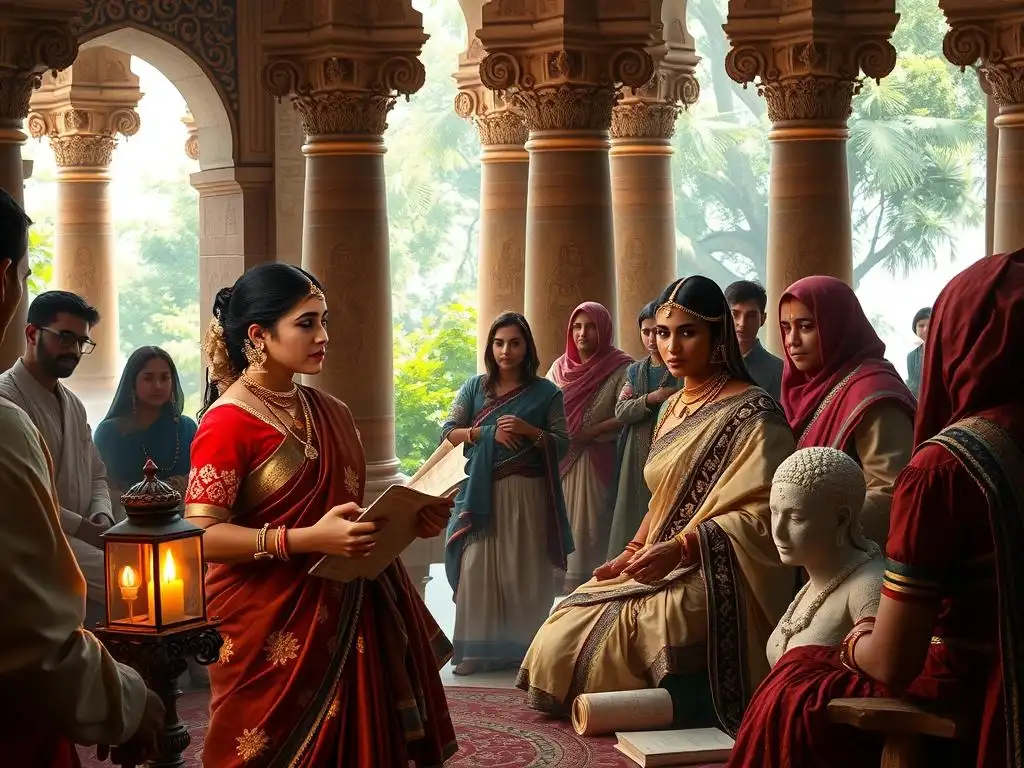
Welcome to Ancient India History, where we embark on a captivating journey through the rich tapestry of one of the world's oldest civilizations. Here, we delve into the profound impact of key historical figures on Ancient Indian art and literature, uncovering how their patronage shaped cultural growth and expression. Have you ever wondered how the grand palaces and timeless texts of ancient India came to be?
Join us as we explore the intricate connections between leadership and creativity, and discover the stories that have left an indelible mark on history. Read on to unveil the artistry and intellect that flourished under the guidance of visionary leaders!
Introduction to Ancient Indian Art and Literature
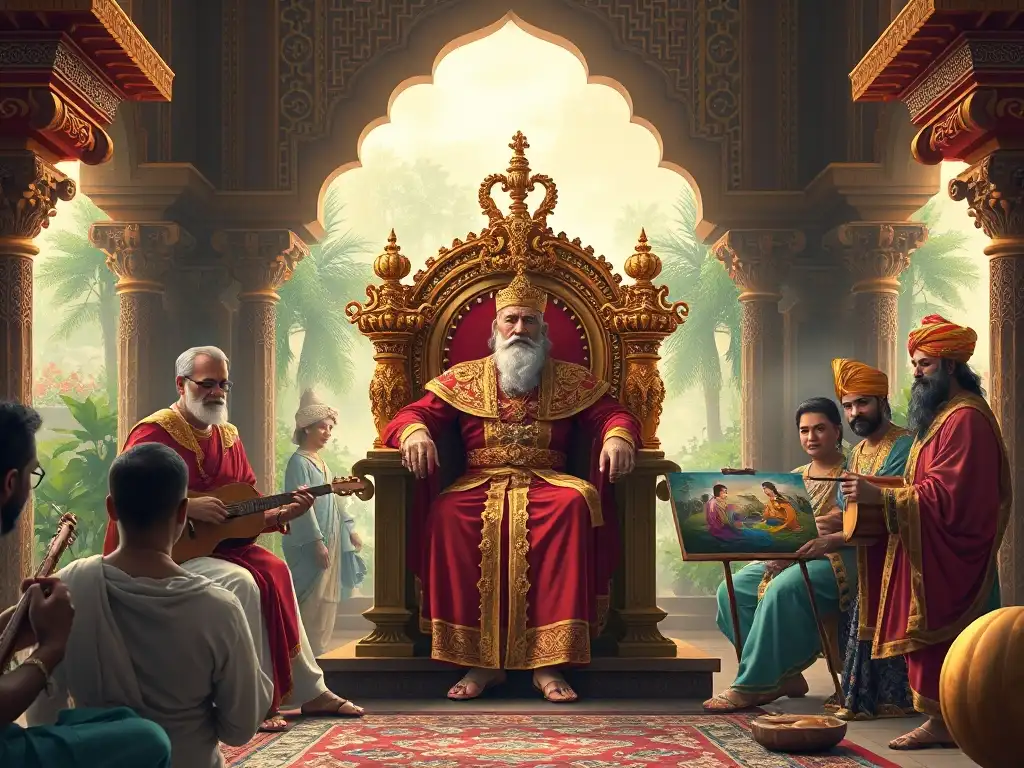
The evolution of Ancient Indian art and literature is a testament to the rich tapestry of culture and creativity that flourished across the Indian subcontinent. From the intricate sculptures of the Indus Valley civilization to the profound literary works of the Gupta Empire, the journey of artistic expression and intellectual thought has been profoundly shaped by the patronage of influential leaders.
These figures not only provided the financial support necessary for the creation of art and literature but also set the cultural tone of their eras, encouraging innovation and exploration in various forms of expression. This article delves into the intricate relationship between leadership and cultural growth, highlighting the ways in which rulers and patrons have left an indelible mark on the artistic and literary landscapes of ancient India.
Overview of Cultural Growth in Ancient India
Ancient India's cultural growth can be characterized by a dynamic interplay of diverse influences, including religion, trade, and social structures. The period saw the emergence of unique art forms and literary traditions that reflected the philosophical and spiritual inquiries of the time.
- Art Forms:
- Sculpture: Notable for its intricate detail and spiritual significance, often found in temples and public spaces.
- Architecture: The construction of grand monuments, such as the rock-cut caves and stupas, showcased the architectural brilliance of the time.
- Paintings: Frescoes and murals depicted mythological themes and daily life, fostering a vibrant visual culture.
- Literary Traditions:
- Epics: Works like the Mahabharata and Ramayana not only entertained but also imparted moral and philosophical lessons.
- Poetry and Prose: From the lyrical verses of Kalidasa to the philosophical treatises of the Upanishads, literature flourished under the patronage of enlightened rulers.
Importance of Patronage in Artistic Development
The role of patronage in the development of ancient Indian art and literature cannot be overstated. Leaders and patrons provided the necessary resources and safe environments for artists and writers to flourish. This relationship fostered an atmosphere of creativity characterized by:
- Financial Support: Funding for materials, workshops, and public exhibitions.
- Cultural Encouragement: Royal courts often became hubs of artistic activity, attracting talent from various regions.
- Censorship and Freedom: While some leaders imposed restrictions, others encouraged free expression, significantly impacting the nature of artistic works.
Key Historical Figures in the Patronage of Ancient Indian Art and Literature
Throughout history, numerous influential leaders have played a crucial role in shaping Ancient Indian art and literature. Their patronage not only stimulated creative endeavors but also established lasting legacies that continue to inspire.
The Role of Kings and Emperors in Cultural Patronage
Kings and emperors often viewed themselves as guardians of culture, with many actively participating in artistic endeavors. Their patronage was pivotal in:
- Establishing Schools of Art: Many rulers founded art schools and encouraged apprenticeships, ensuring the transmission of knowledge and skills.
- Commissioning Works: Royal patrons commissioned grand works that reflected their power and devotion, such as temples adorned with exquisite sculptures and manuscripts.
- Cultural Exchanges: Through trade and diplomacy, rulers facilitated cultural exchanges that enriched the artistic landscape of their realms.
Influential Leaders and Their Contributions to Art and Literature
Several key figures stand out for their significant contributions to ancient Indian art and literature:
- Emperor Ashoka: Known for his rock edicts and stupas, he promoted Buddhist art and literature, leading to the proliferation of the Dharmic artistic style.
- Gupta Rulers: Under their reign, the classical age of Indian art and literature thrived, with notable advances in sculpture, poetry, and drama.
- Raja Raja Chola: His patronage of temple architecture led to the construction of the magnificent Brihadeeswarar Temple, a UNESCO World Heritage site, showcasing the zenith of South Indian art.
Through their patronage, these leaders not only influenced the artistic landscape of their time but also laid the groundwork for future generations to explore and expand upon the rich legacies of Ancient Indian art and literature.
Major Periods of Artistic and Literary Patronage
Throughout ancient Indian history, several key periods stand out for their profound impact on the development of art and literature. These periods were often marked by strong leadership, which provided the necessary patronage for cultural expression. The Maurya Empire and the Gupta Empire are two central epochs that significantly shaped ancient Indian art and literature. Additionally, various regional kingdoms contributed to the diverse tapestry of cultural achievements across the subcontinent. Understanding these major periods helps to appreciate how the influence of leaders facilitated the flourishing of artistic and literary endeavors.
The Maurya Empire: Foundations of Ancient Indian Art
The Maurya Empire, which flourished from the 4th to the 2nd century BCE under the rule of notable leaders like Chandragupta Maurya and Ashoka the Great, laid the groundwork for ancient Indian art. Ashoka, in particular, is renowned for his promotion of Buddhism, which had a considerable impact on artistic expression. His reign saw the construction of magnificent stupas, such as the Sanchi Stupa, and the creation of intricate stone carvings and pillars adorned with edicts that preached moral values and the principles of non-violence.
These artistic endeavors were not merely decorative; they served educational purposes, conveying the tenets of Buddhism to the masses. The Mauryan period also saw the emergence of the first examples of stone sculpture in India, which depicted not only religious themes but also everyday life, thus providing valuable insight into the cultural practices of the time.
The Gupta Empire: The Golden Age of Literature and Art
The Gupta Empire, spanning from approximately the 4th to the 6th centuries CE, is often referred to as the "Golden Age" of ancient Indian art and literature. Under the patronage of rulers like Chandragupta II and Samudragupta, the Gupta period witnessed an unparalleled flourishing of creative expression. This era is characterized by advancements in various forms of art, including sculpture, painting, and architecture.
Gupta artists excelled in creating exquisite stone carvings, particularly in the Ajanta and Ellora caves, where detailed frescoes and sculptures reflect themes from Hindu mythology and Buddhist teachings. Literature also thrived during this period, with the composition of classical texts such as Kalidasa's "Shakuntala" and the "Panchatantra," which highlighted the richness of Indian storytelling. The Gupta rulers actively supported scholars and poets, fostering an environment where art and literature could thrive.
The Influence of Regional Kingdoms on Art and Literature
Beyond the major empires, numerous regional kingdoms contributed significantly to the evolution of ancient Indian art and literature. Kingdoms such as the Chola, Pallava, and Rashtrakuta played pivotal roles in shaping the cultural landscape of their respective regions.
For instance, the Chola dynasty was known for its exceptional temple architecture, particularly the Brihadeeswarar Temple, which showcases intricate sculptures and bronze castings. Similarly, the Pallavas were instrumental in the development of rock-cut architecture, with their masterpieces found in Mahabalipuram.
These regional influences fostered a rich diversity of artistic styles and literary expressions, allowing for an exchange of ideas and techniques that enhanced the overall cultural milieu of ancient India. Each kingdom's unique contributions created a mosaic of artistic practices that reflect the region's history, beliefs, and social structures.
Types of Art and Literature Supported by Leaders
The patronage of art and literature by ancient Indian leaders was not limited to one form of expression but encompassed a wide range of artistic endeavors. These included visual arts, literary works, and performing arts, each playing a crucial role in cultural growth and the dissemination of knowledge.
Visual Arts: Sculpture and Architecture in Ancient India
Visual arts in ancient India saw significant development, particularly in the realms of sculpture and architecture. Patronized by various rulers, these art forms were often intertwined with religious and cultural themes. The Mauryan period introduced monumental stone sculptures, while the Gupta Empire is celebrated for its refined style of art, characterized by graceful figures and intricate detailing.
Temples built during these periods not only served as places of worship but also as showcases of artistic achievement. The elaborate carvings on temple walls often depicted deities, mythological narratives, and scenes from everyday life, highlighting the skill of the artisans and the aesthetic sensibilities of the time. The influence of these visual arts extended beyond mere decoration; they played a role in conveying spiritual and philosophical ideals central to ancient Indian society.
Literary Works: Poetry, Epics, and Prose
Literature in ancient India encompassed a wide array of genres, including poetry, epics, and prose. The patronage from leaders enabled the creation of enduring literary works that continue to resonate today. Epic texts such as the "Mahabharata" and "Ramayana" emerged during this time, blending mythology with moral and philosophical teachings.
Poets like Kalidasa and Bhasa thrived under royal patronage, producing works that explored themes of love, nature, and human experience. The flourishing of literature was not just an artistic endeavor but also a means to preserve cultural heritage, societal values, and religious beliefs. The written word became a powerful tool for communication and education, influencing generations to come.
Performing Arts: Dance and Music in Cultural Growth
The performing arts, including dance and music, were also significantly supported by ancient Indian leaders. These art forms often accompanied religious ceremonies and festivities, serving both entertainment and spiritual purposes. The classical dance forms, such as Bharatanatyam and Odissi, developed through patronage and have deep roots in ancient temple rituals.
Music, too, flourished under the guidance of royal courts, with patronage leading to the development of various styles and instruments. The integration of dance and music in cultural practices not only enriched the artistic landscape but also played a vital role in social cohesion, bringing communities together in celebration and worship. Through these performing arts, leaders were able to foster a vibrant cultural identity that remains an integral part of Indian heritage today.
Case Studies of Prominent Patronage
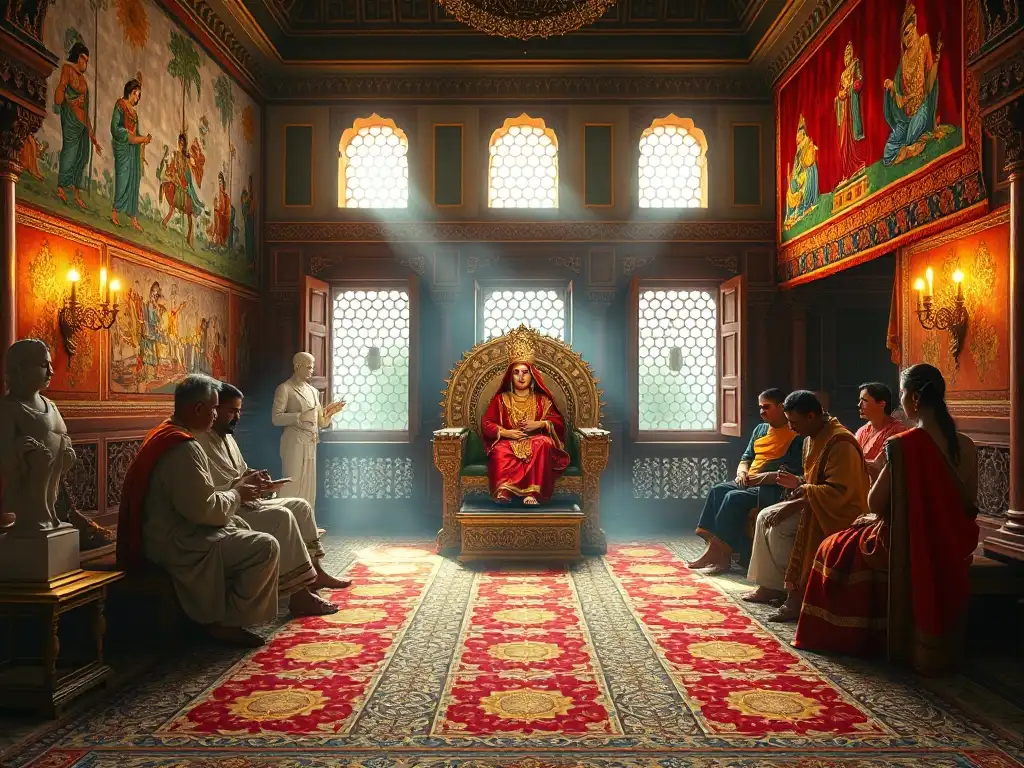
Throughout ancient Indian history, several leaders emerged as significant patrons of art and literature, profoundly influencing the cultural landscape of their times. Their support fostered an environment where artistic expression and literary creativity thrived. This section highlights notable examples of such patronage, showcasing how influential figures shaped the trajectory of ancient Indian art and literature.
Ashoka the Great: Promoter of Art and Buddhist Literature
Ashoka the Great, the third Mauryan emperor who reigned from 268 to 232 BCE, is often regarded as a pivotal figure in the promotion of art, particularly Buddhist art and literature. Following his conversion to Buddhism after the Kalinga War, Ashoka dedicated himself to the spread of Buddhist teachings, which significantly influenced the artistic expressions of his reign.
- Stupas and Pillars: Ashoka commissioned the construction of numerous stupas, including the famous Sanchi Stupa, and erected pillars inscribed with edicts that conveyed moral and ethical teachings. These pillars, adorned with intricate carvings and symbols, represent a blend of artistic excellence and religious devotion.
- Literary Contributions: The edicts inscribed on these pillars also reflect a commitment to literature, as they were among the earliest forms of written communication in India. They conveyed messages of peace, tolerance, and non-violence, laying the groundwork for Buddhist literary tradition.
- Cultural Exchange: Ashoka's patronage extended beyond borders, promoting cultural exchange and the dissemination of Buddhism across Asia, leading to a rich tapestry of artistic influences.
Chandragupta II: The Patron of Kalidasa and Classical Poetry
Chandragupta II, also known as Vikramaditya, ruled during the Gupta Empire from approximately 380 to 415 CE. His reign is often considered the golden age of classical Indian literature and art, marked by significant advancements in both fields.
- Support for Kalidasa: Chandragupta II is famously associated with the great poet Kalidasa, who is revered for his masterful works like "Shakuntala" and "Meghaduta." The emperor's patronage allowed Kalidasa to flourish, creating timeless literary masterpieces that continue to be celebrated today.
- Cultural Assembly: The court of Chandragupta II became a hub for scholars, poets, and artists. This literary assembly was instrumental in fostering an environment of creativity and intellectual exchange that enhanced the quality of art and literature during this era.
- Artistic Flourishing: The Gupta period also witnessed advancements in sculpture and painting, with intricate carvings found in places like Ajanta and Ellora caves, reflecting the aesthetic sensibilities of the time influenced by royal patronage.
Contributions from the Chola and Rashtrakuta Dynasties
The Chola and Rashtrakuta dynasties, which thrived between the 9th and 12th centuries, played crucial roles in the patronage of art and literature in southern India.
- Chola Dynasty: Renowned for their temple architecture, the Cholas commissioned the construction of magnificent temples such as the Brihadeeswarar Temple. These temples were not only places of worship but also centers of artistic activity, showcasing exquisite bronze sculptures and intricate stone carvings. The Chola rulers supported classical music and dance forms, further enriching the cultural milieu.
- Rashtrakuta Dynasty: The Rashtrakutas, on the other hand, are known for their contributions to literature and rock-cut architecture. They patronized poets like Amoghavarsha, whose work "Kavirajamarga" is one of the earliest treatises on Kannada literature. The Kailasa temple at Ellora, a monumental example of rock-cut architecture, exemplifies the artistic prowess fostered by the Rashtrakuta rulers.
The Impact of Patronage on Cultural Growth
The patronage of art and literature by ancient Indian leaders had a profound and lasting impact on cultural growth, shaping the identity and heritage of the region.
How Leaders Shaped Artistic Trends and Movements
Leaders in ancient India wielded immense influence over artistic trends and movements through their patronage. By supporting specific art forms, they not only provided financial resources but also set standards and themes that artists sought to emulate.
- Establishment of Schools: Many rulers established schools of art, where artists could train and innovate. This led to the development of distinct styles, such as the Gupta style of sculpture, characterized by its elegance and spiritual expressiveness.
- Promotion of Diverse Genres: Patronage encouraged the exploration of various genres, including religious themes, epic poetry, and secular literature. Leaders often commissioned works that reflected their values, aspirations, and the cultural ethos of their time.
- Cultural Syncretism: As leaders engaged in diplomacy and trade, they facilitated cultural syncretism, leading to a fusion of artistic styles and literary forms across regions, enriching the cultural tapestry of ancient India.
The Legacy of Patronage in Modern Indian Art and Literature
The legacy of ancient patronage continues to resonate in modern Indian art and literature. The foundations laid by historical leaders have influenced contemporary artistic expressions and literary endeavors.
- Inspiration for Modern Artists: Many modern artists draw inspiration from the themes and styles of ancient Indian art, reviving traditional techniques while infusing them with contemporary relevance. The intricate designs and spiritual motifs of ancient sculptures often find their way into modern artworks.
- Literary Renaissance: The rich literary tradition established by ancient poets like Kalidasa has inspired countless writers in India and beyond. The appreciation for classical literature fosters a renaissance of storytelling that celebrates the diverse narratives of Indian culture.
- Cultural Identity: The patronage of art and literature in ancient times serves as a reminder of the importance of cultural identity, encouraging modern leaders and patrons to support and promote the arts in a rapidly changing world.
The patronage of art and literature by ancient Indian leaders not only shaped the cultural landscape of their times but also laid the groundwork for a rich and enduring legacy that continues to thrive in contemporary Indian society.
Conclusion
The patronage of art and literature by influential leaders in ancient India played a crucial role in shaping the cultural landscape of the subcontinent. From the remarkable sculptures of the Maurya period to the poetic masterpieces fostered during the Gupta Empire, the contributions of these leaders provided the necessary support that allowed various artistic and literary forms to flourish. Their patronage not only encouraged the creation of works that reflected societal values and beliefs but also facilitated the preservation of cultural heritage for future generations.
Summary of the Influence of Leaders on Ancient Indian Art and Literature
Throughout ancient Indian history, rulers and patrons were instrumental in the development of art and literature. Different dynasties brought unique styles and themes to the forefront. For instance:
- Maurya Dynasty: Under Emperor Ashoka, the spread of Buddhism led to the creation of significant art forms, including stupas and inscriptions that conveyed moral and philosophical teachings.
- Gupta Empire: This era is often referred to as the "Golden Age" of India, marked by advancements in literature, mathematics, and science. Leaders like Chandragupta II supported poets like Kalidasa, who produced timeless literary works that continue to resonate today.
These leaders recognized the power of art and literature as tools for not only cultural expression but also political propaganda. By commissioning grand temples, sculptures, and literary works, they sought to immortalize their reigns and promote their ideologies.
The Lasting Impact of Patronage on Cultural Heritage in India
The influence of ancient leaders on art and literature has left an indelible mark on India's cultural heritage. The patronage systems established by these rulers fostered a rich tapestry of artistic expression that continues to inspire contemporary artists and writers. Key impacts include:
- Cultural Synthesis: The blending of various regional styles and traditions led to a unique artistic vocabulary reflective of India's diverse population.
- Preservation of Knowledge: Many texts and artworks from ancient periods have been preserved through the patronage systems, allowing modern scholars to study and appreciate the intellectual and artistic achievements of the past.
- Inspiration for Future Generations: The themes and motifs established during these times continue to inform modern Indian art and literature, showcasing a continuity of cultural identity that bridges ancient practices with contemporary expressions.
The patronage of art and literature by ancient Indian leaders not only facilitated cultural growth but also established a legacy that remains influential in shaping India's artistic and literary landscape to this day.
- Introduction to Ancient Indian Art and Literature
- Key Historical Figures in the Patronage of Ancient Indian Art and Literature
- Major Periods of Artistic and Literary Patronage
- Types of Art and Literature Supported by Leaders
- Case Studies of Prominent Patronage
- The Impact of Patronage on Cultural Growth
- Conclusion
- What role did leaders play in ancient Indian art and literature?
- How did the Indus Valley Civilization contribute to ancient Indian art?
- What are some notable literary works from the Gupta Empire?
- How did religion influence art and literature in ancient India?
- What is the significance of artistic styles in ancient Indian culture?
Frequently Asked Questions
What role did leaders play in ancient Indian art and literature?
Leaders acted as patrons, providing support and funding, which allowed artists and writers to flourish and create masterpieces that reflected the culture.
How did the Indus Valley Civilization contribute to ancient Indian art?
The Indus Valley Civilization is known for its remarkable craftsmanship in pottery, jewelry, and seals, laying the groundwork for artistic expression in later periods.
What are some notable literary works from the Gupta Empire?
The Gupta Empire is celebrated for its literary achievements, including works like Kalidasa's plays and poems, which exemplify the golden age of Sanskrit literature.
How did religion influence art and literature in ancient India?
Religion played a crucial role, as many works were created for temples and were often thematically connected to Hinduism, Buddhism, and Jainism, enriching the cultural landscape.
What is the significance of artistic styles in ancient Indian culture?
Different artistic styles reflected the diversity of beliefs and practices, showcasing the regional variations and influences that contributed to the rich tapestry of ancient Indian civilization.
Final Reflection: The Enduring Legacy of Patronage in Ancient Indian Art and Literature
**The intricate relationship between leadership and cultural growth is undeniably relevant today, as we witness how patronage shapes not only the arts but also the very identity of societies. In ancient India, rulers were not merely political figures; they were the architects of cultural renaissance, fostering an environment where art and literature flourished. This historical perspective reminds us that the influence of leadership extends far beyond governance, impacting the creative expressions that define civilizations.
Delving into the past, we see that the patronage of art and literature has left an indelible mark on our cultural landscape. The echoes of ancient Indian creativity resonate in modern times, reminding us of the power of support and encouragement in nurturing talent. As we reflect on this ongoing influence, we are reminded of the words of the poet Kalidasa: A mind without a purpose is like a ship without a rudder.
This highlights the necessity of direction and support in the pursuit of artistic endeavors, a lesson that remains pertinent as we navigate our own creative journeys.
As we conclude, I invite you to reflect on the role of patronage in your own life and community. Consider how you can be a catalyst for creativity, whether through support, encouragement, or active participation in the arts. Just as ancient leaders shaped the cultural fabric of their time, you too have the power to influence and inspire the next generation of artists and thinkers. Embrace this opportunity to contribute to the ongoing narrative of art and literature, ensuring that the legacy of creativity continues to thrive.
Unleash Your Creativity and Influence Cultural Growth!
Thank you for diving into the fascinating world of art and literature patronage! By exploring how influential figures have shaped cultural development, you’ve gained valuable insights into the profound impact that support can have on creativity. Now, it's time to take that inspiration and make a difference in your own unique way!
- Engage with local artists: Attend gallery openings or literary events to connect with the creators in your community.
- Start a book club: Gather friends to discuss significant works of art and literature, and explore their influence on contemporary culture.
- Share this knowledge: Use social media to highlight the importance of supporting local artists and writers, sparking meaningful conversations with your followers.
What innovative ideas can you come up with to support and uplift local artists and writers in your community?