
The Importance of Counsel: The Role of Advisors in Ancient Indian Leadership

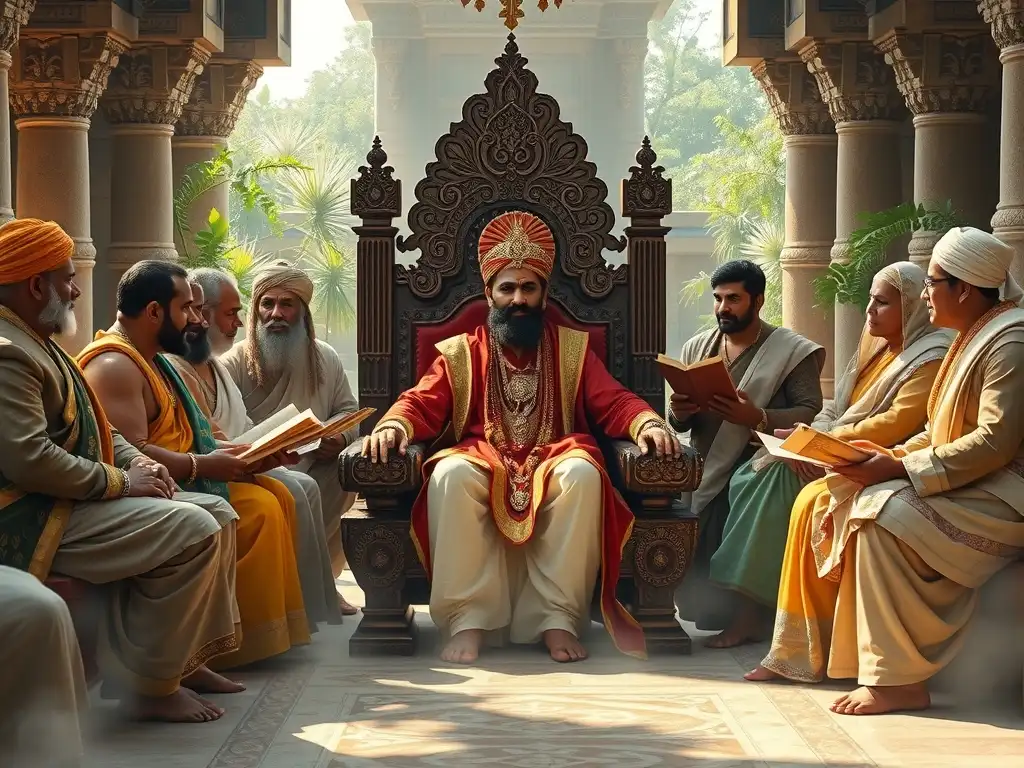
Welcome to Ancient India History, where we embark on a fascinating journey through time to uncover the rich tapestry of India's past. In our featured article, “The Importance of Counsel: The Role of Advisors in Ancient Indian Leadership,” we delve into the intricate dynamics of leadership that shaped ancient Indian civilizations. Discover how wise counsel and strategic advisors influenced the decisions of powerful rulers, from the Indus Valley to the Gupta Empire.
What secrets do these historical figures hold? Join us as we explore their vital contributions and unravel the stories that have molded a nation’s destiny. Your adventure into the depths of ancient wisdom begins here!

Introduction to Advisors in Ancient Indian Leadership
In the intricate tapestry of ancient Indian history, the role of advisors stands out as a crucial element in the governance and leadership structures of various civilizations. From the early days of the Indus Valley to the sophisticated political frameworks of the Gupta Empire, advisors were not merely subordinate figures; they were essential partners in decision-making, strategy formulation, and the implementation of policies.
Their insights and counsel shaped the course of history, influencing the rise and fall of empires. Understanding the significance of advisors in ancient Indian leadership provides deeper insight into the complexities of governance in this diverse and rich cultural landscape.
Overview of Ancient Indian Leadership Structures
Ancient India witnessed the emergence of numerous leadership structures, each characterized by its unique governance style and social dynamics. The leadership systems varied significantly across different periods and regions, reflecting the cultural and philosophical ethos of the times. Key leadership forms included:
- Monarchical Systems: Rulers wielded absolute power, often guided by a council of advisors.
- Republics (Mahajanapadas): Some regions operated as republics, where leaders were elected, and advisors played crucial roles in legislative processes.
- Theocratic Systems: In many instances, religious leaders also acted as advisors, merging spiritual and temporal power.
These diverse systems underscored the importance of counsel in navigating the complexities of governance, ensuring stability, and addressing the needs of the populace.
Definition and Significance of Advisors in Ancient India
Advisors in ancient India were individuals who provided counsel and expertise to rulers, influencing their decisions and actions. They could be scholars, military strategists, or trusted confidants, each bringing unique insights to the leadership table. The significance of these advisors can be summarized as follows:
- Strategic Insight: Advisors offered critical analyses of situations, enabling leaders to make informed decisions.
- Crisis Management: During times of conflict or instability, advisors played pivotal roles in devising strategies to address challenges.
- Cultural and Ethical Guidance: Advisors often helped leaders align their decisions with cultural values and ethical considerations, fostering public trust.
The multifaceted contributions of advisors were instrumental in the effective governance of ancient Indian societies, making them indispensable figures in leadership.
Historical Context of Advisors in Ancient Indian Civilizations
The historical landscape of ancient India reveals how advisors influenced leadership across various civilizations. Their roles evolved through different eras, adapting to the changing political and social contexts.
The Role of Advisors in the Indus Valley Civilization
In the Indus Valley Civilization, evidence suggests a sophisticated urban planning system and a centralized governance model. While specific records of advisors are scarce, the presence of a structured society implies that leaders likely relied on knowledgeable individuals for managing trade, agriculture, and public welfare. This early form of advisory roles laid the groundwork for more defined positions in later civilizations.
Advisory Roles in Vedic Society
With the advent of Vedic society, the importance of advisors became more pronounced. The Vedic texts, particularly the Arthashastra, highlight the significance of skilled advisors in statecraft. Key aspects of advisory roles during this era included:
- Brahmins as Counselors: Brahmins often served as advisors, providing guidance on both spiritual and political matters.
- Focus on Dharma: Advisors emphasized adherence to dharma (moral law), influencing rulers to make ethically sound decisions.
This period marked a transition towards a more structured advisory system, reflecting the growing complexity of governance.
The Influence of Advisors during the Maurya and Gupta Empires
The Maurya and Gupta Empires epitomized the apex of ancient Indian civilization, and advisors played pivotal roles in their governance. During these periods:
- Kautilya's Influence: Kautilya, also known as Chanakya, was a prominent advisor to Chandragupta Maurya, whose strategies and political insights were critical in establishing and maintaining the Mauryan Empire.
- Cultural Flourishing: Advisors in the Gupta Empire contributed significantly to the cultural and scientific advancements, guiding rulers in patronizing scholars and artists.
The enduring influence of advisors during these empires underscores their vital role in shaping the political, cultural, and intellectual landscape of ancient India.
Through this exploration of the role of advisors in ancient Indian leadership, we gain a more nuanced understanding of how these figures contributed to the governance and success of civilizations, leaving an indelible mark on history.
Key Functions of Advisors in Ancient Indian Leadership
Advisors played a crucial role in shaping the course of ancient Indian civilizations, significantly influencing the decisions made by rulers and the governance of their realms. Their multifaceted contributions ranged from strategic counsel to administrative support, and cultural guidance, making them indispensable in the leadership structure of ancient India. Here, we explore the key functions that advisors fulfilled in the context of ancient Indian leadership.
Strategic Counsel and Decision-Making
One of the primary functions of advisors in ancient Indian leadership was to provide strategic counsel during critical decision-making processes. Rulers often faced complex challenges involving military campaigns, alliances, and territorial expansions. Advisors, equipped with knowledge and experience, assisted kings in evaluating the potential outcomes of various strategies.
For instance, the famed advisor Chanakya (or Kautilya) is known for his profound influence on the Mauryan Empire, particularly during the reign of Chandragupta Maurya. His treatise, the Arthashastra, outlines strategies for governance, warfare, and diplomacy, emphasizing the importance of calculated decision-making. By leveraging insights from advisors, rulers could navigate political landscapes more effectively, ensuring the stability and growth of their empires.
Administrative Support and Governance
In addition to strategic input, advisors provided essential administrative support that facilitated effective governance. They helped in the implementation of policies, management of resources, and oversight of local officials. This support was vital in maintaining order and ensuring that the ruler's directives were executed efficiently across various regions.
Advisors often took on roles similar to modern bureaucrats, assisting in financial management, taxation, and resource allocation. They acted as liaisons between the king and his subjects, addressing grievances, and reporting on the state of the kingdom. This administrative role ensured that the king remained informed about the complexities of governance, enabling more effective leadership.
Cultural and Religious Guidance
Advisors also played a significant role in providing cultural and religious guidance to rulers. In ancient India, where religion and governance were deeply intertwined, advisors often helped kings navigate the intricate relationship between state and religion. They advised on matters of religious policy, ceremonies, and public welfare, ensuring that the rulers gained the divine favor essential for legitimacy.
For example, Brahmin advisors often influenced kings by advising on rituals and practices that would please the deities and ensure prosperity. Such guidance was crucial in maintaining the social order and harmony within the kingdom, as rulers sought to align their governance with the cultural values and beliefs of their subjects.
Notable Advisors in Ancient Indian History
Throughout ancient Indian history, several advisors emerged as pivotal figures, significantly impacting the course of their respective empires. Their contributions were not only strategic but also transformative, shaping the political landscape of the time.
Chanakya: The Architect of Mauryan Empire
Chanakya, also known as Kautilya, is perhaps the most renowned advisor in ancient Indian history. He is credited with playing a crucial role in the establishment of the Mauryan Empire. His strategic acumen, as documented in the Arthashastra, provided the foundational principles of statecraft and governance. Chanakya’s ability to manipulate political situations, coupled with his deep understanding of economics and military strategy, allowed him to guide Chandragupta Maurya in unifying the Indian subcontinent under a centralized rule.
His insights into diplomacy, espionage, and warfare not only aided in the establishment of the empire but also set a precedent for the role of advisors in governance, highlighting the importance of intellectual guidance in leadership.
Vishnugupta: Contributions to Political Strategies
Another notable figure is Vishnugupta, who served as an advisor during the Nanda dynasty. His contributions to political strategies were instrumental in the rise of the Mauryan Empire. Vishnugupta is often associated with the intricate network of alliances and intelligence gathering that characterized the political machinations of the time.
His expertise in statecraft helped Chandragupta Maurya to navigate the treacherous political landscape, culminating in the overthrow of the Nanda dynasty. Vishnugupta’s strategies emphasized the importance of foresight and adaptability in leadership, illustrating the vital role of advisors in shaping political outcomes.
Brahmins and Their Role as Advisors to Kings
Throughout ancient India, Brahmins often held significant positions as advisors to kings. Their extensive knowledge of scriptures, rituals, and governance made them valuable assets in the royal court. They provided counsel on various matters, including law, morality, and religious practices, which were essential for maintaining the legitimacy of the ruler.
Brahmin advisors were instrumental in bridging the gap between the ruling class and the common people, ensuring that the king’s policies resonated with societal values. Their influence extended beyond mere advice; they often acted as spiritual guides, helping rulers to navigate the complexities of dharma (righteousness) and governance, thus solidifying their role as key figures in ancient Indian leadership.
The Impact of Advisors on Leadership Effectiveness

The role of advisors in ancient Indian leadership was pivotal to the effectiveness and stability of governance. Leaders, ranging from kings to emperors, often relied on a council of trusted advisors to guide their decisions and actions. This relationship ensured that a variety of perspectives were considered when addressing the complex challenges of leadership. Advisors brought specialized knowledge, strategic insights, and a wealth of experience that could enhance the overall decision-making process.
Advisors acted as a bridge between the ruler and the populace, translating the needs and concerns of the people into actionable policies. Their influence extended beyond mere counsel; they could sway public opinion, navigate political intrigue, and even guide military strategy. The synergy created by effective collaboration between leaders and their advisors often determined the success or failure of a reign.
Enhancing Leadership through Wise Counsel
Wise counsel was a hallmark of effective leadership in ancient India. Leaders who sought guidance from knowledgeable advisors were often more successful in their endeavors than those who ruled in isolation. Advisors played a key role in providing critical information that informed policy decisions, helping rulers to avoid pitfalls and seize opportunities.
For instance, the ancient Indian text, the Arthashastra, authored by Kautilya (Chanakya), highlighted the significance of having skilled advisors. It detailed various types of advisors, including those specializing in military tactics, economics, and diplomacy. The counsel of such experts not only enhanced the ruler’s effectiveness but also reinforced the legitimacy of their authority. This collaborative approach fostered an environment where informed decision-making could flourish, ultimately contributing to the prosperity of the state.
Advisors and the Dynamics of Power
The dynamics of power in ancient Indian leadership were significantly influenced by advisors. These individuals often wielded considerable influence, shaping both the actions of rulers and the policies of the state. The relationship between a leader and their advisors was often complex, characterized by mutual dependence and occasional rivalry.
Advisors could serve as kingmakers, exercising power behind the throne. This was evident in various dynasties, where advisors could dictate terms and sway decisions based on their interests. For example, the role of advisors in the Maurya Empire showcased how strategic counsel could lead to expansive conquests and the consolidation of power. However, this dynamic also meant that advisors had to navigate the treacherous waters of court politics, balancing their loyalty to the ruler with their personal ambitions.
Case Studies of Successful Leadership with Strong Advisory Support
Several notable case studies exemplify the impact of advisors in ancient Indian leadership. One prominent example is Emperor Ashoka of the Maurya Dynasty. Ashoka's conversion to Buddhism and subsequent promotion of non-violence and welfare policies were greatly influenced by his advisors, who emphasized the importance of moral governance. Their counsel helped steer the empire towards a path of peace and prosperity, leaving a lasting legacy on Indian civilization.
Another example is the Gupta Empire, where the advisory council played a crucial role in maintaining stability and fostering cultural achievements. The Gupta rulers, such as Chandragupta II, relied on a council of learned advisors to promote arts and sciences, leading to a golden age of Indian culture. This collaboration not only enhanced the effectiveness of governance but also facilitated advancements that are celebrated to this day.
Lessons from Ancient Indian Advisors for Modern Leadership
The insights gained from the role of advisors in ancient Indian leadership carry valuable lessons for contemporary leadership practices. Understanding the importance of counsel can enhance decision-making processes in modern organizations and governments.
The Relevance of Advisory Roles Today
In today's fast-paced world, the relevance of advisory roles cannot be overstated. Leaders across various sectors can benefit from the diverse perspectives and expertise that advisors provide. Just as ancient leaders relied on their advisors to navigate complex political landscapes, modern leaders can leverage advisory roles to tackle contemporary challenges.
The inclusion of advisors can help in risk assessment, strategic planning, and innovation. By fostering an environment where diverse viewpoints are welcomed, leaders can make more informed decisions that resonate with their audiences. Moreover, the collaborative spirit of ancient advisory practices encourages teamwork and collective problem-solving, essential qualities in today’s interconnected world.
How Ancient Practices Can Inform Contemporary Leadership Styles
Ancient practices of leadership and advisory roles can inform contemporary leadership styles by emphasizing the value of wisdom, collaboration, and ethical governance. Modern leaders can draw inspiration from the ancient Indian approach to advisory relationships, integrating these principles into their leadership models.
For instance, the idea of seeking counsel from diverse experts can enhance a leader's ability to adapt to changing circumstances. By fostering inclusivity and valuing the insights of advisors, leaders can create a more holistic approach to governance and management. Additionally, the emphasis on ethical considerations, as seen in the teachings of Kautilya, can guide modern leaders in making decisions that are not only effective but also morally sound.
The legacy of advisors in ancient Indian leadership offers timeless lessons that remain relevant in today’s leadership landscape. By understanding and embracing these principles, modern leaders can enhance their effectiveness and contribute to the well-being of their organizations and societies.
Conclusion: The Enduring Legacy of Advisors in Ancient Indian Leadership
The role of advisors in ancient Indian leadership represents a vital aspect of governance that shaped the political, social, and cultural landscapes of the time. These advisors, often referred to as "mantrins" or "senapati," were instrumental in guiding rulers through complex decision-making processes. Their insights and expertise not only influenced individual leaders but also contributed to the stability and prosperity of entire kingdoms. The enduring legacy of these counselors can be seen in the way contemporary governance structures recognize the importance of sound advice and strategic counsel.
In ancient India, the relationship between a ruler and their advisors was often characterized by mutual respect and trust. This bond allowed for open communication and the exchange of ideas, which was crucial for effective governance. The advisors played a significant role in various domains, including military strategy, diplomacy, and administration, which illustrates the multifaceted nature of their contributions.
Summary of Key Points
- Diverse Roles of Advisors: Advisors took on multiple roles, from military strategists to legal experts, showcasing their versatility in addressing the needs of the ruler and the state.
- Influence on Decision-Making: The insights provided by advisors were critical in shaping policies and responding to challenges, demonstrating their importance in the governance process.
- Cultural Significance: The relationship between leaders and their advisors often reflected broader cultural values, emphasizing wisdom, knowledge, and the collective good.
- Historical Examples: Prominent figures such as Chanakya, who advised Chandragupta Maurya, exemplify the profound impact advisors had on the success of empires and governance in ancient India.
Final Thoughts on the Role of Counsel in Leadership
The legacy of advisors in ancient Indian leadership serves as a reminder of the importance of counsel in effective governance. In a world where leaders face unprecedented challenges, the lessons drawn from ancient practices remain relevant. The wisdom and experience of trusted advisors can provide invaluable perspectives, fostering a collaborative atmosphere that enhances decision-making and strategy formulation.
As we explore the rich tapestry of ancient Indian history, it becomes evident that the role of advisors was not merely supplementary; it was foundational to the success and endurance of many dynasties. By valuing and integrating the knowledge of advisors, contemporary leaders can cultivate a more informed and resilient approach to governance, echoing the enduring principles established by their ancient counterparts.
- Introduction to Advisors in Ancient Indian Leadership
- Historical Context of Advisors in Ancient Indian Civilizations
- Key Functions of Advisors in Ancient Indian Leadership
- Notable Advisors in Ancient Indian History
- The Impact of Advisors on Leadership Effectiveness
- Lessons from Ancient Indian Advisors for Modern Leadership
- Conclusion: The Enduring Legacy of Advisors in Ancient Indian Leadership
- What was the role of advisors in ancient Indian leadership?
- Who were the most notable advisors in ancient Indian history?
- How did advisors influence leadership decisions?
- What qualities were essential for an advisor in ancient India?
- How did the role of advisors change over time in ancient Indian civilizations?
Frequently Asked Questions
What was the role of advisors in ancient Indian leadership?
Advisors in ancient Indian leadership played a crucial role in guiding rulers on political, military, and diplomatic matters. Their insights were essential for making informed decisions.
Who were the most notable advisors in ancient Indian history?
Some of the most notable advisors include Chanakya, who served as a mentor to Chandragupta Maurya, and Kautilya, known for his strategic acumen in governance and warfare.
How did advisors influence leadership decisions?
Advisors influenced leadership decisions by providing expert counsel and strategies based on their knowledge and experience, ensuring that rulers could navigate complex situations effectively.
What qualities were essential for an advisor in ancient India?
Essential qualities for an advisor included wisdom, loyalty, intelligence, and the ability to communicate effectively with the ruler and other officials, ensuring smooth governance.
How did the role of advisors change over time in ancient Indian civilizations?
The role of advisors evolved from being primarily focused on military tactics in early periods to encompassing broader aspects of governance, including administration, economy, and culture, especially during the Gupta Empire.
Final Reflection: The Enduring Legacy of Advisors in Ancient Indian Leadership
The role of advisors in ancient Indian leadership remains profoundly relevant today, as we navigate complex societal challenges and seek wisdom from those who guide us. The intricate dynamics between leaders and their advisors in ancient India serve as a timeless reminder of the value of counsel in decision-making processes. In a world increasingly driven by individualism, the lessons from history remind us that collaboration and guidance can lead to more informed and balanced outcomes.
The influence of advisors in shaping not only political landscapes but also cultural narratives is a testament to their enduring significance. From the wise counsel of Chanakya to the strategic insights of various royal advisors, these figures have left an indelible mark on the fabric of Indian history. As we reflect on their contributions, we can appreciate the wisdom in the words of Chanakya: There is some self-interest behind every friendship. There is no friendship without self-interests. This is a bitter truth.
This observation underscores the necessity of understanding the motivations behind advice, reminding us that wisdom often comes from recognizing the complexities of human relationships.
As we look to the future, let us embrace the lessons of the past and cultivate a mindset that values the importance of counsel in our own lives. I invite you to reflect on the advisors who have shaped your journey—be it mentors, friends, or family—and consider how their insights have guided your decisions.
In a world that often celebrates solitary achievements, let us remember that true leadership is often bolstered by the wisdom of those who walk alongside us. Embrace the spirit of collaboration and seek out the voices that can illuminate your path, just as the great leaders of ancient India did.
Unveil the Wisdom of Ancient Counselors!
Thank you for diving into the world of ancient Indian leadership with us! You’ve just uncovered the vital role advisors played in shaping powerful decisions. Now, it's time to take that knowledge and put it into action!
Here’s how you can further explore this fascinating topic:
- Reflect on your current advisors: Consider who influences your decisions today. Are they guiding you wisely?
- Share your thoughts: Start a conversation about the importance of mentorship in leadership by discussing this article with friends or on social media.
- Join a community of enthusiasts: Connect with like-minded individuals in our forum to explore how historical lessons can inform modern leadership practices.
What insights from ancient advisors resonate most with your leadership style today? Let’s spark a discussion!