
The Political Genius of Bimbisara: How He Shaped the Early Magadhan Empire

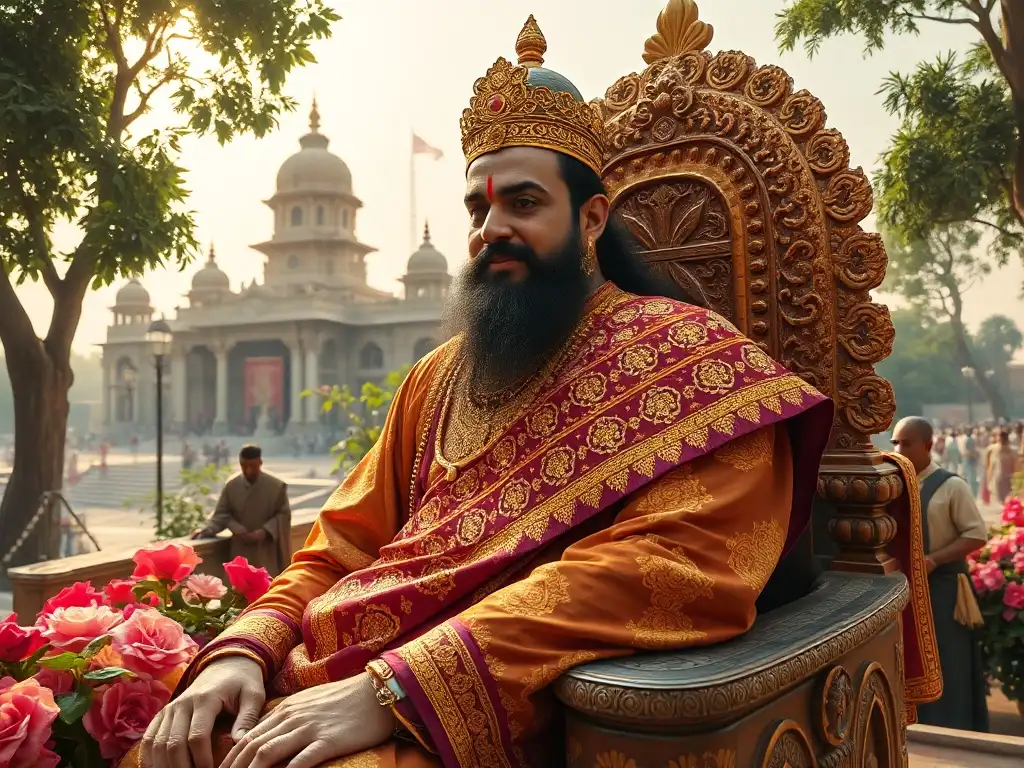
Welcome to Ancient India History, where we delve into the rich tapestry of our past and uncover the remarkable contributions of ancient civilizations. In this intriguing exploration, we invite you to discover Bimbisara's impact on Magadha, a pivotal figure whose political genius laid the groundwork for the early Magadhan Empire. What innovative strategies did Bimbisara employ to secure his kingdom's power and influence? Join us as we unravel the fascinating story of a ruler who shaped the course of history in ancient India, igniting your curiosity and inspiring you to learn more about this extraordinary era.
- Introduction to Bimbisara's Impact on Magadha
- Early Life of Bimbisara
- Bimbisara's Ascendancy to Power
- Bimbisara’s Political Strategies
- Administrative Reforms by Bimbisara
- Bimbisara’s Military Conquests
- Cultural Contributions during Bimbisara’s Reign
- The Legacy of Bimbisara
- Conclusion: Bimbisara's Genius and Its Historical Significance
- Frequently Asked Questions
- Final Reflection: The Enduring Legacy of Bimbisara's Impact on Magadha
- Unlock the Legacy of Bimbisara!
Introduction to Bimbisara's Impact on Magadha
Bimbisara, one of the most influential monarchs of ancient India, played a pivotal role in shaping the early Magadhan Empire. His reign marked a significant turning point in the political landscape of the region, setting the stage for future dynasties and establishing a legacy that profoundly affected the sociopolitical fabric of India.
Through strategic alliances, military conquests, and innovative governance, Bimbisara not only expanded the territory of Magadha but also laid the foundations for a centralized administration. Understanding Bimbisara's impact on Magadha is crucial for comprehending the evolution of ancient Indian civilizations and their contributions to the broader historical narrative.
Overview of Bimbisara’s Historical Context
Bimbisara ascended to the throne of Magadha around the 5th century BCE, during a time when the Indian subcontinent was characterized by fragmented states and emerging kingdoms. The Magadhan Empire, located in present-day Bihar, became a powerful political entity under his rule. He belonged to the Haryanka dynasty and was the son of King Bhattiya. His reign is often associated with the rise of early Indian statecraft and the establishment of a complex administrative structure.
Bimbisara's diplomatic acumen was evident in his strategic marriages, which helped forge alliances with neighboring states and strengthened his position. One notable alliance was his marriage to the daughter of the powerful ruler of the Lichchhavis, a significant clan in the region. This union not only provided political stability but also enhanced trade relations, contributing to the economic prosperity of Magadha.
Key elements of Bimbisara’s historical context include:
- Emergence of Magadha: Transition from a regional kingdom to a dominant empire.
- Political Strategy: Use of diplomacy and marriage to build alliances.
- Cultural Influence: Promotion of Buddhism and Jainism, which flourished during his reign.
Importance of Bimbisara in Ancient Indian History
Bimbisara's reign signified a crucial evolution in ancient Indian political thought and governance. His contributions are multifaceted, encompassing military, economic, and cultural dimensions that had lasting effects on subsequent rulers and empires.
- Political Innovations: Bimbisara is often credited with introducing a centralized form of governance that influenced later empires, including the Mauryas. His administrative strategies laid the groundwork for structured government, setting a precedent for future leaders.
- Military Expansion: Through a series of conquests, Bimbisara expanded Magadha's territory significantly. His military campaigns not only increased resources for the empire but also asserted Magadha’s dominance over rival kingdoms, contributing to regional stability.
- Cultural Patronage: Bimbisara was an early patron of Buddhism, welcoming Gautama Buddha during his travels. This endorsement played a significant role in the spread of Buddhism, which became a major religious and cultural force in India and beyond.
- Legacy of Leadership: Bimbisara's policies and practices influenced his successors, particularly his son Ajatashatru, who furthered his father's vision. The strong foundation he established allowed Magadha to flourish and eventually become a central player in Indian history.
Bimbisara's impact on Magadha is a rich tapestry of political acumen, military strategy, and cultural patronage that continues to resonate through the annals of ancient Indian history. Understanding this legacy not only sheds light on his reign but also provides insights into the broader historical context of ancient civilizations in India.
Early Life of Bimbisara

Bimbisara, a pivotal figure in the formation of the early Magadhan Empire, was born into a world rife with political strife and ambition. Understanding his early life provides essential insights into his later achievements and strategies that significantly shaped Bimbisara's impact on Magadha.
Background and Origins of Bimbisara
Bimbisara was born into the Haryanka dynasty, which ruled the ancient kingdom of Magadha around the 6th century BCE. His father, King Bhatti, was known for his military prowess and diplomatic skills, which laid a strong foundation for Bimbisara's future. The Haryanka dynasty is believed to have emerged as a powerful force in the region, establishing a tradition of strong leadership and governance.
- Geographical Context:
- Magadha was strategically located in the eastern part of India, adjacent to the Ganges River, which provided fertile land and trade routes.
- The region's economic significance attracted various tribes and kingdoms, creating a complex political landscape that Bimbisara would navigate skillfully.
Bimbisara's upbringing was characterized by exposure to various cultural and political influences. His education would have included training in military tactics, statecraft, and philosophy, preparing him for the challenges of kingship.
- Key Influences:
- Tribal Alliances: His early interactions with various tribal leaders would shape his approach to governance, emphasizing the importance of alliances.
- Cultural Exposure: The cultural richness of Magadha provided Bimbisara with insights into the diverse beliefs and practices that he would later incorporate into his rule.
Influences on Bimbisara’s Political Ideology
Bimbisara's political ideology was deeply influenced by the prevailing socio-political conditions of his time. Several factors contributed to the formation of his strategies and governance style:
- The Doctrine of Divine Kingship:
- Bimbisara embraced the concept of divine kingship, which posited that rulers were chosen by the gods. This ideology positioned him as a legitimate leader and fostered loyalty among his subjects.
- Diplomacy and Marriages:
- He adeptly utilized marriage alliances to strengthen his political power. Bimbisara's marriage to Princess Chellana of the Lichchhavi clan not only secured an important alliance but also facilitated trade and cultural exchange between Magadha and neighboring regions.
- Economic Policies:
- Understanding the significance of economic stability, Bimbisara implemented policies that promoted agriculture and trade. He invested in infrastructure development, such as roads and irrigation systems, which bolstered the agrarian economy and increased revenue.
- Military Strategy:
- Bimbisara’s early military campaigns were marked by a blend of diplomacy and force. He recognized that military might alone was insufficient; thus, he often sought to subdue rival kingdoms through negotiations before resorting to warfare.
- Cultural Integration:
- His exposure to diverse cultures allowed him to appreciate the importance of cultural integration within his empire. Bimbisara promoted the acceptance of various religions and customs, fostering a sense of unity among his subjects.
Through these influences, Bimbisara laid the groundwork for an empire that would flourish under his leadership. His ability to adapt and integrate various elements into his political framework significantly contributed to Bimbisara's impact on Magadha, making him a formidable leader in ancient Indian history.
Bimbisara's Ascendancy to Power
The Path to Becoming King of Magadha
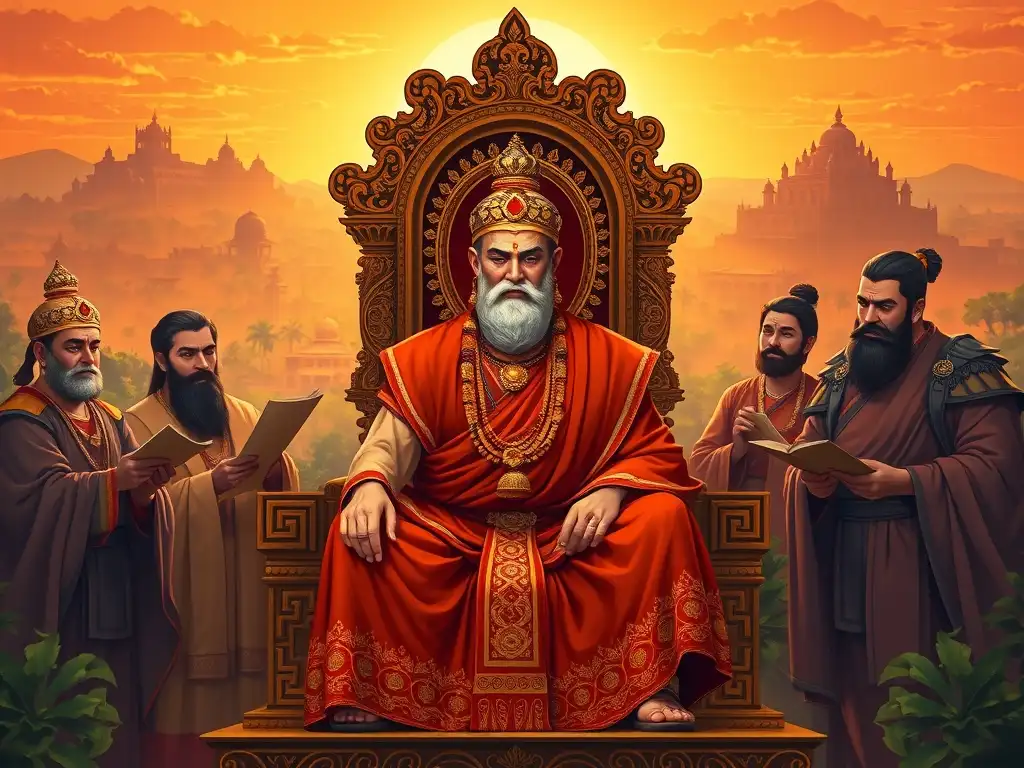
Bimbisara's rise to power is a remarkable tale that reflects the political acumen and strategic foresight characteristic of ancient Indian rulers. Born into the Haryanka dynasty, Bimbisara became the king of Magadha around 543 BCE. His ascension can be attributed to several factors that established a solid foundation for his reign.
- Dynastic Heritage: Bimbisara was the son of King Bhatti, and his lineage played a critical role in his claim to the throne. The Haryanka dynasty was well-respected, and Bimbisara's birthright granted him legitimacy among the Magadhan people.
- Political Alliances: Bimbisara's political strategy included forging alliances through marriage. He married Vajiragini, the daughter of the powerful king of the Kosala kingdom, which not only strengthened his position but also expanded his influence.
- Military Prowess: As a young prince, Bimbisara demonstrated exceptional military skills. His ability to lead troops and engage effectively in battle helped him gain respect and loyalty from his subjects, essential for consolidating power.
- Economic Stability: Bimbisara recognized the importance of economic strength for his kingdom. He implemented policies that boosted trade and agriculture, which in turn, increased the wealth and resources available to him as king.
Overall, Bimbisara’s ascent was characterized by a combination of strategic marriages, military success, and a focus on economic growth, which laid the groundwork for his impactful reign.
Key Events Leading to His Reign
A series of pivotal events shaped Bimbisara's rule and significantly influenced the trajectory of the Magadhan Empire. These events highlight his political genius and the strategies he employed to solidify his power and expand his territory.
- Consolidation of Power: Bimbisara effectively unified several smaller kingdoms under Magadha's banner, creating a powerful central authority. His military campaigns and diplomatic initiatives were instrumental in this consolidation.
- The Expansion of Territory: Bimbisara expanded Magadha's territory through both warfare and diplomacy. He engaged in conflicts with neighboring kingdoms such as Anga and Vajji, which allowed him to acquire new lands and resources, enriching his empire.
- Cultural and Religious Integration: Bimbisara was known for his tolerance towards various cultures and religions. By promoting Buddhism and maintaining cordial relations with prominent monks like Gautama Buddha, he not only gained spiritual legitimacy but also attracted a diverse population to his kingdom.
- Establishment of Administrative Systems: Recognizing the need for a robust administration, Bimbisara established systems that enhanced governance. He introduced local governance structures and appointed trusted officials to manage different regions of his empire, ensuring efficient rule.
- Legacy of Development: Under Bimbisara's reign, Magadha witnessed significant developments in infrastructure, trade, and agriculture. His policies fostered an environment conducive to economic prosperity, setting the stage for future leaders in the dynasty.
These key events not only illustrate Bimbisara's impact on Magadha but also emphasize his role as a visionary leader who shaped the early foundations of one of India's most influential empires.
Bimbisara’s Political Strategies
Establishment of Alliances through Marriages
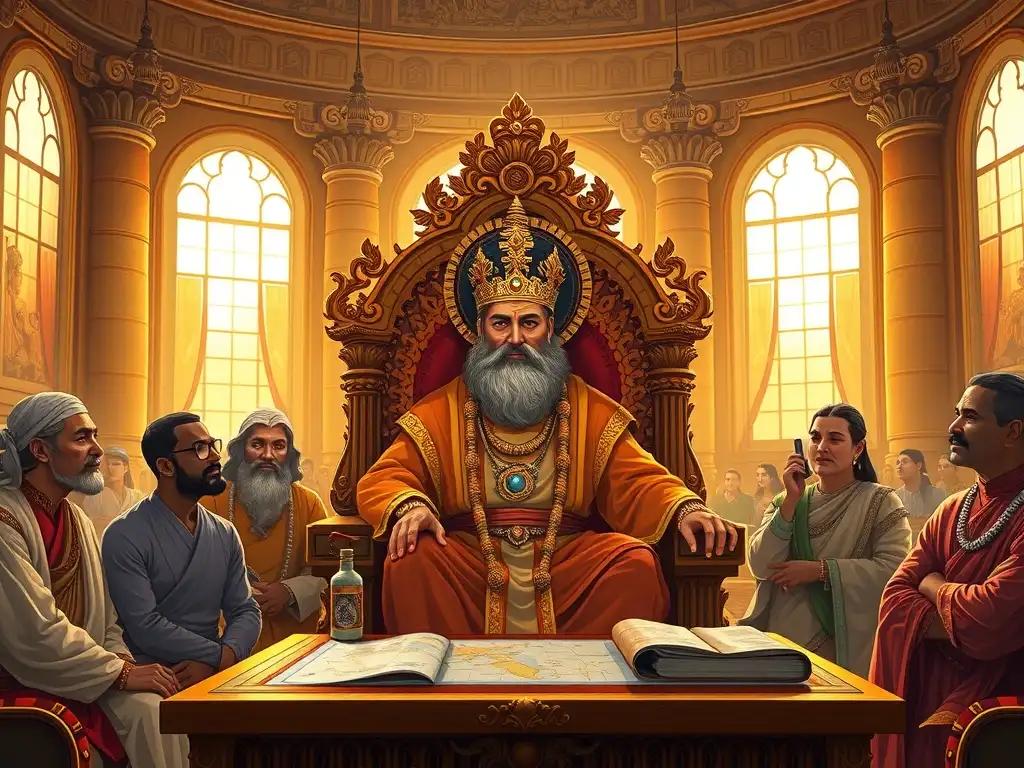
Bimbisara, the illustrious king of Magadha, employed strategic marriages as a means to consolidate power and establish alliances. His marital alliances were not mere personal unions; they were calculated moves that significantly contributed to Bimbisara's impact on Magadha and the expansion of its influence.
- Inter-Kingdom Marriages: Bimbisara strategically married into powerful families of neighboring kingdoms. His marriage to Vajirakumari, daughter of the king of the Kosala kingdom, is a notable example. This alliance not only solidified a diplomatic relationship but also fostered loyalty among the local rulers, ensuring a buffer against potential threats.
- Cultural Integration: By marrying women from diverse backgrounds, Bimbisara facilitated cultural exchanges that enriched the Magadhan court. Such integrations promoted a sense of unity among his subjects, further strengthening his rule.
- Political Leverage: These marriages often served as political tools. For instance, through these alliances, Bimbisara could exert influence over other kingdoms, compelling them to act in favor of Magadha's interests. This tactic effectively ensured the security and expansion of his empire.
These strategies reveal that Bimbisara's approach to governance was deeply rooted in the understanding that political stability could be achieved through social ties, demonstrating his foresight and tactical brilliance.
Diplomatic Relations with Neighboring Kingdoms
Bimbisara's diplomatic acumen was instrumental in shaping the early Magadhan Empire and establishing it as a dominant force in ancient India. His approach to diplomacy involved a combination of negotiation, warfare, and strategic alliances that underscored his political genius.
- Proactive Diplomacy: Bimbisara recognized the importance of maintaining good relations with neighboring realms. He often sent envoys to other kingdoms, facilitating dialogue and negotiations that would prevent conflict. This proactive stance helped Magadha avoid unnecessary wars and maintain a stable environment for trade and agriculture.
- Military Strength and Alliance: While Bimbisara preferred diplomatic solutions, he did not shy away from using military force when necessary. His campaigns against rival kingdoms, such as the Lichchhavis of Vaishali, were executed with precision, often leading to favorable treaties that expanded his territory. By demonstrating military strength, he reinforced his diplomatic efforts, creating a reputation that discouraged aggression from other rulers.
- Economic Ties: Bimbisara understood that economic interdependence among kingdoms could serve as a deterrent against hostilities. He established trade routes and encouraged commerce, creating a network of economic ties that made cooperation more beneficial than conflict. This strategy not only enriched Magadha but also fostered a sense of unity among the surrounding regions.
Bimbisara's diplomatic relations were characterized by a blend of tact and strategy. His ability to navigate complex political landscapes and forge alliances significantly amplified Bimbisara's impact on Magadha, laying a strong foundation for its future expansion and influence in ancient India.
Administrative Reforms by Bimbisara
Bimbisara, the first ruler of the Haryanka dynasty, stands out as a pivotal figure in the formation of the early Magadhan Empire. His administrative reforms were instrumental in shaping a centralized governance structure that laid the groundwork for the empire's expansion. By implementing innovative policies and strategies, Bimbisara not only stabilized his rule but also enhanced the efficiency of his administration, which ultimately contributed to Magadha's prominence in ancient India.
Innovations in Governance
One of Bimbisara's hallmark achievements was his introduction of a more sophisticated administrative framework. He recognized the necessity of a well-organized bureaucracy to manage his expanding kingdom effectively. This led to the establishment of various administrative divisions, which facilitated better governance and resource management.
- District Administration: Bimbisara divided his empire into smaller administrative units, likely referred to as "janapadas." Each janapada was managed by local officials who were responsible for law enforcement, taxation, and public works. This decentralization allowed for more localized governance, making it easier for the king to oversee distant regions.
- Merit-Based Appointments: Bimbisara was known for appointing officials based on merit rather than lineage. This approach not only promoted efficiency but also encouraged loyalty among his bureaucrats. It was a significant departure from the traditional hereditary system, marking a progressive step in governance.
- Legal Reforms: Bimbisara implemented a codified legal system that aimed to ensure justice and maintain order. This system was crucial in establishing trust between the ruler and his subjects, fostering a sense of stability that encouraged economic growth and social cohesion.
Overall, Bimbisara’s innovations in governance set a precedent for future rulers in the region, emphasizing the importance of a structured administration in maintaining a powerful empire.
Taxation and Economic Policies
Bimbisara's economic policies played a crucial role in the prosperity of the early Magadhan Empire. His approach to taxation and resource allocation was strategic, aimed at maximizing revenue while ensuring the welfare of his subjects.
- Agricultural Development: Recognizing the agrarian nature of his kingdom, Bimbisara encouraged agricultural expansion through various means, such as irrigation projects and land grants to farmers. By boosting agricultural productivity, he significantly increased the tax base, enabling more resources to be directed towards state affairs.
- Fair Taxation System: Bimbisara established a taxation system that was perceived as fair and just. He introduced taxes that were proportionate to the income of the farmers, which helped in reducing the burden on the peasantry. This approach not only garnered loyalty from his subjects but also ensured a steady flow of revenue to the treasury.
- Trade and Commerce: Understanding the importance of trade for economic stability, Bimbisara promoted trade routes and established markets. His capital, Rajgir, evolved into a commercial hub, facilitating trade with neighboring regions. This policy enhanced economic interactions and enriched the empire’s coffers.
Bimbisara's taxation and economic policies not only strengthened the financial foundation of the Magadhan Empire but also fostered an environment conducive to growth and prosperity. Through his reforms, Bimbisara’s impact on Magadha was profound, setting the stage for subsequent rulers to build upon his legacy.
Bimbisara’s Military Conquests
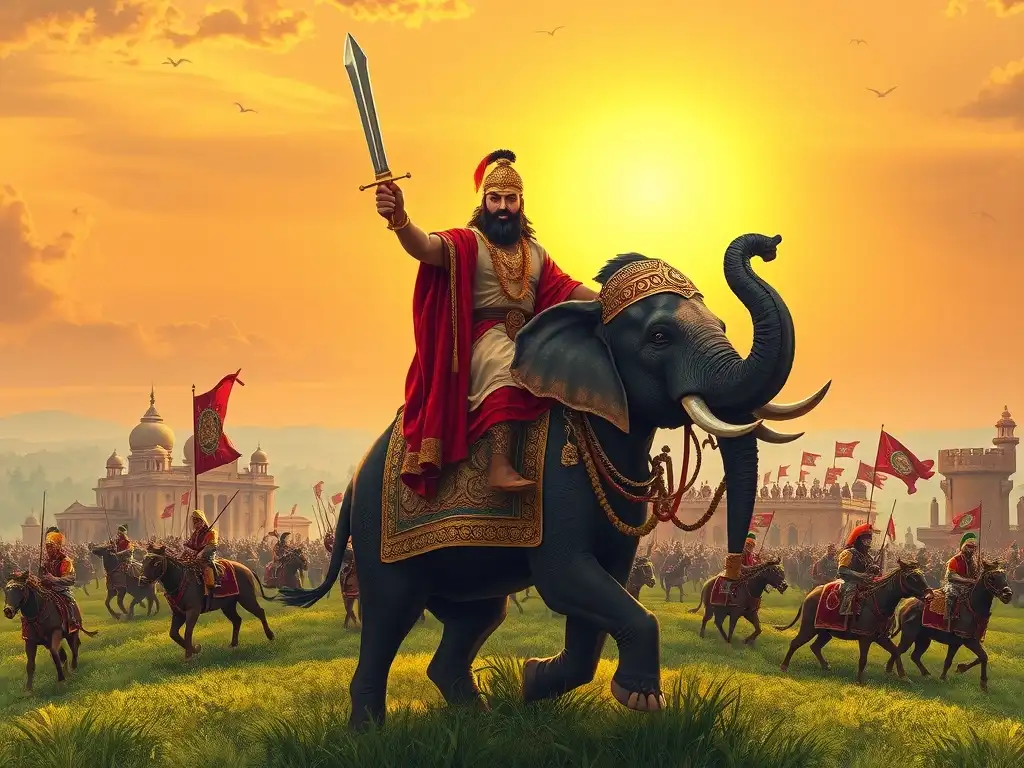
Bimbisara, the illustrious king of the Magadhan Empire, is often celebrated for his exceptional political acumen and strategic foresight. However, his military conquests played an equally significant role in shaping the early Magadhan Empire. Through a series of well-planned military campaigns, Bimbisara expanded his territory and solidified his power, laying the foundation for what would become one of the most influential empires in ancient India.
Expansion of the Magadhan Empire
Bimbisara's expansionist policies were marked by both military prowess and diplomatic maneuvers. He understood that a strong military presence was essential for the growth of Magadha, and he utilized various strategies to achieve this goal.
- Strategic Marriages: One of Bimbisara’s key strategies involved forming alliances through marriage. By marrying the daughter of the powerful Lichchhavi clan, he not only secured an important alliance but also gained access to the resources and military support of this influential group. This alliance greatly enhanced the strength of Magadha.
- Conquest of Neighboring Kingdoms: Bimbisara actively pursued the conquest of neighboring territories to expand his influence. Notably, he successfully annexed the territories of Anga and the kingdom of the Lichchhavis. This strategy allowed him to control vital trade routes and increase the wealth of his empire.
- Administrative Reforms: Alongside military expansion, Bimbisara implemented administrative reforms that improved governance in newly acquired regions. By establishing a system of local governance, he ensured stability and loyalty among the conquered peoples, which further solidified his empire’s control.
- Military Innovations: Bimbisara also invested in military innovations, enhancing the training and organization of his troops. This included the introduction of new weapons and tactics that made his army more formidable in battle.
The combination of these strategies led to significant territorial gains and established Magadha as a dominant power in the region, setting the stage for future expansion under his successors.
Key Military Campaigns and Their Outcomes
Bimbisara's military campaigns were characterized by careful planning and execution. Here are some of the most pivotal campaigns that defined his reign:
- Campaign against the Lichchhavis:
- Outcome: The successful marriage alliance coupled with military might allowed Bimbisara to effectively integrate the Lichchhavi territories into the Magadhan Empire. This campaign not only expanded his jurisdiction but also brought economic benefits through control of trade routes.
- Conquest of Anga:
- Outcome: By defeating the ruler of Anga, Bimbisara expanded his empire's territory significantly. This conquest was crucial as Anga was a prosperous region, and its acquisition greatly enhanced Magadha’s economic status.
- Campaign in Vaishali:
- Outcome: Bimbisara's campaign in Vaishali, although met with resistance, ultimately led to a strong influence over the region. His diplomatic strategies played a key role in pacifying local rulers and establishing Magadha's supremacy.
- Rebellions and Suppressions:
- Outcome: Bimbisara faced several internal rebellions, particularly from newly conquered territories. His decisive actions in quelling these uprisings not only reinforced his authority but also showcased his skill as a military leader.
Through these military campaigns, Bimbisara not only expanded the Magadhan Empire but also secured its position as a powerhouse in ancient India. His military genius, combined with his political strategies, paved the way for subsequent rulers, ensuring that Magadha remained a significant player in the historical narrative of ancient Indian civilizations.
Cultural Contributions during Bimbisara’s Reign

Promotion of Art and Architecture
Bimbisara, the illustrious ruler of the early Magadhan Empire, significantly influenced the cultural landscape of ancient India through his promotion of art and architecture. His reign marked a transformative period where artistic expressions flourished, laying the groundwork for subsequent developments in Indian culture.
One of Bimbisara's notable contributions was the establishment of monumental architecture. He commissioned the construction of numerous stupas and monasteries, which served as centers for Buddhist learning and meditation. The most prominent example is the Bimbisara Fort, a strategic military and administrative center that also functioned as a royal residence. This fort not only showcased advanced engineering techniques of the time but also symbolized the power and authority of the Magadhan Empire.
In addition to fortifications, Bimbisara's court became a patron of the fine arts. Artists and craftsmen were encouraged to create intricate sculptures and paintings that depicted various aspects of life, mythology, and spirituality. This support for the arts contributed to the development of unique styles that blended local traditions with influences from neighboring regions.
Bimbisara also initiated the construction of gardens and public spaces, such as the Ajatashatru Park, which served not only as recreational areas but also as venues for cultural gatherings and festivities. These developments fostered a sense of community and shared identity among the people of Magadha, promoting cultural cohesion.
Influence on Religion and Philosophy
Bimbisara’s reign was also a crucial period for the evolution of religion and philosophy in ancient India. He is often credited with being one of the first Indian rulers to embrace and promote Buddhism, which was in its nascent stage during his time. His relationship with the Buddha is well-documented; it is said that Bimbisara offered the Buddha a place to stay in the city of Rajgir, which became a significant location for Buddhist teachings.
The king's patronage of Buddhism not only facilitated the spread of its teachings but also encouraged the establishment of monasteries that attracted scholars and monks from various regions. This cultural exchange led to an environment ripe for philosophical discourse, where ideas about morality, governance, and human existence were rigorously debated.
Bimbisara's political strategies also reflected a deep understanding of the interconnectedness between governance and spirituality. His reign is marked by a policy of tolerance towards various religious practices, promoting a pluralistic society where different beliefs coexisted. This approach not only solidified his power but also fostered a stable and prosperous environment conducive to intellectual and spiritual growth.
Bimbisara's impact on Magadha extended beyond military conquests and political strategy; his contributions to art, architecture, religion, and philosophy played a pivotal role in shaping the cultural heritage of ancient India. By fostering an environment that encouraged artistic expression and religious exploration, Bimbisara laid the foundation for a rich cultural legacy that would influence generations to come.
The Legacy of Bimbisara

Bimbisara’s Lasting Impact on Magadha
Bimbisara, one of the earliest rulers of the Magadhan Empire, left an indelible mark on the region's political landscape that reverberated through history. His reign, marked by strategic innovations and significant territorial expansion, laid the foundation for Magadha’s rise as a dominant power in ancient India.
Bimbisara's political acumen was reflected in his ability to forge alliances through marriages, notably his union with the Lichchhavi princess, which not only consolidated his power but also enhanced diplomatic relations with neighboring states. This strategy of alliances through matrimony became a hallmark of political maneuvering in ancient Indian kingdoms.
Additionally, Bimbisara's establishment of a robust administrative framework facilitated efficient governance. He is credited with introducing a systematic approach to taxation and land revenue, which contributed to the economic prosperity of Magadha. This administrative model not only strengthened Bimbisara's rule but also set a precedent for subsequent rulers in the region.
Bimbisara's military campaigns expanded Magadha's territory significantly. He successfully annexed regions such as Anga and parts of the Vaishali republic, which enriched his kingdom both economically and strategically. The incorporation of diverse cultures and communities under Magadha’s rule fostered a sense of unity that was crucial for the empire’s stability.
Overall, Bimbisara’s reign was pivotal in transforming Magadha from a relatively minor kingdom into a formidable empire. His efforts in diplomacy, administration, and military conquest solidified his legacy as a foundational figure in the history of ancient India, demonstrating how his impact shaped not only the immediate landscape of Magadha but also the broader socio-political dynamics of the time.
Influence on Successors and Future Leaders
Bimbisara’s influence extended far beyond his lifetime, shaping the principles and practices of governance for his successors and future leaders of the Magadhan Empire. His son, Ajatashatru, carried forward Bimbisara’s legacy by not only expanding the empire further but also implementing policies that reflected his father’s vision of a strong and united Magadha.
One of the most significant ways Bimbisara impacted his successors was through the establishment of a centralized administration. This system allowed for more effective control over the vast territories acquired during his reign. For instance, Ajatashatru enhanced the administrative structures initiated by Bimbisara, ensuring that local governors were accountable and that tax revenues were efficiently collected. This legacy of effective governance would influence future dynasties, including the Mauryas, who would later dominate India.
Moreover, Bimbisara's diplomatic strategies became a reference point for future rulers. His use of marriage alliances as a political tool was emulated, creating a network of relationships that fortified Magadha’s political standing. This approach not only helped in maintaining peace but also in fostering cultural exchanges with neighboring regions.
Bimbisara also instilled a sense of military prowess within the Magadhan leadership. His effective military strategies and the successful campaigns he conducted served as a model for Ajatashatru and subsequent rulers. The emphasis on a strong military presence allowed Magadha to deter invasions and maintain its sovereignty, which became crucial during the turbulent times that followed Bimbisara's reign.
Bimbisara’s impact on Magadha was profound and far-reaching. His vision and policies not only propelled the empire to greatness during his lifetime but also set a standard for governance, diplomacy, and military strategy that influenced generations of rulers in ancient India. As a pivotal figure, Bimbisara exemplifies the interplay between leadership and legacy, cementing his role as a cornerstone in the annals of Indian history.
Conclusion: Bimbisara's Genius and Its Historical Significance
Bimbisara stands as a towering figure in the early history of the Magadhan Empire, whose political acumen and strategic foresight laid the groundwork for what would become one of the most influential empires in ancient India. His reign, which is estimated to have lasted from approximately 543 BCE to 491 BCE, was marked by significant territorial expansion, diplomatic ingenuity, and social reforms that collectively transformed Magadha into a powerful political entity.
Bimbisara's impact on Magadha can be observed through his effective governance, which emphasized the importance of consolidating power through both military prowess and diplomatic alliances. His marriage alliances with neighboring kingdoms, such as his union with the Lichchhavi princess, not only strengthened his political position but also fostered a sense of unity and collaboration among various tribes and clans.
Moreover, Bimbisara's patronage of Buddhism played a crucial role in shaping the religious landscape of the region. By supporting the teachings of the Buddha, he not only enhanced his own legitimacy as a ruler but also contributed to the spread of Buddhist philosophy, which would later become a significant cultural force across Asia.
Summary of Bimbisara's Impact on Magadha
Bimbisara's contributions to the early Magadhan Empire can be summarized in several key areas:
- Territorial Expansion: He successfully annexed surrounding territories, including the kingdom of Anga, thereby expanding the empire's influence and resources.
- Diplomatic Marriages: Bimbisara's strategic alliances through marriage created a network of loyalty and support with other powerful clans, strengthening Magadha's political stability.
- Cultural Patronage: His support for Buddhism not only established Magadha as a center of religious learning but also attracted scholars, monks, and pilgrims, enhancing the cultural richness of the region.
- Administrative Reforms: Bimbisara implemented systems of governance that emphasized local administration and justice, ensuring efficient management of the growing empire.
Through these actions, Bimbisara's impact on Magadha was profound, establishing a legacy that would influence subsequent leaders, including his son, Ajatashatru.
Reflection on His Role in Shaping Ancient Indian Civilization
Bimbisara's role in shaping ancient Indian civilization extends beyond the boundaries of Magadha. His innovative approach to governance and diplomacy served as a model for future rulers across the subcontinent. By prioritizing strategic alliances and fostering cultural exchange, he laid the foundation for a more interconnected and prosperous India.
Furthermore, his support for Buddhism contributed to the emergence of a new philosophical framework that emphasized moral and ethical living, which resonated deeply with the populace. This, in turn, catalyzed the spread of Buddhist thought and practice, influencing societies well beyond the borders of his empire.
In reflection, Bimbisara's political genius not only shaped the early Magadhan Empire but also had lasting implications for the evolution of governance, culture, and religion in ancient India. His legacy continues to be a subject of study and admiration, highlighting the importance of visionary leadership in the development of civilizations.
Frequently Asked Questions
What was Bimbisara's role in the early Magadhan Empire?
Bimbisara was a pivotal ruler who significantly expanded the Magadhan Empire through strategic alliances and conquests, laying the foundation for its future power.
How did Bimbisara's strategies contribute to political stability?
His diplomatic marriages and military prowess helped unify the region, promoting political stability and allowing for economic growth during his reign.
What were Bimbisara's contributions to culture and society?
Bimbisara is credited with fostering an environment of cultural development, including support for Buddhism and patronage of the arts, which enriched Magadhan society.
How did Bimbisara influence future rulers of Magadha?
Bimbisara's innovative governance and administrative practices set a precedent for his successors, including Ajatashatru, shaping the future of the empire.
Why is Bimbisara considered a political genius?
His ability to balance power, forge alliances, and implement effective governance strategies made him a political genius who transformed Magadha into a formidable empire.
Final Reflection: The Enduring Legacy of Bimbisara's Impact on Magadha
Bimbisara's strategic brilliance and visionary leadership not only laid the foundation for the Magadhan Empire but also resonate profoundly in today's political landscapes. His ability to forge alliances, implement administrative reforms, and promote cultural integration serves as a timeless reminder of how effective governance can shape societies. In an era where political maneuvering often overshadows genuine leadership, Bimbisara's legacy stands as a beacon of hope and inspiration for contemporary leaders.
The influence of Bimbisara extends beyond the historical context of ancient India; it permeates our cultural and social fabric even today. His methods of statecraft and diplomacy are studied and admired, reflecting a model of leadership that prioritizes unity and progress. As we navigate the complexities of modern governance, we can draw wisdom from Bimbisara's approach. A ruler should be like a father to his people, nurturing them towards prosperity and peace.
This quote encapsulates the essence of Bimbisara's reign and underscores the importance of compassionate leadership in fostering societal growth.
As we reflect on Bimbisara's impact on Magadha, let us consider how we can apply his principles in our own lives and communities. Take a moment to think about the leaders you admire—what qualities do they embody that echo Bimbisara's legacy? Whether in our personal relationships, workplaces, or civic engagements, we all have the power to influence and uplift those around us. Embrace the lessons of Bimbisara, and strive to be a force for positive change in your own sphere of influence.
Unlock the Legacy of Bimbisara!
Thank you for diving into the incredible story of Bimbisara and his remarkable impact on the early Magadhan Empire! Your interest in this pivotal figure shines a light on the rich tapestry of Ancient Indian history. Now, it’s time to take the next step and deepen your connection to this fascinating era.
Here’s how you can continue your journey:
- Explore further: Delve into the lives of influential leaders and significant events that shaped Ancient India. Discover the rich historical narratives that continue to influence our world today.
- Share your thoughts: Engage in our vibrant community discussions on social media or in the comments section below. Your insights could spark meaningful conversations about the legacies of ancient leaders!
- Visit our resources: Access a wealth of articles and timelines on ancient civilizations available on our website, and expand your understanding of other influential empires throughout history.
What new insights have you gained about leadership and legacy from Bimbisara’s story that you think remain relevant today? Let’s discuss!