
The Rise of Regional Powers: Leadership During the PostMauryan Period

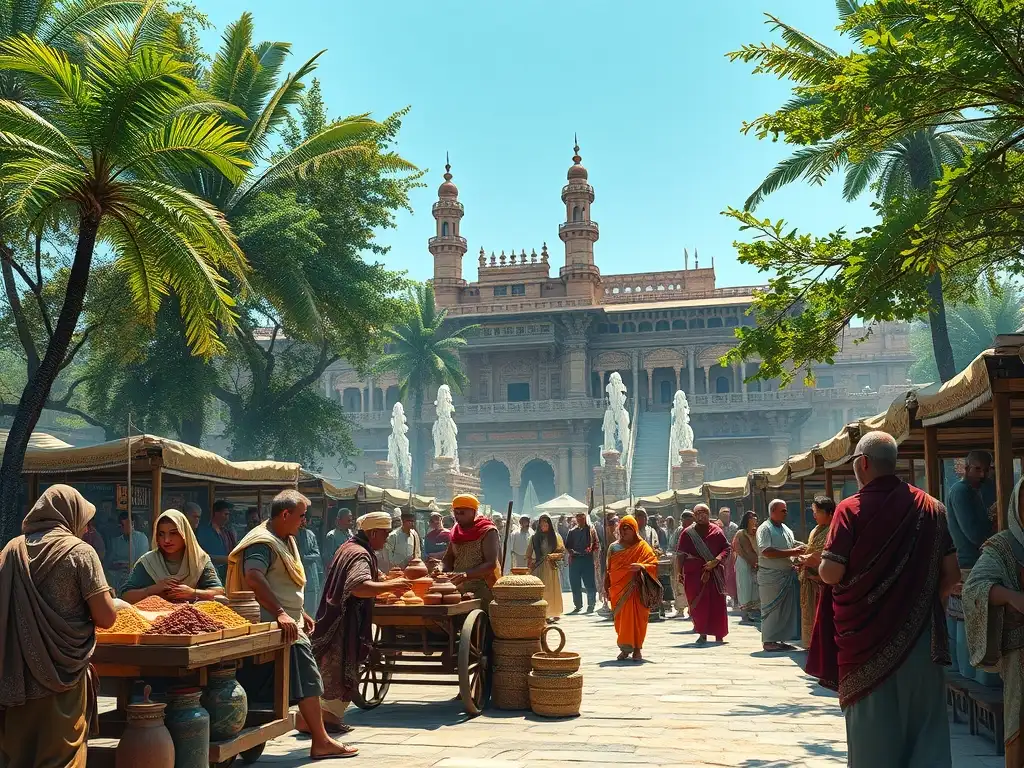
Welcome to Ancient India History, where we embark on a fascinating journey through the tapestry of time, exploring the rich and diverse history of ancient Indian civilizations. In this section, we delve into the Post-Mauryan regional powers history, uncovering the leadership dynamics and the emergence of influential figures during a pivotal era. Curious about how these regional powers shaped the course of Indian history after the Mauryan Empire? Join us as we unravel the stories of remarkable leaders and their legacies that continue to resonate through the ages. Your exploration awaits!
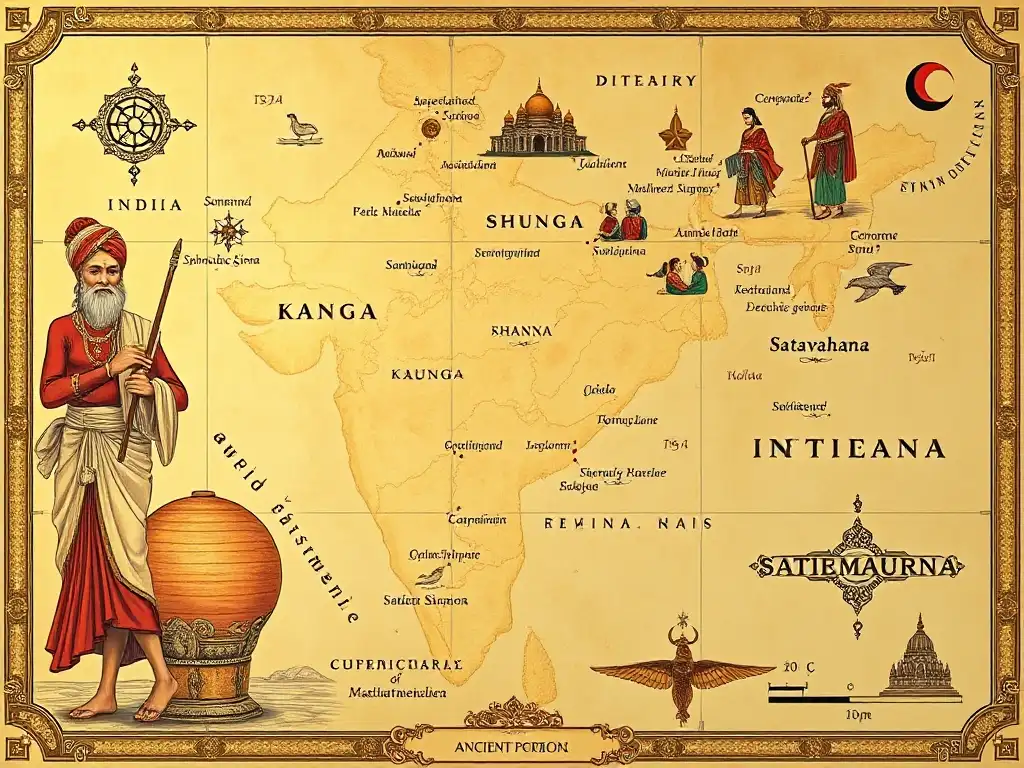
Introduction to Post-Mauryan Regional Powers History
The Post-Mauryan period marks a significant chapter in the history of ancient India, characterized by the emergence and consolidation of various regional powers that flourished after the decline of the Mauryan Empire. This era, spanning from approximately 185 BCE to 300 CE, saw the fragmentation of a once-unified political landscape into numerous kingdoms and republics, each contributing uniquely to the cultural, economic, and political fabric of the subcontinent.
Understanding the Post-Mauryan regional powers history is essential, as it not only illuminates the dynamics of regional leadership but also highlights the diverse socio-political structures that evolved in response to local needs and historical circumstances.
Overview of the Post-Mauryan Period
The Post-Mauryan period is often viewed as a transitional phase, where the remnants of Mauryan political influence gradually waned. This decline opened avenues for various regional powers, such as the Shungas, Kanvas, and Satavahanas, to rise and assert their dominance. These powers played a crucial role in shaping the socio-economic landscape and were instrumental in the spread of cultural and religious ideologies, including Buddhism and Brahmanism. The interplay of these regional entities led to a rich tapestry of interactions, trade, and cultural exchanges, laying the groundwork for future empires and dynasties.
Importance of Regional Powers in Ancient India
Regional powers during the Post-Mauryan period were pivotal for several reasons:
- Political Fragmentation: The emergence of these powers marked a shift from centralized rule to localized governance, allowing for more tailored administration and representation of diverse communities.
- Cultural Flourishing: With the rise of regional entities, there was a renaissance in art, literature, and architecture, as seen in the construction of stupas, temples, and the patronage of scholars.
- Economic Development: Regional powers stimulated trade and commerce through the establishment of trade routes, contributing to economic prosperity and the exchange of goods and ideas across the subcontinent.
Historical Context of the Post-Mauryan Era
To fully grasp the significance of the Post-Mauryan regional powers, it is essential to understand the historical context that led to their emergence.
Decline of the Mauryan Empire
The Mauryan Empire, once the largest and most powerful state in ancient India, began to experience significant decline towards the end of the 3rd century BCE. Factors contributing to this decline included:
- Weak Successors: The later Mauryan emperors, particularly Brihadratha, lacked the political acumen and military prowess of their predecessors, leading to instability.
- Administrative Challenges: The vastness of the empire made effective governance increasingly difficult, with local governors and officials often acting independently.
- Internal Strife: Factionalism and rivalry within the royal court weakened the central authority, making it vulnerable to external threats and internal rebellions.
Factors Leading to the Rise of Regional Powers
As the Mauryan Empire disintegrated, several factors facilitated the rise of regional powers:
- Political Vacuum: The collapse of centralized authority created a power vacuum, allowing local leaders to assert control over their territories.
- Cultural Identity: The desire for self-identity and local governance led various regions to establish their political entities, fostering a sense of regional pride and autonomy.
- Economic Opportunities: The disruption of trade routes and the need for local governance prompted the formation of new economic systems, further empowering regional leaders.
The Post-Mauryan period was a transformative era that saw the rise of regional powers, each contributing to the rich tapestry of ancient Indian history. The interplay of political, cultural, and economic factors played a crucial role in shaping this dynamic landscape. Understanding this era is vital for appreciating the complex development of regional leadership in ancient India.
Key Regional Powers in Post-Mauryan India
The Post-Mauryan period, spanning from approximately 200 BCE to 300 CE, witnessed the emergence of several influential regional powers in India, each contributing significantly to the political, cultural, and economic landscape of the subcontinent. These powers arose following the decline of the Mauryan Empire, filling the void left in various regions. Among the most notable are the Shunga, Kanva, and Satavahana dynasties, each with unique characteristics and leadership styles that shaped their respective regions.
The Shunga Dynasty
The Shunga Dynasty emerged around 185 BCE, following the decline of the Mauryan Empire. Established by Pushyamitra Shunga, a former military general of the Mauryas, this dynasty ruled over parts of northern India, primarily in the region of present-day Uttar Pradesh and Madhya Pradesh. The Shungas are notable for their patronage of Buddhism and the arts, significantly contributing to the cultural life of ancient India.
Under the Shunga rule, there was a revival of Brahmanical traditions and a notable resistance against foreign influences, particularly from the Greco-Bactrian kingdoms in the northwest. The period saw the construction of magnificent stupas, including those at Sanchi, which served as important centers for Buddhist teachings and practices. Additionally, the Shungas played a crucial role in the consolidation of regional power, often engaging in military campaigns to expand their territory and influence.
The Kanva Dynasty
Following the fall of the Shunga Dynasty around 75 BCE, the Kanva Dynasty rose to prominence. Founded by Vasudeva Kanva, the Kanvas ruled for a brief period, primarily over central India. This dynasty is often characterized by its administrative reforms and efforts to stabilize the region after the Shunga rule. Although not as culturally impactful as the Shungas, the Kanvas maintained the existing social and political structures, allowing for a relatively peaceful environment.
The Kanva rulers promoted trade and commerce, contributing to economic stability in their territories. Despite their short reign, they played a critical role in the transition of power in the region and laid the groundwork for the subsequent rise of the Satavahana Dynasty.
The Satavahana Dynasty
The Satavahana Dynasty, which flourished from approximately 230 BCE to 220 CE, is often considered one of the most significant post-Mauryan powers in southern and western India. The dynasty was founded by Simuka and is known for its extensive trade networks, which connected India with various regions, including the Mediterranean and Southeast Asia.
The Satavahanas were remarkable for their religious tolerance, supporting both Buddhism and Hinduism, and they are credited with fostering a rich cultural synthesis. The period saw advancements in literature, art, and architecture, with the famous rock-cut caves of Ajanta and Ellora emerging during this time. Moreover, the Satavahanas played a vital role in the integration of regional cultures, effectively bridging the gap between the northern and southern parts of India.
Leadership Styles of Post-Mauryan Regional Leaders
The leadership styles of the regional powers during the Post-Mauryan period reflected a blend of military prowess, administrative acumen, and cultural patronage. Each dynasty adopted distinct strategies to consolidate power and influence, shaped by their historical contexts and regional challenges.
Characteristics of Leadership in Regional Powers
Leaders of the Post-Mauryan regional powers exhibited several common characteristics that defined their rule:
- Military Strategy: Many leaders, such as Pushyamitra Shunga, emphasized military strength and strategic conquests to secure their territories and deter invasions from rival powers.
- Cultural Patronage: Leaders often positioned themselves as protectors of religion and culture, supporting art, literature, and religious institutions to strengthen their legitimacy and foster loyalty among their subjects.
- Administrative Reforms: Effective governance was a hallmark of these leaders, who implemented administrative reforms to enhance efficiency, maintain social order, and promote trade and agriculture.
- Diplomatic Engagement: Regional rulers frequently engaged in diplomacy, forging alliances through marriages and treaties to bolster their power and influence without resorting to warfare.
Comparison of Leadership Approaches Across Dynasties
The leadership approaches of the Shunga, Kanva, and Satavahana dynasties reveal both similarities and differences shaped by their unique circumstances:
| Aspect | Shunga Dynasty | Kanva Dynasty | Satavahana Dynasty |
|---|---|---|---|
| Military Focus | Aggressive expansion and defense | Stabilization after conflict | Trade-focused, with military backup |
| Cultural Influence | Strong patronage of Buddhism | Limited cultural contributions | Promotion of both Buddhism and Hinduism |
| Administration | Strong central authority | Continuation of existing structures | Progressive administrative reforms |
| Diplomacy | Engaged in regional politics | Focused on local stability | Active diplomatic relations for trade |
The Post-Mauryan regional powers exhibited a rich tapestry of leadership styles and strategies, reflecting their responses to the challenges of their time. Their contributions laid the foundation for the cultural and political landscape of ancient India, influencing subsequent empires and shaping the historical narrative of the subcontinent.
Cultural Contributions of Regional Powers
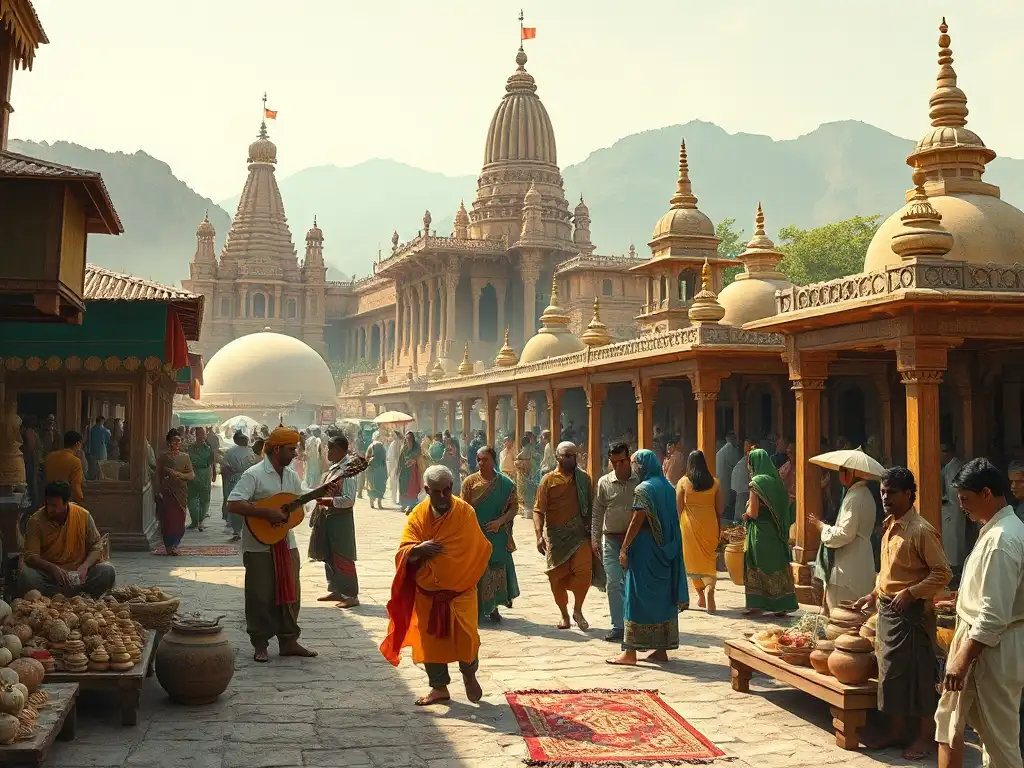
The Post-Mauryan period marked a significant transformation in the cultural landscape of ancient India. With the decline of the Mauryan Empire, numerous regional powers emerged, each contributing uniquely to the rich tapestry of Indian civilization. These regional powers, such as the Shungas, Satavahanas, and the Western Kshatrapas, played a crucial role in the preservation and evolution of cultural practices, arts, and philosophies.
One of the most notable contributions was in the fields of art and architecture. Regional rulers sponsored numerous projects that reflected both local traditions and influences from other cultures, particularly during the spread of Buddhism and Jainism. This period saw the emergence of intricate sculptures, stupas, and cave complexes, which not only served religious purposes but also became a canvas for local artisans to showcase their skills.
Literature and philosophy also flourished, with regional courts becoming hubs for intellectual discourse. The blending of local dialects and Sanskrit led to the creation of significant literary works that provided insights into the societal norms and values of the time. Additionally, philosophical schools continued to develop, laying the groundwork for future thought in India.
Art and Architecture in the Post-Mauryan Era
During the Post-Mauryan period, art and architecture experienced a renaissance driven by regional powers. The Shunga dynasty, for instance, is renowned for its contributions to the development of Buddhist art, particularly the creation of stupas and intricate carvings found at sites like Sanchi. These structures were characterized by their elaborate gateways adorned with scenes from the Jataka tales, which narrated the previous lives of the Buddha.
The Satavahanas also made significant strides in architecture, particularly in rock-cut caves such as those at Ajanta and Ellora. These caves are known for their stunning frescoes and sculptures that depict various religious themes, showcasing the integration of artistic techniques from both Indian and foreign influences. The use of natural caves for monastic purposes reflects the adaptability and innovation of these regional powers.
In addition to Buddhist art, the period saw the emergence of Hindu temple architecture, with increasing emphasis on intricate carvings and the use of local materials. Temples began to take on elaborate designs, setting the stage for the grand architectural achievements that would follow in later centuries.
Literature and Philosophy: A Flourishing Intellectual Scene
The Post-Mauryan period was a vibrant time for literature and philosophy, marked by a rich exchange of ideas among regional powers. The period saw the continuation of the epic narratives, with texts like the Mahabharata and Ramayana being further developed and adapted in various regional languages. This literary evolution not only reflected the local cultures but also helped in disseminating philosophical ideas across different strata of society.
Philosophical dialogue thrived, with various schools of thought gaining prominence. The rise of Buddhism and Jainism contributed significantly to this intellectual landscape, leading to the emergence of diverse philosophical discourses. Scholars such as Nagarjuna and Asanga made significant contributions to Buddhist philosophy, exploring concepts of emptiness and consciousness that would influence future generations.
Additionally, regional courts became centers of learning, attracting poets, playwrights, and philosophers. The patronage of literature by regional kings fostered a flourishing environment for creativity. The emergence of drama, with works that depicted social themes and moral dilemmas, highlighted the growing complexity of human experience during this epoch.
Political Dynamics Among Regional Powers
The political landscape of Post-Mauryan India was characterized by a complex interplay of regional powers, each vying for dominance and influence. The fragmentation of the Mauryan Empire led to the rise of multiple states, which engaged in both cooperation and competition to secure their interests. This dynamic established a rich tapestry of political interactions that shaped the course of Indian history during this period.
Interactions and Conflicts Between Regional States
As various regional powers emerged, interactions among them were frequent and varied. Many states engaged in trade, leading to cultural exchanges that enriched their societies. However, competition for territory and resources often resulted in conflicts. The Shunga and Satavahana dynasties, for example, frequently clashed over control of trade routes and fertile lands.
These conflicts were not solely characterized by military engagements; they also involved diplomatic negotiations and alliances. The changing political landscape necessitated that rulers be astute in their dealings, balancing aggression with diplomacy to maintain stability and power. The treaties and pacts formed during this time illustrate the intricate web of relationships that defined the regional politics of the era.
Alliances and Rivalries in Post-Mauryan India
Among the prominent features of political dynamics in the Post-Mauryan period were the alliances and rivalries that shaped the interactions of regional powers. Alliances often formed in response to common threats or to consolidate power against rival states. For instance, the Satavahanas and the Western Kshatrapas at times allied against mutual enemies, illustrating a pragmatic approach to governance and survival in a competitive environment.
Rivalries, on the other hand, were equally significant. The ongoing power struggles between various regional states not only influenced military strategies but also had profound cultural implications. Art and literature often reflected these rivalries, capturing the ethos of the time and the aspirations of the rulers. The eventual decline of certain powers can be traced back to their inability to navigate these complex alliances and rivalries effectively.
The Post-Mauryan period's political dynamics were characterized by a rich interplay of interactions, conflicts, alliances, and rivalries, all of which significantly shaped the development of regional powers in ancient India. This era laid the groundwork for future political structures and cultural exchanges that would define the subcontinent's history for centuries to come.
Conclusion: Legacy of Post-Mauryan Regional Powers
The Post-Mauryan period marked a significant transformation in the political landscape of ancient India. Following the decline of the Mauryan Empire, various regional powers emerged, each contributing to the rich tapestry of Indian history. These regional powers, such as the Shungas, Kanvas, and later the Satavahanas, played a pivotal role in shaping the cultural, political, and economic frameworks of their time. Their legacies continue to resonate in the historical consciousness of India, influencing subsequent dynasties and regional administrations.
Lasting Impact on Indian History
The emergence of regional powers during the Post-Mauryan period laid the groundwork for the decentralized political structures that would characterize India in the centuries to come. This shift from a vast, uniform empire to a collection of regional kingdoms allowed for diverse cultural expressions and local governance.
- Cultural Flourishing: The regional powers were instrumental in promoting local cultures, languages, and traditions. Art, literature, and religious practices flourished under their patronage, leading to the development of distinct regional identities.
- Economic Development: The trade networks established and expanded by these regional powers facilitated economic growth. Silk routes and maritime trade flourished, integrating various regions and enabling the exchange of goods, ideas, and technologies.
- Political Models: The governance models and administrative practices developed during this period influenced later dynasties. The concept of regional sovereignty became firmly entrenched, shaping the political narrative of India for centuries.
The impact of these regional powers is evident even in modern India, where local governance structures continue to reflect the historical precedent set during this vibrant period.
Reflection on the Importance of Regional Leadership
Regional leadership during the Post-Mauryan period was crucial not only for the immediate governance of territories but also for the long-term socio-political fabric of India. The diverse array of regional rulers demonstrated how localized leadership could effectively manage the complexities of governance in a vast subcontinent.
- Adaptation to Local Needs: Regional leaders often adapted governance strategies to suit the unique needs of their populations, allowing for more responsive and relevant administration compared to the centralized Mauryan approach. This localized governance fostered a sense of community and belonging among the people.
- Cultural Synthesis: The interactions between various regional powers facilitated a synthesis of cultures, religions, and philosophies. As different kingdoms engaged in trade and diplomacy, they exchanged ideas, which enriched the cultural heritage of India.
- Legacy of Leadership: The leadership styles and policies initiated during this period set precedents for future rulers. The emphasis on regional autonomy and the importance of local customs and practices continued to influence the governance of India, especially during the medieval and early modern periods.
The Post-Mauryan regional powers not only filled the political void left by the Mauryan Empire but also laid the foundation for a rich historical legacy that emphasized the importance of regionalism in Indian governance. Their contributions remain a testament to the dynamic and multifaceted nature of India's historical narrative.
- Introduction to Post-Mauryan Regional Powers History
- Historical Context of the Post-Mauryan Era
- Key Regional Powers in Post-Mauryan India
- Leadership Styles of Post-Mauryan Regional Leaders
- Cultural Contributions of Regional Powers
- Political Dynamics Among Regional Powers
- Conclusion: Legacy of Post-Mauryan Regional Powers
- What were the key features of the Post-Mauryan regional powers?
- Which regions were most influenced by Post-Mauryan regional powers?
- How did the Post-Mauryan regional powers contribute to Indian history?
- Who were some notable rulers of the Post-Mauryan period?
- What impact did the Post-Mauryan regional powers have on trade?
Frequently Asked Questions
What were the key features of the Post-Mauryan regional powers?
The Post-Mauryan regional powers were characterized by political fragmentation, local governance systems, and a diverse range of cultural developments that emerged after the decline of the Maurya Empire.
Which regions were most influenced by Post-Mauryan regional powers?
Significant regions included Magadha, Andhra, and the western regions, where various dynasties rose to power, influencing trade, culture, and politics during the post-Mauryan period.
How did the Post-Mauryan regional powers contribute to Indian history?
These powers played a crucial role in the cultural and political evolution of India, leading to advancements in art, architecture, and philosophy, and setting the stage for the future Gupta Empire.
Who were some notable rulers of the Post-Mauryan period?
Notable rulers included Simuka of the Satavahana dynasty, who established regional control, and Kharavela of Kalinga, known for his military conquests and patronage of culture.
What impact did the Post-Mauryan regional powers have on trade?
The Post-Mauryan regional powers facilitated robust trade networks, connecting various regions and promoting economic prosperity through the exchange of goods, ideas, and culture, which laid the foundation for future trade routes.
Final Reflection: The Enduring Legacy of Post-Mauryan Regional Powers
The rise of regional powers during the Post-Mauryan period is not merely a chapter in history; it is a profound testament to the resilience and adaptability of societies. As we navigate the complexities of our modern world, the dynamics of power, leadership, and regional influence remain as relevant as ever. The lessons learned from this era remind us that the emergence of new leaders often reshapes the cultural and political landscapes, echoing the ongoing struggles for identity and authority in contemporary times.
The Post-Mauryan regional powers have significantly influenced the cultural and social fabric of their respective regions, laying the groundwork for future civilizations. Their ability to adapt to challenges and assert their authority speaks volumes about the human spirit's capacity for innovation and resilience. As historian Romila Thapar aptly stated, The history of India is a history of regional identities, and the Post-Mauryan period exemplifies this diversity in leadership and governance.
This observation highlights the importance of understanding these regional powers, not just as historical entities, but as vital contributors to the rich tapestry of Indian heritage.
As we reflect on the lessons from the Post-Mauryan regional powers, let us consider how these historical narratives can inspire our own journeys. I invite you to explore your role in your community, to embrace leadership in its many forms, and to recognize the power of collaboration and diversity. Just as the regional powers of the past navigated their challenges, so too can we harness our unique strengths to foster growth and unity in our own spheres of influence. The echoes of history are not just reminders of what was; they are calls to action for what can be.
Unveil the Leaders of Tomorrow: Engage with Regional Powers!
Thank you for diving into the fascinating world of post-Mauryan leadership! You've explored how regional powers shaped Ancient India and paved the way for future dynamics. Now, it’s time to take that knowledge further and make a difference!
Here are some inspiring actions you can take:
- Connect with others: Join an online forum or local group focused on Ancient Indian history to discuss insights and share resources.
- Share your insights: Post your thoughts on social media or a personal blog about how regional leadership has influenced modern governance models.
- Explore deeper: Research the lesser-known leaders from this era, and consider visiting a nearby museum that features exhibits on Ancient India.
What leadership qualities do you think modern leaders could learn from the regional powers of Ancient India? Share your thoughts, and let’s spark a meaningful conversation!