
The Diplomat and Conqueror: The Life of Kanishka and His Influence on Buddhism

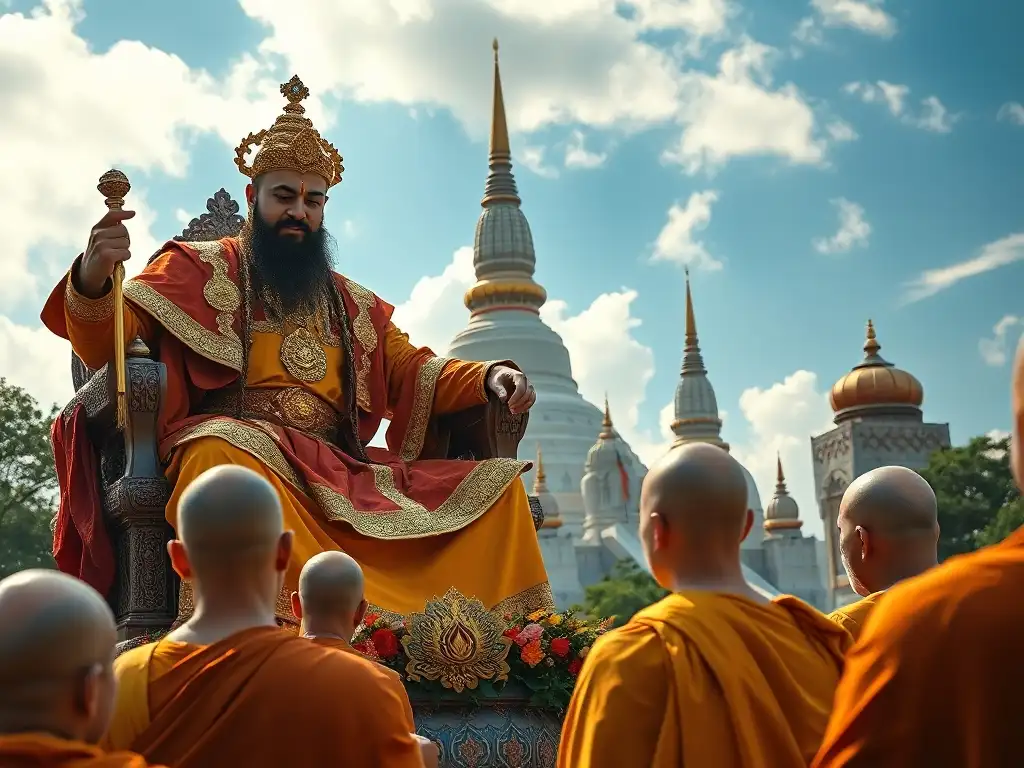
Welcome to Ancient India History, where we embark on a journey through time to uncover the rich tapestry of India's ancient civilizations. In this exploration, we delve into the life of Kanishka, a pivotal figure whose reign not only marked a significant chapter in Indian history but also left an indelible mark on Buddhism. Discover how this diplomat and conqueror shaped the spiritual landscape of his era, bridging cultures and fostering enlightenment.
As you read on, prepare to unearth the profound impacts of Kanishka’s legacy and how his contributions resonate through the ages. Join us as we unlock the secrets of the past!
Introduction to Kanishka's Influence on Buddhism
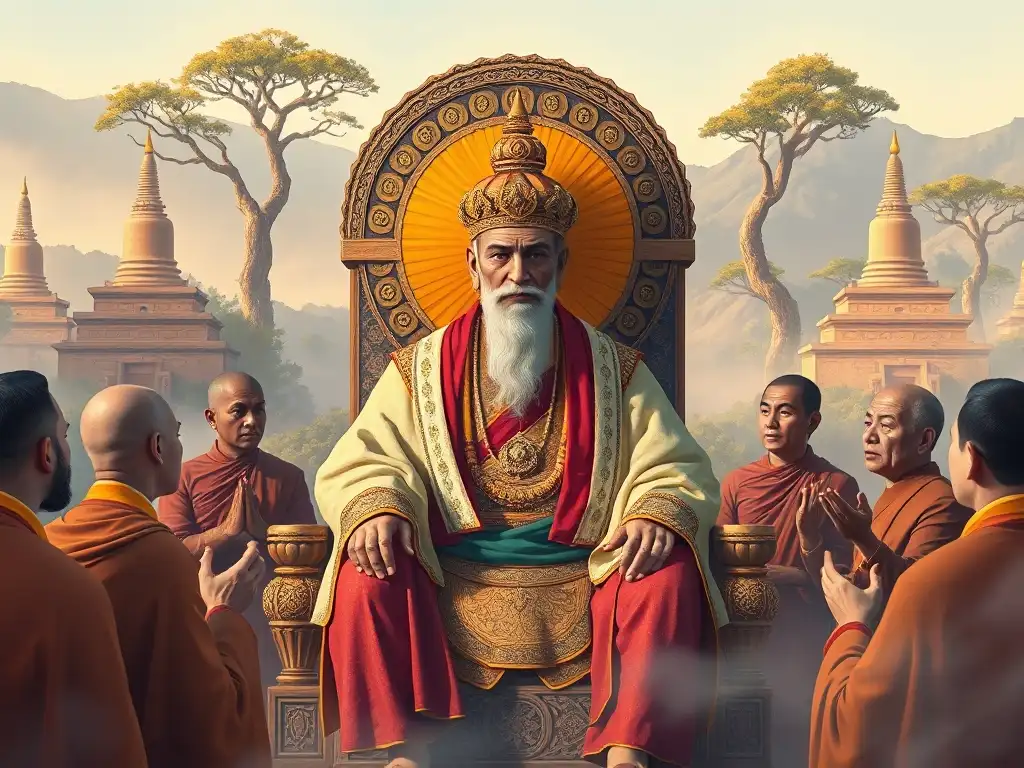
The history of ancient India is marked by an array of influential leaders whose legacies have shaped the cultural and religious landscape of the region. Among these figures, Kanishka stands out as a pivotal emperor whose reign not only expanded the boundaries of the Kushan Empire but also played a crucial role in the propagation and transformation of Buddhism. Known as "The Diplomat and Conqueror," Kanishka's policies and actions facilitated the rich exchange of ideas and practices that led to the flourishing of Buddhism, both within India and beyond.
His influence on Buddhism is particularly noteworthy as it exemplifies the interplay between political power and spiritual development during a time of great change. This article delves into the multifaceted life of Kanishka, exploring his reign, his early life, and the significant impact he had on the evolution of Buddhist thought and practice.
Brief Overview of Kanishka's Reign
Kanishka ascended to the throne around the 1st or 2nd century CE, marking an era characterized by military conquests and diplomatic endeavors that expanded the Kushan Empire across northern India and into Central Asia. His reign is often regarded as a golden period for the empire, where trade flourished, and cultural exchanges thrived.
Notably, Kanishka is often credited with convening the Fourth Buddhist Council in Kashmir, which sought to unify various Buddhist sects and standardize teachings during a time of doctrinal divergence. This council not only reinforced the teachings of the Buddha but also established a framework for the Mahayana movement, which would become one of the most significant branches of Buddhism.
Significance of Kanishka in Ancient India
Kanishka's significance extends beyond his military accomplishments; he is remembered as a patron of the arts and religion. His support for Buddhism led to the establishment of numerous stupas and monasteries, including the famed Kanishka Stupa in Peshawar, which became a major center for Buddhist learning. Furthermore, Kanishka's policies promoted religious tolerance, allowing for the coexistence of various faiths, which enriched the spiritual landscape of ancient India. His reign is often viewed as a crucial turning point that not only facilitated the spread of Buddhism but also influenced the cultural and philosophical dialogues of the time.
The Early Life of Kanishka
Historical Context of Kanishka's Birth
Kanishka was born into a tumultuous historical context where the Kushan Empire was consolidating its power over the region. The empire was a melting pot of cultures and religions, with influences from the Greco-Bactrian world, Persian traditions, and Indian civilizations. His early life was likely shaped by this dynamic environment, providing him with a unique perspective on governance and diplomacy. The blend of cultural influences during this period would later inform his policies and his approach to Buddhism.
Family and Background of Kanishka
Kanishka hailed from a royal lineage that traced its roots back to the Kushan dynasty. His family played a significant role in the establishment and expansion of the empire. The exact details of his family background remain somewhat obscure; however, it is believed that his upbringing was steeped in the ideals of leadership and conquest. This foundation would later manifest in his reign as he navigated the complexities of empire and faith, ultimately positioning himself as a central figure in the promotion of Buddhism and its teachings.
Kanishka's Ascendance to Power
Kanishka, one of the most renowned rulers of the Kushan Empire, rose to power during a transformative period in ancient Indian history. His ascendance is marked by a combination of military prowess, strategic alliances, and significant cultural exchanges. Kanishka's reign, generally placed in the 2nd century CE, coincided with the expansion of the Kushan Empire, which played a crucial role in connecting the East and West through trade and cultural interactions.
His rise was not merely a result of conquest but was also influenced by the socio-political landscape of the time, which saw various tribes and kingdoms vying for control over the lucrative trade routes that passed through the Indian subcontinent. Kanishka's ability to unify different factions under his rule was pivotal in establishing a stable and expansive empire.
The Rise of the Kushan Empire
The Kushan Empire emerged from the remnants of the Indo-Greek kingdoms and various local tribes in northern India and Central Asia. Under the leadership of Kanishka, the empire expanded significantly, encompassing regions that include present-day Afghanistan, Pakistan, and northern India. This expansion facilitated a flourishing trade network, particularly along the Silk Road, which not only brought wealth but also diverse cultural influences.
Kanishka's ascension was marked by military campaigns that solidified the empire's borders and established its dominance over rival kingdoms. His strategic use of cavalry and integration of different ethnic groups into the Kushan army enabled him to secure key territories. The Kushan Empire became a melting pot of cultures, which laid the groundwork for significant developments in art, religion, and trade during Kanishka's reign.
Key Events Leading to Kanishka's Rule
Several key events set the stage for Kanishka's rise to power. The decline of the Indo-Greek influence in the region created a power vacuum that the Kushans were able to exploit. Furthermore, the unification of various tribes under the Kushan banner provided a solid foundation for Kanishka's rule.
Notably, the death of his predecessor, Wima Kadphises, created an opportunity for Kanishka to ascend. His consolidation of power involved not just military success but also strategic marriages and alliances, which helped him gain the loyalty of influential local leaders. These alliances were crucial for maintaining stability within the diverse empire and facilitating Kanishka's subsequent pursuits in diplomacy and cultural patronage.
Kanishka as a Diplomat
Kanishka's reign was characterized not only by military achievements but also by his adeptness in diplomacy. He understood the importance of fostering relationships with neighboring kingdoms and cultures, which ultimately led to significant advancements in trade and cultural exchanges.
Kanishka's Diplomatic Strategies
Kanishka's diplomatic strategies were multifaceted, focusing on fostering alliances and promoting cultural integration. He utilized marriage alliances with powerful families in neighboring regions to secure peace and build political alliances. These marriages helped to solidify his position and facilitated smoother trade relations.
Additionally, Kanishka was known for his patronage of Buddhism, which served as a unifying force within his diverse empire. By promoting Buddhism, he not only aligned himself with a major spiritual tradition but also fostered goodwill among his subjects and neighboring regions where Buddhism was gaining traction. His support for Buddhist missionaries and scholars helped to spread the religion across Central Asia and into China, further enhancing the cultural and diplomatic ties of the Kushan Empire.
Relations with Neighboring Kingdoms and Cultures
Kanishka's diplomatic efforts extended beyond mere alliances; they involved active engagement with various cultures and kingdoms. His reign saw significant interactions with the Chinese, Persian, and Greco-Roman worlds, facilitated by the extensive trade routes that ran through his empire.
The flourishing of Buddhism under Kanishka is particularly notable in this context. He established relations with Buddhist communities in regions such as Gandhara, which became a crucial center for the dissemination of Buddhist teachings. Kanishka's support for the Fourth Buddhist Council in Kashmir, which aimed to standardize Buddhist texts and practices, further illustrates his commitment to fostering a cohesive cultural identity within his empire while enhancing his diplomatic stature among other Asian cultures.
Through these diplomatic strategies, Kanishka not only expanded his empire's influence but also played a pivotal role in shaping the cultural landscape of ancient Asia, facilitating the spread of Buddhism and the exchange of ideas and philosophies across borders.
The Spread of Buddhism under Kanishka
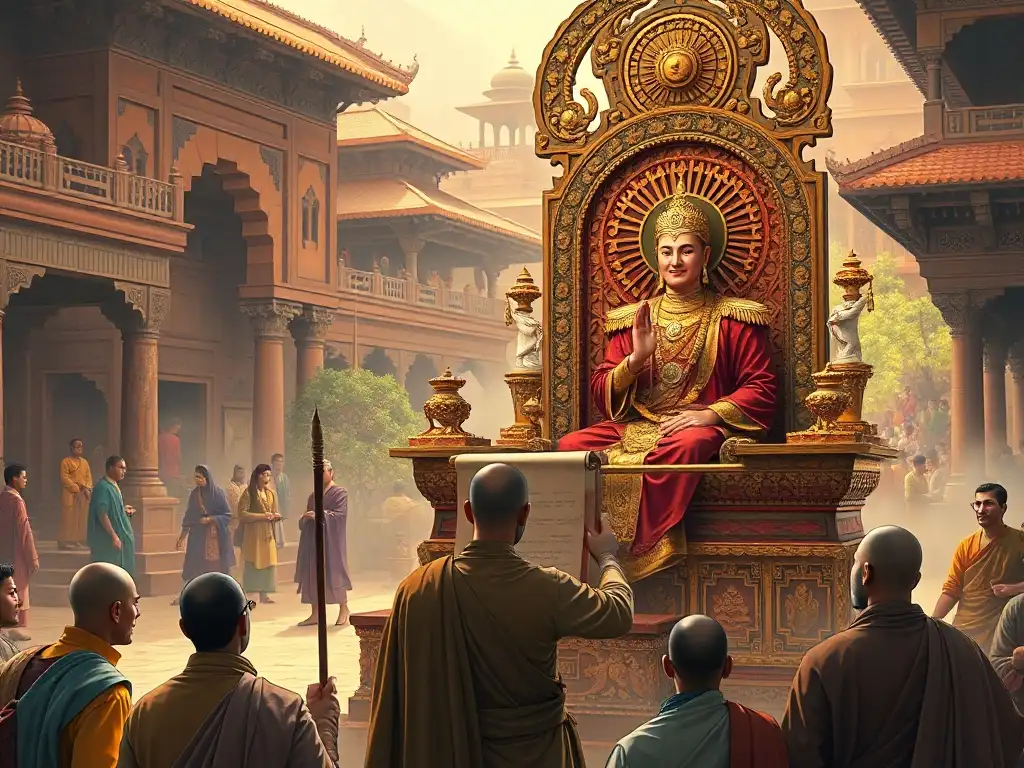
Kanishka the Great, who ruled the Kushan Empire from approximately 127 to 150 CE, played a pivotal role in the spread of Buddhism across Central Asia and beyond. His reign marked a significant transformation for the religion, as he became a staunch patron, facilitating its expansion through political, cultural, and economic channels. Under Kanishka's rule, Buddhism transcended the borders of India, reaching regions such as Central Asia, China, and even parts of the Mediterranean.
The extensive trade networks established during this period, particularly the Silk Road, served as conduits for religious exchange. Buddhist monks and missionaries traveled along these trade routes, spreading the teachings of Buddhism to new audiences. Kanishka’s endorsement of Buddhism provided the necessary legitimacy and support for these missionaries, allowing them to flourish in a culturally diverse environment. As a result, Buddhism began to adapt and integrate various regional influences, leading to the emergence of different schools and practices.
Kanishka's Role in Promoting Buddhism
Kanishka’s personal commitment to Buddhism was reflected in his active involvement in its promotion. He not only identified himself as a follower of the religion but also sought to elevate its status within his empire. His reign saw the construction of stupas and monasteries, which served as both religious and educational centers. One of the most notable contributions was the stupa at Peshawar, believed to house relics of the Buddha, which became a pilgrimage site drawing devotees from various regions.
Moreover, Kanishka convened the Fourth Buddhist Council in Kashmir, a landmark event in the history of Buddhism. This council aimed to clarify and unify Buddhist teachings, addressing the doctrinal disputes that had emerged. By facilitating these discussions, Kanishka not only reinforced the authority of Buddhism but also fostered a sense of community among its followers, which was crucial for the religion's cohesion and growth.
Establishment of Buddhist Councils during Kanishka's Reign
The Fourth Buddhist Council, convened under Kanishka's patronage, was significant for several reasons. It aimed to establish a standardized version of Buddhist teachings and texts, which was essential for the coherence of the religion as it expanded into new territories. Scholars and monastic leaders from various regions gathered to debate and finalize the doctrines that would guide Buddhist practice in the years to come.
This council did not just serve a doctrinal purpose; it also acted as a unifying force for the diverse Buddhist communities. The outcomes of the council were instrumental in promoting the Mahayana school of thought, which emphasized the role of the Bodhisattva and compassion. Kanishka's support for this council and its decisions helped to elevate the status of Buddhism, ensuring its principles were disseminated widely and understood consistently among its followers.
Kanishka's Influence on Buddhist Art and Culture
Kanishka's reign also heralded a flourishing of Buddhist art and culture, which became one of the hallmarks of his influence. His patronage extended to artists and craftsmen who created stunning representations of Buddhist themes and figures. The cultural exchanges facilitated by the Silk Road brought together various artistic traditions, leading to an innovative synthesis that defined Buddhist art during this period.
Artistic Developments in Gandhara
The Gandhara region, which encompassed parts of modern-day Pakistan and Afghanistan, became a focal point for Buddhist artistic expression during Kanishka's rule. The art of Gandhara is characterized by its unique blend of Hellenistic and Indian elements, which can be attributed to the influence of Greek culture following the conquests of Alexander the Great.
Sculptures from this period often depict the Buddha in human form, a significant shift from earlier aniconic representations. These sculptures were intricately detailed, showcasing elaborate drapery and expressive features that conveyed both divinity and humanity. This artistic innovation played a crucial role in making Buddhism more accessible to a wider audience, as the visual representation of the Buddha encouraged devotion and understanding.
Architectural Contributions to Buddhism
In addition to artistic developments, Kanishka's reign was marked by significant architectural contributions that shaped the landscape of Buddhism. He commissioned the construction of monumental stupas and monasteries, which served both as places of worship and as centers of learning. The most famous of these is the Kanishka Stupa in Peshawar, believed to be one of the largest stupas of its time.
These architectural feats not only facilitated the practice of Buddhism but also acted as symbols of Kanishka's devotion and authority. The structures often featured elaborate carvings and inscriptions that portrayed Buddhist teachings, making them vital for both the spiritual and educational pursuits of the community. Kanishka’s support for such architectural endeavors helped solidify Buddhism's presence in the region and left a lasting legacy that continues to be admired today.
Kanishka's Religious Policies
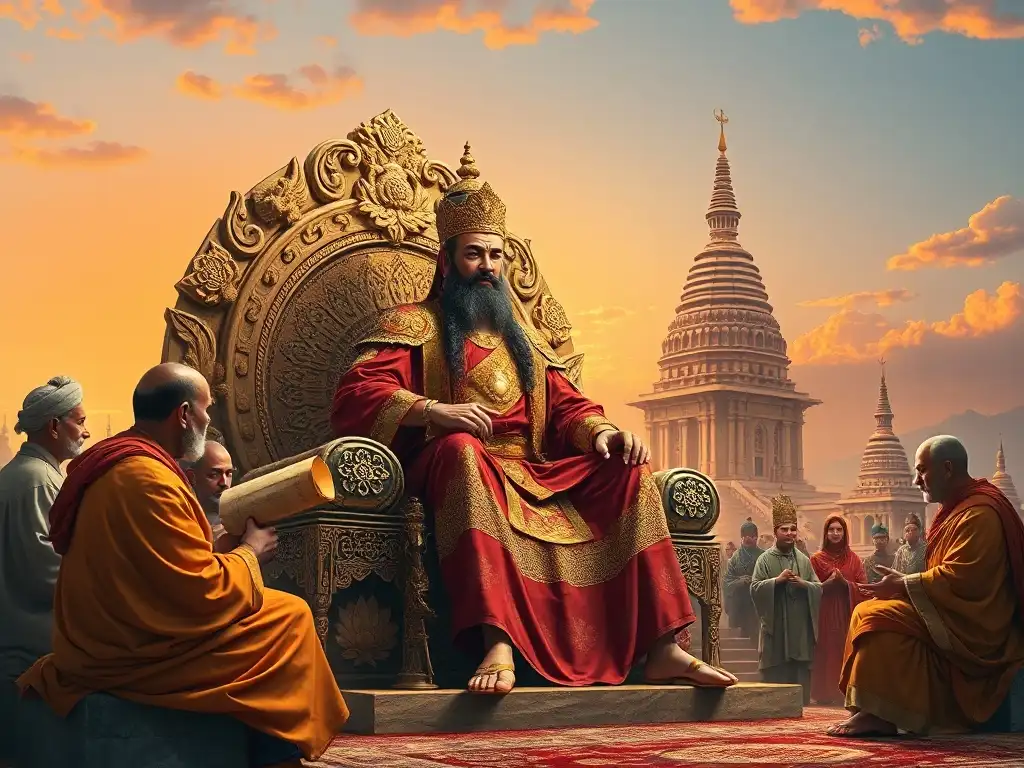
Kanishka, the emperor of the Kushan dynasty, is often celebrated for his far-reaching religious policies that significantly impacted Buddhism during the 2nd century CE. His reign marked a pivotal moment in the history of Buddhism, as he sought to unify various beliefs and promote cultural exchange across the vast territories under his control. Kanishka's approach was characterized by a remarkable blend of tolerance and patronage, which allowed Buddhism to flourish alongside other religions.
One of the key aspects of Kanishka's religious policies was his advocacy for syncretism—the blending of different religious traditions. He recognized the diverse belief systems present in his empire, including Hinduism, Zoroastrianism, and various local cults, and he promoted an atmosphere where these religions could coexist. This openness not only enriched Buddhism but also facilitated the exchange of ideas and practices among different faiths.
Kanishka's support for Buddhism was particularly evident in his patronage of Buddhist scholars and the construction of monasteries. He organized Buddhist councils, notably the Fourth Buddhist Council held in Kashmir, which aimed to consolidate Buddhist teachings and texts. These councils were instrumental in defining the Mahayana school of thought, which emphasized the role of the bodhisattva and the potential for all beings to attain enlightenment.
The Syncretism of Beliefs
The syncretism of beliefs during Kanishka's rule played a crucial role in shaping the development of Buddhism. Kanishka's empire encompassed a vast array of cultures and religions, including influences from the Greco-Roman world, Central Asia, and indigenous Indian traditions. This cultural mosaic allowed for the integration of various philosophical concepts, rituals, and artistic styles into the Buddhist framework.
One significant example of this syncretism can be seen in the art and iconography of the period. The Gandhara school of art, which emerged under Kanishka’s patronage, combined Greek artistic techniques with Buddhist themes. Statues of the Buddha from this region often feature Hellenistic elements, such as realistic human forms and elaborate drapery. This blending of styles not only enriched Buddhist aesthetics but also made the teachings of Buddhism more accessible to a broader audience.
Moreover, Kanishka's policies encouraged dialogue between different religious communities. The promotion of interfaith discussions helped to alleviate tensions and foster mutual respect among various sects, ultimately contributing to a more inclusive understanding of spirituality. This syncretic environment laid the groundwork for the evolution of Mahayana Buddhism, which embraced diverse practices and beliefs, thereby expanding its reach beyond India.
Support for Buddhist Monasteries and Scholars
Kanishka's contributions to the support of Buddhist monasteries and scholars were instrumental in the growth of Buddhism during his reign. His commitment to the establishment and maintenance of monastic institutions provided a stable foundation for the dissemination of Buddhist teachings. These monasteries became centers of learning, where monks engaged in the study of scriptures, philosophy, and meditation practices.
The emperor's patronage enabled the construction of magnificent stupas and monasteries, such as the famous Kanishka Stupa in Peshawar, which served as a significant pilgrimage site. These structures not only symbolized the grandeur of Buddhism but also acted as hubs for religious and cultural exchange. Scholars from various regions converged in these monastic centers, facilitating the translation of texts and the sharing of ideas.
Kanishka's support extended to renowned Buddhist scholars, who played a crucial role in shaping the doctrinal framework of Mahayana Buddhism. His encouragement of the Fourth Buddhist Council in Kashmir allowed for the formalization of Buddhist texts and teachings, ensuring their preservation for future generations. This intellectual flourishing under Kanishka's rule solidified Buddhism's position as a major religious and philosophical force in the region.
The Legacy of Kanishka's Influence on Buddhism
Kanishka's influence on Buddhism left an indelible mark that resonated far beyond his reign. His policies fostered a period of significant growth and transformation within the religion, shaping its trajectory for centuries to come. The syncretic nature of his rule and his patronage of Buddhist institutions laid the groundwork for the spread of Buddhism across Asia.
Long-term Impact on Buddhist Practices
The long-term impact of Kanishka's policies is evident in the evolution of Buddhist practices that emerged during and after his reign. His promotion of Mahayana Buddhism, characterized by the ideal of the bodhisattva, led to a more inclusive approach that attracted a diverse following. This shift not only transformed the religious landscape in India but also facilitated the spread of Buddhism to Central Asia, China, and beyond.
As a result of Kanishka's influence, many Buddhist practices, such as the veneration of relics and the establishment of elaborate rituals, became prominent. The emphasis on compassion and altruism, hallmarks of Mahayana philosophy, also gained traction, encouraging lay participation in religious life. These developments contributed to Buddhism's ability to adapt to various cultural contexts, ensuring its survival and resilience.
Kanishka's Influence on Later Buddhist Kings
Kanishka's legacy continued to inspire later Buddhist kings and rulers who sought to emulate his success in promoting the religion. Monarchs such as Ashoka, who ruled prior to Kanishka, and later rulers in the Indian subcontinent and beyond, drew upon Kanishka's model of religious tolerance and patronage. They recognized the value of Buddhism as a unifying force within their realms and adopted similar policies to support its growth.
Additionally, Kanishka's emphasis on the importance of Buddhist councils influenced subsequent leaders to convene similar gatherings to discuss and standardize Buddhist teachings. This tradition of council-building became a hallmark of Buddhist governance, ensuring that the religion remained dynamic and responsive to the needs of its followers.
Kanishka's influence on Buddhism was profound and multifaceted. His policies not only enhanced the religious landscape of his time but also set the stage for the enduring legacy of Buddhism across Asia, shaping its practices and principles for generations to come.
Conclusion
Kanishka's reign marked a transformative era in the history of ancient India, characterized by remarkable developments in culture, religion, and politics. As a ruler of the Kushan Empire, Kanishka not only expanded his territory through military conquests but also played a pivotal role as a patron of Buddhism. His support for the religion facilitated its spread across Asia, influencing various cultures and societies along the way. The establishment of the Fourth Buddhist Council during his rule is a testament to his commitment to the faith, aiming to unify and standardize Buddhist teachings.
In examining Kanishka's influence on Buddhism, it is clear that his diplomatic strategies and religious patronage significantly contributed to the religion's evolution. The fusion of Hellenistic and Indian artistic traditions in Buddhist art during his reign illustrates the cross-cultural exchanges that flourished under his rule. Kanishka's legacy is not merely one of conquest but of cultural synthesis and religious transformation that shaped the trajectory of Buddhism for centuries to come.
Kanishka's Enduring Influence on Buddhism and Beyond
Kanishka's enduring influence on Buddhism can be traced through various dimensions, including theology, art, and the establishment of trade routes. His support for the Mahayana school of Buddhism introduced new philosophical ideas, emphasizing compassion and the accessibility of enlightenment for all beings. This shift not only expanded the religious landscape of the time but also laid the groundwork for the later development of different Buddhist traditions.
The artistic patronage under Kanishka led to the creation of iconic sculptures and stupas that remain symbols of Buddhist heritage. The Gandhara school of art, which flourished during his reign, is renowned for its unique blend of Greek and Indian styles, evident in the representation of Buddha in human form, a significant departure from earlier aniconic representations. This artistic evolution helped to visually articulate Buddhist teachings and attract a wider audience.
Additionally, Kanishka's reign coincided with the flourishing of the Silk Road, which facilitated cultural and commercial exchanges between the East and West. By promoting trade, Kanishka not only enriched the economic landscape of his empire but also served as a conduit for the dissemination of Buddhist ideas and practices across vast distances, influencing regions as far as Central Asia and China.
Reflection on Kanishka's Role in Ancient Indian History
Reflecting on Kanishka's role in ancient Indian history, it becomes evident that he was a multifaceted leader whose impact transcended mere territorial expansion. His diplomatic acumen allowed him to navigate the complex political landscape of his time, fostering alliances and enhancing trade relations that benefited his empire.
Kanishka's contributions to Buddhism were transformative, positioning him as a pivotal figure in the religion's history. His efforts in organizing the Fourth Buddhist Council not only aimed to preserve the teachings but also to adapt them to the changing socio-political climate, ensuring their relevance for future generations.
Moreover, Kanishka's legacy is a reminder of the interconnectedness of culture, politics, and religion in ancient India. His reign exemplifies how a leader's vision can shape the spiritual and cultural fabric of a society, leaving a lasting imprint that endures through time. Thus, Kanishka stands not only as a conqueror but as a diplomat whose influence continues to resonate in the annals of history, particularly in the narrative of Buddhism's development.
- Introduction to Kanishka's Influence on Buddhism
- The Early Life of Kanishka
- Kanishka's Ascendance to Power
- Kanishka as a Diplomat
- The Spread of Buddhism under Kanishka
- Kanishka's Role in Promoting Buddhism
- Kanishka's Influence on Buddhist Art and Culture
- Kanishka's Religious Policies
- The Legacy of Kanishka's Influence on Buddhism
- Conclusion
- What was Kanishka's role in the spread of Buddhism?
- How did Kanishka influence Buddhist art and culture?
- What impact did Kanishka have on Buddhist texts and teachings?
- How did Kanishka's empire contribute to the interaction between different cultures?
- What legacy did Kanishka leave in the context of Buddhism?
Frequently Asked Questions
What was Kanishka's role in the spread of Buddhism?
Kanishka was a significant patron of Buddhism, promoting its teachings and practices across his empire, which helped in its widespread acceptance.
How did Kanishka influence Buddhist art and culture?
Under Kanishka's reign, there was a notable flourishing of Buddhist art, particularly in the form of sculptures and stupas, which depicted various scenes from the life of the Buddha.
What impact did Kanishka have on Buddhist texts and teachings?
Kanishka convened the Fourth Buddhist Council, which aimed to preserve and compile important Buddhist texts, ensuring their continuity and relevance.
How did Kanishka's empire contribute to the interaction between different cultures?
Kanishka's empire served as a cultural melting pot, allowing for the exchange of ideas between Buddhism and other religions, enriching the spiritual landscape of the region.
What legacy did Kanishka leave in the context of Buddhism?
Kanishka's reign is often seen as a turning point for Buddhism, as his support and reforms greatly influenced its development, leading to lasting changes in the religious landscape of Asia.
Final Reflection: The Enduring Legacy of Kanishka's Influence on Buddhism
In an era where cultural exchanges shape our world, Kanishka's influence on Buddhism remains profoundly relevant today. His reign marked a pivotal moment in the history of Buddhism, as he not only expanded its geographical reach but also enriched its philosophical depth. The synthesis of diverse beliefs during his time laid the groundwork for Buddhism to flourish across Asia, illustrating how a single ruler's vision can transform spiritual landscapes and resonate through centuries.
The impact of Kanishka's leadership continues to echo in our cultural and social fabric. His embrace of Buddhism as a state religion fostered an environment where art, philosophy, and spirituality could thrive together, creating a rich tapestry of shared human experience. As we look around us, we can see the fruits of this legacy in the ongoing dialogues between cultures and religions. The greatest gift of Kanishka was the realization that faith can unite diverse peoples under a shared banner of compassion and understanding.
As we reflect on Kanishka's remarkable journey, let us consider how we can embody his spirit of diplomacy and openness in our own lives. Take a moment to explore the teachings of Buddhism and how they can inform your interactions with others. Embrace the idea that, like Kanishka, we all have the power to influence our communities positively. By fostering understanding and compassion, we can contribute to a more harmonious world, ensuring that Kanishka's legacy continues to inspire future generations.
Embrace Kanishka's Legacy: Transform Your Perspective on Buddhism!
Thank you for joining us on this enlightening exploration of Kanishka’s profound impact on Buddhism! We hope you’ve uncovered valuable insights into how his leadership shaped a pivotal moment in history. Now, it’s time to carry forward that inspiration!
Here are a few impactful actions you can take today:
- Dive deeper into Kanishka’s story: Explore his reign and significant contributions to Buddhism by reading various historical texts and articles.
- Share your insights: Discuss Kanishka's influence with friends or on social media. Initiating conversations can help spread knowledge and insight!
- Connect with local Buddhist communities: Attend talks or seminars to discover how Kanishka’s legacy continues to inspire spiritual practices today.
What aspect of Kanishka’s influence on Buddhism resonates with you most, and how do you think it can shape modern spiritual journeys? Your thoughts could inspire others!