
The Impact of Raja Raja Chola I on Trade and Culture in Southeast Asia


Welcome to Ancient India History, where we embark on a journey through the rich tapestry of ancient Indian civilizations. Here, we explore the profound influence of key historical figures who shaped not only their homeland but also distant lands. Dive into our featured article on Raja Raja Chola I, a remarkable ruler whose impact on trade and culture in Southeast Asia remains a fascinating chapter of history. What legacy did he leave behind that continues to resonate today? Join us as we unveil the depths of his contributions and their enduring significance—your exploration starts here!
Introduction to Raja Raja Chola I Influence
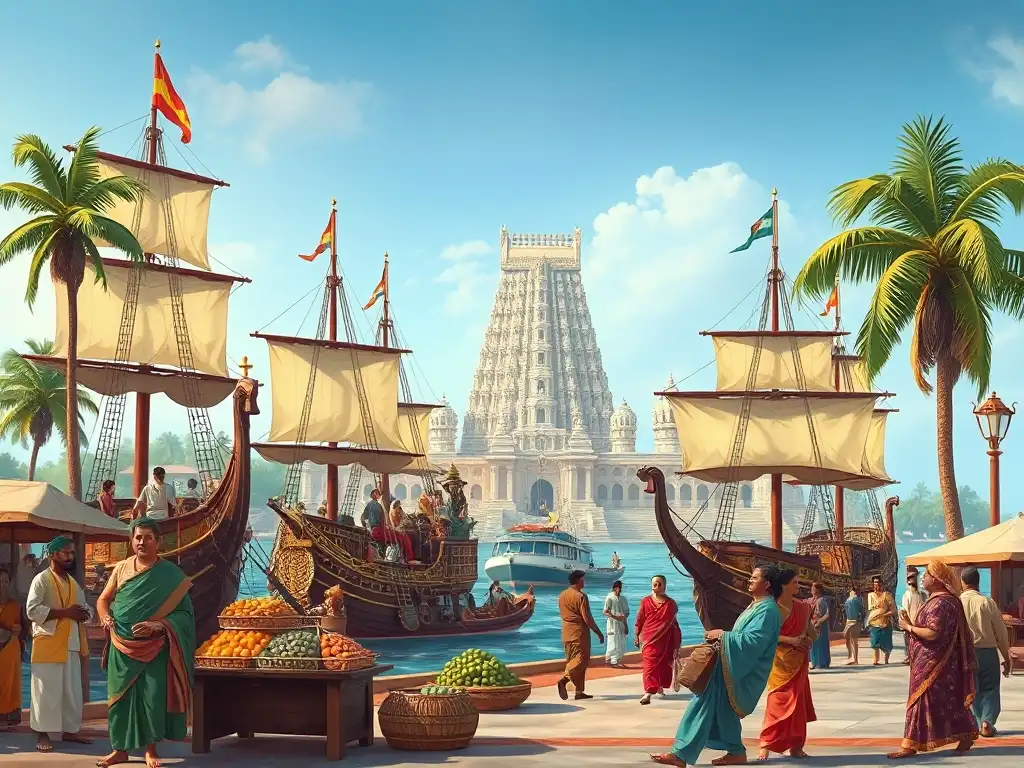
Raja Raja Chola I, one of the most illustrious rulers of the Chola dynasty in South India, played a pivotal role in shaping the historical landscape of Southeast Asia during the early medieval period. His reign, spanning from 985 to 1014 CE, marked a significant phase of expansion, cultural exchange, and economic prosperity.
Under his leadership, the Chola Empire not only exerted military dominance but also established robust trade networks that facilitated cultural diffusion across the Indian Ocean. This article delves into the multifaceted influence of Raja Raja Chola I on trade and culture in Southeast Asia, underscoring his contributions that resonate through history.
Brief Overview of Raja Raja Chola I
Raja Raja Chola I, also known as Rajendra Chola I’s father, is celebrated for his administrative prowess and military conquests. He was instrumental in transforming the Chola Empire into a formidable power, extending its territories beyond the Indian subcontinent. His initiatives included the construction of monumental temples, such as the Brihadeeswarar Temple at Thanjavur, which epitomized the architectural brilliance of the Chola period. Raja Raja Chola I’s reign was characterized by a flourishing economy, fostered by agriculture, trade, and tribute from conquered regions.
Significance of His Reign in Southeast Asia
The significance of Raja Raja Chola I’s reign extends far beyond the borders of India. His military expeditions, particularly to present-day Sri Lanka and parts of Southeast Asia, were not merely acts of conquest; they laid the groundwork for cultural and commercial exchanges that would thrive for centuries. The Chola Empire established itself as a dominant maritime power, and its influence is evident in the spread of Hinduism, architecture, and art forms across Southeast Asia. The cultural ties formed during this period continue to be a point of fascination for historians and scholars alike.
Historical Context of Trade in Southeast Asia
Trade Routes Established During the Chola Period
During the Chola period, Southeast Asia emerged as a crucial hub for maritime trade. Raja Raja Chola I actively promoted trade routes that connected the Indian subcontinent with the Malay Archipelago, China, and beyond. These routes facilitated the exchange of goods such as spices, textiles, and precious metals. The establishment of these trade networks not only enhanced economic prosperity but also led to cultural interactions that influenced local customs and traditions.
- Key Trade Routes:
- The route from the Tamil coast to the Straits of Malacca
- Connections to ports in Sumatra, Java, and Borneo
- Trade exchanges with Chinese and Arab merchants
Role of Maritime Trade in Ancient India
Maritime trade played an integral role in the economic landscape of ancient India, particularly during the Chola dynasty. The Chola rulers recognized the importance of sea trade and invested in naval power to protect their interests and enhance trade relations. The Thanjavur port served as a bustling center for commerce, drawing traders from various regions.
- Impact of Maritime Trade:
- Increased wealth and resources for the Chola Empire
- Cultural exchanges through interactions with foreign traders
- Spread of Indian art, religion, and cultural practices across Southeast Asia
Raja Raja Chola I’s influence on trade and culture is a testament to his visionary leadership and the enduring legacy of the Chola Empire in Southeast Asia. The interconnectedness established during his reign continues to shape the cultural and economic dynamics of the region today.
Raja Raja Chola I's Influence on Trade
Raja Raja Chola I, reigning from 985 to 1014 CE, was a pivotal figure in the expansion of trade and commerce in Southeast Asia. His reign marked a significant era in the Chola dynasty, characterized not only by military conquests but also by a robust engagement in trade that extended the Chola influence across the seas. This influence is evident in the flourishing trade networks that developed during his reign, establishing the Chola Empire as a key player in regional and international commerce.
Expansion of Trade Networks
Under Raja Raja Chola I, the Chola Empire saw the expansion of its trade networks beyond the Indian subcontinent. The Chola navy played a crucial role in safeguarding trade routes and ensuring the safe passage of merchants. This naval power allowed for increased maritime activity, connecting the Chola ports with regions such as Southeast Asia, China, and the Arabian Peninsula. As a result, ports like Nagapattinam became bustling trade hubs, facilitating the exchange of goods and ideas.
The strategic establishment of trading posts and colonies in Southeast Asia, such as in the present-day regions of Malaysia and Indonesia, significantly enhanced the reach of Chola trade. These expansions not only promoted economic prosperity but also fostered cultural interactions that would have lasting impacts on the regions involved.
Trade Relations with Southeast Asian Kingdoms
Raja Raja Chola I's reign was marked by strong diplomatic and trade relations with several Southeast Asian kingdoms, including Srivijaya and the Khmer Empire. The Cholas established formal ties through both trade and intermarriage, which helped to solidify their influence in the region.
This relationship was mutually beneficial; the Chola Empire obtained valuable resources such as spices, gold, and exotic woods, while Southeast Asian kingdoms gained access to textiles, metalwork, and other goods from India. The exchange of envoys and traders further facilitated these relations, leading to a vibrant network of commerce that enriched both cultures.
Key Commodities Traded Under Raja Raja Chola I
During Raja Raja Chola I's reign, a variety of commodities were traded that reflected the economic landscape of the time. Key exports from the Chola Empire included:
- Textiles: Renowned for their quality, Chola textiles were highly sought after in international markets.
- Spices: The empire traded in various spices, which were valuable for both culinary and medicinal purposes.
- Metals: Gold and silver were significant exports, showcasing the Chola's wealth and craftsmanship.
- Jewelry and Artifacts: Intricately designed jewelry and artifacts demonstrated the artistic prowess of the Chola artisans and were popular in Southeast Asia.
These commodities not only boosted the economy but also facilitated cultural exchanges, as goods became vehicles for ideas and traditions.
Cultural Exchange and Raja Raja Chola I
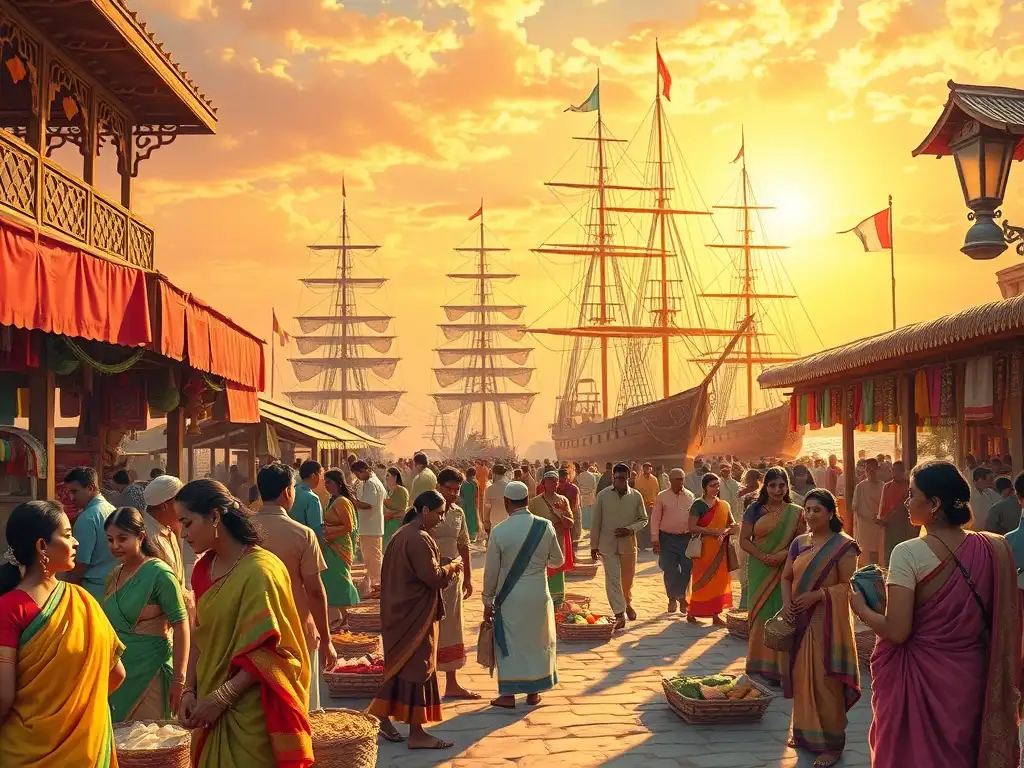
The reign of Raja Raja Chola I was not only significant for trade but also for cultural exchanges that occurred as a result of these interactions. The blending of Indian and Southeast Asian cultures led to a rich tapestry of artistic, religious, and literary developments.
Promotion of Art and Architecture
One of the most notable impacts of Raja Raja Chola I on culture was his patronage of art and architecture. He is credited with the construction of the magnificent Brihadeeswarar Temple in Thanjavur, a UNESCO World Heritage Site. This temple is an exemplary model of Dravidian architecture and served as a blueprint for later constructions in Southeast Asia.
The Chola influence extended to Southeast Asia, where Indian architectural styles were adopted and adapted. Temples in places like Indonesia and Cambodia exhibit features reminiscent of Chola architecture, indicating a cross-cultural exchange that enriched local traditions.
Influence on Religion and Spiritual Practices
Raja Raja Chola I also played a vital role in the spread of Hinduism and its practices throughout Southeast Asia. His reign was marked by the establishment of numerous temples and the promotion of Hindu rituals, which became integral to the local cultures.
The Chola's religious influence is evident in the adoption of Hindu deities and practices in Southeast Asian cultures. The integration of Indian religious customs with local beliefs led to the emergence of unique spiritual identities that fused elements from both traditions, enhancing the sociocultural landscape of the region.
Language and Literature Exchange
The cultural exchanges during Raja Raja Chola I's reign also extended to language and literature. The Tamil language, enriched by extensive literary works, became a medium through which ideas and stories traversed borders.
Southeast Asian kingdoms began to adopt Tamil inscriptions and literature, reflecting the depth of cultural interactions. This exchange not only facilitated trade but also led to the development of local literatures that drew inspiration from Tamil epics and poetry, creating a lasting legacy of literary collaboration.
Raja Raja Chola I’s influence on trade and culture in Southeast Asia was profound and multifaceted, establishing a legacy that would shape the region for centuries to come.
The Legacy of Raja Raja Chola I in Southeast Asia
Raja Raja Chola I, who reigned from 985 to 1014 CE, is celebrated not only for his military conquests but also for his monumental contributions to trade and culture, which significantly influenced Southeast Asia. His reign marked a golden era for the Chola dynasty, characterized by extensive maritime activities and cultural exchanges that created lasting ties between India and several Southeast Asian nations, including Indonesia, Malaysia, and Thailand. The establishment of trade routes and the proliferation of Hindu and Buddhist traditions paved the way for a rich cultural tapestry that continues to resonate in the region today.
Raja Raja Chola I's legacy can be seen through various aspects of Southeast Asian history, from the flourishing of trade networks to the adoption and adaptation of Indian cultural elements. The Chola influence is evident in the region's art, architecture, and even social structures, showcasing how a single ruler's vision can have a profound and enduring impact on distant lands.
Long-term Effects on Trade Practices
The trade practices initiated under Raja Raja Chola I laid the groundwork for robust economic networks between India and Southeast Asia. The Chola Empire established direct maritime routes, allowing for the exchange of goods like spices, textiles, and precious metals. This trade not only enriched the Chola dynasty but also integrated Southeast Asian economies into a larger commercial framework.
Key aspects of the long-term effects of these trade practices include:
- Increased Maritime Trade: The Chola navy played a crucial role in protecting trade routes, ensuring safe passage for merchants and traders. This led to a significant increase in the volume of trade across the Indian Ocean.
- Cultural Exchange: Alongside goods, ideas, and cultural practices were exchanged, leading to the establishment of a vibrant multicultural environment. Southeast Asian ports became melting pots of diverse cultures, languages, and traditions.
- Economic Growth: The influx of wealth from trade stimulated local economies in Southeast Asia, contributing to the rise of powerful kingdoms such as Srivijaya and Majapahit, which thrived on the foundations laid by Chola trade initiatives.
Cultural Integration and Its Impact on Local Traditions
Raja Raja Chola I's influence extended beyond economic factors; it played a pivotal role in cultural integration. The diffusion of Indian cultural elements into Southeast Asia resulted in significant changes to local traditions, religious practices, and social structures.
- Spread of Hinduism and Buddhism: Raja Raja Chola I promoted Hinduism, which became a dominant religion in many parts of Southeast Asia. Temples built during his reign served as cultural hubs, fostering the acceptance of Hindu and Buddhist philosophies.
- Adoption of Language and Literature: Sanskrit became a lingua franca in many regions, facilitating communication and the spread of literary works, which influenced local literature and education.
- Festivals and Rituals: The introduction of Indian festivals and rituals enriched local customs, leading to a unique blend of practices that still characterize many Southeast Asian cultures today.
The Enduring Influence of Chola Art and Architecture
The artistic and architectural innovations initiated during Raja Raja Chola I's reign have left a lasting imprint on Southeast Asian heritage. His patronage of arts led to a distinctive style characterized by intricate sculptures, monumental temples, and vibrant frescoes.
- Temple Architecture: The Brihadeeswarar Temple in Thanjavur, a UNESCO World Heritage Site, exemplifies Chola architectural grandeur. Such architectural styles influenced the construction of temples in Southeast Asia, notably in Cambodia and Indonesia.
- Sculptural Traditions: The Chola period is marked by the development of bronze sculptures, particularly the famous Nataraja, which have inspired local artisans and sculptors across Southeast Asia.
- Cultural Revival: The appreciation for Chola art forms has led to a contemporary revival in various Southeast Asian countries, where traditional crafts are celebrated and preserved.
Conclusion: The Enduring Impact of Raja Raja Chola I
Raja Raja Chola I's reign was a transformative period that reshaped the socio-economic and cultural landscapes of Southeast Asia. His initiatives fostered vibrant trade networks and cultural exchanges that laid a foundation for centuries of interaction between India and Southeast Asia.
Summary of His Contributions to Trade and Culture
The contributions of Raja Raja Chola I to trade and culture are manifold. He established extensive maritime trade routes that connected India with Southeast Asia, facilitating the exchange of not only goods but also ideas and cultural practices. His influence can be seen in the integration of Indian religions, languages, and artistic styles into local traditions, creating a rich cultural mosaic that continues to thrive today.
Reflection on His Historical Significance in Southeast Asia
Raja Raja Chola I stands as a pivotal figure in the history of Southeast Asia. His vision and leadership fostered an era of prosperity and cultural richness, making him a key historical figure whose legacy endures. The reverberations of his reign can still be felt today, as Southeast Asian nations celebrate their shared heritage and the profound impact of Chola influence on their cultures, trade practices, and artistic expressions. The study of his contributions not only enriches our understanding of ancient Indian history but also highlights the interconnectedness of civilizations throughout history.
- Introduction to Raja Raja Chola I Influence
- Historical Context of Trade in Southeast Asia
- Raja Raja Chola I's Influence on Trade
- Cultural Exchange and Raja Raja Chola I
- The Legacy of Raja Raja Chola I in Southeast Asia
- Conclusion: The Enduring Impact of Raja Raja Chola I
- What was the significance of Raja Raja Chola I in ancient Indian history?
- How did Raja Raja Chola I influence trade in Southeast Asia?
- What cultural contributions did Raja Raja Chola I make?
- In what ways did Raja Raja Chola I's reign affect Southeast Asian societies?
- How is Raja Raja Chola I remembered today?
Frequently Asked Questions
What was the significance of Raja Raja Chola I in ancient Indian history?
Raja Raja Chola I was a prominent king of the Chola dynasty, known for his military conquests and contributions to trade and culture in Southeast Asia during the 10th and 11th centuries.
How did Raja Raja Chola I influence trade in Southeast Asia?
His reign marked a period of expansion in maritime trade, establishing the Chola Empire as a dominant trading power that connected India with various Southeast Asian regions, enhancing cultural exchanges.
What cultural contributions did Raja Raja Chola I make?
Raja Raja Chola I is credited with promoting art, architecture, and literature, leading to the construction of magnificent temples and the flourishing of Tamil culture during his rule.
In what ways did Raja Raja Chola I's reign affect Southeast Asian societies?
His influence helped shape the political and cultural landscapes in Southeast Asia, as local kingdoms adopted aspects of Chola governance and Hindu traditions, promoting cultural syncretism.
How is Raja Raja Chola I remembered today?
He is celebrated as a key figure in Indian history for his innovative governance, military strategies, and significant contributions to the cultural development of both India and Southeast Asia.
Final Reflection: The Enduring Influence of Raja Raja Chola I
The legacy of Raja Raja Chola I continues to resonate profoundly in today's global landscape, illustrating how historical figures can shape cultural and economic paradigms across regions. The intricate trade networks and cultural exchanges established during his reign not only transformed Southeast Asia but also laid the groundwork for the interconnected world we inhabit today. As we navigate the complexities of globalization, the significance of Raja Raja Chola I's influence becomes increasingly evident, reminding us of the power of visionary leadership in fostering unity and prosperity.
The impact of Raja Raja Chola I on trade and culture is not merely a chapter in history; it is a living testament to the enduring connections forged through commerce and shared heritage. His reign exemplifies how cultural diffusion can enrich societies, creating a tapestry of shared values and practices that transcend borders. As historian K. A. Nilakanta Sastri aptly stated, The Chola Empire was a beacon of culture and trade, illuminating the paths of many civilizations.
This ongoing influence invites us to reflect on our own cultural identities and the ways in which they have been shaped by historical interactions.
As we contemplate the lessons from Raja Raja Chola I's era, let us embrace the spirit of collaboration and cultural exchange in our own lives. Consider how you can contribute to a world that values diversity and fosters connections across cultures. By recognizing the importance of our shared history and the influence of leaders like Raja Raja Chola I, we can inspire future generations to build bridges rather than walls, ensuring that the legacy of unity and prosperity endures for years to come.
Unveil the Legacy of Raja Raja Chola I!
Thank you for joining us on this journey through the rich history of **Raja Raja Chola I** and his profound influence on trade and culture in Southeast Asia. We hope this article has ignited your curiosity and deepened your appreciation for the interconnectedness of ancient civilizations.
Now, it's time to take action and explore the vibrant legacy left by this remarkable ruler. Here’s how you can dive deeper:
- Visit local museums or exhibitions showcasing artifacts from the Chola dynasty to experience firsthand the cultural exchange initiated during Raja Raja Chola I's reign.
- Share your insights about the significance of ancient trade routes with friends or on social media to promote a greater understanding of history’s enduring impact.
- Engage with our community! Leave a comment below about your favorite aspect of Raja Raja Chola I's achievements and any questions you may have.
What new perspectives on trade and culture can we uncover by examining the contributions of **Raja Raja Chola I** together?