
The Spiritual Dimensions of Leadership in Ancient Indian Society


Welcome to Ancient India History, where we invite you to embark on a fascinating journey through the rich tapestry of ancient Indian civilizations. In our featured article, "The Spiritual Dimensions of Leadership in Ancient Indian Society," we delve into the profound concept of spiritual leadership that shaped the ethos of societies from the Indus Valley to the Gupta Empire. Discover how revered figures not only guided their people through wisdom but also intertwined spirituality with governance, creating a legacy that resonates even today.
Are you ready to uncover the secrets of leadership that transcended mere power and touched the divine? Join us as we explore the pivotal role of spirituality in shaping the rulers and thinkers of ancient India!

Introduction to Spiritual Leadership in Ancient India
In ancient India, leadership was not merely about wielding power or authority; it was deeply intertwined with spirituality and ethical governance. Spiritual leadership in ancient India encompassed a holistic approach where leaders were seen as moral guides who inspired their subjects through personal example and spiritual wisdom.
This dimension of leadership transcended the mundane aspects of ruling and emphasized the importance of righteousness (Dharma), selflessness, and service to the community. The spiritual fabric of Indian society shaped leaders who were not only political figures but also custodians of cultural and spiritual values, thus establishing a profound legacy that resonates even today.
Definition of Spiritual Leadership
Spiritual leadership can be defined as a form of leadership that integrates spiritual principles into management and governance practices. It involves guiding individuals and communities towards a higher purpose, fostering inner peace and harmony, and promoting ethical behavior that aligns with universal values. In the context of ancient India, spiritual leadership was characterized by:
- Moral Integrity: Leaders embodying virtues such as truthfulness, compassion, and humility.
- Visionary Guidance: Providing direction that aligns with the spiritual and ethical aspirations of the society.
- Community Focus: Prioritizing the well-being of the community over personal gain.
Importance of Spiritual Leadership in Ancient Indian Context
The importance of spiritual leadership in ancient India cannot be overstated. It played a crucial role in:
- Cohesion of Society: Spiritual leaders helped maintain social harmony by addressing communal conflicts and promoting unity.
- Sustainable Governance: By adhering to ethical principles, leaders ensured that their actions benefited future generations.
- Cultural Preservation: Spiritual leadership facilitated the transmission of cultural values, traditions, and spirituality, which laid the groundwork for a rich heritage.
Historical Context of Leadership in Ancient India
To fully appreciate the spiritual dimensions of leadership in ancient India, it is essential to understand the historical landscape in which these leaders operated. Ancient Indian civilizations, including the Indus Valley, Maurya, and Gupta empires, provide a context in which spirituality and governance were intricately linked.
Overview of Ancient Indian Civilizations
Ancient India was home to several remarkable civilizations, each contributing uniquely to the development of leadership paradigms:
- Indus Valley Civilization (c. 3300–1300 BCE): Known for its advanced urban planning and social organization, the leaders in this era likely emphasized collective well-being and community welfare.
- Maurya Empire (c. 322–185 BCE): Under leaders like Ashoka, who embraced Buddhism, spiritual leadership flourished as he promoted non-violence and moral governance.
- Gupta Empire (c. 320–550 CE): This period is often referred to as the Golden Age of India, where spiritual and intellectual pursuits were highly valued, and leaders encouraged the flourishing of arts and sciences.
Role of Spirituality in Governance and Leadership
In ancient Indian governance, spirituality played a pivotal role in shaping leadership practices. Key aspects included:
- Adherence to Dharma: Leaders were expected to follow Dharma, which guided their decisions and actions, ensuring they acted in the best interest of their subjects.
- Consultation with Spiritual Guides: Many leaders sought wisdom from sages and spiritual teachers to inform their governance strategies.
- Integration of Rituals: Spiritual rituals and ceremonies were often part of governance, reinforcing the connection between the divine and political authority.
The spiritual dimensions of leadership in ancient India illustrate a profound understanding of governance that transcended the physical realm, emphasizing the importance of ethical and spiritual principles in creating a prosperous society. As we delve deeper into this topic, we will explore specific examples of spiritual leaders and their contributions to Indian history.
Key Characteristics of Spiritual Leadership in Ancient India
Spiritual leadership in ancient India was characterized by a profound connection to the spiritual and ethical dimensions of life. Leaders were not merely political figures but were seen as custodians of spiritual wisdom and moral integrity. This form of leadership emphasized the importance of inner transformation, compassion, and the pursuit of higher truths. Key characteristics of spiritual leadership included:
- Emphasis on Service: Leaders viewed their roles as a service to humanity, often prioritizing the well-being of their followers over personal gain.
- Holistic Approach: Spiritual leaders integrated physical, mental, and spiritual health into their leadership practices, promoting a balanced lifestyle for themselves and their communities.
- Interpersonal Relationships: Strong emphasis was placed on building deep, trusting relationships with followers, fostering a sense of community and collective purpose.
- Visionary Insight: These leaders possessed a far-sighted vision, often guided by spiritual principles, enabling them to inspire and mobilize people towards common goals.
Ethical and Moral Foundations
The ethical and moral foundations of spiritual leadership in ancient India were deeply rooted in the principles of Dharma, or righteousness. Leaders were expected to exemplify virtues such as truthfulness, integrity, non-violence, and compassion.
- Moral Exemplars: Leaders often served as moral exemplars, demonstrating ethical behavior in their personal and public lives, which was crucial for earning the trust and respect of their followers.
- Guidance from Scriptures: Spiritual texts like the Bhagavad Gita and the Vedas provided moral guidance, teaching leaders about the importance of duty and ethical conduct in governance and personal behavior.
- Accountability to Higher Principles: Leaders were held accountable not just to their followers but also to spiritual laws and cosmic principles, reinforcing the idea that their authority derived from a higher moral order.
Vision and Purpose in Leadership
In ancient India, spiritual leaders were often seen as visionaries who provided a clear purpose for their communities. Their insights into the nature of existence and the ultimate goals of life inspired individuals to strive for higher ideals.
- Purpose Beyond Material Gains: Spiritual leadership emphasized a purpose that transcended material success, focusing instead on spiritual growth and enlightenment.
- Inspiration for Collective Action: Leaders articulated a vision that united people, encouraging them to work towards common spiritual and societal objectives, thus fostering a sense of belonging and commitment.
- Encouragement of Self-Realization: By promoting the idea of self-realization, spiritual leaders guided their followers to discover their true potential and purpose in life, leading to empowered and motivated communities.
Influence of Dharma on Leaders
Dharma played a pivotal role in shaping the practices and decisions of spiritual leaders in ancient India. It served as both a guiding principle and a source of authority.
- Alignment with Cosmic Order: Leaders were expected to align their actions with Dharma, ensuring that their decisions contributed to the greater good and harmony of society.
- Moral and Ethical Decision-Making: The adherence to Dharma influenced leaders to make decisions that were ethical and just, reflecting the values of truth, duty, and righteousness.
- Social Responsibility: Spiritual leaders bore the responsibility of upholding Dharma not only in their personal lives but also in their leadership roles, influencing laws, policies, and societal norms.
Prominent Spiritual Leaders in Ancient India
Ancient India was home to numerous spiritual leaders whose contributions shaped the spiritual landscape of the society. These leaders were often revered not only for their wisdom but also for their ability to guide others towards higher consciousness and ethical living.
The Role of Rishis and Sages in Leadership
Rishis and sages held a significant place in the spiritual hierarchy of ancient India. They were not only spiritual teachers but also influential leaders who shaped societal values and norms.
- Spiritual Guides: Rishis served as spiritual guides, imparting wisdom through oral traditions and teachings, which helped in nurturing a spiritually aware society.
- Advisors to Rulers: Many sages acted as advisors to kings, providing counsel on governance, ethical conduct, and the importance of aligning with Dharma.
- Preservers of Knowledge: They played a crucial role in preserving and transmitting spiritual knowledge and practices, ensuring that spiritual insights continued to influence future generations.
Case Study: Mahatma Gandhi
Mahatma Gandhi, a prominent spiritual leader of the 20th century, is an exemplary figure in the context of spiritual leadership in India. His approach combined political activism with deep spiritual principles.
- Philosophy of Non-Violence: Gandhi's commitment to Ahimsa (non-violence) and Satyagraha (truth-force) demonstrated how spiritual principles could be applied to political struggles, influencing millions.
- Visionary Leadership: He articulated a vision of a free India that was rooted in ethical values and social justice, inspiring a collective movement for independence.
- Legacy of Service: Gandhi's life was a testament to selfless service, embodying the ideals of spiritual leadership through his dedication to the upliftment of society and the empowerment of the marginalized.
Contributions of Spiritual Leaders to Society
Spiritual leaders in ancient India made significant contributions that transcended the spiritual realm, impacting various aspects of society.
- Cultural Enrichment: They contributed to the richness of Indian culture through literature, philosophy, and the arts, fostering a deep spiritual and cultural heritage.
- Social Reform: Many spiritual leaders advocated for social reforms, challenging caste discrimination and promoting equality, thereby shaping a more just society.
- Educational Initiatives: Spiritual leaders established schools and institutions that emphasized not only academic learning but also moral and spiritual education, nurturing future generations of ethical leaders.
Through their profound influence, spiritual leaders in ancient India laid the groundwork for a society that valued integrity, ethical governance, and spiritual growth, showcasing the enduring legacy of spiritual leadership in shaping human civilization.
Spiritual Leadership Practices in Ancient Indian Society

Spiritual leadership in ancient India was deeply intertwined with the cultural, religious, and philosophical frameworks of the time. Leaders were often viewed not just as political figures but as spiritual guides who held a sacred duty to their people. The integration of spirituality into leadership practices emphasized moral values, ethical conduct, and a commitment to social welfare, which were crucial in shaping the governance of various ancient Indian kingdoms.
One of the key aspects of spiritual leadership was the belief in the concept of Dharma, or righteous duty. Leaders were expected to uphold Dharma, not only in their personal conduct but also in their administration. This spiritual underpinning provided a framework within which leaders made decisions that impacted their societies. The notion of Karma also influenced leadership practices, where actions taken by leaders were believed to have spiritual repercussions, thereby encouraging a sense of accountability and responsibility.
Moreover, spiritual leaders often engaged in practices that fostered a connection with the divine, such as meditation, yoga, and philosophical study. These practices not only enhanced their personal spiritual growth but also served to inspire and guide their followers. The result was a leadership style that was holistic, emphasizing the well-being of both the individual and the community.
Rituals and Ceremonies Supporting Leadership
Rituals and ceremonies played a significant role in reinforcing the spiritual dimensions of leadership in ancient India. These ceremonies were not merely symbolic; they were considered vital for legitimizing the authority of leaders and ensuring the prosperity of their reign.
For instance, the Rajasuya Yajna, a royal consecration ceremony in which a king was formally recognized and empowered, involved extensive rituals that invoked divine blessings. This ceremony was crucial in establishing the king's legitimacy and authority in the eyes of his subjects.
Additionally, leaders often participated in Homa (fire rituals) and Puja (worship) to seek blessings for their kingdoms. These rituals were believed to purify the leader and align them with divine will, thus ensuring that their leadership was both spiritually and morally grounded.
Such practices not only reinforced the leader's spiritual connection but also fostered a sense of unity among the populace, as communal participation in these rituals helped to strengthen social bonds and collective identity.
The Influence of Religion on Leadership Styles
Religion in ancient India significantly shaped the leadership styles of various rulers. Different religious philosophies, such as Hinduism, Buddhism, and Jainism, offered distinct frameworks that influenced how leaders governed and interacted with their subjects.
For Hindu kings, the divine right to rule was often justified through sacred texts and rituals, emphasizing that their authority was divinely ordained. This belief in divine support allowed leaders to adopt a paternalistic approach, wherein they were seen as protectors and benefactors of their people.
Conversely, Buddhist leaders, like Emperor Ashoka, adopted a more humanitarian approach to governance, emphasizing compassion and non-violence. Ashoka's conversion to Buddhism marked a significant shift in his leadership style, where he prioritized the welfare of his subjects and the promotion of Dharma over military conquest.
Jainism, with its strict adherence to non-violence and truth, also influenced leaders who sought to embody these principles in their administration, leading to a leadership style characterized by ethical governance and social responsibility.
The relationship between spirituality and authority in ancient India was complex and multifaceted. Spirituality provided the moral foundation upon which authority was built, and leaders were expected to embody spiritual principles in their governance.
This relationship was not one-sided; authority also influenced spirituality. Leaders often sought spiritual guidance from sages and gurus, integrating their teachings into their policies and decisions. This synergy between spirituality and authority helped to create a governance model that was both effective and ethically grounded, fostering a sense of trust and loyalty among the populace.
Spiritual Authority vs. Political Authority
In ancient Indian society, spiritual authority often held precedence over political authority. Spiritual leaders and sages wielded significant influence, and their endorsement was crucial for the legitimacy of political leaders. This dynamic is illustrated by the role of the Brahmins, who were not only custodians of sacred knowledge but also advisors to kings. Their counsel was sought in matters of governance, and their blessings were essential for the king's success.
While political authority was concerned with the practical aspects of governance, spiritual authority focused on moral and ethical dimensions. This duality ensured that leaders remained accountable to both their subjects and the divine, fostering a system where governance was seen as both a privilege and a responsibility.
The Impact of Spirituality on Decision Making
Spirituality profoundly impacted decision-making processes in ancient Indian leadership. Leaders often turned to spiritual philosophies and teachings when faced with dilemmas, seeking insight into the ethical implications of their choices.
For example, the principles of Ahimsa (non-violence) and Satyagraha (truth-force) influenced many leaders' decisions, prompting them to choose paths that upheld moral integrity even in challenging situations. The emphasis on collective welfare and Dharma guided leaders to prioritize decisions that benefited the broader community rather than individual interests.
Furthermore, leaders often engaged in spiritual practices such as meditation and prayer to gain clarity and insight, allowing for a deeper understanding of the consequences of their actions. This spiritual approach to decision-making not only fostered a sense of inner peace but also cultivated a strong moral compass that resonated with the values of ancient Indian society.
Lessons from Spiritual Leadership in Ancient India
Spiritual leadership in ancient India was fundamentally intertwined with the cultural, philosophical, and religious frameworks that defined society. Leaders were often seen as embodiments of divine virtues, guiding their people not just through authority but through moral and spiritual integrity. Key lessons from this era highlight the importance of selflessness, compassion, and wisdom in leadership.
- Self-Realization and Inner Strength: Ancient Indian texts, such as the Bhagavad Gita, emphasize the significance of self-awareness and inner strength. Leaders were expected to reflect on their actions and motives, fostering a sense of accountability and purpose. This lesson underscores the necessity for leaders to cultivate their inner selves to effectively guide others.
- Service to Others: The concept of Seva (selfless service) was prevalent among ancient leaders. They believed that true leadership involved serving the community and prioritizing the welfare of the people over personal gains. This principle is vital, as it fosters trust and loyalty among followers.
- Emphasis on Dharma: Ancient leaders adhered to the concept of Dharma, or moral duty, which guided their decision-making processes. This principle taught leaders to act ethically and justly, ensuring that their leadership was aligned with the greater good.
- Visionary Leadership: Leaders like Ashoka the Great exemplified visionary leadership by promoting peace, tolerance, and welfare across vast regions. His commitment to spreading Buddhist values reflects the importance of having a clear vision that transcends personal ambition.
Relevance of Ancient Practices in Modern Leadership
The principles of spiritual leadership from ancient India resonate strongly with modern leadership practices, offering valuable insights for contemporary leaders. In today’s fast-paced and often chaotic world, the teachings of spiritual leadership can help restore a sense of purpose and connection among teams.
- Mindfulness and Self-Reflection: Modern leaders can benefit from incorporating mindfulness practices that encourage self-reflection, enhancing their emotional intelligence and decision-making capabilities. This aligns with ancient teachings that stress the significance of knowing oneself before leading others.
- Ethical Leadership: The emphasis on Dharma in ancient India serves as a crucial reminder for contemporary leaders to prioritize ethical decision-making. In a time when businesses face scrutiny for their practices, leaders who embody integrity are more likely to inspire trust and loyalty.
- Community Engagement: The spirit of selfless service is more relevant than ever. Leaders who prioritize community engagement and social responsibility create a positive impact and foster a culture of collaboration and support.
Integrating Spirituality into Contemporary Leadership Models
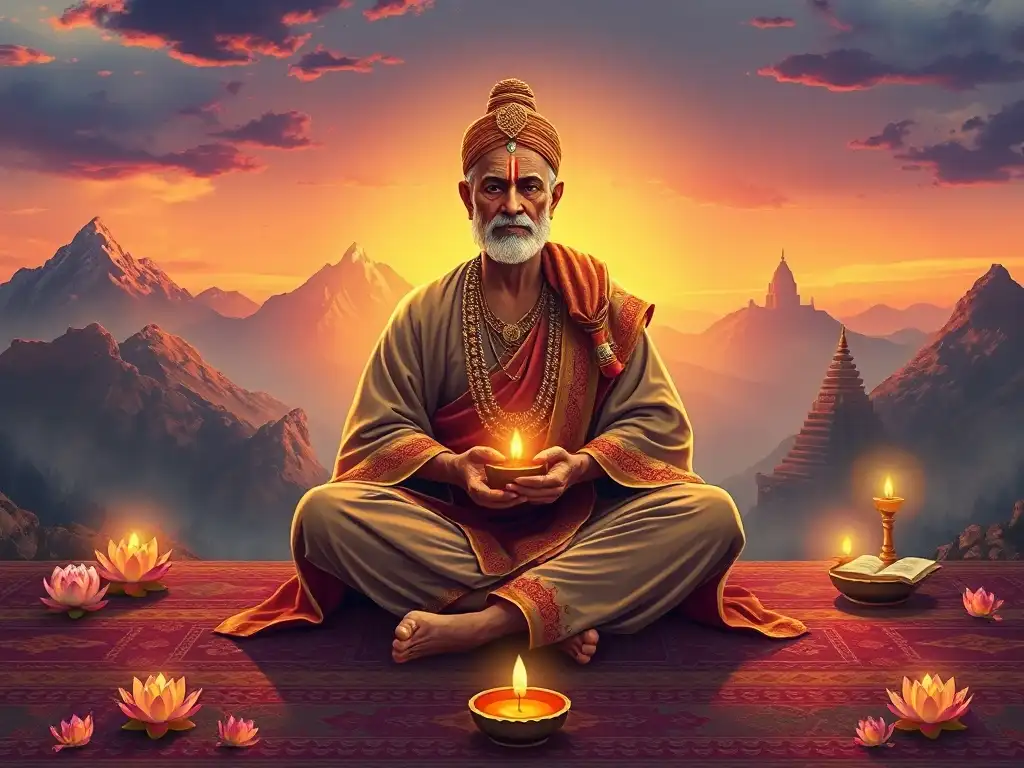
Integrating spirituality into modern leadership models involves adopting practices that promote holistic well-being and ethical governance. Several frameworks can facilitate this integration:
- Transformational Leadership: This model encourages leaders to inspire and motivate followers through a shared vision, aligning closely with the ancient Indian approach of visionary leadership. Leaders can draw upon spiritual principles to elevate their teams and foster an environment of growth and innovation.
- Servant Leadership: This approach directly reflects the ancient practice of Seva, emphasizing the importance of serving others. Leaders who adopt this model prioritize the needs of their team, promoting a culture of trust, collaboration, and empowerment.
- Mindful Leadership: By incorporating mindfulness techniques, leaders can enhance focus, resilience, and emotional regulation. This practice echoes the ancient emphasis on self-awareness, enabling leaders to remain grounded and present in challenging situations.
Conclusion: The Legacy of Spiritual Leadership in Ancient India
The legacy of spiritual leadership in ancient India continues to influence contemporary leadership practices, offering timeless wisdom that transcends cultural boundaries. As modern leaders seek to navigate complex challenges, the principles derived from ancient teachings remain relevant and applicable.
Summary of Key Insights
The key insights drawn from spiritual leadership in ancient India emphasize the importance of self-awareness, ethical governance, service, and visionary thinking. These principles not only shaped the leadership styles of historical figures but also provide a blueprint for effective leadership in today's world.
The Continued Influence of Ancient Spiritual Leadership Principles in Today's World
The influence of ancient spiritual leadership principles is evident in various sectors today, from corporate environments to community organizations. As leaders recognize the value of compassion, service, and ethical behavior, the teachings of ancient India serve as a guiding light, inspiring a new generation of leaders to embrace spirituality as an integral component of their leadership journey. By fostering a culture of empathy and ethical responsibility, they can create a more harmonious and productive society, echoing the timeless wisdom of their predecessors.
References
The concept of spiritual leadership in ancient India is deeply rooted in its philosophical and cultural traditions. To better understand this aspect of leadership, it is essential to explore a variety of sources that outline the characteristics, practices, and roles of spiritual leaders throughout history. The following sections provide insights into suggested readings and historical texts that elaborate on these themes.
Suggested Readings on Spiritual Leadership in Ancient India
-
"The Bhagavad Gita"
This seminal text presents a dialogue between Prince Arjuna and Lord Krishna, highlighting the principles of duty (dharma), selflessness, and moral leadership. It serves as a foundational text for understanding the spiritual dimensions of leadership in the context of conflict and ethical dilemmas.
-
"The Upanishads"
A collection of ancient philosophical texts, the Upanishads explore the nature of reality, the self, and the universe. They offer profound insights into the spiritual wisdom that leaders were expected to embody.
-
"The Arthashastra" by Kautilya
While primarily a treatise on statecraft and military strategy, Kautilya’s work discusses the importance of ethical governance and wise leadership, emphasizing the role of moral virtues.
-
"Ramayana" and "Mahabharata"
These epic narratives not only tell the stories of iconic leaders but also embody the spiritual and ethical dilemmas faced by them. They provide rich examples of how spiritual principles guided leaders’ decisions and actions.
-
"Leadership in Ancient India" by Ramesh Chandra Dutta
This work examines the characteristics and qualities of various leaders in ancient India, focusing on the interplay between spirituality and effective governance.
Historical Texts and Sources on Ancient Indian Leadership
-
"The Vedas"
As the oldest scriptures of Hinduism, the Vedas encapsulate rituals, hymns, and philosophies that inform the understanding of leadership and authority in ancient Indian society.
-
"The Puranas"
These texts contain mythological narratives that portray the lives and deeds of ancient kings and spiritual leaders, illustrating the virtues that were important for effective leadership.
-
"Ashoka’s Edicts"
The inscriptions of Emperor Ashoka provide insights into his policies, emphasizing dharma and moral leadership. They reflect his vision of governance rooted in spiritual values and non-violence.
-
"The Sutras"
Various Sutras, including those from Buddhism and Jainism, articulate important principles regarding ethical leadership, community welfare, and personal development.
-
Archaeological Findings
Inscriptions, coins, and artifacts from sites like the Indus Valley Civilization and Mauryan Empire offer tangible evidence of the governance models and spiritual beliefs that shaped leadership practices.
By delving into these readings and texts, readers can gain a comprehensive understanding of the spiritual dimensions of leadership in ancient India, enriching their appreciation of its historical context and cultural significance.
- Introduction to Spiritual Leadership in Ancient India
- Historical Context of Leadership in Ancient India
- Key Characteristics of Spiritual Leadership in Ancient India
- Prominent Spiritual Leaders in Ancient India
- Spiritual Leadership Practices in Ancient Indian Society
- The Relationship Between Spirituality and Authority
- Lessons from Spiritual Leadership in Ancient India
- Relevance of Ancient Practices in Modern Leadership
- Integrating Spirituality into Contemporary Leadership Models
- Conclusion: The Legacy of Spiritual Leadership in Ancient India
- References
- What was the role of spiritual leadership in ancient Indian society?
- How did religious texts influence leadership styles in ancient India?
- Who were some notable leaders recognized for their spiritual leadership in ancient India?
- What impact did spiritual leadership have on ancient Indian culture?
- How does understanding spiritual leadership in ancient India inform modern leadership practices?
Frequently Asked Questions
What was the role of spiritual leadership in ancient Indian society?
Spiritual leadership played a crucial role in guiding communities, emphasizing moral values, and fostering a sense of unity among people.
How did religious texts influence leadership styles in ancient India?
Religious texts, such as the Vedas and the Upanishads, provided guidelines for ethical governance and the qualities expected of a leader, integrating spiritual principles into leadership.
Who were some notable leaders recognized for their spiritual leadership in ancient India?
Figures like Ashoka the Great and various Buddhist and Hindu sages exemplified spiritual leadership, promoting peace, compassion, and ethical governance.
What impact did spiritual leadership have on ancient Indian culture?
Spiritual leadership significantly shaped ancient Indian culture by fostering art, literature, and philosophy, all of which were deeply intertwined with spiritual values.
How does understanding spiritual leadership in ancient India inform modern leadership practices?
Studying spiritual leadership in ancient India can provide insights into integrating moral values and ethical decision-making in contemporary leadership, encouraging a more holistic approach.
Final Reflection: The Enduring Legacy of Spiritual Leadership in Ancient India
The exploration of spiritual leadership in ancient India reveals profound insights that resonate deeply in today's world. As we navigate the complexities of modern leadership, the principles derived from ancient Indian philosophies remind us that leadership is not merely about authority or power; it is about serving others with integrity, compassion, and a sense of higher purpose. The wisdom of leaders like Ashoka and the teachings of the Bhagavad Gita continue to inspire us to lead with a vision that transcends material success.
Cultural and social landscapes have been significantly shaped by the spiritual dimensions of leadership that emerged in ancient India. The emphasis on dharma, or righteous duty, has fostered a sense of responsibility among leaders, encouraging them to prioritize the well-being of their communities. As we witness a resurgence of interest in ethical leadership today, it is essential to remember that "the greatest leader is not necessarily the one who does the greatest things.
He is the one that gets the people to do the greatest things." > (Ronald Reagan). This quote encapsulates the essence of spiritual leadership, highlighting the importance of empowering others to achieve collective goals.
As we reflect on the lessons of spiritual leadership from ancient India, let us commit to embodying these principles in our own lives. Consider how you can integrate compassion, integrity, and a sense of purpose into your leadership style, whether in your personal or professional endeavors. By doing so, you not only honor the rich legacy of spiritual leadership in ancient India but also contribute to a more harmonious and enlightened society. Embrace the call to lead with heart and wisdom, and watch as your influence inspires others to do the same.
Embrace the Wisdom of Ancient Leadership!
Thank you for diving into the rich spiritual dimensions of leadership in ancient Indian society! Your curiosity has brought you closer to understanding how these timeless principles can illuminate our modern world. Now, it’s time to take that knowledge and transform it into action.
- Reflect on your own leadership style: Identify a spiritual principle from ancient Indian leaders that resonates with you and practice it in your daily life.
- Engage with our community: Share your insights or experiences in the comments section below and connect with others who are exploring similar paths.
- Explore further: Check out our recommended reading list to deepen your understanding of spiritual leadership and its contemporary applications.
What spiritual lesson have you discovered that you believe can inspire today's leaders? Let’s inspire one another!