
Mahapadma Nanda: The Rise and Fall of a Controversial Emperor

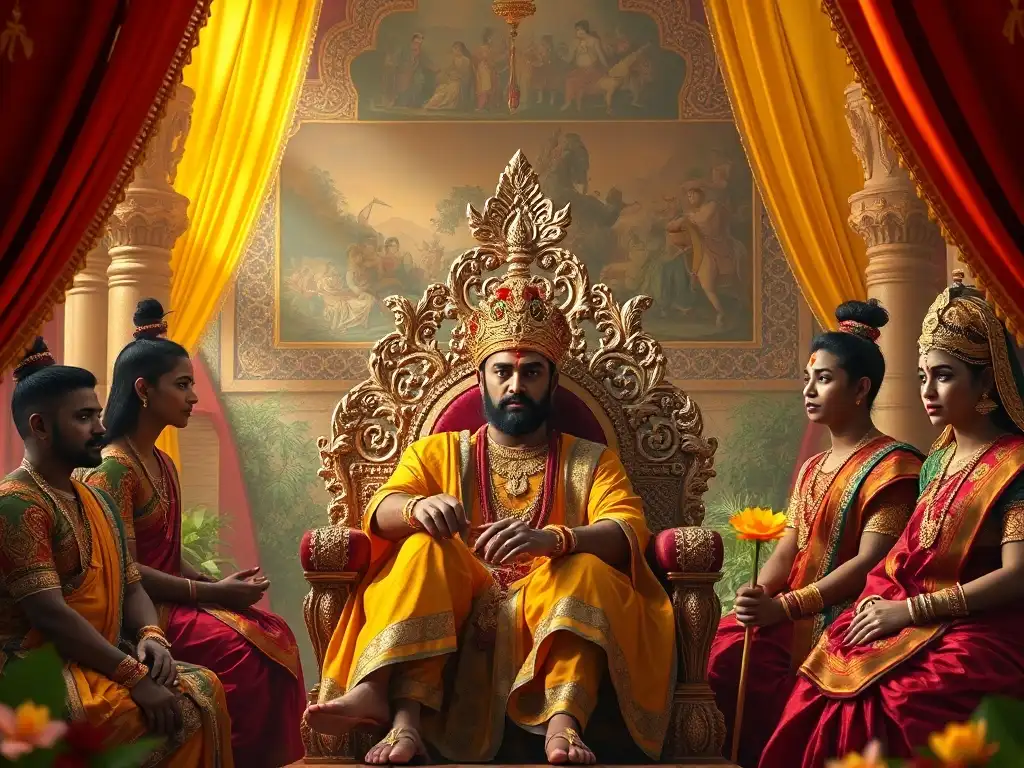
Welcome to Ancient India History, where we delve deep into the rich tapestry of India’s past. In our featured article, “Mahapadma Nanda: The Rise and Fall of a Controversial Emperor,” we unravel the enigmatic life and legacy of the Mahapadma Nanda dynasty. Who was this formidable ruler, and what were the forces that shaped his reign?
As you explore the intricate details of his story, prepare to discover not only the triumphs and trials of an emperor but also the profound impact of his dynasty on ancient Indian civilization. Join us on this captivating journey through time and uncover the secrets that history has to offer!
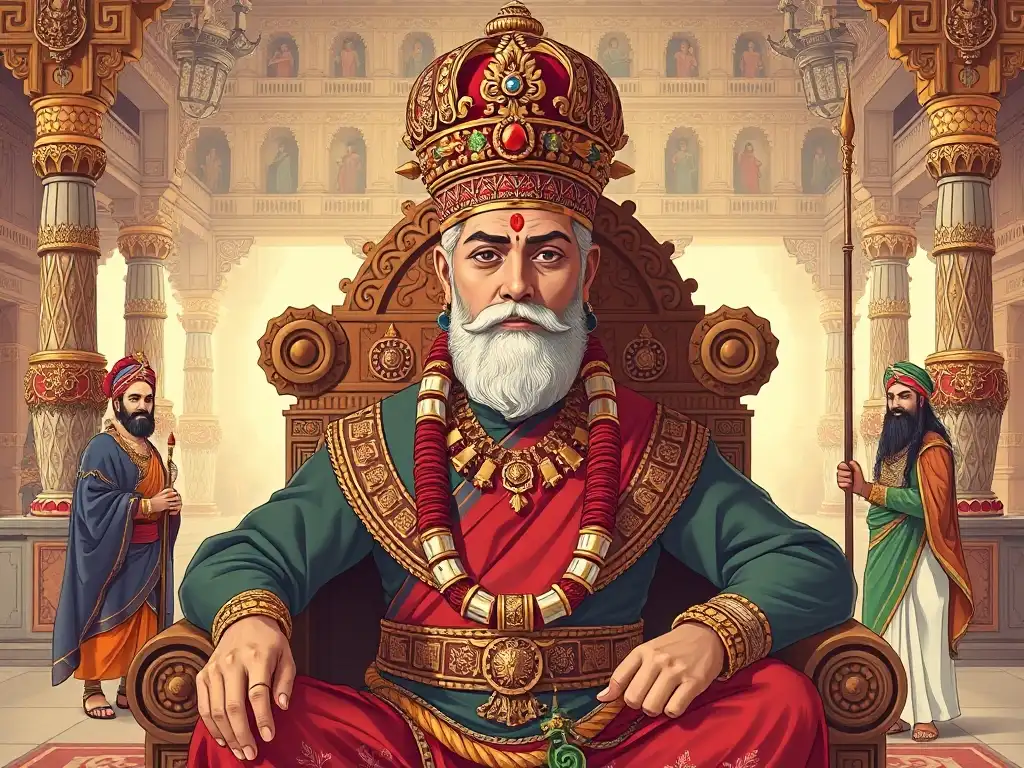
Introduction to Mahapadma Nanda Dynasty History
The Mahapadma Nanda dynasty, often regarded as one of the most enigmatic and controversial empires in ancient Indian history, offers a fascinating glimpse into the complexities of power, governance, and societal change during its time. Emerging in the 4th century BCE, this dynasty played a pivotal role in shaping the political landscape of northern India. Mahapadma Nanda, the dynasty's founder, is a figure shrouded in both admiration and disdain, known for his ambitious policies and sweeping reforms.
The Mahapadma Nanda dynasty history not only highlights the emperor’s rise to power but also provides insight into the socio-political dynamics and cultural advancements that characterized this period. As we delve deeper into the life of Mahapadma Nanda, we will uncover the factors that contributed to his reign's significance and the eventual decline of his dynasty.
Overview of the Nanda Dynasty
The Nanda dynasty marked a significant shift in the governance of ancient India, transitioning from the previous Kshatriya rulers to a new era of administrative innovation and economic growth. The dynasty is believed to have been founded by Mahapadma Nanda, who rose from humble beginnings to establish a vast and powerful empire.
- Time Period: The Nanda dynasty flourished approximately from the 4th to the 3rd century BCE.
- Territorial Extent: At its zenith, the empire extended over large parts of northern India, including present-day Bihar, Bengal, and Uttar Pradesh.
- Key Contributions:
- Introduced a centralized administration.
- Promoted trade and agricultural development.
- Established a standing army, enhancing military capabilities.
The Nandas are often noted for their wealth, which was reportedly derived from extensive taxation and control over trade routes. This wealth played a crucial role in their military campaigns and in the establishment of their influence.
Significance in Ancient Indian History
The significance of the Nanda dynasty in ancient Indian history is multifaceted. It set the stage for subsequent empires, particularly the Maurya Empire, which arose shortly after the Nandas' decline. The Nandas’ policies and methods of governance influenced the political structures of later leaders.
- Economic Policies: The emphasis on agriculture and trade led to economic prosperity, making the Nanda territory a thriving center of commerce.
- Cultural Developments: Alongside political reforms, the Nandas are credited with fostering a cultural renaissance that included advancements in art, literature, and science.
- Historical Legacy: The dynasty's controversial nature, marked by both tyrannical rule and progressive policies, provides a rich field for historical debate and analysis.
Early Life of Mahapadma Nanda
Birth and Background
Mahapadma Nanda's origins are steeped in legend and historical ambiguity, with various accounts detailing his birth and lineage. Some sources suggest he was born into a lowly family, possibly of a Shudra background, which would have made his ascent to power particularly remarkable. His early life experiences shaped his worldview and approach to leadership.
- Birthplace: Traditionally believed to be in the region of modern-day Bihar.
- Parentage: While his father’s identity remains contested, some narratives suggest that he was the son of a Mason or a Nanda clan member.
- Childhood: Growing up in a society where class distinctions were pronounced, Mahapadma's experiences likely instilled in him a desire to challenge the status quo.
Influences on Mahapadma's Early Development
Several key influences shaped Mahapadma Nanda during his formative years, contributing to his future ambitions and ideologies.
- Socio-Political Landscape: The fragmented nature of Indian states at the time and the decline of the Kshatriya rulers likely inspired his vision of a unified empire.
- Education and Mentorship: Although specific details about his education are scarce, it is believed that Mahapadma received training in administration, military tactics, and philosophy, which would later inform his leadership style.
- Cultural Exposure: The diverse cultures and traditions of the time, including the influence of nearby kingdoms, may have exposed him to different governance models and societal structures, which he would adopt and adapt.
The early life and background of Mahapadma Nanda provide essential context for understanding his rise to power and the subsequent impact of the Nanda dynasty on ancient Indian history. As we explore further, we will examine the policies and achievements that defined his reign and the eventual challenges that led to the dynasty's decline.
The Rise to Power
Mahapadma Nanda's ascent to power is a pivotal moment in ancient Indian history, marking the beginning of the Nanda Dynasty. His rise is often characterized by a combination of strategic marriages, military prowess, and the exploitation of political instability in the region. Born into a humble lineage, Mahapadma's ambition and vision set him apart from his contemporaries.
Consolidation of Power in Magadha
Magadha, located in present-day Bihar, was a region rife with political turmoil and fragmentation before Mahapadma Nanda's reign. He capitalized on the weaknesses of rival kingdoms, consolidating his power through a series of calculated maneuvers. By allying with local chieftains and eliminating threats through both diplomacy and force, Mahapadma effectively united the region under his banner. His ability to forge alliances while simultaneously quelling dissent allowed him to establish a firm grip on Magadhan politics, setting the stage for the expansion of his empire.
Military Strategies and Conquests
Mahapadma Nanda was known for his innovative military strategies that combined traditional warfare with tactical flexibility. He employed a large standing army, emphasizing the importance of infantry over cavalry, which was a departure from prevailing military practices of the time. His conquests extended beyond Magadha, as he launched campaigns against neighboring kingdoms, including the Koshala and the Vatsa.
The Nanda military was not only large but also well-organized, utilizing advanced weaponry and tactics that caught many of his adversaries off guard. The successful campaigns solidified Nanda's reputation as a formidable military power and laid the groundwork for expanding the empire further into northern India.
Establishing the Nanda Empire
The establishment of the Nanda Empire was marked by Mahapadma's ability to integrate diverse cultures and communities within his realm. By the time of his rule, he had effectively unified various tribes and kingdoms, creating a centralized administration that promoted unity and stability. His capital, Pataliputra, became a hub of political, economic, and cultural activities.
Mahapadma's focus on infrastructure—such as roads, trade routes, and irrigation systems—further enhanced the empire's cohesion. This not only facilitated trade but also enabled the efficient movement of troops, reinforcing his control over the vast territories he conquered. The Nanda Empire emerged as a dominant force in ancient India, with Mahapadma at its helm, showcasing an era of unprecedented growth and influence.
Governance and Administration
The governance of the Nanda Empire under Mahapadma was characterized by a strong bureaucratic system that prioritized efficiency and order. His administration was notable for its emphasis on meritocracy, allowing individuals from various backgrounds to rise to positions of power based on their capabilities rather than their lineage.
Reforms Under Mahapadma Nanda
Mahapadma Nanda implemented several reforms that transformed the political landscape of his empire. One of his most significant reforms was the restructuring of the tax system, which aimed to reduce the burden on the peasantry while increasing revenue for the state. He introduced a more systematic approach to tax collection, ensuring that taxes were levied fairly and transparently.
Additionally, Mahapadma focused on legal reforms, promoting a codified system of laws that emphasized justice and accountability. This not only strengthened the rule of law but also fostered loyalty among his subjects, as people felt their rights were protected under his governance.
Economic Policies and Trade Relations
The economic policies of the Nanda Empire were instrumental in fostering trade relations both within and beyond its borders. Mahapadma's administration prioritized the development of trade routes, enhancing connectivity with other regions. This led to the flourishing of commerce, particularly in textiles, spices, and precious metals.
The Nanda Empire's strategic location allowed it to serve as a conduit for trade between Northern and Southern India, as well as with regions beyond the subcontinent. The imposition of standardized weights and measures facilitated trade, making it easier for merchants to conduct business. Mahapadma's focus on economic prosperity laid the foundation for the Nanda Dynasty's wealth and influence during its peak.
Cultural Contributions of the Nanda Dynasty
The cultural contributions of the Nanda Dynasty under Mahapadma were significant and far-reaching. The empire became a melting pot of diverse cultures, as it encompassed various ethnic groups and traditions. Mahapadma supported the arts, literature, and religious practices, leading to a vibrant cultural renaissance.
Notably, the Nandas were patrons of Buddhism, contributing to the establishment of monastic centers that promoted the spread of Buddhist teachings. The empire also saw advancements in architecture, with the construction of grand edifices and stupas that showcased the artistic skills of the time.
Moreover, Mahapadma's reign served as a precursor to the later Mauryan Empire, which would continue to build upon the cultural foundations laid during the Nanda period. The legacy of the Nanda Dynasty remains evident in the cultural and historical narratives of ancient India, reflecting the dynamic interplay of governance, economy, and culture during Mahapadma Nanda's rule.
Controversies and Criticisms
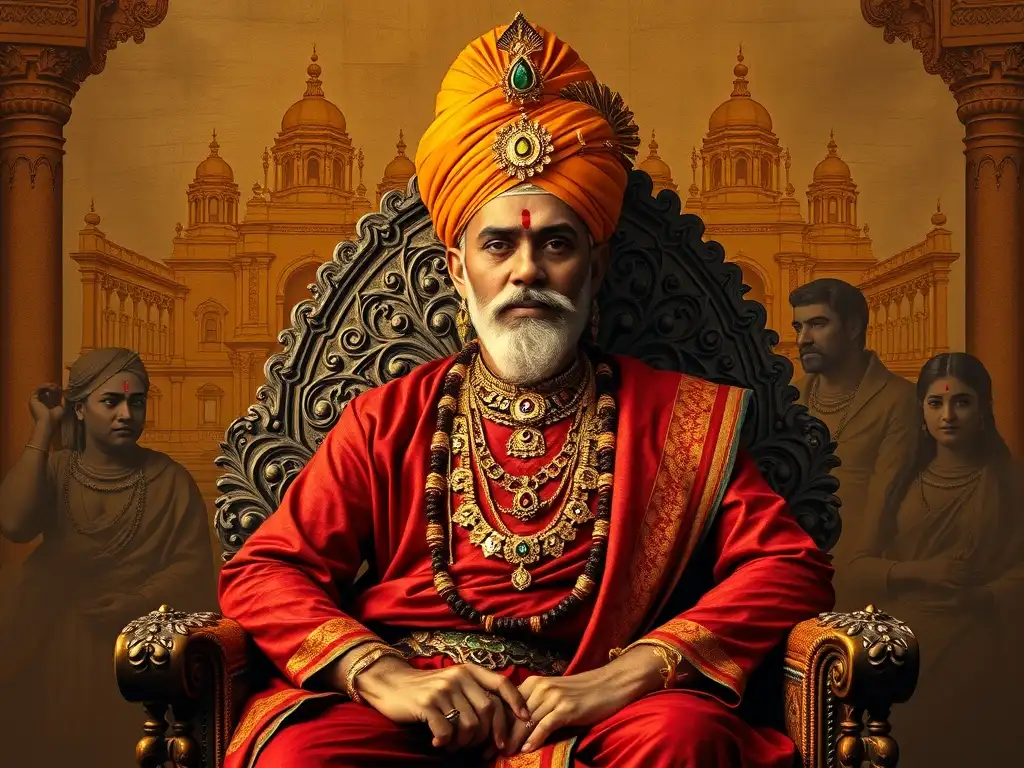
The reign of Mahapadma Nanda, the founder of the Nanda Dynasty, is often wrapped in a cloud of controversies and criticisms that have shaped the historical narrative of his rule. While he is recognized for his administrative prowess and the unification of various regions in ancient India, several aspects of his governance and personal conduct have drawn significant scrutiny. These controversies are not merely anecdotal but reflect deeper societal tensions and the complexities of power during his era.
Public Perception of Mahapadma Nanda
Public perception of Mahapadma Nanda was mixed, with a significant divide between the elite classes and the common populace. Many viewed him as a capable ruler who expanded the Nanda Empire's influence and wealth. His administrative reforms and efforts to centralize power were appreciated by certain sections of society. However, there were also widespread sentiments of resentment, particularly among the Brahmins and Kshatriyas, who felt marginalized under his rule. His rise to power, often characterized by a shift away from the traditional social hierarchies, led to criticisms that painted him as an outsider challenging established norms.
Conflicts with the Brahmins and Kshatriyas
One of the primary sources of conflict during Mahapadma Nanda's reign was his contentious relationship with the Brahmins and Kshatriyas. The Brahmins, as the priestly class, held significant social and religious authority, and Mahapadma's policies often undermined their influence. His administration favored meritocracy over hereditary rights, which alienated many traditionalists. The Kshatriyas, the warrior class, also viewed his rise with suspicion due to his humble origins. These conflicts not only fueled dissent but also contributed to a broader narrative that questioned his legitimacy as a ruler.
Allegations of Tyranny and Oppression
Allegations of tyranny and oppression are central to the criticisms leveled against Mahapadma Nanda. Historical accounts suggest that his regime was marked by a heavy hand in governance, with reports of harsh taxation and suppression of dissent. Critics argue that his ambition to consolidate power led to a reign of terror, where dissenters were dealt with ruthlessly. These allegations have persisted through time, leading many historians to grapple with the duality of his legacy as both a unifier and a tyrant.
The Fall of the Nanda Dynasty
The Nanda Dynasty, once a formidable power in ancient India, ultimately faced a decline that culminated in its fall. This decline can be attributed to various interrelated factors, including internal strife, external pressures, and the emergence of formidable opponents.
Factors Leading to Decline
Several factors contributed to the decline of the Nanda Dynasty. The internal strife, fueled by discontent among the Brahmins and Kshatriyas, created a fragmented political landscape. Additionally, Mahapadma Nanda's heavy taxation policies alienated many of his subjects, leading to widespread unrest. The lack of a strong succession plan further exacerbated the situation, as infighting among potential heirs weakened the dynasty's stability.
The Role of Chandragupta Maurya
Chandragupta Maurya emerged as a pivotal figure in the downfall of the Nanda Dynasty. A former soldier and strategist, he capitalized on the growing discontent among the populace and the weakened state of the Nandas. With the support of his mentor, Chanakya, Chandragupta orchestrated a rebellion that would ultimately dismantle the Nanda rule. His successful campaigns against Mahapadma Nanda's forces marked a significant turning point in Indian history, leading to the establishment of the Maurya Empire.
Historical Impact of the Nanda Fall
The fall of the Nanda Dynasty had profound implications for the course of Indian history. It not only paved the way for the rise of the Maurya Empire but also signified a shift in political power dynamics in ancient India. The Nandas' emphasis on centralization and administrative efficiency set a precedent that Chandragupta would build upon, leading to a more unified and expansive Indian subcontinent. The Nanda legacy, despite its controversies, contributed to the political discourse of governance and statecraft that shaped subsequent Indian empires.
Legacy of Mahapadma Nanda
Mahapadma Nanda, the founder of the Nanda dynasty, left a complex legacy that significantly influenced the course of ancient Indian history. His reign, which is estimated to have occurred during the 4th century BCE, marked a pivotal shift in the political landscape of the Indian subcontinent. Known for his ambition and administrative prowess, Mahapadma Nanda is often credited with unifying a substantial part of northern India under his rule. This unification facilitated extensive trade, economic growth, and cultural exchanges that would shape future dynasties.
Despite the controversies surrounding his rise to power, Mahapadma Nanda's legacy also encompasses his contributions to statecraft and governance. He is noted for implementing significant administrative reforms, which included the establishment of a centralized government and a bureaucratic system that allowed for effective tax collection and resource management. These reforms laid the groundwork for subsequent rulers, notably the Maurya Empire, which capitalized on the administrative models initiated during the Nanda reign.
Influence on Subsequent Dynasties
The impact of Mahapadma Nanda extended beyond his own dynasty, influencing several subsequent empires, most notably the Maurya Empire. Chandragupta Maurya, the founder of the Maurya dynasty, is believed to have utilized the administrative structures and military strategies established by the Nandas. The Nanda dynasty’s extensive network of spies and intelligence, as well as their formidable army, served as a blueprint for Chandragupta’s conquests.
Additionally, the economic policies of the Nandas, which promoted trade and agriculture, created a prosperous environment that facilitated the rise of the Mauryas. The wealth generated during the Nanda reign allowed Chandragupta to establish one of the most powerful empires in Indian history. Furthermore, the ideological foundations laid by Mahapadma Nanda regarding governance, such as the importance of a strong centralized authority, can be observed in the administration of later Indian rulers.
Revisiting Mahapadma Nanda’s Contributions
Revisiting Mahapadma Nanda’s contributions requires an examination of both his military campaigns and his role in fostering economic stability. His military prowess enabled him to defeat rival kingdoms and expand his territory significantly. The Nanda army, known for its size and organization, played a crucial role in maintaining the empire's dominance during his reign.
On the economic front, Mahapadma Nanda is credited with enhancing agricultural productivity through improved irrigation techniques and land management practices. This agricultural surplus not only supported his military endeavors but also contributed to the trade networks that flourished during his rule. The Nandas established trade links with regions beyond the Indian subcontinent, fostering cultural exchanges that enriched Indian civilization.
Moreover, Mahapadma Nanda’s patronage of various religious and philosophical schools, including Buddhism and Jainism, contributed to the cultural diversity of ancient India. His reign can be seen as a period of intellectual flourishing, where ideas and philosophies began to resonate throughout the region.
Modern Interpretations of His Rule
Modern interpretations of Mahapadma Nanda’s rule often highlight the duality of his legacy. While some historians depict him as a tyrant who ruled with an iron fist, others recognize his administrative genius and contributions to statecraft. The debate surrounding his character reflects broader themes in the study of ancient Indian history, where the line between benevolent and despotic rulers is frequently blurred.
Additionally, contemporary scholars emphasize the need to contextualize Mahapadma Nanda’s actions within the socio-political landscape of his time. His methods of governance, while controversial, may have been necessary to maintain order in a fragmented region rife with conflict. This perspective invites a more nuanced understanding of his reign, acknowledging both the achievements and shortcomings of his administration.
Conclusion
Summary of Mahapadma Nanda's Significance
Mahapadma Nanda stands as a pivotal figure in ancient Indian history. His establishment of the Nanda dynasty marked a transformative period characterized by political unification, economic prosperity, and cultural exchange. The administrative frameworks he created and the military strategies he employed set important precedents for future empires, particularly the Maurya dynasty.
Reflection on the Nanda Dynasty's Impact on Ancient India
The impact of the Nanda dynasty on ancient India cannot be overstated. Beyond Mahapadma Nanda's individual contributions, the dynasty itself fostered a legacy of governance, economic development, and cultural synthesis that resonated throughout Indian history. As scholars continue to explore the complexities of Mahapadma Nanda’s reign, it becomes increasingly clear that his rule was not merely a prelude to the Maurya Empire but a significant chapter in the rich tapestry of ancient Indian civilization.
- Introduction to Mahapadma Nanda Dynasty History
- Early Life of Mahapadma Nanda
- The Rise to Power
- Governance and Administration
- Controversies and Criticisms
- The Fall of the Nanda Dynasty
- Legacy of Mahapadma Nanda
- Conclusion
Frequently Asked Questions
What is the significance of the Mahapadma Nanda dynasty in ancient Indian history?
The Mahapadma Nanda dynasty played a crucial role in shaping the political landscape of ancient India, being one of the first to unify the region under a single rule and laying the groundwork for future empires.
How did Mahapadma Nanda rise to power?
Mahapadma Nanda rose to power through a combination of military strength and strategic alliances, consolidating control over various kingdoms and establishing a strong centralized administration.
What are some key achievements of the Nanda dynasty?
The Nanda dynasty is known for its economic prosperity, advancements in trade, and contributions to art and architecture, as well as the expansion of territory under Mahapadma Nanda's reign.
What led to the decline of the Mahapadma Nanda dynasty?
The decline of the Mahapadma Nanda dynasty was attributed to internal strife, overextension, and the rise of powerful enemies like the Mauryan Empire, which ultimately led to its downfall.
How does Mahapadma Nanda's legacy impact modern India?
Mahapadma Nanda's legacy continues to influence modern India through his contributions to centralized governance and economic systems, reflecting the importance of strong leadership in shaping a nation's identity.
Final Reflection: The Legacy of Mahapadma Nanda and Its Contemporary Resonance
The rise and fall of Mahapadma Nanda serves as a powerful reminder of how ambition and controversy can shape history. In today's world, where leaders often grapple with the weight of their decisions, the story of this emperor highlights the delicate balance between power and responsibility. The Nanda dynasty's complex legacy invites us to reflect on the implications of leadership and governance, reminding us that history is not merely a record of events but a narrative that continues to influence our present.
The impact of the Mahapadma Nanda dynasty on the cultural and social landscape of ancient India is profound and enduring. The Nandas were not just rulers; they were architects of change, paving the way for future empires and leaving an indelible mark on the subcontinent's history. Their controversial reign challenges us to consider the multifaceted nature of power and its consequences. As historian Romila Thapar aptly stated, History is not just about the past; it is a dialogue with the present.
This dialogue encourages us to examine our own leaders and the legacies they create, urging us to learn from the triumphs and failures of those who came before us.
As we conclude this exploration of Mahapadma Nanda's legacy, I invite you to reflect on your own role in shaping history, both in your personal life and within your community. Consider how the lessons from the Nanda dynasty can inspire you to engage with the world around you, to question authority, and to advocate for responsible leadership.
The past is not a distant memory; it is a living entity that informs our choices today. Let us honor the complexities of history by striving to create a future that values wisdom, integrity, and the lessons learned from those who have walked this path before us.
Unveil the Legacy of Mahapadma Nanda!
Thank you for taking the time to explore the captivating rise and fall of Mahapadma Nanda, a figure who shaped the landscape of Ancient India. Through this article, you’ve uncovered a rich tapestry of history that still resonates in our world today. Now, it's time to dive deeper and take action!
Here’s how you can further engage with this fascinating topic:
- Join our community! Share your thoughts and insights about Mahapadma Nanda in the comments below, and connect with fellow history enthusiasts.
- Dare to explore! Investigate another significant figure in Indian history and compare their impact to that of Nanda. Take notes and share your findings with others!
- Spread the knowledge! Disseminate this article with friends or on social media—starting conversations about our rich ancient history can spark curiosity and promote learning!
As you reflect on Mahapadma Nanda's legacy, consider this: What lessons from his reign can we apply to modern leadership?