
The Unseen Power: The Role of Women Leaders in Ancient Indian Society

Welcome to Ancient India History, where we delve into the rich tapestry of ancient civilizations that shaped the subcontinent. Today, we explore a fascinating yet often overlooked aspect of this history: women leaders in ancient India. From the mighty queens of the Indus Valley to the influential figures of the Gupta Empire, the stories of these remarkable women reveal their unseen power and significant contributions to society. Prepare to embark on a journey that uncovers the legacy of these trailblazers and the impact they had on their world. What secrets lie within their stories? Let’s dive deeper!
- Introduction to Women Leaders in Ancient India
- Historical Context of Women Leaders in Ancient India
- Prominent Women Leaders in Ancient Indian History
- The Impact of Women Leaders on Ancient Indian Society
- Challenges Faced by Women Leaders in Ancient India
- Legacy of Women Leaders in Ancient India
- Conclusion: The Unseen Power of Women Leaders in Ancient India
-
Frequently Asked Questions
- What roles did women leaders play in ancient Indian society?
- Were there any notable women leaders in ancient India?
- How did the status of women leaders vary across different regions?
- What contributions did women leaders make to ancient Indian culture?
- How can we learn from the examples of women leaders in ancient India today?
- Final Reflection: The Enduring Legacy of Women Leaders in Ancient India
- Unveil the Legacy of Women Leaders: Take Action Today!
Introduction to Women Leaders in Ancient India
The history of ancient India is not just defined by its grand empires, remarkable architecture, or pioneering science; it is also deeply intertwined with the significant contributions and influence of women leaders. While many historical narratives tend to emphasize male figures, a closer examination reveals a vibrant tapestry of female leadership that shaped the socio-political landscape of ancient Indian society.
From queens and warrior princesses to scholars and philosophers, women in ancient India played pivotal roles that often went unnoticed. This article delves into the unseen power of women leaders in ancient India, highlighting their contributions, challenges, and the importance of recognizing their legacy in the context of gender roles and historical significance.
Overview of Women's Roles in Ancient Indian Society
In ancient Indian society, women had diverse roles that evolved over time and varied across different regions and cultures. While the Vedic texts often depict women in traditional roles, such as caretakers and homemakers, they also reveal instances of women engaging in intellectual, spiritual, and political activities. Notable scriptures, like the Rigveda, mention women sages and poets, showcasing their involvement in philosophical discourses.
- Social and Cultural Contributions:
- Women were often revered as goddesses and held significant cultural importance, influencing rituals and traditions.
- They participated in social gatherings and contributed to the preservation of oral traditions, storytelling, and arts.
- Political Influence:
- Women from royal families frequently held power, acting as regents or influential advisors. For example, Rani Durgavati of Gondwana exemplified the warrior spirit and leadership capabilities of women in times of conflict.
- Economic Role:
- Women were also involved in various economic activities, including agriculture, trade, and craft-making, contributing to the prosperity of their communities.
Importance of Studying Women Leaders in History
Studying women leaders in ancient India is crucial for several reasons:
- Correcting Historical Narratives:
- Recognizing the contributions of women helps to create a more balanced and accurate portrayal of history, correcting the male-centric narratives that dominate historical texts.
- Inspiration for Future Generations:
- Highlighting the achievements of women leaders serves as a source of inspiration for contemporary society, encouraging women to pursue leadership roles and challenge societal norms.
- Understanding Gender Dynamics:
- Analyzing the roles of women in ancient societies allows for a better understanding of gender dynamics and the societal structures that shaped their experiences.
- Preserving Cultural Heritage:
- The stories of women leaders are integral to India’s cultural heritage, showcasing the richness and diversity of experiences that have contributed to the country’s history.
By shedding light on the impactful roles that women leaders played in ancient India, we not only honor their legacy but also pave the way for a more inclusive understanding of our past.
Historical Context of Women Leaders in Ancient India
The role of women in ancient Indian society has often been overshadowed by their male counterparts, yet history reveals a complex tapestry where women leaders played significant roles in both governance and cultural preservation. The historical context of women leaders in ancient India is crucial to understanding their influence and the societal structures that shaped their leadership.
The social structure of ancient Indian civilizations was predominantly hierarchical, characterized by the caste system, which divided society into distinct groups. However, within this framework, women held varying degrees of power and influence, depending on their caste and regional practices. Notably, women in the Kshatriya (warrior) caste often had more autonomy compared to their counterparts in the Brahmin (priestly) caste.
- Caste and Gender Dynamics:
- Kshatriya Women: Women of the warrior class participated in battles and were trained in martial arts. Historical accounts mention queens and princesses who led armies and made significant political decisions.
- Brahmin Women: While often relegated to domestic roles, Brahmin women could wield influence through education and religious practices, sometimes serving as advisors to male leaders.
- Shudra and Dalit Women: These women faced significant social constraints but could emerge as local leaders within their communities, especially in times of crisis.
- Political Structures:
- Women occasionally ascended to power through dynastic marriages, where strategic alliances were formed. Queens like Rani Durgavati and Rani Lakshmibai exemplified this, ruling with authority and courage during tumultuous times.
- The presence of women in royal courts as regents or advisors was not uncommon, as seen in the instances of Rani Padmini and Chennamma, who displayed exceptional leadership during their reigns.
Cultural Influences on Women's Leadership Roles
Cultural narratives and religious texts significantly shaped the perception and roles of women in ancient India. The depiction of women in literature, mythology, and religious scriptures reflects a dichotomy where they were revered yet constrained.
- Literary Representations:
- Texts like the Mahabharata and Ramayana feature strong female characters, such as Draupadi and Sita, who exhibited agency and resilience. Their stories inspired women leaders by showcasing the potential for strength and wisdom.
- The Sanskrit plays and poetry often depicted women as wise counselors, highlighting their intelligence and capability in political matters.
- Religious and Philosophical Contexts:
- Ancient Indian philosophies often celebrated Shakti, the feminine energy, recognizing women's intrinsic power. This concept was embedded in religious practices and temple architecture, signifying a respect for female leadership.
- Feminine deities like Durga and Kali were worshipped, representing strength and warfare, which resonated with the idea of women as protectors and leaders within society.
- Regional Variations:
- Different regions had unique cultural practices that either empowered or restricted women's roles. For example, in some matrilineal societies, women held property rights and played pivotal roles in community decision-making.
- The Bhakti movement in medieval India saw women like Mirabai and Akka Mahadevi rise as spiritual leaders, breaking societal norms and asserting their voices through poetry and devotion.
The historical context of women leaders in ancient India is a rich domain that reveals the multifaceted roles of women in governance, society, and culture. Their contributions, though often overlooked, were instrumental in shaping the trajectory of ancient Indian civilizations. By exploring the social structures and cultural influences that defined their leadership roles, we gain a deeper appreciation for the unseen power women wielded in ancient India.
Prominent Women Leaders in Ancient Indian History
Rani Durgavati: The Warrior Queen
Rani Durgavati, a historical figure from the 16th century, is celebrated for her exceptional leadership and valor in the face of adversity. Born into the Gond dynasty, she ruled over the region of Gondwana and is often remembered as a fierce warrior queen. Her reign was characterized by her strong commitment to protect her kingdom from external threats, particularly from the Mughal Empire.
- Military Prowess: Rani Durgavati demonstrated remarkable military skills, leading her troops into battle against the Mughal forces led by the emperor Akbar's general, Asaf Khan. Her strategies and courage in battle garnered her respect and admiration from both her subjects and her adversaries.
- Cultural Patronage: Aside from her military achievements, Rani Durgavati was also a patron of arts and culture. She supported various local artists and craftsmen, ensuring that the cultural heritage of her kingdom thrived during her reign.
- Legacy: Despite facing overwhelming odds, Rani Durgavati's legacy continues to inspire generations. Her story has been immortalized in literature and folklore, symbolizing the strength and resilience of women leaders in ancient India.
Razia Sultan: The First Female Ruler of the Delhi Sultanate
Razia Sultan holds a unique place in history as the first and only female monarch to rule Delhi Sultanate in the 13th century. Her ascension to the throne was a remarkable event, challenging the gender norms of her time.
- Reign and Policies: Razia Sultan ascended the throne in 1236 after the death of her father, Iltutmish. Her reign lasted until 1240, during which she implemented progressive policies that aimed to improve the administration and welfare of her subjects. Razia was known for her efforts to promote meritocracy, appointing individuals based on their capabilities rather than their social status.
- Challenges and Opposition: Despite her capabilities, Razia faced significant opposition from the nobility, who were resistant to a female ruler. Her struggles against political conspiracies and gender biases highlights the challenges faced by women leaders in ancient India.
- Impact on Future Generations: Razia Sultan's rule is often cited as a precursor to the empowerment of women in leadership roles within the Indian subcontinent. Her legacy is not only one of authority but also of defiance against societal norms, making her an enduring symbol of female strength.
Other Notable Women Leaders and Their Contributions
The history of ancient India is replete with women leaders whose contributions have often been overlooked. Here are a few notable figures:
- Chennamma of Kittur: A prominent queen known for her resistance against British colonialism in the early 19th century. Her rebellion in 1824 marked one of the earliest instances of organized resistance against British rule.
- Lakshmibai, the Rani of Jhansi: A key figure in the Indian Rebellion of 1857, she is remembered for her bravery and leadership in the fight against British forces. Her determination to protect her kingdom and her people has made her a symbol of resistance.
- Padmini of Chittorgarh: While her historical authenticity is debated, the tale of Rani Padmini has become emblematic of the courage of women in ancient India. Folklore tells of her valor and the sacrifice she made to protect her honor and that of her kingdom.
- Sambhavi Devi: A lesser-known yet significant leader during the Gupta period, she played a vital role in regional governance and the promotion of trade and culture.
These women leaders in ancient India exemplify strength, resilience, and the pivotal roles that women played in shaping the socio-political landscape of their times. Their stories serve as an inspiration for future generations, highlighting the importance of recognizing and celebrating women's contributions to history.
The Impact of Women Leaders on Ancient Indian Society
The history of ancient India is not just a narrative of kings and empires; it is also a rich tapestry woven with the contributions of women leaders who played pivotal roles in shaping society. These women were not relegated to the shadows of their male counterparts; instead, they emerged as powerful figures in politics, social reforms, and economic development. Understanding their impact offers a more nuanced view of ancient Indian civilization, highlighting their vital contributions to governance, societal change, and economic progress.
Political Influence of Women in Governance
Women in ancient India held significant political power, often influencing governance at various levels. Notable figures such as Rani Durgavati, who ruled the Gondwana region in the 16th century, exemplified the leadership qualities of women leaders in ancient India. Rani Durgavati was known for her valor and military acumen, successfully defending her kingdom against the Mughal Empire.
Another prominent example is Rani Lakshmibai of Jhansi, who became a symbol of resistance during the First War of Indian Independence in 1857. Her leadership not only galvanized support against British rule but also inspired future generations of women to take on leadership roles.
Women also played crucial roles within royal courts as advisors and strategists. In many instances, queens acted as regents, managing state affairs during their husbands' absences or minority rule. For example, Nur Jahan, the wife of Emperor Jahangir, wielded considerable influence over the Mughal court, shaping policies and decisions that affected the vast empire.
The presence of women in governance not only challenged traditional gender roles but also highlighted their capability to lead effectively. Their political influence often resulted in progressive policies that benefited their subjects, demonstrating that leadership was not confined to men.
Women leaders in ancient India were also at the forefront of social reforms. They recognized the need for change within their societies and took proactive steps to address issues such as education, caste discrimination, and women's rights. One significant figure in this regard was Savitribai Phule, who, although active in the 19th century, laid the groundwork for educational reforms that can be traced back to earlier traditions of women advocating for education.
Vasanta Kumara, a lesser-known but influential figure from ancient texts, was noted for her efforts to improve the status of women in society. She campaigned for the right of women to receive education and participate in public life. Her initiatives are seen as precursors to the later movements that sought to uplift women throughout India.
The Brahmo Samaj movement, initiated by leaders like Raja Ram Mohan Roy, also saw prominent female figures advocating for women's rights and social reforms. Women leaders played a crucial role in organizing and mobilizing communities for social change, demonstrating their capability to influence public opinion and challenge societal norms.
These social reform efforts were instrumental in altering the perception of women in society and paved the way for future movements focused on gender equality and women's empowerment.
Economic Contributions of Women in Leadership Roles
Women leaders in ancient India also made substantial economic contributions that shaped the economic landscape of their time. They were involved in various sectors, including trade, agriculture, and craftsmanship. For instance, women played a critical role in the textile industry, producing fine fabrics that were highly sought after in both domestic and international markets.
Empress Dowager Cixi of China, while not Indian, exemplifies how women in leadership roles could influence trade policies and economic strategies. Similarly, women in ancient Indian society often acted as traders and entrepreneurs, managing their own businesses and engaging in commerce, which contributed to the economy's overall vitality.
Additionally, women leaders were often patrons of arts and crafts, fostering economic growth through cultural initiatives. They supported artisans and craftsmen, ensuring the continuation of traditional crafts that contributed to the prosperity of their regions. These contributions were not only economically beneficial but also culturally enriching, as they helped preserve and promote India's diverse heritage.
The roles of women leaders in ancient India were multifaceted and impactful. Their political influence, commitment to social reform, and economic contributions reflect a legacy that challenges conventional narratives about gender roles in history. Recognizing the significance of these women leaders in ancient India allows for a richer understanding of the complexities of Indian society and its evolution over time.
Challenges Faced by Women Leaders in Ancient India
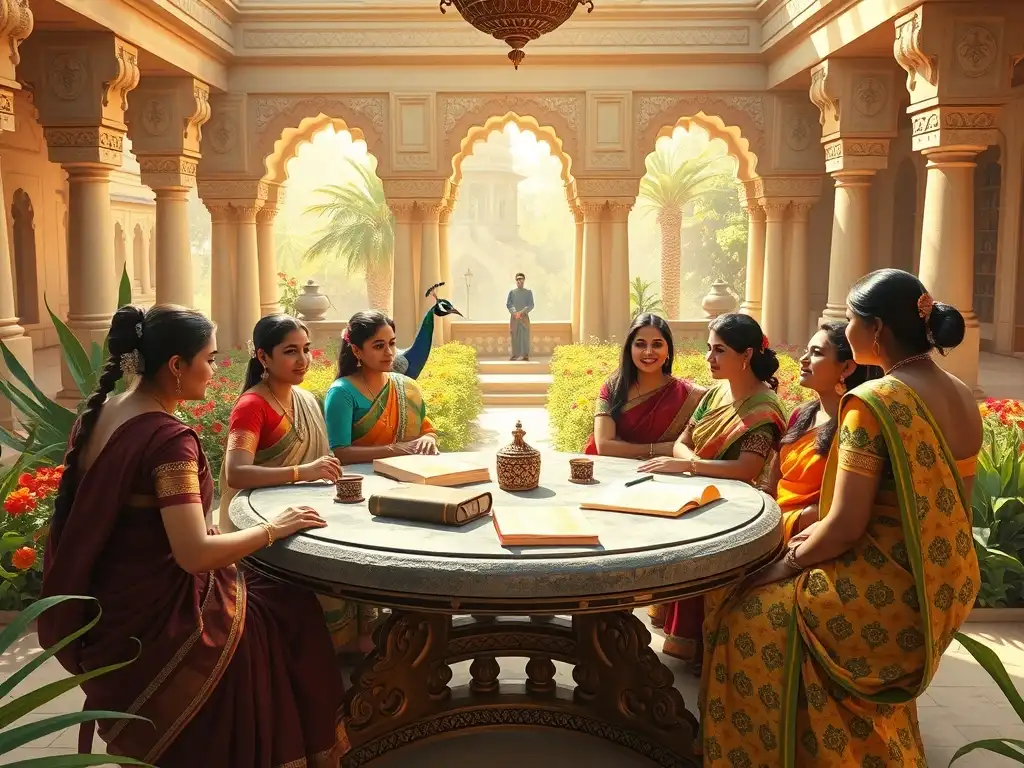
The role of women leaders in ancient India was often overshadowed by societal norms and historical barriers that created significant challenges for them. Despite their contributions, women faced numerous obstacles that restricted their opportunities and influenced their leadership roles.
Societal Norms and Gender Expectations
In ancient Indian society, rigid societal norms and traditional gender expectations profoundly impacted women's ability to ascend to leadership positions. The patriarchal structure was deeply entrenched, where women were often relegated to the domestic sphere, responsible for household duties and child-rearing.
- Cultural Constraints: Many cultural practices emphasized the subservience of women to male authority. This cultural backdrop often discouraged women from pursuing roles outside their designated societal functions, thereby limiting their visibility as leaders.
- Education and Literacy: Access to education was severely restricted for women. While some elite women, particularly in royal families, received education, the majority of women were denied learning opportunities. This lack of education hindered their ability to acquire knowledge and skills necessary for leadership roles.
- Marriage and Family Life: Early marriages were common, and women were expected to prioritize their roles as wives and mothers over personal ambitions. This expectation led to a cycle where many capable women could not pursue leadership opportunities due to familial obligations.
Despite these challenges, some women managed to break through these barriers. For instance, figures like Rani Durgavati and Razia Sultana emerged as strong leaders, showcasing that resilience and determination could lead to significant societal roles, even amidst societal constraints.
Historical Obstacles to Women's Leadership Positions
The historical context of ancient India also presented unique obstacles for women leaders. Various socio-political dynamics coupled with legal restrictions contributed to the marginalization of women in leadership roles.
- Political Instability and Warfare: The frequent invasions and conflicts during ancient times meant that political power was often concentrated in the hands of male rulers. Women leaders, even those with noble lineage, faced challenges due to the unstable political landscape, which often sidelined their capabilities.
- Legislative Limitations: Ancient texts and legal codes often reflected gender bias, establishing norms that limited women's rights. For example, texts like Manusmriti outlined strict codes of conduct for women, reinforcing their subordinate position in society and institutionalizing their limited rights.
- Religious Interpretations: Religious doctrines in ancient India often reinforced gender roles, where women were deemed as less authoritative than men. This interpretation of religious texts further marginalized women in leadership, as they were often excluded from significant religious and political discussions.
Despite these historical obstacles, some women managed to navigate through these challenges, wielding power and influence. Women like the poet-saint Mirabai not only rose to prominence in their respective fields but also inspired future generations of women leaders in India.
While women leaders in ancient India faced considerable challenges rooted in societal norms and historical constraints, their resilience and determination paved the way for future generations. Their stories of leadership and empowerment continue to resonate, highlighting the complex yet vital role women played in shaping ancient Indian society.
Legacy of Women Leaders in Ancient India
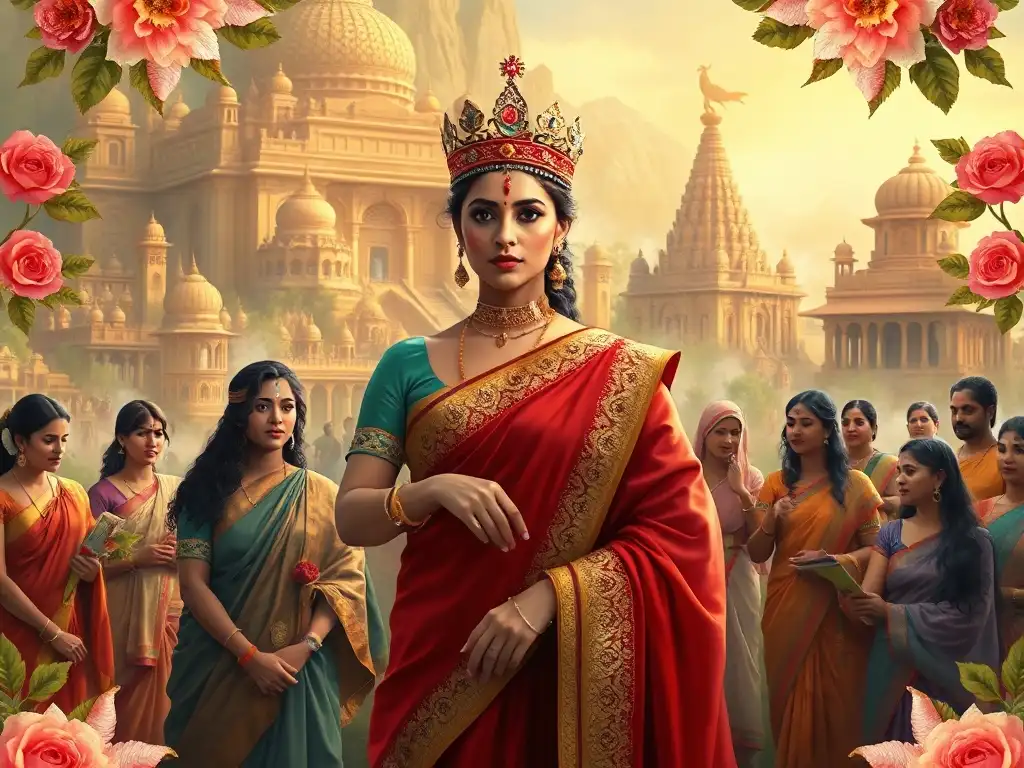
The legacy of women leaders in ancient India is a testimony to their significant impact on society, politics, and culture. Throughout various periods, women emerged as influential figures who shaped the trajectory of their communities and left a lasting imprint on history. Their contributions varied from governance and military leadership to philosophical discourse and spiritual guidance.
How Women Leaders Shaped Future Generations
Women leaders in ancient India, such as Razia Sultana and Chand Bibi, not only held power but also challenged the societal norms of their time. Razia Sultana, for instance, became the Sultan of Delhi in the 13th century, breaking the gender barriers of her era. Her reign was marked by progressive policies and a focus on meritocracy, inspiring future generations of women to aspire to leadership roles.
Similarly, Chand Bibi, the regent of Ahmednagar, demonstrated remarkable military prowess and political acumen in the 16th century. Her fierce defense against Mughal invasion showcased the capability of women in leadership positions, thereby cultivating a legacy that encouraged women across generations to engage in governance and military affairs.
The influence of these leaders extended beyond their lifetimes, as their stories became intertwined with cultural narratives, often celebrated in folklore and literature. For instance, the tales of their bravery and intelligence inspired not just women but entire communities, fostering a sense of pride and resilience.
The Continuing Influence of Ancient Women Leaders on Modern Indian Society
Today, the impact of ancient women leaders resonates strongly in modern Indian society. Their stories serve as powerful examples for contemporary women leaders, advocating for gender equality and representation in various fields. The resilience and courage exhibited by these historical figures continue to inspire movements aimed at empowering women and addressing social issues.
In educational contexts, the legacy of women leaders in ancient India is increasingly recognized. Textbooks and academic discussions incorporate their contributions, helping to instill a sense of pride and identity among young women. This awareness encourages the pursuit of leadership roles and participation in governance, mirroring the paths carved by their predecessors.
Moreover, various cultural programs and initiatives celebrate the achievements of women leaders from ancient times, reinforcing their relevance in today's society. Organizations and movements dedicated to women's rights often draw on historical examples to advocate for change, highlighting that the fight for equality is both a contemporary and historical struggle.
The legacy of women leaders in ancient India not only shaped their society but continues to influence modern India. Their stories of strength, intelligence, and resilience serve as guiding lights for future generations, ensuring that the power of women in leadership remains a vital part of India's evolving narrative.
Conclusion: The Unseen Power of Women Leaders in Ancient India
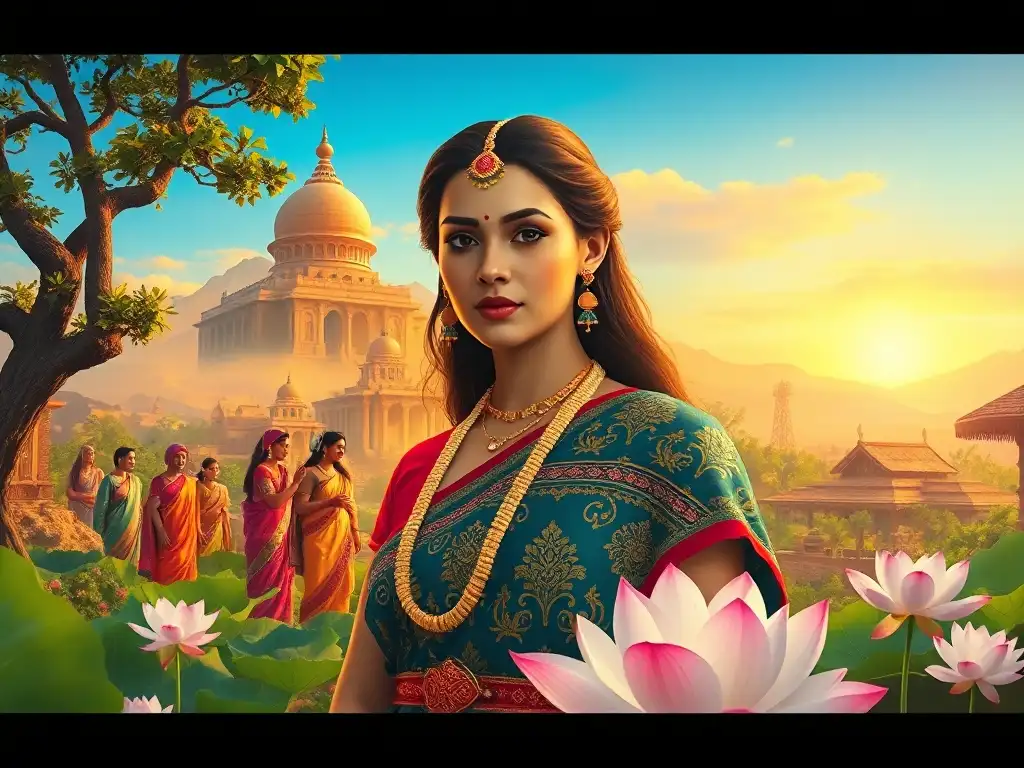
The history of ancient India is often narrated through the lens of its male rulers and warriors, overshadowing the significant contributions made by women leaders. These leaders not only played crucial roles in governance but also influenced cultural, social, and religious spheres. Recognizing their impact is essential to fully appreciate the multifaceted tapestry of ancient Indian civilization.
Reflection on the Importance of Recognizing Women Leaders
Women leaders in ancient India, such as Rani Durgavati, who valiantly defended her kingdom against Mughal invaders, and Razia Sultana, the first female ruler of the Delhi Sultanate, exemplify the strength and resilience of women in positions of power. Their stories highlight the capacity of women to lead, inspire, and effect change within their societies.
In addition to political leadership, women also shaped cultural narratives. Figures like Gargi and Maitreyi, renowned philosophers, contributed to the philosophical discourse of their time, challenging the patriarchal norms and advocating for women's education and intellectual engagement.
The recognition of these women leaders is not merely an act of historical accuracy; it is essential for understanding the dynamics of power in ancient societies. By acknowledging their contributions, we can better appreciate the complexities of leadership and the role of gender in shaping historical narratives.
Call to Further Explore the Contributions of Women in Ancient History
The legacies of women leaders in ancient India warrant deeper exploration and appreciation. Scholars and enthusiasts alike are encouraged to delve into the rich histories of these figures, examining how their leadership styles, decisions, and societal roles have influenced subsequent generations.
We can take actionable steps to enhance our understanding of women leaders in ancient India through:
- Research Initiatives: Encouraging academic research focused on the lives and contributions of women in history.
- Cultural Programs: Supporting events that celebrate and educate about the achievements of women leaders, fostering a greater awareness of their roles.
- Educational Resources: Developing educational materials that highlight the significance of women in ancient Indian societies, ensuring that their stories are told and remembered.
By actively engaging with this rich historical narrative, we can honor the unseen power of women leaders in ancient India and inspire future generations to recognize and celebrate the contributions of women throughout history.
Frequently Asked Questions
What roles did women leaders play in ancient Indian society?
Women leaders in ancient India held significant positions in various domains, including politics, religion, and social reform. They influenced governance and played vital roles in decision-making processes.
Were there any notable women leaders in ancient India?
Yes, there were several remarkable women leaders, such as Rani Durgavati and Rani Padmini, who showcased bravery and leadership in times of conflict. Their contributions significantly shaped regional history.
How did the status of women leaders vary across different regions?
The status of women leaders varied based on regional customs and societal norms. In some areas, women enjoyed greater autonomy and respect, while in others, they faced restrictions.
What contributions did women leaders make to ancient Indian culture?
Women leaders contributed to cultural preservation and literature, often acting as patrons of the arts. Their influence helped shape the cultural landscape of ancient India, promoting various artistic expressions.
How can we learn from the examples of women leaders in ancient India today?
The stories of women leaders in ancient India can inspire contemporary society by highlighting the importance of leadership, resilience, and empowerment. Their legacies encourage ongoing discussions about gender equality and women's roles in leadership today.
Final Reflection: The Enduring Legacy of Women Leaders in Ancient India
The exploration of women leaders in ancient India reveals a profound truth about the strength and resilience that has shaped societies throughout history. Today, as we navigate a world still grappling with gender inequality, the lessons from these remarkable women resonate more than ever. Their stories remind us that leadership knows no gender, and the impact of their contributions continues to inspire a new generation of leaders striving for equality and empowerment.
The influence of these women extends far beyond historical texts; they have woven themselves into the very fabric of our cultural and social landscape. Their courage and wisdom serve as a guiding light, illuminating the path for those who seek to challenge the status quo. As we reflect on their legacies, we are reminded of the words of the great poet Maya Angelou: I am grateful to be a woman. I must have done something great in another life.
This sentiment encapsulates the strength that women leaders have imparted to society, encouraging us to honor their contributions and recognize the ongoing struggle for women's rights and representation.
As we close this exploration of the unseen power of women leaders in ancient India, I invite you to reflect on your own role in fostering equality and empowerment in your community. Consider how you can carry forward the lessons learned from these historical figures, advocating for change and supporting the voices of women around you. Together, let us honor the past by actively participating in shaping a future where every woman can lead with confidence and strength.
Unveil the Legacy of Women Leaders: Take Action Today!
Thank you for taking the time to explore the vital role of women leaders in ancient Indian society. By understanding their contributions, you not only gain insight into history but also empower yourself to champion the voices of women today. Now, it’s time to transform that knowledge into action!
Here’s how you can continue your journey:
- Dive Deeper: Explore the stories of influential women throughout history. Discover articles that highlight the remarkable achievements of female leaders across various eras.
- Share the Knowledge: Initiate a discussion. Share your favorite insights about women leaders with friends or on social media. Encourage others to recognize and celebrate these unsung heroes!
- Engage with the Community: Participate in our forum. Connect with fellow history enthusiasts and discuss how these leaders continue to inspire our modern society.
What do you believe is the most significant lesson we can learn from the leadership of women in ancient cultures today?