
Vikramaditya: The Legendary Ruler of Ujjain and His Cultural Patronage

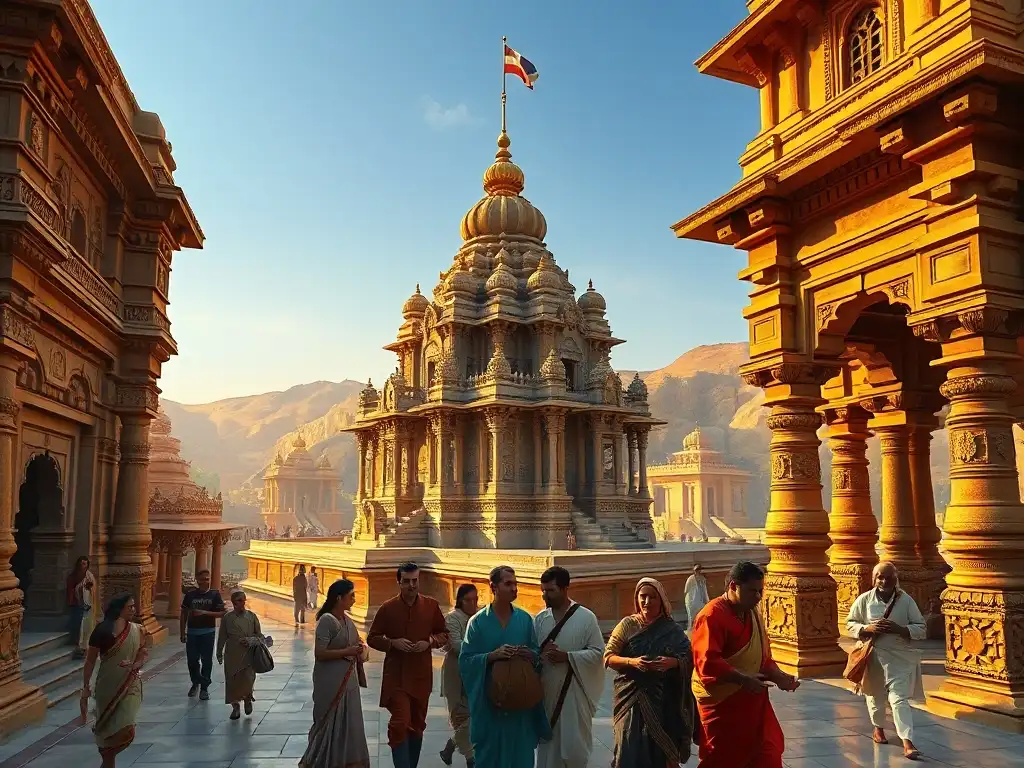
Welcome to Ancient India History, where we embark on a fascinating journey through the vibrant tapestry of India’s past, showcasing the remarkable civilizations that shaped the subcontinent. Today, we delve into the life of Vikramaditya, a legendary ruler of Ujjain, whose cultural contributions not only enriched his empire but also laid the groundwork for a flourishing legacy. What makes his reign so pivotal in the annals of history?
Join us as we unravel the stories of his patronage and the artistic and intellectual advancements that blossomed during his time. Prepare to be intrigued and inspired as we explore the depths of ancient Indian heritage!
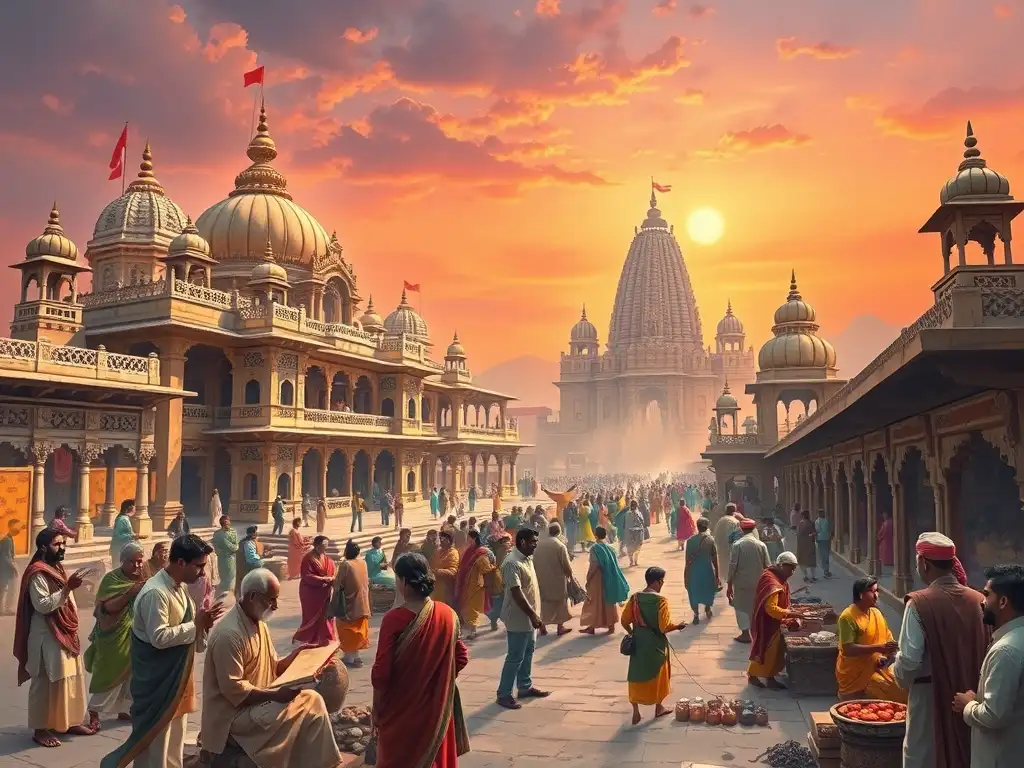
Vikramaditya, a name that resonates through the annals of ancient Indian history, stands as a symbol of excellence, wisdom, and cultural prosperity. Renowned as the legendary ruler of Ujjain, his reign is often celebrated for its profound contributions to the arts, literature, and education, which have shaped the cultural landscape of India.
Ujjain, as the epicenter of his empire, became a thriving hub of intellectual and artistic endeavors under his patronage, attracting scholars, poets, and artists from far and wide. This article delves into the multifaceted legacy of Vikramaditya, exploring how his cultural contributions not only enriched his kingdom but also left an indelible mark on the broader canvas of ancient Indian civilization.
Introduction to Vikramaditya
Vikramaditya’s legacy is shrouded in a blend of historical fact and myth, making it a captivating subject for historians and enthusiasts alike. Often associated with the Vikram Samvat calendar, which is still used in various parts of India, he is a figure that embodies the spirit of ancient Indian governance and cultural advancement.
His reign is frequently dated to the first century BCE or the early centuries CE, marking a period characterized by significant developments in various fields. Ujjain, known for its strategic location along trade routes and its religious significance, served as the perfect backdrop for Vikramaditya’s illustrious rule.
Overview of Vikramaditya’s Reign in Ujjain
Vikramaditya’s rule over Ujjain is often depicted as a golden age, where governance was marked by fairness and justice. His administration is credited with promoting trade, ensuring security, and fostering an environment conducive to artistic and intellectual pursuits. Historical texts and folklore recount his legendary courts, where scholars and poets were celebrated, and debates on philosophy and science flourished. Noteworthy figures such as the famed poet Kalidasa are said to have thrived in this vibrant atmosphere, further solidifying Ujjain’s status as a center of cultural excellence.
Historical Significance of Vikramaditya in Ancient India
The significance of Vikramaditya extends beyond his immediate contributions; he represents the ideal of enlightened leadership in ancient India. His policies and practices have been influential in shaping the governance models of subsequent rulers. Furthermore, the cultural renaissance that occurred during his reign set a precedent for future dynasties, inspiring generations of leaders to prioritize cultural patronage as a means of unifying and enriching their realms. The reverberations of his impact can be observed in various historical texts, folklore, and the continued celebration of his achievements in Indian culture.
Vikramaditya's Cultural Contributions to Ujjain
Vikramaditya’s cultural contributions to Ujjain are manifold, encompassing a wide array of artistic and educational advancements. His patronage of the arts and literature is particularly noteworthy, as it laid the foundation for a rich cultural tradition that would flourish long after his time.
Patronage of Arts and Literature
Under Vikramaditya’s rule, Ujjain became a beacon of artistic expression. He is often celebrated for his patronage of poets and playwrights, giving rise to an era of literary brilliance. The court of Vikramaditya became a haven for creativity, where scholars engaged in literary competitions, and new forms of poetry and drama were developed.
Notable works from this period reflect both the richness of the Sanskrit language and the diversity of themes explored by its poets, ranging from romance to philosophy. This flourishing of arts not only enriched the cultural tapestry of Ujjain but also contributed to the broader literary heritage of India.
Development of Educational Institutions
In addition to his support for the arts, Vikramaditya is credited with establishing and enhancing educational institutions in Ujjain. These centers of learning attracted students from various regions, fostering an environment of intellectual growth and scholarly discourse. Subjects such as mathematics, astronomy, and philosophy were studied and advanced during this period, reflecting Vikramaditya’s vision of an informed and enlightened society. The emphasis on education during his reign has had a lasting impact, as many of these institutions became models for future educational endeavors in India, promoting a culture of learning that persists to this day.
The Legacy of Vikramaditya in Indian Culture
Vikramaditya, the legendary ruler of Ujjain, is often celebrated as a quintessential example of a just and enlightened monarch. His legacy is deeply embedded in the cultural fabric of India, influencing literature, arts, and governance. The period during which he ruled is frequently referred to as a golden age in Indian history, marked by significant advancements in various fields.
Vikramaditya is remembered not just for his military conquests but also for his patronage of scholars, poets, and artists, creating a vibrant cultural milieu. His court is said to have been adorned with brilliant minds such as Kalidasa, who contributed immensely to Sanskrit literature.
The cultural contributions of Vikramaditya reflect a blend of tradition and innovation. The establishment of the Vikram Samvat calendar, initiated during his reign, is one of the most enduring legacies. This lunar calendar is still in use today in various parts of India and plays a crucial role in determining festivals and auspicious dates, showcasing the practical influence of Vikramaditya’s reign on contemporary life.
Vikramaditya’s Role in the Golden Age of India
Vikramaditya's reign is often associated with the Golden Age of India, a period characterized by extensive cultural and intellectual development. Under his rule, Ujjain became a thriving center for learning and culture, attracting scholars and thinkers from across the subcontinent. The king’s commitment to education is evident in the establishment of educational institutions that promoted the study of philosophy, astronomy, mathematics, and the arts.
One of the most notable contributions during this era was the flourishing of Sanskrit literature. Vikramaditya’s patronage enabled poets like Kalidasa to create masterpieces that are still celebrated today. The king’s interest in the arts extended to architecture and sculpture, with many monuments and temples being constructed that reflect the grandeur of his empire.
Moreover, Vikramaditya is credited with the promotion of scientific advancements, particularly in astronomy. His support for scholars led to significant contributions in this field, many of which laid the groundwork for future developments. This era is marked by a synthesis of diverse cultural practices, reflecting the inclusive nature of Vikramaditya’s governance.
Influence on Later Rulers and Dynasties
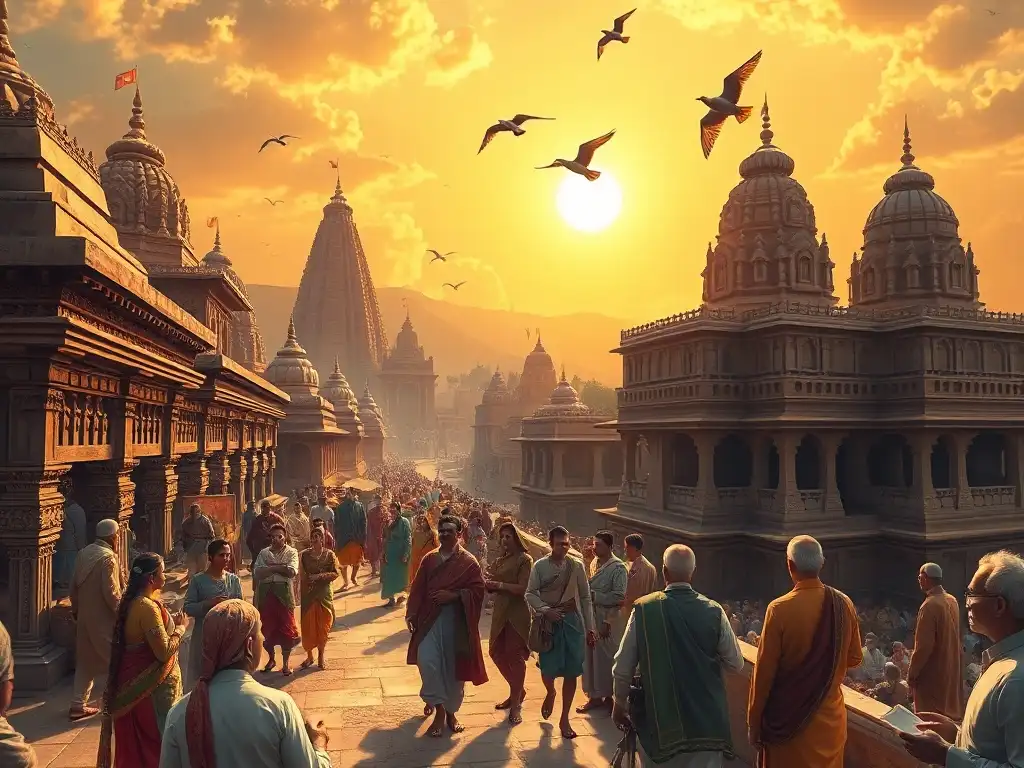
Vikramaditya's impact extended far beyond his immediate reign, influencing subsequent rulers and dynasties in India. His model of enlightened kingship served as a template for many later monarchs who aspired to emulate his virtues of justice, wisdom, and cultural patronage. The legend of Vikramaditya became a source of inspiration, leading to the rise of similar figures in different regions, including the Cholas and the Pandyas, who adopted aspects of his governance and cultural policies.
The Vikram Samvat calendar, initiated during his reign, was adopted and continued by later dynasties, demonstrating the lasting significance of his contributions to Indian timekeeping and cultural practices. Additionally, the golden age of art and literature that he fostered paved the way for future artistic movements, influencing the aesthetics and themes of subsequent works.
The tales and legends surrounding Vikramaditya, particularly those that highlight his just rule and valor, became integral to the political narratives of later kings. These stories not only served as a means of legitimizing their authority but also reinforced the cultural ideals established during Vikramaditya’s time.
Myths and Realities Surrounding Vikramaditya
Vikramaditya's life and reign have been shrouded in a mix of myth and reality, often making it challenging to separate historical facts from legendary embellishments. His story has been passed down through generations, leading to a rich tapestry of narratives that celebrate his wisdom and valor. However, the factual basis of these tales often requires scrutiny to understand the true nature of his contributions.
Common Myths About Vikramaditya
Several myths have developed around Vikramaditya, particularly those that emphasize his supernatural qualities and heroic deeds. One popular legend is that he possessed extraordinary strength and the ability to defeat numerous foes single-handedly. While these stories highlight his bravery, they often exaggerate his military exploits for dramatic effect.
Another common myth is related to the creation of the Vikram Samvat calendar, with some legends attributing its origin to celestial events or divine intervention. While it is true that the calendar emerged during his reign, the specifics of its development are less clear and not fully understood, which has allowed myths to flourish.
Additionally, tales of Vikramaditya’s court being filled with magical beings and extraordinary events often overshadow the more mundane aspects of his governance, such as administration and diplomacy. These myths, while fascinating, can obscure the realistic portrayal of his reign.
Real Historical Contributions of Vikramaditya
Despite the myths, the real historical contributions of Vikramaditya are significant and well-documented. His most noteworthy achievement is the establishment of Ujjain as a cultural and intellectual hub during his reign. The patronage he extended to scholars, poets, and philosophers led to remarkable advancements in various fields, particularly in literature and the sciences.
The Vikram Samvat calendar, attributed to him, reflects an important aspect of Indian timekeeping that continues to influence cultural practices today. His reign saw the advancement of mathematics and astronomy, with scholars making notable contributions that have been recognized in historical texts.
Furthermore, Vikramaditya is credited with promoting a sense of unity and cultural identity among the diverse populations of his empire. His policies encouraged a blend of various cultural practices, fostering an environment where art, philosophy, and science could thrive.
The legacy of Vikramaditya is a rich blend of historical reality and myth, but his contributions to Indian culture and governance remain undeniably influential. His role in the Golden Age of India and the lasting impact on later rulers demonstrate the importance of his reign in shaping the cultural landscape of ancient India.
Conclusion
Vikramaditya stands as a monumental figure in the history of Ujjain and ancient Indian culture, embodying the ideals of a ruler who not only governed but also nurtured the arts, sciences, and philosophy. His reign is emblematic of a golden age where intellectual pursuits flourished, and cultural patronage became a hallmark of leadership. The historical and mythological narratives surrounding Vikramaditya illustrate a ruler who was not merely a sovereign but a beacon of enlightenment and a champion of knowledge.
Summary of Vikramaditya's Impact on Ujjain and Indian Culture
Vikramaditya's reign over Ujjain marked a transformative period characterized by significant cultural contributions. His establishment of the Vikram Samvat calendar, which continues to be used in various forms today, is a testament to his lasting influence on the Indian timekeeping system. Additionally, his encouragement of scholars, poets, and artists fostered an environment ripe for innovation and creativity.
The legendary court of Vikramaditya attracted luminaries such as Kalidasa, who composed timeless literary works that remain influential in Indian literature. Moreover, Vikramaditya's patronage extended to various fields, including astronomy, mathematics, and philosophy, positioning Ujjain as a hub of intellectual activity. This vibrant cultural milieu not only enriched the local society but also laid the groundwork for future generations, demonstrating the profound and lasting impact of Vikramaditya on Indian culture.
Reflection on the Enduring Legacy of Vikramaditya
The legacy of Vikramaditya transcends his immediate contributions, resonating through the ages as a symbol of benevolent rule and cultural richness. His reputation as a just and wise king has been immortalized in folklore and literature, inspiring countless generations. The stories of his valor and wisdom serve as moral exemplars, reflecting the values of justice, integrity, and the pursuit of knowledge.
In contemporary discussions of Indian history, Vikramaditya is often invoked as an archetype of ideal leadership. His commitment to cultural patronage not only enhanced Ujjain's prestige but also enriched the larger tapestry of Indian civilization. Today, the echoes of his reign can still be felt in the cultural practices, literary traditions, and scholarly pursuits that continue to thrive in India. Vikramaditya’s enduring legacy reminds us of the profound impact that a visionary leader can have in shaping the cultural landscape of a nation.
- Introduction to Vikramaditya
- Vikramaditya's Cultural Contributions to Ujjain
- The Legacy of Vikramaditya in Indian Culture
- Vikramaditya’s Role in the Golden Age of India
- Influence on Later Rulers and Dynasties
- Myths and Realities Surrounding Vikramaditya
- Conclusion
Frequently Asked Questions
What were Vikramaditya's notable cultural contributions to Ujjain?
Vikramaditya is renowned for his patronage of arts and literature, promoting scholars like Kalidasa and establishing Ujjain as a cultural hub.
How did Vikramaditya influence education in ancient India?
Under Vikramaditya's reign, Ujjain became a center for learning and scholarship, fostering an environment where knowledge thrived and many educational institutions flourished.
What role did Ujjain play in Vikramaditya's empire?
Ujjain served as a pivotal city in Vikramaditya's empire, acting as a political and cultural center that facilitated trade, governance, and the exchange of ideas.
How is Vikramaditya remembered in Indian folklore?
Vikramaditya is often celebrated in Indian folklore as a just ruler and a symbol of wisdom, with numerous legends highlighting his heroic deeds and cultural legacy.
What is the significance of the Vikram Samvat calendar?
The Vikram Samvat calendar, established during Vikramaditya's reign, is still used in many parts of India today, marking his lasting impact on Indian culture and timekeeping.
Final Reflection: The Enduring Legacy of Vikramaditya's Cultural Contributions
Vikramaditya's reign in Ujjain stands as a testament to the profound impact of cultural patronage on society. In an era where the arts, sciences, and literature flourished under his guidance, we find a powerful reminder of how leadership can shape cultural identity and heritage. Today, as we navigate a world increasingly defined by rapid change and technological advancement, the lessons from Vikramaditya's commitment to cultural enrichment resonate more than ever. His legacy is not merely historical; it is a call to honor and cultivate our own cultural narratives.
Cultural contributions, such as those made by Vikramaditya, continue to influence our social landscape, inspiring generations to embrace creativity and knowledge. The vibrant tapestry of Ujjain's history, woven with the threads of art and scholarship, invites us to reflect on the importance of nurturing our own cultural roots. As Vikramaditya once said, A kingdom flourishes when its culture thrives.
This sentiment underscores the idea that our collective identity is shaped by the values we uphold and the stories we choose to tell.
As we conclude our exploration of Vikramaditya's remarkable contributions, I invite you to reflect on your own role in fostering cultural appreciation and creativity in your community. Consider how you can contribute to the cultural landscape around you, whether through supporting local artists, engaging in community events, or simply sharing stories that celebrate your heritage. Let us honor the legacy of Vikramaditya by becoming champions of culture in our own right, ensuring that the spirit of creativity and knowledge continues to thrive for future generations.
Unveil the Impact of Vikramaditya's Legacy!
Thank you for diving into the fascinating world of Vikramaditya, a ruler whose profound impact on culture and history continues to inspire us. Your exploration of his legacy has opened a window into the rich tapestry of Ancient India. Now, it’s time to take that knowledge a step further!
Here’s how you can ignite your curiosity and honor the legacy of this legendary monarch:
- Dive deeper into the history of Ujjain by researching the ancient texts and monuments that celebrate Vikramaditya's reign.
- Share your newfound insights with friends or on social media to spark discussions about ancient rulers and their cultural contributions.
- Explore local Indian museums or cultural centers that feature exhibitions on ancient Indian history to witness artifacts and stories firsthand.
What aspects of Vikramaditya's reign resonate with you the most, and how can you incorporate that inspiration into your everyday life?