
The Evolution of Warfare: Leadership Lessons from Ancient Indian Battles

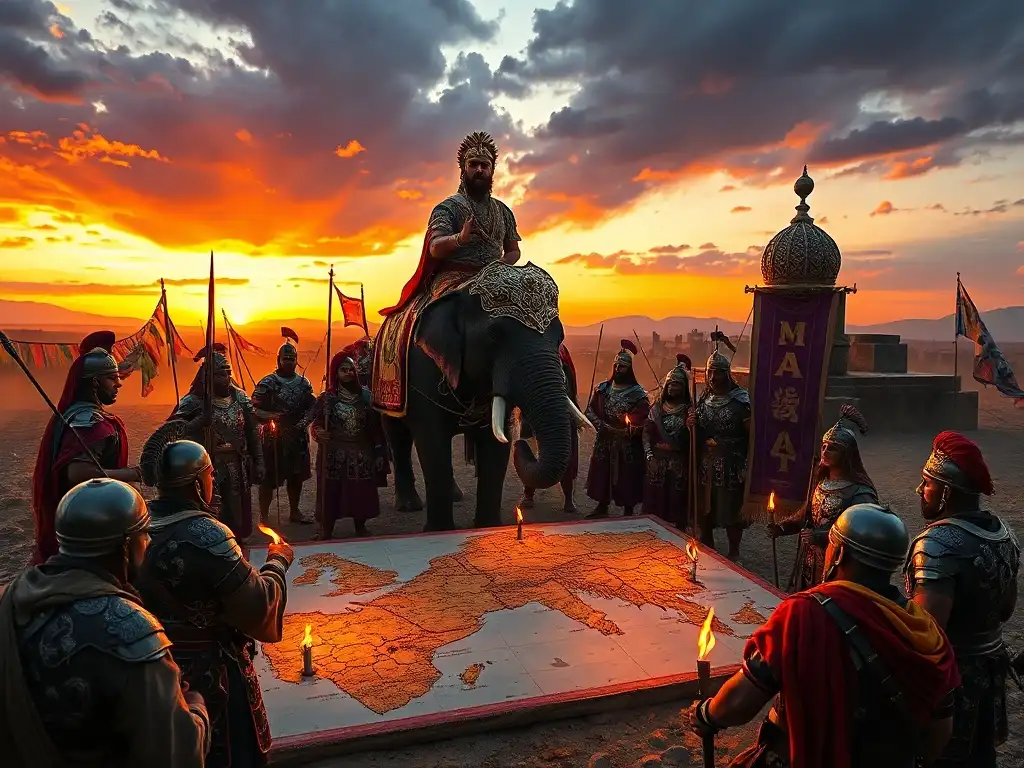
Welcome to Ancient India History, where we embark on a remarkable journey through time to uncover the rich tapestry of civilizations that shaped the Indian subcontinent. In our featured article, “The Evolution of Warfare: Leadership Lessons from Ancient Indian Battles,” we delve into the fascinating realm of leadership in ancient Indian warfare. Discover the strategic minds and courageous leaders who not only influenced the course of battles but also left an indelible mark on the culture and history of India.
Are you ready to unlock the secrets of ancient military prowess and gain insights that resonate even today? Let's dive deeper into this compelling narrative!
Introduction to Leadership in Ancient Indian Warfare
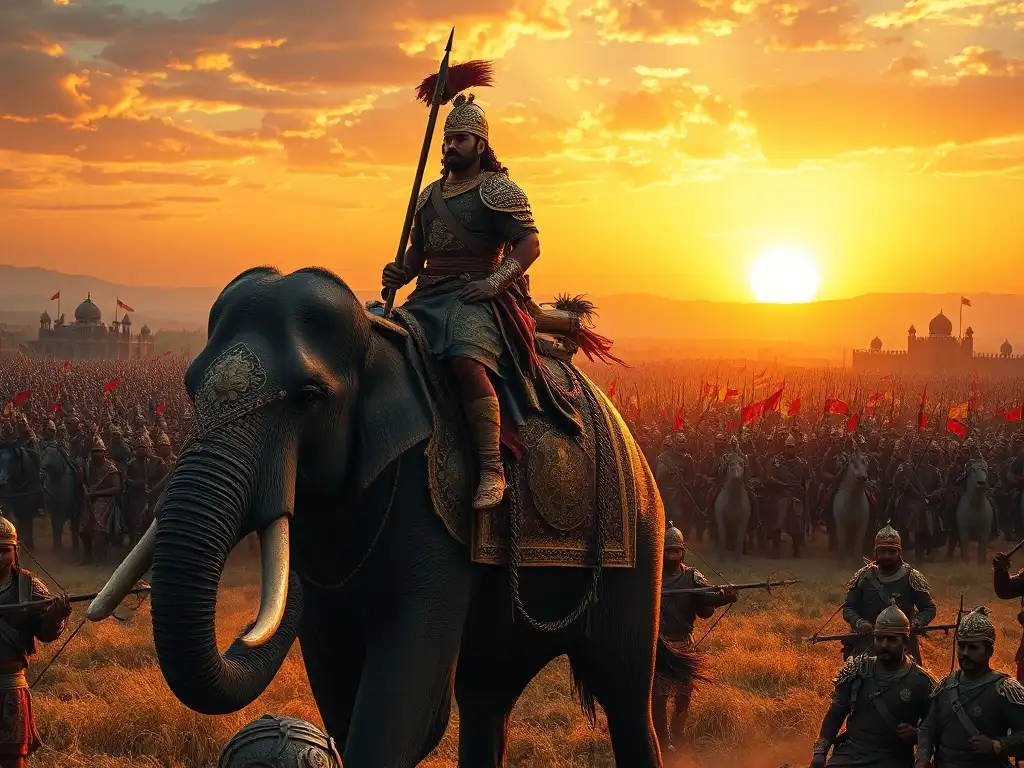
The concept of leadership in ancient Indian warfare is a fascinating and multifaceted topic that unveils the strategic genius, valor, and organizational prowess of historical figures who shaped the course of battles and empires. From the sophisticated military tactics of the Indus Valley Civilization to the strategic brilliance of leaders during the Gupta Empire, ancient Indian warfare provides valuable insights into the dynamics of leadership amidst conflict. Understanding these leadership qualities not only illuminates the past but also offers timeless lessons applicable to modern-day leadership challenges, particularly in high-stakes environments.
Importance of Leadership in Warfare
Leadership played a crucial role in the success or failure of military campaigns in ancient India. Effective leaders were not just commanders but also visionaries who inspired their troops and made critical decisions under pressure. Key aspects of leadership in warfare included:
- Strategic Planning: Leaders were responsible for formulating strategies that considered terrain, enemy strength, and logistical challenges.
- Morale and Motivation: The ability to inspire troops was paramount. Leaders like Chandragupta Maurya and Ashoka the Great exemplified how motivational leadership could galvanize armies toward achieving monumental objectives.
- Adaptability and Innovation: Leaders who could adapt to changing circumstances and innovate in tactics often gained the upper hand. The use of war elephants and chariots, for instance, showcased innovative approaches to traditional combat.
Overview of Ancient Indian Military Strategies
Ancient Indian military strategies were characterized by a blend of innovative tactics, psychological warfare, and the effective use of the diverse topography of the subcontinent. Key elements included:
- Use of Terrain: Leaders utilized the natural landscape to their advantage, employing guerrilla tactics in forested areas and forming phalanxes in open fields.
- Combined Arms Approach: Armies integrated infantry, cavalry, and war elephants, allowing for versatile combat strategies that could adapt to various battle scenarios.
- Diplomatic Maneuvers: Many leaders engaged in alliances and diplomacy to strengthen their position before engaging the enemy, showcasing the importance of strategic partnerships in warfare.
Key Historical Context of Ancient Indian Warfare
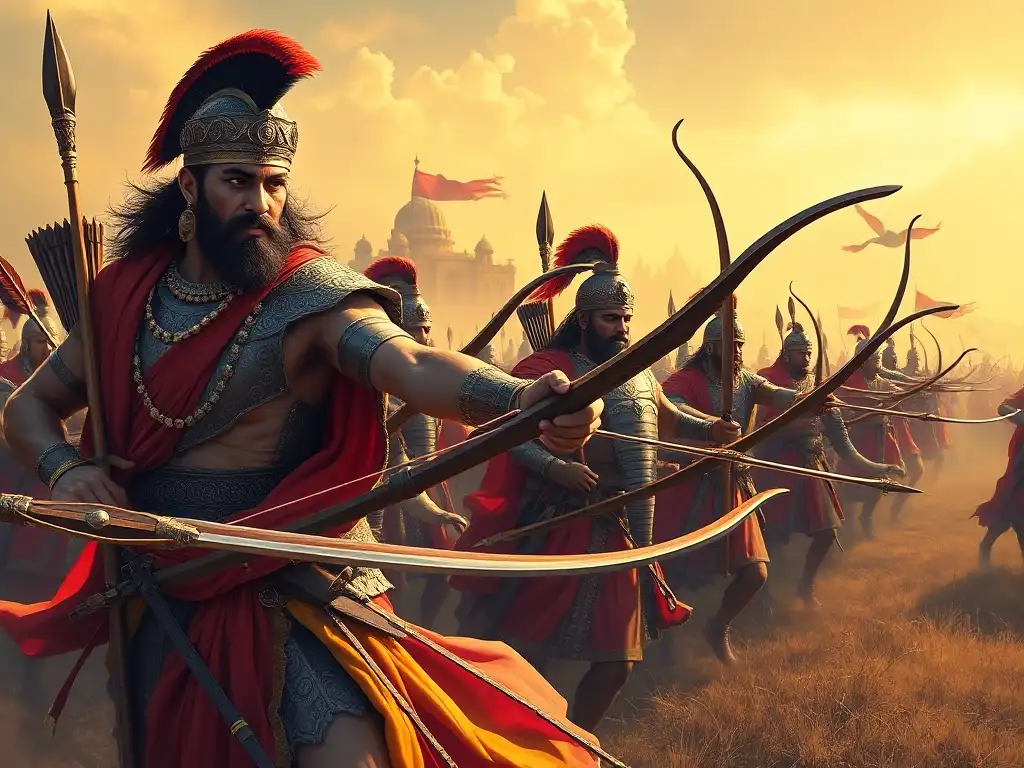
To fully appreciate the lessons in leadership derived from ancient Indian warfare, it's crucial to understand the historical context within which these battles were fought.
Major Periods of Warfare in Ancient India
Ancient Indian warfare can be broadly categorized into several significant periods:
- Indus Valley Civilization (c. 3300–1300 BCE): Early forms of organized warfare with evidence of fortifications and weapons.
- Vedic Period (c. 1500–500 BCE): Emergence of chariot warfare and the use of cavalry; warfare was often ritualistic and tied to religious beliefs.
- Maurya Empire (c. 322–185 BCE): A period marked by significant military conquests and the establishment of a vast empire under Chandragupta Maurya and his grandson Ashoka.
- Gupta Empire (c. 240–550 CE): Known for its cultural flourishing and military innovations, including the effective deployment of war elephants in battle.
Influential Kingdoms and Empires
Several kingdoms and empires played pivotal roles in shaping the landscape of ancient Indian warfare:
- Maurya Empire: Established a centralized administrative structure that enhanced military organization and logistics.
- Gupta Empire: Renowned for its cultural advancements and military prowess, the Guptas showcased effective leadership through strategic expansion and defense.
- Chola Dynasty: Known for their naval strength and overseas campaigns, the Chola rulers exemplified leadership in both land and maritime warfare.
As we delve deeper into the evolution of warfare in ancient India, we will uncover more lessons on leadership that continue to resonate through the ages, demonstrating the lasting impact of these ancient leaders on modern leadership practices.
Leadership Qualities Demonstrated in Ancient Indian Battles
Leadership in ancient Indian warfare was defined by several key qualities that not only influenced the outcomes of battles but also shaped the political landscapes of the time. The leaders of ancient India exhibited a blend of strategic vision, charismatic authority, and adaptability, all of which contributed significantly to their success on the battlefield. Understanding these qualities provides valuable insights into effective leadership that can be applied in various contexts today.
Strategic Vision and Planning
Strategic vision and planning were paramount in the decision-making processes of ancient Indian leaders. They were not merely warriors; they were also astute strategists who understood the importance of foresight in warfare. Leaders like Chandragupta Maurya demonstrated exceptional strategic vision by uniting disparate kingdoms into a single empire. His ability to foresee the potential of a unified India led him to implement a series of well-planned military campaigns against the Nanda dynasty and regional powers, showcasing his aptitude for long-term planning.
Moreover, the use of intelligence and reconnaissance was a hallmark of strategic planning in ancient battles. Leaders often sent scouts to gather information about enemy positions, strengths, and weaknesses. This proactive approach to gathering intelligence allowed them to devise strategies that would exploit enemy vulnerabilities while minimizing their own risks.
Charismatic Authority and Motivation
Charismatic authority played a crucial role in ancient Indian warfare, as leaders needed to inspire and motivate their troops to face daunting challenges. Leaders like Ashoka the Great were known for their ability to garner loyalty and devotion from their followers. Ashoka’s transformation from a fierce warrior to a proponent of peace after the Kalinga War is a testament to his charisma. He managed to rally his soldiers not just through fear, but by instilling a sense of purpose and moral obligation, emphasizing the importance of dharma (righteousness) in warfare.
Furthermore, charismatic leaders often engaged directly with their troops, fostering a sense of camaraderie and shared destiny. This emotional connection enhanced morale and solidarity among soldiers, crucial elements that could turn the tide of battle. The ability to communicate a compelling vision and motivate others is an essential quality that remains relevant in leadership across cultures and eras.
Adaptability and Innovation in Tactics
The battlefield of ancient India was ever-changing, and leaders had to be adaptable and innovative to succeed. The ability to modify tactics in response to new challenges was a distinguishing trait of successful leaders. For instance, during the time of Samudragupta, the use of cavalry and elephants in warfare was advanced significantly, allowing for more dynamic and flexible combat strategies. His adaptability in integrating different military techniques, such as guerilla warfare and psychological tactics, showcased his innovative approach.
Moreover, the leaders were not averse to learning from their adversaries. They would often observe and incorporate successful tactics used by other cultures, which required a level of humility and openness to change. This willingness to evolve and experiment with new strategies was essential for maintaining an edge over opponents, reflecting a crucial leadership quality in the face of adversity.
Case Studies of Prominent Leaders in Ancient Indian Warfare
The study of specific leaders in ancient Indian warfare provides concrete examples of how leadership qualities manifested in real-life scenarios. Each of these leaders exemplified distinct traits that contributed to their military and political successes.
Chandragupta Maurya: The Unifier of India
Chandragupta Maurya is celebrated as the founder of the Maurya Empire and a unifying figure in ancient India. His leadership was characterized by a clear strategic vision, as he sought to consolidate various kingdoms under one rule. Through strategic alliances and military conquests, he successfully overthrew the Nanda dynasty and established a centralized administration. His ability to implement effective governance and maintain order within a diverse empire exemplified his multifaceted leadership qualities. Chandragupta’s legacy is one of strong leadership that laid the foundations for future Indian empires.
Ashoka the Great: From Warrior to Peace Advocate
Ashoka the Great, initially known for his military conquests, experienced a profound transformation following the Kalinga War, which led to immense suffering and loss. His subsequent embrace of Buddhism and commitment to non-violence marked a significant shift in leadership philosophy. Ashoka's leadership qualities extended beyond military prowess to encompass empathy, moral authority, and a focus on welfare. He promoted the principles of dharma and sought to spread messages of peace and tolerance throughout his empire, demonstrating how leaders can evolve and adapt their approaches in response to their experiences.
Samudragupta: The Conqueror and Diplomat
Samudragupta, often referred to as the "Napoleon of India," was renowned for his military genius and diplomatic skills. His reign exemplified adaptability in warfare, as he employed a mix of brute force and strategic alliances to expand his empire. Samudragupta’s campaigns included not only conquests but also negotiations with neighboring rulers, showcasing his ability to balance diplomacy with military might.
His leadership style was characterized by a blend of aggression and shrewdness, which allowed him to maintain stability across a vast and diverse kingdom. His legacy is a testament to the effectiveness of combining military strategy with diplomatic engagement in ancient warfare.
Lessons Learned from Ancient Indian Military Leaders
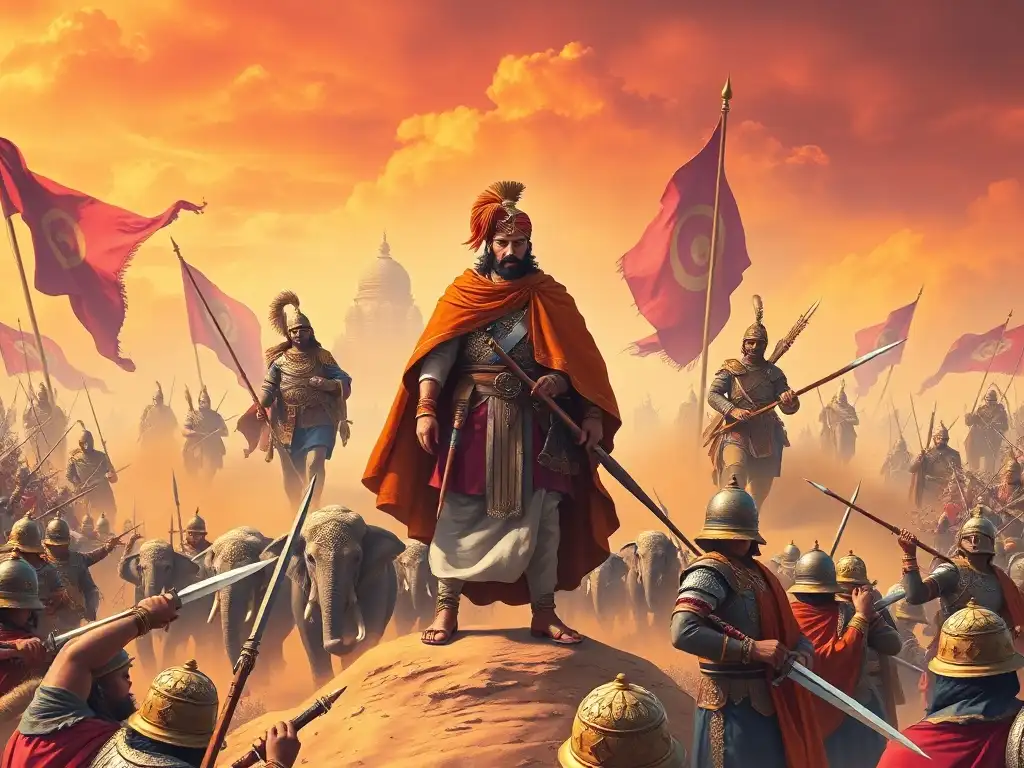
The military leaders of ancient India left a profound legacy that continues to resonate in modern leadership principles. Their strategies, ethical considerations, and the dynamics of troop management provide valuable lessons that remain relevant across centuries. Key military figures such as Chandragupta Maurya, Ashoka the Great, and Shivaji Maharaj exemplify the qualities of effective leadership through their innovative approaches to warfare and governance. Exploring these lessons reveals insights into the importance of ethics, unity, tactical flexibility, and the enduring influence of these leaders on contemporary leadership practices.
The Role of Ethics in Leadership
Ethics played a crucial role in the leadership styles of ancient Indian military leaders. For instance, Ashoka the Great, after his conversion to Buddhism, emphasized moral governance and non-violence even after a bloody battle at Kalinga. His transformation illustrates the impact of ethical considerations on leadership. He implemented the concept of "Dharma," which guided his policies and military actions, promoting peace and welfare.
This ethical framework not only shaped his rule but also influenced how his soldiers viewed their roles. They were not just warriors but protectors of a righteous cause. Ethical leadership engenders trust and respect, fostering loyalty among troops and encouraging them to act in accordance with the values of their leader, which ultimately enhances the effectiveness of military campaigns.
Importance of Unity and Loyalty Among Troops
Unity and loyalty among troops were pivotal in ancient Indian warfare. Leaders like Shivaji Maharaj cultivated strong bonds with their soldiers, emphasizing the importance of camaraderie and shared purpose. He instilled a sense of pride and duty, which translated into fierce loyalty during battles. This unity was not merely a result of fear or discipline; it was built on mutual respect and recognition of each soldier's contributions.
Moreover, ancient texts such as the "Arthashastra" highlight the significance of morale and loyalty in warfare. Kautilya, the author, advocated for leaders to understand the social dynamics of their troops, thereby ensuring that they felt valued and part of a larger mission. The ability to inspire and unite troops under a common cause is a timeless lesson for leaders today, emphasizing the need for strong interpersonal connections within teams.
Tactical Flexibility and Resource Management
Tactical flexibility and resource management were hallmarks of effective leadership in ancient Indian warfare. Leaders like Chandragupta Maurya showcased adaptability by employing various strategies depending on the context of the battle. They understood that rigid strategies could lead to defeat, and thus they were willing to reassess and modify their tactics in response to changing circumstances.
Additionally, efficient resource management was critical. The ancient Indian military leaders prioritized logistics, ensuring that their forces were well-equipped and supported. They often relied on local resources and alliances to strengthen their positions. This approach underscores the importance of strategic planning and adaptability in leadership, where the ability to pivot and optimize resources can determine the outcome of both military and organizational challenges.
The Influence of Ancient Indian Warfare on Modern Leadership
The principles derived from ancient Indian warfare extend far beyond military applications; they offer a wealth of insights for modern leadership. The emphasis on ethics, unity, flexibility, and resourcefulness can guide contemporary leaders in navigating complex environments and fostering cohesive teams.
Parallels Between Ancient and Modern Leadership Principles
Many leadership principles observed in ancient Indian military strategies find parallels in modern organizational practices. The focus on ethical leadership, for instance, aligns with contemporary trends that advocate for corporate social responsibility and ethical governance. Modern leaders are increasingly expected to uphold values that resonate with their stakeholders, similar to how ancient leaders used ethics to guide their military and political decisions.
Furthermore, the importance of unity and loyalty remains relevant in today’s diverse workplaces. Effective leaders recognize the value of building inclusive teams that share a common vision, mirroring the ancient practices of fostering strong bonds among troops. The tactical flexibility seen in ancient warfare is echoed in agile management approaches that prioritize adaptability and responsiveness in dynamic business landscapes.
Lessons for Contemporary Leaders from Ancient Indian Warfare
Contemporary leaders stand to gain significantly from the lessons derived from ancient Indian warfare. First, the integration of ethical considerations into leadership practices can enhance credibility and trustworthiness. Leaders today must navigate complex moral landscapes, and drawing from the ethical frameworks of ancient leaders can provide guidance.
Second, fostering a culture of unity and loyalty within teams is essential. Leaders should invest in team-building activities and create environments where every member feels valued. This sense of belonging can enhance motivation and collective performance.
Lastly, the ability to remain tactically flexible and manage resources wisely is crucial in a fast-paced world. Leaders should encourage innovative thinking and be prepared to adjust strategies based on situational demands, much like the ancient military leaders who thrived by adapting to the battlefield’s ever-changing nature.
The lessons from ancient Indian warfare not only deepen our understanding of historical leadership practices but also offer timeless strategies that modern leaders can employ to navigate the complexities of today's challenges.
Conclusion: The Legacy of Leadership in Ancient Indian Warfare
The history of warfare in ancient India offers profound insights into leadership that remain relevant even today. From the strategic brilliance of generals to the moral dilemmas faced by rulers, the various battles fought across the Indian subcontinent reflect the complexities of leadership. These ancient leaders not only shaped the outcomes of their conflicts but also left behind a legacy that emphasizes the importance of wisdom, ethics, and adaptability in leadership roles. The lessons derived from their experiences continue to resonate in modern contexts, informing current leaders in various fields about the value of strategic foresight and ethical governance.
Summary of Key Leadership Lessons
- Strategic Planning: Ancient Indian leaders, such as Chandragupta Maurya and Ashoka, demonstrated the importance of thorough planning and strategy. They understood the terrain, the strengths and weaknesses of their armies, and the political landscape, which often determined the success or failure of their campaigns.
- Moral Integrity: The concept of 'Dharma' (righteousness) played a crucial role in ancient Indian warfare. Leaders like Ashoka exemplified how adhering to moral principles could guide decisions during conflicts, fostering respect and loyalty among followers.
- Adaptability and Innovation: Leaders were also required to adapt to changing circumstances on the battlefield. The use of innovative tactics, such as guerilla warfare employed by figures like Shivaji Maharaj, showcased the necessity of flexibility in leadership.
- Empowerment of Subordinates: Successful leaders recognized the importance of empowering their commanders and soldiers. This delegation of authority not only improved morale but also encouraged initiative and creativity in tackling challenges.
- Visionary Leadership: Many leaders had a clear vision for their kingdoms and the future they desired. This foresight allowed them to inspire their troops and unite them under a common goal, as seen in the campaigns of Alexander the Great in India.
The Continuing Relevance of Ancient Leadership Lessons in Today's Context
The leadership lessons drawn from ancient Indian warfare hold significant relevance in today's rapidly changing world. In contemporary contexts, leaders are often faced with complex challenges that require a blend of strategic thinking, ethical considerations, and adaptability. For instance, in business, executives can learn from the strategic planning and innovation exhibited by ancient leaders to navigate competitive landscapes.
Moreover, the emphasis on moral integrity and ethical leadership is increasingly vital in today's societies, where transparency and accountability are demanded by the public. Leaders who embody these values can foster trust and loyalty among their teams and stakeholders.
Additionally, the empowerment of subordinates remains crucial in modern organizations. By creating an environment where team members feel valued and encouraged to contribute their ideas, leaders can harness collective intelligence to drive innovation and success.
Overall, the legacy of leadership in ancient Indian warfare serves as a timeless guide for current leaders, urging them to blend strategy with ethics and adaptability. As we continue to learn from history, it is essential to apply these lessons to cultivate effective leadership in all spheres of life.
- Introduction to Leadership in Ancient Indian Warfare
- Importance of Leadership in Warfare
- Overview of Ancient Indian Military Strategies
- Key Historical Context of Ancient Indian Warfare
- Leadership Qualities Demonstrated in Ancient Indian Battles
- Case Studies of Prominent Leaders in Ancient Indian Warfare
- Lessons Learned from Ancient Indian Military Leaders
- The Influence of Ancient Indian Warfare on Modern Leadership
- Conclusion: The Legacy of Leadership in Ancient Indian Warfare
- What were the key leadership qualities in ancient Indian warfare?
- How did ancient Indian leaders influence military tactics?
- What role did religion play in ancient Indian warfare?
- How did the Gupta Empire exemplify effective leadership in warfare?
- In what ways can modern leaders learn from ancient Indian military leadership?
Frequently Asked Questions
What were the key leadership qualities in ancient Indian warfare?
Ancient Indian warfare emphasized strategic thinking, courage, and the ability to inspire troops. Leaders like Chandragupta Maurya exemplified these qualities, enabling them to achieve significant victories.
How did ancient Indian leaders influence military tactics?
Leaders in ancient India, such as Ashoka, adapted military tactics based on terrain and enemy strengths. Their innovations often included the use of elephants and chariots, enhancing battlefield effectiveness.
What role did religion play in ancient Indian warfare?
Religion was deeply intertwined with warfare; leaders often sought divine approval for their battles. This aspect influenced not only the morale of troops but also the justification for conflicts.
How did the Gupta Empire exemplify effective leadership in warfare?
The Gupta Empire showcased effective leadership through unified command and strategic alliances. Their military successes were driven by well-trained armies and innovative tactics during the expansion of their territory.
In what ways can modern leaders learn from ancient Indian military leadership?
Modern leaders can draw lessons from ancient Indian military leadership by focusing on adaptability, team cohesion, and the importance of ethical conduct in leadership, which can foster trust and loyalty within teams.
Final Reflection: Leadership Lessons from the Past Shape Our Future
The exploration of leadership in ancient Indian warfare reveals timeless principles that resonate profoundly in today's complex world. As we navigate the challenges of modern leadership, the strategies and philosophies derived from historical battles remind us that effective leadership is not merely about authority or power; it is about vision, adaptability, and the ability to inspire others. The lessons gleaned from ancient texts and the valor of legendary leaders like Chandragupta Maurya and Ashoka the Great continue to illuminate paths for contemporary leaders facing unprecedented challenges.
The impact of these ancient leadership lessons extends far beyond the battlefield, influencing our cultural and social landscapes. In a world where collaboration and resilience are paramount, the teachings from ancient Indian warfare encourage us to foster unity and strategic thinking. As Mahatma Gandhi once said, "> The best way to find yourself is to lose yourself in the service of others." This sentiment echoes the essence of leadership found in ancient texts, where leaders prioritized the welfare of their people, demonstrating that true leadership is rooted in selflessness and service.
As we reflect on these enduring lessons, I invite you to consider how you can embody these principles in your own life. What aspects of leadership from ancient Indian warfare can you apply to your personal or professional journey? Whether it’s fostering collaboration, embracing adaptability, or leading with purpose, let us strive to cultivate these qualities within ourselves. The past holds invaluable insights that can guide us toward a more harmonious and effective future, reminding us that the essence of leadership transcends time and culture.
Unveil the Leadership Lessons of Ancient Warfare!
Thank you for immersing yourself in the fascinating world of ancient Indian battles and their profound lessons on leadership. You’ve gained valuable insights that can inspire you to become a more effective leader today! Now, it’s time to take action and put these lessons into practice.
Here are some steps you can take right now:
- Reflect on a historical figure from ancient Indian warfare who inspires you, and identify a key leadership quality they exhibited that you can adopt in your own life.
- Join a local or online group focused on history or leadership, where you can discuss these lessons and share your thoughts with others.
- Share this article with friends or colleagues who might benefit from these insights. Encourage them to explore the relevance of ancient leadership styles to contemporary challenges.
What leadership trait from ancient warfare do you believe would have the most significant impact on today's challenges?